
European Natural Gas Futures Drop 18% After US-Iran Ceasefire Announcement
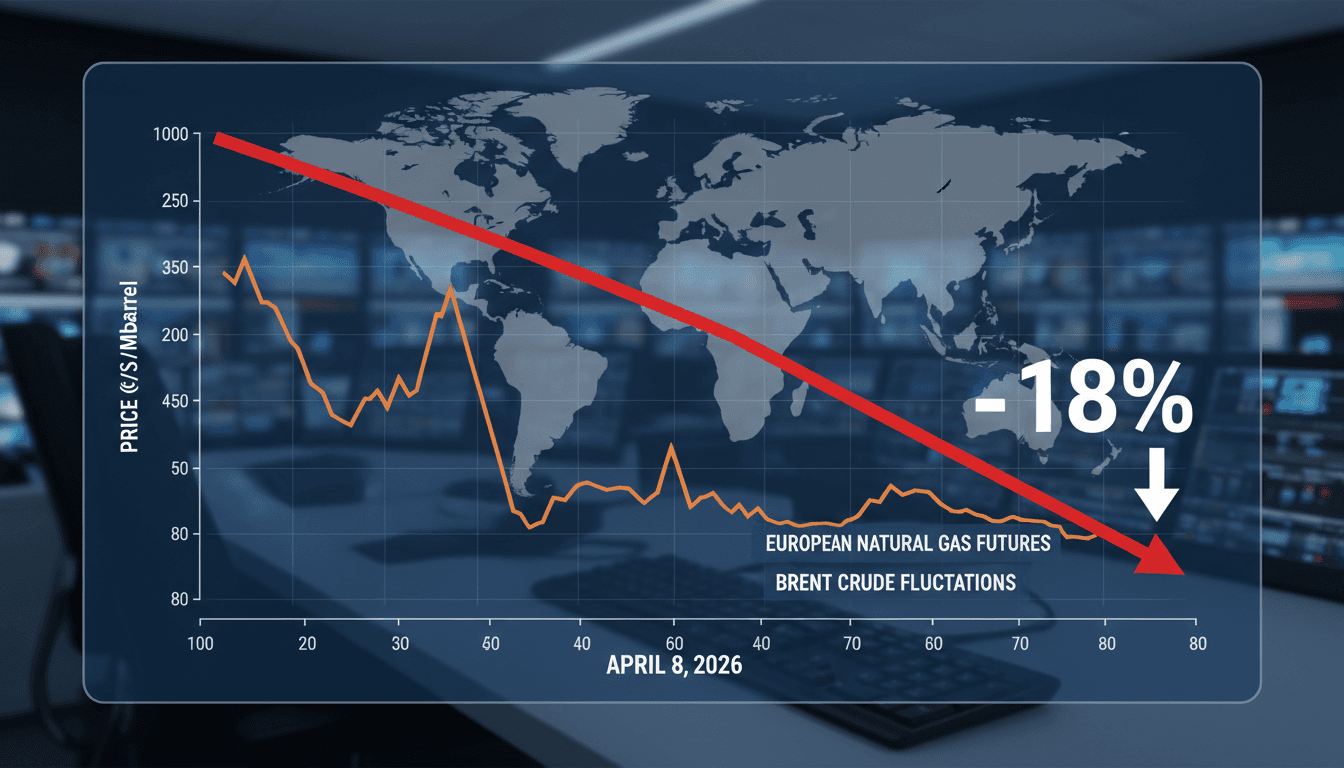
Here's what it means for you.
If you rely on natural gas for energy, the recent price drop could lead to lower utility bills in the coming months.
Why it matters
The decline in natural gas prices reflects a significant easing of geopolitical tensions that had previously threatened global energy supplies.
What happened (in 30 seconds)
- Benchmark European natural gas futures contracts dropped 18% on April 8, 2026, following a ceasefire agreement between the U.S. and Iran.
- The Dutch TTF hub contracts saw the sharpest decline, signaling trader relief over reduced supply disruption risks.
- Global markets reacted positively, with Asian equities rallying and Brent crude prices falling below $100 per barrel.
The context you actually need
- Escalating tensions in the US-Iran conflict since late February 2026 had already caused energy prices to spike, with Brent crude exceeding $108 per barrel.
- The Strait of Hormuz, a critical shipping route for 20% of global LNG and oil flows, had faced closures, heightening concerns over energy supply stability.
- President Trump's ultimatum for Iran to reopen shipping lanes was met with diplomatic efforts from allies, culminating in the two-week truce announcement.
What's really happening
On April 7, 2026, President Trump announced a conditional two-week ceasefire with Iran, which included the partial reopening of the Strait of Hormuz and a cessation of attacks. This announcement came after months of escalating conflict that had severely impacted energy markets, particularly in Europe. The immediate reaction from traders was one of relief, as the ceasefire reduced the perceived risk of further disruptions to oil and gas supplies.
As markets opened on April 8, European gas prices plummeted by 18%, marking a significant shift from the multi-year highs that had been reached just weeks prior. The Dutch TTF hub contracts, which serve as a key benchmark for European natural gas prices, were particularly affected. The decline in gas prices was accompanied by a drop in Brent crude prices, which fell below $100 per barrel for the first time in weeks. This simultaneous decline across energy commodities reflects a broader market sentiment that the immediate crisis had been averted.
The ceasefire is conditional, meaning that compliance will be closely monitored by global markets. While the initial reaction has been positive, analysts caution that prices may remain volatile as the situation evolves. The truce does not resolve the underlying tensions between the U.S. and Iran, and any breach of the agreement could lead to renewed conflict and price spikes.
In the wake of the announcement, global markets exhibited a risk-on behavior, with Asian equities rallying up to 5% and the Dubai Financial Market index surging 8.3%. This surge reflects investor optimism stemming from the potential for lower energy costs, which could have a cascading effect on economic sentiment and consumer spending. The U.S. dollar also weakened, reaching a one-month low, indicating a shift in investor confidence towards riskier assets.
Energy analysts are now focused on the adherence to the ceasefire and its implications for supply chains. While the immediate threat to energy prices has subsided, the potential for sustained volatility remains. European officials have warned that prices may not stabilize fully due to existing supply chain lags, suggesting that consumers might still face elevated costs in the near term.
Who feels it first (and how)
- Energy traders: Immediate impact on trading positions and strategies due to price volatility.
- Consumers in Europe: Potential for lower energy bills as gas prices stabilize.
- Investors in Asian markets: Positive sentiment leading to increased investment opportunities.
- Dubai residents: Benefiting from a surge in the financial market and potential lower imported LNG costs.
What to watch next
- Compliance with the ceasefire: Monitoring adherence will be crucial in determining future price stability.
- Global energy demand trends: Changes in demand, particularly from Asia, could influence price movements.
- Geopolitical developments: Any shifts in U.S.-Iran relations or new conflicts could reignite price volatility.
European natural gas prices fell 18% following the ceasefire announcement.
Continued volatility in energy prices as markets react to geopolitical developments.
The long-term sustainability of the ceasefire and its impact on global energy supply chains.
Frequently Asked Questions
- Why it matters?
- The decline in natural gas prices reflects a significant easing of geopolitical tensions that had previously threatened global energy supplies.
- What happened (in 30 seconds)?
- Benchmark European natural gas futures contracts dropped 18% on April 8, 2026, following a ceasefire agreement between the U.S. and Iran. The Dutch TTF hub contracts saw the sharpest decline, signaling trader relief over reduced supply disruption risks. Global markets reacted positively, with Asian equities rallying and Brent crude prices falling below $100 per barrel.
- What's really happening?
- On April 7, 2026, President Trump announced a conditional two-week ceasefire with Iran, which included the partial reopening of the Strait of Hormuz and a cessation of attacks. This announcement came after months of escalating conflict that had severely impacted energy markets, particularly in Europe. The immediate reaction from traders was one of relief, as the ceasefire reduced the perceived risk of further disruptions to oil and gas supplies. As markets opened on April 8, European gas prices
- Who feels it first (and how)?
- Energy traders: Immediate impact on trading positions and strategies due to price volatility. Consumers in Europe: Potential for lower energy bills as gas prices stabilize. Investors in Asian markets: Positive sentiment leading to increased investment opportunities. Dubai residents: Benefiting from a surge in the financial market and potential lower imported LNG costs.
- What to watch next?
- Compliance with the ceasefire: Monitoring adherence will be crucial in determining future price stability. Global energy demand trends: Changes in demand, particularly from Asia, could influence price movements. Geopolitical developments: Any shifts in U.S.-Iran relations or new conflicts could reignite price volatility.
Pan-Arab news coverage spanning politics, business, sports, and regional affairs.
"Asharq Al-Awsat reflects a broad Arab editorial perspective with strong attention to regional geopolitics."
— A47 Editor
عقود الغاز الأوروبية تهوي 18% بعد هدنة الأسبوعين
European gas contract prices plummeted by 18% on Wednesday morning following Donald Trump's agreement to suspend military actions against Iran. This significant drop reflects market reactions to geopolitical developments that can influence energy sup...
Arabic-language digital news outlet covering UAE, regional, and international developments with broad general-news coverage.
"Al Ain News coverage typically blends UAE-focused reporting with wider Arab regional and international news."
— A47 Editor
سعر النفط يهبط بنسبة 14% والبرميل يفقد أكثر من 15 دولارا.. أثر الهدنة
Oil prices have dropped by over 14%, nearing the $90 per barrel mark, following U.S. President Donald Trump's announcement of a two-week ceasefire with Iran. This significant decline represents a loss of more than $15 per barrel.