
Trump Administration Proposes $500 Million Bailout for Spirit Airlines Amid Bankruptcy Crisis
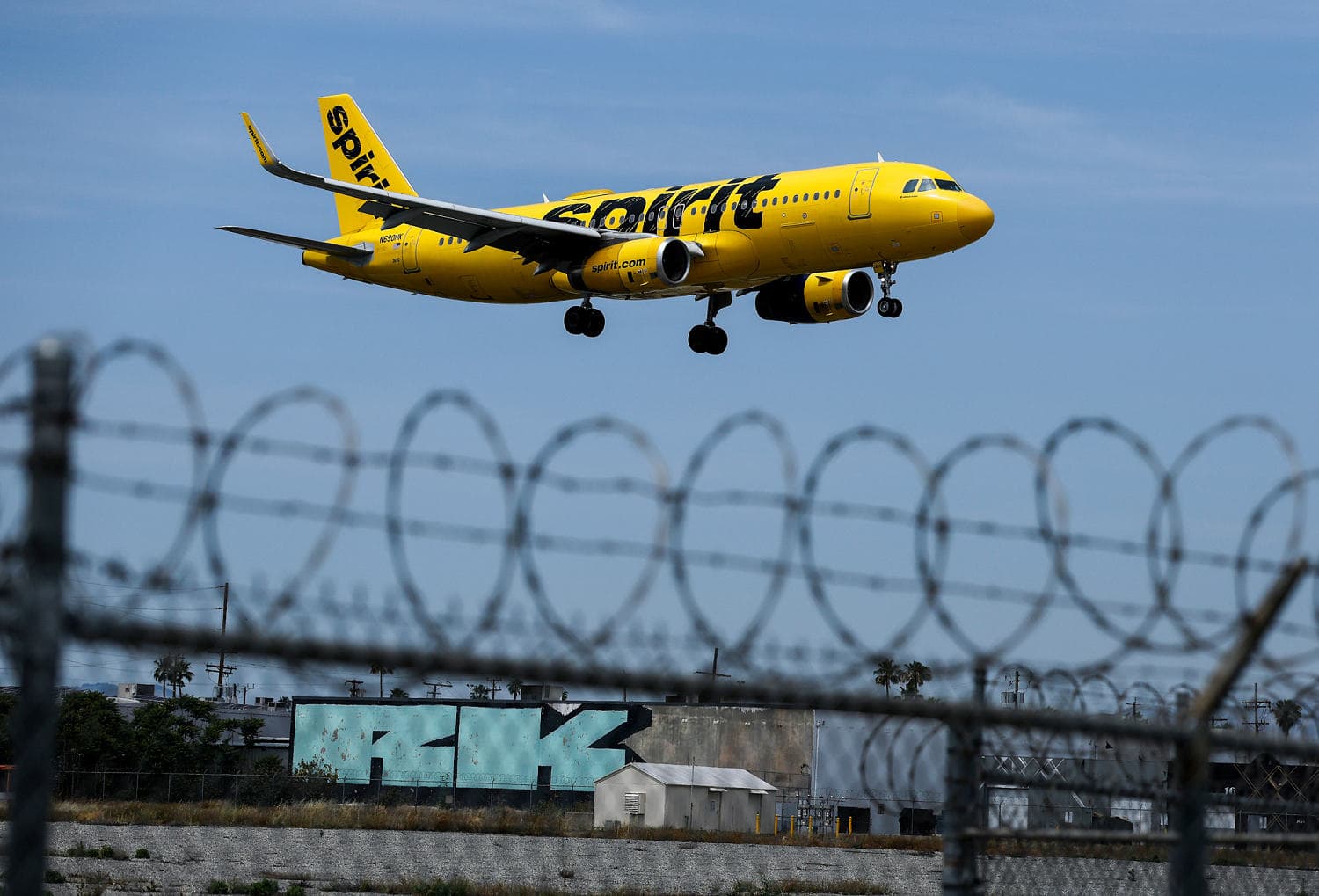
Here's what it means for you.
If you’re a traveler or investor, this bailout could reshape airline competition and pricing structures in the U.S. market.
Why it matters
This intervention highlights the ongoing tension between government support for struggling industries and the principles of free market competition.
What happened (in 30 seconds)
- On April 23, 2026, the Trump administration advanced negotiations for a $500 million bailout of Spirit Airlines, which is facing its second Chapter 11 bankruptcy.
- Critics warn that the proposed federal equity stake could distort competition and set a precedent for future bailouts in the airline industry.
- The airline's financial troubles stem from a blocked merger with JetBlue and rising operational costs, leading to significant quarterly losses.
The context you actually need
- Spirit Airlines was unable to merge with JetBlue due to antitrust concerns, limiting its ability to compete effectively in the market.
- Rising fuel costs and changing consumer preferences have further strained the airline's finances, resulting in a liquidity crisis.
- Federal intervention aims to preserve 14,000 jobs and prevent liquidation, but it raises questions about taxpayer risks and market fairness.
What's really happening
The proposed $500 million bailout for Spirit Airlines is a response to a complex interplay of market dynamics and government policy. Spirit's financial distress began with a 2022 merger agreement with JetBlue, which was blocked by the Biden administration in 2024 on antitrust grounds. This decision deprived Spirit of the scale efficiencies that could have helped stabilize its operations.
As operational costs surged—exacerbated by rising fuel prices linked to geopolitical tensions, particularly the Iran war—Spirit's business model, which relies heavily on ancillary fees, became increasingly untenable. By early 2026, the airline faced a liquidity crisis, leading to its second Chapter 11 filing in March, with reported quarterly losses of $250 million.
In this context, President Trump’s administration has stepped in, signaling potential federal aid during a CNBC interview on April 21, 2026. The proposed financing structure involves a loan that could convert into a 90% equity stake post-bankruptcy, effectively placing the government in a position of significant ownership. This raises critical questions about the implications of such a move: Will it distort competition by favoring Spirit over its rivals?
Critics, including policy analysts and some Republican senators, have voiced concerns about the precedent this sets for government intervention in the private sector. They argue that it could open the floodgates for similar requests from other airlines, such as JetBlue and Frontier, which may seek federal assistance under the guise of preserving jobs and stabilizing the industry.
Moreover, the involvement of bondholders and unions in the negotiations indicates a complex web of interests that the administration must navigate. Unions are demanding employee protections as part of any deal, while bondholders are weighing their options amid looming liquidity deadlines. The volatility in stock and aviation sector futures reflects the uncertainty surrounding Spirit's future and the broader implications of government intervention.
Who feels it first (and how)
- Airline employees: 14,000 jobs at Spirit Airlines are at stake, directly impacting workers and their families.
- Travelers: Changes in competition could affect ticket prices and service quality across the airline industry.
- Investors: Stakeholders in the airline sector may experience volatility in stock prices and market confidence based on the outcome of the bailout negotiations.
What to watch next
- Federal negotiations: Monitor the progress of discussions between the Trump administration and Spirit Airlines, as any final agreement will set a precedent for future bailouts.
- Market reactions: Watch for stock market responses from other airlines, particularly JetBlue and Frontier, as they may react to the potential for government support.
- Consumer behavior: Keep an eye on shifts in consumer preferences regarding airline services, especially as operational costs and pricing structures evolve.
Spirit Airlines is facing significant financial distress and has filed for Chapter 11 bankruptcy twice.
The Trump administration will continue to negotiate terms for the bailout, potentially leading to a federal equity stake in Spirit.
The long-term effects of this bailout on competition within the airline industry remain uncertain.
Frequently Asked Questions
- Why it matters?
- This intervention highlights the ongoing tension between government support for struggling industries and the principles of free market competition.
- What happened (in 30 seconds)?
- On April 23, 2026, the Trump administration advanced negotiations for a $500 million bailout of Spirit Airlines, which is facing its second Chapter 11 bankruptcy. Critics warn that the proposed federal equity stake could distort competition and set a precedent for future bailouts in the airline industry. The airline's financial troubles stem from a blocked merger with JetBlue and rising operational costs, leading to significant quarterly losses.
- What's really happening?
- The proposed $500 million bailout for Spirit Airlines is a response to a complex interplay of market dynamics and government policy. Spirit's financial distress began with a 2022 merger agreement with JetBlue, which was blocked by the Biden administration in 2024 on antitrust grounds. This decision deprived Spirit of the scale efficiencies that could have helped stabilize its operations. As operational costs surged—exacerbated by rising fuel prices linked to geopolitical tensions, particularly
- Who feels it first (and how)?
- Airline employees: 14,000 jobs at Spirit Airlines are at stake, directly impacting workers and their families. Travelers: Changes in competition could affect ticket prices and service quality across the airline industry. Investors: Stakeholders in the airline sector may experience volatility in stock prices and market confidence based on the outcome of the bailout negotiations.
- What to watch next?
- Federal negotiations: Monitor the progress of discussions between the Trump administration and Spirit Airlines, as any final agreement will set a precedent for future bailouts. Market reactions: Watch for stock market responses from other airlines, particularly JetBlue and Frontier, as they may react to the potential for government support. Consumer behavior: Keep an eye on shifts in consumer preferences regarding airline services, especially as operational costs and pricing structures evolv
U.S. business news, corporate developments, and economy.
"The Wall Street Journal is respected for deep financial and economic reporting with a center-right editorial perspective."
— A47 Editor
Trump on Spirit Airlines: ‘I Think We’d Just Buy It’
President Trump has suggested that the U.S. government could take over Spirit Airlines, which is currently negotiating for a federal bailout amid significant financial struggles. The airline has been facing rising jet-fuel prices and instability, pro...
Editor-curated FT homepage stories spanning markets, business, world, and opinion.
"The Financial Times is a globally respected business publication with a centrist/center-left tone and strong markets focus."
— A47 Editor
Trump suggests US could buy Spirit amid bailout talks
Former President Donald Trump has suggested that the U.S. government could acquire Spirit Airlines, which is currently in bankruptcy and seeking a financial package from federal authorities. This proposal comes amid ongoing discussions about the airl...
UAE-based newspaper covering Gulf politics, society, and international developments.
"Gulf News is one of the UAE’s most prominent English-language publications."
— A47 Editor
Trump considers a taxpayer takeover of Spirit Airlines and would aim to resell carrier
Spirit Airlines is reportedly in advanced discussions with the US government regarding potential assistance to navigate its bankruptcy situation, with former President Trump considering a taxpayer-funded takeover of the airline aimed at reselling it.
A curated Gulf News feed featuring major stories across news, business, opinion, and lifestyle.
"Gulf News is a major UAE newspaper whose featured stories feed reflects a broad editorial mix shaped for a Gulf audience."
— A47 Editor
Trump considers a taxpayer takeover of Spirit Airlines and would aim to resell carrier
Spirit Airlines is reportedly in advanced discussions with the US government regarding potential assistance to navigate its bankruptcy situation, with former President Trump considering a taxpayer-funded takeover of the airline aimed at reselling it.
Global business headlines with AI angles.
"General business outlet that frequently covers AI."
— A47 Editor
Trump's Spirit Airlines Rescue Talks Ignite Concern of Government Control Over Private Business: Report
The Trump administration is reportedly considering a $500 million rescue package for Spirit Airlines, which could result in the government owning 90% of the airline as it navigates bankruptcy and ongoing creditor negotiations. This potential interven...
Focused political reporting and governmental affairs.
"NBC News is a mainstream media outlet known for comprehensive national and international news coverage with a centrist to slightly left-leaning editorial tone."
— A47 Editor
Possible $500M Spirit Airlines bailout by Trump admin fuels warning from experts
The Trump administration is reportedly negotiating a $500 million bailout for Spirit Airlines, which has faced significant financial difficulties, including two Chapter 11 bankruptcy filings in less than a year. This potential deal could result in th...
Corporate leadership, finance, technology, and market trends.
"Fortune covers financial trends, leadership, and innovation with a pragmatic editorial approach."
— A47 Editor
How Spirit Airlines’ business model collapsed—and why a Trump bailout could make things worse
Spirit Airlines is facing a severe financial crisis, exacerbated by the COVID-19 pandemic, a failed merger attempt, and a significant increase in jet fuel prices, leading to unsustainable operations. The airline's financial instability has prompted d...
U.S. business news, corporate developments, and economy.
"The Wall Street Journal is respected for deep financial and economic reporting with a center-right editorial perspective."
— A47 Editor
Inside the White House Deliberations Over Rescuing Spirit Airlines
Transportation Secretary Sean Duffy and Commerce Secretary Howard Lutnick are engaged in discussions with President Trump regarding a potential rescue deal for Spirit Airlines, which has been facing significant financial difficulties. The proposed as...