
Asian Equities Rise and Oil Prices Steady as U.S.-Iran Talks Begin in Islamabad
Here's what it means for you.
If you’re invested in Asian markets or the oil sector, the outcome of U.S.-Iran negotiations could directly impact your portfolio.
Why it matters
Investor sentiment is closely tied to geopolitical stability, particularly in energy markets, which can affect global economic conditions.
What happened (in 30 seconds)
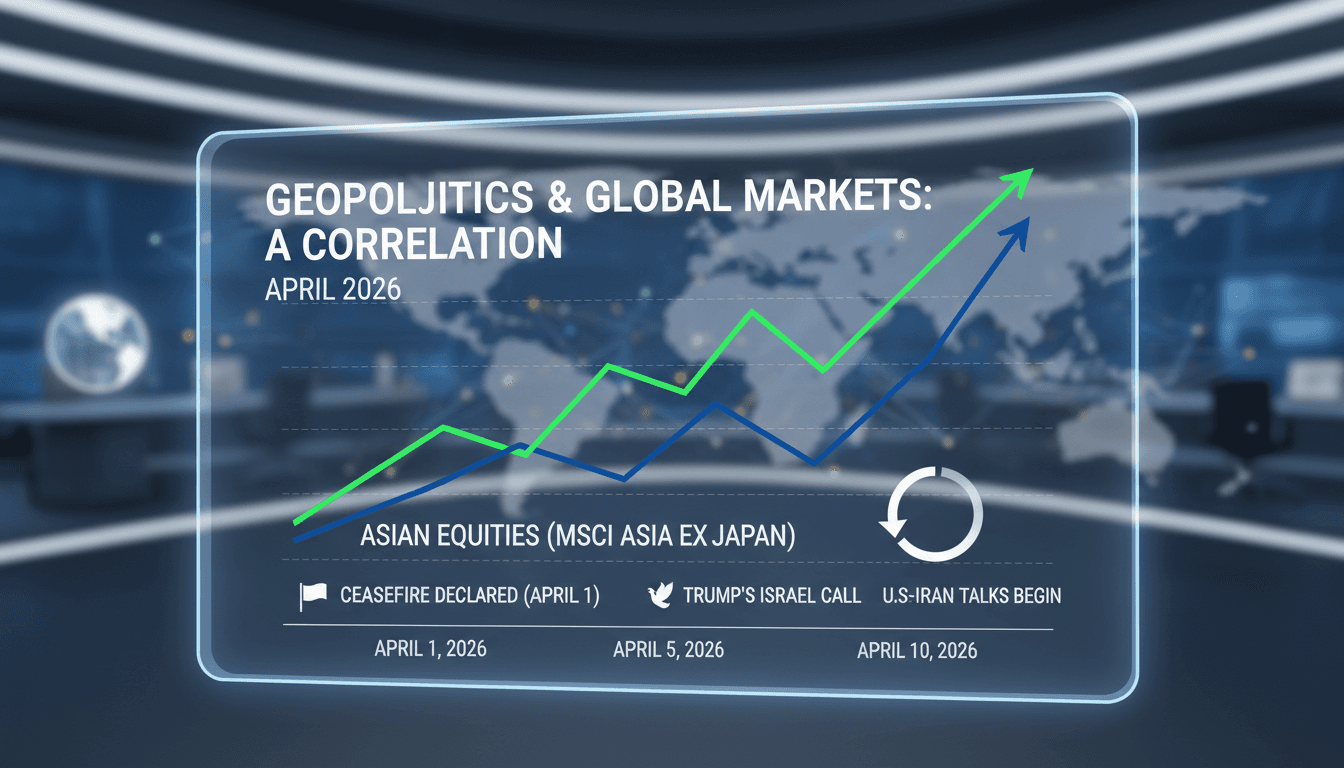
- Asian equities rose on April 10, 2026, reflecting optimism ahead of U.S.-Iran negotiations in Islamabad.
- Oil prices stabilized amid a fragile ceasefire, despite ongoing tensions in the region.
- U.S. President Trump urged Israeli Prime Minister Netanyahu to reduce military operations in Lebanon to maintain the ceasefire.
The context you actually need
- The 2025-2026 U.S.-Iran conflict escalated after failed negotiations led to Israeli strikes on Iran, disrupting oil transit through the Strait of Hormuz.
- Pakistan emerged as a mediator, hosting talks to address the blockade and ongoing hostilities, crucial for regional stability.
- Investor optimism is fragile, as ongoing military actions could derail negotiations and impact oil supply chains.
What's really happening
On April 10, 2026, Asian financial markets reacted positively to the prospect of U.S.-Iran negotiations, with the Nikkei 225 index gaining 1.63% to 56,808.50. This uptick signals a "risk-on" sentiment among investors, who are hopeful that the talks in Islamabad will lead to a more stable geopolitical environment. The fragile two-week ceasefire has raised hopes for a resolution to the ongoing conflict, which has already disrupted a significant portion of global oil transit through the Strait of Hormuz.
The U.S.-Iran conflict escalated after President Trump's 60-day negotiation deadline expired without agreement, prompting Israeli military actions against Iranian targets. This led to Iran imposing restrictions on the Strait of Hormuz, a critical chokepoint for oil shipments, affecting one-fifth of global oil transit. The recent ceasefire, although tenuous, has provided a window for diplomatic efforts, with Pakistan stepping in as a mediator due to its strategic ties with both the U.S. and Iran.
The situation remains delicate, as Israeli military operations in Lebanon have raised concerns that they could violate the ceasefire and jeopardize access to the Strait of Hormuz. President Trump’s request for Netanyahu to scale back these operations reflects the U.S. administration's desire to maintain stability in the region, which is vital for global oil markets. Investors are closely monitoring these developments, as any escalation could lead to renewed volatility in both equity and oil markets.
For Dubai residents, stable oil prices are crucial, as the UAE's economy heavily relies on hydrocarbon exports. The recent rally in Gulf equities following the ceasefire news indicates a collective sigh of relief, but the potential for disruptions in the Strait of Hormuz remains a significant concern. UAE officials have reiterated their demands for secure passage through this vital trade route, indicating readiness to support measures to ensure its reopening if necessary.
Who feels it first (and how)
- Investors in Asian markets: Positive sentiment may lead to increased investment opportunities.
- Oil sector stakeholders: Stability in oil prices can affect profitability and operational planning.
- Dubai residents: Economic stability is tied to oil prices, impacting local businesses and employment.
- Geopolitical analysts: Increased focus on the outcomes of U.S.-Iran negotiations will shape future assessments of regional stability.
What to watch next
- Negotiation outcomes: The success or failure of U.S.-Iran talks will significantly influence market stability and oil prices.
- Israeli military actions: Continued operations could escalate tensions and disrupt the fragile ceasefire, impacting investor confidence.
- Global oil supply dynamics: Any changes in oil transit through the Strait of Hormuz will affect global energy prices and economic conditions.
Asian equities have reacted positively to the prospect of negotiations.
Continued volatility in oil prices if military actions escalate or negotiations fail.
The long-term impact of the ceasefire on regional stability and economic conditions.
Frequently Asked Questions
- Why it matters?
- Investor sentiment is closely tied to geopolitical stability, particularly in energy markets, which can affect global economic conditions.
- What happened (in 30 seconds)?
- Asian equities rose on April 10, 2026, reflecting optimism ahead of U.S.-Iran negotiations in Islamabad. Oil prices stabilized amid a fragile ceasefire, despite ongoing tensions in the region. U.S. President Trump urged Israeli Prime Minister Netanyahu to reduce military operations in Lebanon to maintain the ceasefire.
- What's really happening?
- On April 10, 2026, Asian financial markets reacted positively to the prospect of U.S.-Iran negotiations, with the Nikkei 225 index gaining 1.63% to 56,808.50. This uptick signals a "risk-on" sentiment among investors, who are hopeful that the talks in Islamabad will lead to a more stable geopolitical environment. The fragile two-week ceasefire has raised hopes for a resolution to the ongoing conflict, which has already disrupted a significant portion of global oil transit through the Strait of H
- Who feels it first (and how)?
- Investors in Asian markets: Positive sentiment may lead to increased investment opportunities. Oil sector stakeholders: Stability in oil prices can affect profitability and operational planning. Dubai residents: Economic stability is tied to oil prices, impacting local businesses and employment. Geopolitical analysts: Increased focus on the outcomes of U.S.-Iran negotiations will shape future assessments of regional stability.
- What to watch next?
- Negotiation outcomes: The success or failure of U.S.-Iran talks will significantly influence market stability and oil prices. Israeli military actions: Continued operations could escalate tensions and disrupt the fragile ceasefire, impacting investor confidence. Global oil supply dynamics: Any changes in oil transit through the Strait of Hormuz will affect global energy prices and economic conditions.
Global political, business, and cultural coverage from WSJ international desks.
"The Wall Street Journal offers extensive international reporting with a reputation for financial insight and a center-right editorial stance."
— A47 Editor
Asian Equities Rise, Oil Stable Ahead of U.S.-Iran Talks
Asian equities experienced a rise and oil prices remained stable as the U.S. seeks to prevent Israel's conflict in Lebanon from undermining a fragile cease-fire with Iran ahead of critical talks this weekend. This development reflects the interconnec...
Market-moving headlines impacting equities, bonds, and related risk assets.
"Real-time catalysts and volatility drivers across indices and sectors."
— A47 Editor
Asia stocks advance with Iran ceasefire in focus; China rises past mixed inflation
Asian stocks have advanced as investors react positively to a two-week ceasefire agreement between the United States and Iran, which has also influenced Bitcoin and other risk assets. This ceasefire aims to reduce military tensions in the region and ...