
Drone strike targets Saudi Arabia's East-West oil pipeline shortly after US-Iran ceasefire
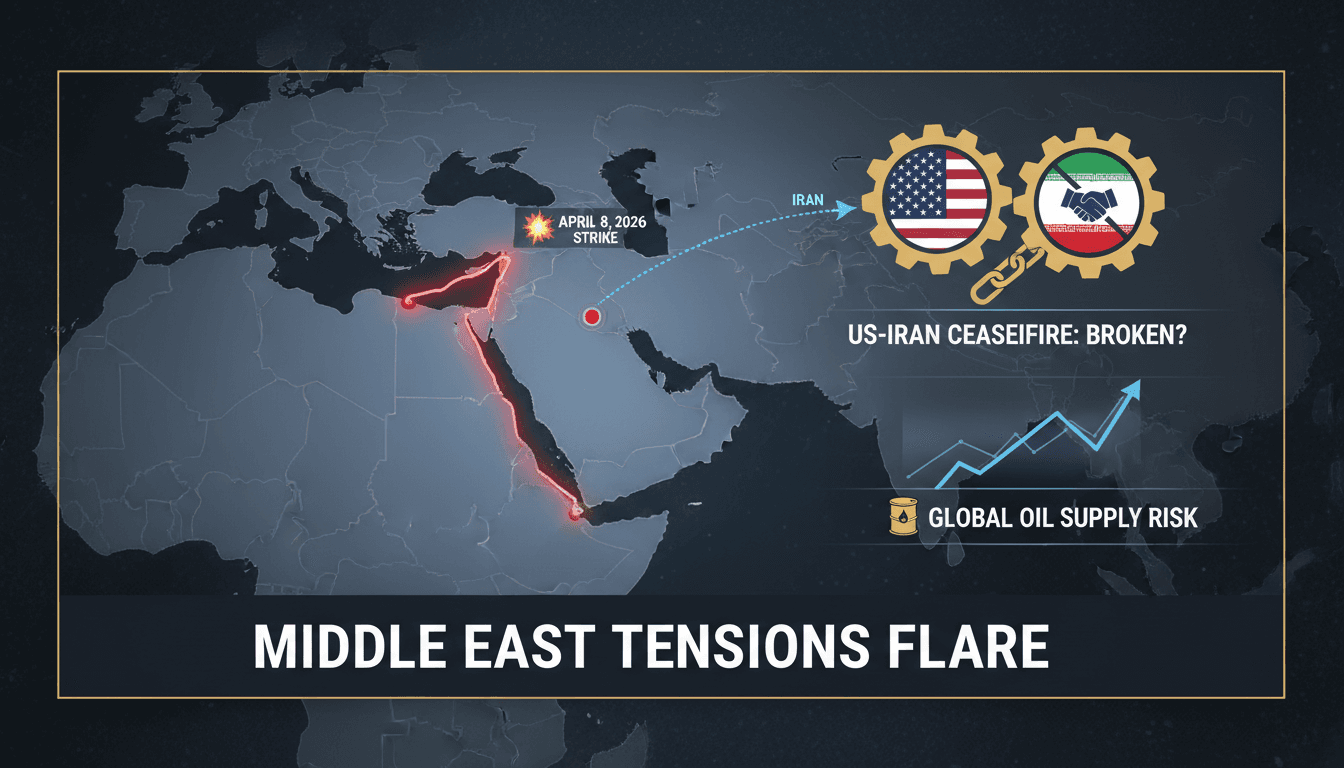
Here's what it means for you.
The ongoing tensions in the Gulf region could impact global oil prices and supply chains, affecting your energy costs.
Why it matters
This incident underscores the fragility of oil supply routes and the potential for regional conflicts to disrupt global markets.
What happened (in 30 seconds)
- A drone strike targeted a pumping station on Saudi Arabia's East-West crude oil pipeline on April 8, 2026.
- Limited damage was reported, allowing operations to continue at full capacity, exporting approximately 5 million barrels per day.
- The attack occurred shortly after a US-brokered ceasefire between the US and Iran, highlighting ongoing regional hostilities.
The context you actually need
- The East-West Pipeline is a crucial 1,200-kilometer route for transporting oil from Saudi Arabia's eastern fields to the Red Sea, designed to bypass the strategic Strait of Hormuz.
- Iran's military actions have escalated amid a six-week conflict with the US, which included closing the Strait of Hormuz, significantly affecting oil exports and prices.
- Previous attacks on Gulf infrastructure, including drone strikes attributed to Iran-backed groups, have raised concerns about the security of energy supplies in the region.
What's really happening
The drone strike on the East-West Pipeline is a stark reminder of the ongoing volatility in the Middle East, particularly as tensions between Iran and the US continue to escalate. The pipeline, known as Petroline, serves as a vital artery for Saudi oil exports, especially after Iran's closure of the Strait of Hormuz, which has historically been a critical chokepoint for global oil shipments. The strike, attributed to the Islamic Revolutionary Guard Corps (IRGC), occurred just hours after a ceasefire was announced, indicating a complex interplay of military strategy and geopolitical maneuvering.
Despite the limited damage reported, the incident highlights the precarious nature of energy security in the region. Saudi Arabia's ability to maintain exports at approximately 5 million barrels per day is crucial not only for its economy but also for global oil markets. The fact that operations continued without interruption suggests that Saudi Aramco has implemented robust contingency measures to mitigate the impact of such attacks. However, the ongoing threat of drone strikes and missile attacks from Iran-backed groups poses a persistent risk to Gulf infrastructure.
The broader implications of this incident extend beyond immediate operational concerns. The sustained risk to oil supply routes can lead to increased volatility in global oil prices, which have already seen spikes due to geopolitical tensions. For consumers and businesses, this means potential fluctuations in energy costs, as traders react to the perceived risks associated with Gulf oil supplies. Additionally, the UAE, particularly Dubai, faces its own challenges from Iranian military actions, which have disrupted air travel and trade, compounding economic pressures in a region heavily reliant on energy exports and tourism.
As the situation evolves, the interplay between military actions and diplomatic efforts will continue to shape the landscape of oil supply and pricing. The international community's response to these developments will be critical in determining whether further escalation occurs or if a more stable environment can be established.
Who feels it first (and how)
- Energy consumers: Individuals and businesses may experience fluctuations in energy costs due to changes in oil prices.
- Oil traders: Market participants will closely monitor geopolitical developments, affecting trading strategies and risk assessments.
- Regional economies: Countries in the Gulf, particularly the UAE and Saudi Arabia, will feel the economic impact of supply disruptions and increased military tensions.
What to watch next
- Global oil prices: Monitor Brent crude prices for signs of volatility as traders react to ongoing tensions and potential supply disruptions.
- Iran's military actions: Keep an eye on any further strikes or military engagements that could escalate the conflict and impact oil infrastructure.
- Diplomatic negotiations: Watch for developments in US-Iran relations, particularly any efforts to stabilize the region and reopen the Strait of Hormuz.
The East-West Pipeline remains operational despite the drone strike, with no immediate impact on oil exports.
Continued military actions from Iran may lead to further disruptions in Gulf infrastructure and increased volatility in oil markets.
The long-term effects of these tensions on global oil supply and pricing remain uncertain, depending on diplomatic resolutions or escalations.
Frequently Asked Questions
- Why it matters?
- This incident underscores the fragility of oil supply routes and the potential for regional conflicts to disrupt global markets.
- What happened (in 30 seconds)?
- A drone strike targeted a pumping station on Saudi Arabia's East-West crude oil pipeline on April 8, 2026. Limited damage was reported, allowing operations to continue at full capacity, exporting approximately 5 million barrels per day. The attack occurred shortly after a US-brokered ceasefire between the US and Iran, highlighting ongoing regional hostilities.
- What's really happening?
- The drone strike on the East-West Pipeline is a stark reminder of the ongoing volatility in the Middle East, particularly as tensions between Iran and the US continue to escalate. The pipeline, known as Petroline, serves as a vital artery for Saudi oil exports, especially after Iran's closure of the Strait of Hormuz, which has historically been a critical chokepoint for global oil shipments. The strike, attributed to the Islamic Revolutionary Guard Corps (IRGC), occurred just hours after a cease
- Who feels it first (and how)?
- Energy consumers: Individuals and businesses may experience fluctuations in energy costs due to changes in oil prices. Oil traders: Market participants will closely monitor geopolitical developments, affecting trading strategies and risk assessments. Regional economies: Countries in the Gulf, particularly the UAE and Saudi Arabia, will feel the economic impact of supply disruptions and increased military tensions.
- What to watch next?
- Global oil prices: Monitor Brent crude prices for signs of volatility as traders react to ongoing tensions and potential supply disruptions. Iran's military actions: Keep an eye on any further strikes or military engagements that could escalate the conflict and impact oil infrastructure. Diplomatic negotiations: Watch for developments in US-Iran relations, particularly any efforts to stabilize the region and reopen the Strait of Hormuz.
Macro commentary, policy analysis, growth/inflation themes, and global outlooks.
"Contextual macro coverage that complements day-to-day market headlines."
— A47 Editor
Saudi oil pipeline hit by drone strike, damage limited
A drone strike recently targeted a Saudi oil pipeline, causing limited damage and raising concerns about the security of the kingdom's vital oil infrastructure. This incident underscores the ongoing vulnerabilities faced by Saudi Arabia amid rising g...
Editor-curated FT homepage stories spanning markets, business, world, and opinion.
"The Financial Times is a globally respected business publication with a centrist/center-left tone and strong markets focus."
— A47 Editor
Saudi Arabia’s key east-west oil pipeline hit as Middle East energy attacks continue
Saudi Arabia's East-West oil pipeline was recently targeted in a drone attack, raising alarms about the security of the kingdom's vital oil infrastructure. This incident occurs amid ongoing tensions in the Middle East, despite a two-week ceasefire ag...
Global markets, investing, and macroeconomics from a premier financial newsroom.
"Bloomberg is respected for in-depth financial reporting and data-driven analysis."
— A47 Editor
Saudi Arabia’s Crucial East-West Pipeline Hit by Drone Attack
A drone attack struck Saudi Arabia's oil pipeline to the Red Sea on Wednesday afternoon, causing significant concern regarding the security of the kingdom's oil infrastructure. This incident highlights the ongoing vulnerabilities faced by Saudi Arabi...