
Indonesia overhauls trade policies for key commodities
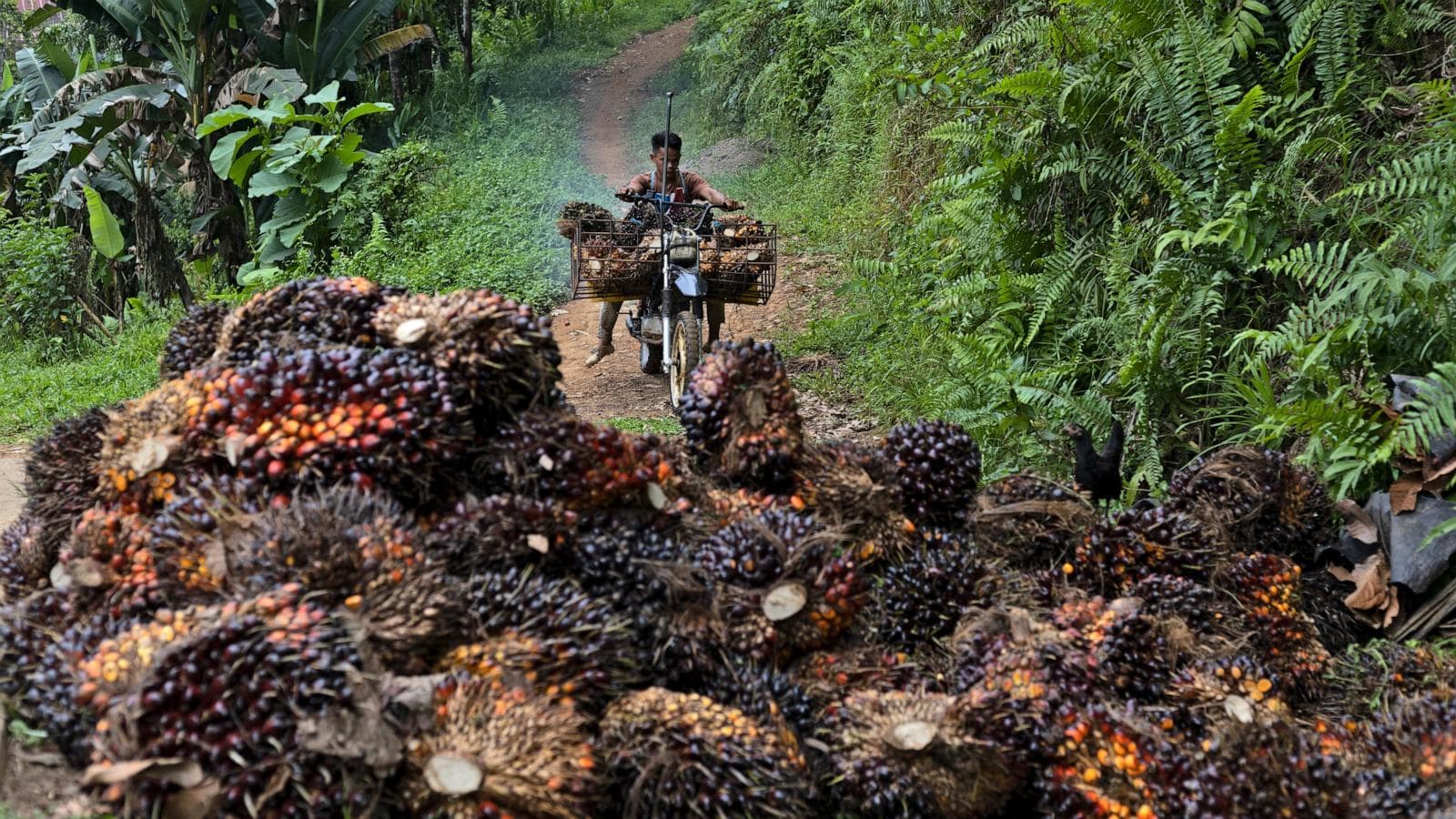
Here's what it means for you.
Indonesia's recent overhaul of trade policies for key commodities signals a significant shift in the global trading landscape. By tightening control over raw material exports, the country aims to enhance its negotiating power and reduce dependence on foreign traders. This move could reshape market dynamics, impacting commodity prices and supply chains worldwide. As Indonesia positions itself more assertively in the global market, stakeholders should prepare for potential disruptions and changes in trading relationships. The implications of these policy changes will be closely monitored by industry experts and global trading companies.
What happened
Indonesia has announced a major overhaul of its trade policies concerning key commodities. This strategic shift is designed to enhance the country's control over raw material exports and reduce reliance on foreign traders. Experts are interpreting this move as a potential hostile takeover of major industries, indicating a strong government intervention in the market.
The announcement was made on May 22, 2026, and has already prompted analysts to assess the implications of Indonesia's new trade strategies. The urgency of the government's approach suggests a significant transformation in the nation's trade landscape.
The Context
Indonesia is a resource-rich nation with substantial raw material exports, making these policy changes particularly impactful. The government's intervention is seen as a strategic shift aimed at controlling exports more effectively, which could have far-reaching consequences for global commodity trading.
The timing of this overhaul is crucial, as it comes amid increasing competition from global trading giants. By redefining its role in the market, Indonesia seeks to empower itself in negotiations and reshape the dynamics of international trade.
Takeaway
As Indonesia implements these aggressive trade policy changes, the global trading landscape may experience notable shifts. Stakeholders should monitor reactions from international trading companies and watch for potential impacts on commodity prices and supply chains.
The long-term effects of these changes on trade relationships and negotiations will be closely observed, as they could redefine how commodities are traded on a global scale.
Global markets, investing, and macroeconomics from a premier financial newsroom.
"Bloomberg is respected for in-depth financial reporting and data-driven analysis."
— A47 Editor
Indonesia Plans to Beat Global Trading Giants at Their Own Game
Indonesia is implementing a significant overhaul of its commodity export policies, aiming to enhance control over the trade of raw materials such as palm oil, coal, and nickel. This initiative seeks to reduce reliance on external traders and streamli...
Pan-Arab news coverage spanning politics, business, sports, and regional affairs.
"Asharq Al-Awsat reflects a broad Arab editorial perspective with strong attention to regional geopolitics."
— A47 Editor
وسط توقعات بتداعيات عالمية… إندونيسيا تعيد رسم خريطة تجارة السلع الأساسية
Indonesia is restructuring its trade policies regarding primary commodities, a surprising move that some experts have likened to a hostile takeover of key industries within the country. This shift in policy is expected to have significant implication...
Technology innovations, startups, and trends.
"ABC News delivers broad national coverage with a mainstream editorial stance, focusing on accessibility and balanced reporting."
— A47 Editor
Indonesia tightens control over key commodities in major trade takeover
Indonesia is implementing a significant overhaul of its trade policies concerning key commodities, a move that experts are comparing to a hostile takeover of major industries within the resource-rich nation. This sudden shift in policy is expected to...