
Mexico and EU sign free trade agreement to reduce reliance on US
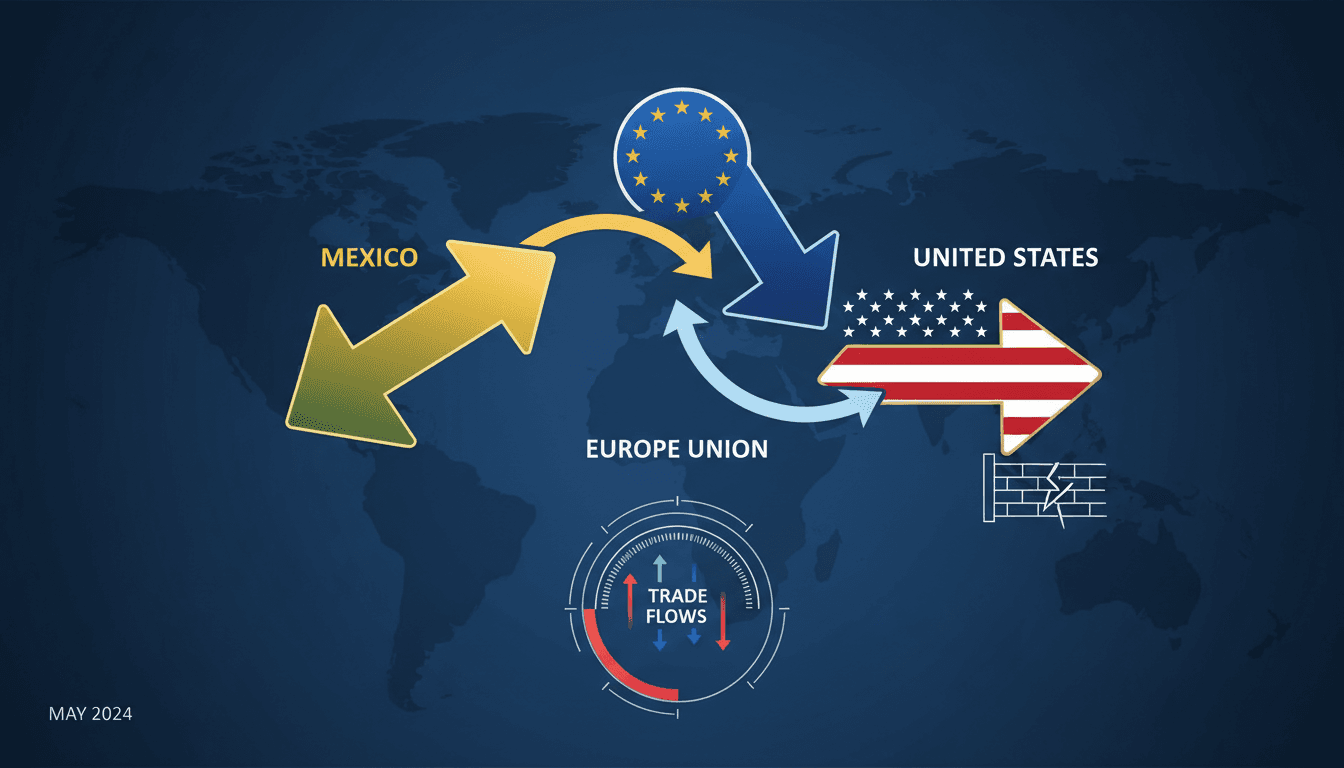
Here's what it means for you.
The recent free trade agreement between Mexico and the European Union signifies a strategic pivot in global trade dynamics. As both regions seek to lessen their dependence on the United States, businesses may find new opportunities for collaboration and growth. This agreement could reshape market relationships, prompting companies to adapt to a more diversified trade landscape. The implications extend beyond immediate economic benefits, as policymakers will need to navigate the evolving trade environment. Stakeholders in both regions should prepare for potential shifts in supply chains and market access.
What happened
On May 23, 2026, Mexico and the European Union officially signed a free trade agreement aimed at diversifying their economic relationships away from the United States. This long-awaited deal is a response to rising concerns over U.S. trade policies and tariffs, which have prompted both parties to strengthen their trade ties. The agreement seeks to cut tariffs and enhance cooperation in trade amid global economic uncertainties.
The signing ceremony was attended by Mexican President Claudia Sheinbaum and European Commission President Ursula von der Leyen, marking a significant milestone in their economic partnership. This agreement is expected to formalize a shift in trade dynamics as both regions work to mitigate the impact of U.S. policies.
The Context
The backdrop of this agreement is characterized by increasing apprehensions regarding U.S. trade practices, which have led Mexico and the EU to seek closer economic ties. The timing of the agreement reflects a growing urgency to establish alternative trade relationships that can bolster economic resilience. By collaborating more closely, both parties aim to create a more stable and diversified economic environment.
The agreement is not just a response to current challenges but also a proactive measure to prepare for future uncertainties in global trade. As Mexico and the EU enhance their economic collaboration, they may influence broader trade patterns and relationships on the world stage.
Takeaway
The successful implementation of this trade agreement could lead to increased economic resilience for both Mexico and the EU. Stakeholders should monitor the impact of this agreement on U.S.-Mexico trade relations, as it may alter existing dynamics. Additionally, businesses in both regions will need to adapt to the new trade landscape, which could present both challenges and opportunities.
As the agreement unfolds, it will be essential to observe how it shapes economic collaboration and trade practices in the coming years. The long-term implications of this partnership may redefine the economic interactions between these regions and the global market.
24/7 international news from a French perspective in multiple languages.
"France 24 is viewed as a globally focused outlet with balanced coverage and a European perspective."
— A47 Editor
Mexico, EU sign stalled trade deal as they aim to diversify from US
Mexico and the European Union signed a long-awaited free trade agreement aimed at reducing their economic dependence on the United States, particularly in light of tariffs imposed by the Trump administration. This deal marks a significant step in div...
Regional and international reporting focused on Middle Eastern politics, diplomacy, and economics.
"Asharq Al-Awsat is a Saudi-owned international newspaper reflecting mainstream Gulf political perspectives."
— A47 Editor
Mexico, EU Sign Stalled Trade Deal as they Aim to Diversify from US
Mexico and the European Union (EU) have signed a trade deal that had previously stalled, aiming to diversify their economic ties away from the United States. This agreement marks a significant step in enhancing bilateral trade relations and reflects ...
Corporate finance news, M&A, deals, and executive interviews.
"Finance Monthly serves a professional readership with corporate finance coverage."
— A47 Editor
EU and Mexico Rush to Cut Tariffs as Businesses Fear More US Trade Chaos
The European Union and Mexico are accelerating efforts to reduce tariffs amid concerns over potential trade disruptions from the United States. This initiative comes as businesses brace for instability following recent tariff announcements from the U...