Bio
Andre is co-founder at A47 News. He is responsible for editorial standards and news curation, and shares commentary on AI, general technology, and global politics.
Editorial Responsibility
As Editor, I am responsible for all editorial standards, news sourcing, research, and content production.
Previous experience · 15+ years
- · Co-founder at Tiki
- · Operations Director at Rocket Internet
Education
BA Economics, University of Waikato
Areas of expertise
Categories overseen
Stories from Andre Teow’s desk
19545 stories- Politics· World
US sanctions activists linked to Gaza humanitarian aid flotilla
The United States has imposed sanctions on four individuals associated with a humanitarian aid flotilla attempting to reach Gaza, labeling them as 'pro-terrorist.' This action comes amid ongoing Israeli military operations in Gaza and a broader crackdown on Palestinian activism. The long-term implication is a potential escalation in tensions between the US, Israel, and Palestinian activists, affecting future humanitarian efforts in the region.
4 sourcesMay 21Low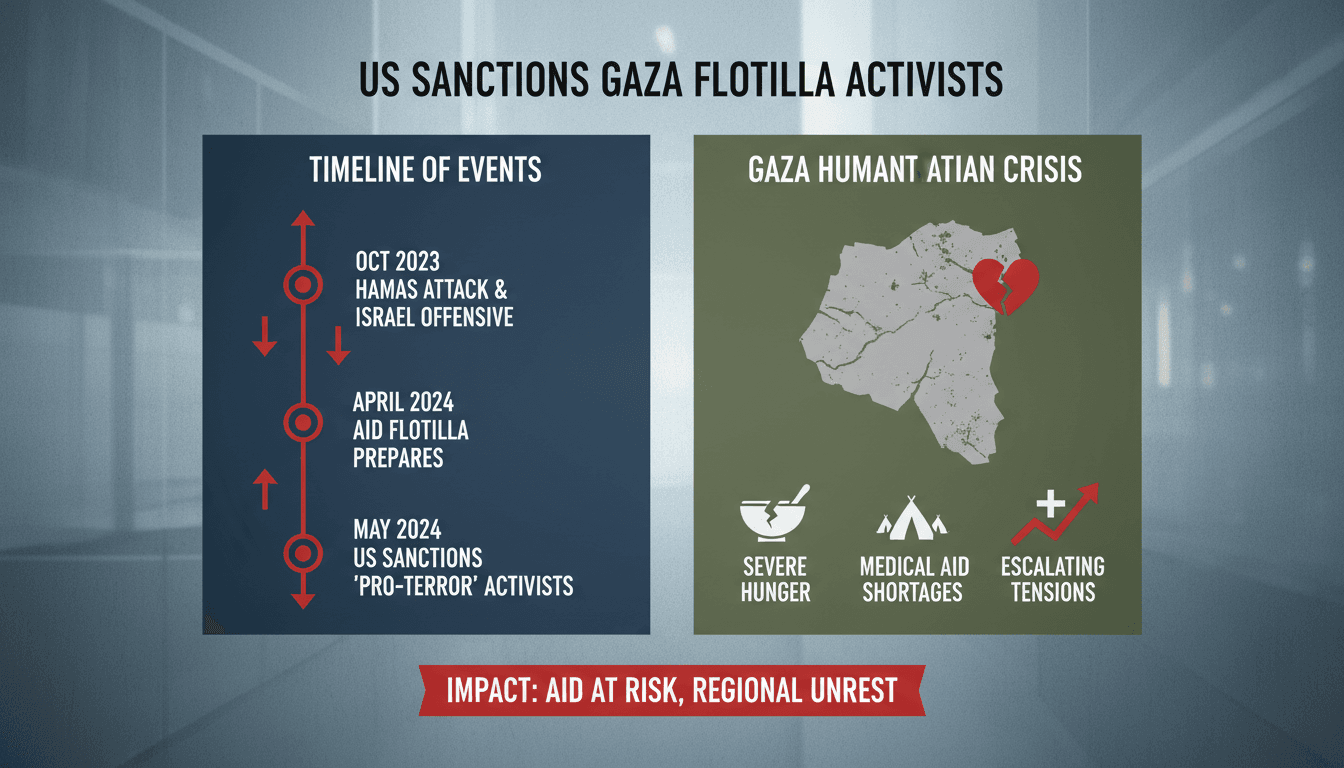
- Politics· World
Croatian President Rejects Israeli Ambassador Amid Diplomatic Tensions
Croatian President Zoran Milanovic has declined to accept the credentials of Israel's newly appointed ambassador. This decision follows Israel's announcement of the ambassador's appointment without prior approval, which Milanovic deemed a breach of diplomatic protocol. The incident signals a potential reevaluation of Croatia's foreign policy towards Israel and may influence other European nations' diplomatic stances.
3 sourcesMay 21Low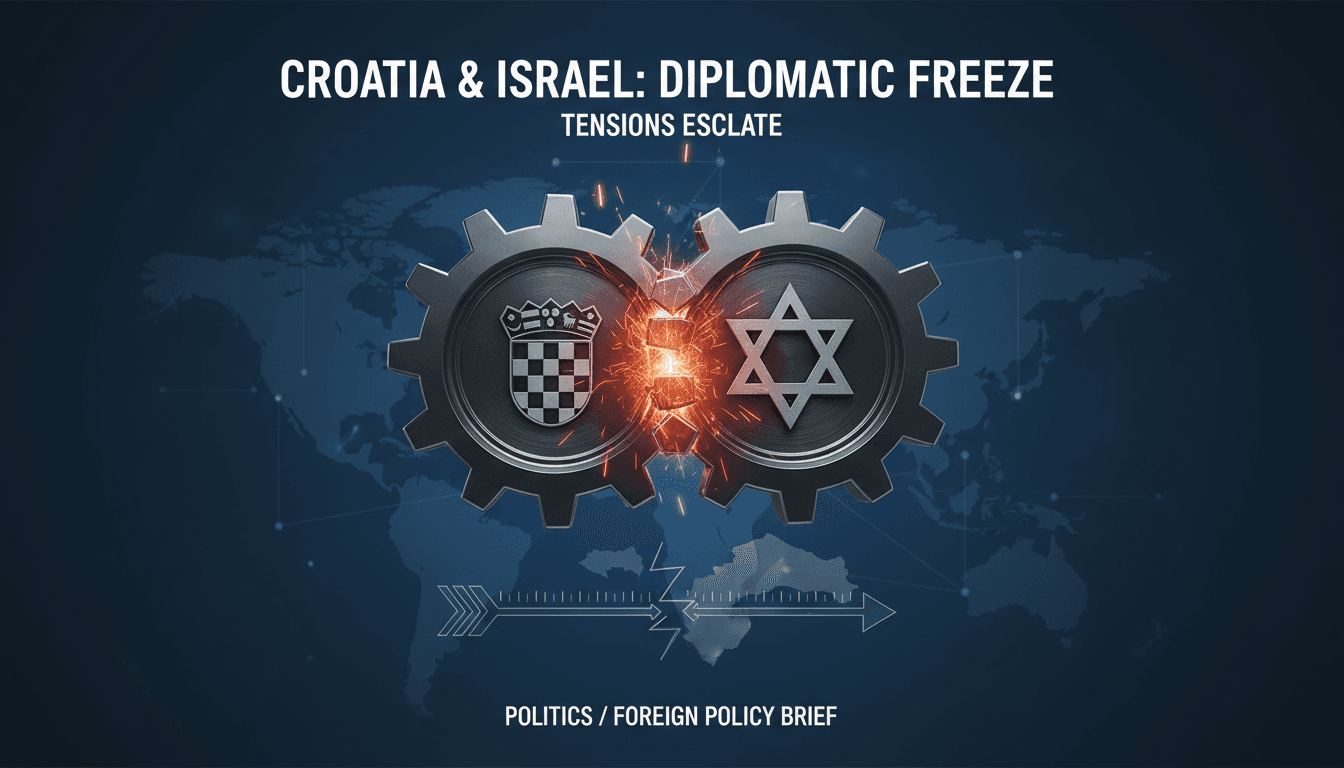
- World· World
Somaliland opens first embassy in Jerusalem following Israeli recognition of independence
Somaliland has officially opened its first embassy in Jerusalem, marking a significant diplomatic milestone. This development follows Israel's recognition of Somaliland's independence last year, highlighting a growing relationship between the two entities. The establishment of this embassy is likely to enhance Somaliland's international standing and could influence regional diplomatic dynamics.
3 sourcesMay 21Moderate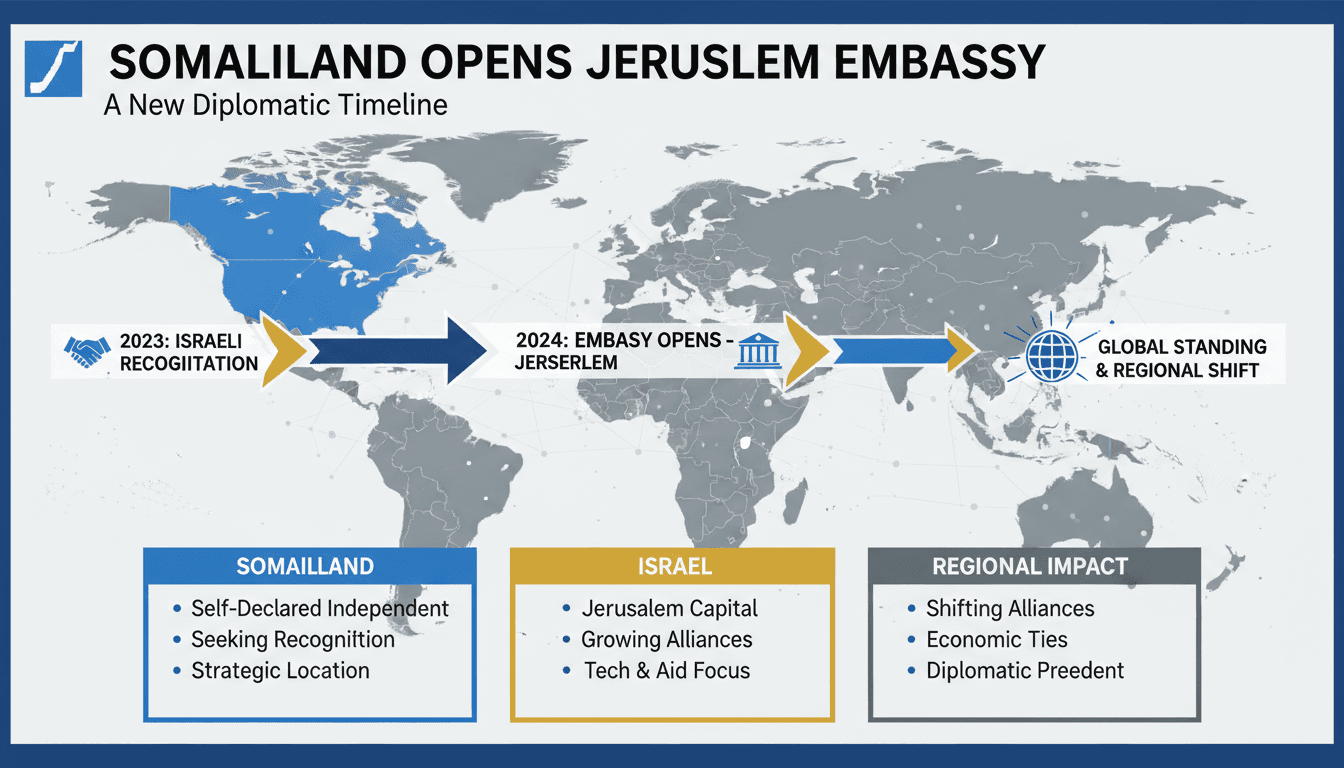
- Politics· World
NATO jet shoots down Ukrainian drone over Estonia amid rising tensions with Russia
A Romanian F-16 NATO jet shot down a drone that entered Estonian airspace from Russia. The incident is attributed to Russian electronic jamming affecting the drone's navigation, marking a significant escalation in NATO-Russia tensions. This event may lead to increased scrutiny of drone operations in the region and prompt NATO discussions on military protocols and drone usage in conflict zones.
4 sourcesMay 21High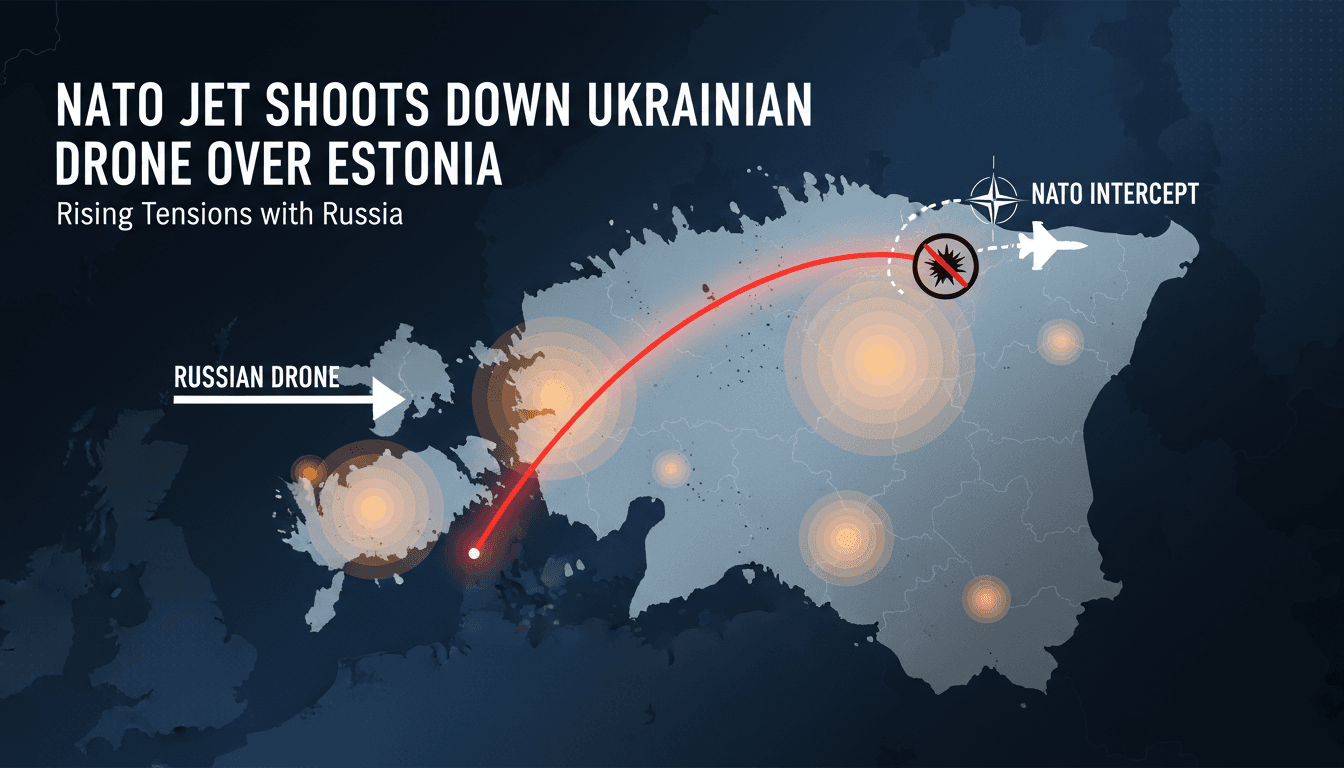
- World· World
Israeli Forces Intercept Global Sumud Flotilla Carrying Humanitarian Aid to Gaza
Israeli naval forces have seized 39 out of 51 boats from the Global Sumud Flotilla in international waters while attempting to deliver humanitarian aid to Gaza. This interception is occurring amidst an ongoing naval blockade and Israel's stated intent to prevent any breach of it. The long-term implications may include increased international scrutiny and potential diplomatic tensions regarding humanitarian access to Gaza.
5 sourcesMay 21High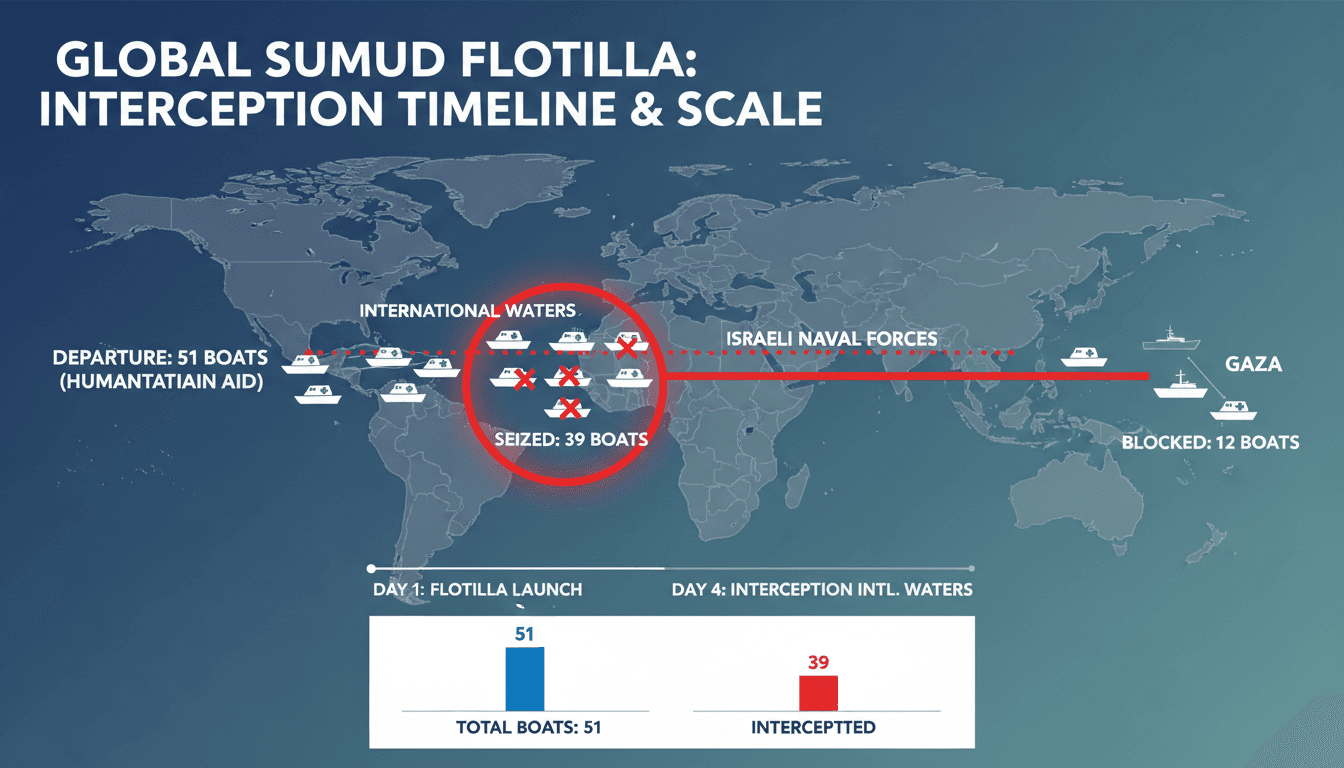
- Politics· MENA
Death sentence for Umar Hayat in murder of TikTok star Sana Yousaf highlights violence against women in Pakistan
Umar Hayat has been sentenced to death for the murder of TikTok star Sana Yousaf. This ruling comes amid growing societal awareness and activism against gender-based violence in Pakistan. The verdict is expected to catalyze further legal reforms and enhance protections for women's rights in the country.
3 sourcesMay 21Moderate
- Politics· World
Taiwan's President Asserts Sovereignty Amid US-China Discussions
Taiwan's President Lai Ching-te has reaffirmed the island's commitment to self-determination, stating that its future will be decided by its people rather than external influences. This declaration follows recent high-level talks between US and Chinese leaders regarding Taiwan's political status, highlighting the increasing pressure Taiwan faces from China. The long-term implication is that Taiwan may further solidify its stance on sovereignty, potentially leading to heightened tensions in the region and influencing US policy towards Taiwan's independence.
3 sourcesMay 21Moderate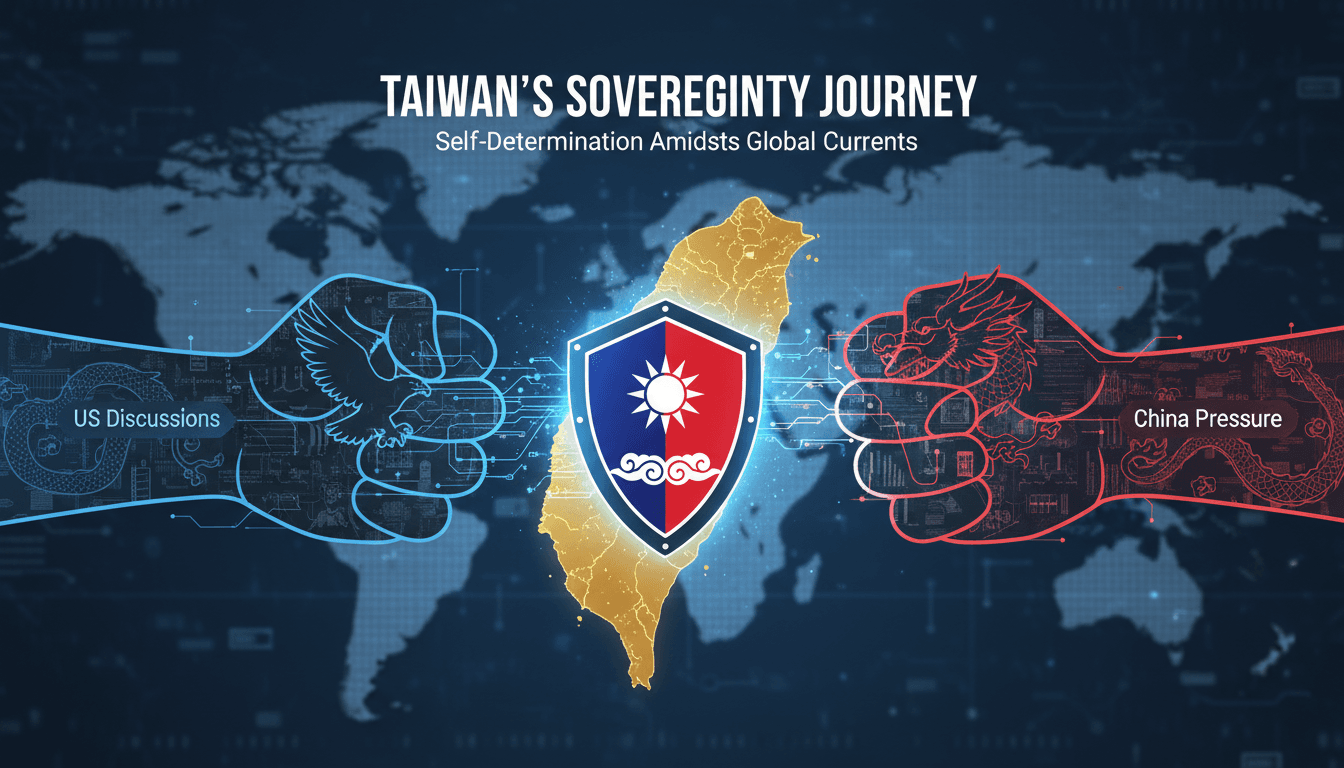
- Politics· World
Israeli forces intercept Gaza aid flotilla leading to activist abductions and hunger strikes
Israeli forces have intercepted multiple vessels attempting to deliver aid to Gaza, resulting in the abduction of at least 87 activists who are now on hunger strike. This escalation is occurring amid heightened international scrutiny and condemnation of Israel's actions towards humanitarian efforts in the region. The long-term implication may involve increased diplomatic pressure on Israel to alter its policies regarding Gaza and humanitarian aid access.
4 sourcesMay 21Moderate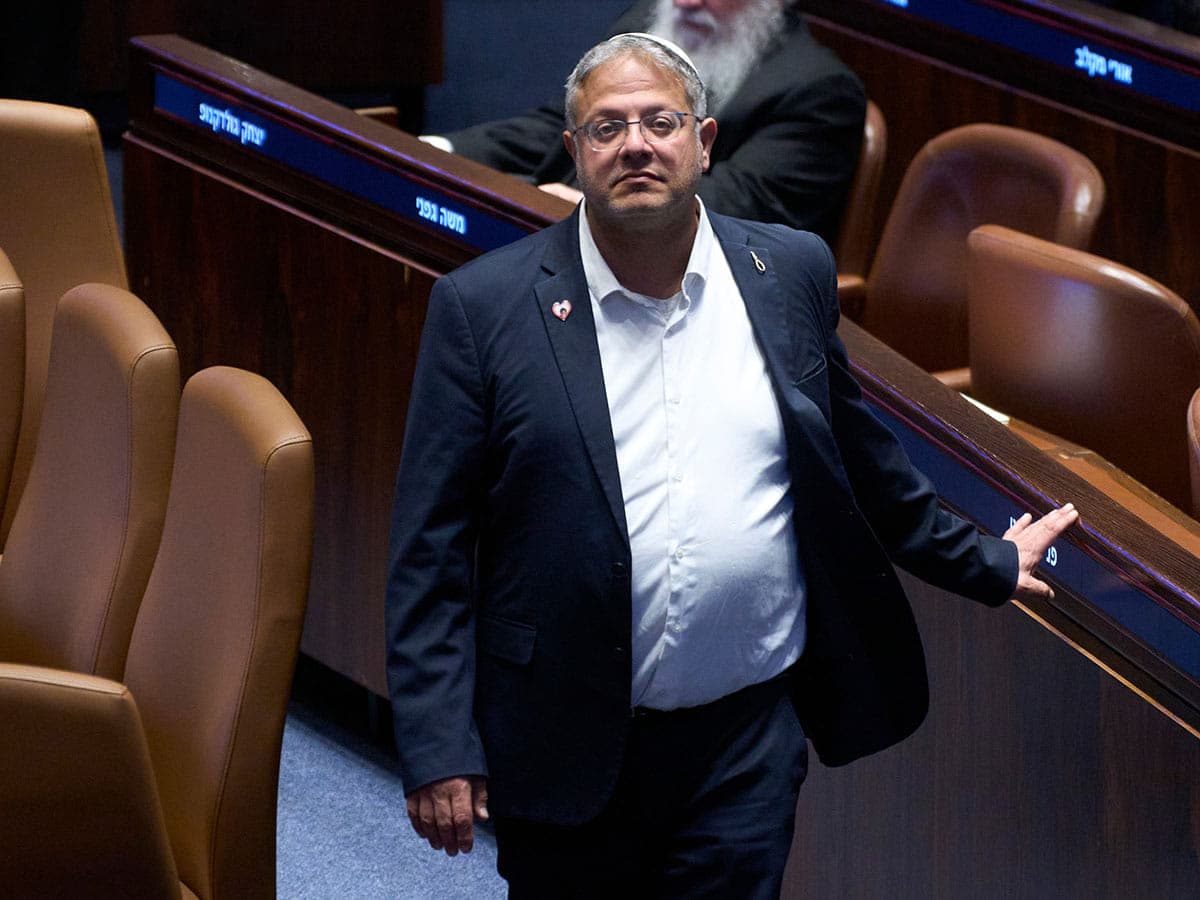
- Politics· World
SoFi Stadium workers threaten strike over potential ICE deployment during FIFA World Cup
Workers at SoFi Stadium in Los Angeles have announced their intention to strike if Immigration and Customs Enforcement (ICE) agents are deployed during the FIFA World Cup matches. This escalation is driven by concerns that ICE presence would create a hostile environment for hospitality employees and attendees alike. The situation could set a significant precedent for labor rights and immigration enforcement at large-scale public events in the future.
3 sourcesMay 21Low
- World· World
Russia and Belarus conduct joint nuclear drills amid escalating tensions with NATO and Ukraine
Russia and Belarus have executed joint military drills focused on nuclear capabilities involving over 64,000 personnel. This escalation is a direct response to increased military support for Ukraine from Western nations, showcasing Russia's readiness to counter perceived threats. The long-term implication is a heightened risk of miscalculations and further military posturing in Eastern Europe as NATO's presence intensifies.
4 sourcesMay 21High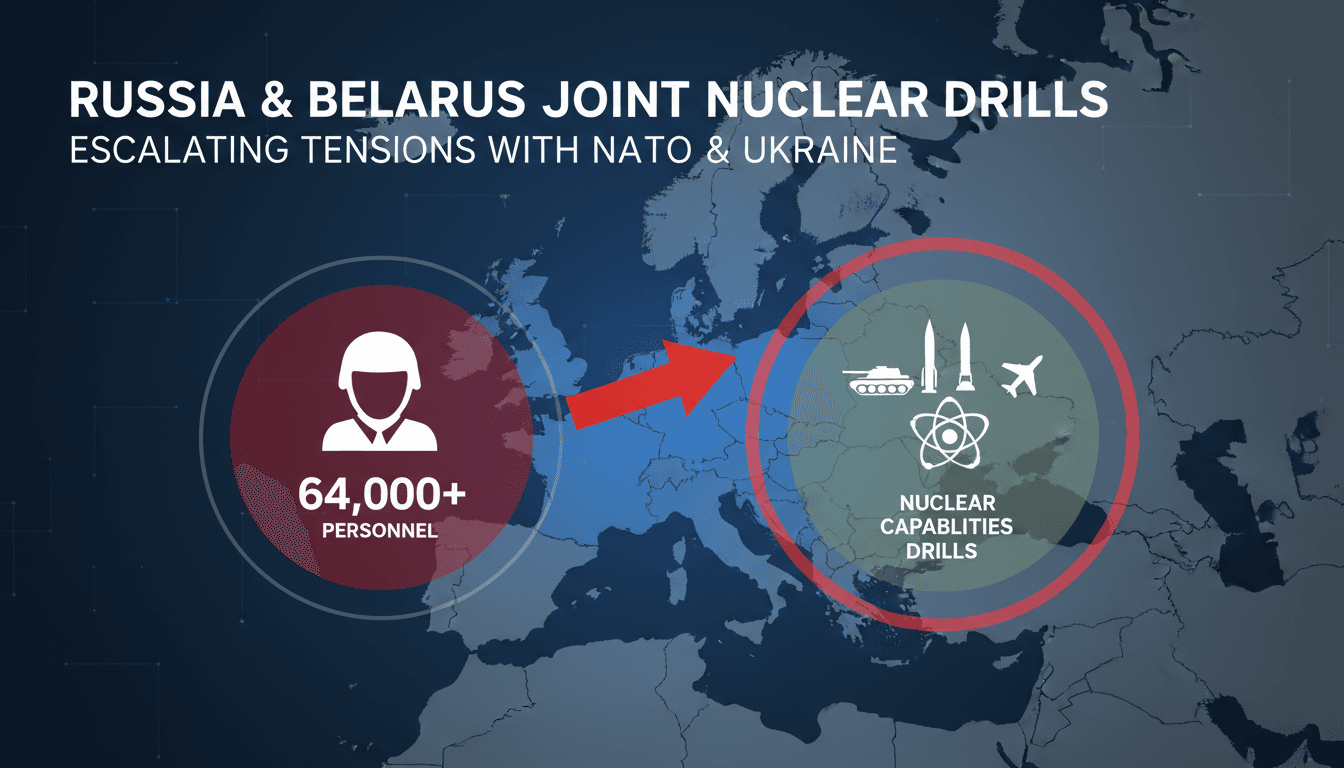
- Tech· World
Samsung workers to strike for 18 days over bonus disputes
Samsung Electronics is facing a major strike involving nearly 50,000 workers due to disputes over bonus payouts. The strike follows the collapse of wage negotiations between Samsung management and the workers' union. This situation could significantly disrupt global semiconductor supply chains, exacerbating existing shortages in the tech industry.
5 sourcesMay 21High
- Politics· World
Kenya transport strike over fuel prices called off after government agreement
The Kenyan government reached an agreement with transport operators, resulting in the cancellation of a planned strike over fuel price hikes. This resolution follows significant protests triggered by a 23.5% increase in diesel prices, exacerbated by global oil market fluctuations linked to geopolitical tensions. Long-term, Kenya may continue to face challenges related to fuel pricing and public unrest as geopolitical tensions persist.
3 sourcesMay 21Low - Politics· World
Iranian Government Allegedly Orchestrates Stabbing of Journalist in London
The stabbing of Iranian journalist Pouria Zeraati in London has been identified as a planned attack by individuals acting on behalf of the Iranian government. This incident is occurring now as court hearings reveal the orchestrated nature of the assault, raising serious concerns about foreign interference in the UK. The long-term implication may involve increased scrutiny of foreign agents operating within the UK and heightened discussions on journalist safety and press freedom.
5 sourcesMay 21Moderate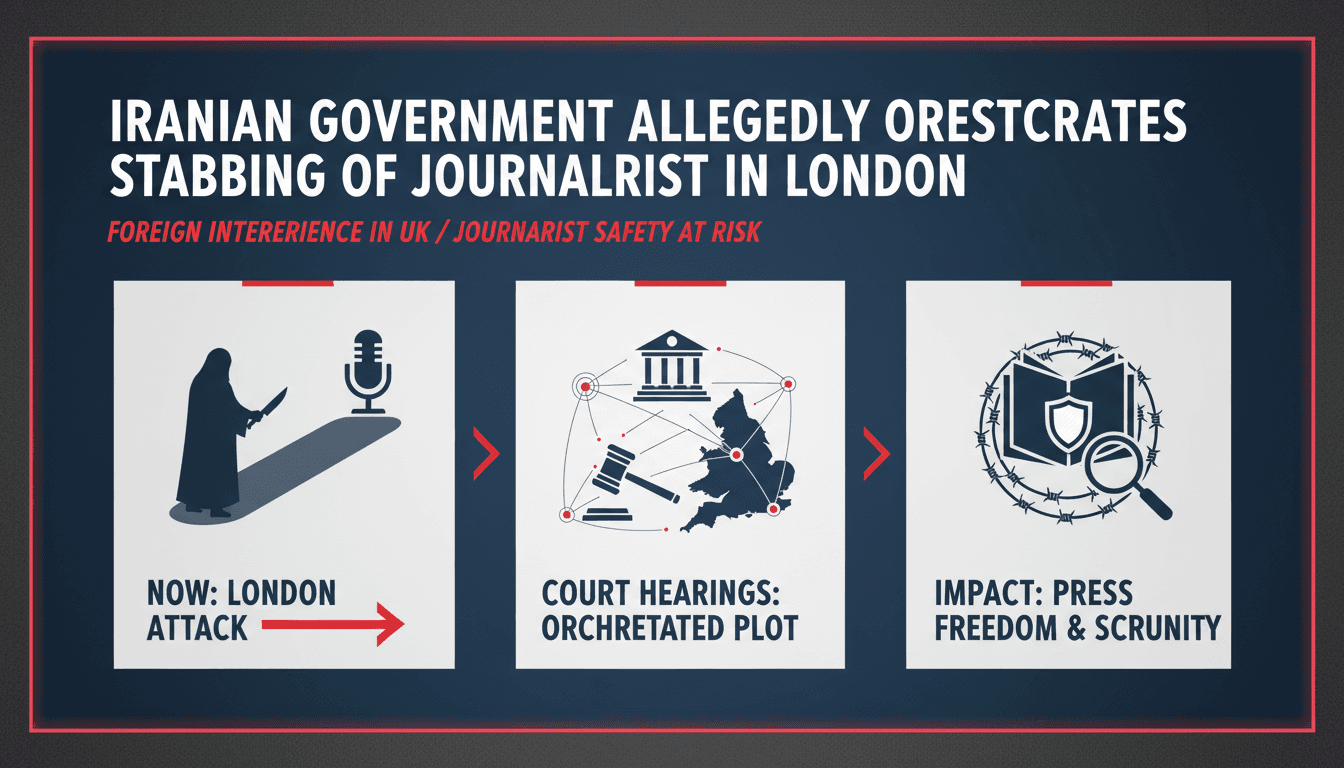
- World· MENA
Iran proposes charging tech companies for undersea internet cable access in Strait of Hormuz
Iran has announced a proposal to charge major tech firms for the use of undersea internet cables that traverse the Strait of Hormuz. This initiative is driven by Iran's desire to exert economic pressure on the West amid ongoing geopolitical tensions. If implemented, this could significantly alter how tech companies manage their internet infrastructure and may lead to shifts in global internet access strategies.
3 sourcesMay 21Low
- Politics· UAE
Trump Issues Ultimatum to Iran Amid Stalled Peace Talks and Rising Tensions
President Donald Trump has warned Iran that time is running out to finalize a peace deal, emphasizing the urgency of the situation. This warning follows stalled negotiations and a recent drone strike near a UAE nuclear facility attributed to Iranian proxies. The outcome of these negotiations could significantly impact U.S.-Iran relations and regional stability in the coming days.
9 sourcesMay 21Moderate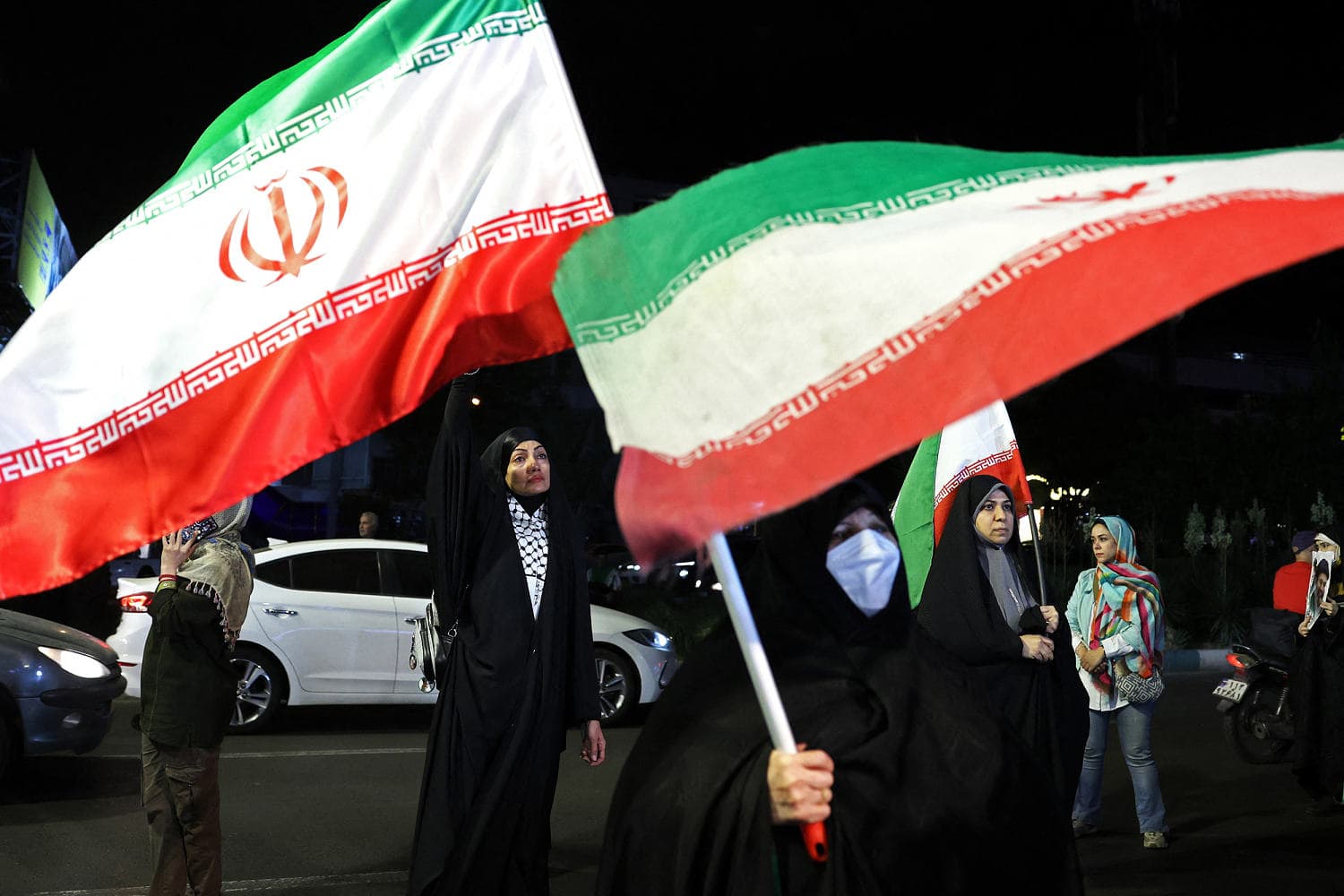
- Politics· World
Shakira Acquitted of Tax Fraud by Spain's High Court
Shakira has been acquitted of tax fraud by Spain's High Court, which ruled that the Spanish tax authorities failed to prove she was a tax resident in 2011. This ruling comes after years of legal battles and overturns a fine imposed by the Spanish tax agency in 2021. The long-term implication may set a precedent for how tax residency is determined for high-profile individuals, potentially influencing future cases and tax policies.
9 sourcesMay 21Moderate
- World· MENA
Iran establishes authority to manage Strait of Hormuz amid US tensions
Iran has announced the formation of a new authority to oversee the Strait of Hormuz, a critical maritime route for global oil shipments. This move is triggered by ongoing geopolitical tensions with the United States and stalled peace talks, prompting Iran to assert greater control over the strait. The long-term implication could be significant disruptions in global shipping and energy markets as Iran enforces new regulations on maritime traffic.
8 sourcesMay 21High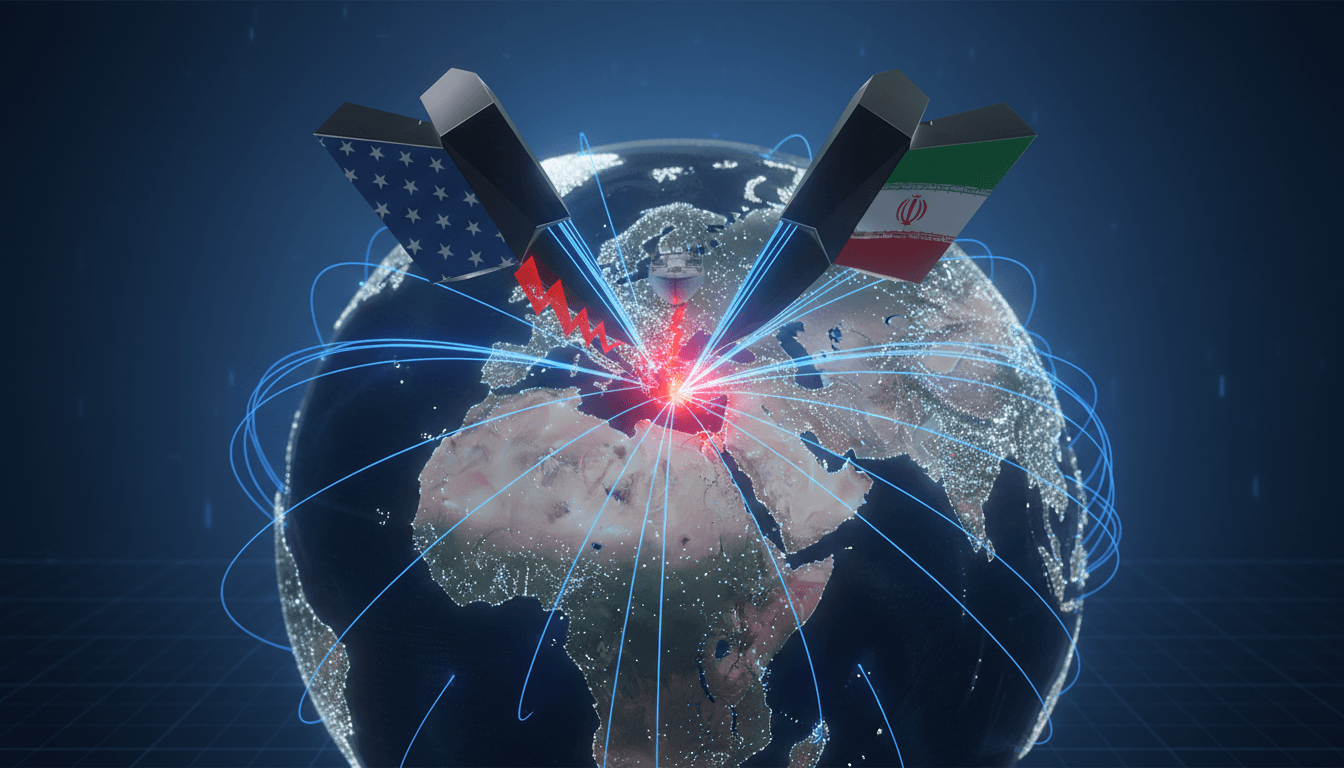
- World· World
WHO Declares Ebola Outbreak in DRC and Uganda a Public Health Emergency
The World Health Organization has declared the Ebola outbreak in the Democratic Republic of Congo and Uganda a public health emergency due to over 300 suspected cases and more than 100 deaths. This declaration comes as health authorities mobilize resources to contain the outbreak, which is believed to be larger than currently documented. Long-term, the international community must remain vigilant and prepared to respond to potential escalations in the outbreak and its spread to other regions.
8 sourcesMay 21High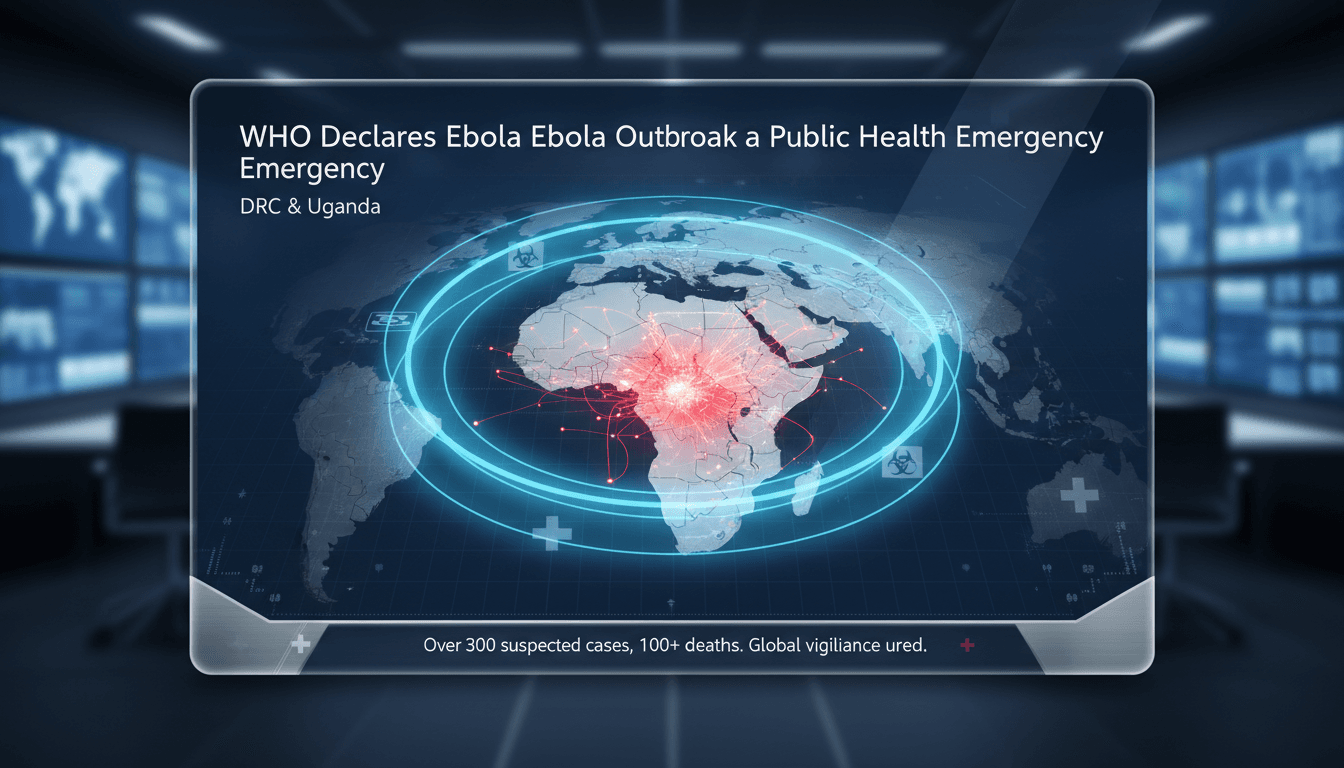
- Politics· World
Cuba warns of severe consequences amid U.S. military threats and sanctions
Cuban President Miguel Díaz-Canel has issued a warning of a 'bloodbath' if the U.S. initiates military action against Cuba, following the acquisition of over 300 military drones. This escalation is triggered by new U.S. sanctions targeting Cuba's intelligence agency and officials, heightening tensions between the two nations. The long-term implication suggests a potential for military conflict, necessitating urgent diplomatic efforts to de-escalate the situation.
9 sourcesMay 21Low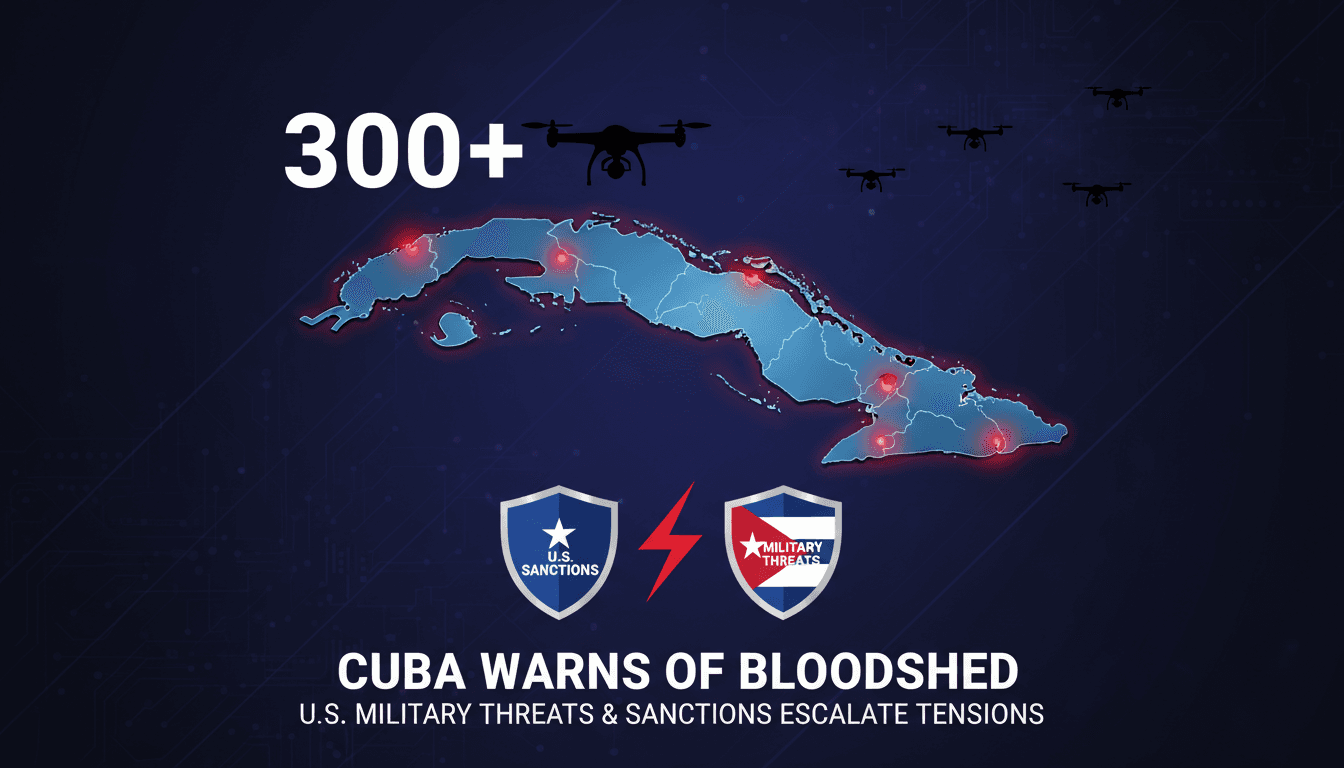
- Politics· World
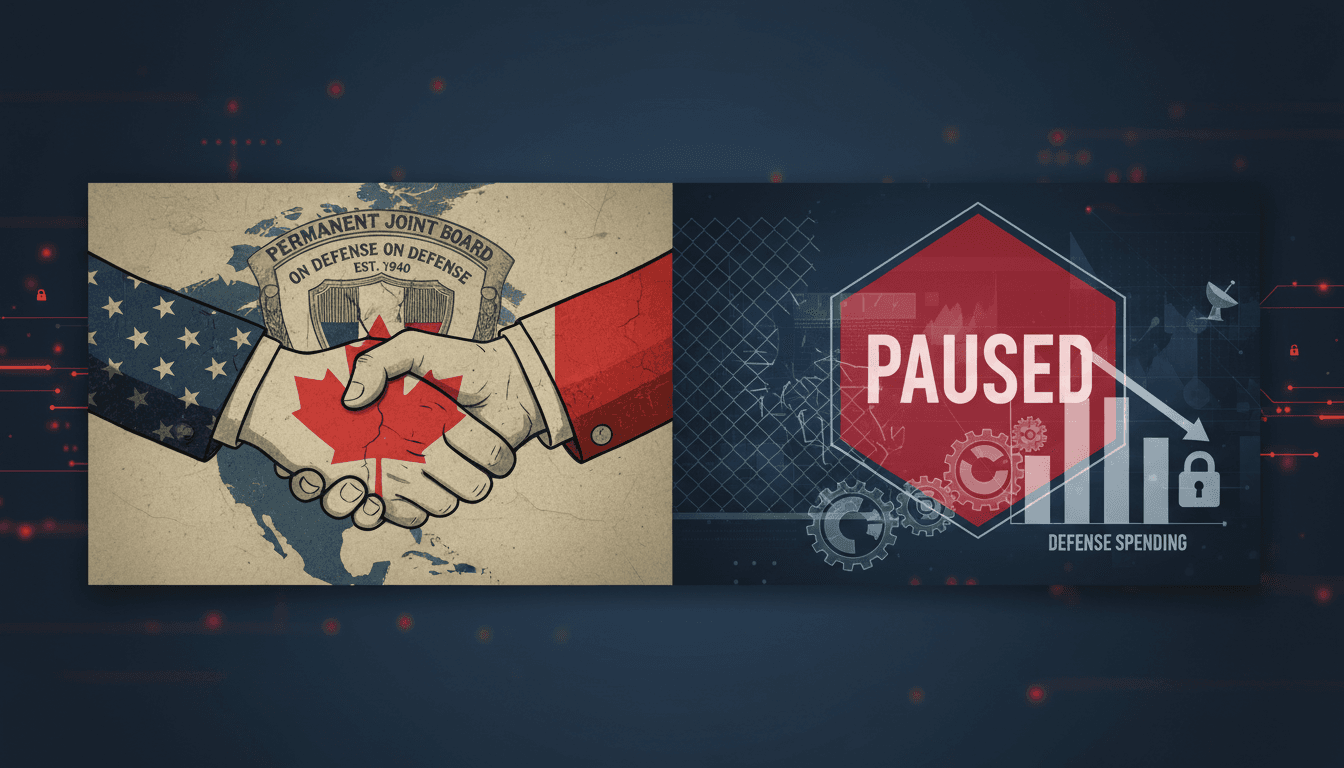
Pentagon pauses U.S.-Canada defense cooperation over spending concerns
The U.S. has paused its participation in the Permanent Joint Board on Defense with Canada due to concerns over Canada's defense spending. This decision comes as U.S. officials assert that Canada has not made credible progress on its defense commitments. The long-term implication may involve increased scrutiny of Canada's military spending and potential negotiations to address these issues, impacting North American security dynamics.
3 sourcesMay 21Low