
Economy
Latest economy news covering growth, inflation, trade, policy, jobs, and major market-moving developments from A47 News.
49 stories - Updated live

Federal Reserve Increases Interest Rates by 25 Basis Points Amid Trump Pressure
On September 16, 2026, the Federal Reserve raised the federal funds rate by 25 basis points, marking a significant monetary policy decision. This action was triggered by persistent inflation above the 2% target, exacerbated by elevated energy prices and geopolitical tensions. The long-term implication may involve increased scrutiny of the Fed's independence as political pressures mount from the Trump administration.
Brent Crude Oil Surges Above $101 Amid Escalating US-Iran Conflict
On September 9, 2026, Brent crude oil prices surged past $101 per barrel, marking the highest close since May 22. This spike was triggered by US military strikes on Iranian oil tankers following missile attacks on a US Navy warship, escalating the ongoing US-Iran conflict. The long-term implication suggests a potential for prices to reach $120-$150 if the conflict continues to disrupt oil exports through critical shipping routes.

Federal Reserve Raises Benchmark Interest Rate to Combat Inflation
The Federal Reserve raised its benchmark federal funds rate by 25 basis points to a target range of 3.75-4 percent in a unanimous decision. This increase was triggered by persistently high inflation, exacerbated by geopolitical tensions and energy price surges, alongside a resilient U.S. economy. The long-term implication suggests further rate hikes may occur by year-end as the Fed aims to stabilize inflation around its 2 percent target.
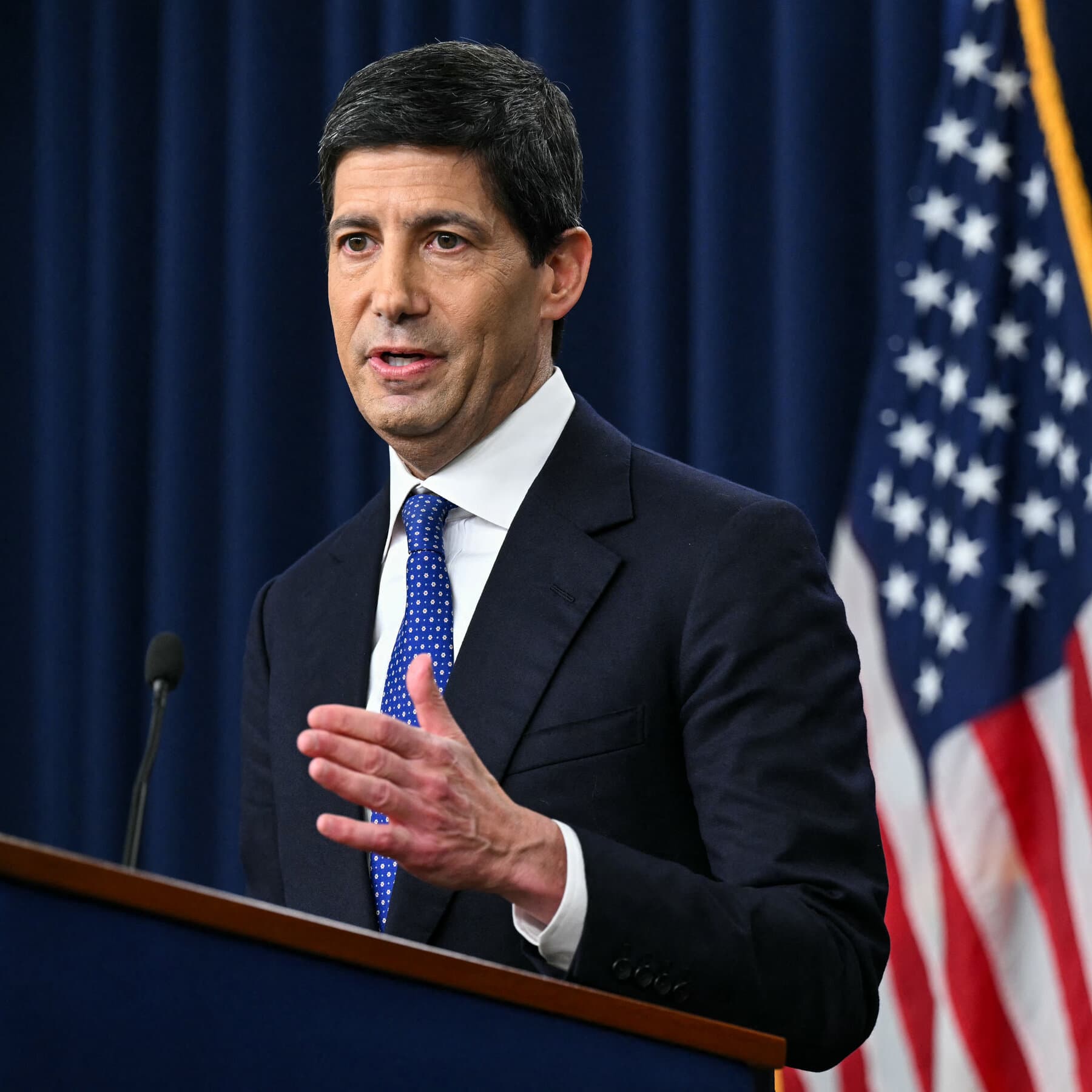
Federal Reserve Raises Interest Rates for First Time Since July 2023
On September 16, 2026, the U.S. Federal Reserve raised its benchmark federal funds rate by 25 basis points to a target range of 3.75%-4.00%. This decision was triggered by persistent inflation above the 2% target, primarily due to rising energy prices. The long-term implication is a likely continuation of tightening monetary policy, with expectations for further rate hikes before the year ends, impacting equity markets and borrowing costs.
Federal Reserve Increases Interest Rates by 25 Basis Points Amid Inflation Pressures
On September 16, 2026, the Federal Reserve raised its benchmark interest rate by 25 basis points. This decision was triggered by persistent inflation pressures, including energy shocks and supply chain strains, despite public calls from President Donald Trump for lower rates. The long-term implication is a potential shift in market dynamics and increased scrutiny on the independence of the Federal Reserve amid ongoing geopolitical and economic volatility.
Latest Stories
Bank of England Maintains Interest Rate Amid Rising Inflation Risks from Middle East Energy Crisis
On September 17, 2026, the Bank of England decided to hold its benchmark interest rate at 3.75 percent despite rising inflation. This decision was triggered by escalating energy prices due to the ongoing conflict in the Middle East, which has disrupted global oil and gas supplies. In the long term, the Bank's warning of potential future rate hikes indicates a cautious approach to managing inflationary pressures in the UK economy.
Federal Reserve Raises Interest Rate to Combat Inflation Amid Energy Crisis
On September 16, 2026, the Federal Reserve raised its benchmark interest rate by 25 basis points, marking the first hike since 2023. This decision was triggered by persistent inflation above the 2% target, exacerbated by energy price shocks from the ongoing conflict in Iran. The long-term implication is a potential series of further rate hikes as the Fed aims to stabilize the economy amidst rising energy costs and market volatility.
Federal Reserve Increases Interest Rates by 25 Basis Points Amid Trump Pressure
On September 16, 2026, the Federal Reserve raised the federal funds rate by 25 basis points, marking a significant monetary policy decision. This action was triggered by persistent inflation above the 2% target, exacerbated by elevated energy prices and geopolitical tensions. The long-term implication may involve increased scrutiny of the Fed's independence as political pressures mount from the Trump administration.
Federal Reserve Raises Interest Rates for First Time Since July 2023
On September 16, 2026, the U.S. Federal Reserve raised its benchmark federal funds rate by 25 basis points to a target range of 3.75%-4.00%. This decision was triggered by persistent inflation above the 2% target, primarily due to rising energy prices. The long-term implication is a likely continuation of tightening monetary policy, with expectations for further rate hikes before the year ends, impacting equity markets and borrowing costs.