
Consumer Economy
Latest news, analysis, and updates on Consumer Economy from A47 News.
148 stories in Economy · Updated live
US Consumer Confidence Index Drops to Lowest Level in 12 Years Amid Inflation and Geopolitical Tensions
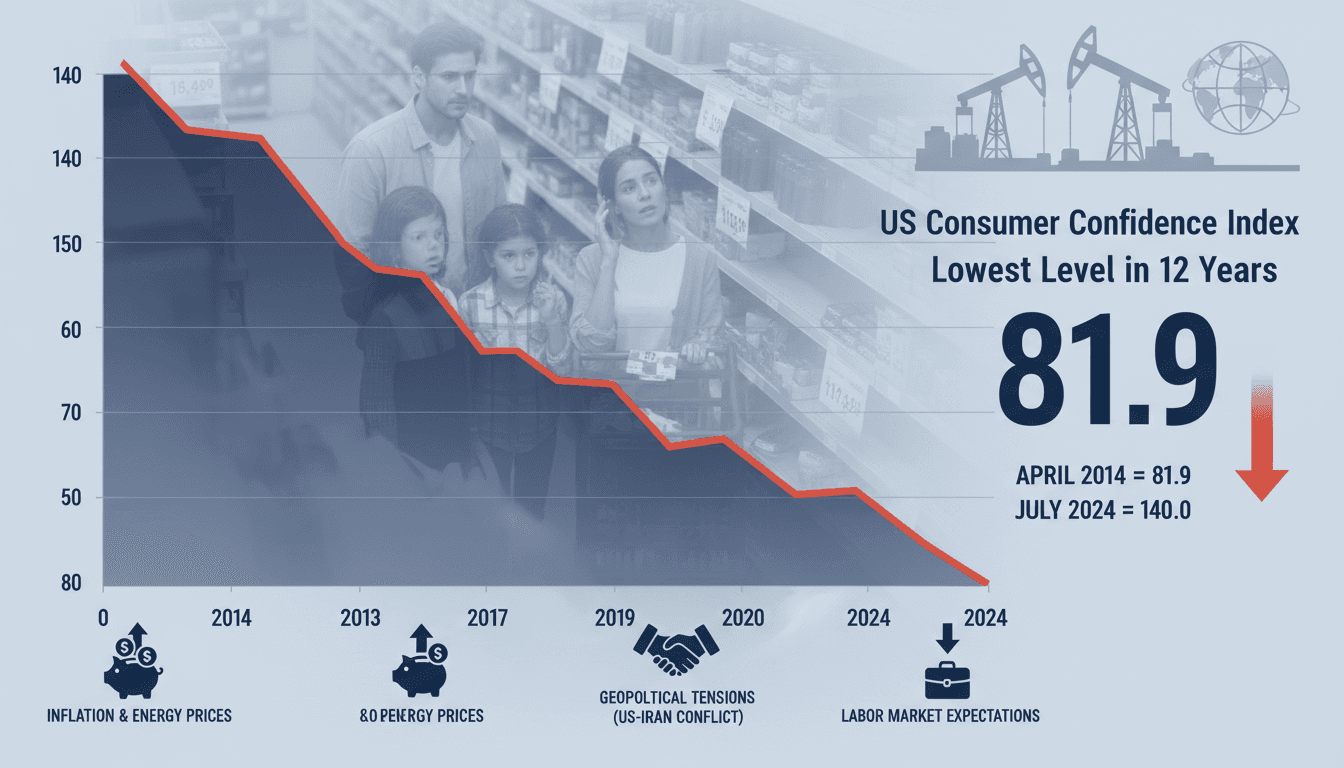
US consumer confidence has fallen sharply, with the Conference Board Consumer Confidence Index dropping to 81.9, the lowest since April 2014. This decline is triggered by persistent inflation, rising energy prices due to the US-Iran conflict, and deteriorating labor market expectations. The long-term implication suggests potential headwinds for holiday retail sales and increased scrutiny on Federal Reserve policy decisions regarding interest rates.
US Consumer Confidence Index Drops to Lowest Level Since April 2014
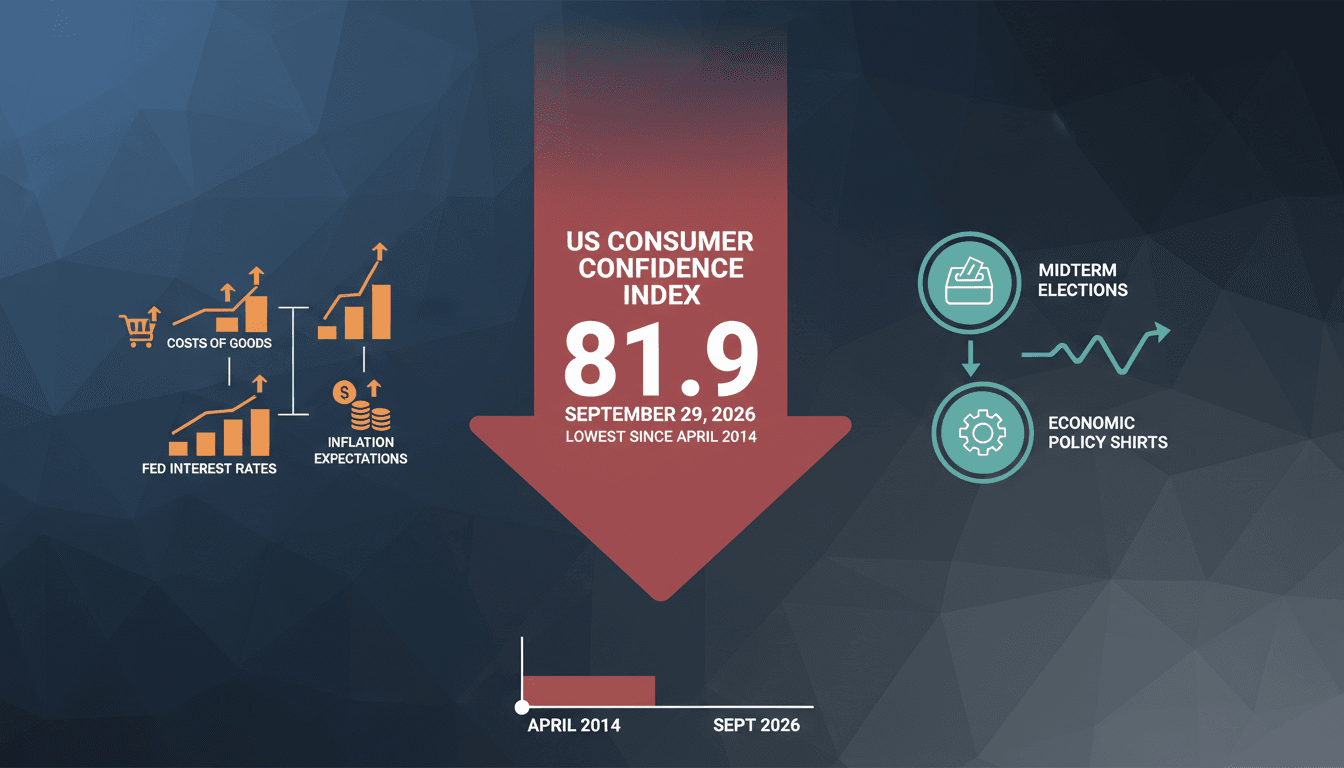
The US Consumer Confidence Index fell to 81.9 on September 29, 2026, marking the lowest reading since April 2014. This decline is attributed to rising costs of goods and services, elevated inflation expectations, and recent Federal Reserve interest rate increases. The long-term implication suggests increased pressure on political candidates ahead of the midterm elections and potential shifts in economic policy responses.
AI-Driven Upcoding by U.S. Hospitals Increases Insurer Costs by Nearly $1 Billion
U.S. hospitals' use of artificial intelligence for medical coding has resulted in nearly $1 billion in additional costs for insurers over the past two years. This surge in expenses is driven by hospitals submitting more complex claims without changes in treatment, leading to an ongoing dispute with insurers who are also enhancing their AI systems to combat these practices. The long-term implication is a projected increase in health insurance premiums, potentially reaching double digits in 2027, as both sides continue to leverage AI in their revenue strategies.

German Consumer Confidence Index Hits Record Low Amid Rising Energy Costs
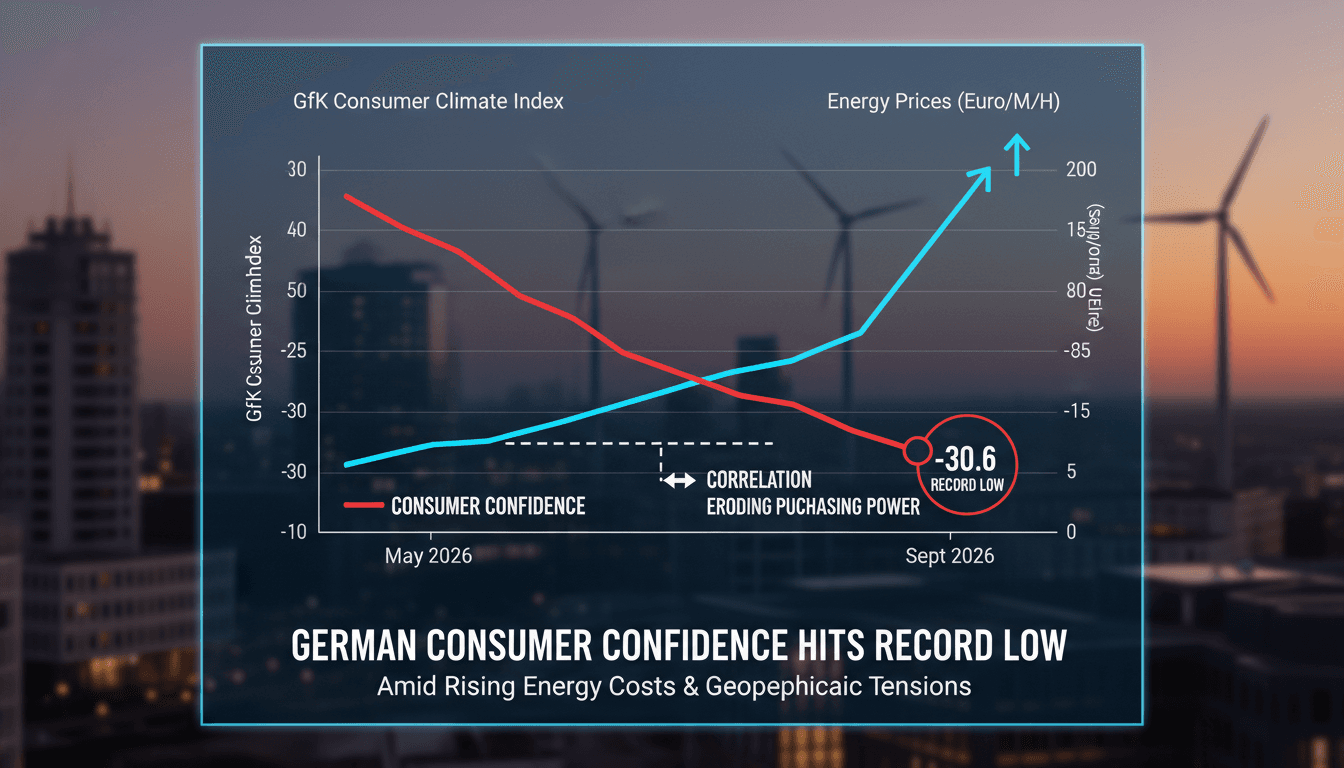
On September 25, 2026, Germany's consumer-climate index fell to minus 30.6, the lowest level since May 2026. This decline is attributed to escalating energy prices driven by tensions in the Middle East, which have eroded purchasing power and income expectations among German households. The long-term implication suggests a potential shift in consumer behavior towards increased savings, impacting overall economic growth and consumption patterns in Germany.
Latest Stories
US Consumer Confidence Index Drops to Lowest Level in 12 Years Amid Inflation and Geopolitical Tensions
US consumer confidence has fallen sharply, with the Conference Board Consumer Confidence Index dropping to 81.9, the lowest since April 2014. This decline is triggered by persistent inflation, rising energy prices due to the US-Iran conflict, and deteriorating labor market expectations. The long-term implication suggests potential headwinds for holiday retail sales and increased scrutiny on Federal Reserve policy decisions regarding interest rates.
US Consumer Confidence Index Drops to Lowest Level Since April 2014
The US Consumer Confidence Index fell to 81.9 on September 29, 2026, marking the lowest reading since April 2014. This decline is attributed to rising costs of goods and services, elevated inflation expectations, and recent Federal Reserve interest rate increases. The long-term implication suggests increased pressure on political candidates ahead of the midterm elections and potential shifts in economic policy responses.
AI-Driven Upcoding by U.S. Hospitals Increases Insurer Costs by Nearly $1 Billion
U.S. hospitals' use of artificial intelligence for medical coding has resulted in nearly $1 billion in additional costs for insurers over the past two years. This surge in expenses is driven by hospitals submitting more complex claims without changes in treatment, leading to an ongoing dispute with insurers who are also enhancing their AI systems to combat these practices. The long-term implication is a projected increase in health insurance premiums, potentially reaching double digits in 2027, as both sides continue to leverage AI in their revenue strategies.
German Consumer Confidence Index Hits Record Low Amid Rising Energy Costs
On September 25, 2026, Germany's consumer-climate index fell to minus 30.6, the lowest level since May 2026. This decline is attributed to escalating energy prices driven by tensions in the Middle East, which have eroded purchasing power and income expectations among German households. The long-term implication suggests a potential shift in consumer behavior towards increased savings, impacting overall economic growth and consumption patterns in Germany.