
Trade
Latest news, analysis, and updates on Trade from A47 News.
5 stories in Economy · Updated live
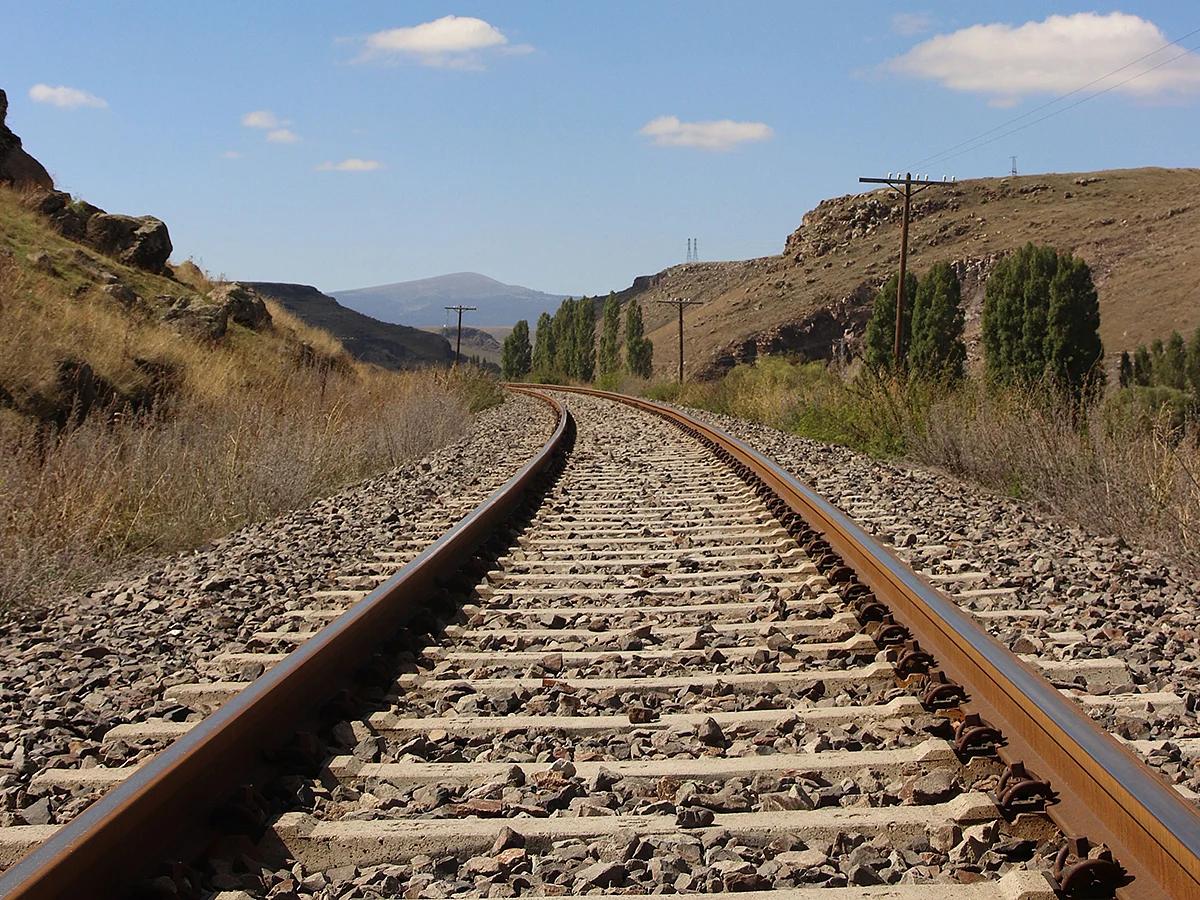
GCC States Sign General Agreement to Advance Integrated Regional Railway Network
On November 8, 2026, the six GCC member states signed the General Agreement for the GCC Railway Project in Manama, establishing a legal and technical framework for an approximately 2,100 km integrated rail network linking the UAE, Saudi Arabia, Bahrain, Kuwait, Oman, and Qatar. The signing follows GCC leaders' approval of the agreement at the December 2025 summit and renewed urgency driven by geopolitical disruptions to regional supply chains and shipping routes. The network is expected to enable cross-border passenger and freight movement and deepen economic integration, with operations targeted for December 2030.
UAE Non-Oil Foreign Trade Reaches Dh2.945 Trillion in First Nine Months of 2026 Approaching Record Dh3 Trillion
In the reporting window, the UAE announced that its non-oil foreign trade reached Dh2.945 trillion for January to September 2026, a 10 per cent year-on-year rise that marks the first near-Dh3 trillion nine-month total, led by record non-oil exports of Dh705.8 billion. The result was driven by expanded market access through 19 Comprehensive Economic Partnership Agreements covering 23 countries, which contributed Dh510.8 billion in non-oil trade, alongside diversification of trading partners beyond the top 10 amid regional geopolitical tensions and global trade shifts. The trajectory points to continued CEPA expansion and market diversification as the primary levers for sustaining momentum toward a full-year record and reducing the UAE's dependence on oil-linked revenues.

China Trade Surplus Surpasses $1 Trillion in First Ten Months of 2026 on Record Pace
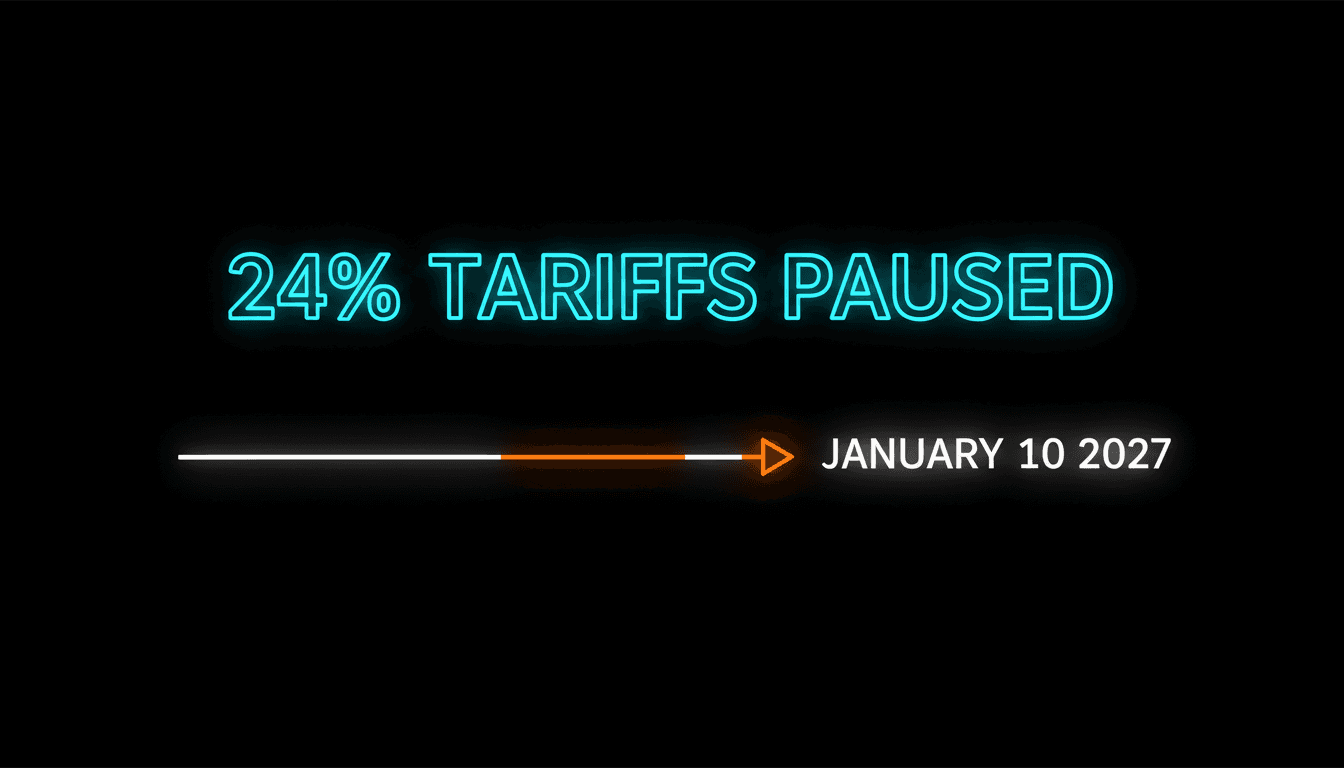
China's cumulative trade surplus reached $1.04 trillion in January through October 2026, the fastest pace to pass the $1 trillion mark, as October exports rose 35.2 percent year-on-year. The surge is driven by exports of AI-related high-tech goods, including semiconductors, offsetting weak domestic consumption amid a prolonged property sector slump. The trajectory points to a new annual surplus record above last year's $1.2 trillion, intensifying pressure from the US, EU and IMF for Beijing to rebalance toward domestic demand and raising the risk of protectionist trade measures.
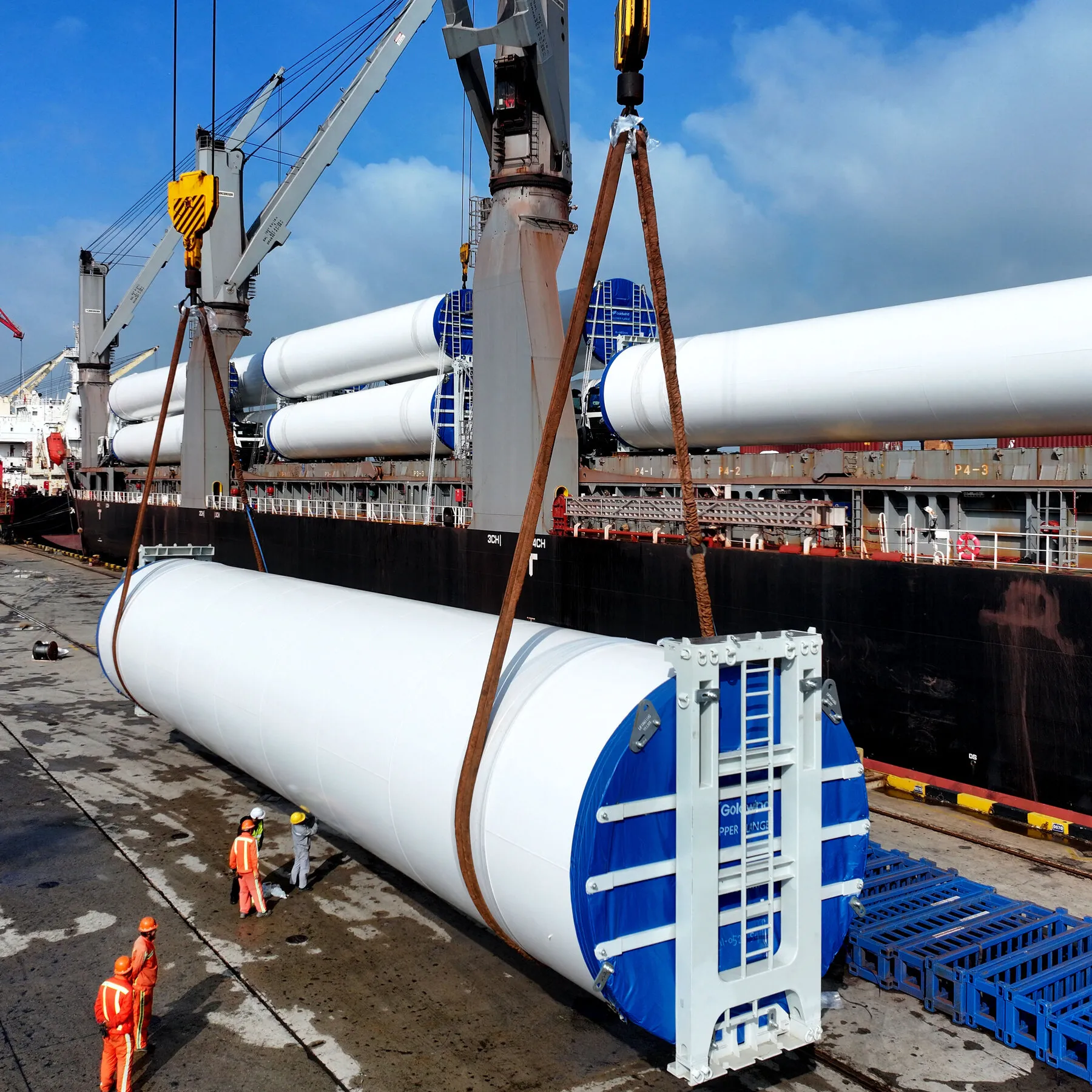
China Extends Suspension of 24% US Tariffs and Export Control Waivers Until January 10 2027
On November 9 2026 China's State Council announced a two-month extension of its suspension of an additional 24% tariff on US imports effective November 10 while keeping a 10% baseline tariff, alongside extended export-control waivers on critical minerals and port-fee suspensions on US-linked vessels until January 10 2027. The move implements the September 2026 consensus between Presidents Xi and Trump, timed to precede a Trump-Xi meeting expected at the APEC leaders' summit in Shenzhen, and follows the October 2025 Busan truce framework. The extension provides temporary bilateral trade stability and sets the stage for further negotiations on a proposed $60 billion package of reciprocal tariff reductions, including roughly $17 billion in US agricultural exports.
Latest Stories
China Trade Surplus Surpasses $1 Trillion in First Ten Months of 2026 on Record Pace
China's cumulative trade surplus reached $1.04 trillion in January through October 2026, the fastest pace to pass the $1 trillion mark, as October exports rose 35.2 percent year-on-year. The surge is driven by exports of AI-related high-tech goods, including semiconductors, offsetting weak domestic consumption amid a prolonged property sector slump. The trajectory points to a new annual surplus record above last year's $1.2 trillion, intensifying pressure from the US, EU and IMF for Beijing to rebalance toward domestic demand and raising the risk of protectionist trade measures.
China Extends Suspension of 24% US Tariffs and Export Control Waivers Until January 10 2027
On November 9 2026 China's State Council announced a two-month extension of its suspension of an additional 24% tariff on US imports effective November 10 while keeping a 10% baseline tariff, alongside extended export-control waivers on critical minerals and port-fee suspensions on US-linked vessels until January 10 2027. The move implements the September 2026 consensus between Presidents Xi and Trump, timed to precede a Trump-Xi meeting expected at the APEC leaders' summit in Shenzhen, and follows the October 2025 Busan truce framework. The extension provides temporary bilateral trade stability and sets the stage for further negotiations on a proposed $60 billion package of reciprocal tariff reductions, including roughly $17 billion in US agricultural exports.
GCC States Sign General Agreement to Advance Integrated Regional Railway Network
On November 8, 2026, the six GCC member states signed the General Agreement for the GCC Railway Project in Manama, establishing a legal and technical framework for an approximately 2,100 km integrated rail network linking the UAE, Saudi Arabia, Bahrain, Kuwait, Oman, and Qatar. The signing follows GCC leaders' approval of the agreement at the December 2025 summit and renewed urgency driven by geopolitical disruptions to regional supply chains and shipping routes. The network is expected to enable cross-border passenger and freight movement and deepen economic integration, with operations targeted for December 2030.
UAE Non-Oil Foreign Trade Reaches Dh2.945 Trillion in First Nine Months of 2026 Approaching Record Dh3 Trillion
In the reporting window, the UAE announced that its non-oil foreign trade reached Dh2.945 trillion for January to September 2026, a 10 per cent year-on-year rise that marks the first near-Dh3 trillion nine-month total, led by record non-oil exports of Dh705.8 billion. The result was driven by expanded market access through 19 Comprehensive Economic Partnership Agreements covering 23 countries, which contributed Dh510.8 billion in non-oil trade, alongside diversification of trading partners beyond the top 10 amid regional geopolitical tensions and global trade shifts. The trajectory points to continued CEPA expansion and market diversification as the primary levers for sustaining momentum toward a full-year record and reducing the UAE's dependence on oil-linked revenues.