
Central Banks
Latest news, analysis, and updates on Central Banks from A47 News.
6 stories in Economy · Updated live

European Central Bank Increases Interest Rates to Address Inflation from Middle East Conflict
On September 10, 2026, the European Central Bank raised its benchmark interest rates by 25 basis points to combat rising inflation pressures. This decision was triggered by persistent inflation driven by elevated energy prices resulting from the ongoing conflict in the Middle East. In the long term, this move may lead to tighter monetary policies across other major central banks as they respond to similar inflationary pressures.
U.S. and European government bond yields reach multiyear highs amid inflation concerns
On September 11, 2026, U.S. and European government bond yields finished near multiyear highs as investors reacted to firm core inflation data. This surge in yields was triggered by a U.S. consumer price index report showing core inflation exceeding expectations, alongside rising oil prices and fiscal concerns. The long-term implication suggests that central banks may continue to tighten monetary policy, leading to higher borrowing costs and potential market volatility.

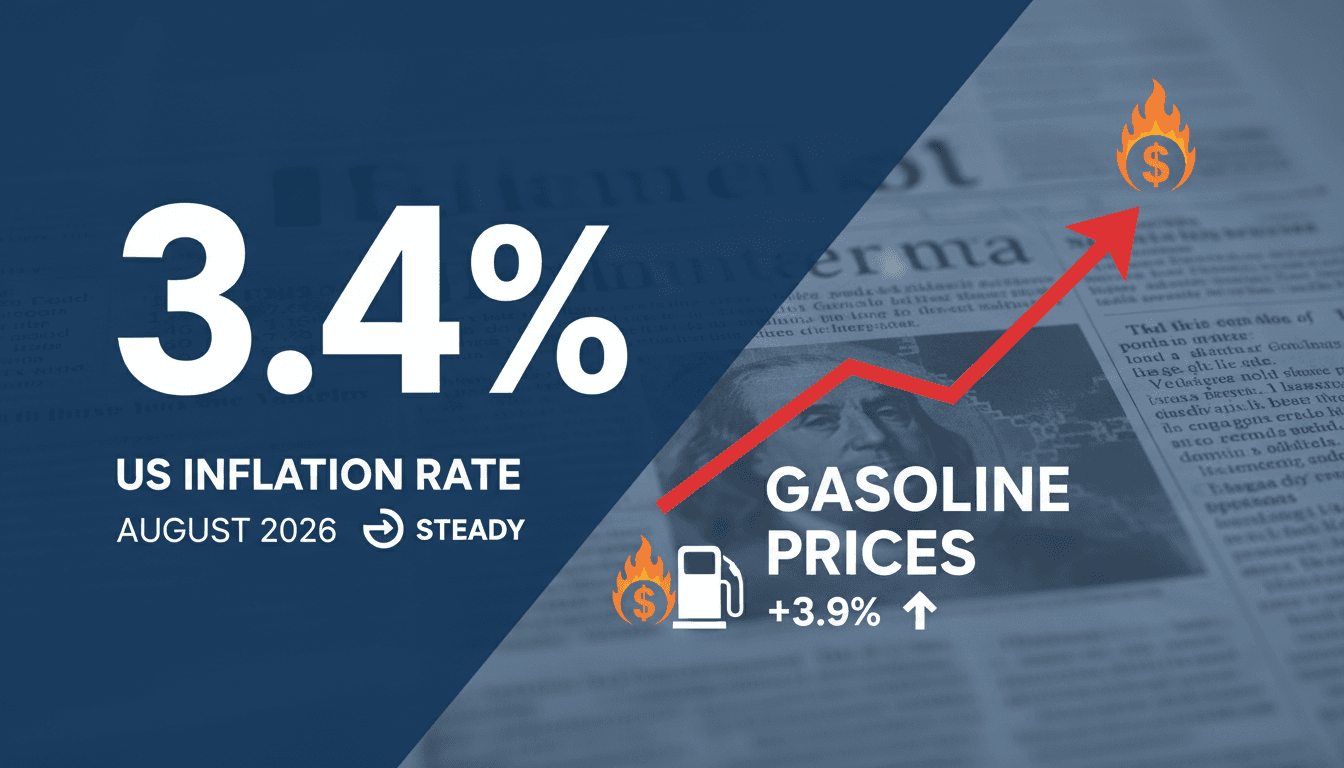
US inflation rate remains steady at 3.4% amid rising gasoline prices
The US Bureau of Labor Statistics reported that the annual inflation rate held steady at 3.4% for August 2026. This stability is attributed to a significant 3.9% increase in gasoline prices, which contributed heavily to the overall inflation figure. The persistence of inflation at this level is likely to prompt the Federal Reserve to consider rate hikes in the near future.
Japan's Producer Price Index Surges 7.6% in August 2026 Heightening Rate Hike Speculations
Japan's producer price index rose 7.6% year-on-year in August 2026, surpassing market expectations and indicating sustained inflationary pressures. This increase is driven by a weak yen and escalating fuel costs, exacerbated by tensions in the Middle East. As a result, the Bank of Japan is expected to raise its policy rate to 1.25% at the upcoming meeting, with further hikes anticipated in the near future.

Latest Stories
U.S. and European government bond yields reach multiyear highs amid inflation concerns
On September 11, 2026, U.S. and European government bond yields finished near multiyear highs as investors reacted to firm core inflation data. This surge in yields was triggered by a U.S. consumer price index report showing core inflation exceeding expectations, alongside rising oil prices and fiscal concerns. The long-term implication suggests that central banks may continue to tighten monetary policy, leading to higher borrowing costs and potential market volatility.
US inflation rate remains steady at 3.4% amid rising gasoline prices
The US Bureau of Labor Statistics reported that the annual inflation rate held steady at 3.4% for August 2026. This stability is attributed to a significant 3.9% increase in gasoline prices, which contributed heavily to the overall inflation figure. The persistence of inflation at this level is likely to prompt the Federal Reserve to consider rate hikes in the near future.
Japan's Producer Price Index Surges 7.6% in August 2026 Heightening Rate Hike Speculations
Japan's producer price index rose 7.6% year-on-year in August 2026, surpassing market expectations and indicating sustained inflationary pressures. This increase is driven by a weak yen and escalating fuel costs, exacerbated by tensions in the Middle East. As a result, the Bank of Japan is expected to raise its policy rate to 1.25% at the upcoming meeting, with further hikes anticipated in the near future.
European Central Bank Increases Interest Rates to Address Inflation from Middle East Conflict
On September 10, 2026, the European Central Bank raised its benchmark interest rates by 25 basis points to combat rising inflation pressures. This decision was triggered by persistent inflation driven by elevated energy prices resulting from the ongoing conflict in the Middle East. In the long term, this move may lead to tighter monetary policies across other major central banks as they respond to similar inflationary pressures.