
Inflation
Latest news, analysis, and updates on Inflation from A47 News.
4 stories in Economy · Updated live
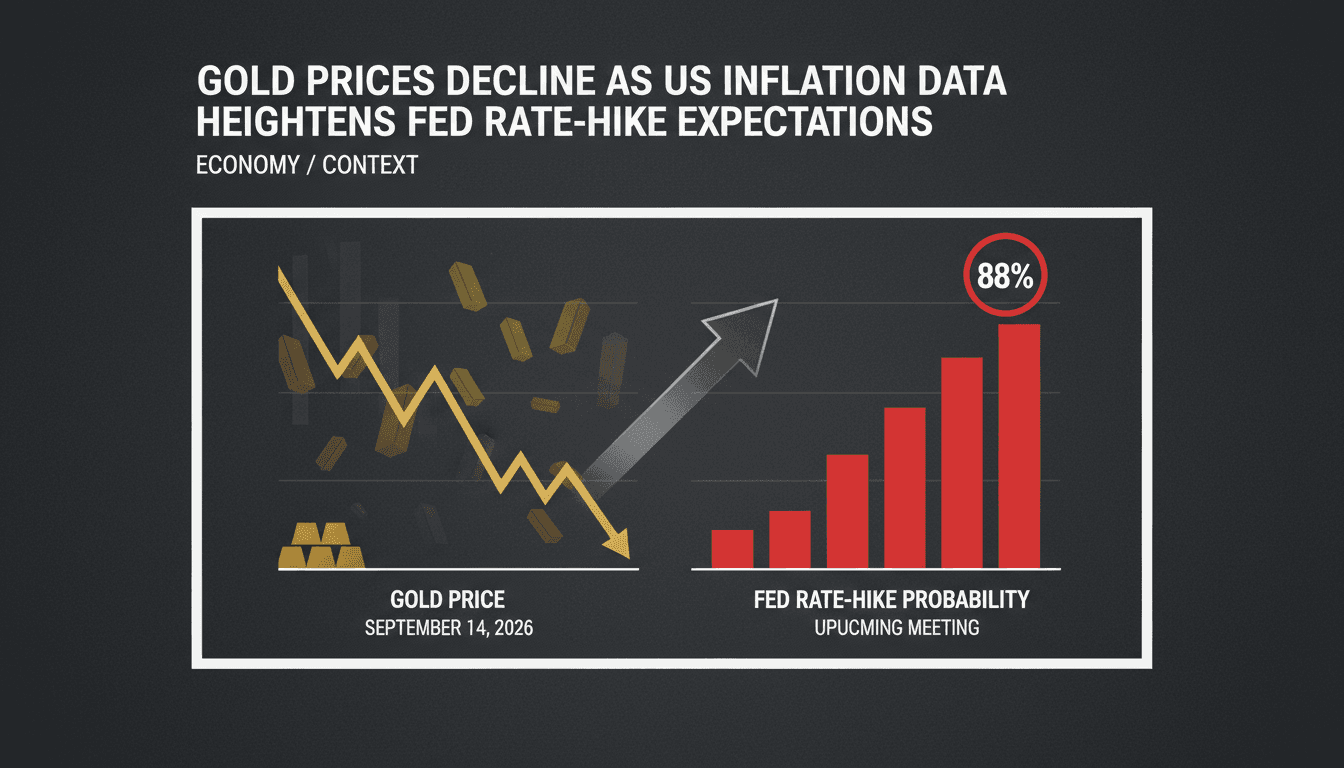
Gold Prices Decline as US Inflation Data Heightens Fed Rate-Hike Expectations
Gold prices fell on September 14, 2026, following the release of US inflation data that exceeded expectations. The stronger-than-anticipated core CPI data has increased the likelihood of a Federal Reserve interest rate hike, with market participants pricing in an 88% probability for the upcoming meeting. This trend suggests that higher borrowing costs may continue to pressure gold and other non-yielding assets in the near future.
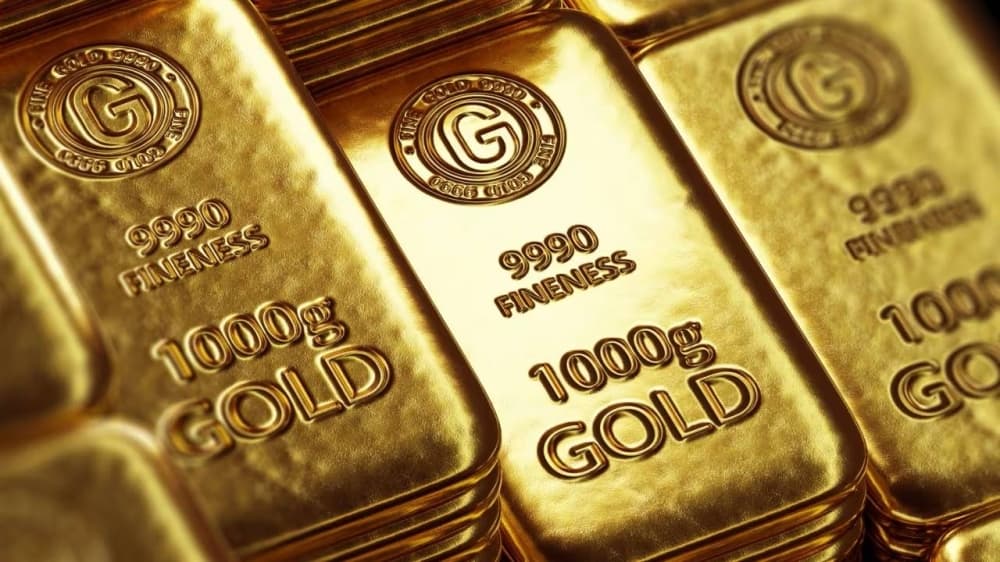
Gold Prices Decline Amid Rising US Rate Hike Expectations
Gold prices experienced a weekly decline as of September 12, 2026, with global spot gold dropping approximately 1.5%. This shift is primarily driven by heightened market expectations for US interest rate increases following recent inflation data releases. The long-term implication suggests ongoing volatility in gold prices as investors remain sensitive to US monetary policy and geopolitical tensions in the Middle East.
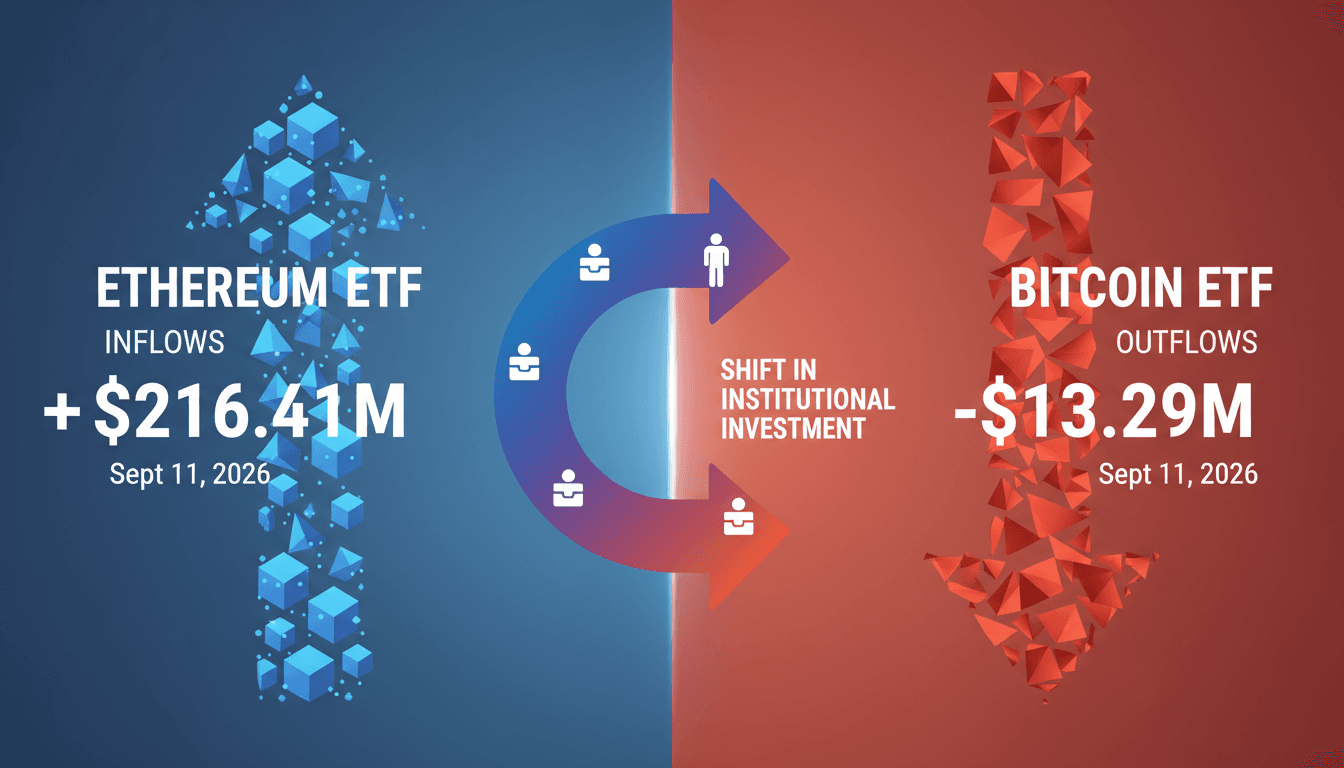
U.S. Spot Ether ETFs See $216.41 Million Inflows While Bitcoin ETFs Experience Outflows
On September 11, 2026, U.S. spot Ether ETFs recorded $216.41 million in net inflows, contrasting with Bitcoin ETFs that faced $13.29 million in outflows. This shift is attributed to a rotation in institutional investment towards Ether amid stable Bitcoin prices near $77,000 and recent inflation data. The long-term implication suggests a potential trend of increased institutional interest in Ether, possibly reshaping the cryptocurrency investment landscape.
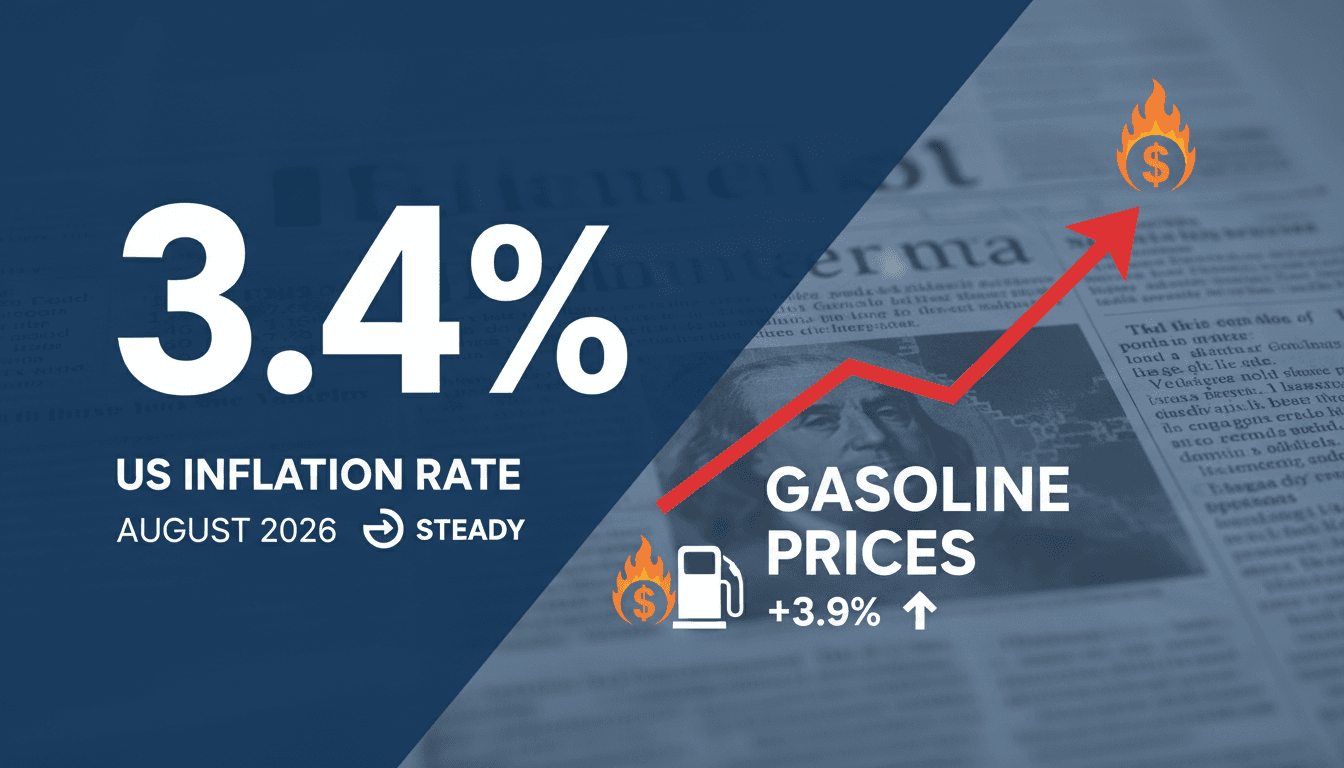
US inflation rate remains steady at 3.4% amid rising gasoline prices
The US Bureau of Labor Statistics reported that the annual inflation rate held steady at 3.4% for August 2026. This stability is attributed to a significant 3.9% increase in gasoline prices, which contributed heavily to the overall inflation figure. The persistence of inflation at this level is likely to prompt the Federal Reserve to consider rate hikes in the near future.
Latest Stories
Gold Prices Decline as US Inflation Data Heightens Fed Rate-Hike Expectations
Gold prices fell on September 14, 2026, following the release of US inflation data that exceeded expectations. The stronger-than-anticipated core CPI data has increased the likelihood of a Federal Reserve interest rate hike, with market participants pricing in an 88% probability for the upcoming meeting. This trend suggests that higher borrowing costs may continue to pressure gold and other non-yielding assets in the near future.
Gold Prices Decline Amid Rising US Rate Hike Expectations
Gold prices experienced a weekly decline as of September 12, 2026, with global spot gold dropping approximately 1.5%. This shift is primarily driven by heightened market expectations for US interest rate increases following recent inflation data releases. The long-term implication suggests ongoing volatility in gold prices as investors remain sensitive to US monetary policy and geopolitical tensions in the Middle East.
U.S. Spot Ether ETFs See $216.41 Million Inflows While Bitcoin ETFs Experience Outflows
On September 11, 2026, U.S. spot Ether ETFs recorded $216.41 million in net inflows, contrasting with Bitcoin ETFs that faced $13.29 million in outflows. This shift is attributed to a rotation in institutional investment towards Ether amid stable Bitcoin prices near $77,000 and recent inflation data. The long-term implication suggests a potential trend of increased institutional interest in Ether, possibly reshaping the cryptocurrency investment landscape.
US inflation rate remains steady at 3.4% amid rising gasoline prices
The US Bureau of Labor Statistics reported that the annual inflation rate held steady at 3.4% for August 2026. This stability is attributed to a significant 3.9% increase in gasoline prices, which contributed heavily to the overall inflation figure. The persistence of inflation at this level is likely to prompt the Federal Reserve to consider rate hikes in the near future.