
Fiscal Policy
Latest news, analysis, and updates on Fiscal Policy from A47 News.
5 stories in Economy · Updated live
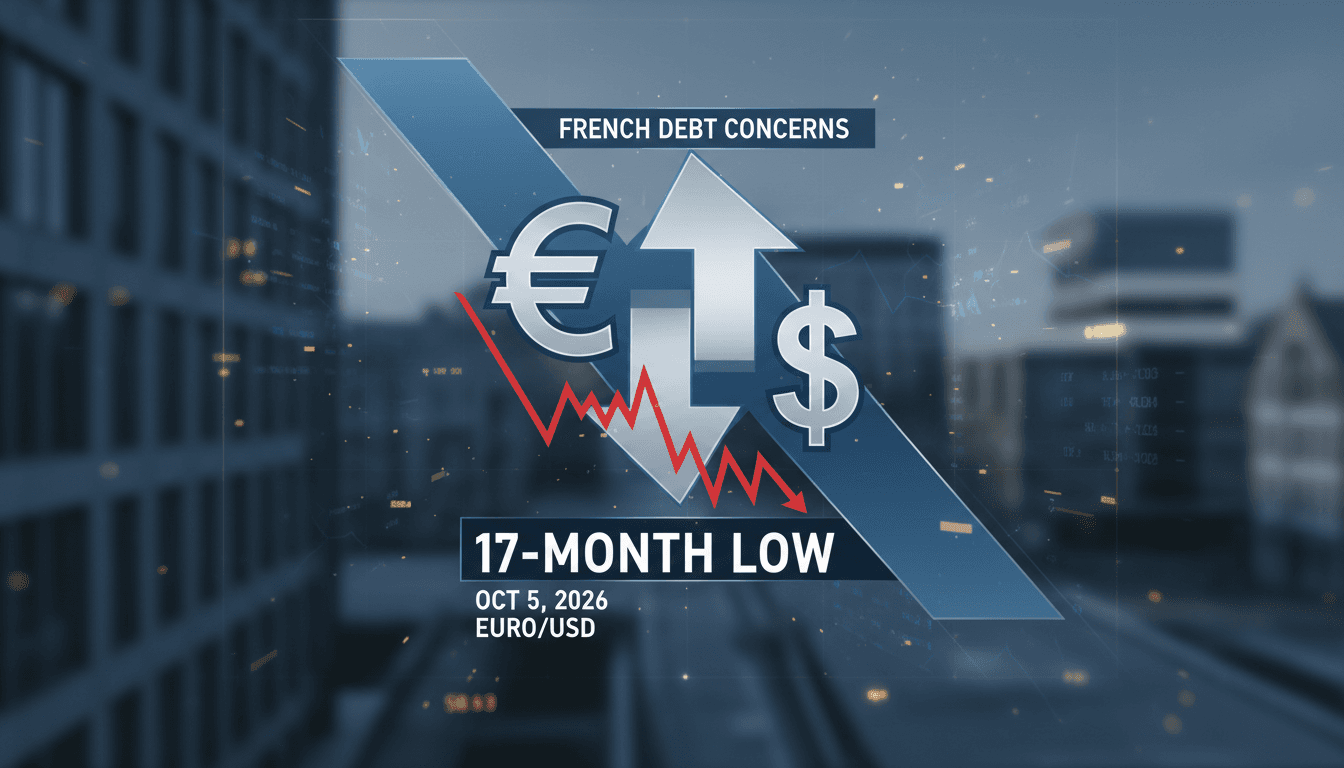
Euro Hits 17-Month Low Amid French Debt Concerns
On October 5, 2026, the euro fell to a 17-month low against the US dollar due to escalating worries regarding France's public finances and sovereign debt sustainability. This decline was triggered by a sharp sell-off in French government bonds and fears of fiscal slippage ahead of the 2027 presidential election. Long-term implications suggest continued volatility in the eurozone currency markets as political uncertainties and economic pressures persist leading up to the elections.
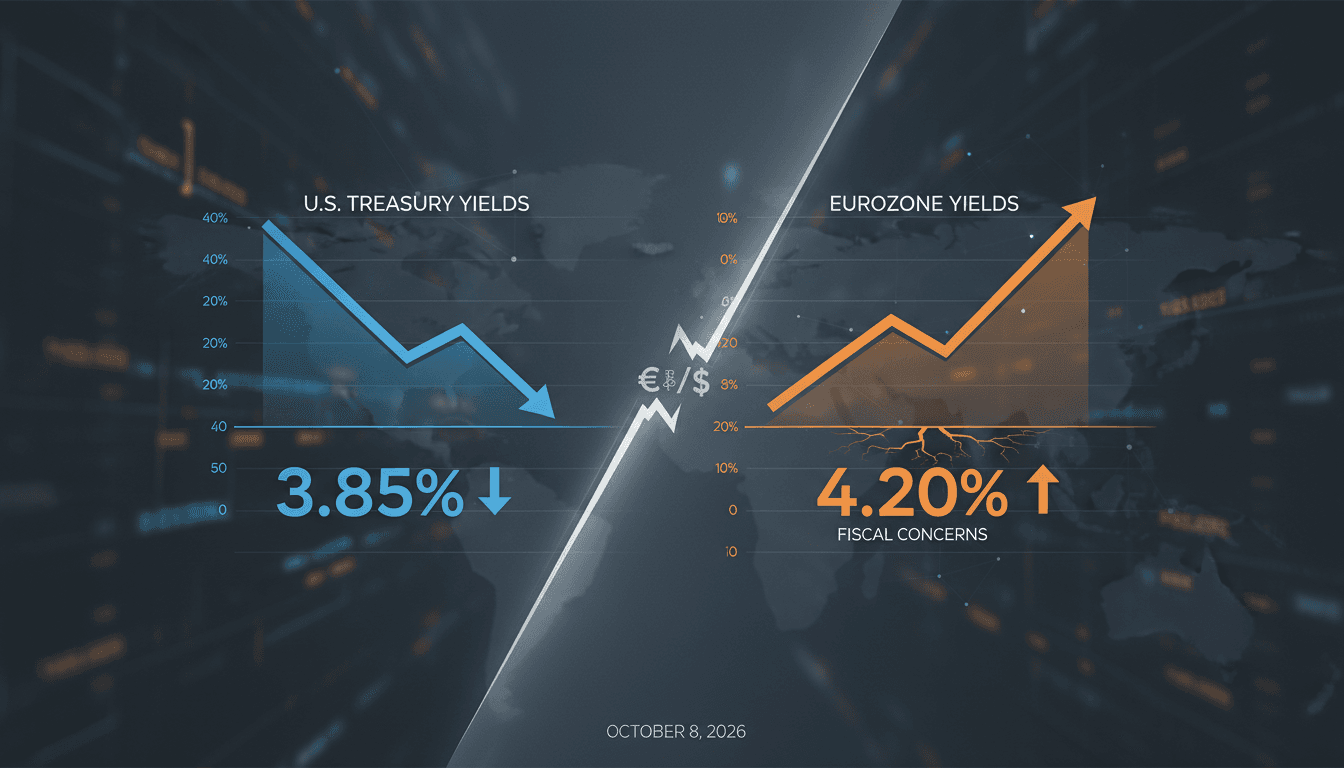
U.S. Treasury Yields Decline While Eurozone Yields Remain High Amid Fiscal Concerns
U.S. Treasury yields retreated from session highs on October 8, 2026, following a successful auction and buyback operation. This shift is occurring as the Eurozone, particularly France, grapples with persistent fiscal pressures and budget deficit concerns ahead of upcoming elections. Long-term implications suggest continued volatility in global bond markets as investors remain cautious amid economic uncertainties.
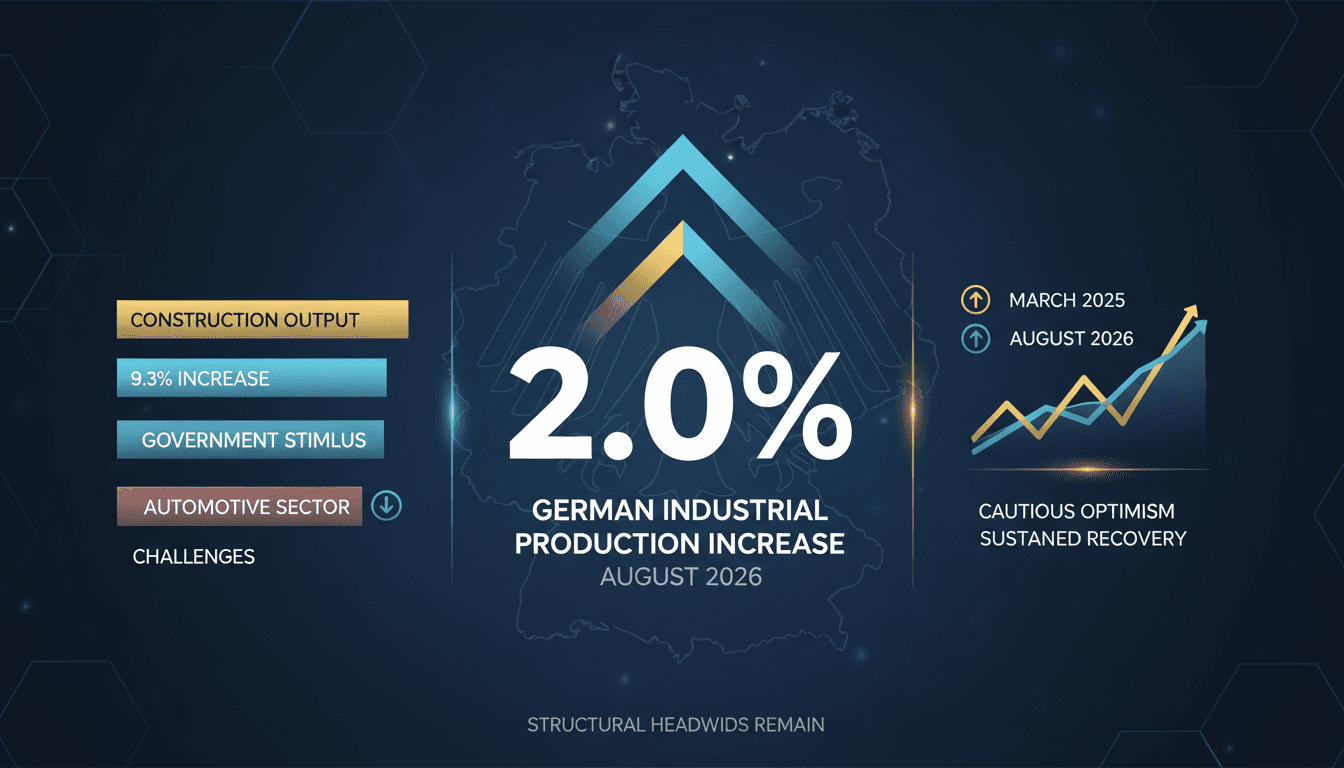
German Industrial Production Sees 2.0% Increase in August 2026
Germany's industrial production rose by 2.0% month-on-month in August 2026, marking the strongest gain since March 2025. This rebound is attributed to government fiscal stimulus and a significant 9.3% increase in construction output, despite ongoing challenges in the automotive sector. The long-term implication suggests a cautious optimism for sustained recovery, although structural headwinds remain a concern for broader economic growth.
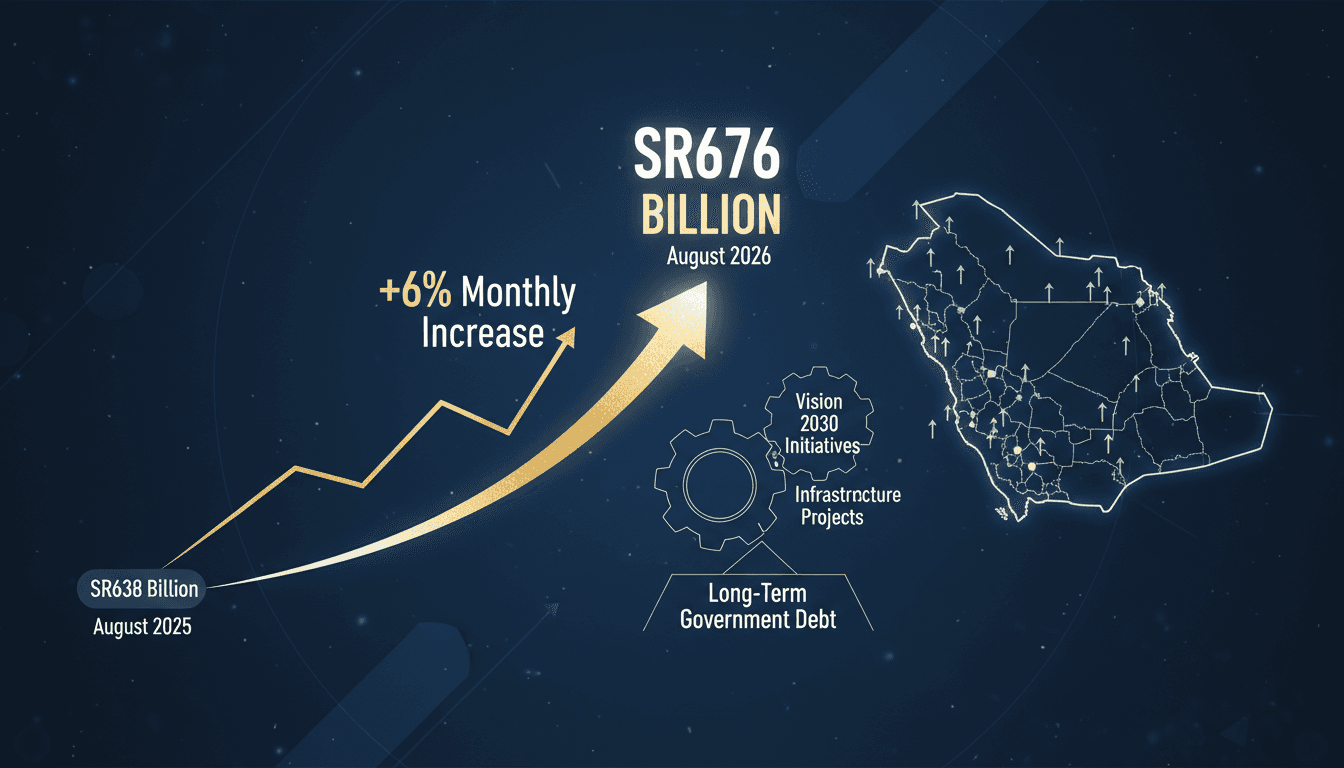
Saudi banks increase treasury bond investments to SR676 billion by August 2026
Saudi banks' investments in treasury bonds reached SR676 billion at the end of August 2026, reflecting a 6 percent monthly increase. This surge is attributed to ongoing liquidity allocation by financial institutions towards long-term government debt instruments amid stable economic conditions. The long-term implication suggests a continued reliance on government securities as low-risk assets, supporting the Kingdom's Vision 2030 initiatives and infrastructure projects.
Latest Stories
U.S. Treasury Yields Decline While Eurozone Yields Remain High Amid Fiscal Concerns
U.S. Treasury yields retreated from session highs on October 8, 2026, following a successful auction and buyback operation. This shift is occurring as the Eurozone, particularly France, grapples with persistent fiscal pressures and budget deficit concerns ahead of upcoming elections. Long-term implications suggest continued volatility in global bond markets as investors remain cautious amid economic uncertainties.
German Industrial Production Sees 2.0% Increase in August 2026
Germany's industrial production rose by 2.0% month-on-month in August 2026, marking the strongest gain since March 2025. This rebound is attributed to government fiscal stimulus and a significant 9.3% increase in construction output, despite ongoing challenges in the automotive sector. The long-term implication suggests a cautious optimism for sustained recovery, although structural headwinds remain a concern for broader economic growth.
Euro Hits 17-Month Low Amid French Debt Concerns
On October 5, 2026, the euro fell to a 17-month low against the US dollar due to escalating worries regarding France's public finances and sovereign debt sustainability. This decline was triggered by a sharp sell-off in French government bonds and fears of fiscal slippage ahead of the 2027 presidential election. Long-term implications suggest continued volatility in the eurozone currency markets as political uncertainties and economic pressures persist leading up to the elections.
Saudi banks increase treasury bond investments to SR676 billion by August 2026
Saudi banks' investments in treasury bonds reached SR676 billion at the end of August 2026, reflecting a 6 percent monthly increase. This surge is attributed to ongoing liquidity allocation by financial institutions towards long-term government debt instruments amid stable economic conditions. The long-term implication suggests a continued reliance on government securities as low-risk assets, supporting the Kingdom's Vision 2030 initiatives and infrastructure projects.