
Interest Rates
Latest news, analysis, and updates on Interest Rates from A47 News.
20 stories in Economy · Updated live

Gold Prices Increase as US Rate Hike Odds Drop to 21%
On October 6, 2026, gold prices rose 0.7% to $4,168.89 per ounce due to declining expectations for a US Federal Reserve interest rate hike. This shift was triggered by weaker-than-expected US employment data, which significantly reduced the likelihood of an October rate increase. In the long term, this trend may lead to increased demand for gold as a safe-haven asset amid ongoing economic uncertainty.
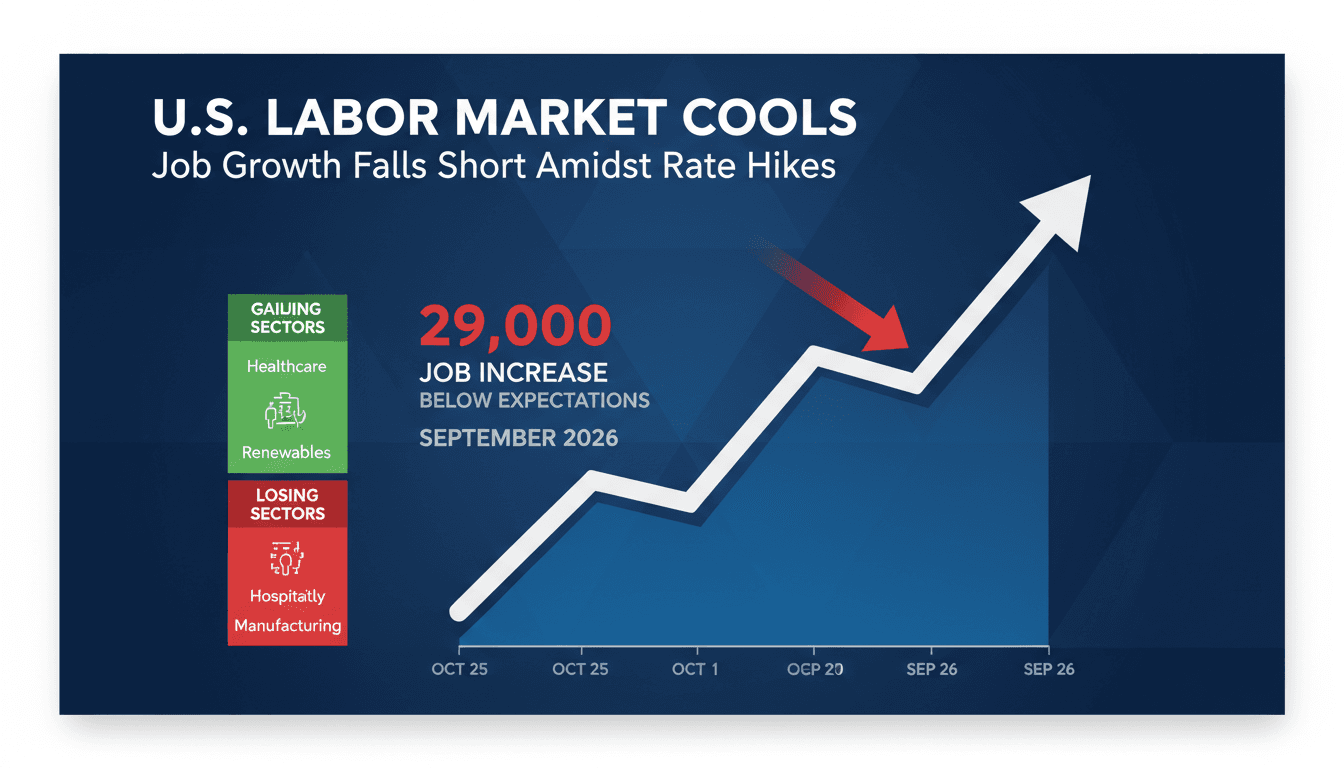
U.S. September 2026 Employment Report Shows 29,000 Job Increase Below Expectations
The U.S. Bureau of Labor Statistics reported a nonfarm payroll increase of 29,000 jobs for September 2026, falling short of the anticipated 90,000. This underperformance is attributed to a cooling labor market influenced by elevated interest rates and inflation pressures. The long-term implication suggests potential challenges for consumer spending and may affect Federal Reserve policy decisions regarding interest rates.
U.S. 10-Year Treasury Yields Surge to Highest Levels Since 2002
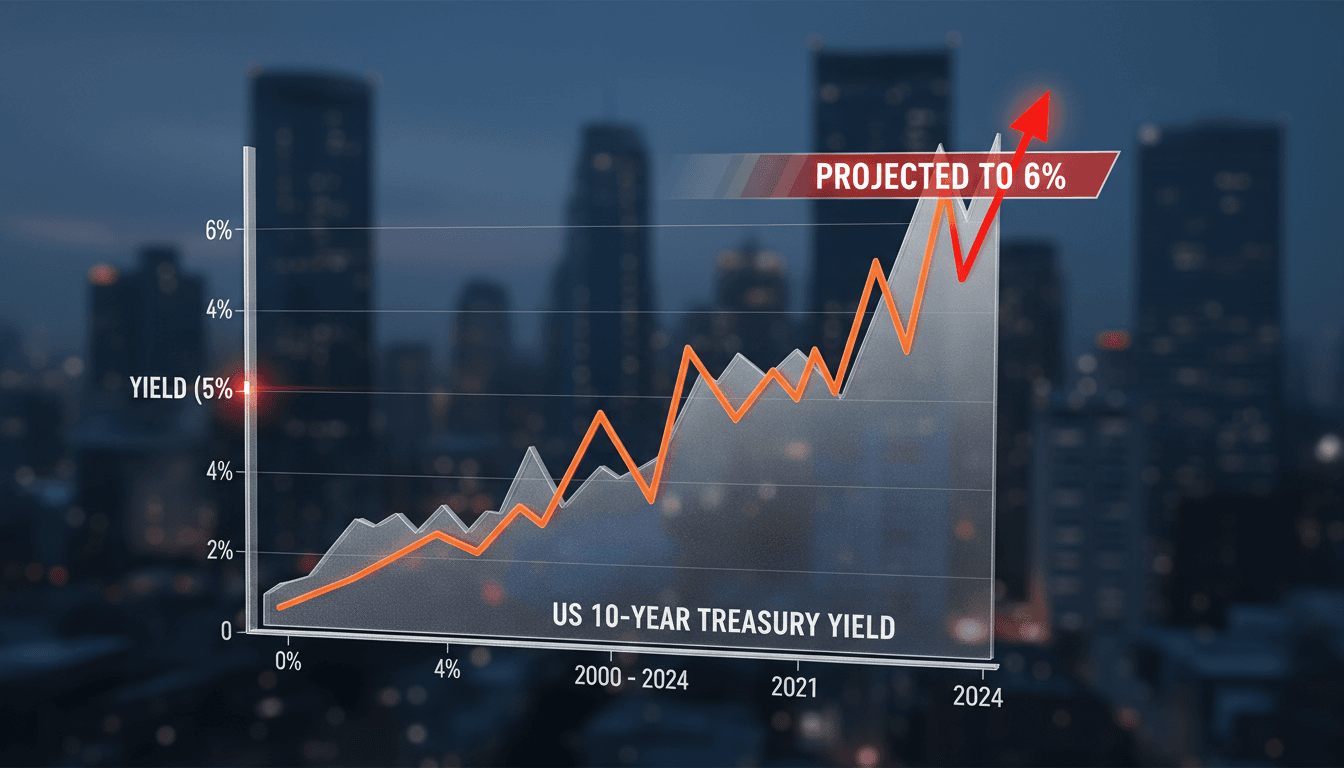
On October 1, 2026, the 10-year U.S. Treasury yield reached an intraday high of 5.34 percent, marking its highest level since 2002. This surge is attributed to elevated oil prices stemming from the ongoing Iran conflict, strong U.S. economic data, and increased bond issuance related to AI investments. The long-term implication suggests sustained pressure on global borrowing costs and potential impacts on consumer and corporate financing rates worldwide.

Pimco Projects US 10-Year Treasury Yields May Hit 6% Due to Inflation and Debt Concerns
Pimco's Chief Investment Officer Dan Ivascyn warned that US 10-year Treasury yields could rise to 6%, a level not seen since 2000. This forecast is driven by rising oil prices, persistent inflation, and significant government borrowing needs. If yields reach this level, it could lead to increased global borrowing costs and impact equity valuations and corporate financing.
Latest Stories
Pimco Projects US 10-Year Treasury Yields May Hit 6% Due to Inflation and Debt Concerns
Pimco's Chief Investment Officer Dan Ivascyn warned that US 10-year Treasury yields could rise to 6%, a level not seen since 2000. This forecast is driven by rising oil prices, persistent inflation, and significant government borrowing needs. If yields reach this level, it could lead to increased global borrowing costs and impact equity valuations and corporate financing.
Gold Prices Increase as US Rate Hike Odds Drop to 21%
On October 6, 2026, gold prices rose 0.7% to $4,168.89 per ounce due to declining expectations for a US Federal Reserve interest rate hike. This shift was triggered by weaker-than-expected US employment data, which significantly reduced the likelihood of an October rate increase. In the long term, this trend may lead to increased demand for gold as a safe-haven asset amid ongoing economic uncertainty.
U.S. Treasury Yields Decline While Eurozone Yields Remain High Amid Fiscal Concerns
U.S. Treasury yields retreated from session highs on October 8, 2026, following a successful auction and buyback operation. This shift is occurring as the Eurozone, particularly France, grapples with persistent fiscal pressures and budget deficit concerns ahead of upcoming elections. Long-term implications suggest continued volatility in global bond markets as investors remain cautious amid economic uncertainties.
Federal Reserve Governor Waller Indicates Flexibility on Future Rate Hikes
On October 8, 2026, Federal Reserve Governor Christopher Waller delivered remarks in Istanbul suggesting that additional interest rate hikes may not occur consecutively, casting doubt on an increase at the upcoming FOMC meeting. This shift in tone follows a recent 25 basis point hike in September and is influenced by persistent inflation and recent economic data. The long-term implication is a potential recalibration of market expectations regarding U.S. monetary policy, with increased focus on data-driven decisions for future rate adjustments.