
Commodities
Latest news, analysis, and updates on Commodities from A47 News.
25 stories in Economy · Updated live
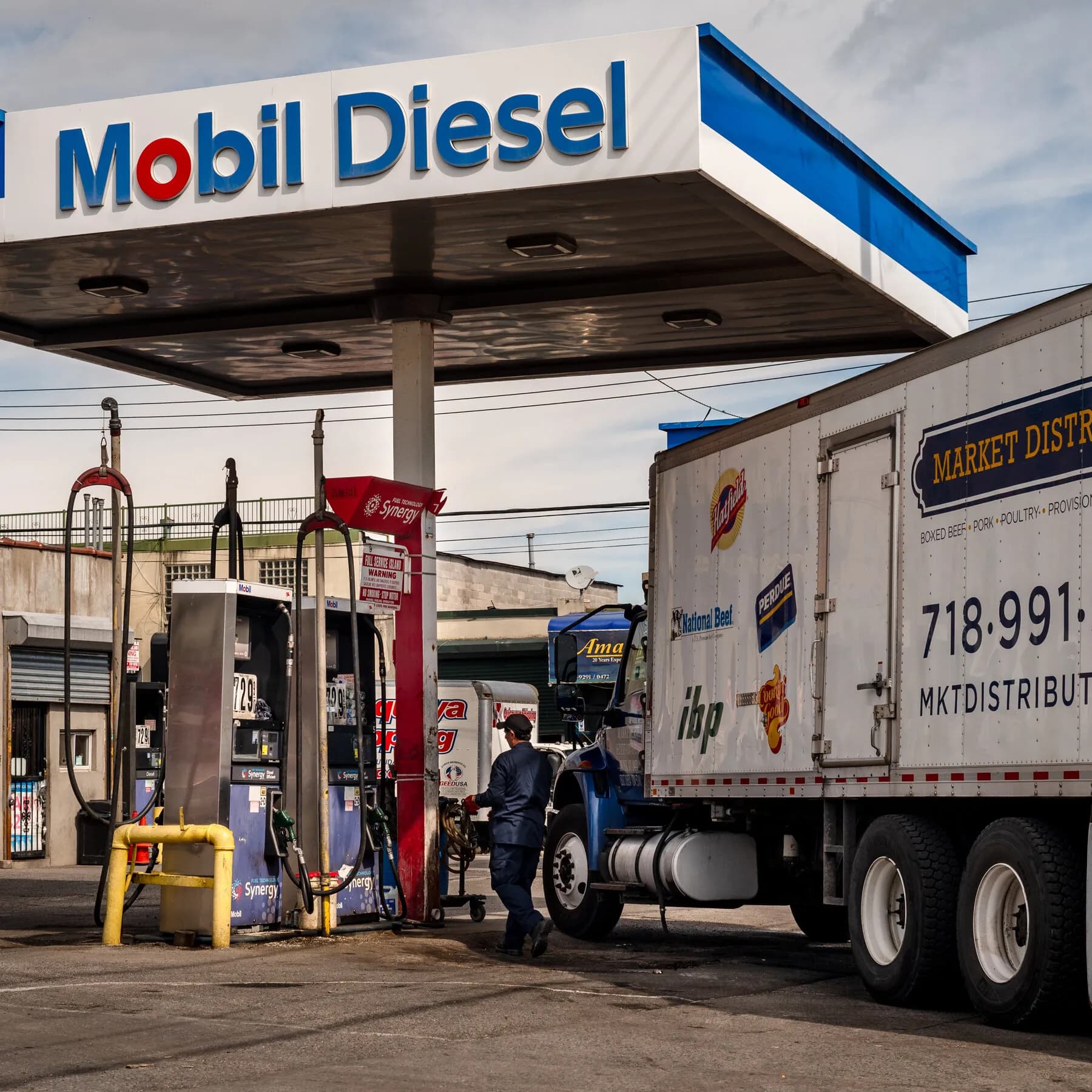
G7 Nations Announce Release of 100 Million Barrels of Oil Reserves to Combat Rising Fuel Prices
On October 2, 2026, the G7 nations agreed to release 100 million barrels of diesel and crude oil from strategic reserves over four months. This decision was triggered by soaring fuel prices resulting from the ongoing war in Iran, which has disrupted oil supplies. The long-term implication is a potential stabilization of energy markets, although underlying supply constraints may persist due to refinery damages.
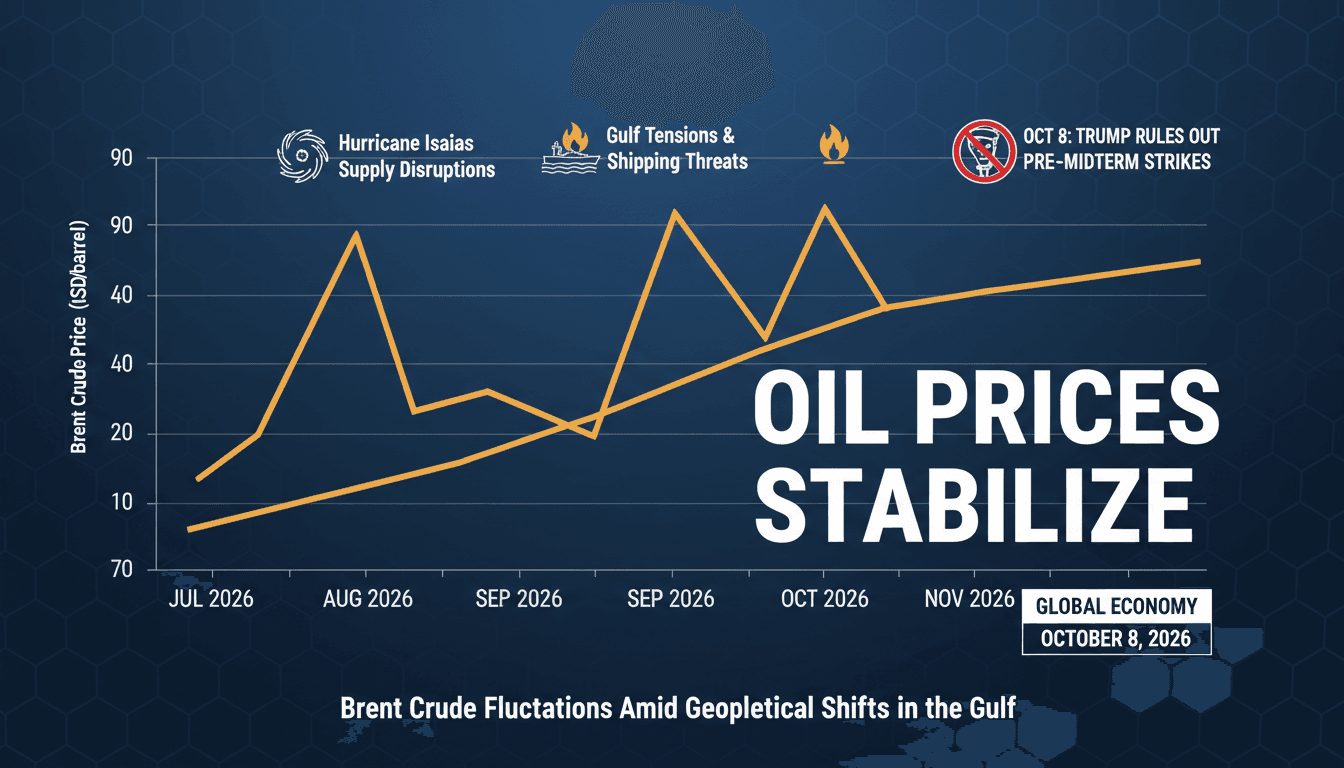
Oil Prices Stabilize as Trump Rules Out Pre-Midterm Strikes on Iran
On October 8, 2026, President Donald Trump announced that the U.S. would not conduct military strikes on Iran before the upcoming midterm elections, leading to a stabilization of oil prices. This decision followed heightened tensions and speculation regarding potential U.S. military actions amid ongoing Gulf conflicts and supply disruptions from Hurricane Isaias. The long-term implication suggests that while immediate escalation risks have decreased, persistent threats to shipping in the Strait of Hormuz may continue to affect oil market dynamics.
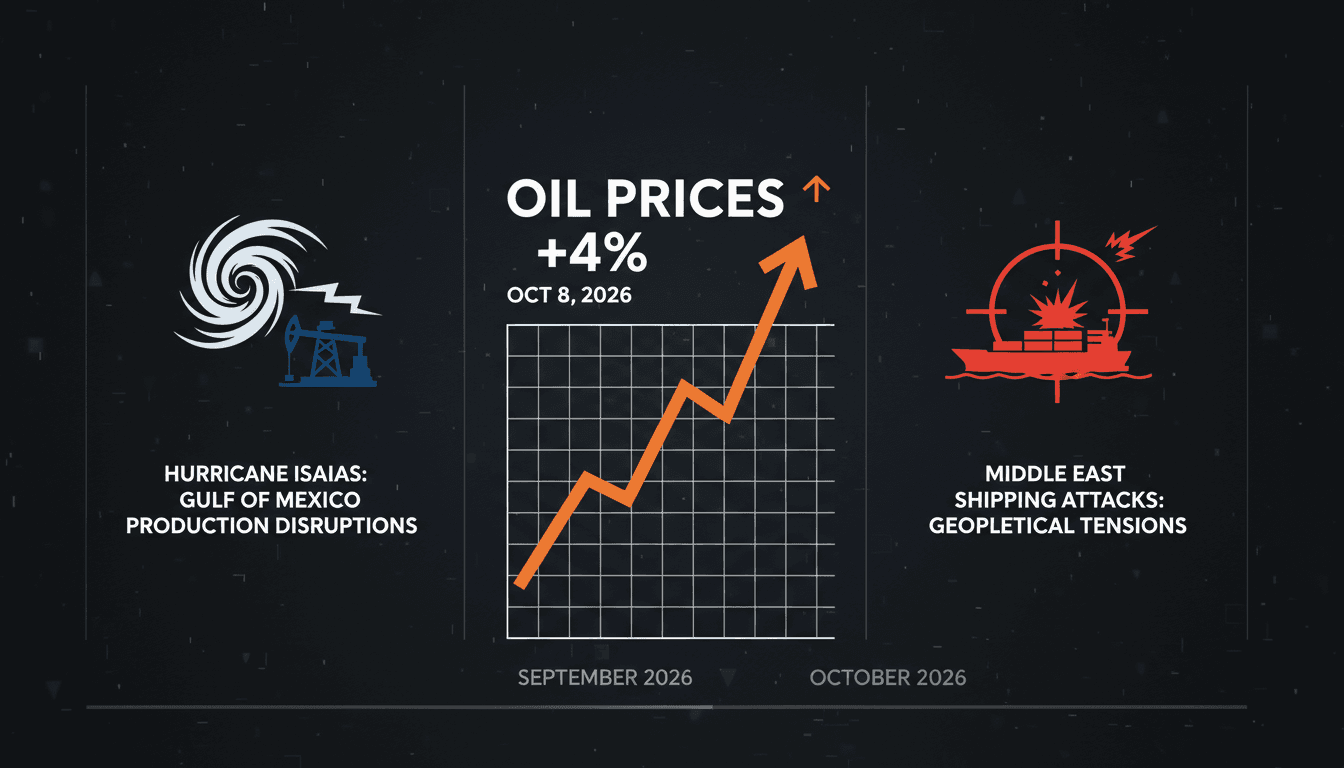
Oil Prices Rise Over 4% Due to Middle East Shipping Attacks and Hurricane Disruptions
On October 8, 2026, oil prices surged more than 4% as geopolitical tensions from shipping attacks in the Gulf and production disruptions caused by Hurricane Isaias intensified supply concerns. The immediate trigger for this spike was the combination of increased military threats in the region and significant output curtailments in the US Gulf of Mexico. Long-term implications suggest that sustained geopolitical instability and weather-related disruptions may lead to continued volatility in global oil markets and elevated prices.
OPEC+ Maintains November 2026 Oil Production Targets at 31.01 Million Barrels Per Day
On October 4, 2026, seven core OPEC+ members decided to keep crude oil production levels unchanged for November 2026 at 31.01 million barrels per day. This decision follows a cautious approach to supply management amid ongoing geopolitical disruptions in the Middle East and a commitment to the Declaration of Cooperation. The long-term implication is that stability in production targets may help moderate volatility in global oil prices, influencing economic stability in oil-dependent regions.

Latest Stories
Oil Prices Stabilize as Trump Rules Out Pre-Midterm Strikes on Iran
On October 8, 2026, President Donald Trump announced that the U.S. would not conduct military strikes on Iran before the upcoming midterm elections, leading to a stabilization of oil prices. This decision followed heightened tensions and speculation regarding potential U.S. military actions amid ongoing Gulf conflicts and supply disruptions from Hurricane Isaias. The long-term implication suggests that while immediate escalation risks have decreased, persistent threats to shipping in the Strait of Hormuz may continue to affect oil market dynamics.
Delta Air Lines Reports First Earnings Miss in Two Years Amid Rising Fuel Costs
Delta Air Lines announced its Q3 earnings on October 9, 2026, reporting its first earnings miss in two years due to a significant increase in jet fuel costs. The immediate trigger for this downturn was a 62% surge in fuel expenses, exacerbated by the ongoing Iran conflict, leading to a lowered profit forecast despite record revenue. In the long term, this situation may prompt Delta to reassess its operational strategies and partnerships in the face of rising operational costs and competitive pressures in the aviation sector.
Oil Prices Rise Amid Middle East Tensions and Hurricane Isaias Disruptions
Oil prices are set for weekly gains as of October 9, 2026, driven by geopolitical tensions in the Middle East and significant production shutdowns in the US Gulf of Mexico due to Hurricane Isaias. The immediate trigger includes over 70% of Gulf oil output being shut in, compounded by Houthi attacks and US sanctions on Iranian oil. Long-term implications suggest continued volatility in oil markets as geopolitical risks and climate events increasingly impact supply chains and pricing.
Brent Crude Oil Prices Surpass $100 Amid Middle East Tensions
On October 7, 2026, Brent crude oil prices exceeded $100 per barrel, reaching approximately 101.7 USD. This surge is driven by escalating geopolitical tensions in the Middle East, including attacks on energy infrastructure and shipping routes. The long-term implication is a sustained risk premium in oil prices, contingent on the resolution of regional conflicts and OPEC+ production strategies.