
U.S. military strikes in southern Iran trigger spike in Brent crude oil prices
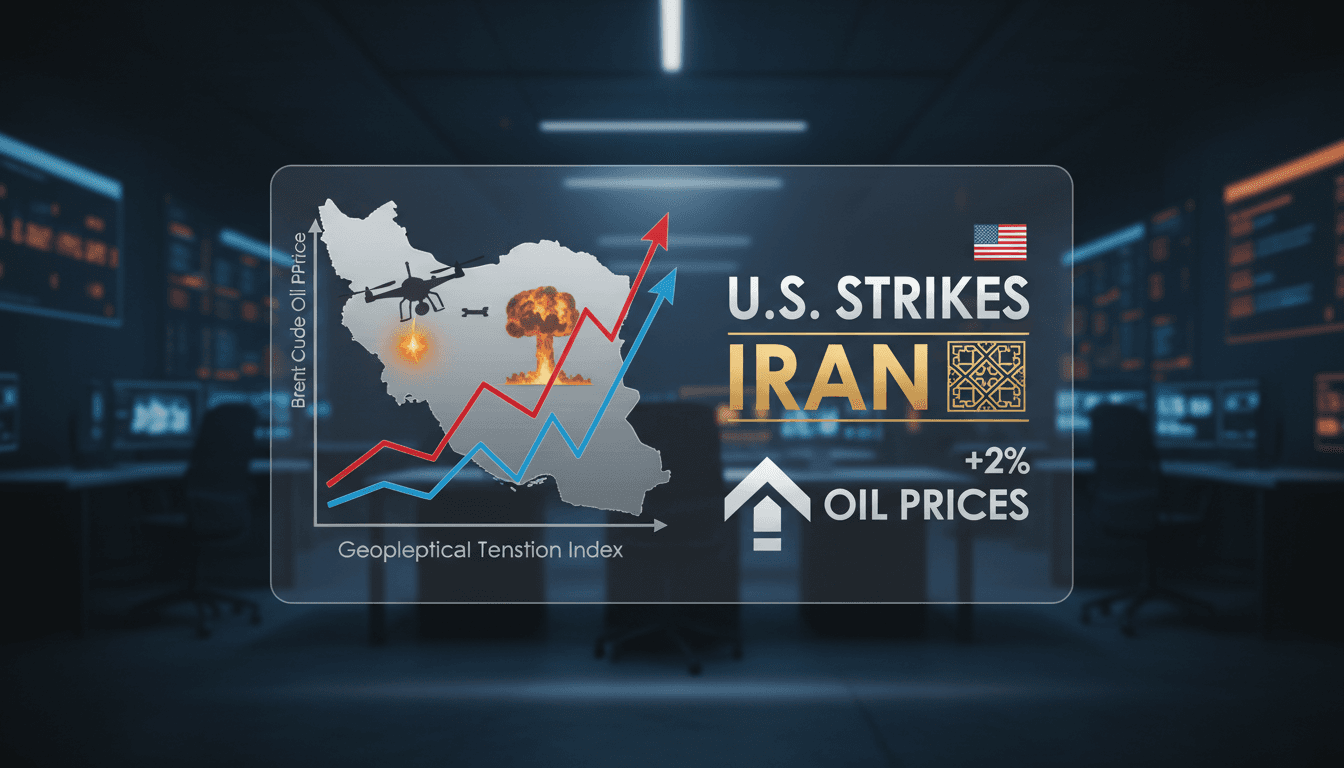
Here's what it means for you.
The recent U.S. military strikes in southern Iran have led to a significant increase in Brent crude oil prices, reflecting heightened market sensitivity to geopolitical tensions. As oil prices rise, global economies that rely heavily on oil may face increased costs, potentially impacting inflation and economic growth. Stakeholders in the energy sector should prepare for further volatility as the situation develops.
What happened
U.S. forces conducted military strikes in southern Iran, resulting in a spike in Brent crude oil prices by over 2% during Asian trading. This immediate market reaction underscores the volatility of oil prices in response to geopolitical events. The strikes occurred on May 26, 2026, and targeted specific locations within Iran.
The increase in oil prices is a direct reflection of the ongoing tensions between the U.S. and Iran. As military actions continue, market participants are closely monitoring the situation for further developments that could influence oil supply and pricing.
The Context
The strikes are part of a broader pattern of escalating tensions between the U.S. and Iran, which have historically affected oil markets, particularly in the Middle East. Brent crude oil prices are particularly sensitive to geopolitical events, making them a barometer for market stability. The implications of these military actions extend beyond immediate price fluctuations, potentially impacting global economic conditions reliant on oil.
As the situation unfolds, various stakeholders, including governments and energy companies, will be watching closely. The timing of these strikes coincides with a period of heightened geopolitical instability, raising concerns about future military actions and their potential repercussions.
Takeaway
As the situation develops, further fluctuations in oil prices are anticipated, driven by ongoing geopolitical tensions. Market participants will be particularly attentive to any additional military actions by the U.S. and the responses from Iran and other countries. These dynamics could significantly influence oil prices and the broader economic landscape.
The potential for further escalation in military actions suggests that the energy market will remain volatile. Stakeholders should prepare for a range of outcomes as the geopolitical climate continues to evolve.
Jordanian news and regional updates.
"Roya News is a Jordanian outlet focused on breaking news and local affairs."
— A47 Editor
قفزة في أسعار النفط.. خام برنت يرتفع نحو 2% بعد هجمات أمريكية على جنوب إيران
Brent crude oil prices surged by nearly 2% following U.S. airstrikes in southern Iran, as reported by Bloomberg. This increase reflects market reactions to geopolitical tensions in the region, which often influence oil supply and pricing dynamics.
Arabic-language coverage of international news and geopolitics.
"RT Arabic is a Russian state-funded outlet often criticized for promoting Kremlin-aligned narratives."
— A47 Editor
ارتفاع النفط مدفوعا بتصعيد أمريكي جديد ضد إيران
Brent crude futures rose in early trading on Tuesday, driven by new U.S. strikes targeting sites in southern Iran. This escalation in military action has contributed to fluctuations in oil prices, reflecting the ongoing tensions in the region.
Pan-Arab news coverage spanning politics, business, sports, and regional affairs.
"Asharq Al-Awsat reflects a broad Arab editorial perspective with strong attention to regional geopolitics."
— A47 Editor
الضربات الأميركية في إيران تقفز بخام برنت 2 %
The U.S. military conducted airstrikes within Iran, leading to a significant increase in Brent crude oil futures prices by over 2% during Asian trading hours. This escalation in military action has raised concerns regarding regional stability and its...