
U.S. and Iran agree on terms to reopen the Strait of Hormuz
Here's what it means for you.
The agreement between the U.S. and Iran to reopen the Strait of Hormuz has significant implications for global oil markets. This vital shipping route has been blocked, leading to increased gas prices and economic uncertainty. If the reopening proceeds as planned, it could stabilize oil prices and restore confidence in energy markets. However, the complexities of logistics and ongoing military tensions in the region may pose challenges to the successful implementation of this agreement. Stakeholders will need to closely monitor developments as negotiations continue.
What happened
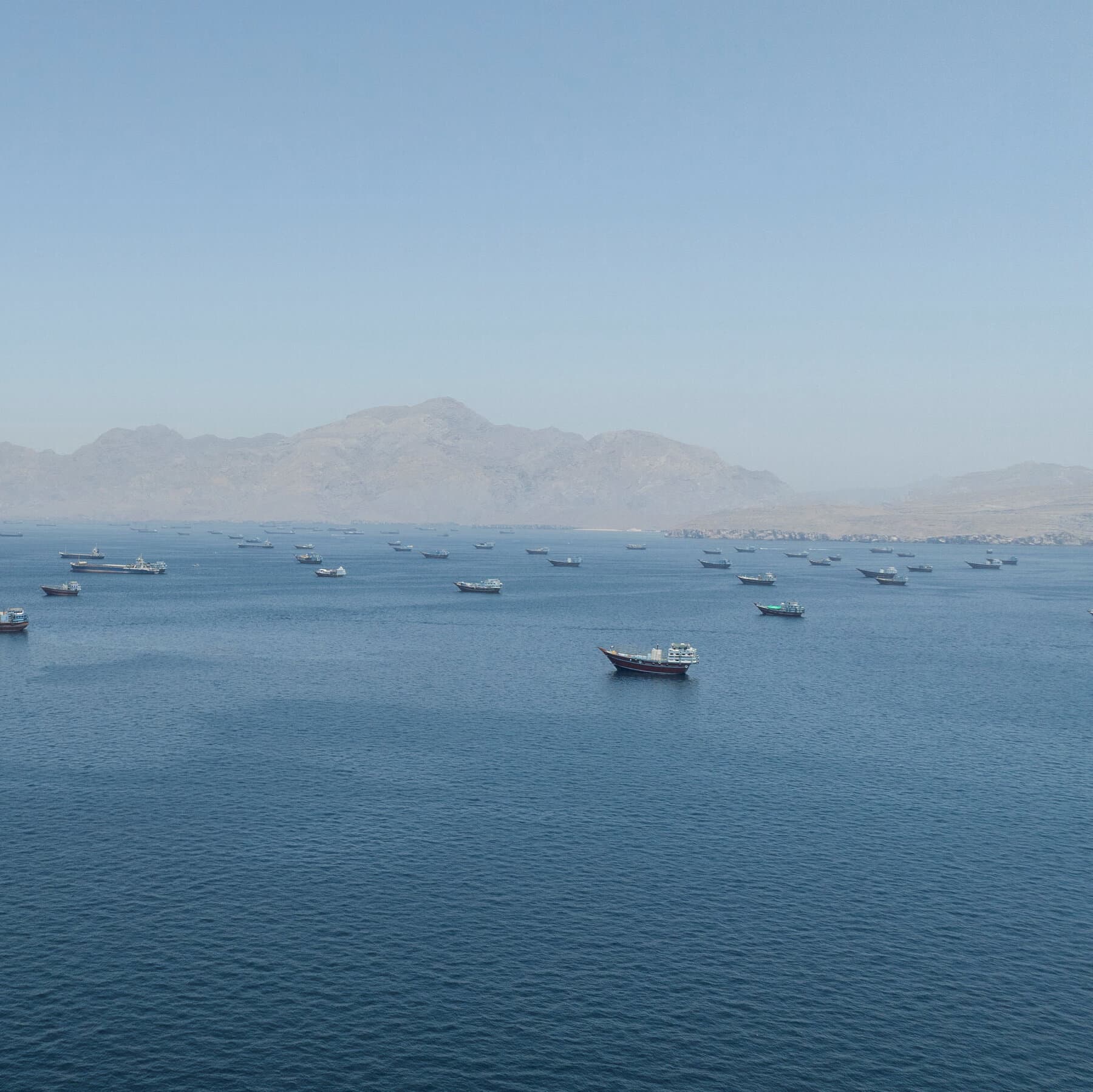
The U.S. and Iran have reached an agreement on basic terms to reopen the Strait of Hormuz, a critical waterway for global oil transport. This development comes amid ongoing military strikes in the Persian Gulf, which have complicated the situation and raised concerns about the viability of the peace deal. Approximately 1,500 to 2,000 ships are currently stranded in the Persian Gulf due to the conflict, highlighting the scale of disruption.
While the basic terms have been agreed upon, details remain to be finalized, and the reopening process will be complex. Iran is expected to reopen the Strait 30 days after a formal agreement with the U.S. is reached, but the timeline may be affected by the ongoing military actions in the region.
The Context
The Strait of Hormuz is a vital shipping route for global oil transport, making its reopening crucial for economic stability. The current blockade has led to increased gas prices worldwide, affecting consumers and businesses alike. The Trump administration has indicated that discussions on the final aspects of the agreement are ongoing, emphasizing the importance of a successful resolution.
The situation is further complicated by military strikes in the Persian Gulf, which have raised doubts about the peace deal's success. As negotiations progress, stakeholders will be watching closely to see how these military actions impact the timeline and effectiveness of the reopening.
Takeaway
The successful reopening of the Strait of Hormuz could stabilize global oil prices, but careful navigation of logistical challenges will be essential. As the U.S. and Iran work to finalize the agreement, the focus will be on addressing the backlog of ships and ensuring safe passage through the Strait.
Future developments will likely hinge on the impact of military actions in the region on the peace negotiations. Stakeholders should remain vigilant as the situation evolves, as it holds significant implications for global oil supply and economic stability.
Global markets, investing, and macroeconomics from a premier financial newsroom.
"Bloomberg is respected for in-depth financial reporting and data-driven analysis."
— A47 Editor
Gold Declines as Gulf Strikes Cloud Interest Rate Outlook
Gold prices have declined as military strikes in the Persian Gulf have diminished hopes for a US-Iran peace deal, raising concerns about persistent inflation and the potential for prolonged high interest rates. This situation has led traders to reass...
Arabic-language political and world news coverage for UAE readers.
"Emarat Al Youm world coverage usually presents international developments through a UAE and Arab audience lens."
— A47 Editor
رويترز: إيران ستفتح مضيق هرمز بعد 30 يوماً من اتفاق مع أميركا لإنهاء القتال رويترز: إيران ستفتح مضيق هرمز بعد 30 يوماً من اتفاق مع أميركا لإنهاء القتال
According to Reuters, a diplomatic source in the Middle East revealed that the United States and Iran are discussing a plan that would lead to the reopening of the Strait of Hormuz 30 days after an agreement to end hostilities. This development follo...
Markets, economy, and company analysis from NYT’s business desk.
"The New York Times is a globally recognized newspaper offering authoritative reporting with a center-left editorial stance."
— A47 Editor
Even After a Strait of Hormuz Deal, Moving 1,500 Ships Won’t Be Easy
An agreement to reopen the Strait of Hormuz has been reached, but the process of navigating the backlog of approximately 1,500 to 2,000 ships stranded for nearly three months will be complex. Companies are seeking clarity on how their vessels will be...
Markets, economy, and company analysis from NYT’s business desk.
"The New York Times is a globally recognized newspaper offering authoritative reporting with a center-left editorial stance."
— A47 Editor
Reopening of Strait of Hormuz Still a Question Mark
The reopening of the Strait of Hormuz remains uncertain as no formal agreement has been reached, leaving approximately 1,500 to 2,000 ships stranded in the Persian Gulf. This situation has led to significant disruptions in global shipping and oil sup...
Capitol Hill news, legislation, and policy insight.
"The Hill specializes in U.S. politics and policy, with a focus on Capitol Hill developments and a reputation for insider reporting."
— A47 Editor
Trump, Iran near deal on reopening Strait of Hormuz
The Trump administration and Iran have reached an agreement on the fundamental terms for reopening the Strait of Hormuz, a vital maritime route that has been blocked, contributing to rising gas prices globally. While several details remain to be fina...
Arabic-language reporting on global and regional news.
"BBC Arabic is part of the BBC, generally regarded for editorial standards and broad international coverage."
— A47 Editor
ترامب: جرى التفاوض "إلى حد كبير" على مذكرة تفاهم بشأن إيران تتضمن فتح مضيق هرمز
Former President Donald Trump announced that negotiations have progressed significantly on a memorandum of understanding regarding Iran, which includes the opening of the Strait of Hormuz. This statement follows separate phone calls he made with the ...