
Ukrainian drone strikes disrupt Russian shipping in the Sea of Azov
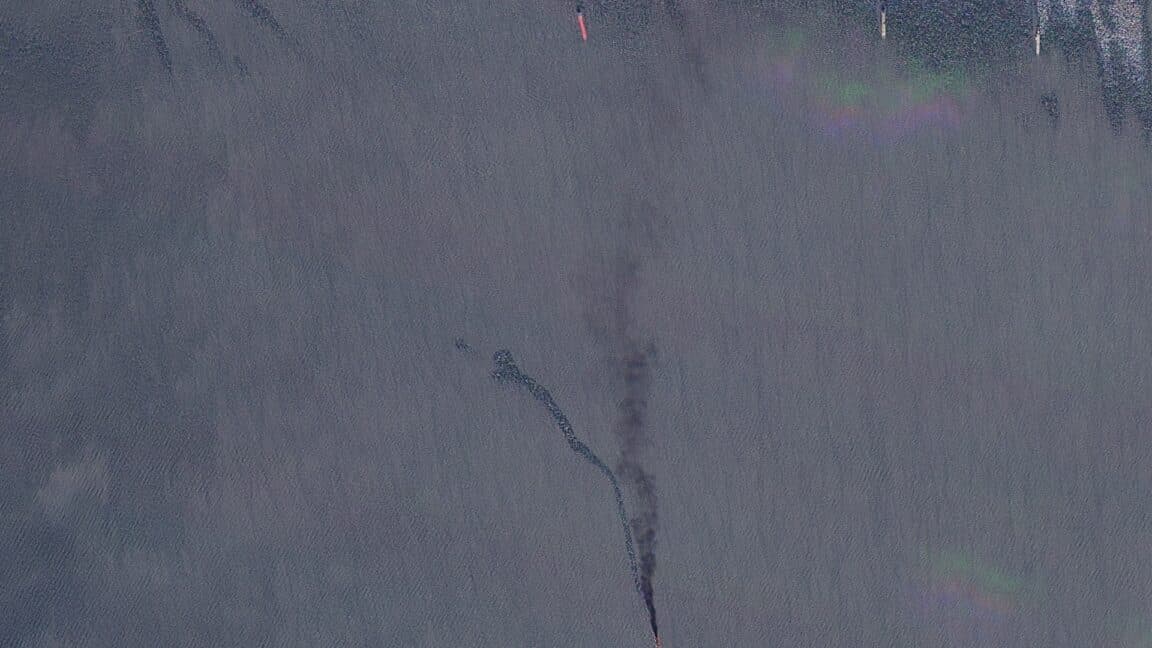
Here's what it means for you.
The recent escalation of Ukrainian drone strikes against Russian shipping in the Sea of Azov has significant implications for global trade, particularly in grain markets. As Ukraine intensifies its military operations, the suspension of maritime activities by Russia could lead to increased volatility in shipping routes and grain prices. Stakeholders in the agricultural sector should closely monitor these developments, as they may affect supply chains and market stability. The conflict's intensification raises questions about international responses and the potential for further military engagement. This situation underscores the fragile balance of power in the region and its broader impact on global security.
What happened
Ukrainian drone attacks have forced Russia to suspend maritime operations in the Sea of Azov after striking 116 vessels in just nine days. The latest strikes occurred on July 14, when Ukrainian drones targeted 11 additional vessels, bringing the total to 116. This aggressive military action has prompted Russia to accuse Ukraine of terrorism, highlighting the escalating tensions between the two nations.
The attacks have significantly disrupted Russian shipping, which is crucial for grain exports from the region. The rapid succession of strikes indicates a strategic shift in Ukraine's military approach, aiming to undermine Russian maritime capabilities.
The Context
The Sea of Azov serves as a vital maritime corridor for Russian grain exports, making it a focal point in the ongoing conflict. Ukraine's drone forces have intensified their operations against Russian shipping, reflecting a broader strategy to assert military dominance in the region. Russia's accusations of terrorism against Ukraine signal a serious escalation in rhetoric and military posturing.
The timeline of events shows a marked increase in hostilities, with 90 vessels targeted in the week leading up to July 12. This rapid escalation raises concerns about the potential for further military engagement and its implications for regional stability.
Takeaway
As the situation develops, the potential for increased military engagement remains high, particularly concerning global trade and security. Stakeholders should monitor international responses to the escalation in the Sea of Azov, as these could influence market dynamics and geopolitical relations. The ongoing drone strikes may have lasting impacts on global grain markets, necessitating close observation of shipping and grain prices.
The conflict's trajectory will likely shape future military strategies and international diplomatic efforts, making it essential for analysts and policymakers to stay informed.
Regional coverage and analysis focused on politics, diplomacy, and business across the Middle East.
"Al-Monitor is known for analytical reporting on Middle East politics and policy developments."
— A47 Editor
Russia accuses Ukraine of terrorism in Sea of Azov as Kyiv opens new front in war
Russia has accused Ukraine of terrorism following a series of drone attacks on shipping vessels in the Sea of Azov, which are crucial for grain exports. Ukrainian forces reportedly targeted 11 Russian vessels, including tankers and cargo ships, incre...
Comprehensive coverage of Middle Eastern and global issues.
"Al Jazeera is a prominent voice from the Global South, especially the Middle East, with an emphasis on underreported stories."
— A47 Editor
Russia readies to reroute exports from Sea of Azov after Ukrainian attacks
Ukrainian drone attacks have targeted 11 Russian vessels in the Sea of Azov, including tankers and cargo ships, leading to significant damage and prompting Russia to consider rerouting its exports from the region. This escalation marks a continuation...
In-depth reporting on tech, policy, and science including AI.
"Respected analysis for technically savvy readers, including AI topics."
— A47 Editor
Ukrainian drone strikes forced Russia to stop shipping in vital sea corridor
Ukraine's recent drone strikes have effectively halted Russian shipping operations in the vital Sea of Azov corridor within a week, showcasing the increasing impact of drone warfare in the ongoing conflict.
In-depth coverage of hardware, software, science, and policy.
"Ars Technica provides expert technology news, hardware reviews, and analysis for a technically savvy audience."
— A47 Editor
Ukrainian drone strikes forced Russia to stop shipping in vital sea corridor
Ukraine's recent drone strikes have effectively halted Russian shipping operations in the vital Sea of Azov corridor within a week, showcasing the increasing impact of drone warfare in the ongoing conflict.
Macro commentary, policy analysis, growth/inflation themes, and global outlooks.
"Contextual macro coverage that complements day-to-day market headlines."
— A47 Editor
Ukraine strikes more Russian tankers and cargo ships in Sea of Azov
Ukrainian forces have intensified their military operations in the Sea of Azov, targeting Russian tankers and cargo ships, marking a significant escalation in the ongoing conflict. This action is part of Ukraine's broader strategy to disrupt Russian ...
Top international stories selected by The Guardian editors.
"The Guardian is known for its progressive editorial stance and in-depth analysis."
— A47 Editor
Ukrainian drone strikes force Russia to suspend shipping in Sea of Azov
Ukrainian drone strikes have led to the suspension of shipping in the Sea of Azov, with 90 vessels, including oil tankers, targeted in under a week. The Ukrainian drone forces chief, Robert Brovdi, reported significant hits on tankers and a major oil...