
Conflict & Security
Latest news, analysis, and updates on Conflict & Security from A47 News.
26 stories in World · Updated live
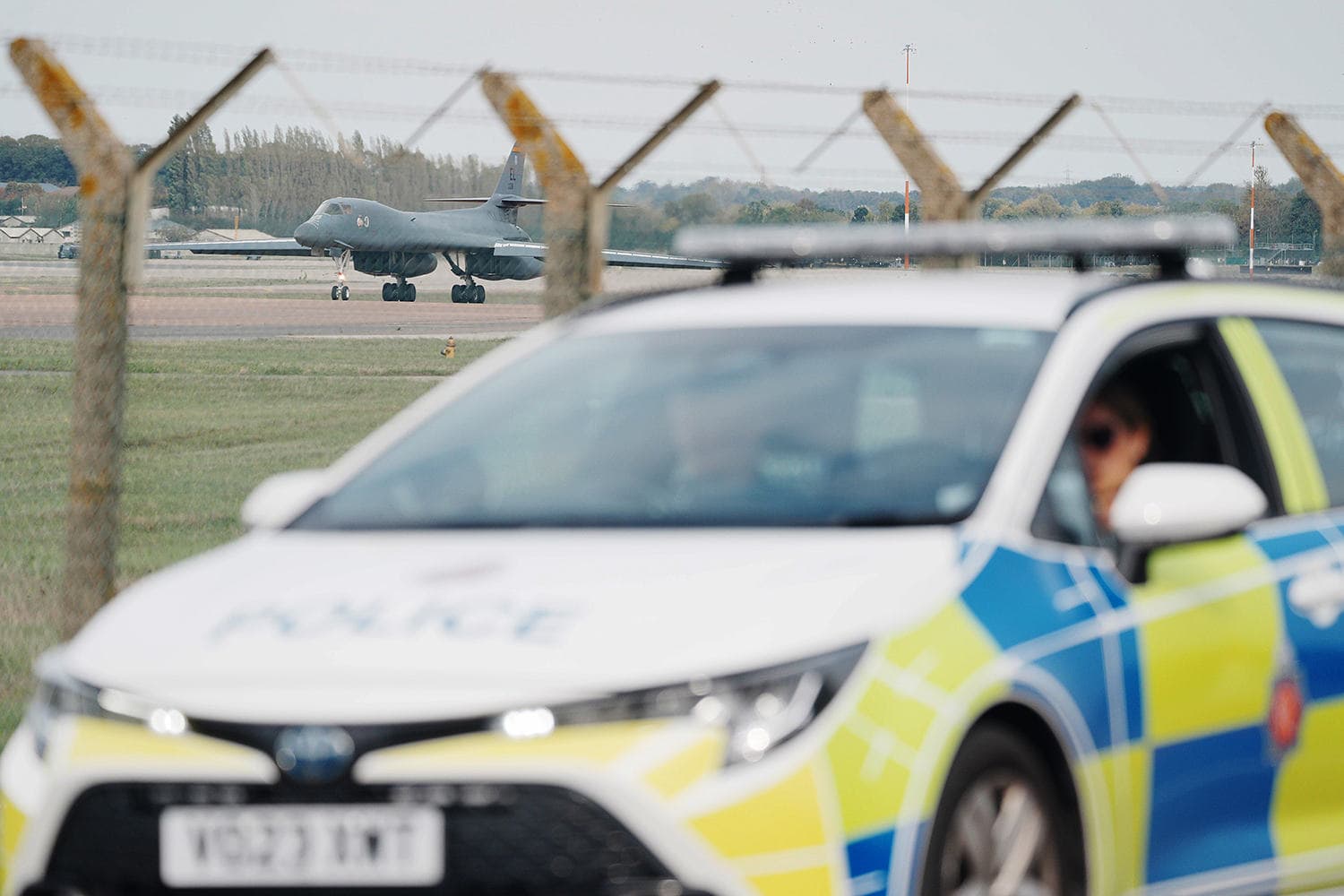
U.S. Air Force Withdraws Bombers from UK Base Amid Iranian Drone Threats
On October 5, 2026, the U.S. Air Force completed the withdrawal of all deployed bombers from RAF Fairford in response to intelligence assessments of a potential Iran-backed drone attack. This decision was triggered by ongoing U.S.-Iran tensions and recent threat reporting, which included arrests related to a suspected terrorist plot. The long-term implication may involve increased military readiness and strategic repositioning of U.S. forces in the region as the conflict escalates.
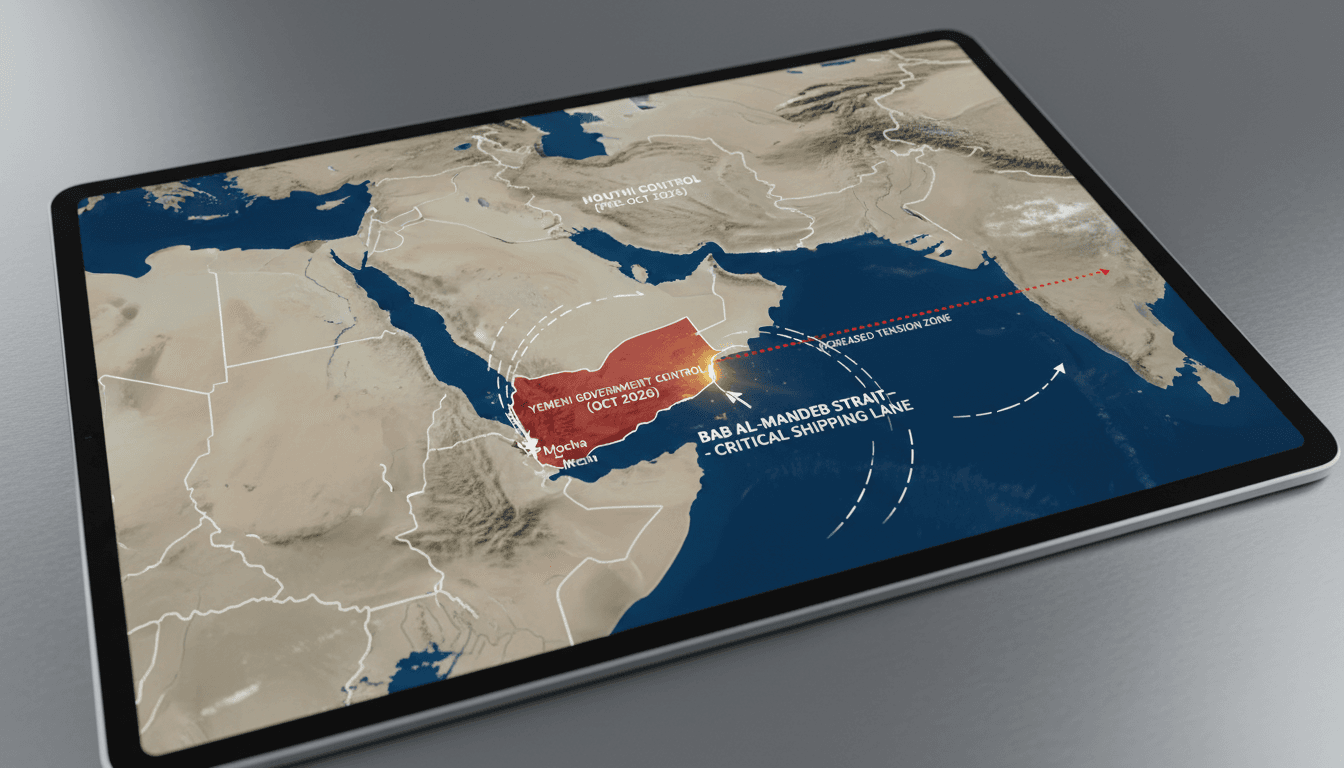
Yemeni Government Forces Recapture Mocha Port from Houthis Amid Bab al-Mandeb Offensive
On October 5-6, 2026, Saudi-backed Yemeni government forces recaptured the strategic port city of Mocha from Houthi control. This military operation was triggered by a broader counteroffensive launched by the Yemeni government, supported by Saudi airstrikes, to reclaim territory lost to the Houthis in early September. The long-term implication of this development may lead to increased regional tensions and further military engagements around the critical Bab al-Mandeb Strait, impacting global shipping routes.
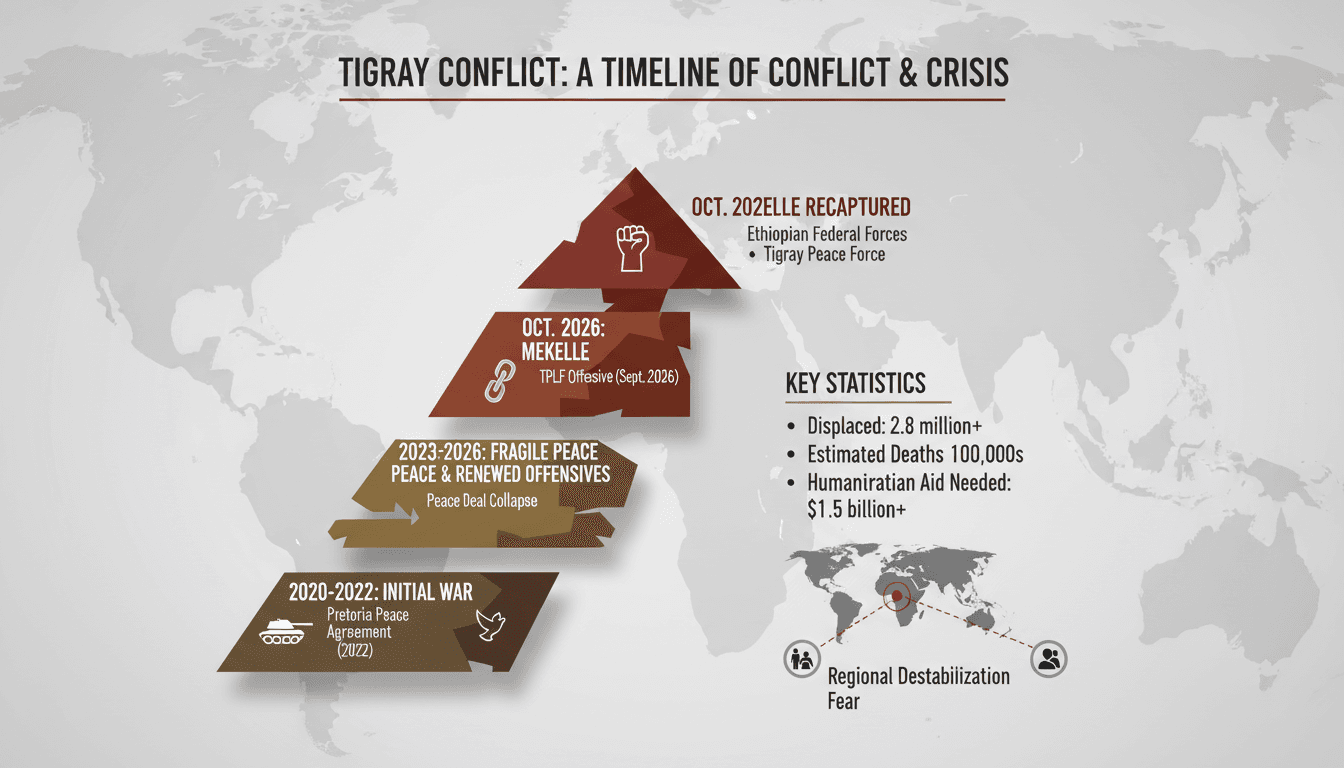
Ethiopian Federal Forces Regain Control of Mekelle Amid Renewed Conflict
Ethiopian federal forces and allied Tigray Peace Force fighters recaptured the Tigray capital Mekelle on October 3, 2026, following the withdrawal of the Tigray People’s Liberation Front (TPLF). This shift comes after a TPLF-led offensive that began on September 23, 2026, and the collapse of the 2022 Pretoria peace agreement. The long-term implication is a potential resurgence of large-scale conflict in the region, raising fears of humanitarian crises and further destabilization in Ethiopia and the Horn of Africa.
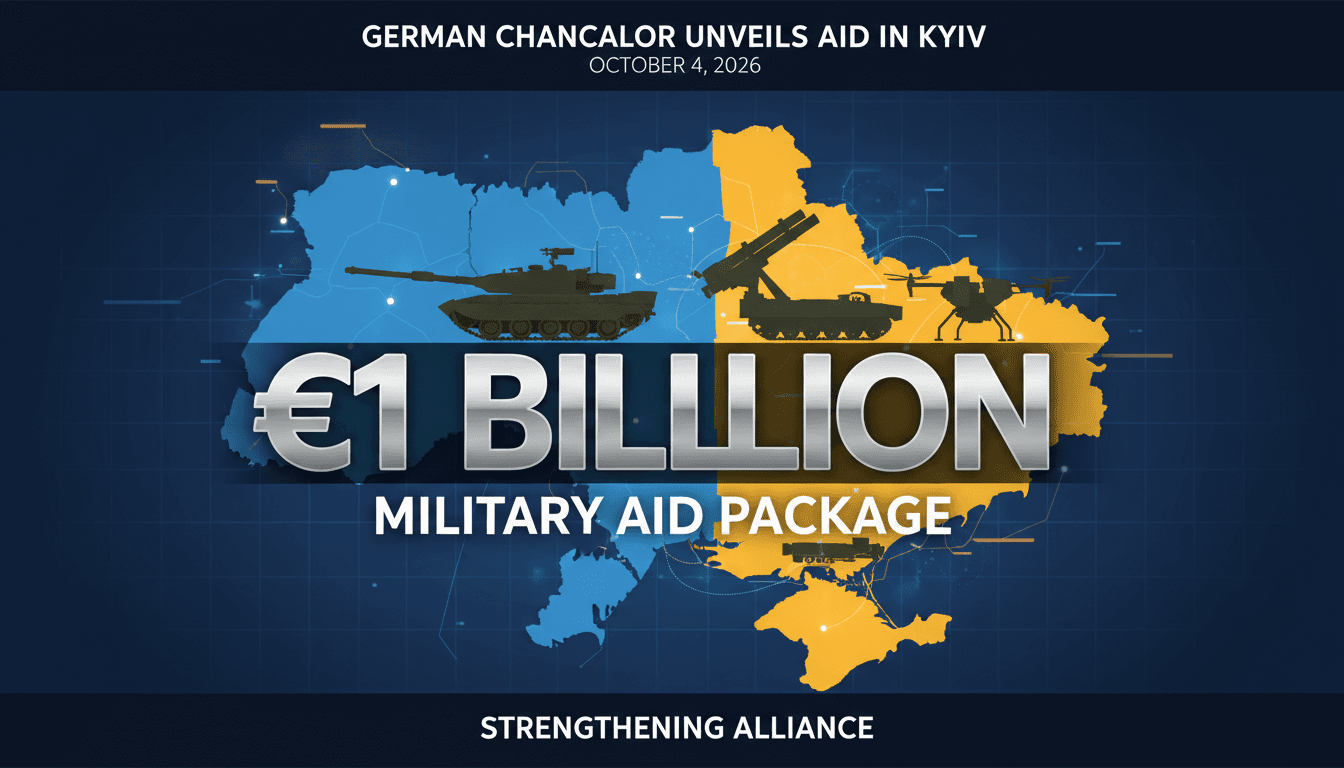
German Chancellor Merz Unveils €1 Billion Military Aid Package to Ukraine During Kyiv Visit
On October 4, 2026, German Chancellor Friedrich Merz announced a €1 billion military aid package to Ukraine during an unannounced visit to Kyiv. This announcement comes amid intensified Russian drone and missile strikes on the Ukrainian capital, prompting Germany to reinforce its support for Ukraine's defense. The long-term implication is a strengthened military alliance between Germany and Ukraine, potentially altering the dynamics of European security amidst ongoing conflict.
Latest Stories
Turkey and Pakistan Commit to Military Support for Saudi Arabia Amid Houthi Threats
Turkey and Pakistan have pledged to rapidly deploy military forces to Saudi Arabia following an emergency meeting in Riyadh. This decision comes in response to escalating Houthi attacks on Saudi territory, particularly near holy sites, which have raised security concerns. The long-term implication is a strengthened trilateral defense posture that may alter regional power dynamics and military alliances in the Middle East.
Yemeni Government Forces Intensify Military Operations Against Houthi Militants in Taiz and Sanaa
On October 3, 2026, Yemeni government forces stabilized defensive positions in Taiz while escalating airstrikes targeting military sites in Sanaa. This surge in military activity is a response to recent Houthi advances threatening supply routes to Taiz, prompting the government to reclaim territory with coalition support. The long-term implication may involve a shift in control dynamics within Yemen, potentially leading to further escalations in the ongoing civil conflict.
UAE Authorities Intercept 14 Drug Smuggling Attempts at Airports in Recent Operations
UAE security agencies have successfully thwarted 14 drug smuggling attempts at airports, seizing over 300 kg of narcotics in less than two months. This surge in interdiction efforts is attributed to enhanced data analytics, international intelligence sharing, and advanced screening technologies. The long-term implication is a strengthened security posture at UAE airports, potentially deterring future trafficking attempts and enhancing public safety.
Mecca Defense Alliance Activates Joint Defense Protocol Amid Regional Security Threats
On October 5, 2026, the Mecca Defense Alliance activated its joint defense protocol in response to security threats targeting Saudi Arabia, including attacks on holy sites. This activation follows an emergency meeting of Saudi Arabia, Pakistan, and Turkey, prompted by ongoing regional instability linked to Yemen. The long-term implication is the establishment of a robust military collaboration among member states, enhancing collective security and deterrence in the region.