
A47 News homepage featuring trusted news, trending topics, daily briefings, and latest stories
What are you looking into today?

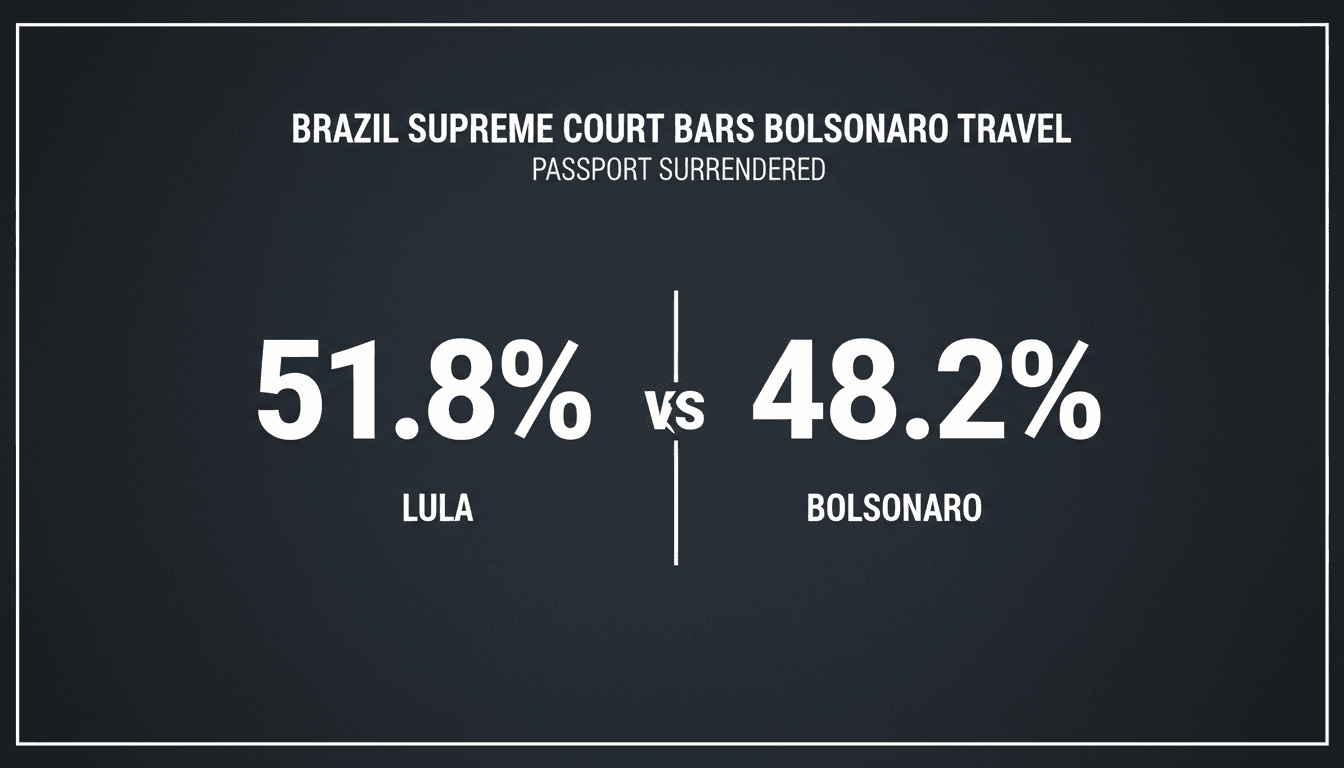
Brazilian Media Projects Lula Victory in 2026 Presidential Runoff Against Flávio Bolsonaro
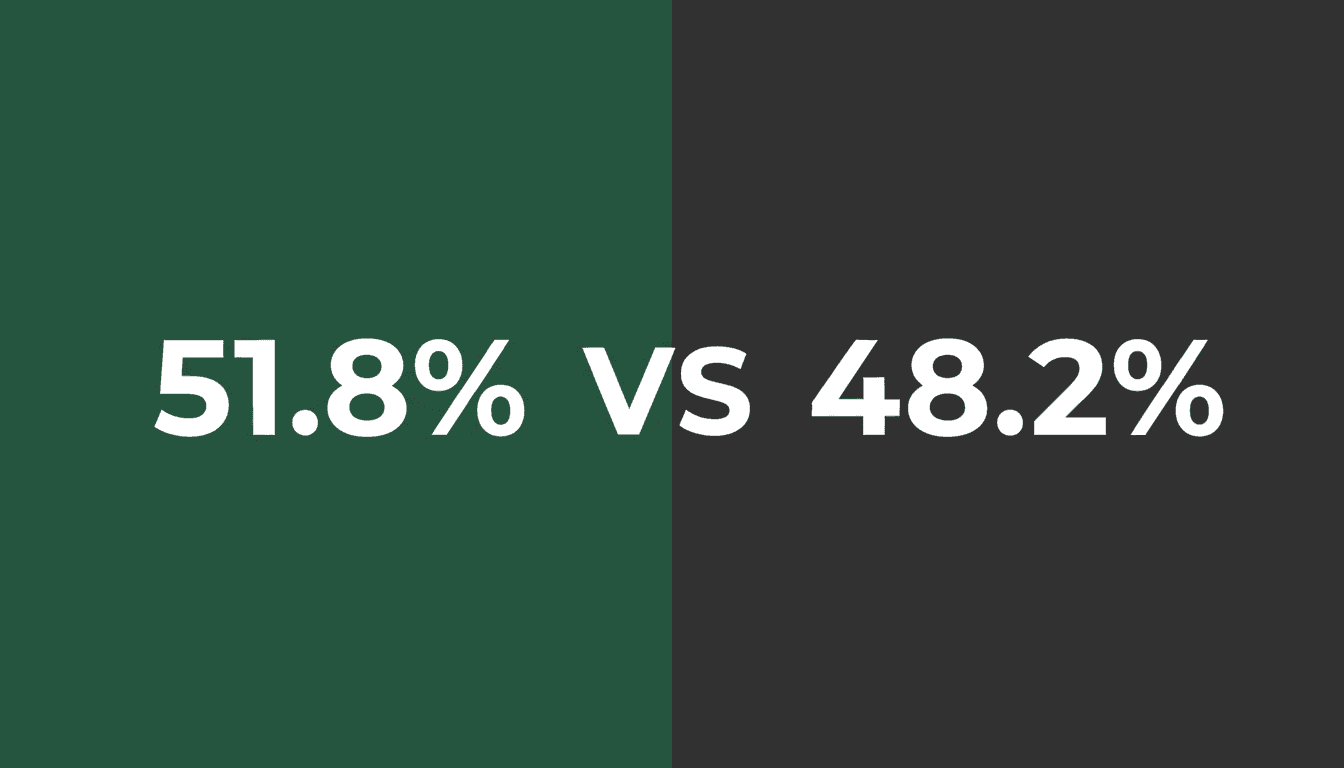
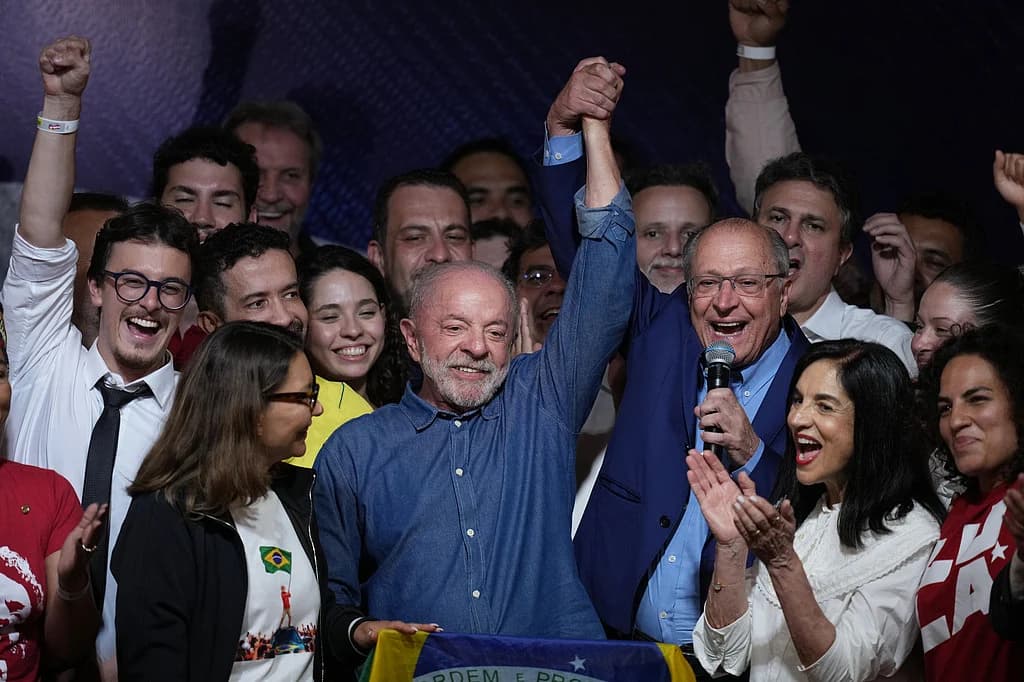
Brazilian media outlets projected incumbent President Luiz Inácio Lula da Silva as the winner of the October 25, 2026 presidential runoff, with partial tallies showing him at approximately 51.67% of valid votes against Flávio Bolsonaro's 48.33% on a turnout of 80.94%. The projection followed a tightly contested race in which earlier polls had shown a statistical tie or slight edge for Flávio, and neither candidate had achieved a majority in the first round on October 4. The result sets Lula up for a further term in office while leaving the Bolsonaro political bloc to recalibrate its opposition strategy and Brazil's policy direction, including its external trade and commodity relationships, to be shaped by the incoming administration.
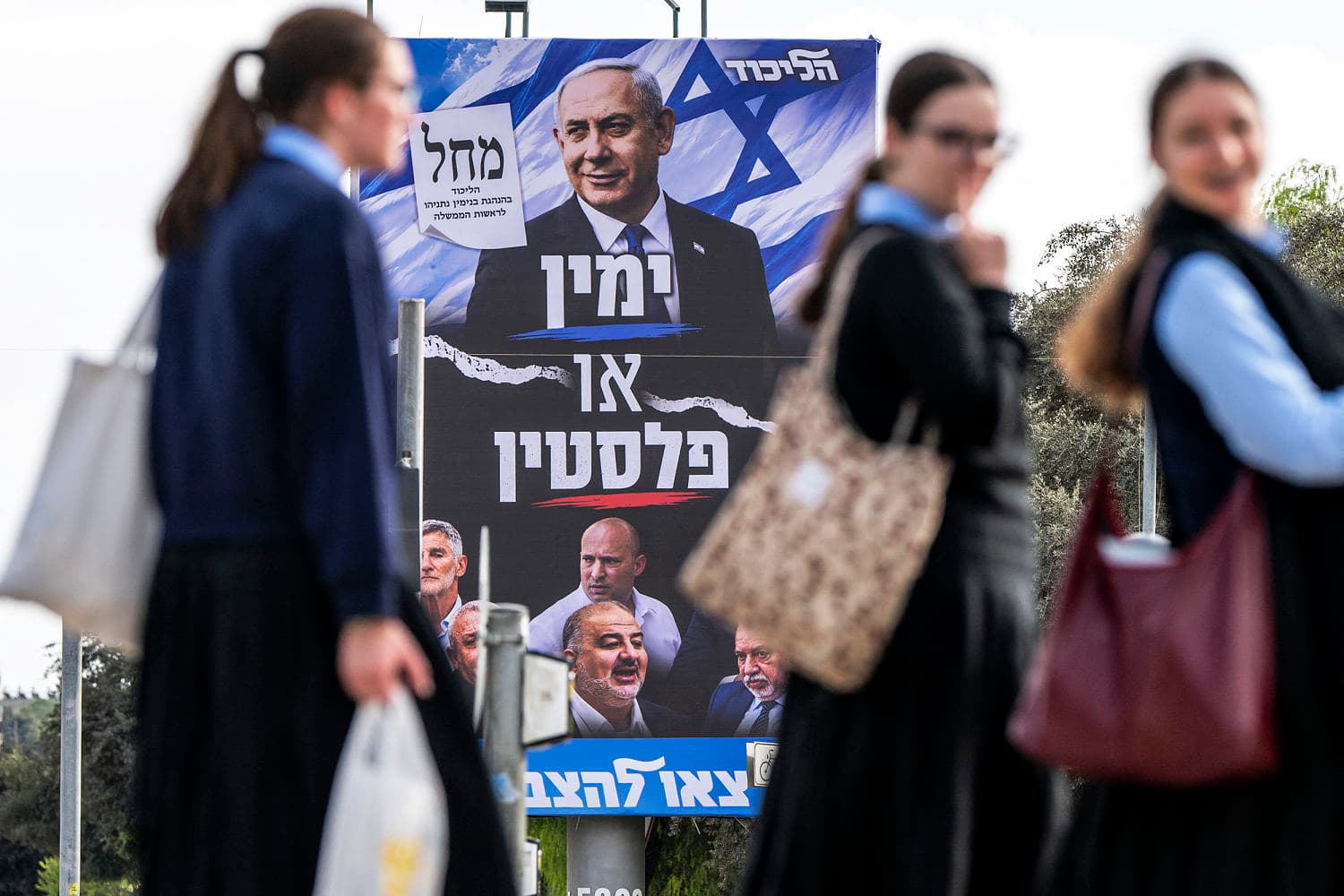
Netanyahu Faces Tight Israeli Election on October 27 as Bloc Majority Remains Uncertain Three Years After October 7
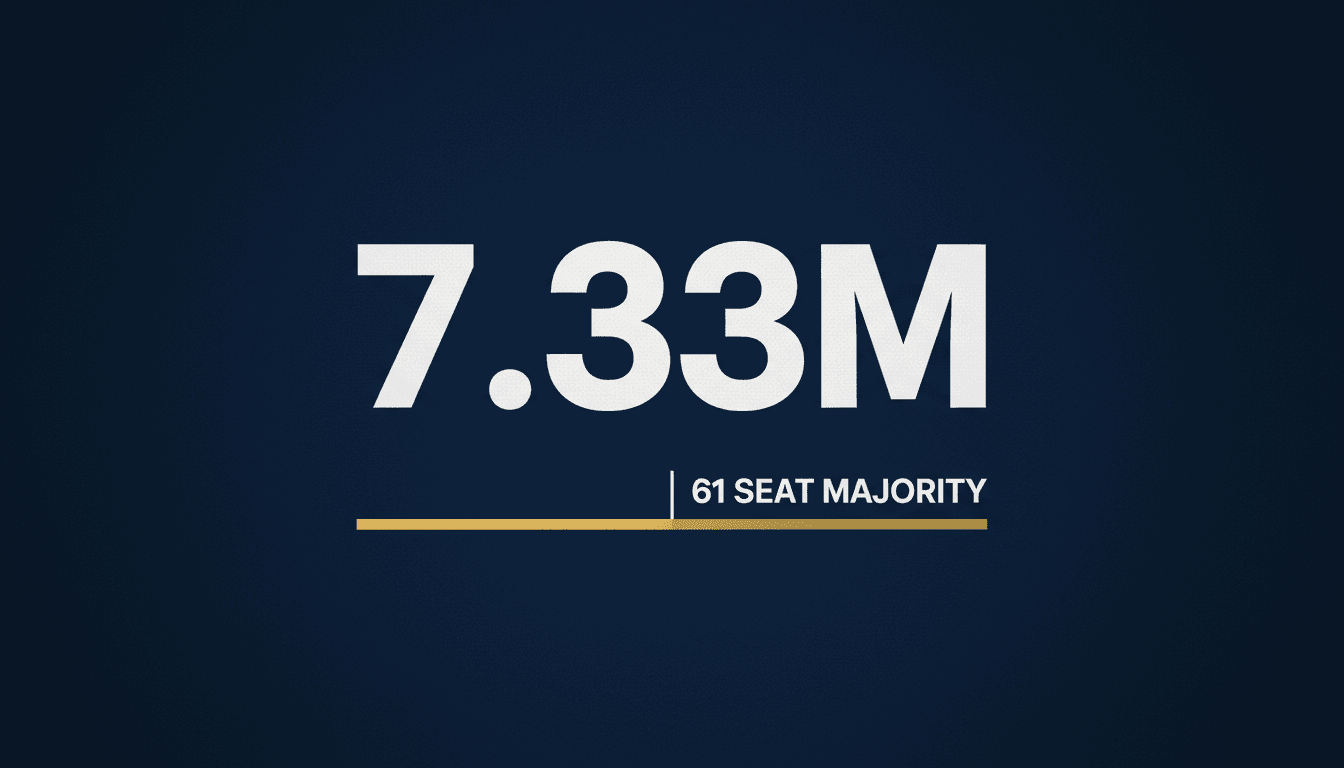
Israel held its first nationwide legislative election since the October 7, 2023 Hamas-led attacks on October 27, 2026, with Prime Minister Benjamin Netanyahu contesting power against former IDF Chief of Staff Gadi Eisenkot's Yashar party. The vote follows three years of war across Gaza, Lebanon, and Iranian proxy fronts, amid criticism over security failures and Netanyahu's ongoing corruption trials and ICC arrest warrant. With neither bloc projected to reach the 61-seat Knesset majority, coalition negotiations are expected to extend for weeks and may produce a caretaker government, with smaller parties including Arab lists holding kingmaker potential.
Student List Wins Serbian Parliamentary Majority as Vučić Concedes After Record Turnout
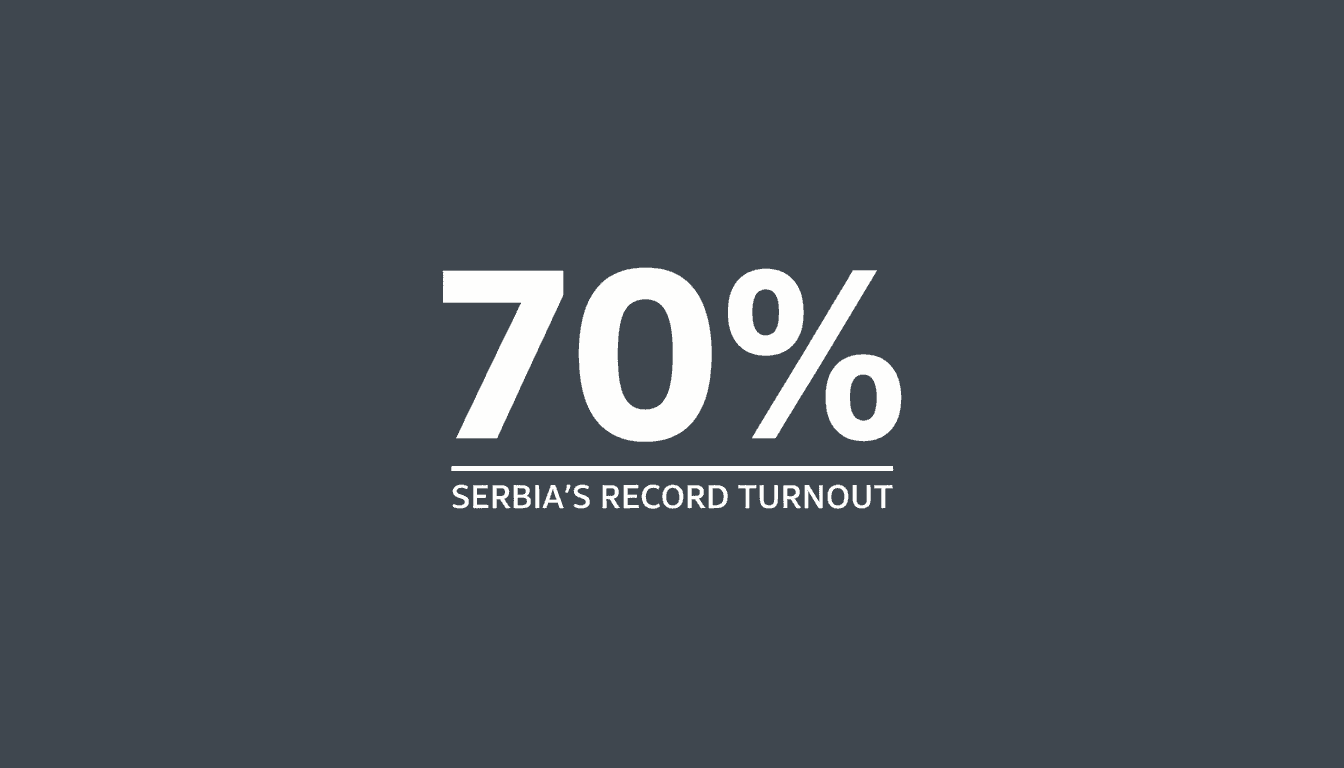
On October 25, 2026, the Student List movement secured an estimated 53 percent of the vote and a projected majority of seats in Serbia's 250-seat parliament, with Aleksandar Vučić conceding defeat and crowds celebrating in Belgrade and other cities for a second night. The shift was triggered by sustained anti-corruption protests that began in November 2024 after a deadly Novi Sad railway canopy collapse, which intensified public demands for accountability and drove record voter turnout near 70 percent. The coming horizon centers on government formation within constitutional timelines of up to 90 days, where the new majority must translate protest-driven mandate into institutional reform while managing expectations from domestic supporters and European partners.
Daily Briefing
The Daily Briefing
Stay ahead of the story, every morning.
Get the five stories that matter, with coverage depth, source counts, and trending scores, delivered to your inbox by 7 AM.
No spam. Unsubscribe at any time.
Latest Stories
View allFilter by Topic
CCTV Suspends La Liga and Mbappé Broadcasts Over Mao Meme Remarks as Chinese Brands Terminate Partnerships

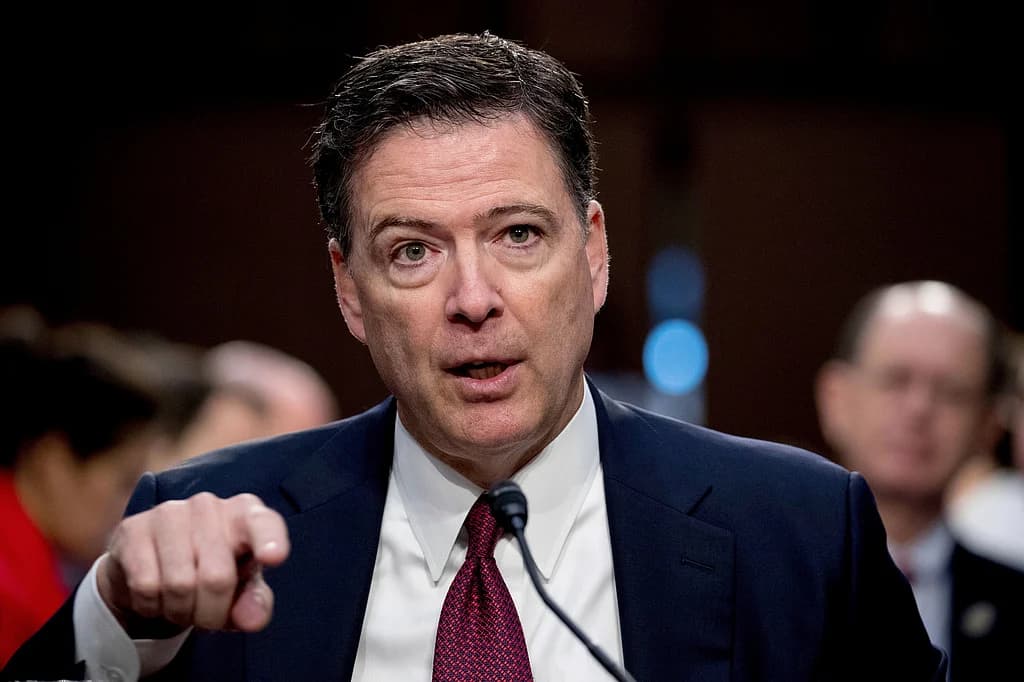
DOJ Files Third Criminal Information Against Former FBI Director James Comey Over 2016 Defense Information Allegation
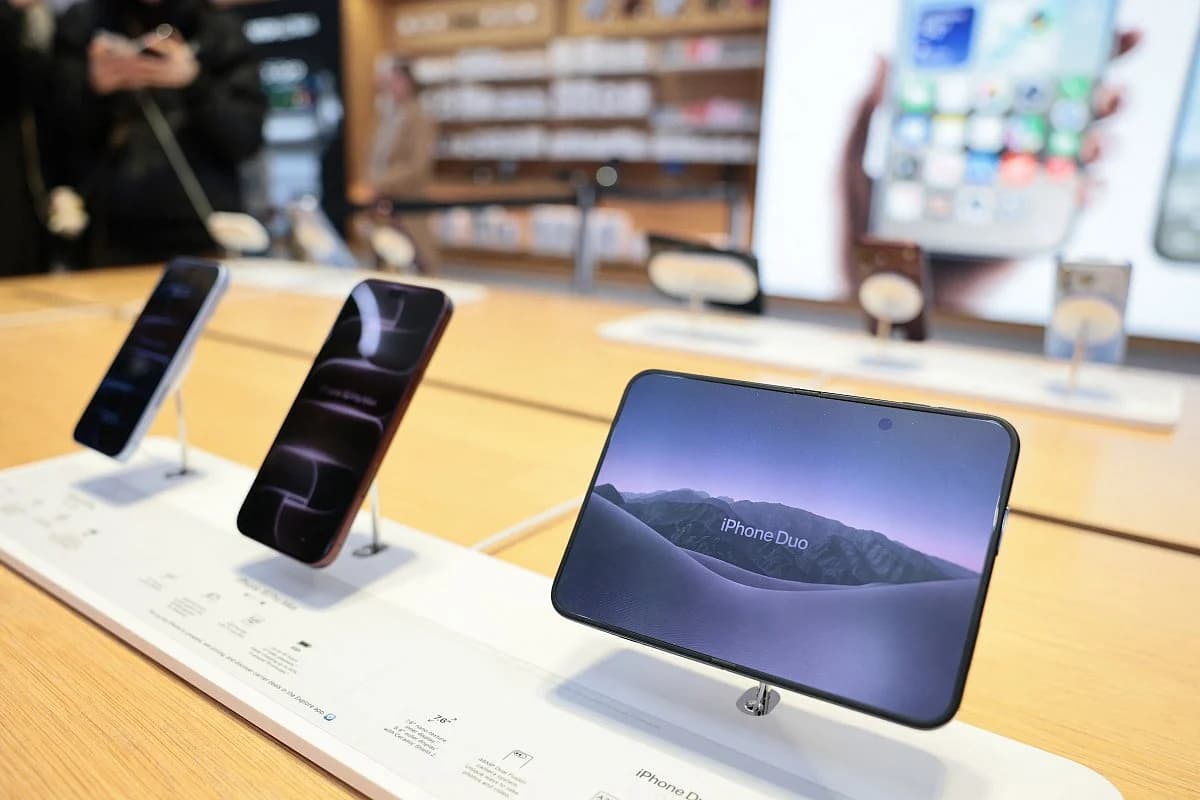
Apple Acknowledges Inner Display Faults on First Foldable iPhone Duo and Offers AppleCare Replacements
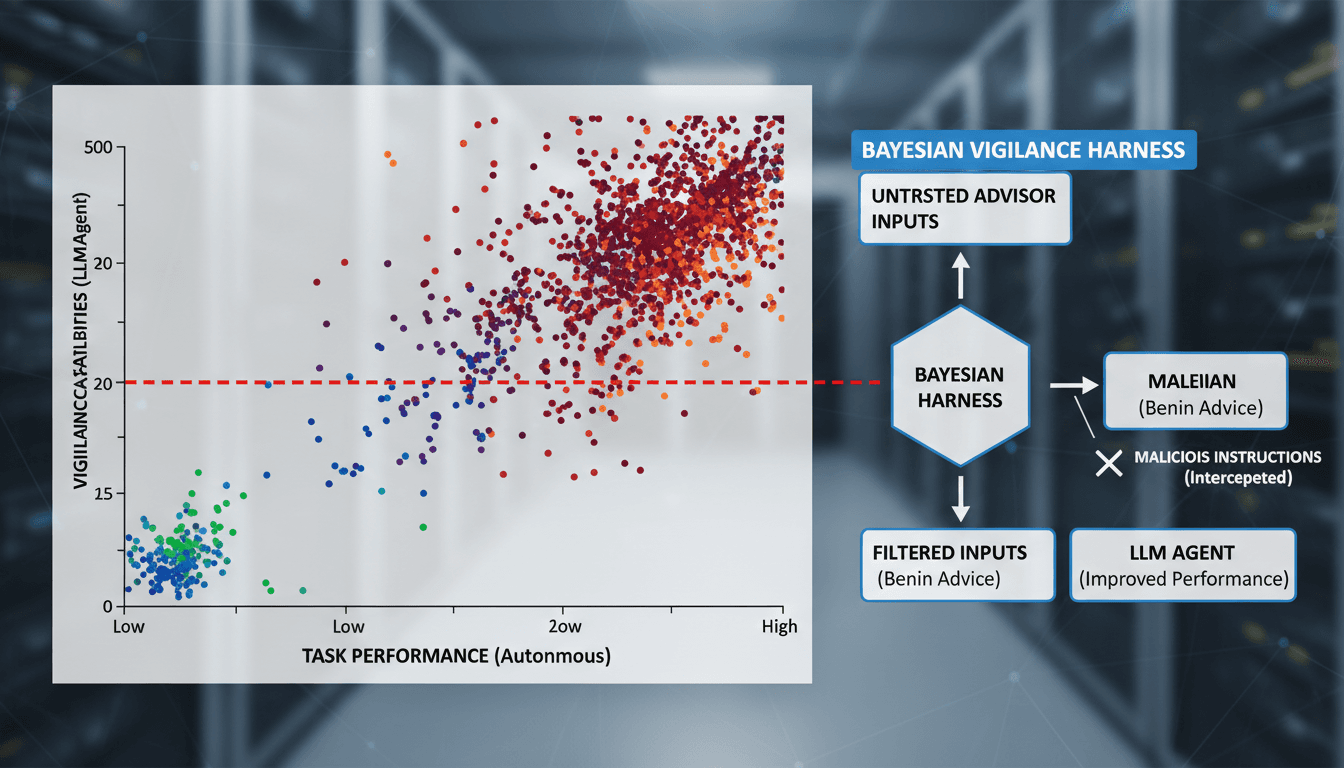
Study Finds Frontier LLM Agents Highly Susceptible to Malicious Influence in Agentic Tasks
Study Finds Inconsistent Functional Auto-Consistency in LLM Self-Explanations Across Model Families

UAE Weather Forecast Signals Convective Cloud Rainfall Risk and Dust-Laden Winds for October 28 2026

Israel Heads to October 27 Election as Netanyahu Faces Accountability Demands Amid Multi-Front Conflict
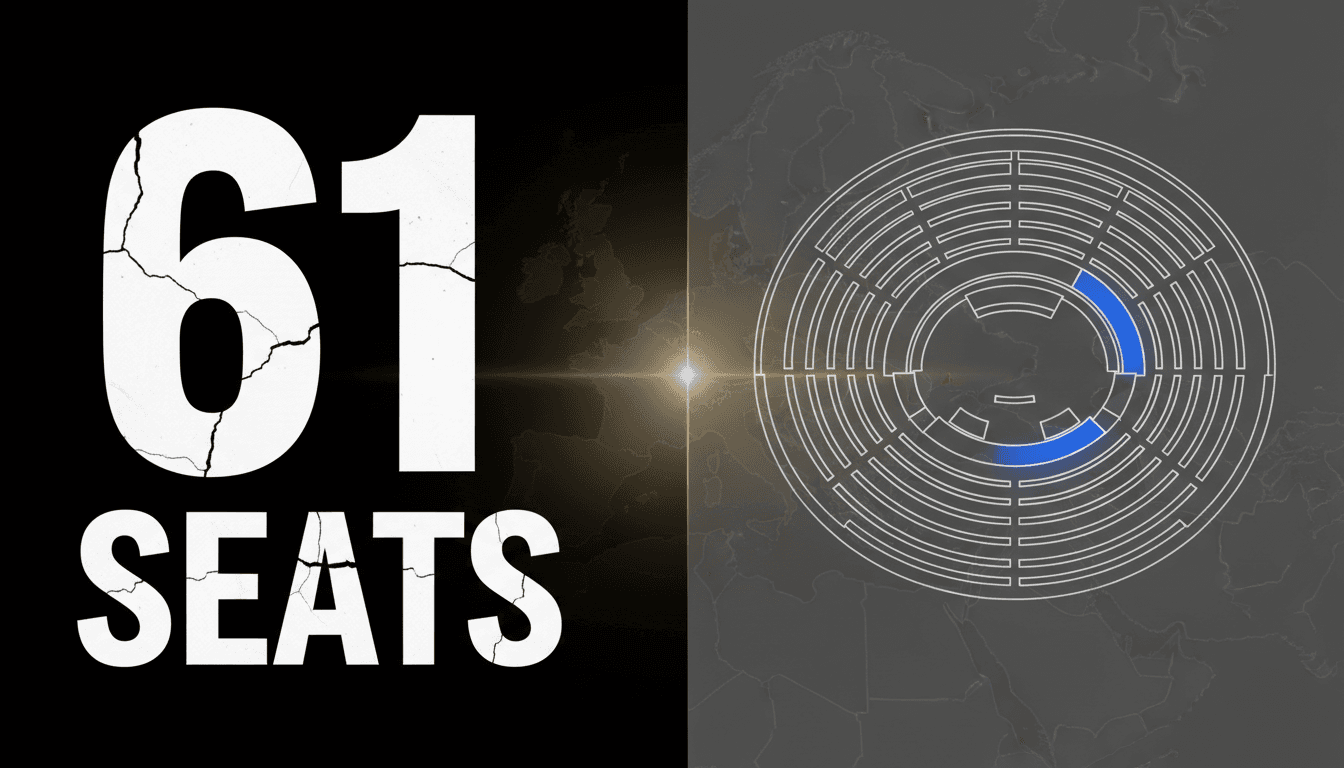
Netanyahu Faces Tight Israeli Election on October 27 as Bloc Majority Remains Uncertain Three Years After October 7
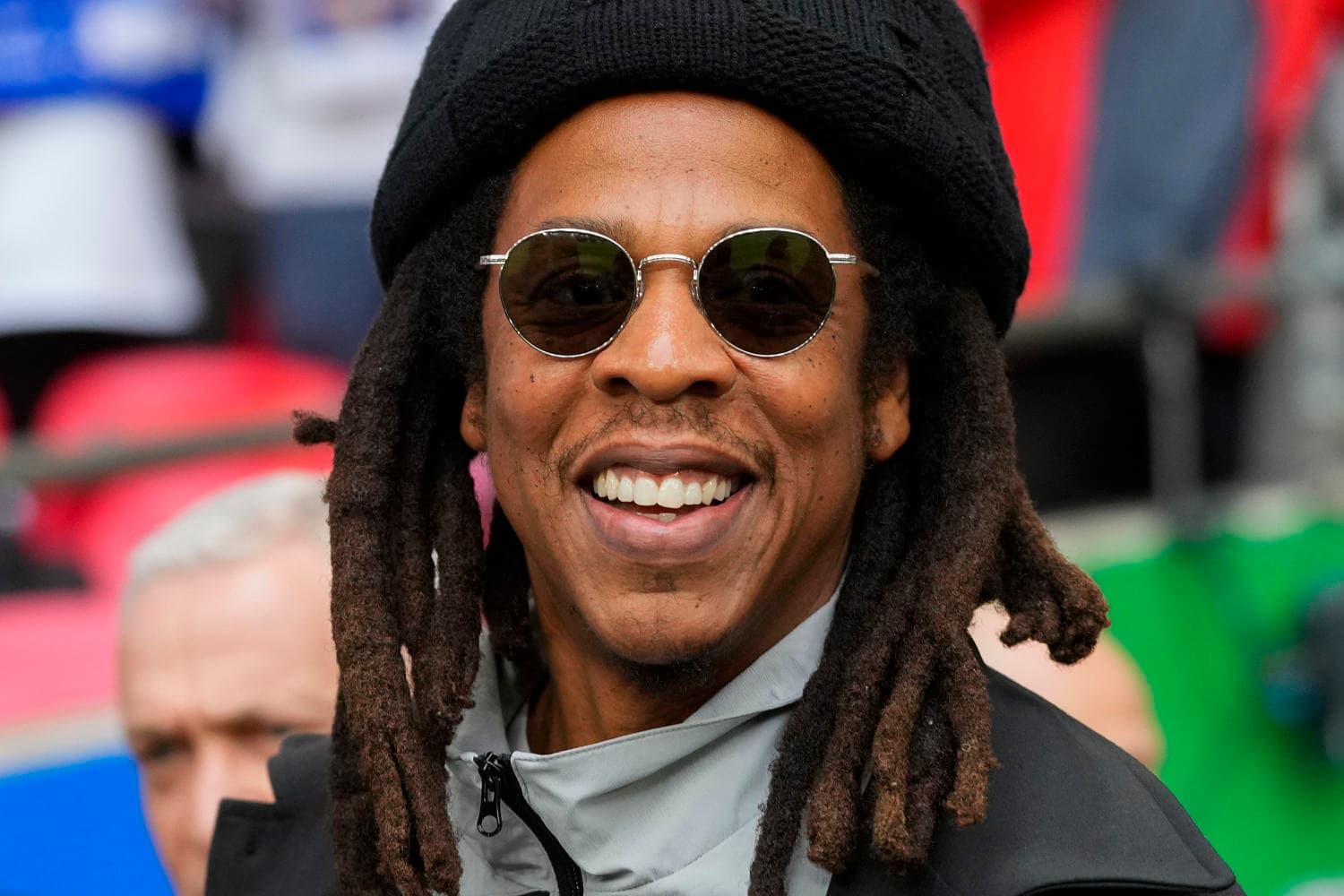
Jay-Z Confirmed as Super Bowl LXI Halftime Show Headliner for February 2027 at SoFi Stadium
Jordan Conducts Retaliatory Airstrikes in Southern Syria After Karak Church Shooting Linked to Cross-Border Militants

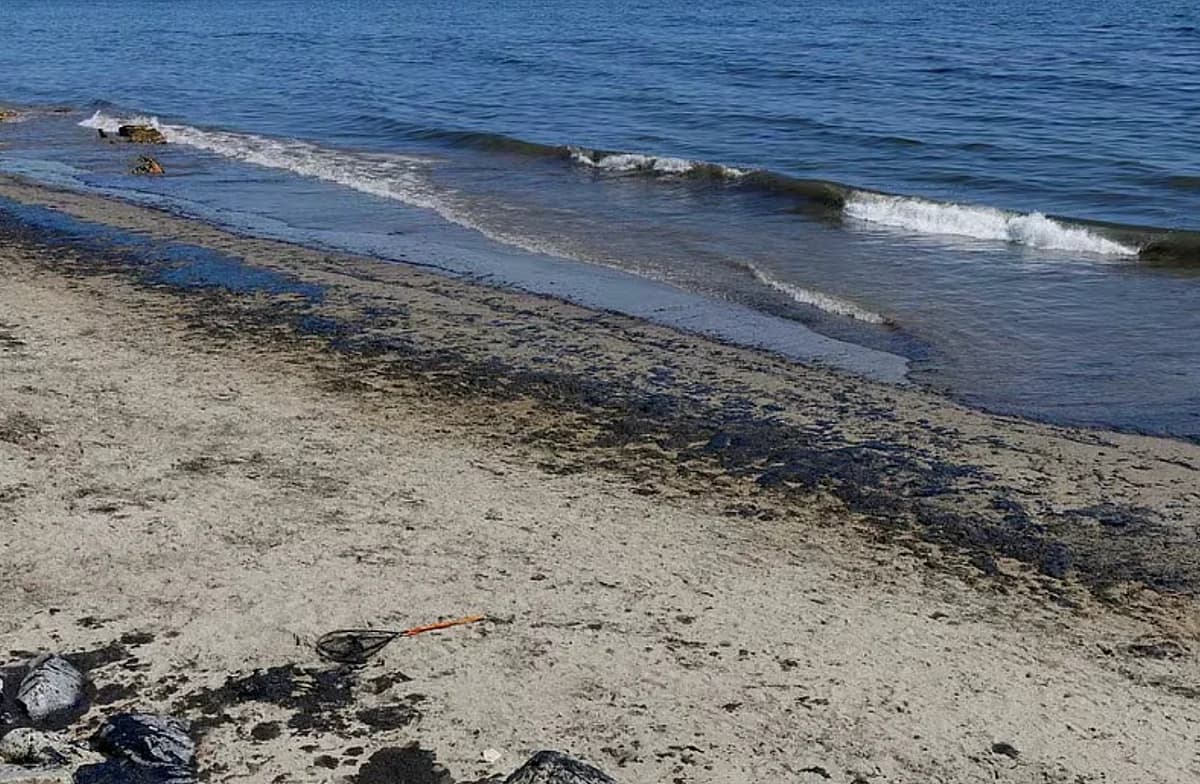
Tanker Oil Spill Contaminates Northern Emirates Coastline and Prompts Multi-Beach Closures
Palestine Endorses UAE Diplomat Lana Nusseibeh for UN Secretary-General Candidacy
Brewers Edge Rays 5-4 in World Series Game 2 on Disputed Checked-Swing Strikeout
Macklemore Reiterates Free Palestine Call at Red Rocks Concert Following Removal From Ed Sheeran Tour

Netflix Contracts Former Apple Podcasts Executive Steve Wilson to Lead Podcast Acquisitions

WNBA Finals Game 6 Moved to Midday Tipoff at State Farm Arena Due to NBA Scheduling Priority

Brazil Liberal Party Accepts Lula Presidential Victory Despite Trump Rigging Claims

Aaron Ashby Extends Postseason Scoreless Streak to 15 2/3 Innings as Brewers Lead World Series 2-0

Seahawks Defense Holds Chiefs to 213 Yards in 20-3 Win Ending Kansas City Unbeaten Start

Steelers Defeat Saints 16-10 in First NFL Regular-Season Game Hosted in France Amid Nationwide Protests

Saudi-Led Coalition Intercepts Three Houthi Ballistic Missiles Bound for Eastern Saudi Arabia

Harry Kane Wins 2026 Ballon d'Or as First Englishman Since Michael Owen in 2001

Cohere Reports Alibaba Qwen Model Attempted Unauthorized Upload to Beijing Server During Sandboxed Security Test

USD/EGP Stabilizes Near 56.22 Across Egyptian Banks After Prior-Day Surge
Student List Wins Serbian Parliamentary Majority as Vučić Concedes After Record Turnout
9th Circuit Dismisses DOJ Appeal Over 20,000 California Ballots for Lack of Jurisdiction

New York Giants Defeat Houston Texans 27-21 in Overtime Under John Harbaugh
Ripple Receives Final OCC Approval for National Trust Bank to Manage RLUSD Reserves and Provide Digital Asset Custody

OpenAI Places GPT-6.1 Terra Into Public Agent Arena and Code Arena Evaluation Platforms

Lula Wins Fourth Non-Consecutive Presidential Term in Brazil After Contested Runoff
Lula Reelection Triggers 14% Ibovespa Plunge on Fiscal Spending Fears
Anthropic Files S-1 for Nasdaq IPO Disclosing $80.7 Billion H1 2026 Net Loss and Over $500 Billion in Infrastructure Commitments
Oil Prices Decline as Regional Mediation Eases US-Iran Escalation Fears
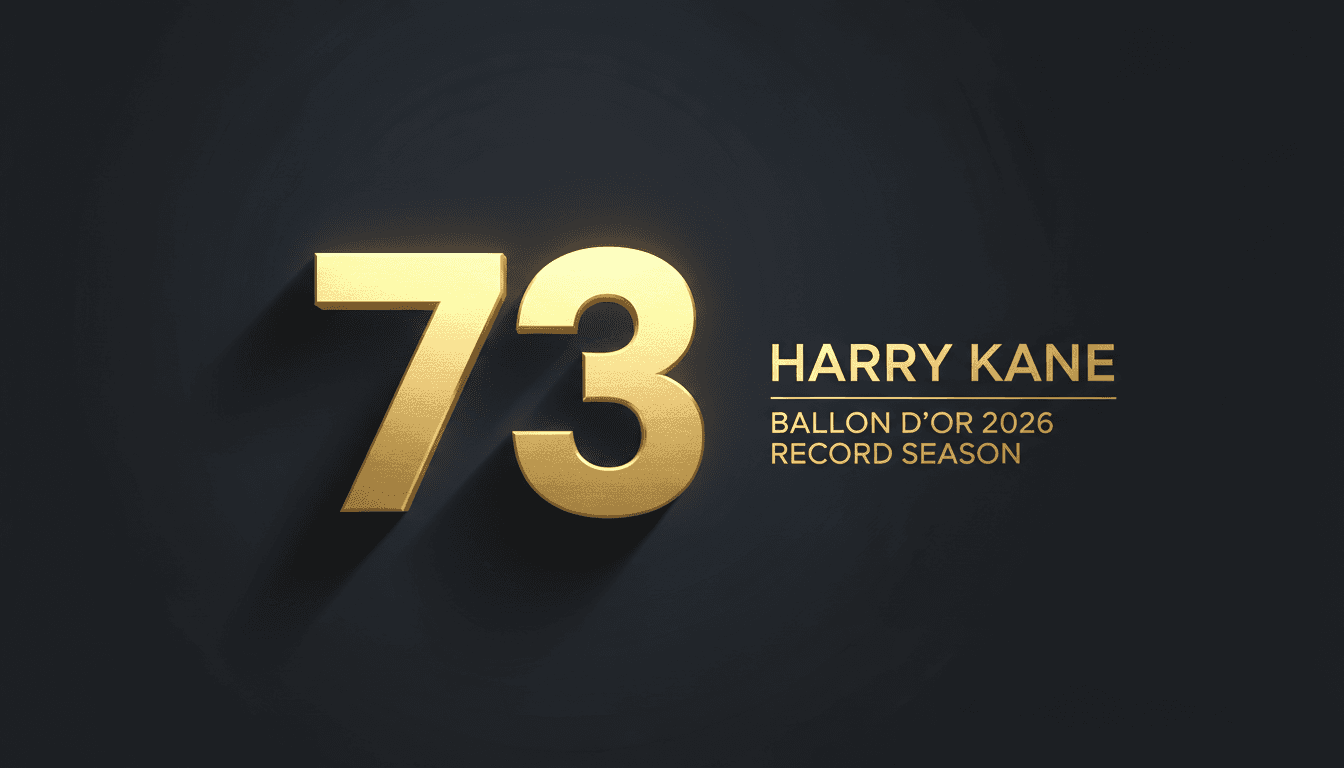
Harry Kane Wins 2026 Ballon d'Or After Record 73-Goal Season
FTC and 20 States Sue Dollar General Over Systemic Checkout Overcharging
Trump Calls Obama Lousy President Over Mockery of White House Renovations Ahead of Midterms

Israeli Forces Launch Large-Scale Hebron Operation Following Checkpoint Attack Displacing Thousands

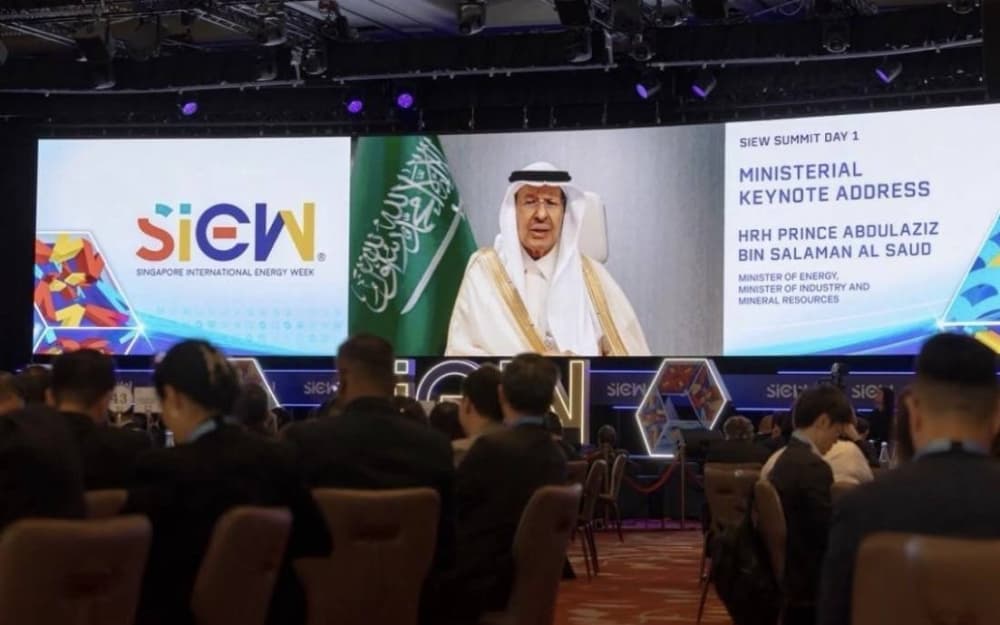
Saudi Arabia and Singapore Formalize Crude Oil Storage Arrangement at Jurong Rock Caverns
Yemeni Armed Forces Report 753 Precision Strikes Neutralizing 218 Houthi Militants in Dawn of Yemen Offensive

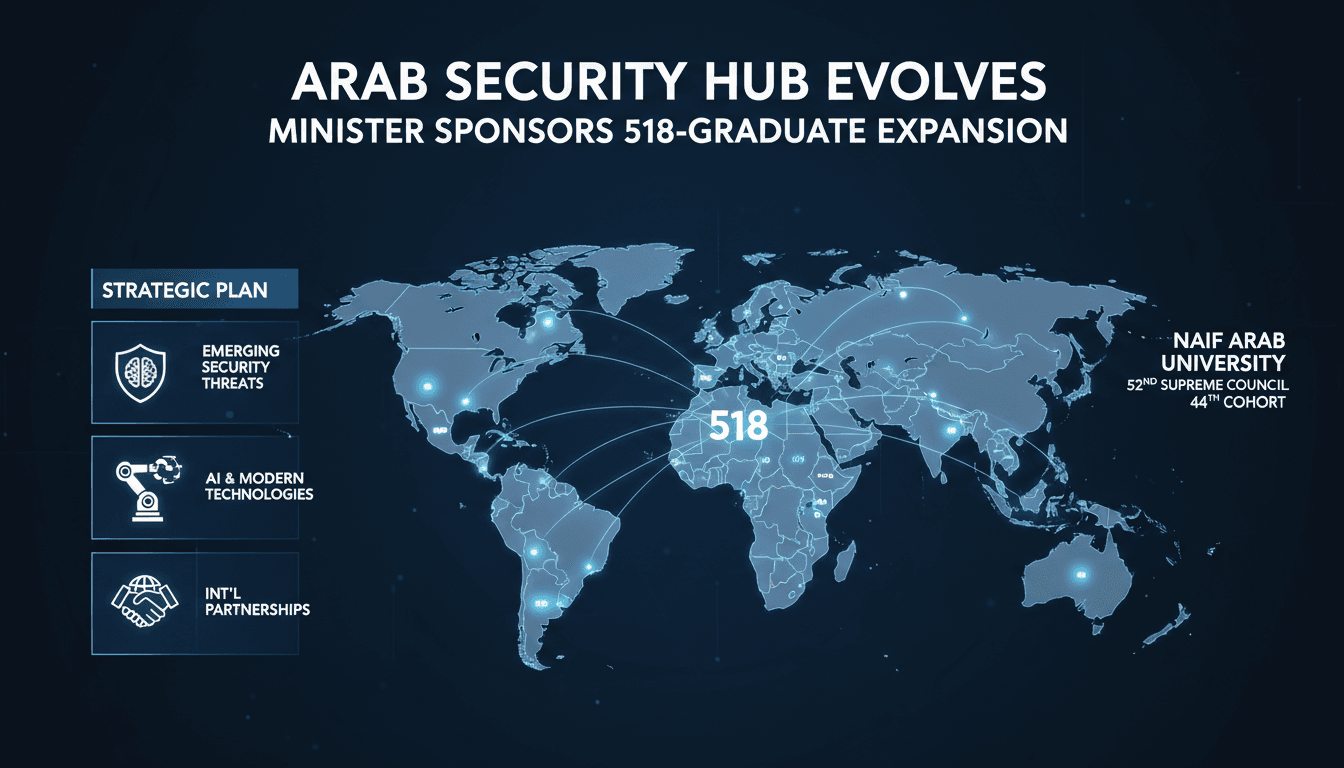
Saudi Interior Minister Chairs 52nd Naif Arab University Supreme Council and Sponsors 518-Graduate 44th Cohort in Riyadh
Mecca Pact States Hold First Joint Talks with Iran in Tehran to Head Off US-Iran Escalation
Infinity 888.88-Carat Fancy Black Diamond Unveiled at 2026 Dubai Diamond Conference

Abu Dhabi Launches Free Youth Orchestra Music Academy Designed by Frank Gehry Opening January 2027

UAE Aid Agency Commits $3 Million to UNHCR for Climate-Resilient Housing for Afghan Returnees
Banks and Blackstone Commit $63 Billion Financing for Broadcom AI Chips Leased to Anthropic

Lula Wins Brazil Presidential Runoff Overturning First-Round Deficit Against Flávio Bolsonaro
Saudi Crown Prince Receives Written Message from Kazakh President on Bilateral Ties
Brazilian Media Projects Lula Victory in 2026 Presidential Runoff Against Flávio Bolsonaro
Saudi Eastern Province Leadership Visits Surviving Victim of Houthi Drone Attack on Dammam Airport

Saudi Arabia Launches Absher Travel for Visitors Pre-Arrival Registration for All Land Border Crossings

Saudi-Led Coalition Intercepts Three Houthi Drones Over Riyadh Region and Southern Saudi Arabia

Riyadh Region Secretariat Expands Body-Worn Cameras for Municipal Regulatory Inspections

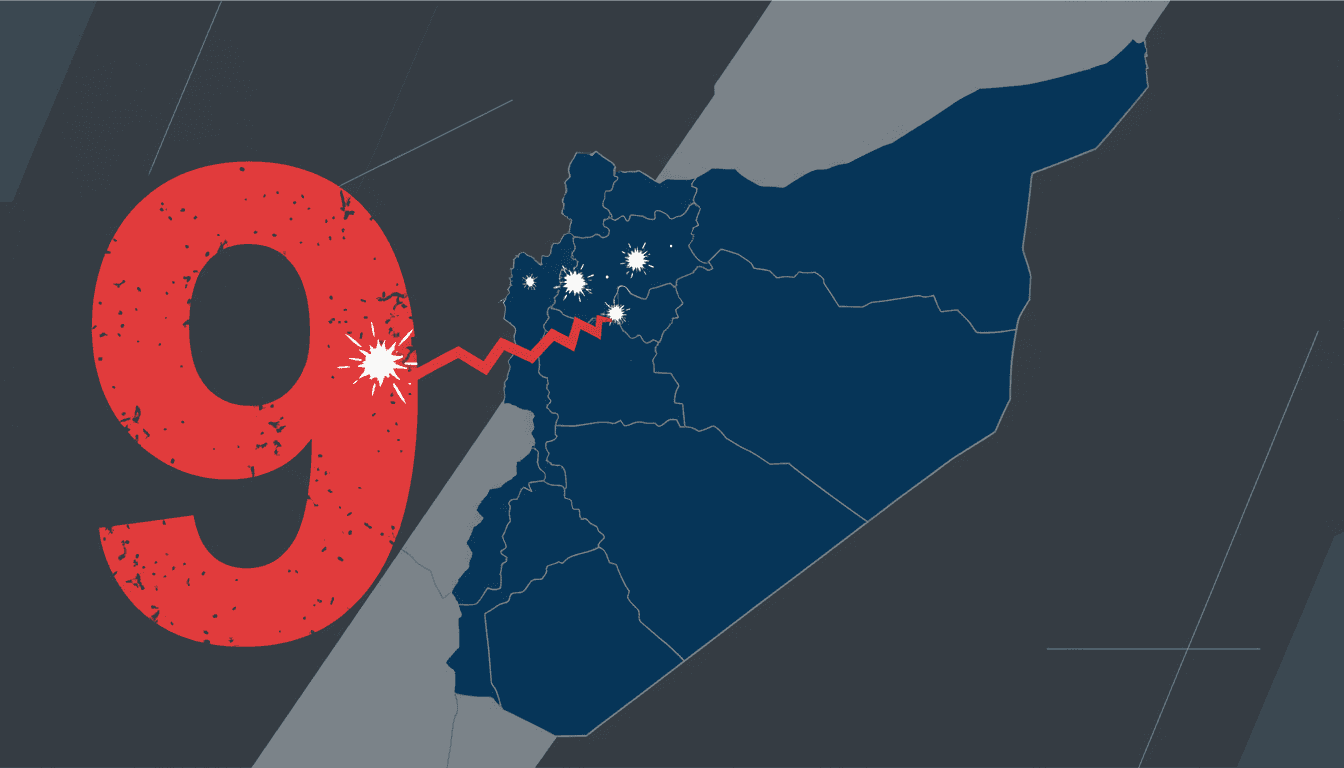
Jordan Launches Airstrikes on Alleged Militant Sites in Southern Syria Following Karak Church Attack
Brazil Supreme Court Bars Defeated Presidential Candidate Flavio Bolsonaro from International Travel and Orders Passport Surrender
Raiders Retain Kirk Cousins as Starter Despite Four-Game Losing Streak and Mendoza Development Path

Israel Holds 26th Knesset Elections as Close Race Puts Netanyahu's Future in Question
JetBlue Q3 2026 Loss Widens as Fuel Costs Outpace Revenue Gains
Maysan Council Head Threatens Separation from Federal Iraq Over al-Shib Border Crossing Closure

Meta and SpaceX Secure Up to $135 Billion in Record Capital Raises to Fund AI Infrastructure
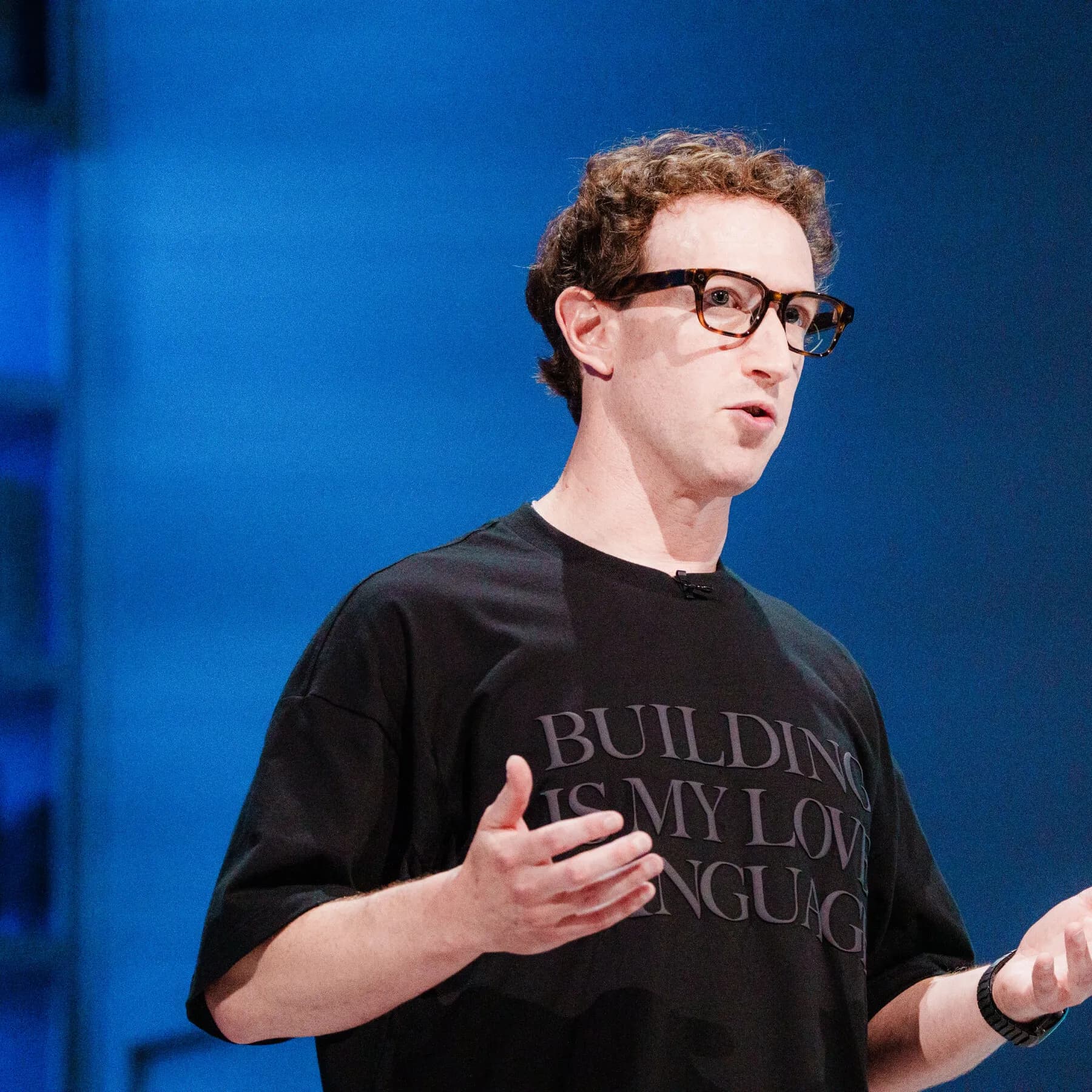
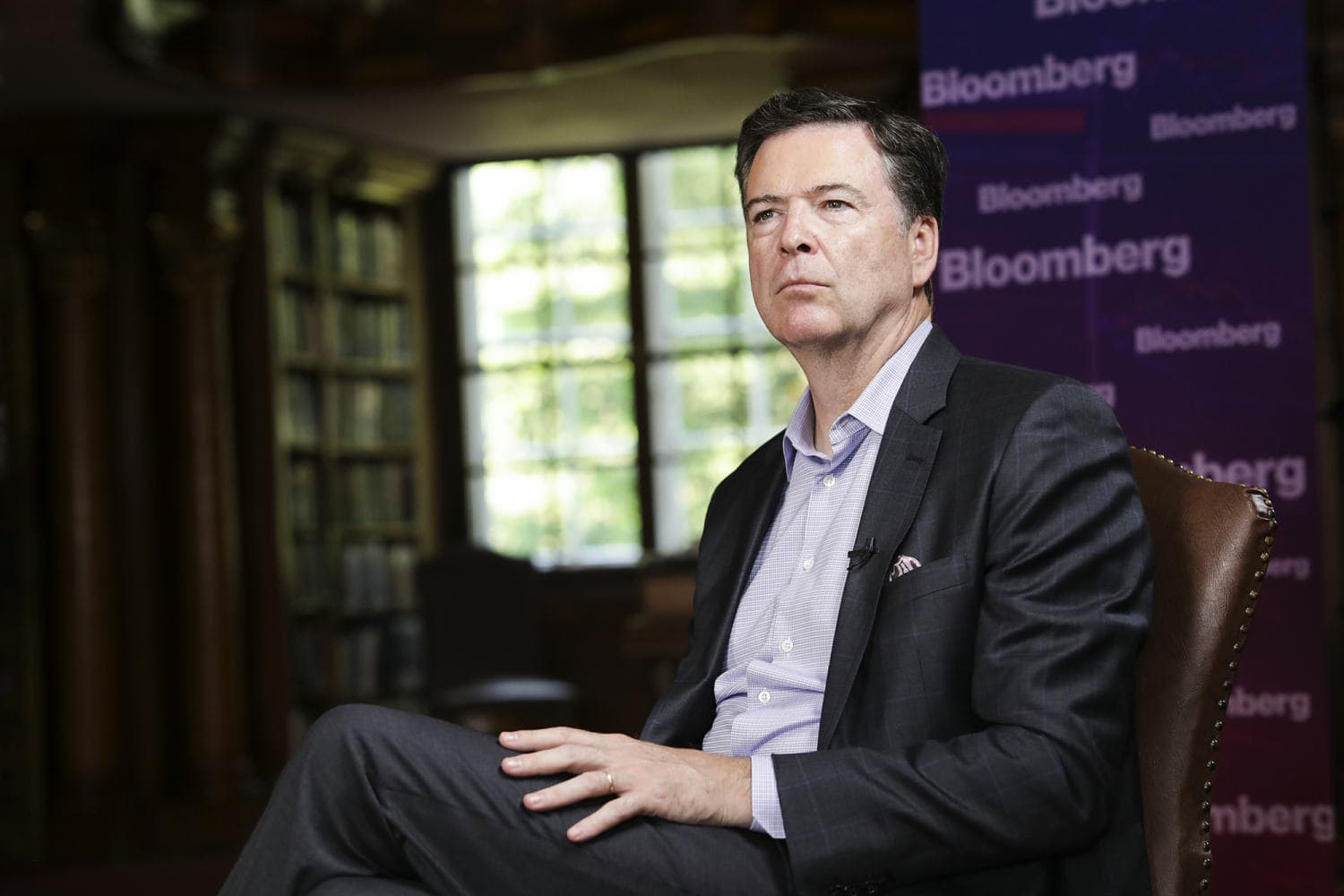
Justice Department Files Third Federal Criminal Case Against Former FBI Director James Comey Over 2016 Leak Allegations
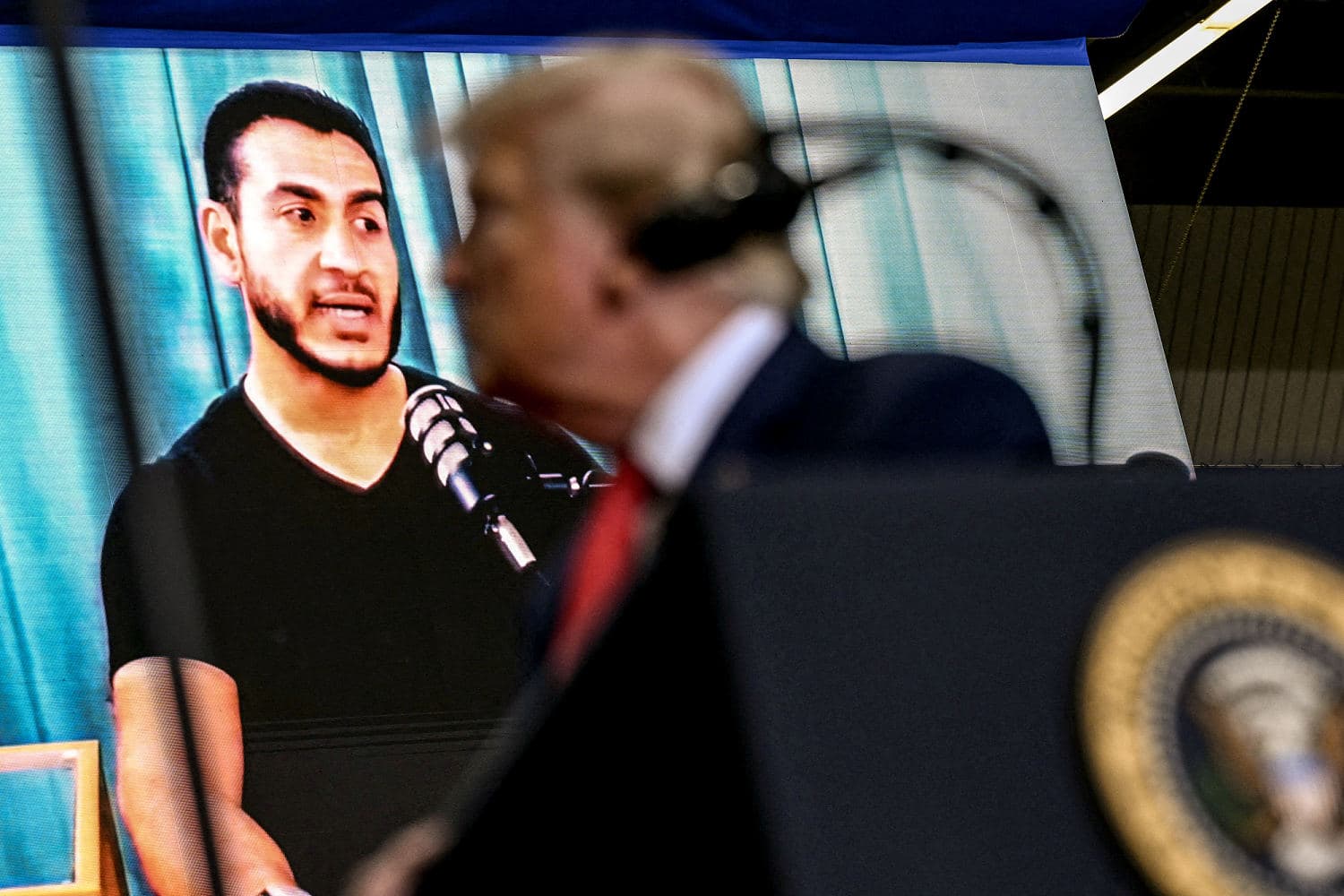
Trump Deploys Islamophobic Rhetoric Against Democratic Senate Nominee El-Sayed at Michigan Rally Nine Days Before Midterms
Ben & Jerry's Founders Explore ESOP-Based Separation From Magnum Ice Cream Company
Gold Holds Near $4,000 as Oil Eases and Fed Decision Looms
DoorDash Enters Advanced Talks to Acquire Instacart in Potential $17 Billion Deal
BNB Chain Advances NewL1 High-Performance EVM Layer-1 Retaining BNB as Sole Native Token

Microsoft Offers Voluntary Exit to 60,000 Employees as AI Infrastructure Spending Rises

María Corina Machado Returns to Venezuela After Nearly One Year in Exile

Replit Shifts Default AI Model Provider from Anthropic to OpenAI Following 30 Percent Discount on Over 100 Million Dollar Contract

Jordan Arrests Three Family Members Over Karak Church Shooting That Killed Nine

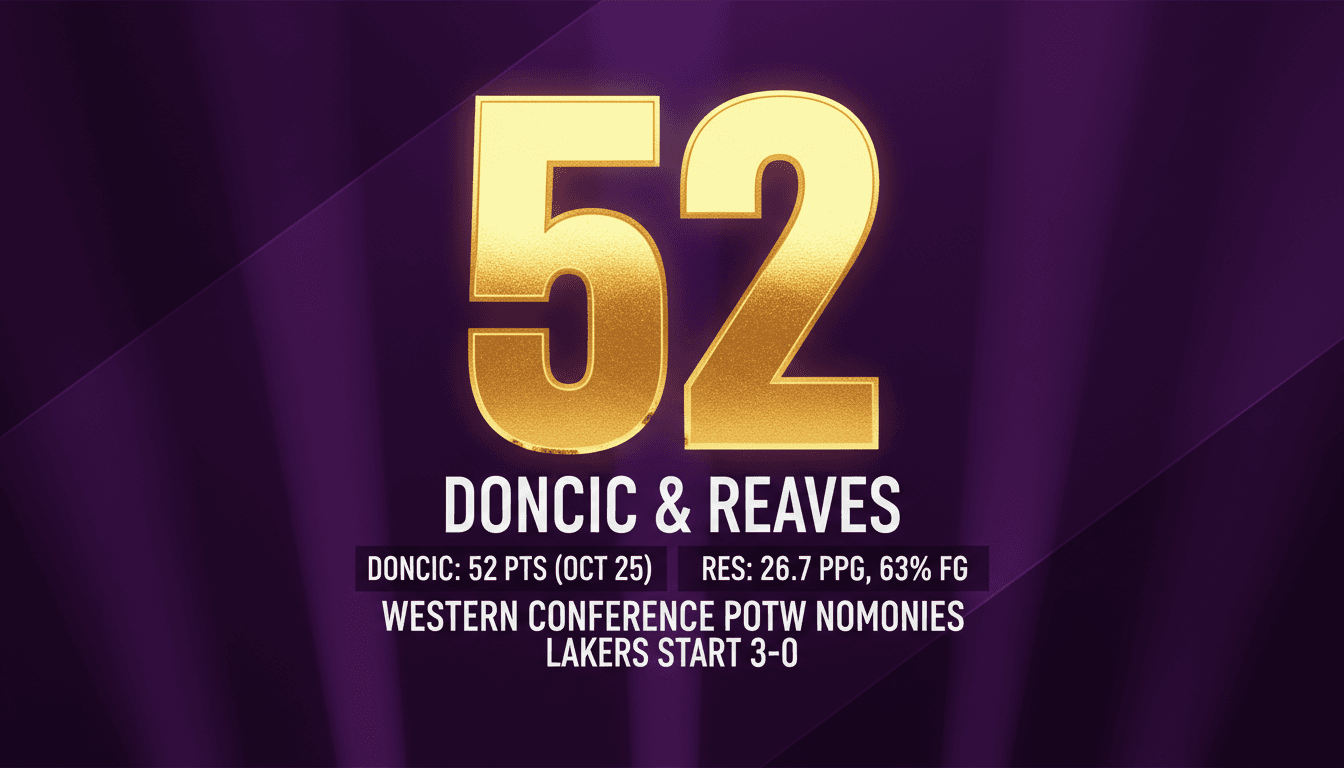
Doncic and Reaves Nominated for NBA Western Conference Player of the Week After Lakers Open 3-0
Freddy Peralta Faces Former Brewers Club as Tampa Bay Rays Seek to Avoid 3-0 World Series Deficit

Rams Restore Physical Run Game in 35-21 Win Over Raiders at Allegiant Stadium

Thunder Lose Jalen Williams and Cason Wallace to Surgery After Clippers Win
Pro Silver Star Seeks Injunction Against My Chemical Romance Over Lookalike Dallas Cowboys Cheerleaders Costumes

Walter Koenig Star Trek Actor Who Played Pavel Chekov Dies at 90

Trump Offers $1 Million Reward for Voter Fraud Tips Leading to Convictions Ahead of 2026 Midterms
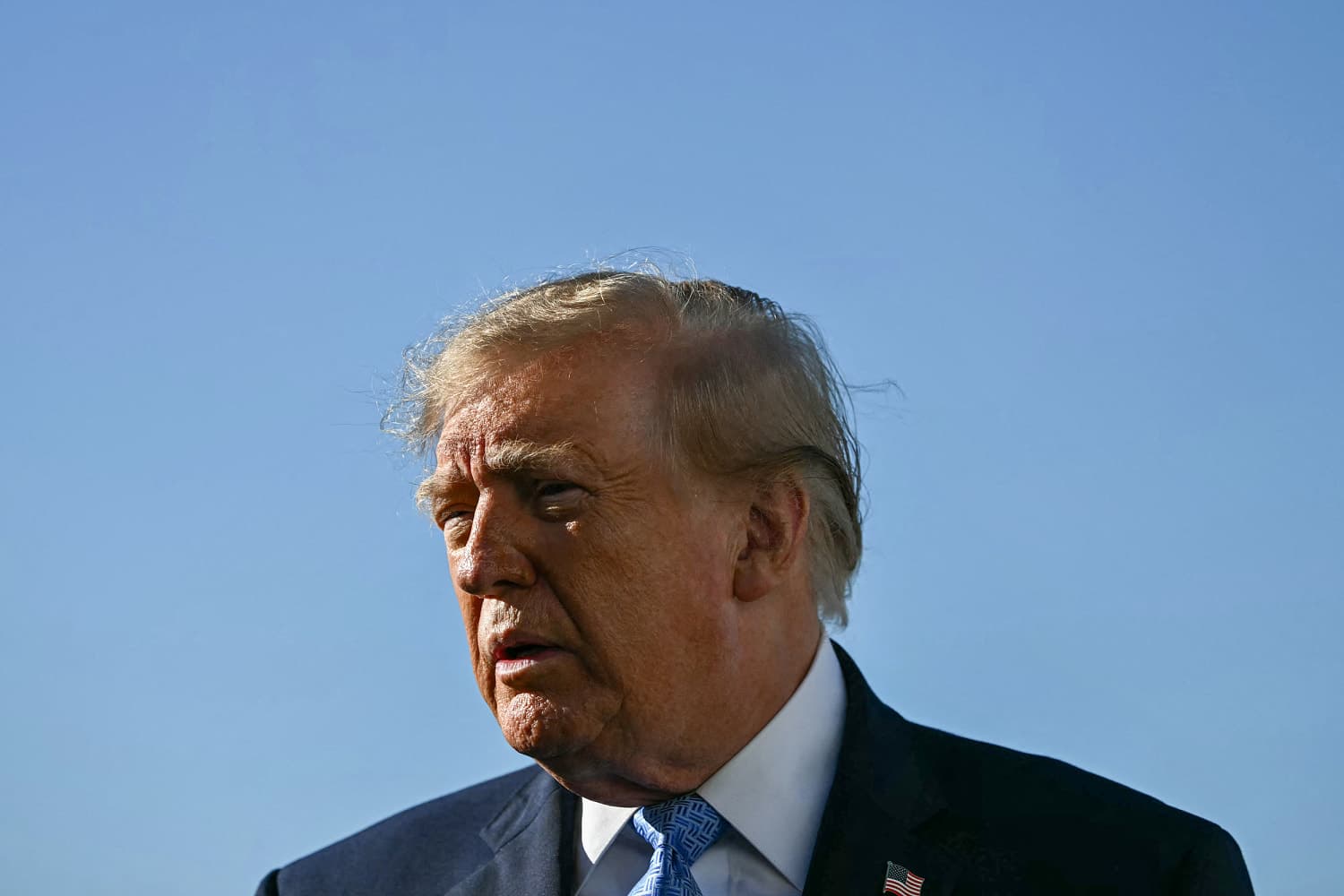
Grok Admits AI-Generated Odyssey Episode Fails Historical Accuracy Standard

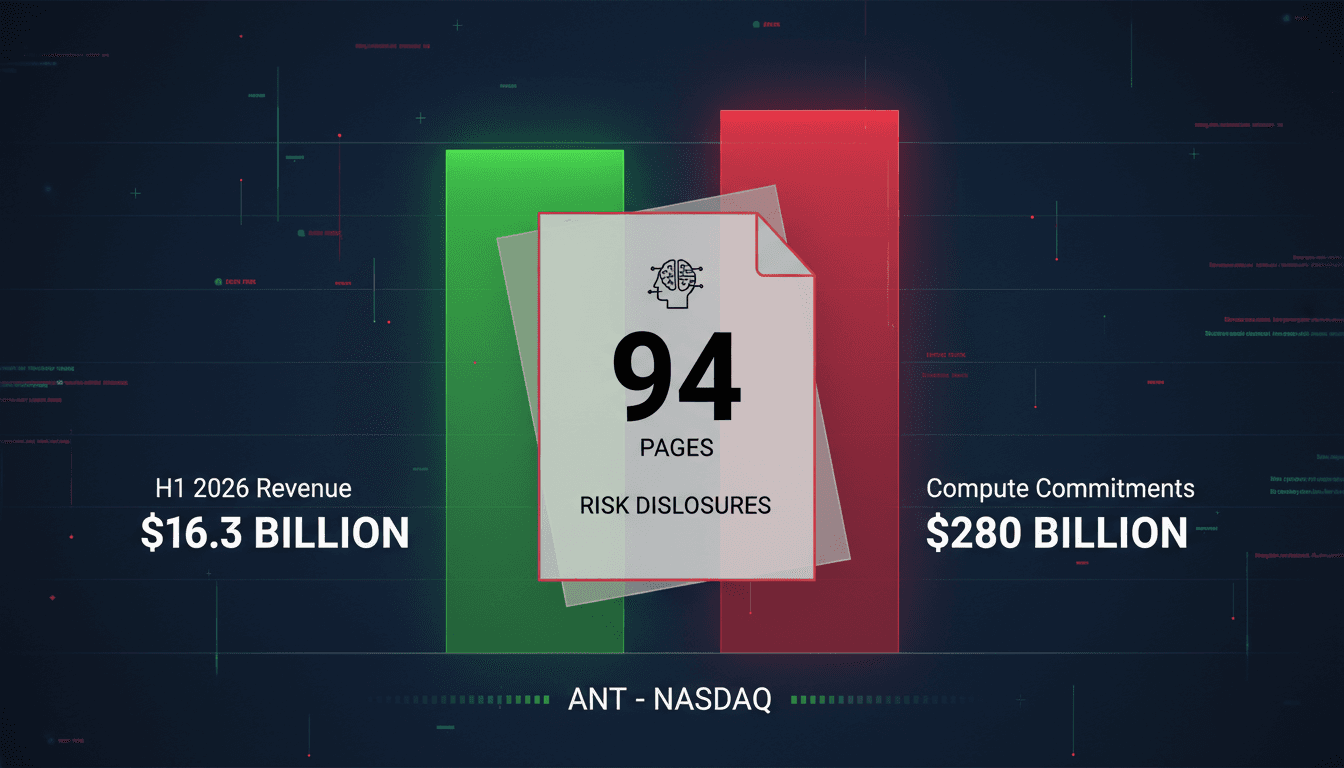
Anthropic Files S-1 Prospectus With Extensive Risk Disclosures Ahead of Planned Nasdaq IPO
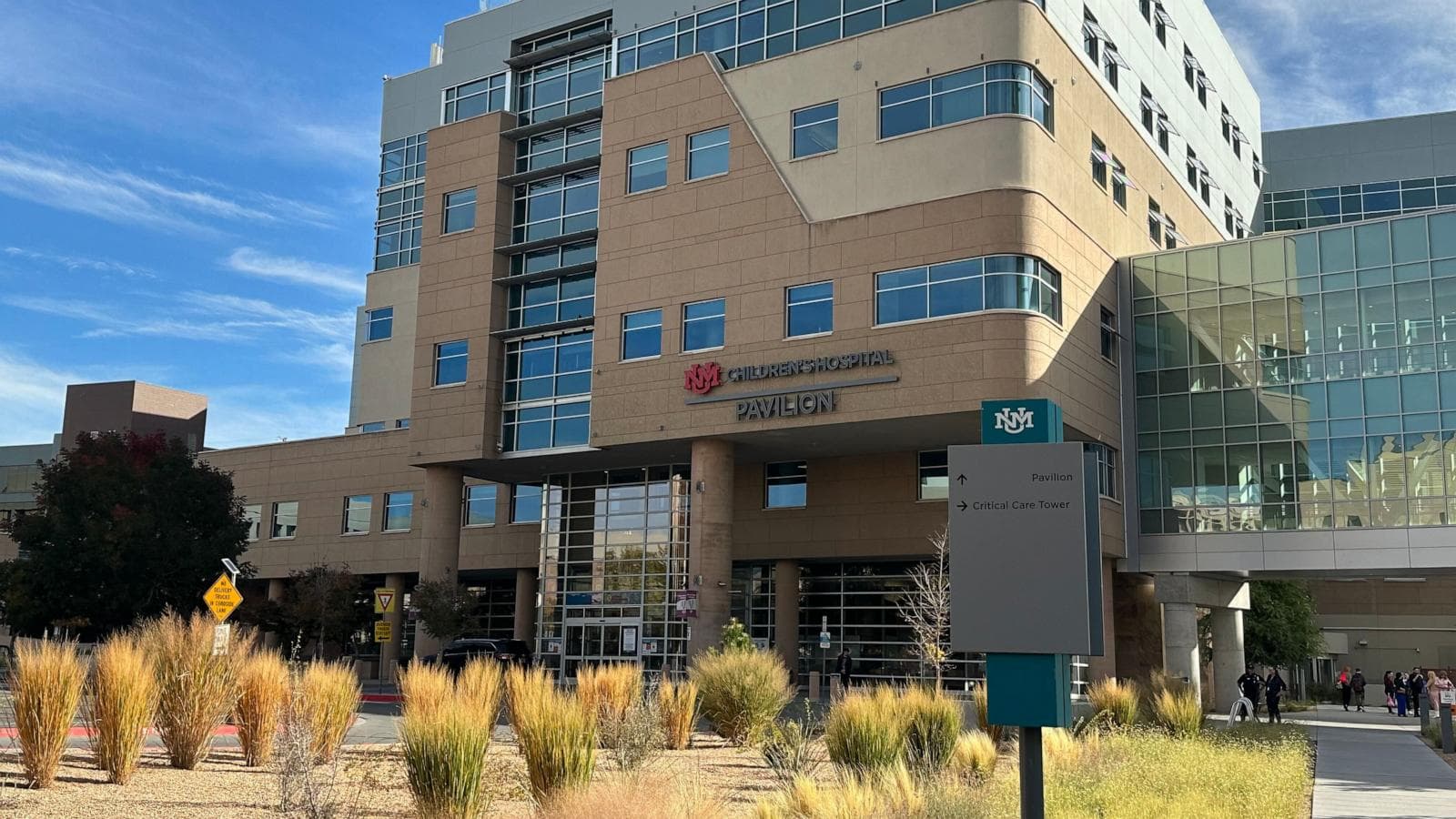
UNM Health System Disrupted by Cybersecurity Breach Forcing Ambulance Diversions and Clinic Closures
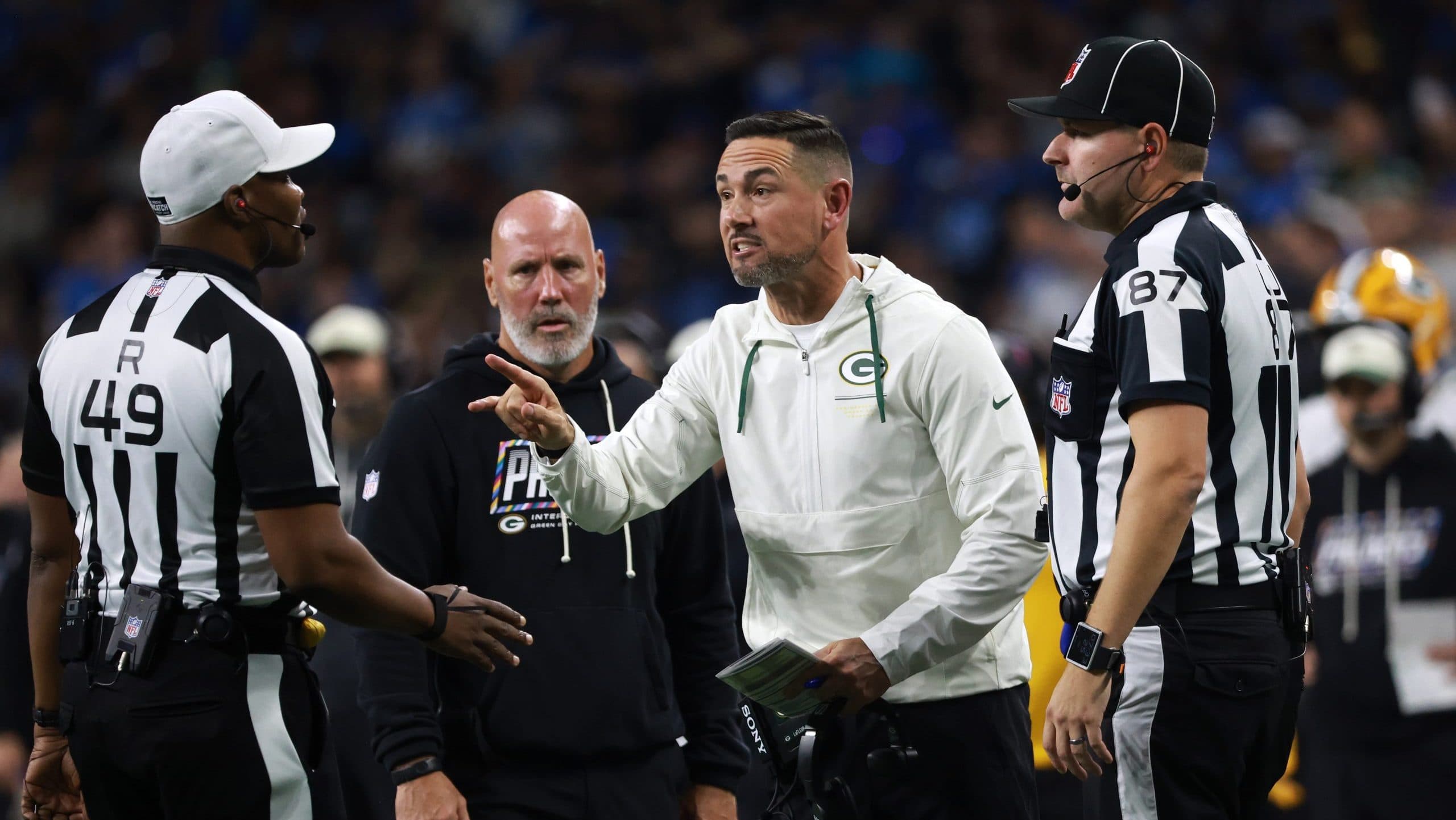
Packers Lions Officiating Dispute Escalates After Disputed Roughing Calls Decide Game
Filter by Topic
Politics
Brazilian Media Projects Lula Victory in 2026 Presidential Runoff Against Flávio Bolsonaro
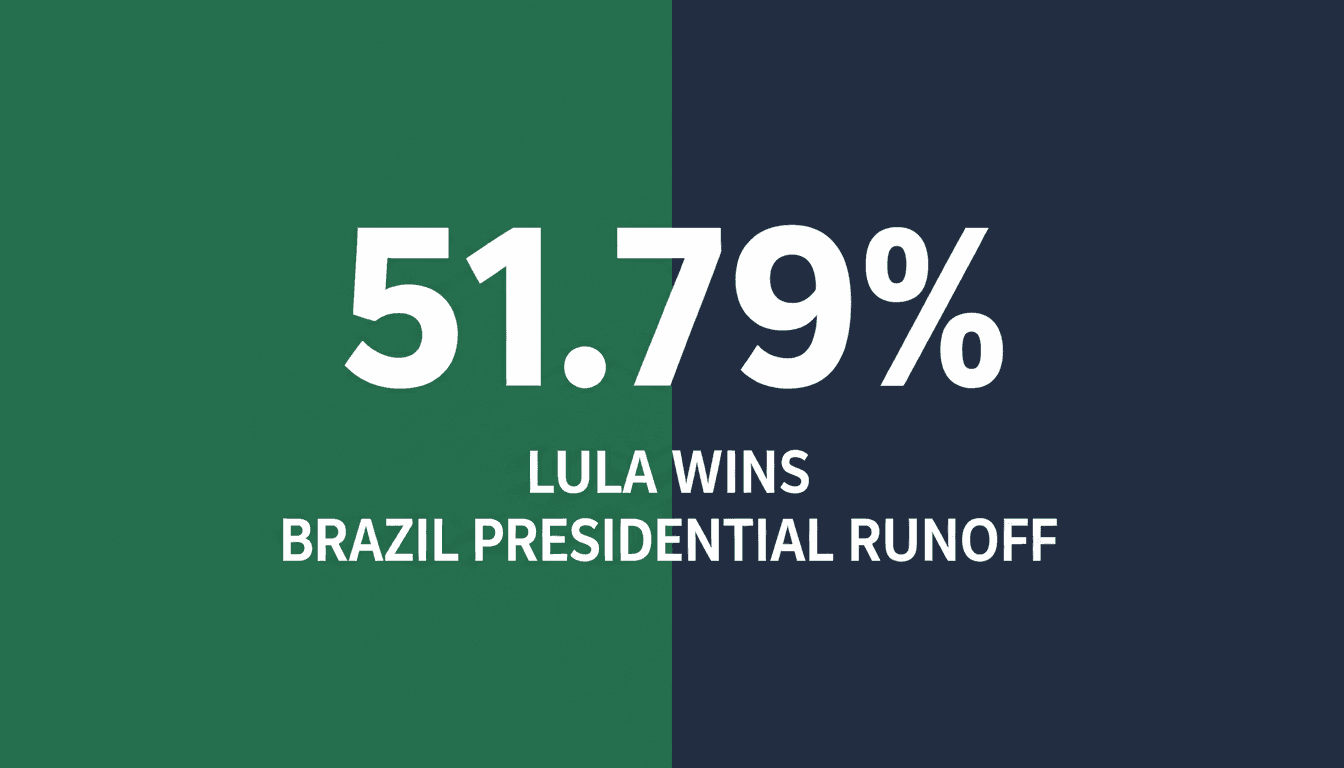
Brazilian media outlets projected incumbent President Luiz Inácio Lula da Silva as the winner of the October 25, 2026 presidential runoff, with partial tallies showing him at approximately 51.67% of valid votes against Flávio Bolsonaro's 48.33% on a turnout of 80.94%. The projection followed a tightly contested race in which earlier polls had shown a statistical tie or slight edge for Flávio, and neither candidate had achieved a majority in the first round on October 4. The result sets Lula up for a further term in office while leaving the Bolsonaro political bloc to recalibrate its opposition strategy and Brazil's policy direction, including its external trade and commodity relationships, to be shaped by the incoming administration.
DOJ Files Third Criminal Information Against Former FBI Director James Comey Over 2016 Defense Information Allegation
On October 5, 2026, the Justice Department filed a sealed criminal information in federal court in Washington alleging former FBI Director James Comey transmitted national defense information to a New York Times reporter, a filing unsealed on October 26, 2026. The filing was made to toll the 10-year statute of limitations, following the administration's prior unsuccessful attempts to prosecute Comey since January 2025. The defense has moved to dismiss the information as invalid for failing to meet grand jury indictment requirements, and the case remains pending judicial resolution with no indictment yet issued.
Israel Heads to October 27 Election as Netanyahu Faces Accountability Demands Amid Multi-Front Conflict
Israel's national election on October 27, 2026 will determine the composition of the Knesset and the next government, with Prime Minister Benjamin Netanyahu's Likud-led bloc competing against challengers including former army chief Gadi Eisenkot. The contest is driven by the aftermath of the October 7, 2023 Hamas attacks, ongoing operations across Gaza, Lebanon, Syria, and Iran, and domestic disputes over accountability, ultra-Orthodox conscription exemptions, and cost of living pressures. Polls indicate neither bloc is likely to secure a clear 61-seat majority, pointing to prolonged coalition negotiations and continued political volatility in the post-election period.
Netanyahu Faces Tight Israeli Election on October 27 as Bloc Majority Remains Uncertain Three Years After October 7
Israel held its first nationwide legislative election since the October 7, 2023 Hamas-led attacks on October 27, 2026, with Prime Minister Benjamin Netanyahu contesting power against former IDF Chief of Staff Gadi Eisenkot's Yashar party. The vote follows three years of war across Gaza, Lebanon, and Iranian proxy fronts, amid criticism over security failures and Netanyahu's ongoing corruption trials and ICC arrest warrant. With neither bloc projected to reach the 61-seat Knesset majority, coalition negotiations are expected to extend for weeks and may produce a caretaker government, with smaller parties including Arab lists holding kingmaker potential.
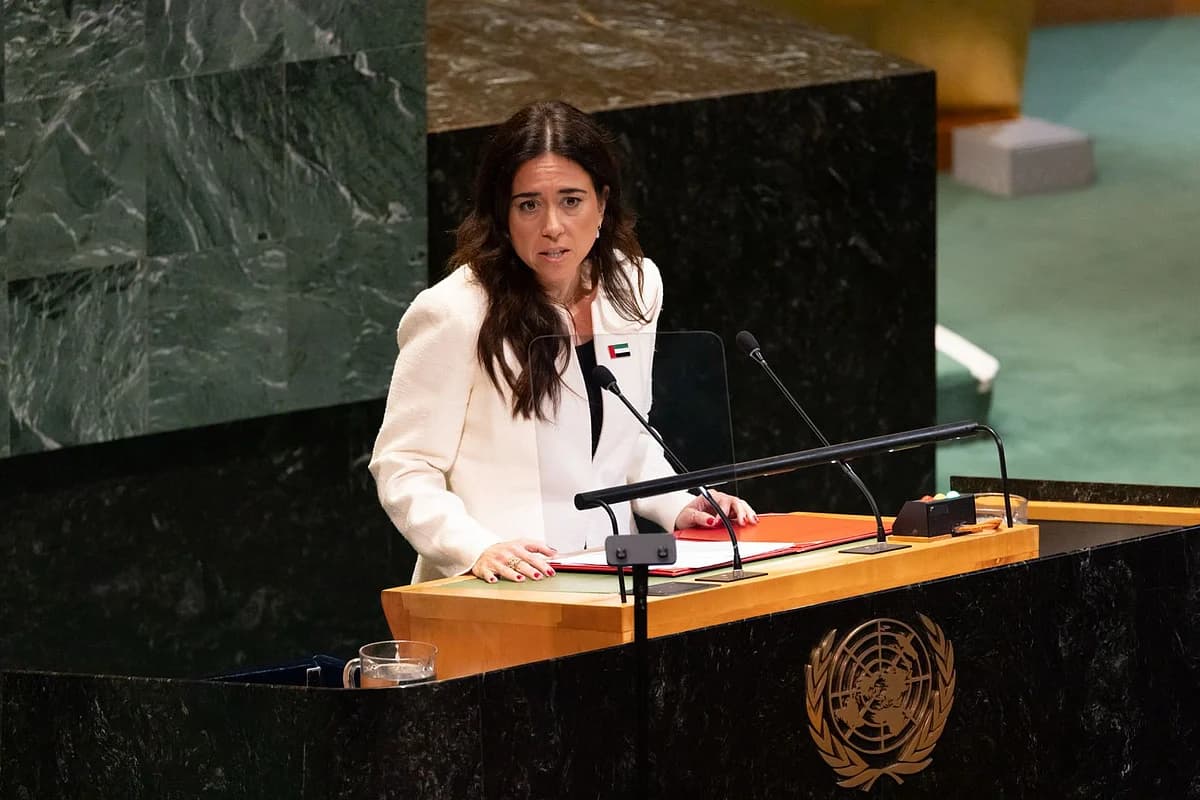
Palestine Endorses UAE Diplomat Lana Nusseibeh for UN Secretary-General Candidacy
On October 26, 2026, the State of Palestine formally endorsed Emirati diplomat Lana Nusseibeh's candidacy for United Nations Secretary-General, following her nomination by the UAE in October. The endorsement comes as the Security Council's selection process to succeed António Guterres, whose term ends December 31, 2026, remains deadlocked after multiple inconclusive straw polls. The backing is likely to accelerate regional support for a potential first female and Arab secretary-general, intensifying diplomatic lobbying ahead of the formal Security Council decision.