
Rosneft CEO claims Strait of Hormuz closure benefits US energy firms
Here's what it means for you.
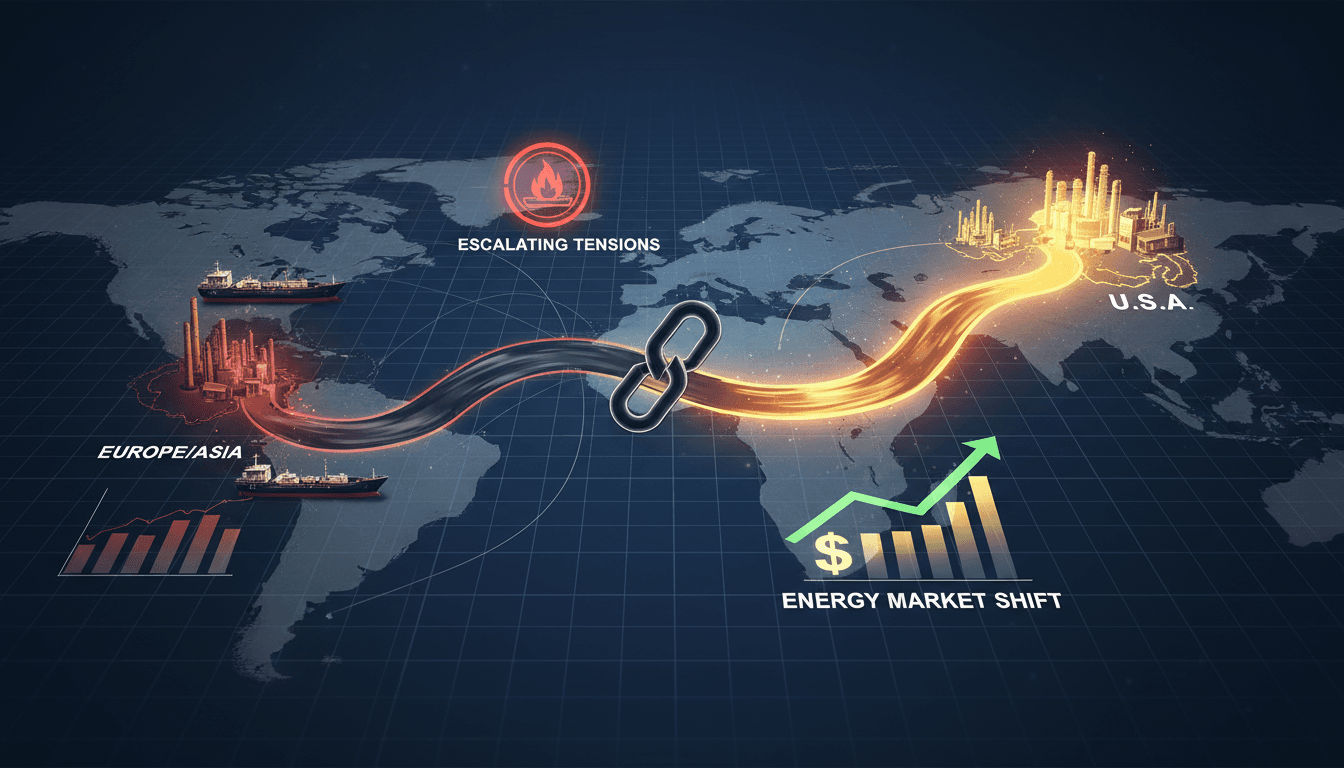
Igor Sechin's assertion that the closure of the Strait of Hormuz favors U.S. energy companies highlights a significant shift in the global energy landscape. As geopolitical tensions in the Middle East escalate, the implications for oil supply and pricing become increasingly critical. This situation may lead to a reconfiguration of energy market dynamics, potentially benefiting U.S. interests at the expense of other global players. The ongoing disruptions in oil supply could prompt policymakers and industry leaders to reassess their strategies in response to these developments. Stakeholders in the energy sector should remain vigilant as the situation evolves.
What happened
Igor Sechin, the CEO of Rosneft, recently claimed that the closure of the Strait of Hormuz is strategically advantageous for U.S. energy firms. His comments were made during a significant economic forum in Russia, where he addressed the geopolitical implications of the ongoing conflicts in the Middle East. Approximately 20% of the world's oil passes through this critical chokepoint, making its closure a pivotal issue for global energy supply.
Sechin's remarks suggest that the current geopolitical climate may lead to a shift in energy market dynamics that favors U.S. interests. This assertion comes at a time when tensions in the region are disrupting oil supplies, prompting discussions about the future of energy trade.
The Context
The Strait of Hormuz is a vital route for oil transportation, impacting global prices and supply chains. As the world's energy landscape becomes increasingly complex, the implications of its closure resonate beyond immediate market reactions. Sechin's comments reflect a broader narrative about the shifting power dynamics in the energy sector, particularly as U.S. companies may stand to gain from the instability.
The timing of these remarks is crucial, as they coincide with heightened tensions in the Middle East that are affecting oil supply. Stakeholders, including global energy producers and policymakers, are closely monitoring the situation to gauge its potential impact on their operations and strategies.
Takeaway
As geopolitical tensions persist, the energy market may experience further volatility, with potential shifts in power dynamics favoring certain nations and companies. Observers should monitor developments in the Middle East that could affect oil supply and pricing. Additionally, responses from other global energy producers regarding market shifts will be critical in understanding the broader implications of this situation.
The ongoing discourse surrounding the Strait of Hormuz will likely shape future energy policies and market strategies. Stakeholders must remain agile as the landscape evolves.
Oil, metals, and agriculture: supply/demand headlines, OPEC chatter, inventories, and price action.
"Solid tape for energy and metals traders tracking macro and micro catalysts."
— A47 Editor
Russia’s Sechin says US companies benefit from Strait of Hormuz closure
Igor Sechin, CEO of Rosneft, has stated that U.S. companies are benefiting from the ongoing closure of the Strait of Hormuz, a critical oil transit route, amid heightened geopolitical tensions in the Middle East. This closure has significant implicat...
Regional and international reporting focused on Middle Eastern politics, diplomacy, and economics.
"Asharq Al-Awsat is a Saudi-owned international newspaper reflecting mainstream Gulf political perspectives."
— A47 Editor
Rosneft: US Companies Benefit from Strait of Hormuz Closure
Rosneft has indicated that US companies are benefiting from the ongoing closure of the Strait of Hormuz, a critical maritime route for global oil transport. This closure has been influenced by heightened geopolitical tensions, particularly between th...
Global business headlines with AI angles.
"General business outlet that frequently covers AI."
— A47 Editor
Rosneft Chief Says US Energy Firms Gain From Strait Of Hormuz Closure Amid Global Oil Disruption
The chief of Rosneft stated that US energy firms are benefiting from the closure of the Strait of Hormuz, which is linked to ongoing global oil supply disruptions caused by conflicts in the Middle East. This statement was made during Russia's promine...
Pan-Arab news coverage spanning politics, business, sports, and regional affairs.
"Asharq Al-Awsat reflects a broad Arab editorial perspective with strong attention to regional geopolitics."
— A47 Editor
«روسنفت»: إغلاق «هرمز» يهدف لتغيير قواعد سوق الطاقة لصالح أميركا
Igor Sechin, the head of Rosneft, Russia's largest oil producer, stated that the closure of the Strait of Hormuz is an attempt to alter the global energy market rules in favor of the United States.