
Region
MENA
Latest MENA news covering Gulf affairs, diplomacy, conflict, oil, real estate, and regional policy.
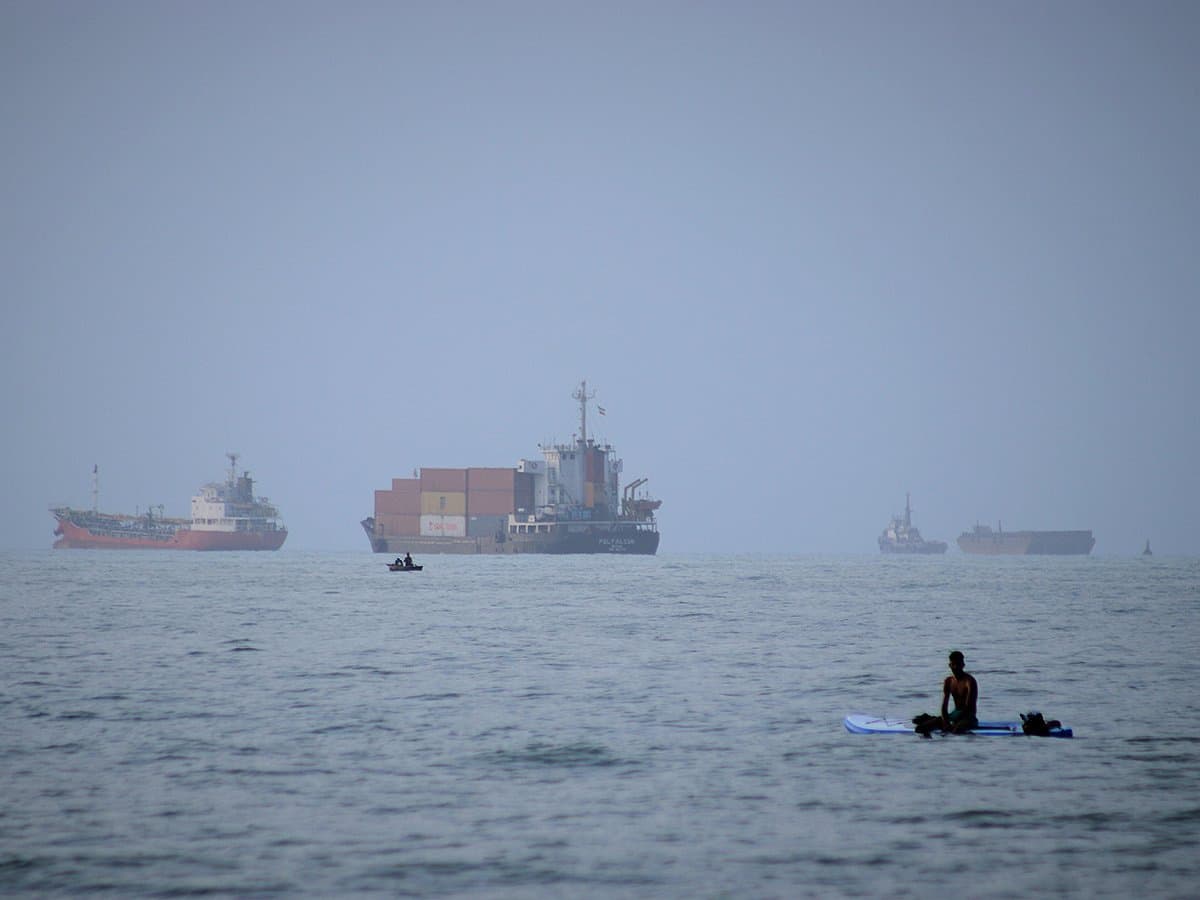
Oman Postpones Iran-Gulf States Meeting on Strait of Hormuz Navigation
Oman has announced the postponement of a scheduled meeting with Iran and Gulf states regarding maritime navigation through the Strait of Hormuz. The delay was prompted by requests from unspecified regional countries seeking broader consensus amid ongoing tensions in the region. This postponement may hinder efforts to stabilize maritime protocols critical for global oil shipments and could lead to further diplomatic negotiations in the future.
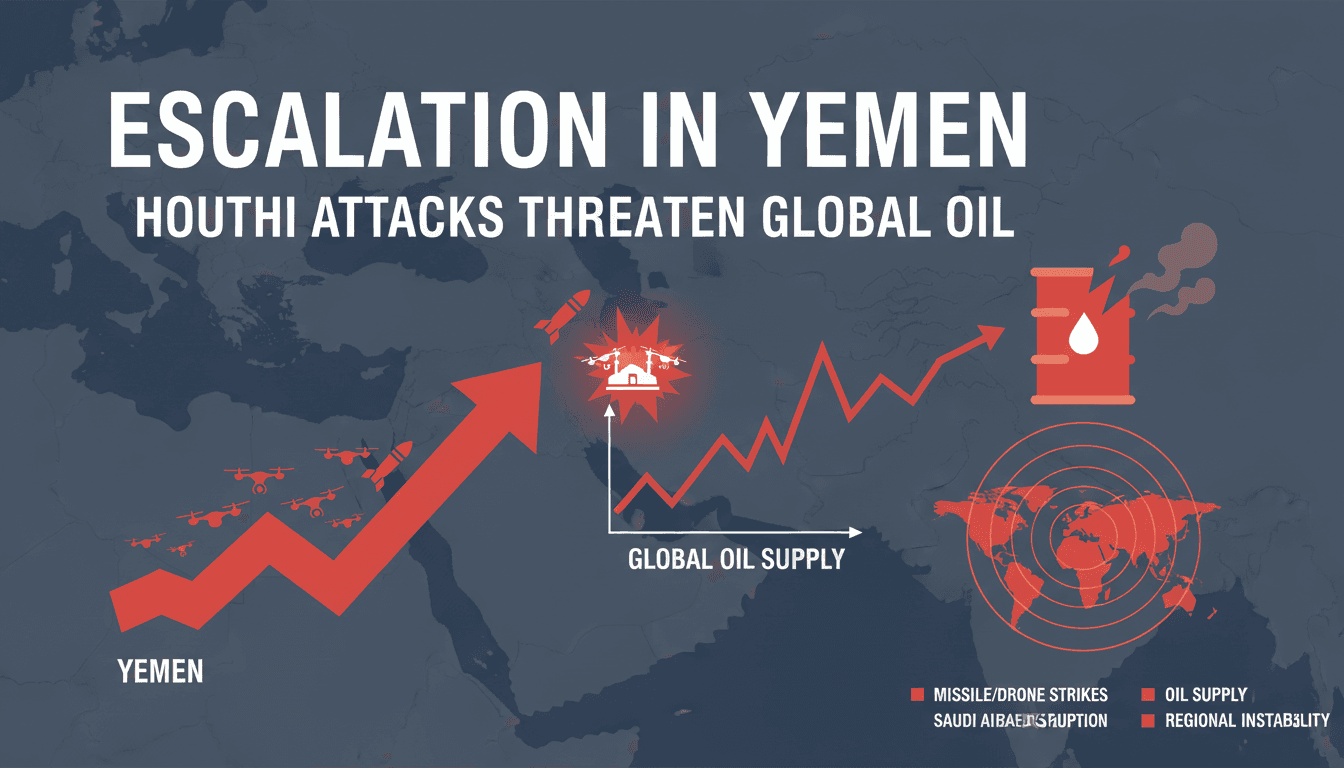
Houthi Forces Launch Missile and Drone Strikes on Saudi Airbase Escalating Yemen Conflict
On September 14, 2026, Yemen's Houthi forces executed a series of missile and drone strikes against a Saudi military airbase in Khamis Mushait, injuring 13 civilians. This escalation is a direct retaliation for recent Saudi-led coalition airstrikes in Yemen, coinciding with stalled diplomatic talks regarding the Strait of Hormuz. The ongoing conflict threatens to disrupt global oil supplies, with potential implications for regional stability and international energy markets.
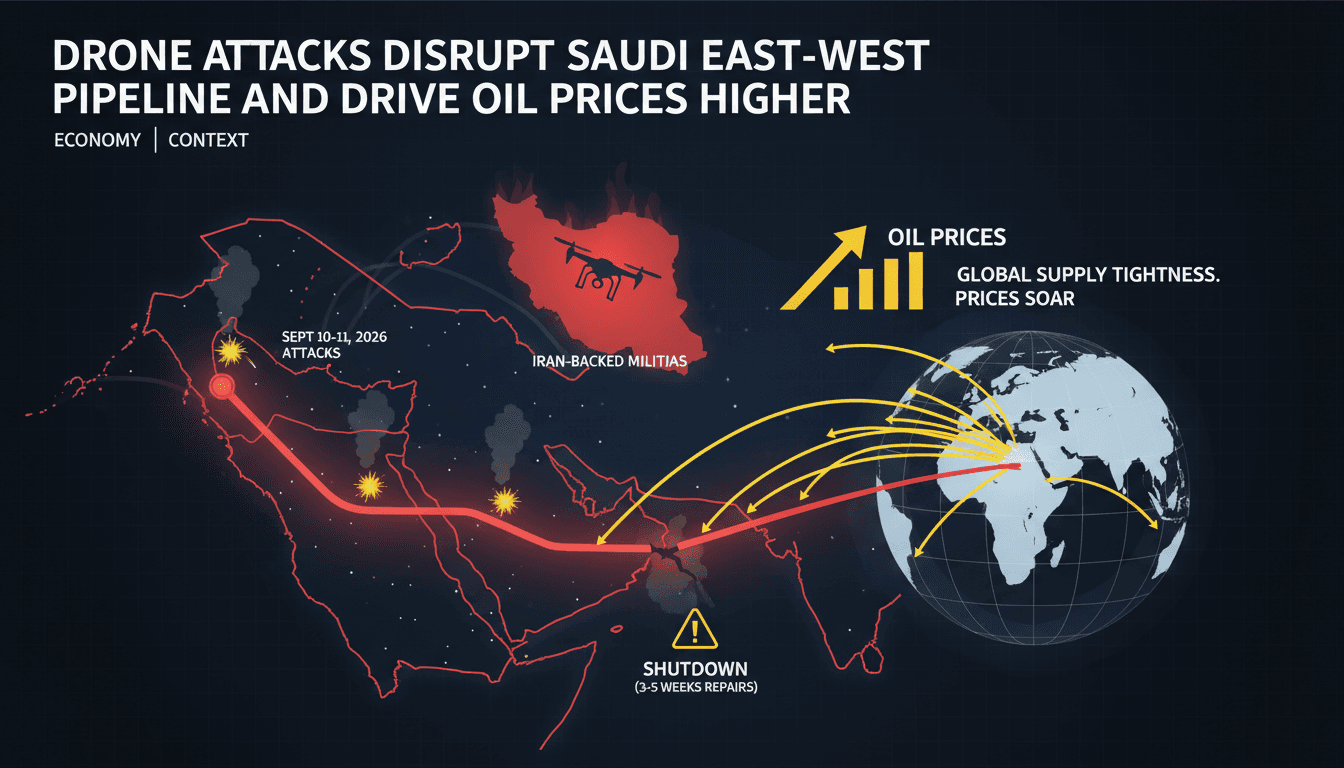
Drone Attacks Disrupt Saudi East-West Pipeline and Drive Oil Prices Higher
On September 10-11, 2026, drone strikes attributed to Iran-backed militias damaged Saudi Arabia's East-West Crude Oil Pipeline, leading to its precautionary shutdown. The immediate trigger for this event is the ongoing Iran war, which has intensified regional tensions and prompted attacks on Saudi energy infrastructure. In the long term, this disruption is likely to exacerbate global oil supply tightness and elevate prices further as repairs are expected to take 3-5 weeks.
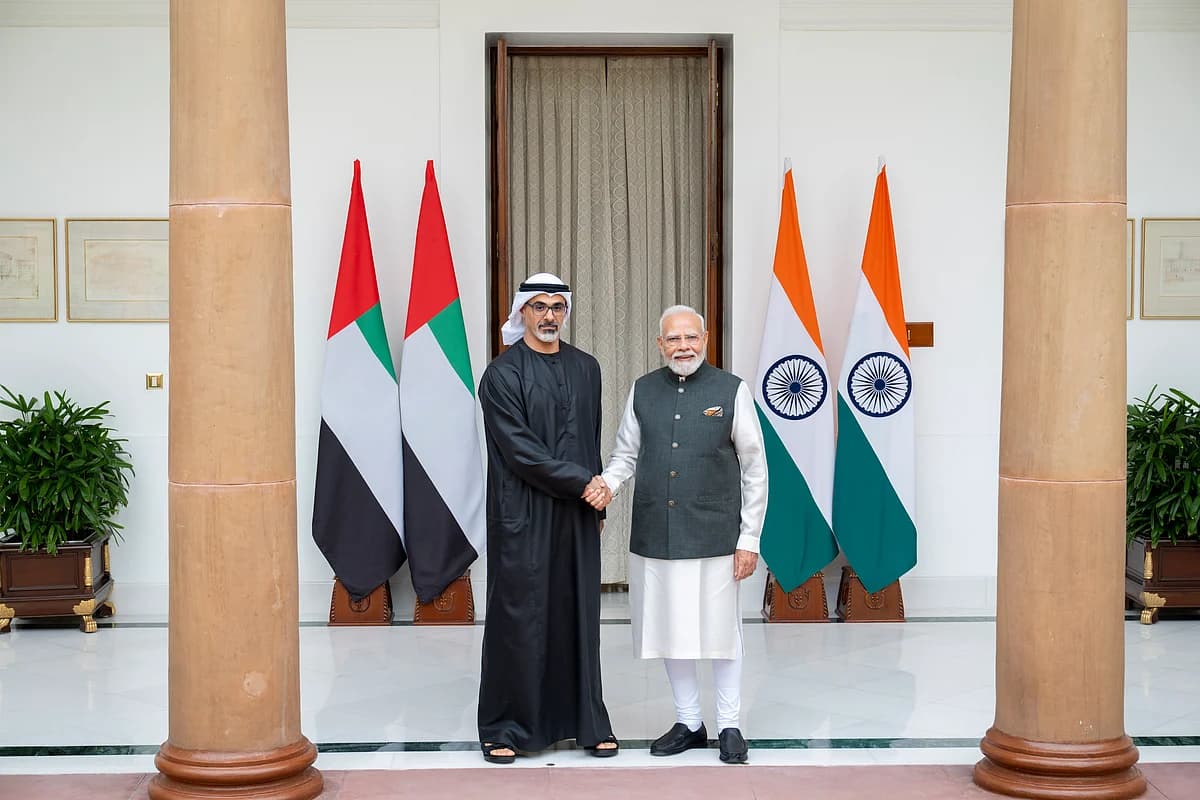
UAE and India Strengthen Strategic Partnership at BRICS Summit
On September 12, 2026, Sheikh Khaled bin Mohamed bin Zayed Al Nahyan, Crown Prince of Abu Dhabi, met Indian Prime Minister Narendra Modi to reaffirm their countries' strategic partnership during the 18th BRICS Summit. This meeting was triggered by ongoing efforts to enhance economic integration and cooperation under the Comprehensive Economic Partnership Agreement (CEPA). The long-term implication is expected to be increased investment flows and collaboration in key sectors, positioning both nations for greater influence in the Global South.
Saudi Arabia Closes East-West Oil Pipeline Following Drone Strikes from Houthi Forces
Saudi Arabia has shut down its East-West oil pipeline due to drone attacks attributed to Iran-backed Houthi rebels, limiting oil flow by 4-5 million barrels per day. This closure is a precautionary measure amid escalating regional tensions and ongoing Houthi territorial advances in Yemen. The long-term implication could lead to increased oil prices and further destabilization of energy markets in the Middle East.
Latest Stories
Saudi Arabia Closes East-West Oil Pipeline Following Drone Strikes from Houthi Forces
Saudi Arabia has shut down its East-West oil pipeline due to drone attacks attributed to Iran-backed Houthi rebels, limiting oil flow by 4-5 million barrels per day. This closure is a precautionary measure amid escalating regional tensions and ongoing Houthi territorial advances in Yemen. The long-term implication could lead to increased oil prices and further destabilization of energy markets in the Middle East.
Houthi Attacks on Saudi Civilian Targets Escalate Conflict in Yemen
On September 14, 2026, the Houthi militia launched ballistic missile and drone attacks targeting civilian objects in the Saudi cities of Khamis Mushait, Abha, and Taif. This escalation is occurring amid ongoing tensions in the Yemen conflict, with the Houthis continuing their cross-border strikes against Saudi Arabia. The long-term implication is likely to be an intensified military response from the Saudi-led coalition, further complicating the humanitarian situation in the region.
Houthi Forces Launch Missile and Drone Strikes on Saudi Airbase Escalating Yemen Conflict
On September 14, 2026, Yemen's Houthi forces executed a series of missile and drone strikes against a Saudi military airbase in Khamis Mushait, injuring 13 civilians. This escalation is a direct retaliation for recent Saudi-led coalition airstrikes in Yemen, coinciding with stalled diplomatic talks regarding the Strait of Hormuz. The ongoing conflict threatens to disrupt global oil supplies, with potential implications for regional stability and international energy markets.
Saudi Arabia Closes East-West Pipeline Amid Escalating Conflict, Oil Prices Surge
Oil prices surged above $109 per barrel following drone attacks on Saudi energy infrastructure and Houthi militia advances threatening critical export routes. The immediate closure of Saudi Arabia's East-West Pipeline was prompted by these attacks, occurring within the context of an ongoing regional war involving Iran, the United States, and Israel. Long-term implications include heightened global supply concerns and potential further price spikes if disruptions persist.