
Global Health
Latest news, analysis, and updates on Global Health from A47 News.
12 stories in World · Updated live
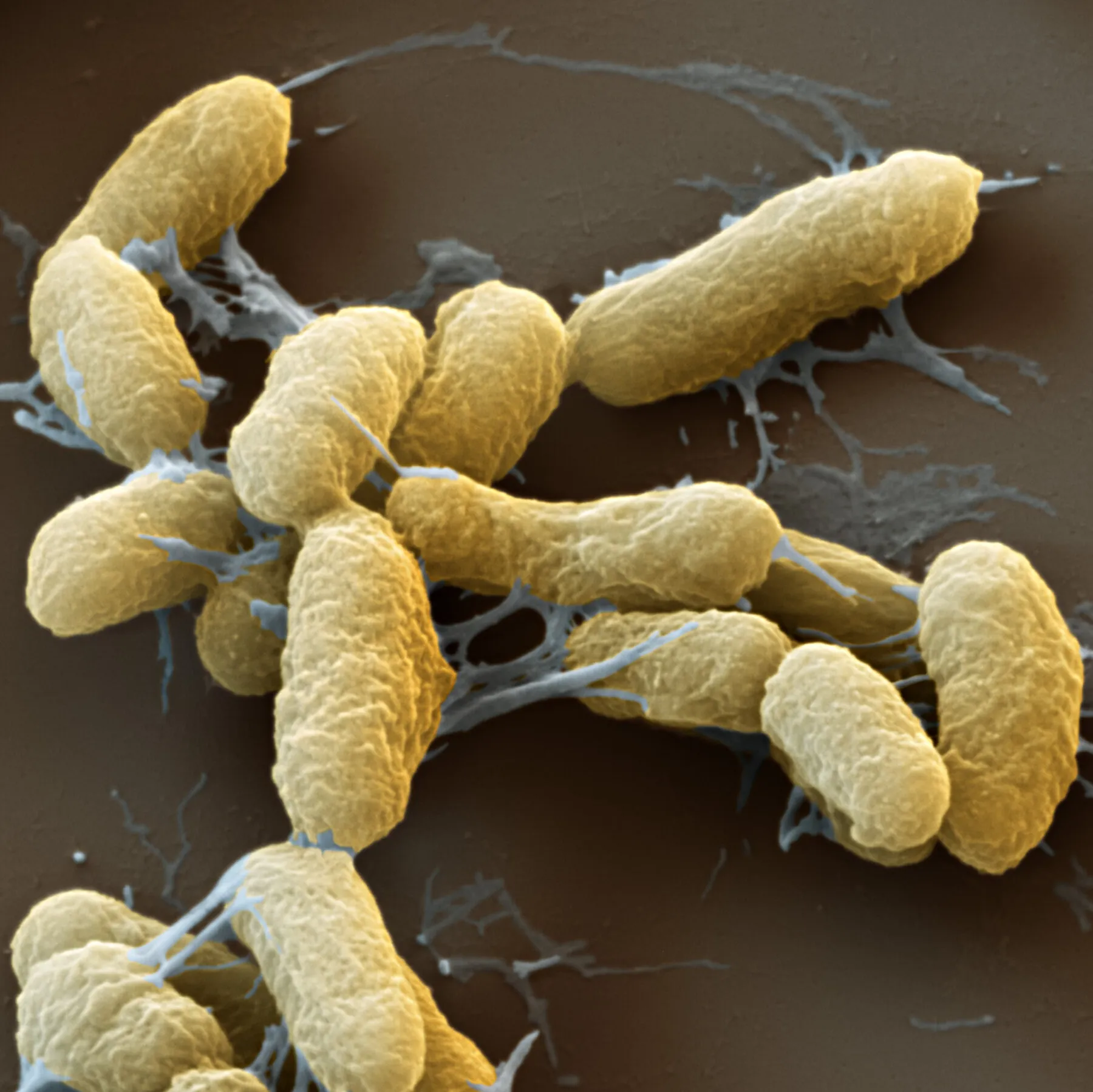
Laboratory Worker Death in Russia Raises Global Health Concerns
The death of laboratory worker Darya Shipilova at the Irkutsk Anti-Plague Research Institute has prompted international inquiries regarding potential biosafety issues. This incident is occurring now due to heightened scrutiny of Russian bioweapons research facilities amid historical concerns and recent geopolitical tensions. Long-term implications may include increased global health monitoring and calls for greater transparency in Russian biosafety practices.
U.S. Monitors Pneumonic Plague Case in Russia Following Lab Worker Death
The U.S. is closely monitoring a suspected pneumonic plague case in Russia after the death of a laboratory worker at the Irkutsk Anti-Plague Institute. This heightened scrutiny follows President Trump's scheduled call with President Putin, aimed at addressing concerns over the incident and ensuring transparency from Russian authorities. The long-term implication may involve increased diplomatic pressure on Russia regarding public health transparency and international cooperation in disease monitoring.

Crown Prince Mohammed bin Salman Launches 2026 National Blood Donation Campaign in Saudi Arabia
On October 7, 2026, Crown Prince Mohammed bin Salman donated blood and officially launched the National Blood Donation Campaign for 2026. This initiative is part of an annual effort to promote voluntary blood donation and aligns with the Kingdom's Vision 2030 health transformation goals. The long-term implication is a strengthened national healthcare system through increased self-sufficiency in blood supplies and enhanced community solidarity.

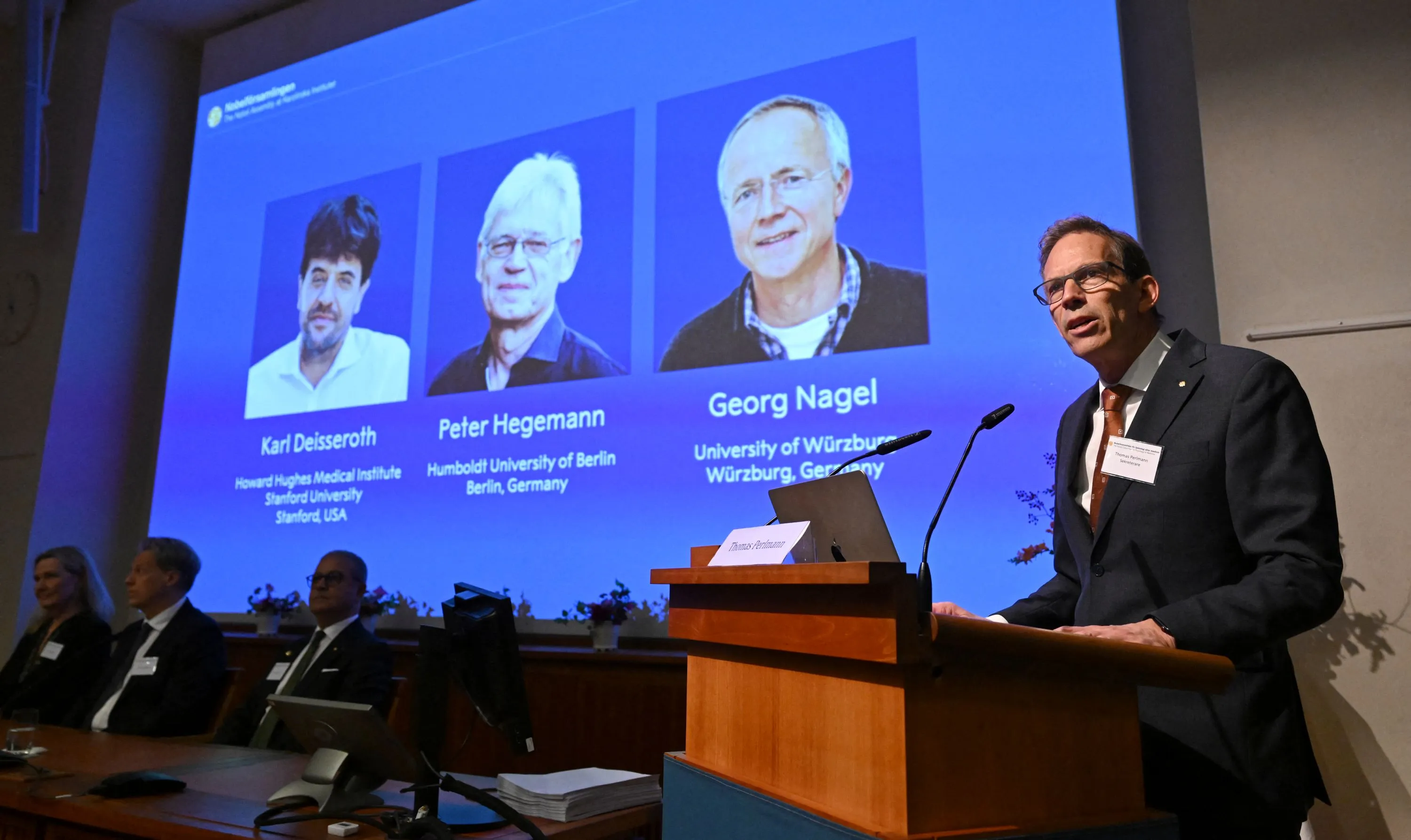
2026 Nobel Prize in Physiology or Medicine Awarded for Optogenetics Innovations
The Karolinska Institute awarded the 2026 Nobel Prize in Physiology or Medicine to Karl Deisseroth, Peter Hegemann, and Georg Nagel for their groundbreaking work in optogenetics. This recognition comes as the technology has rapidly advanced, enabling precise control of neurons using light, which addresses significant challenges in neuroscience. The long-term implication is the potential for transformative therapies in neurological disorders and enhanced understanding of brain functions through causal manipulation of neural activity.
Latest Stories
Laboratory Worker Death in Russia Raises Global Health Concerns
The death of laboratory worker Darya Shipilova at the Irkutsk Anti-Plague Research Institute has prompted international inquiries regarding potential biosafety issues. This incident is occurring now due to heightened scrutiny of Russian bioweapons research facilities amid historical concerns and recent geopolitical tensions. Long-term implications may include increased global health monitoring and calls for greater transparency in Russian biosafety practices.
Crown Prince Mohammed bin Salman Launches 2026 National Blood Donation Campaign in Saudi Arabia
On October 7, 2026, Crown Prince Mohammed bin Salman donated blood and officially launched the National Blood Donation Campaign for 2026. This initiative is part of an annual effort to promote voluntary blood donation and aligns with the Kingdom's Vision 2030 health transformation goals. The long-term implication is a strengthened national healthcare system through increased self-sufficiency in blood supplies and enhanced community solidarity.
2026 Nobel Prize in Physiology or Medicine Awarded for Optogenetics Innovations
The Karolinska Institute awarded the 2026 Nobel Prize in Physiology or Medicine to Karl Deisseroth, Peter Hegemann, and Georg Nagel for their groundbreaking work in optogenetics. This recognition comes as the technology has rapidly advanced, enabling precise control of neurons using light, which addresses significant challenges in neuroscience. The long-term implication is the potential for transformative therapies in neurological disorders and enhanced understanding of brain functions through causal manipulation of neural activity.
Genome Sequencing Reveals Longevity Secrets of 194-Year-Old Tortoise Jonathan
Researchers have completed the genome sequencing of Jonathan, the world's oldest known land animal, revealing 287 unique gene variants associated with longevity. This breakthrough comes as part of a broader interest in understanding aging mechanisms, particularly given Jonathan's historical significance. The findings may pave the way for advancements in longevity research and potential applications in human health and aging.