Trending

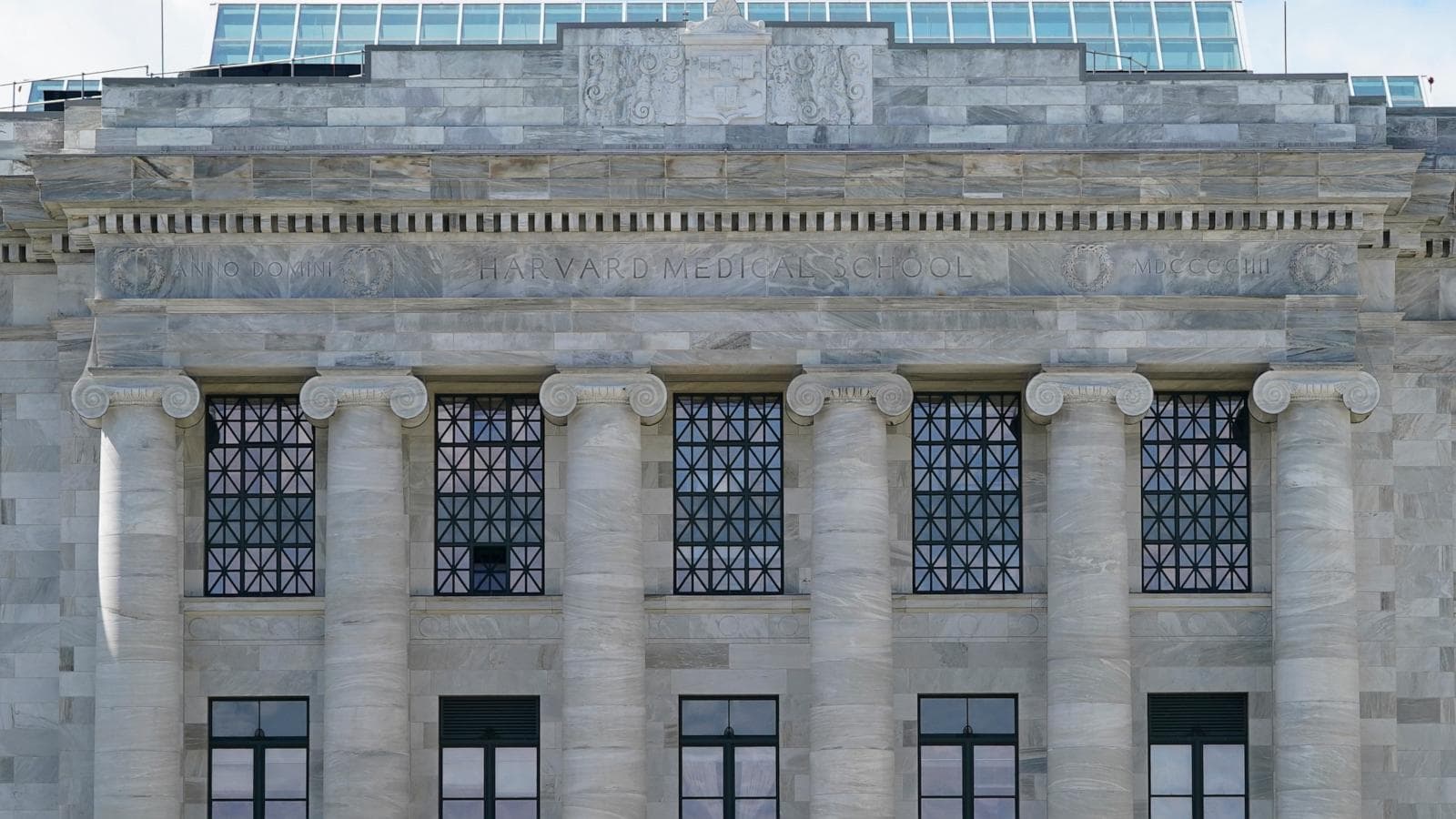
    Harvard Medical School Settles $53 Million Class-Action Lawsuit Over Human Remains Theft

    Section editor: ·Moderate6 articles covering this·5 news sources·Updated an hour ago·World
    Share:
    Infographic showing the timeline of Harvard Medical School's $53 million settlement over stolen human remains.

    Why it matters

    This case underscores systemic failures in safeguarding donated human remains, raising questions about institutional accountability in medical education.

    What happened (in 30 seconds)

    • Harvard Medical School reached a preliminary $53 million settlement on August 18, 2026, over the theft of donated human remains.
    • Cedric Lodge, the former morgue manager, was convicted for stealing and selling body parts on the black market from 2018 to 2022.
    • The settlement includes financial compensation for affected families and new institutional measures, including a scholarship honoring anatomical donors.

    The context you actually need

    • Anatomical Gift Program: Harvard Medical School accepts body donations for teaching and research, typically cremating remains afterward.
    • Criminal Activity: Cedric Lodge exploited his position for personal gain, selling body parts to buyers across multiple states.
    • Legal Proceedings: Initial civil claims against Harvard were dismissed but later reinstated, leading to the current settlement.

    What's really happening

    The Harvard Medical School case reveals significant lapses in ethical oversight within medical institutions, particularly concerning the handling of donated human remains. Cedric Lodge, who managed the morgue for nearly three decades, exploited his access to cadavers, removing body parts post-dissection and selling them on the black market. This criminal activity, which spanned from 2018 to 2022, was not only a betrayal of the trust placed in him by donors and their families but also a stark indication of systemic failures in institutional oversight.

    The fallout from Lodge's actions prompted federal investigations, which uncovered a network of buyers across several states. His arrest in 2023 led to a guilty plea for interstate transport of stolen remains, resulting in an eight-year prison sentence. The case also highlighted the need for stronger regulatory frameworks to protect the integrity of anatomical gift programs, as the initial civil claims against Harvard were dismissed but later reinstated by the Massachusetts Supreme Judicial Court. This reinstatement was based on plausible allegations of bad-faith handling of the remains, emphasizing the legal and ethical responsibilities that institutions have towards donors and their families.

    The $53 million settlement, which has received preliminary court approval, is not just a financial remedy; it also includes institutional reforms aimed at restoring trust. Harvard Medical School has committed to a series of non-monetary measures, including a public apology via a webinar and the establishment of a scholarship honoring anatomical donors. These steps are intended to reaffirm the institution's commitment to ethical practices and to honor the contributions of those who donate their bodies for medical education.

    This case serves as a cautionary tale for other medical institutions, highlighting the critical need for robust oversight mechanisms to prevent similar breaches of trust. As the healthcare landscape continues to evolve, the implications of this settlement may resonate beyond Harvard, prompting other institutions to reevaluate their policies and practices regarding anatomical donations.

    Who feels it first (and how)

    • Families of anatomical donors: Directly impacted by the theft and subsequent settlement, they seek justice and accountability.
    • Medical students: Future practitioners will be affected by the new scholarship and the ethical standards set by this case.
    • Healthcare institutions: Other medical schools may face scrutiny and pressure to enhance their oversight and ethical practices.

    What to watch next

    • Implementation of reforms: Monitor how Harvard Medical School executes the promised institutional changes and their effectiveness in restoring trust.
    • Regulatory responses: Watch for potential new regulations or guidelines from medical boards regarding the handling of anatomical donations.
    • Public perception: Observe shifts in public trust towards medical institutions and how this case influences donor behavior in the future.
    Known:

    Harvard Medical School has reached a preliminary settlement of $53 million.

    Likely:

    Other medical institutions will reassess their policies on anatomical donations in light of this case.

    Unclear:

    The long-term impact on public trust in medical education and donor participation remains to be seen.

    Frequently Asked Questions

    Why it matters?
    This case underscores systemic failures in safeguarding donated human remains, raising questions about institutional accountability in medical education.
    What happened (in 30 seconds)?
    Harvard Medical School reached a preliminary $53 million settlement on August 18, 2026, over the theft of donated human remains. Cedric Lodge, the former morgue manager, was convicted for stealing and selling body parts on the black market from 2018 to 2022. The settlement includes financial compensation for affected families and new institutional measures, including a scholarship honoring anatomical donors.
    What's really happening?
    The Harvard Medical School case reveals significant lapses in ethical oversight within medical institutions, particularly concerning the handling of donated human remains. Cedric Lodge, who managed the morgue for nearly three decades, exploited his access to cadavers, removing body parts post-dissection and selling them on the black market. This criminal activity, which spanned from 2018 to 2022, was not only a betrayal of the trust placed in him by donors and their families but also a stark ind
    Who feels it first (and how)?
    Families of anatomical donors: Directly impacted by the theft and subsequent settlement, they seek justice and accountability. Medical students: Future practitioners will be affected by the new scholarship and the ethical standards set by this case. Healthcare institutions: Other medical schools may face scrutiny and pressure to enhance their oversight and ethical practices.
    What to watch next?
    Implementation of reforms: Monitor how Harvard Medical School executes the promised institutional changes and their effectiveness in restoring trust. Regulatory responses: Watch for potential new regulations or guidelines from medical boards regarding the handling of anatomical donations. Public perception: Observe shifts in public trust towards medical institutions and how this case influences donor behavior in the future.
    6 Articles
    Asharq Al-Awsat

    بيع رؤوس وأدمغة بشرية من مشرحة «هارفارد»... تفاصيل قضية تنتهي بتسوية قيمتها 53 مليون دولار

    Harvard University has tentatively agreed to pay $53 million to settle a class-action lawsuit that shocked many, as families accused the institution of failing to protect the remains of their loved ones. The lawsuit highlighted serious ethical concer...

    10 hours ago
    Read Full Article
    Forbes

    Harvard Will Pay $53 Million To Settle Lawsuits Over Body Parts Stolen From Morgue

    Harvard University has agreed to pay $53 million to settle lawsuits stemming from the illegal sale of body parts by a former morgue manager at its medical school. The body parts were originally donated for scientific research, raising ethical concern...

    14 hours ago
    Read Full Article
    Asharq Al-Awsat

    «هارفارد» تدفع 53 مليون دولار لتسوية قضية سرقة رفات بشرية وبيعها

    Harvard University has agreed to pay $53 million to settle lawsuits related to the theft and sale of human remains that were donated by families to the medical school for research purposes. This settlement comes amid growing scrutiny over ethical pra...

    15 hours ago
    Read Full Article
    Asharq Al-Awsat

    Harvard Agrees to Pay $53 Mn after Morgue Manager Sold Body Parts

    Harvard University has agreed to pay $53 million following a scandal involving a morgue manager who sold body parts without authorization. This incident has raised serious ethical concerns regarding the handling of human remains and the integrity of ...

    18 hours ago
    Read Full Article
    BBC News

    Harvard agrees to pay millions after morgue manager sold body parts

    Harvard Medical School has reached a settlement of $53 million to compensate families who claimed that the institution improperly handled the remains of their deceased relatives, following allegations that a morgue manager sold body parts without con...

    The Guardian – Science

    Harvard to pay $53m over theft and sale of human remains from medical school

    Harvard University has agreed to a $53 million settlement to resolve civil lawsuits related to the illegal theft and sale of human remains from its medical school. This follows the sentencing of Cedric Lodge, a former morgue manager, to eight years i...