
Russian Drone Strikes on Turkish Cargo Ships Heighten Black Sea Tensions
Why it matters
The recent drone strikes in the Black Sea highlight the increasing risks to commercial shipping and the potential for broader geopolitical instability in Europe.
What happened (in 30 seconds)
- Three Turkish-owned cargo ships were struck by suspected Russian drones in Romanian and Bulgarian exclusive economic zones, leading to fatalities and missing crew members.
- Ukraine has conducted counter-strikes on Russian tankers, escalating the maritime conflict amid a lack of a renewed grain export deal.
- European nations are grappling with hybrid maritime threats, as NATO has not invoked collective defense clauses despite the attacks.
The context you actually need
- The Russia-Ukraine war has transformed the Black Sea into a contested maritime area, with both sides expanding military operations.
- The collapse of the Black Sea Grain Initiative has increased risks for commercial shipping, as both Russia and Ukraine target vessels in neutral waters.
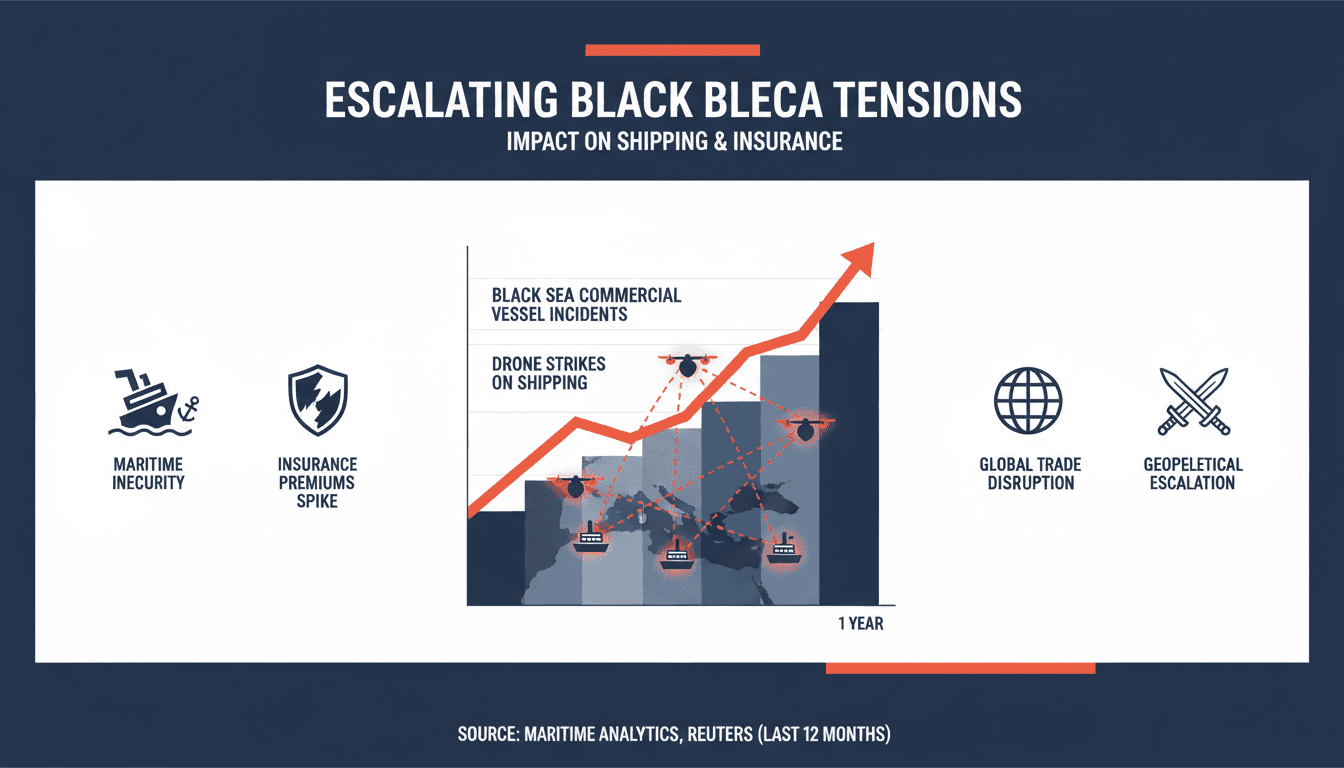
- Insurance premiums for shipping in the region have risen significantly, reflecting the heightened risk of drone attacks and maritime conflict.
What's really happening
The recent drone strikes on Turkish-owned cargo ships in the Black Sea are a stark reminder of the ongoing volatility stemming from the Russia-Ukraine conflict. Since Russia's full-scale invasion of Ukraine in February 2022, the Black Sea has become a battleground for both conventional and hybrid warfare tactics. The attacks on merchant vessels, particularly those departing from Ukrainian ports, signal a dangerous escalation in maritime hostilities.
In early October 2026, two cargo ships sank—one off Romania and another off Bulgaria—resulting in casualties among the crew. These incidents are part of a broader pattern, with a reported 45 commercial vessels hit by unmanned systems in the Black Sea over the past year, a significant increase from zero in the previous period. This surge in drone activity reflects both sides' strategic adaptations to the ongoing conflict, with Ukraine employing naval drones to target Russian assets and Russia retaliating against Ukrainian shipping.
The absence of a renewed grain export deal has exacerbated tensions, as both nations seek to assert control over vital shipping lanes. The European Union's response has been cautious, with Bulgaria and Romania condemning the attacks but refraining from invoking NATO's collective defense mechanisms. This hesitance underscores the complexities of hybrid warfare, where low-cost drone strikes can create significant geopolitical ramifications without triggering direct military responses.
Insurance markets have reacted swiftly, expanding war risk zones and elevating premiums for shipping in the Black Sea. This increase in costs will likely be passed on to consumers, affecting prices and availability of goods. As European nations prepare for upcoming elections, the debate around hybrid warfare preparedness and maritime security is intensifying, with calls for enhanced air and maritime policing.
The situation remains fluid, with the potential for further escalation as both Russia and Ukraine continue to test each other's resolve in this contested maritime theater. The implications for global shipping and regional stability are profound, as the Black Sea becomes increasingly perilous for commercial operations.
Who feels it first (and how)
- Shipping companies: Increased insurance premiums and operational risks.
- Logistics firms: Potential disruptions in supply chains due to heightened maritime threats.
- European governments: Pressure to enhance maritime security and respond to public concerns about safety.
- Local economies: Areas dependent on shipping and trade may face economic repercussions from rising costs and reduced shipping activity.
What to watch next
- Insurance market trends: Monitor changes in shipping insurance premiums, as they will indicate the perceived risk in the Black Sea.
- Geopolitical responses: Watch for any shifts in NATO's posture or European Union policies regarding maritime security in response to these incidents.
- Military developments: Keep an eye on the evolution of drone warfare tactics employed by both Russia and Ukraine, as these will shape future maritime engagements.
The Black Sea is increasingly dangerous for commercial shipping due to drone strikes.
Insurance costs for shipping in the region will continue to rise as risks escalate.
The extent to which NATO will engage or respond to these hybrid threats in the absence of direct attacks on member states.
Frequently Asked Questions
- Why it matters?
- The recent drone strikes in the Black Sea highlight the increasing risks to commercial shipping and the potential for broader geopolitical instability in Europe.
- What happened (in 30 seconds)?
- Three Turkish-owned cargo ships were struck by suspected Russian drones in Romanian and Bulgarian exclusive economic zones, leading to fatalities and missing crew members. Ukraine has conducted counter-strikes on Russian tankers, escalating the maritime conflict amid a lack of a renewed grain export deal. European nations are grappling with hybrid maritime threats, as NATO has not invoked collective defense clauses despite the attacks.
- What's really happening?
- The recent drone strikes on Turkish-owned cargo ships in the Black Sea are a stark reminder of the ongoing volatility stemming from the Russia-Ukraine conflict. Since Russia's full-scale invasion of Ukraine in February 2022, the Black Sea has become a battleground for both conventional and hybrid warfare tactics. The attacks on merchant vessels, particularly those departing from Ukrainian ports, signal a dangerous escalation in maritime hostilities. In early October 2026, two cargo ships sank—o
- Who feels it first (and how)?
- Shipping companies: Increased insurance premiums and operational risks. Logistics firms: Potential disruptions in supply chains due to heightened maritime threats. European governments: Pressure to enhance maritime security and respond to public concerns about safety. Local economies: Areas dependent on shipping and trade may face economic repercussions from rising costs and reduced shipping activity.
- What to watch next?
- Insurance market trends: Monitor changes in shipping insurance premiums, as they will indicate the perceived risk in the Black Sea. Geopolitical responses: Watch for any shifts in NATO's posture or European Union policies regarding maritime security in response to these incidents. Military developments: Keep an eye on the evolution of drone warfare tactics employed by both Russia and Ukraine, as these will shape future maritime engagements.
24/7 international news from a French perspective in multiple languages.
"France 24 is viewed as a globally focused outlet with balanced coverage and a European perspective."
— A47 Editor
Black sea and black ops: How exposed is Europe to Ukraine war spillover?
Three Turkish-owned cargo ships were reportedly struck by suspected Russian drones in EU waters, leading to the sinking of the Togo-flagged Alfa Watan off Bulgaria, with ten crew members missing. This incident highlights the escalating military tensi...
Conservative-leaning coverage of current events.
"Fox News is a highly influential conservative news outlet known for right-leaning political commentary and coverage."
— A47 Editor
Drone strike sinks ship in NATO waters as Zelenskyy warns of looming ‘massive strike’
A cargo ship sank and a second vessel caught fire following a drone strike in Bulgaria's exclusive economic zone in the Black Sea, amid escalating tensions in the region. Ukrainian President Volodymyr Zelenskyy has warned of a looming 'massive strike...
International coverage of politics, culture, and current affairs.
"BBC News is widely regarded as a reputable international news organization, known for its impartial tone and public service mandate."
— A47 Editor
Ship sinks and crew missing after Black Sea drone attack
A ship has reportedly sunk in the Black Sea following a drone attack, with the crew members currently missing. This incident is part of a broader escalation in hostilities as Russia intensifies its military operations against Ukraine, raising concern...