
Sanctions
Latest news, analysis, and updates on Sanctions from A47 News.
21 stories in World · Updated live
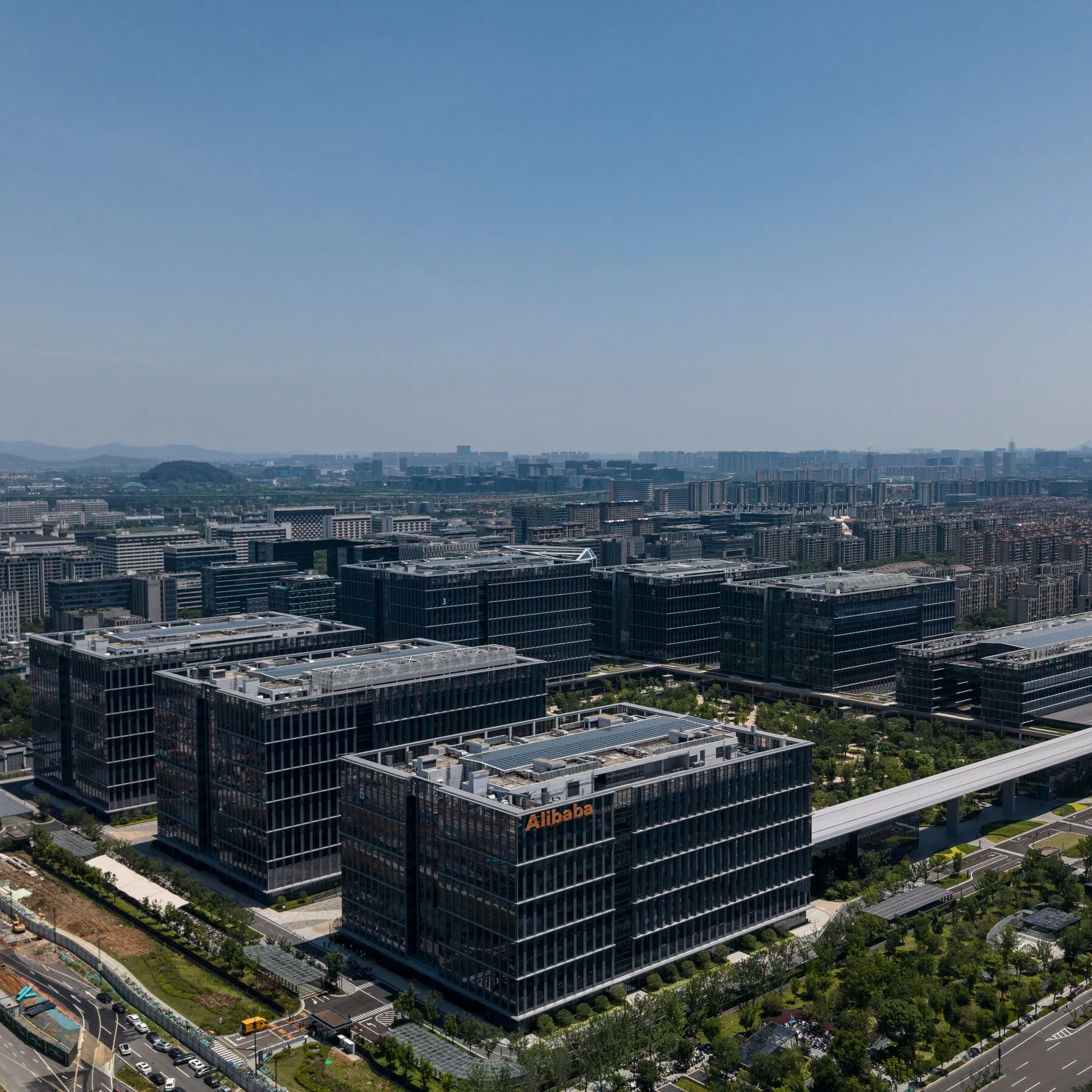
Nvidia AI Chips Reached PLA-Linked Chinese Lab via Alibaba-Backed Supply Chain Despite U.S. Export Controls
The New York Times reported that Nvidia chips procured through Singapore-based Megaspeed, which bought over $4 billion in Nvidia hardware, reached Zhejiang Lab, a research institution with direct People's Liberation Army ties focused on cyberattacks and military simulations. The arrangement was financed and utilized by Alibaba amid intensified U.S. efforts to restrict advanced semiconductor exports to China, and surfaced alongside alleged personal links between Jensen Huang and a suspected Chinese intelligence asset. The episode is likely to drive congressional investigation, tighter enforcement against third-country intermediaries, and renewed scrutiny of Nvidia's compliance and China-facing sales strategy.
Treasury Secretary Bessent Relocates to Military Base After Iranian Threats Tied to Sanctions Campaign
U.S. Treasury Secretary Scott Bessent moved from his Washington residence to an unspecified U.S. military base in November 2026 following credible Iranian threats against him. The relocation was triggered by a Wall Street Journal photo that enabled geolocation of his Georgetown home, amplifying risks tied to his leadership of the Operation Economic Outcast sanctions campaign against Iran amid the ongoing U.S.-Iran conflict. The Treasury Department states Bessent will not be deterred and will continue economic pressure aimed at collapsing Iran's economy, signaling sustained sanctions escalation alongside heightened protective measures for senior officials.
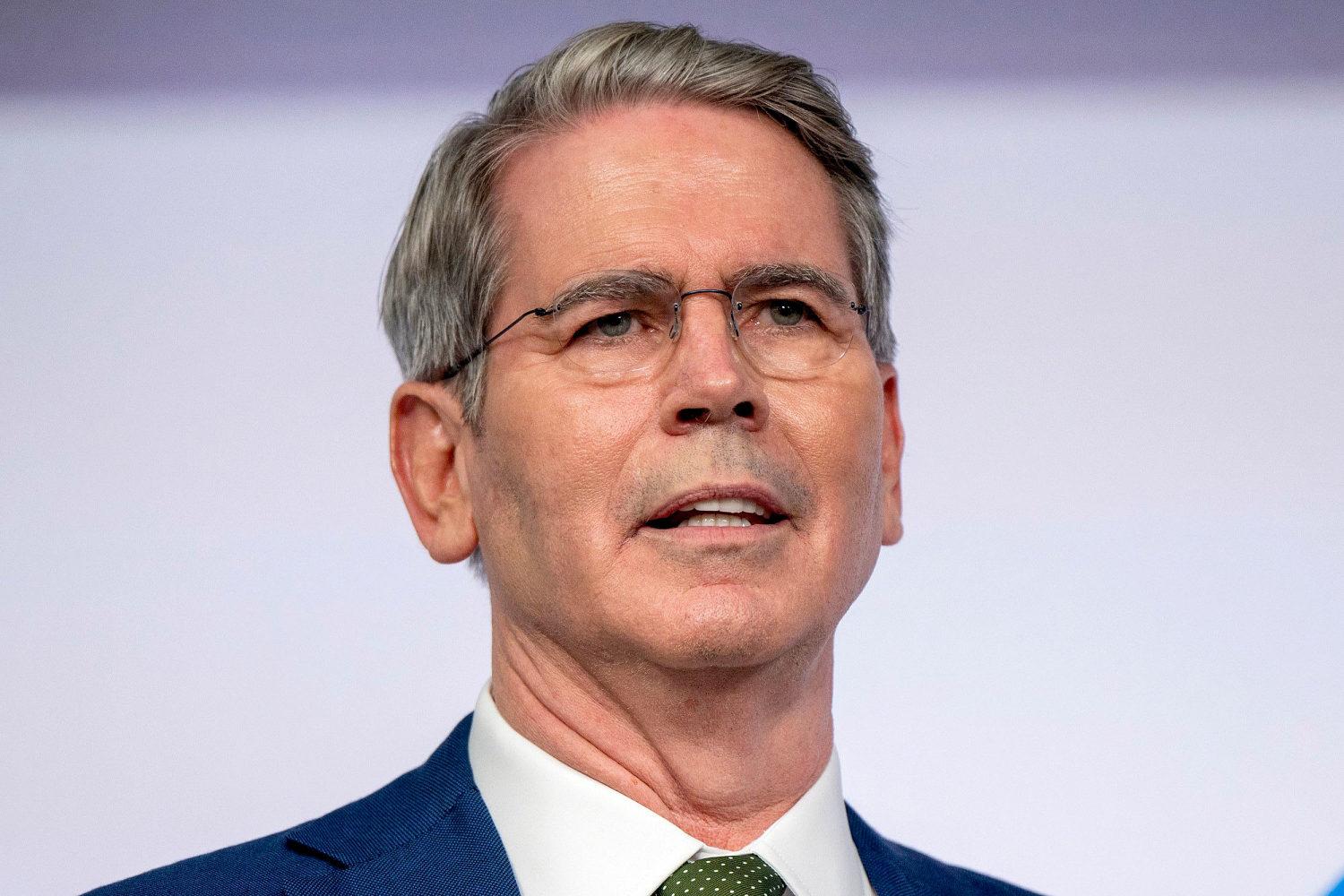
Nvidia Halts H200 Chip Sales to China After Jensen Huang Exit and Tightened US Export Rules
On November 17, 2026, Nvidia announced it would cease H200 AI chip sales to China, ending its participation in a US export control loophole. The decision followed the resignation of founder Jensen Huang on November 12 amid misconduct and espionage allegations, and new US rules issued November 16 barring advanced chips from foreign facilities serving Chinese customers. Going forward, Nvidia is forming a board national security committee and continuing its CEO search, while Chinese buyers are likely to accelerate reliance on domestic chipmakers such as Huawei.
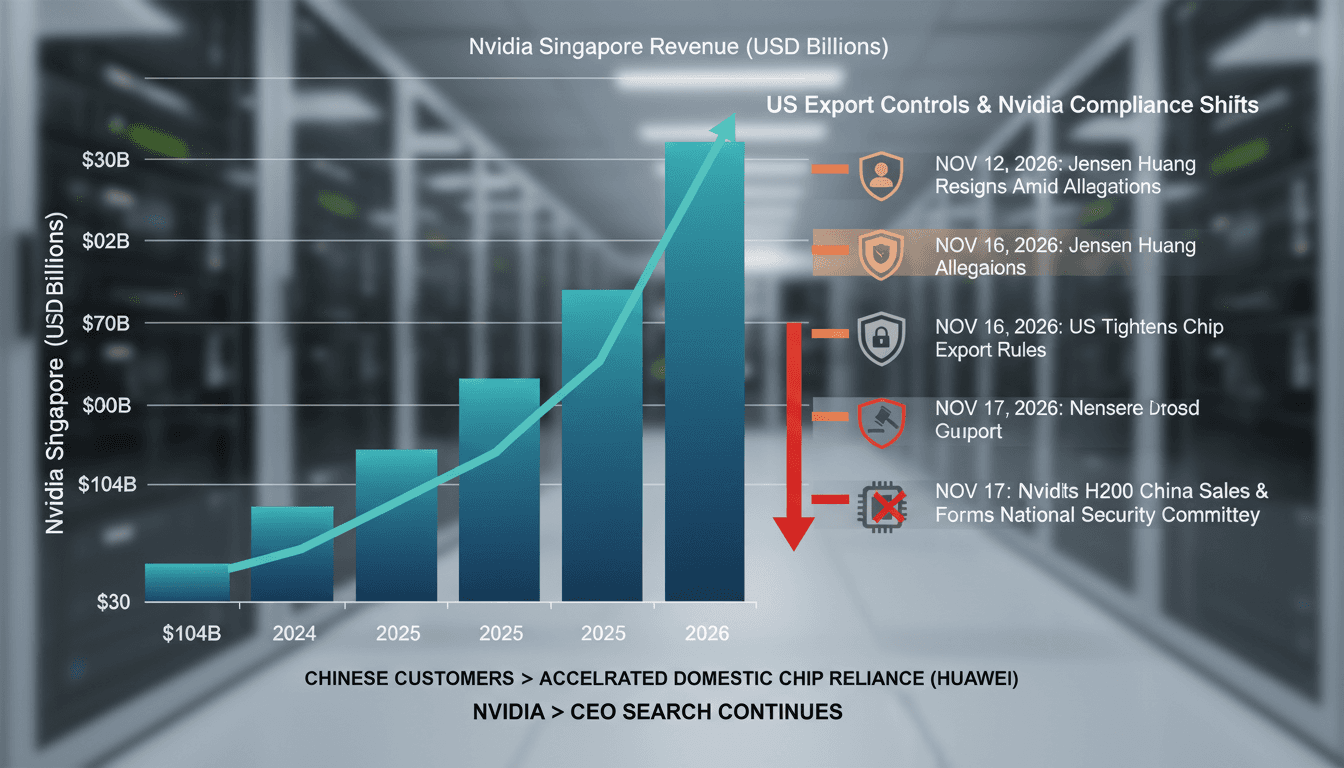
Lutnick Stalled Nvidia China Chip Controls Despite Trump Backing, Triggering Congressional Scrutiny
Commerce Secretary Howard Lutnick adopted a softer stance on restricting Nvidia AI chip flows to China via entities such as Megaspeed, drawing internal clashes with Treasury, State, and USTR officials. The dispute intensified after Jensen Huang's resignation linked to a smuggling scandal, prompting public criticism from Treasury Secretary Scott Bessent over Commerce's inaction. Lutnick is set to testify before the Senate Banking Committee on December 3, 2026, and the outcome will likely shape how tightly Washington enforces AI chip export controls against China.
Latest Stories
ICJ Rules Myanmar Committed Genocide Against Rohingya in First State Genocide Finding
On November 19, 2026, the International Court of Justice ruled 9-6 that Myanmar committed genocide against the Rohingya during its 2017 military operations in northern Rakhine State, ordering safe returns, reparations, and prosecutions. The ruling follows seven years of proceedings initiated by The Gambia in 2019 under the Genocide Convention, with the court citing approximately 10,000 killings, widespread sexual violence, and village destruction as evidence of genocidal intent. Enforcement is expected to stall as Myanmar's government rejects the findings and China and Russia are likely to block Security Council action, though rights groups and the United Kingdom are pressing for arms embargoes, sanctions, and ICC referral.
16 Arab and Muslim States Endorse UK and Australian Sanctions on Israeli West Bank Settlement Entities
On November 19, 2026, foreign ministers from 16 Arab and Muslim countries issued a joint statement welcoming UK and Australian sanctions targeting Israeli settlement construction firms and entities obstructing Gaza aid. The measures followed UK sanctions on eight Israeli construction and property companies and Tzav 9 on November 17, and Australian sanctions on three individuals and four organizations on November 18, reinforcing a coordinated accountability push over West Bank settlement expansion. The bloc is expected to press for broader international adoption of similar measures and full implementation of the Gaza peace plan, while reaffirming a two-state solution as the long-term political framework.
Nvidia AI Chips Reached PLA-Linked Chinese Lab via Alibaba-Backed Supply Chain Despite U.S. Export Controls
The New York Times reported that Nvidia chips procured through Singapore-based Megaspeed, which bought over $4 billion in Nvidia hardware, reached Zhejiang Lab, a research institution with direct People's Liberation Army ties focused on cyberattacks and military simulations. The arrangement was financed and utilized by Alibaba amid intensified U.S. efforts to restrict advanced semiconductor exports to China, and surfaced alongside alleged personal links between Jensen Huang and a suspected Chinese intelligence asset. The episode is likely to drive congressional investigation, tighter enforcement against third-country intermediaries, and renewed scrutiny of Nvidia's compliance and China-facing sales strategy.
Xi Jinping and Vladimir Putin Condemn Western Sanctions and Protectionism at APEC Summit Ahead of Trump Meeting in Shenzhen
On November 18, 2026, Xi Jinping and Vladimir Putin used their APEC summit addresses in Shenzhen to denounce protectionism and Western sanctions, with Xi defending free trade under the WTO framework and Putin calling sanctions ineffective. The remarks came hours before Donald Trump's arrival and a scheduled trilateral meeting, amid U.S. sanctions on Russia and recent U.S. curbs on Chinese access to advanced AI chips. The exchange signals an emerging alignment between Beijing and Moscow in opposing Western economic coercion, with the trilateral talks on Ukraine, Iran, trade, AI and nuclear arms likely to determine whether this produces concrete bargaining or entrenches further bloc-based decoupling.