
Multilateral Institutions
Latest news, analysis, and updates on Multilateral Institutions from A47 News.
29 stories in World · Updated live
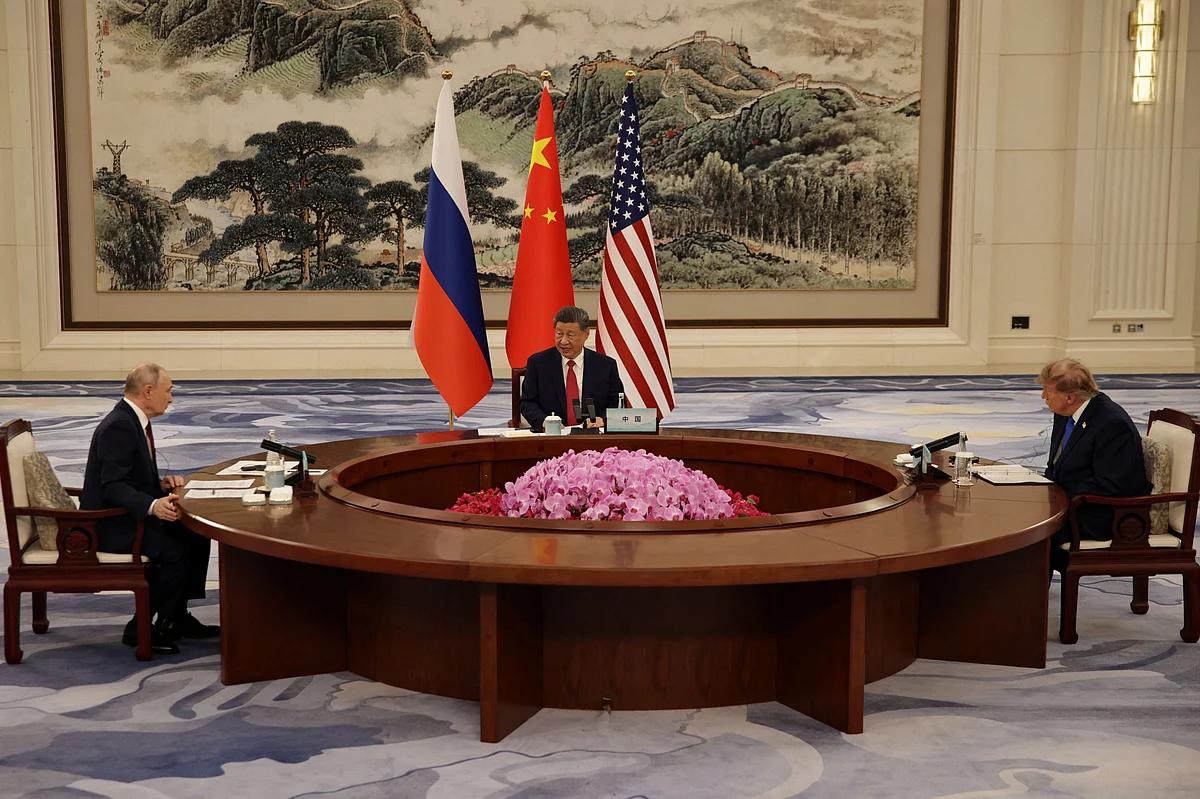
First Trilateral Summit of Trump Xi and Putin Yields Symbolic Joint Declaration on Nuclear Dialogue and Energy Supply
On November 19, 2026, U.S. President Donald Trump, Chinese President Xi Jinping, and Russian President Vladimir Putin held their first-ever trilateral meeting at Kylin Villa in Shenzhen, lasting roughly 80 to 90 minutes and concluding with a four-point joint declaration on UN reform, oil supply, ICC jurisdiction, and nuclear dialogue. The session was convened on the sidelines of the APEC summit amid the approaching five-year Ukraine conflict and Iran-related tensions affecting energy routes, with the White House prioritizing nuclear reduction and China emphasizing stability. The outcome remains largely symbolic, as the declaration omitted direct references to Ukraine or Iran and analysts expect limited substantive follow-through, though it may foreshadow more structured great-power nuclear and energy coordination.
ICJ Finds Myanmar Responsible for Genocide Against Rohingya in Landmark 9-6 Ruling
On November 19, 2026, the International Court of Justice ruled 9-6 that Myanmar committed genocide against the Rohingya minority during the 2017 Rakhine State clearance operations, marking the first state responsibility finding under the 1948 Genocide Convention. The ruling followed seven years of proceedings initiated by The Gambia, which alleged state-sponsored killings, sexual violence, and measures to prevent births, with the court ordering reparations, refugee return, prosecutions, and compliance reporting within two years. Enforcement through the UN Security Council is expected to be blocked by China and Russia, leaving sanctions and accountability efforts reliant on pressure from rights groups and individual states.

US Russia and China Leaders Hold First Trilateral Summit in Shenzhen and Issue Joint Peace Declaration
On November 19, 2026, US President Donald Trump, Russian President Vladimir Putin, and Chinese President Xi Jinping held the first direct trilateral leaders' meeting on the sidelines of APEC in Shenzhen, concluding with a four-point Declaration toward Peace. The gathering followed heightened tensions after the expiration of the New START treaty in February 2026, ongoing conflicts in Ukraine and Iran, and prior bilateral contacts between the three leaders. The declaration commits the parties to UN reform, increased refined petroleum supply, respect for state immunities regarding the ICC, and continued nuclear risk dialogue, with no formal follow-up mechanisms yet established.
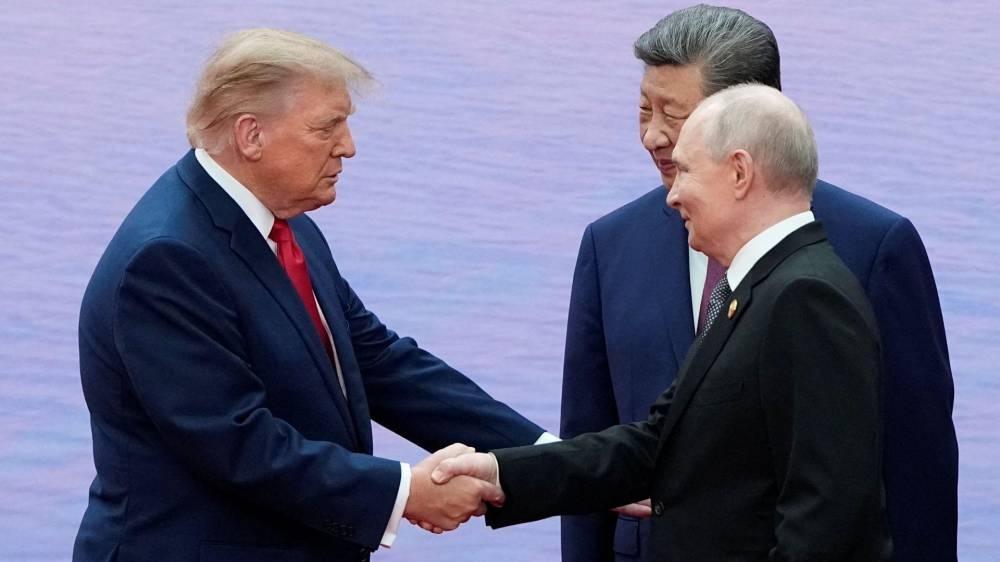
Trump Xi and Putin Set for First Trilateral Summit in Shenzhen on November 19 2026
The White House, Kremlin and Chinese Foreign Ministry have confirmed the first-ever face-to-face trilateral meeting of the leaders of the United States, China and Russia, scheduled for November 19, 2026, on the sidelines of the APEC summit in Shenzhen. The meeting follows the expiration of prior U.S.-Russia arms control treaties, stalled Ukraine negotiations and ongoing U.S. involvement in the Iran conflict, which have made nuclear non-proliferation and great-power strategic stability urgent agenda items. The summit signals a potential shift toward direct leader-level management of great-power relations, though officials have signalled low expectations for concrete nuclear agreements, with longer-term implications for global energy markets and Middle East stability hinging on whether symbolic engagement translates into binding frameworks.
Latest Stories
First Trilateral Summit of Trump Xi and Putin Yields Symbolic Joint Declaration on Nuclear Dialogue and Energy Supply
On November 19, 2026, U.S. President Donald Trump, Chinese President Xi Jinping, and Russian President Vladimir Putin held their first-ever trilateral meeting at Kylin Villa in Shenzhen, lasting roughly 80 to 90 minutes and concluding with a four-point joint declaration on UN reform, oil supply, ICC jurisdiction, and nuclear dialogue. The session was convened on the sidelines of the APEC summit amid the approaching five-year Ukraine conflict and Iran-related tensions affecting energy routes, with the White House prioritizing nuclear reduction and China emphasizing stability. The outcome remains largely symbolic, as the declaration omitted direct references to Ukraine or Iran and analysts expect limited substantive follow-through, though it may foreshadow more structured great-power nuclear and energy coordination.
Algeria and Denmark Advance Bilateral Cooperation Talks in Oslo on African-Nordic Forum Sidelines
On November 20, 2026, Algerian Minister of State for Foreign Affairs Ahmed Attaf met Danish Foreign Minister Lars Løkke Rasmussen in Oslo to review accelerating Algeria-Denmark relations and explore elevating economic cooperation. The meeting was held on the sidelines of the 23rd African-Nordic Foreign Ministers Meeting, during Attaf's official visit to Norway undertaken at the direction of President Abdelmadjid Tebboune. The talks signal a continued Algerian strategy of diversifying partnerships with Nordic states, with follow-up mechanisms on economic and regional cooperation still pending.
ICJ Rules Myanmar Responsible for Genocide Against Rohingya in First State Genocide Finding
On November 19, 2026, the International Court of Justice ruled 9-6 that Myanmar's security forces committed genocide against the Rohingya during the 2017 clearance operations in northern Rakhine State. The judgment was triggered by the Gambia's 2019 Genocide Convention application and an extended merits review of evidence on killings, sexual violence, and displacement of over 700,000 people, with the court rejecting Myanmar's counter-insurgency defense as lacking any reasonable inference other than intent to destroy. The ruling mandates restitution including safe returns, investigations, and compensation to be determined, setting a precedent for state accountability under the Genocide Convention and increasing pressure on Myanmar's military leadership and UN enforcement mechanisms.
United States Loses Measles Elimination Status After 26 Years as Endemic Transmission Is Confirmed
On November 17, 2026, the Pan American Health Organization declared that the United States had lost its measles elimination status after more than 12 months of continuous person-to-person transmission, with 5,412 confirmed cases recorded in 2026 alone. The reversal was triggered by declining MMR vaccination rates, rising exemptions, and federal policy shifts that allowed imported cases to escalate into outbreaks concentrated in unvaccinated communities in Pennsylvania, Wisconsin, and New York. The declaration is likely to drive intensified vaccination campaigns, expanded CDC and state funding for surveillance, and heightened scrutiny of vaccine policy as a warning for other vaccine-preventable diseases.