
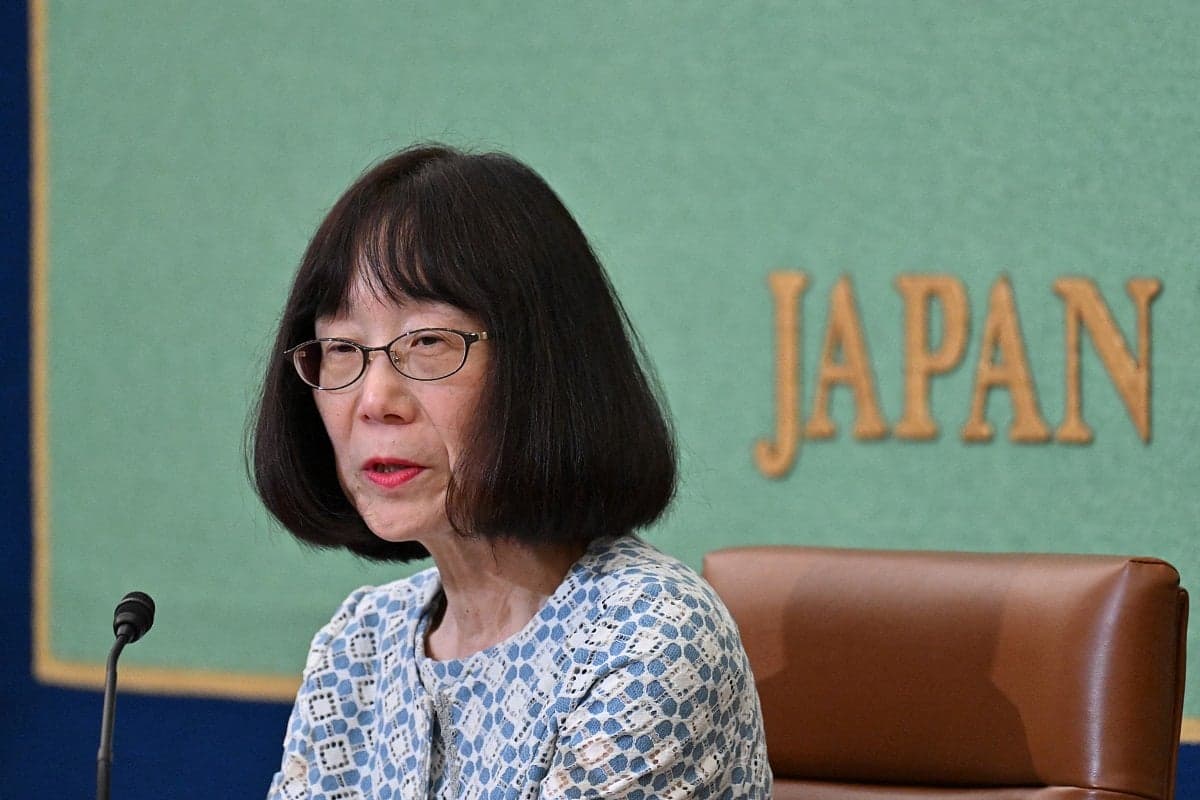
US Sanctions ICC President Tomoko Akane Amid Ongoing Tensions with International Criminal Court
Why it matters
The sanctions signal a significant shift in US foreign policy towards international legal institutions, potentially affecting global accountability mechanisms.
What happened (in 30 seconds)
- On August 18, 2026, the US imposed sanctions on ICC President Tomoko Akane and Senior Trial Lawyer Abdoulaye Seye.
- The sanctions bar these officials from entering the US and prohibit transactions within the US financial system.
- The ICC condemned the sanctions as undermining the rule of law, while Israeli Prime Minister Netanyahu welcomed the move.
The context you actually need
- The US is not a party to the Rome Statute, which established the ICC in 2002, and has historically opposed its jurisdiction over non-member states.
- Previous sanctions targeted multiple ICC officials, particularly in response to investigations involving Israeli and US personnel.
- The Trump administration has pursued a broader campaign to undermine the ICC, including diplomatic efforts to encourage withdrawals by member states.
What's really happening
The recent sanctions against ICC President Tomoko Akane and Senior Trial Lawyer Abdoulaye Seye represent a continuation of the US's long-standing opposition to the International Criminal Court (ICC). The Trump administration's approach has been characterized by a systematic effort to delegitimize the court, particularly when it investigates officials from non-consenting states. This latest move is part of a broader strategy that has seen the US impose sanctions on nine of the ICC's 18 judges, reflecting a concerted effort to undermine the court's authority.
The sanctions were announced by Secretary of State Marco Rubio, who cited the officials' involvement in investigations that the US deems politically motivated. This includes the ICC's ongoing inquiries into alleged war crimes in Gaza, which have involved Israeli officials, including Prime Minister Benjamin Netanyahu. The US government has framed these investigations as exceeding the ICC's mandate, arguing that they infringe on the sovereignty of non-member states.
The ICC's response has been firm, asserting that these sanctions undermine the international legal order and judicial independence. The court's condemnation highlights a growing tension between the US and international legal institutions, raising questions about the future of global accountability mechanisms. The sanctions have also drawn criticism from various human rights organizations, which argue that they shield officials from accountability and set a dangerous precedent for international law.
Japan's reaction to the sanctions has been notably cautious, with Prime Minister Sanae Takaichi calling the measures "very unfortunate" while emphasizing the importance of continued diplomatic engagement. This reflects Japan's position as a member state of the ICC, which complicates its response to US actions. Meanwhile, the Netherlands has expressed disapproval, underscoring the need for international courts to operate freely without external interference.
As the US continues to exert pressure on the ICC, the implications for international law and accountability are profound. The sanctions not only affect the individuals targeted but also send a chilling message to other international legal entities and member states about the potential consequences of engaging with the ICC. This could lead to a further erosion of trust in international legal frameworks, impacting how countries approach issues of war crimes and human rights violations.
Who feels it first (and how)
- International legal professionals: Increased scrutiny and potential barriers to collaboration with the ICC.
- Member states of the ICC: Pressure to align with US policy or risk sanctions.
- Human rights organizations: Challenges in advocating for accountability in conflict zones.
- Financial institutions: Potential disruptions in transactions involving sanctioned individuals.
What to watch next
- Future sanctions: Monitor for additional US sanctions targeting ICC officials or member states, which could further isolate the court.
- International responses: Watch how other countries, particularly ICC member states, react to the US's actions and whether they will support or oppose the sanctions.
- Legal ramifications: Keep an eye on any changes in ICC operations or investigations as a result of the sanctions, which could affect ongoing cases.
The US has imposed sanctions on ICC officials, affecting their ability to operate internationally.
Other countries may respond diplomatically or economically to the US's stance on the ICC.
The long-term impact on international legal frameworks and accountability mechanisms remains uncertain.
Frequently Asked Questions
- Why it matters?
- The sanctions signal a significant shift in US foreign policy towards international legal institutions, potentially affecting global accountability mechanisms.
- What happened (in 30 seconds)?
- On August 18, 2026, the US imposed sanctions on ICC President Tomoko Akane and Senior Trial Lawyer Abdoulaye Seye. The sanctions bar these officials from entering the US and prohibit transactions within the US financial system. The ICC condemned the sanctions as undermining the rule of law, while Israeli Prime Minister Netanyahu welcomed the move.
- What's really happening?
- The recent sanctions against ICC President Tomoko Akane and Senior Trial Lawyer Abdoulaye Seye represent a continuation of the US's long-standing opposition to the International Criminal Court (ICC). The Trump administration's approach has been characterized by a systematic effort to delegitimize the court, particularly when it investigates officials from non-consenting states. This latest move is part of a broader strategy that has seen the US impose sanctions on nine of the ICC's 18 judges, re
- Who feels it first (and how)?
- International legal professionals: Increased scrutiny and potential barriers to collaboration with the ICC. Member states of the ICC: Pressure to align with US policy or risk sanctions. Human rights organizations: Challenges in advocating for accountability in conflict zones. Financial institutions: Potential disruptions in transactions involving sanctioned individuals.
- What to watch next?
- Future sanctions: Monitor for additional US sanctions targeting ICC officials or member states, which could further isolate the court. International responses: Watch how other countries, particularly ICC member states, react to the US's actions and whether they will support or oppose the sanctions. Legal ramifications: Keep an eye on any changes in ICC operations or investigations as a result of the sanctions, which could affect ongoing cases.
A curated Gulf News feed featuring major stories across news, business, opinion, and lifestyle.
"Gulf News is a major UAE newspaper whose featured stories feed reflects a broad editorial mix shaped for a Gulf audience."
— A47 Editor
ICC slams US decision to sanction the court's president and a senior prosecution lawyer
The United States has imposed sanctions on Tomoko Akane, the president of the International Criminal Court (ICC), and senior trial lawyer Abdoulaye Seye, escalating tensions between the U.S. and the ICC. This action is seen as a response to the ICC's...
UAE-based newspaper covering Gulf politics, society, and international developments.
"Gulf News is one of the UAE’s most prominent English-language publications."
— A47 Editor
ICC slams US decision to sanction the court's president and a senior prosecution lawyer
The United States has imposed sanctions on Tomoko Akane, the president of the International Criminal Court (ICC), and senior trial lawyer Abdoulaye Seye, escalating tensions between the U.S. and the ICC. This action is seen as a response to the ICC's...
Pan-Arab news coverage spanning politics, business, sports, and regional affairs.
"Asharq Al-Awsat reflects a broad Arab editorial perspective with strong attention to regional geopolitics."
— A47 Editor
اليابان: العقوبات الأميركية على رئيسة «الجنائية الدولية» مؤسفة جداً
Japan has expressed strong disapproval regarding the sanctions imposed by the United States on the President of the International Criminal Court, Tomoko Akani, labeling them as very regrettable. This statement was made on Wednesday, highlighting Japa...
Comprehensive coverage of Middle Eastern and global issues.
"Al Jazeera is a prominent voice from the Global South, especially the Middle East, with an emphasis on underreported stories."
— A47 Editor
US sanctions International Criminal Court’s president and top lawyer
The United States has imposed sanctions on Tomoko Akane, president of the International Criminal Court (ICC), and trial lawyer Abdoulaye Seye, following their involvement in investigations into alleged Israeli war crimes in Gaza. This action was anno...
Global news coverage with extensive reporting on Middle Eastern conflicts and geopolitics.
"Al Jazeera is a Qatar-based broadcaster known for wide regional coverage and alternative perspectives."
— A47 Editor
US sanctions International Criminal Court’s president and top lawyer
The United States has imposed sanctions on Tomoko Akane, president of the International Criminal Court (ICC), and trial lawyer Abdoulaye Seye, marking a significant escalation in tensions between the U.S. and the ICC. This action reflects ongoing dis...
UAE-based newspaper covering Gulf politics, society, and international developments.
"Gulf News is one of the UAE’s most prominent English-language publications."
— A47 Editor
US sanctions ICC chief Tomoko Akane of Japan
The United States has imposed sanctions on Tomoko Akane, the president of the International Criminal Court (ICC), and senior trial lawyer Abdoulaye Seye, escalating tensions between the U.S. and the ICC. This action reflects ongoing disputes regardin...
A curated Gulf News feed featuring major stories across news, business, opinion, and lifestyle.
"Gulf News is a major UAE newspaper whose featured stories feed reflects a broad editorial mix shaped for a Gulf audience."
— A47 Editor
US sanctions ICC chief Tomoko Akane of Japan
The United States has imposed sanctions on Tomoko Akane, the president of the International Criminal Court (ICC), and senior trial lawyer Abdoulaye Seye, escalating tensions between the U.S. and the ICC. This action reflects ongoing disputes regardin...