
Trade Routes
Latest news, analysis, and updates on Trade Routes from A47 News.
8 stories in World · Updated live
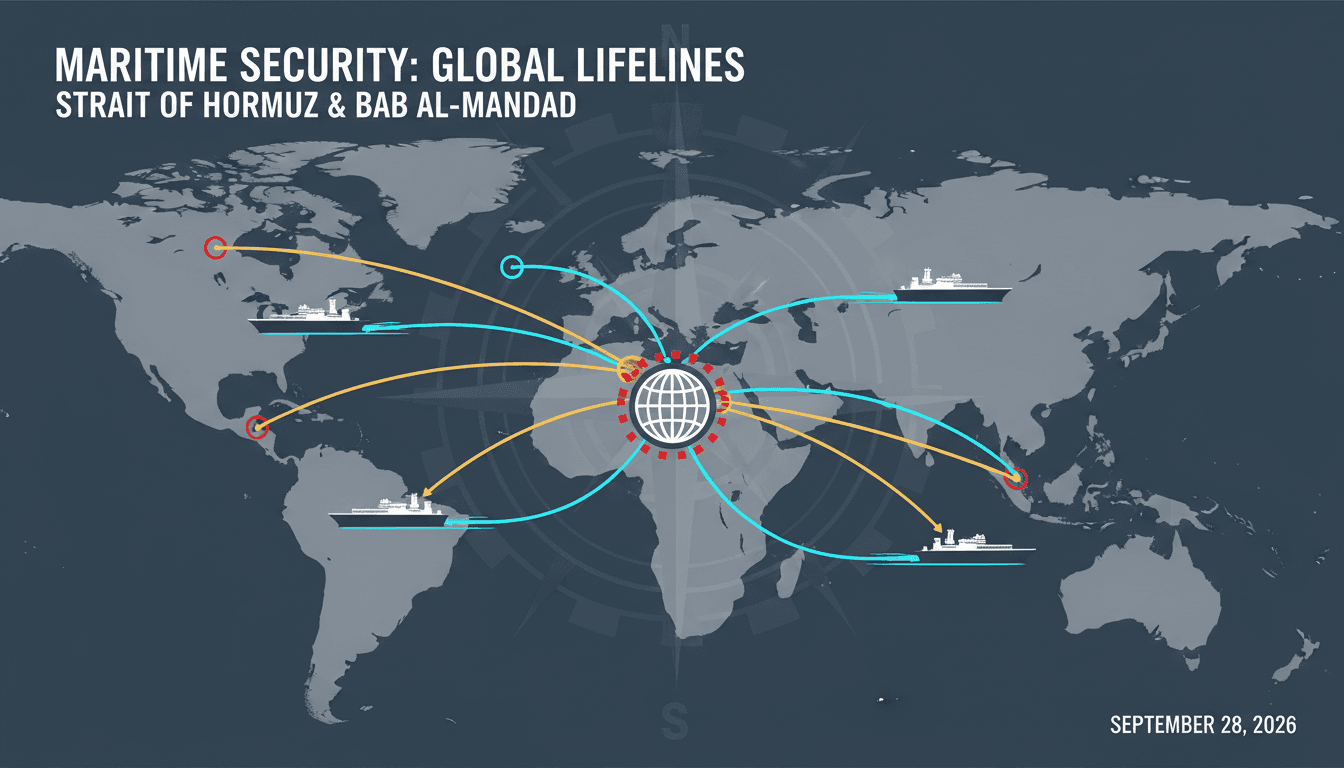
Saudi and US Officials Reaffirm Commitment to Maritime Security in Key Waterways
On September 28, 2026, Saudi Foreign Minister Prince Faisal bin Farhan and U.S. Secretary of State Marco Rubio held a diplomatic meeting in Washington, D.C., emphasizing the importance of maritime navigation security in the Strait of Hormuz and Bab al-Mandab. This meeting was triggered by ongoing regional tensions and threats to maritime traffic linked to the Yemen conflict. The long-term implication is a strengthened bilateral coordination aimed at ensuring stability in global trade routes critical for international commerce.
Escalating Attacks on Oil Tankers Heighten Tensions in Strait of Hormuz
At least 11 oil tankers have been attacked in the Strait of Hormuz since late September 2026, raising alarms over the security of global energy supplies. The immediate trigger for these assaults is the ongoing military escalation between Saudi Arabia and Iran-backed Houthis, coinciding with a broader regional conflict. This situation is likely to lead to increased military presence and protective measures in the region, further complicating energy export routes and global oil markets.
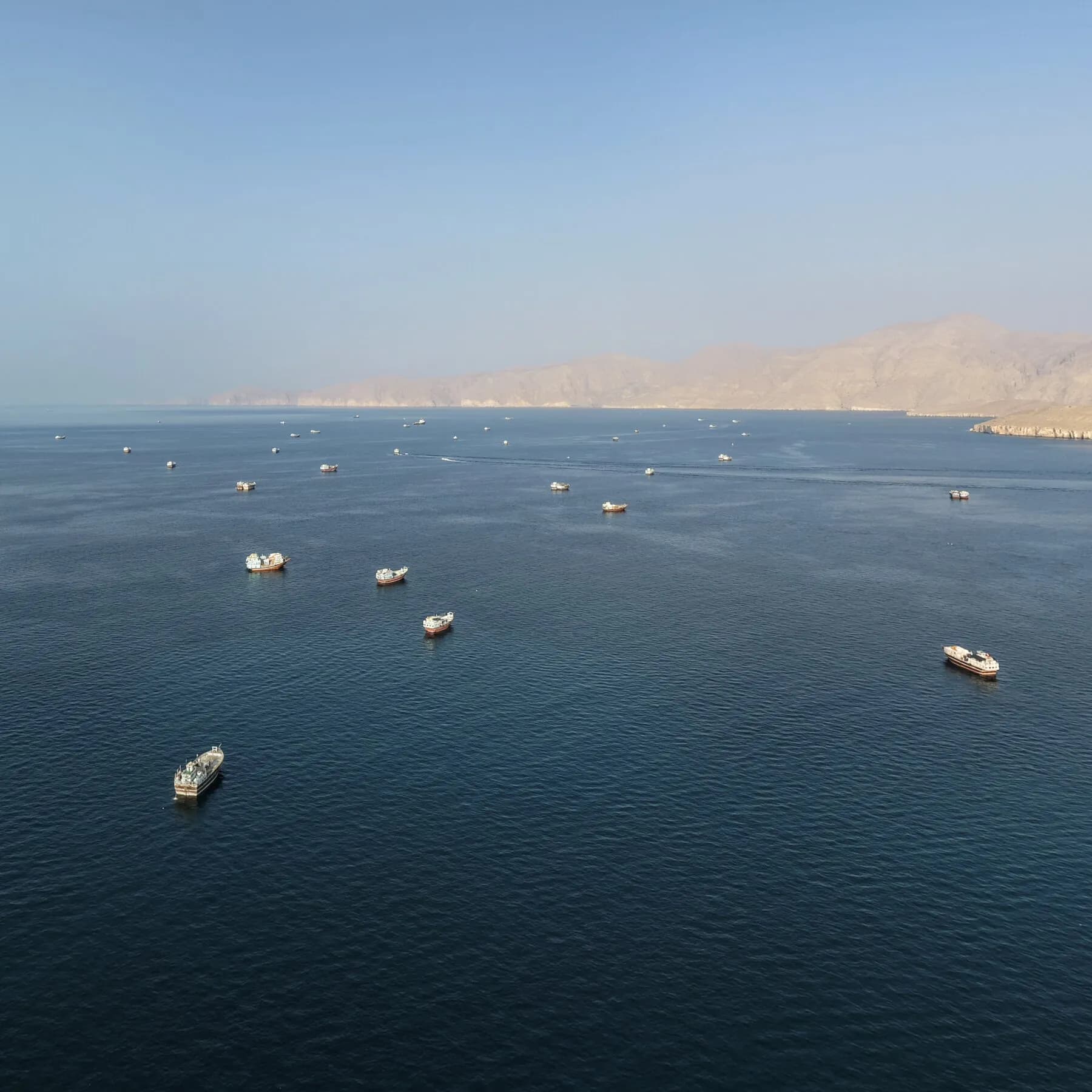
Middle East crude oil exports exceed pre-war levels amid ongoing regional conflict
In September 2026, Middle East crude oil exports surpassed pre-war averages, achieving a seven-day moving average of 18.3 million barrels per day. This rebound was triggered by increased shipments from Saudi Arabia despite the ongoing U.S.-Israeli conflict with Iran and security threats in the Strait of Hormuz. The long-term implication suggests that Gulf producers may continue to adapt their logistics to maintain oil flows, potentially stabilizing global oil prices amidst geopolitical tensions.
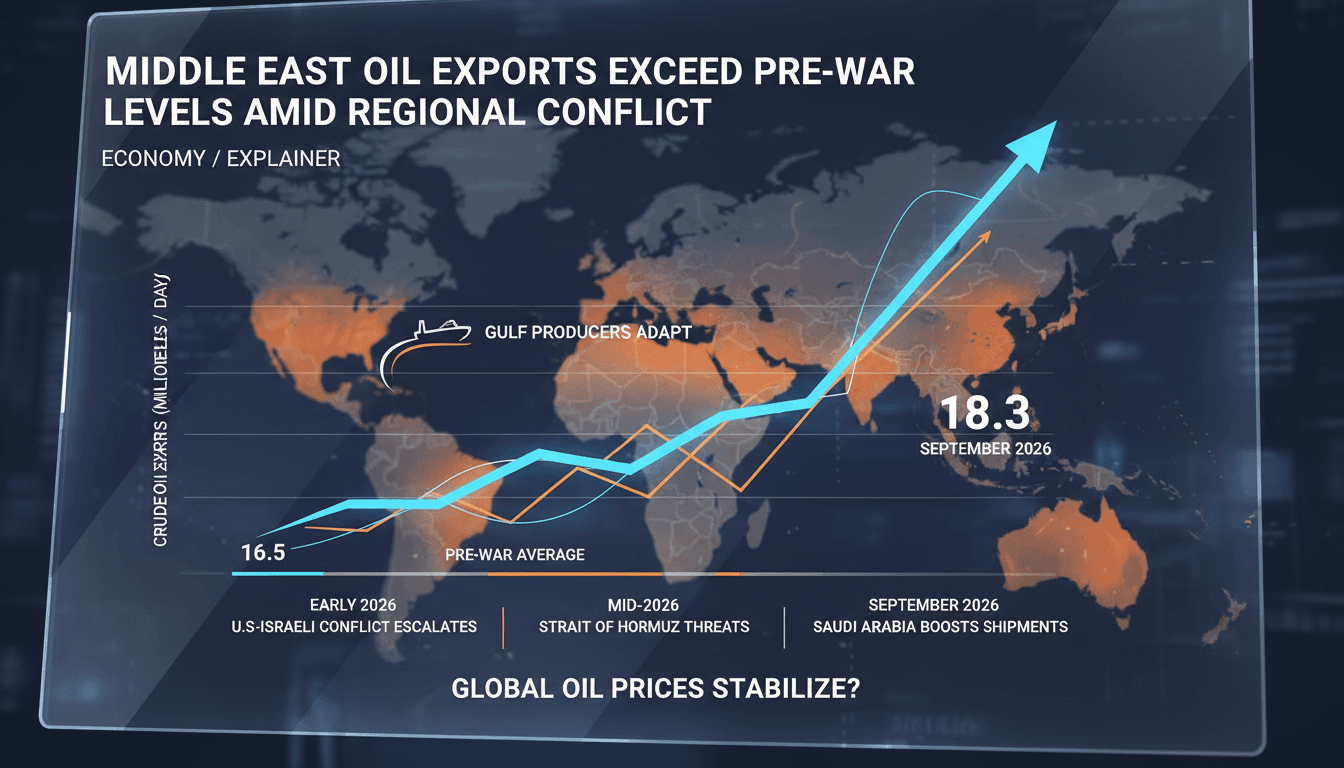
Two Oil Tankers Struck by Projectiles in Strait of Hormuz Amid US-Iran Tensions
On October 2-3, 2026, two oil tankers were hit by unidentified projectiles in the Strait of Hormuz and near Oman, resulting in minor damage but no casualties. These incidents occurred against the backdrop of escalating US-Iran conflict, which has seen Iran impose restrictions on commercial shipping in the region. The long-term implication may involve increased maritime security measures and potential disruptions to global oil supply chains as tensions persist.
Latest Stories
Escalating Attacks on Oil Tankers Heighten Tensions in Strait of Hormuz
At least 11 oil tankers have been attacked in the Strait of Hormuz since late September 2026, raising alarms over the security of global energy supplies. The immediate trigger for these assaults is the ongoing military escalation between Saudi Arabia and Iran-backed Houthis, coinciding with a broader regional conflict. This situation is likely to lead to increased military presence and protective measures in the region, further complicating energy export routes and global oil markets.
Middle East crude oil exports exceed pre-war levels amid ongoing regional conflict
In September 2026, Middle East crude oil exports surpassed pre-war averages, achieving a seven-day moving average of 18.3 million barrels per day. This rebound was triggered by increased shipments from Saudi Arabia despite the ongoing U.S.-Israeli conflict with Iran and security threats in the Strait of Hormuz. The long-term implication suggests that Gulf producers may continue to adapt their logistics to maintain oil flows, potentially stabilizing global oil prices amidst geopolitical tensions.
Iran Conditions Strait of Hormuz Reopening on US Compliance with MoU Terms
On October 5, 2026, Iranian Parliament Speaker Mohammad Bagher Ghalibaf announced that the Strait of Hormuz will remain closed until the United States meets seven conditions from the collapsed June 2026 Memorandum of Understanding. This statement follows the breakdown of negotiations and heightened military tensions between the US and Iran, prompting Ghalibaf to reject US proposals. The long-term implication is a continued escalation of regional tensions and potential disruptions to global oil supply as Iran maintains its hardline stance on maritime access.
Multiple Explosions Reported Near Oil Tanker South of Al Mukha Yemen
On October 4, 2026, multiple explosions were reported near an unidentified oil tanker approximately 60 nautical miles south of Al Mukha, Yemen. The incident was triggered by ongoing maritime security challenges in the Red Sea and Gulf of Aden, where commercial vessels face threats from regional conflicts. Long-term implications may include increased naval patrols and heightened shipping advisories in the region, impacting global energy transport routes.