
GDP & Growth
Latest news, analysis, and updates on GDP & Growth from A47 News.
481 stories in Economy · Updated live
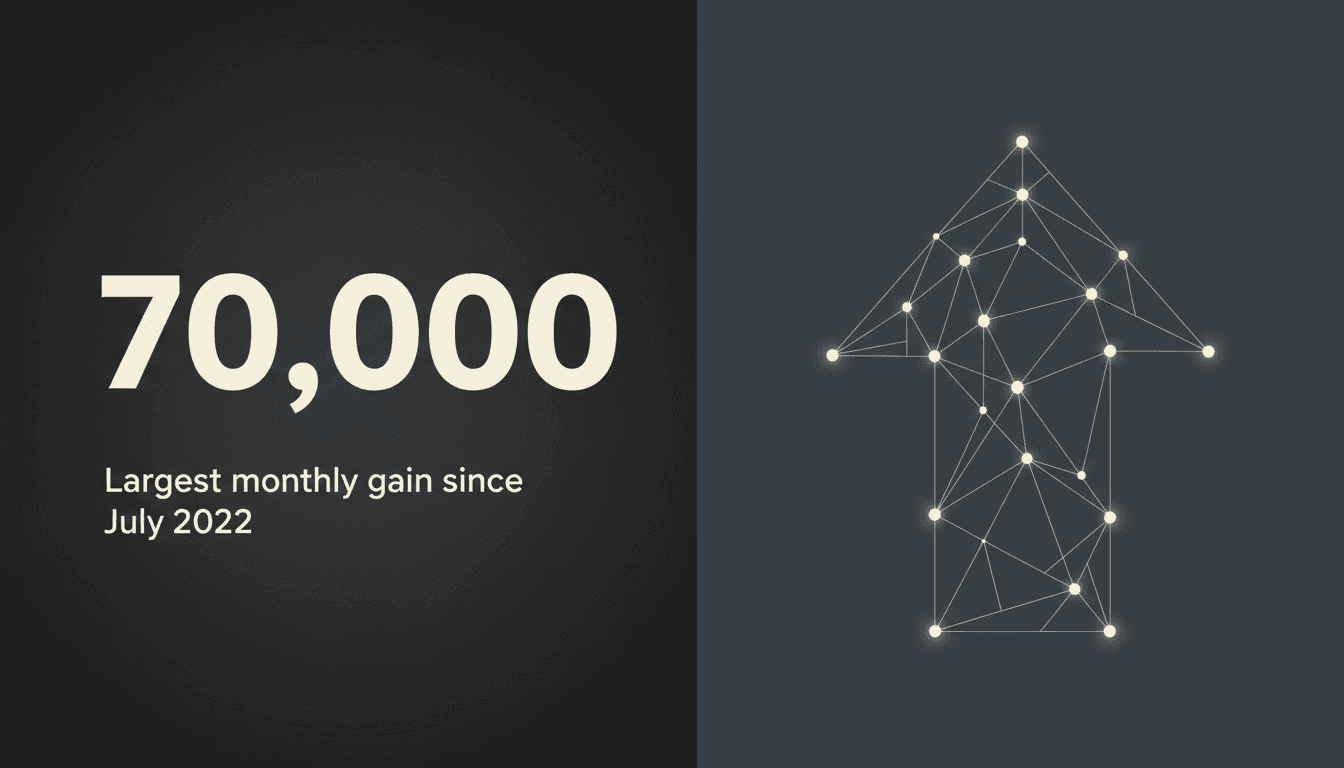
US Professional and Business Services Adds 70000 Jobs in October 2026 Largest Monthly Gain Since July 2022
The US professional and business services sector added 70,000 jobs in October 2026, its strongest monthly increase since July 2022, with consulting, legal, and accounting subsectors all expanding. The gains came as the broader economy added 165,000 jobs, beating forecasts, and countered widespread fears that AI-driven automation would displace white-collar workers in these fields. The sustained expansion suggests AI-exposed professional services are proving more resilient than early forecasts predicted, though wage growth lagging inflation and ongoing declines in routine tasks such as document preparation indicate uneven adjustment ahead.
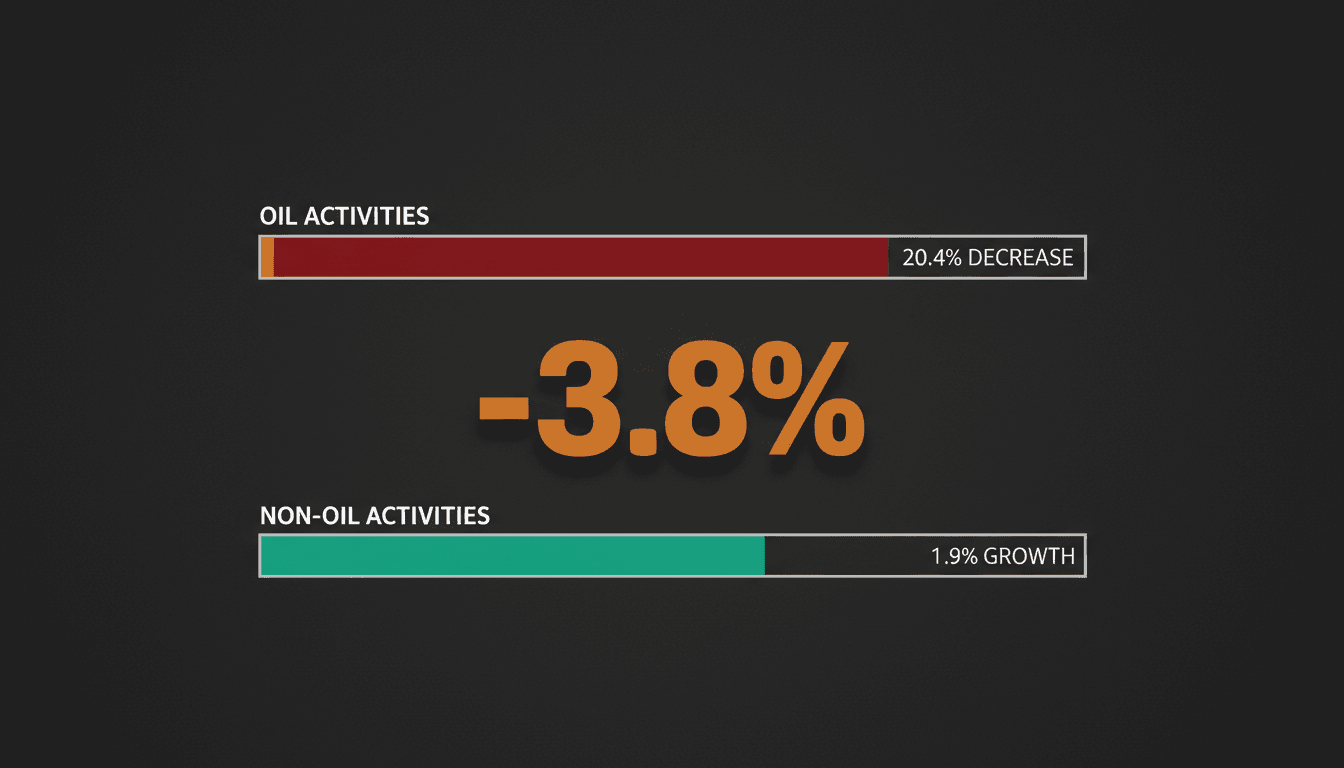
Saudi Arabia Real GDP Contracts 3.8 Percent in Q3 2026 as Oil Output Slump Deepens
Saudi Arabia's real GDP fell 3.8 percent year-on-year in the third quarter of 2026 according to GASTAT flash estimates released around November 1, with oil activities down 20.4 percent while non-oil activities grew 1.9 percent. The contraction was triggered by regional conflict and shipping disruptions through the Strait of Hormuz, alongside Houthi-related escalations that impaired oil logistics and pipeline flows. The trajectory points to continued pressure on hydrocarbon-dependent output in the near term, with the Kingdom's Vision 2030 diversification drive, particularly in non-oil sectors, serving as the primary medium-term offset.
Goldman Sachs Finds AI-Displaced U.S. Workers Facing Reemployment Delays Comparable to Past Tech Disruptions
Goldman Sachs economist Pierfrancesco Mei published findings on October 30, 2026 showing AI-exposed U.S. workers displaced since 2025 take about one month longer to find new jobs and face a 10-percentage-point higher likelihood of remaining unemployed after one year. The shift follows rising AI adoption since 2023 that has accelerated displacement in tech and administrative roles, with the study applying four decades of Bureau of Labor Statistics Displaced Worker Supplement data to post-2025 layoffs. The trajectory points to sustained labor market frictions and persistent earnings scarring, particularly for workers aged 35 and older, as baseline projections estimate roughly 9% workforce displacement over the next decade.

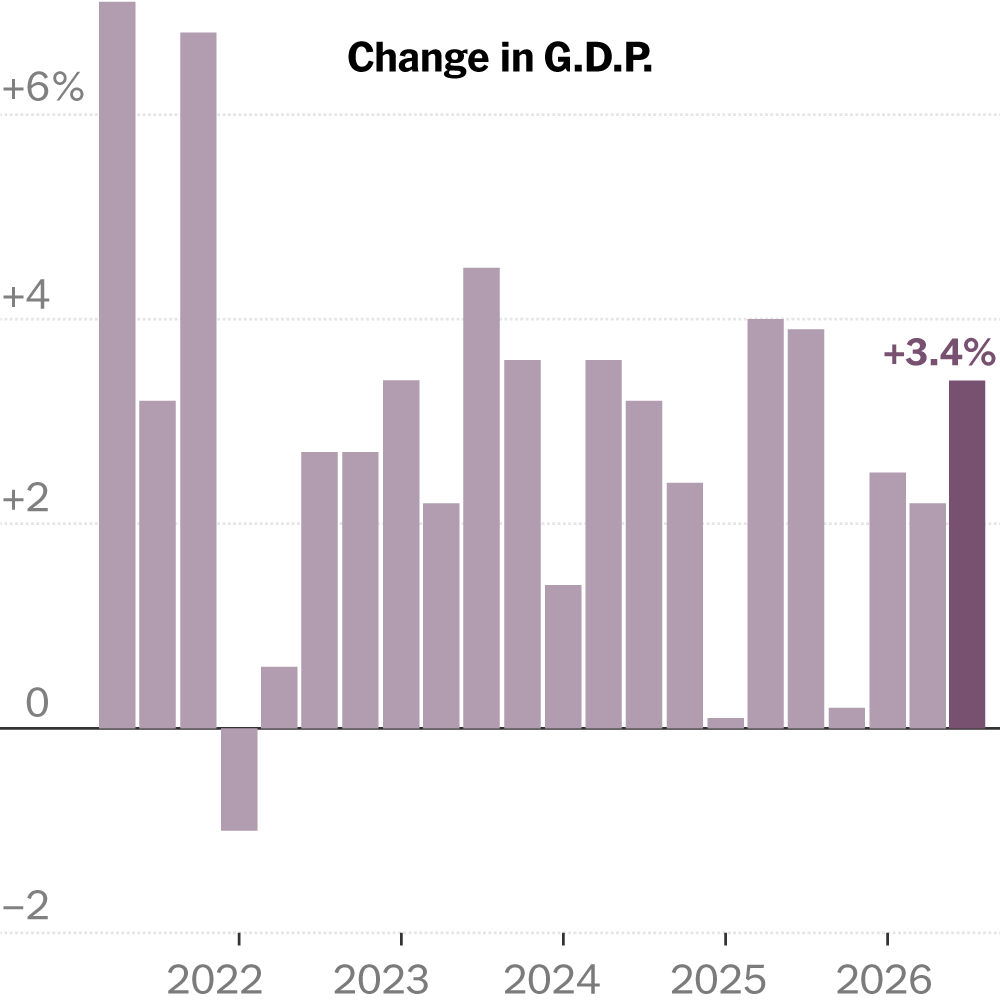
U.S. Real GDP Advances 3.4 Percent in Q3 2026 on Investment and Consumer Spending
The U.S. Bureau of Economic Analysis reported in its October 29, 2026 advance estimate that real GDP grew at a 3.4 percent annualized rate in the third quarter of 2026, up from 2.2 percent in the second quarter. The acceleration was led by a 9.4 percent rise in private fixed investment, with equipment spending up 20.9 percent, alongside 3.8 percent growth in consumer spending, partly offset by a 5.7 percent decline in exports and a 19.7 percent surge in imports amid elevated energy prices tied to Middle East tensions. The sustained pace of AI-related capital investment and resilient household demand suggest continued pressure on the Federal Reserve to balance growth against inflation in its upcoming policy decisions.
Latest Stories
US Professional and Business Services Adds 70000 Jobs in October 2026 Largest Monthly Gain Since July 2022
The US professional and business services sector added 70,000 jobs in October 2026, its strongest monthly increase since July 2022, with consulting, legal, and accounting subsectors all expanding. The gains came as the broader economy added 165,000 jobs, beating forecasts, and countered widespread fears that AI-driven automation would displace white-collar workers in these fields. The sustained expansion suggests AI-exposed professional services are proving more resilient than early forecasts predicted, though wage growth lagging inflation and ongoing declines in routine tasks such as document preparation indicate uneven adjustment ahead.
Saudi Arabia Real GDP Contracts 3.8 Percent in Q3 2026 as Oil Output Slump Deepens
Saudi Arabia's real GDP fell 3.8 percent year-on-year in the third quarter of 2026 according to GASTAT flash estimates released around November 1, with oil activities down 20.4 percent while non-oil activities grew 1.9 percent. The contraction was triggered by regional conflict and shipping disruptions through the Strait of Hormuz, alongside Houthi-related escalations that impaired oil logistics and pipeline flows. The trajectory points to continued pressure on hydrocarbon-dependent output in the near term, with the Kingdom's Vision 2030 diversification drive, particularly in non-oil sectors, serving as the primary medium-term offset.
Goldman Sachs Finds AI-Displaced U.S. Workers Facing Reemployment Delays Comparable to Past Tech Disruptions
Goldman Sachs economist Pierfrancesco Mei published findings on October 30, 2026 showing AI-exposed U.S. workers displaced since 2025 take about one month longer to find new jobs and face a 10-percentage-point higher likelihood of remaining unemployed after one year. The shift follows rising AI adoption since 2023 that has accelerated displacement in tech and administrative roles, with the study applying four decades of Bureau of Labor Statistics Displaced Worker Supplement data to post-2025 layoffs. The trajectory points to sustained labor market frictions and persistent earnings scarring, particularly for workers aged 35 and older, as baseline projections estimate roughly 9% workforce displacement over the next decade.
U.S. Real GDP Advances 3.4 Percent in Q3 2026 on Investment and Consumer Spending
The U.S. Bureau of Economic Analysis reported in its October 29, 2026 advance estimate that real GDP grew at a 3.4 percent annualized rate in the third quarter of 2026, up from 2.2 percent in the second quarter. The acceleration was led by a 9.4 percent rise in private fixed investment, with equipment spending up 20.9 percent, alongside 3.8 percent growth in consumer spending, partly offset by a 5.7 percent decline in exports and a 19.7 percent surge in imports amid elevated energy prices tied to Middle East tensions. The sustained pace of AI-related capital investment and resilient household demand suggest continued pressure on the Federal Reserve to balance growth against inflation in its upcoming policy decisions.