
Trade
Latest news, analysis, and updates on Trade from A47 News.
12 stories in Economy · Updated live
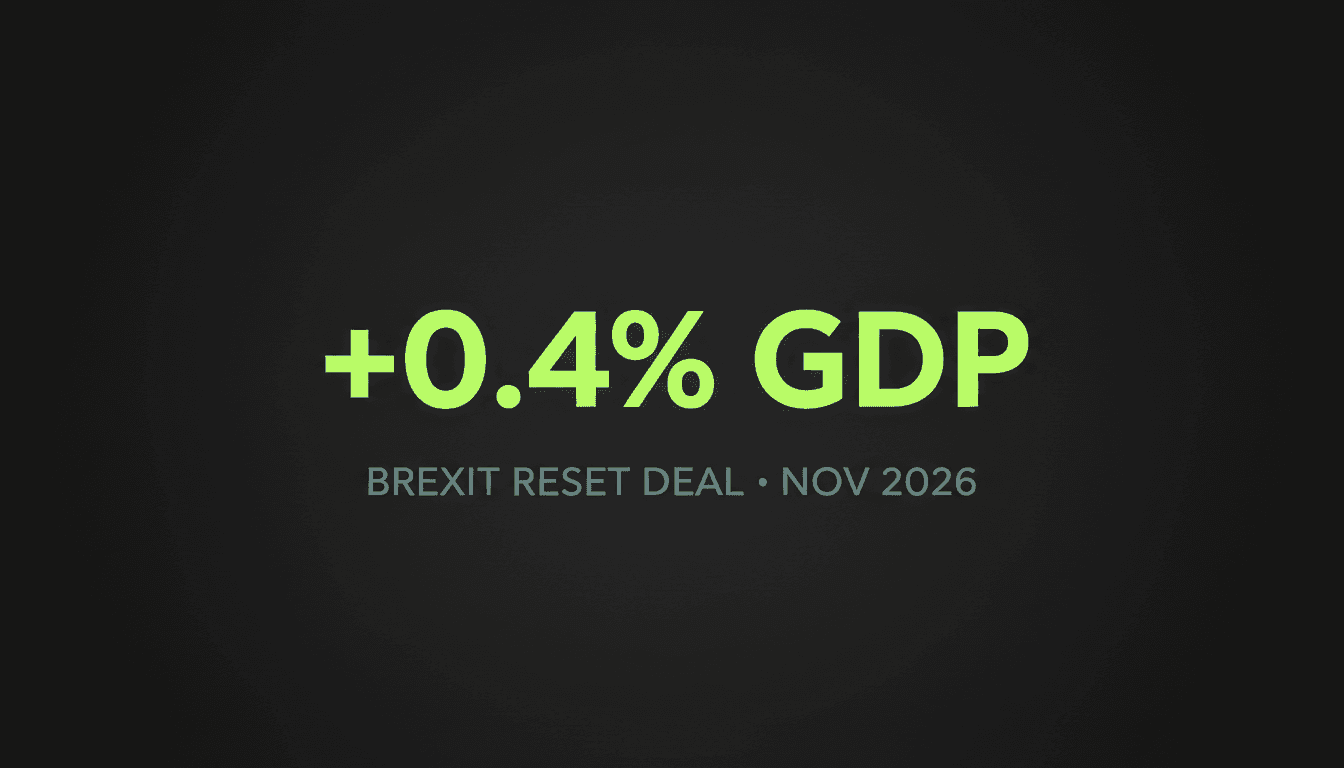
UK and EU Sign Brexit Reset Deal Covering Food Standards Emissions Trading and Youth Mobility
On November 20, 2026, UK Prime Minister Andy Burnham is scheduled to sign a Brexit reset agreement with the European Union in Brussels covering sanitary and phytosanitary standards, linked emissions trading systems, and a youth mobility scheme. The breakthrough followed late-night negotiations that resolved French objections on November 19, driven by the need to ease post-Brexit trade frictions after Burnham assumed office in 2026. The three agreements are set to enter into force together, with the UK government projecting a 0.4% addition to GDP and further strategic talks on long-term UK-EU relations expected to follow.
Trump Threatens Taxes and Penalties on US Firms Building Data Centers Abroad
On November 20, 2026, President Donald Trump announced at a White House press conference that the United States will impose tremendous penalties, including taxes, on American companies that build data centers overseas. The announcement followed his return from Asia summits with Xi Jinping and Vladimir Putin, amid U.S.-China AI competition and growing domestic local opposition to data center projects following November 2026 midterm results. The policy remains without specified implementation mechanisms or legal basis, leaving industry uncertain as major tech and AI stocks declined and the S&P 500 fell 9% since November 4.
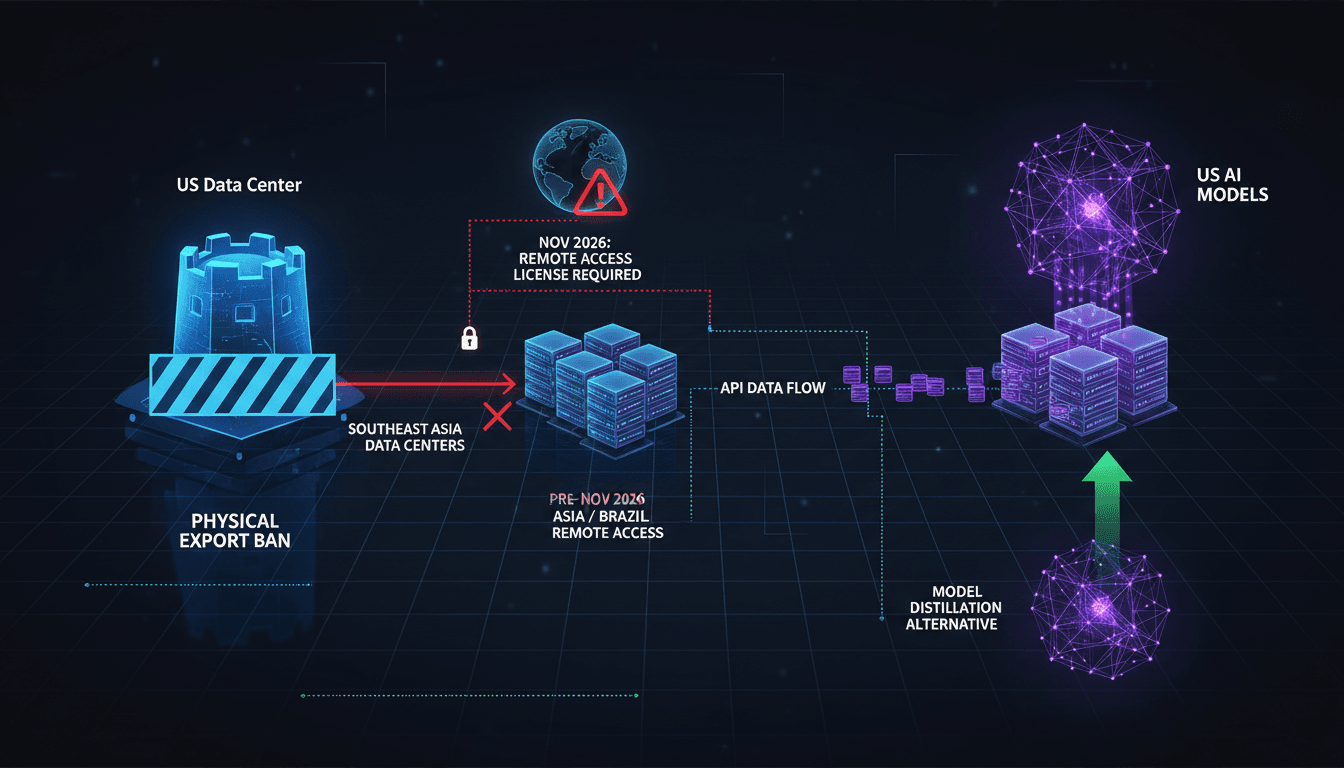
US Moves to Close Remote AI Chip Access Loophole for China as Chinese Firms Build Model Distillation Alternative
On November 16, 2026, the US Bureau of Industry and Security issued an interim final rule requiring export licenses for remote access to advanced AI chips by companies headquartered in China and other high-risk nations. The measure follows years of Chinese firms renting compute from permitted overseas data centers in Southeast Asia and Brazil after physical export bans, accelerated by suspected chip diversions and espionage allegations involving Nvidia-linked entities. Concurrently, reporting shows China is scaling industrial-level model distillation to extract knowledge from US AI models and train domestic alternatives, signaling a sustained effort to reduce dependence on restricted hardware.
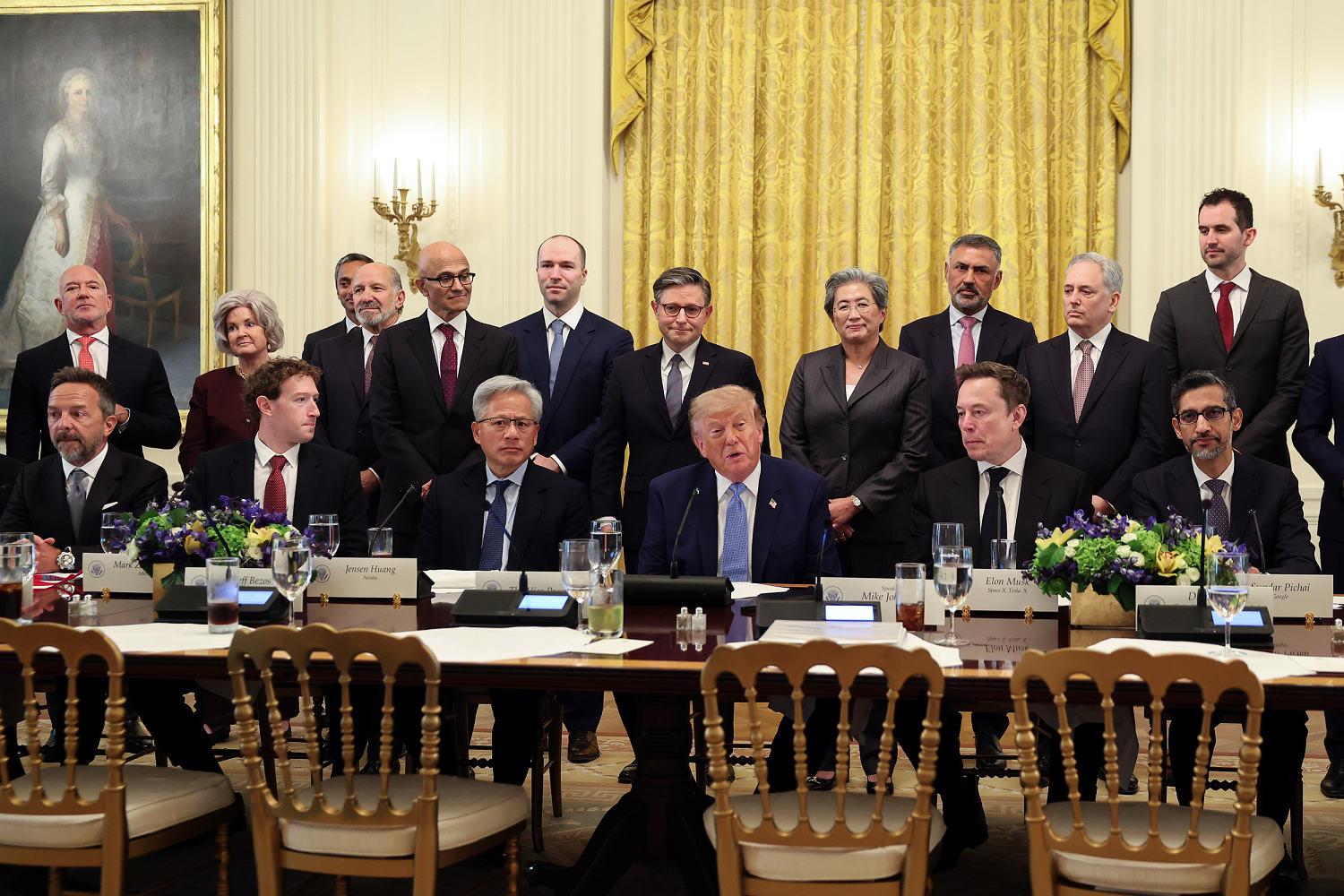
Trump and Xi Discuss Nvidia AI Chip Export Controls at APEC Summit Amid Stock Volatility
At the APEC summit in Shenzhen on November 18-19, 2026, Donald Trump and Xi Jinping held bilateral talks that reportedly touched on Nvidia AI chip export controls. The discussions followed sharp Nvidia share volatility tied to regulatory scrutiny, a conditional H200 export approval with a 25% US revenue share, and new US restrictions on remote AI chip access by Chinese entities. The likely horizon is continued negotiation over chip access with Congressional pressure for tighter controls and Chinese officials warning of countermeasures, making any bilateral easing uncertain.

Latest Stories
Egypt and Iraq Sign 11 Agreements Spanning Tax, Energy Security and Visa-Free Travel During Cairo Joint Committee
On November 23, 2026, Egypt and Iraq signed 11 agreements and memoranda of understanding during the fourth session of their Joint Higher Committee in Cairo's New Administrative Capital. The signings followed the first official Cairo visit by Iraqi Prime Minister Ali Falih al-Zaidi since taking office in May 2026, with talks covering Gaza, Red Sea navigation security, and potential supply of about 10 million barrels of Iraqi crude to Egypt. The accords are expected to deepen economic integration and strategic partnership, with visa-free travel and bilateral trade already running at 645.3 million USD in the first nine months of 2026.
US Imposes AI Chip Licensing Requirements on Southeast Asian Data Centers to Curb China Access
The U.S. Commerce Department issued an interim final rule requiring export licenses for advanced AI chip shipments to data centers in Singapore, Malaysia, Thailand, Indonesia and Brazil, with obligations for facilities supplying significant computing power to Chinese-headquartered entities. The measure follows intensified U.S.-China strategic competition and concerns that Chinese firms were circumventing U.S. chip restrictions through Southeast Asia's rapidly expanding data center sector. The rule is likely to raise compliance costs and delay non-U.S. data center projects in the region as governments and operators seek to preserve access to U.S. technology.
Trump and Xi Shenzhen Summit Yields Protocol Gestures and Trilateral Peace Declaration With No Core Trade or Technology Concessions
At the APEC sidelines in Shenzhen on November 19, 2026, Presidents Trump and Xi held a bilateral meeting and hosted the first trilateral with Vladimir Putin, issuing a joint declaration on energy flow stability through the Strait of Hormuz and nuclear risk reduction. The summit followed a fragile U.S.-China trade truce extended to January 2027 and occurred as new U.S. AI chip restrictions took effect, yet neither side conceded on rare earths, agricultural purchases, or technology curbs. Beijing has gained strategic time and diplomatic positioning, while the next substantive test is expected at the upcoming G20 summit where trade and technology disputes are likely to resurface.
Trump Threatens Taxes and Penalties on US Firms Building Data Centers Abroad
On November 20, 2026, President Donald Trump announced at a White House press conference that the United States will impose tremendous penalties, including taxes, on American companies that build data centers overseas. The announcement followed his return from Asia summits with Xi Jinping and Vladimir Putin, amid U.S.-China AI competition and growing domestic local opposition to data center projects following November 2026 midterm results. The policy remains without specified implementation mechanisms or legal basis, leaving industry uncertain as major tech and AI stocks declined and the S&P 500 fell 9% since November 4.