
Commodities
Latest news, analysis, and updates on Commodities from A47 News.
4 stories in Economy · Updated live

Saudi Arabia Shuts Down East-West Pipeline Following Drone Attacks Amid Ongoing Iran Conflict
Saudi Arabia has closed its East-West crude oil pipeline after drone attacks from Iraq targeted key pumping stations. This escalation is driven by the ongoing U.S.-Iran war and increased Houthi threats, which have severely disrupted oil supply routes. The long-term implication is a potential further spike in global oil prices and increased volatility in energy markets as supply constraints threaten to persist.
Gold Prices Decline as US Inflation Data Heightens Fed Rate-Hike Expectations
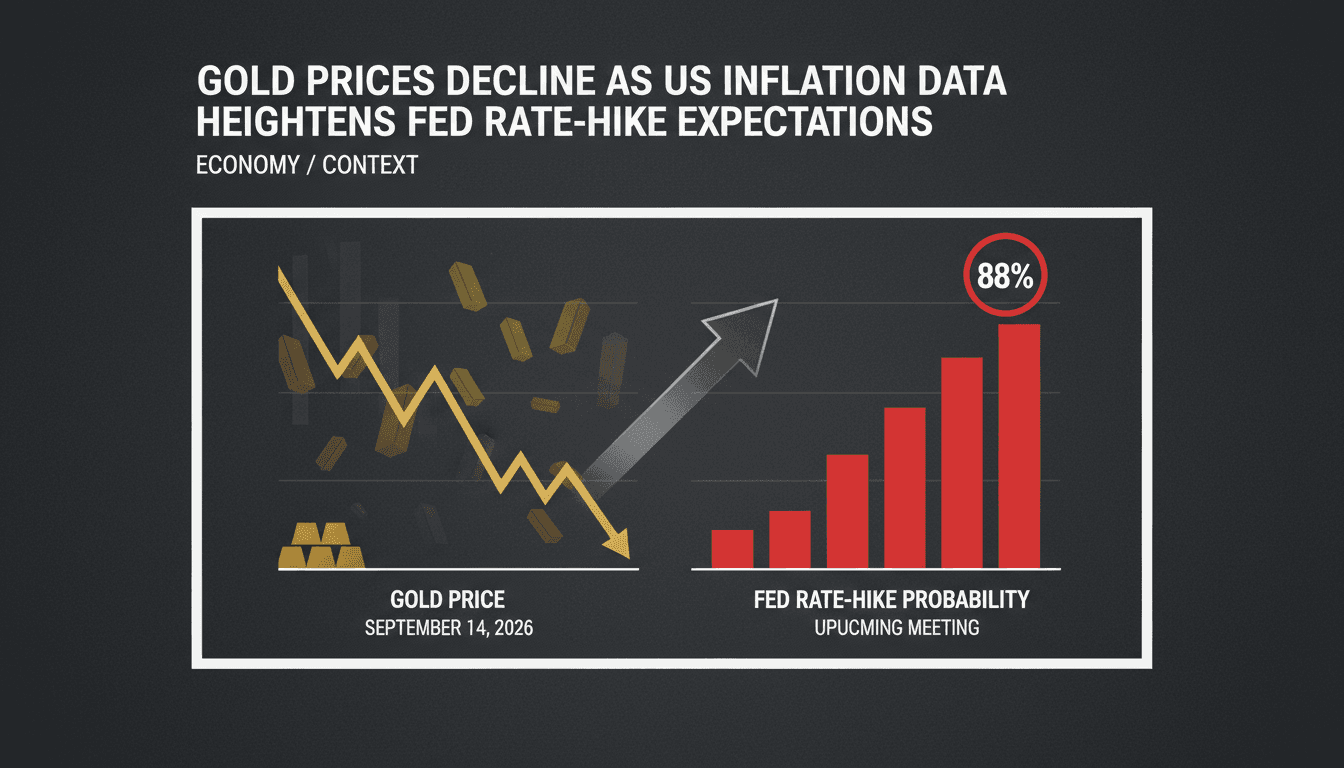
Gold prices fell on September 14, 2026, following the release of US inflation data that exceeded expectations. The stronger-than-anticipated core CPI data has increased the likelihood of a Federal Reserve interest rate hike, with market participants pricing in an 88% probability for the upcoming meeting. This trend suggests that higher borrowing costs may continue to pressure gold and other non-yielding assets in the near future.
Gold Prices Decline Amid Rising US Rate Hike Expectations
Gold prices experienced a weekly decline as of September 12, 2026, with global spot gold dropping approximately 1.5%. This shift is primarily driven by heightened market expectations for US interest rate increases following recent inflation data releases. The long-term implication suggests ongoing volatility in gold prices as investors remain sensitive to US monetary policy and geopolitical tensions in the Middle East.

Brent Crude Oil Prices Exceed $108 Amid Middle East Supply Disruptions
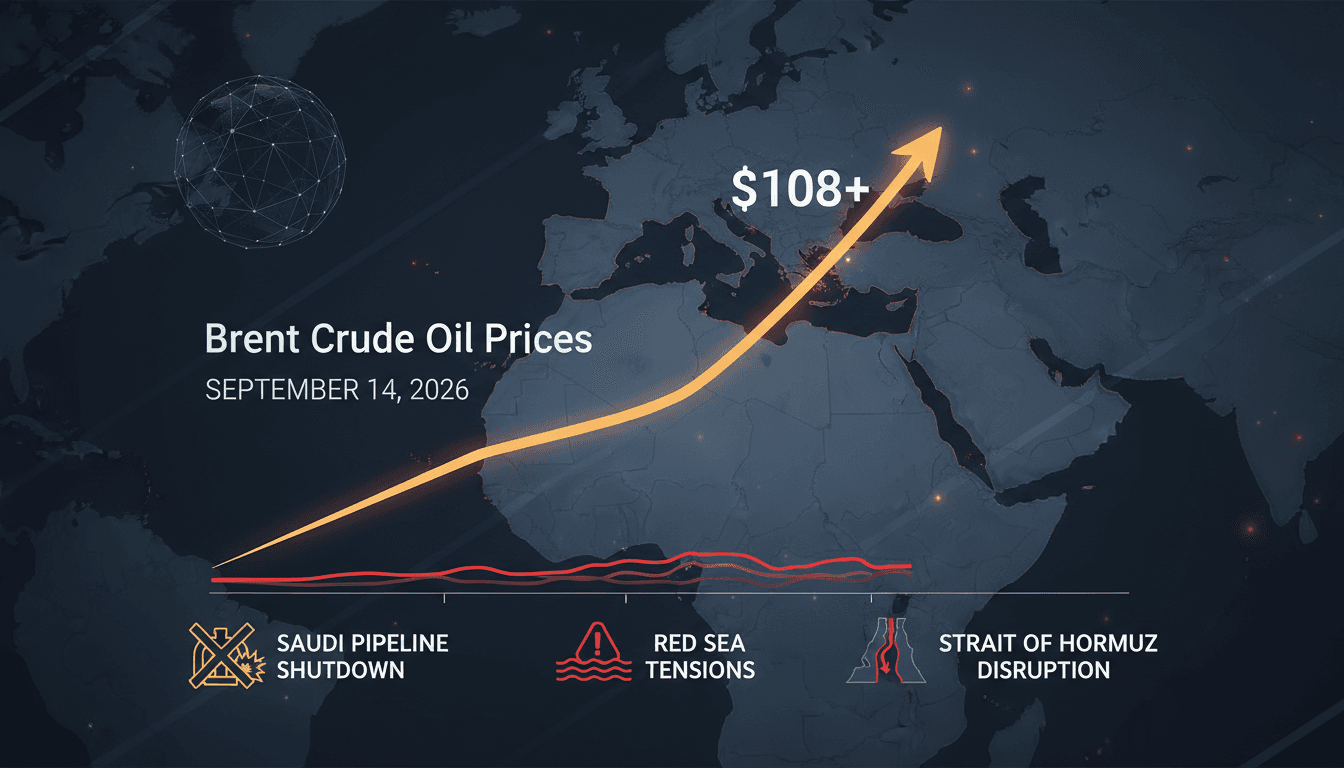
On September 14, 2026, Brent crude oil prices surged past $108 per barrel following the market's reopening. This spike was triggered by ongoing supply disruptions, including the shutdown of Saudi Arabia's East-West pipeline and escalating tensions in the Red Sea and Strait of Hormuz. The long-term implication suggests continued volatility in global oil markets, with potential shifts in energy sourcing and increased costs for consumers and businesses alike.
Latest Stories
Gold Prices Decline as US Inflation Data Heightens Fed Rate-Hike Expectations
Gold prices fell on September 14, 2026, following the release of US inflation data that exceeded expectations. The stronger-than-anticipated core CPI data has increased the likelihood of a Federal Reserve interest rate hike, with market participants pricing in an 88% probability for the upcoming meeting. This trend suggests that higher borrowing costs may continue to pressure gold and other non-yielding assets in the near future.
Brent Crude Oil Prices Exceed $108 Amid Middle East Supply Disruptions
On September 14, 2026, Brent crude oil prices surged past $108 per barrel following the market's reopening. This spike was triggered by ongoing supply disruptions, including the shutdown of Saudi Arabia's East-West pipeline and escalating tensions in the Red Sea and Strait of Hormuz. The long-term implication suggests continued volatility in global oil markets, with potential shifts in energy sourcing and increased costs for consumers and businesses alike.
Saudi Arabia Shuts Down East-West Pipeline Following Drone Attacks Amid Ongoing Iran Conflict
Saudi Arabia has closed its East-West crude oil pipeline after drone attacks from Iraq targeted key pumping stations. This escalation is driven by the ongoing U.S.-Iran war and increased Houthi threats, which have severely disrupted oil supply routes. The long-term implication is a potential further spike in global oil prices and increased volatility in energy markets as supply constraints threaten to persist.
Gold Prices Decline Amid Rising US Rate Hike Expectations
Gold prices experienced a weekly decline as of September 12, 2026, with global spot gold dropping approximately 1.5%. This shift is primarily driven by heightened market expectations for US interest rate increases following recent inflation data releases. The long-term implication suggests ongoing volatility in gold prices as investors remain sensitive to US monetary policy and geopolitical tensions in the Middle East.