Bio
Andre is co-founder at A47 News. He is responsible for editorial standards and news curation, and shares commentary on AI, general technology, and global politics.
Editorial Responsibility
As Editor, I am responsible for all editorial standards, news sourcing, research, and content production.
Previous experience · 15+ years
- · Co-founder at Tiki
- · Operations Director at Rocket Internet
Education
BA Economics, University of Waikato
Areas of expertise
Categories overseen
Stories from Andre Teow’s desk
19570 stories- World· MENA
UAE and Arab Parliament condemn hijacking of oil tanker off Yemen
An oil tanker carrying Egyptian sailors was hijacked off the coast of Yemen and taken into Somali territorial waters. The immediate response includes condemnation from the UAE government and the Arab Parliament, highlighting concerns over maritime security. This incident is likely to prompt increased international cooperation to combat piracy and enhance maritime security in the region.
3 sourcesMay 15Low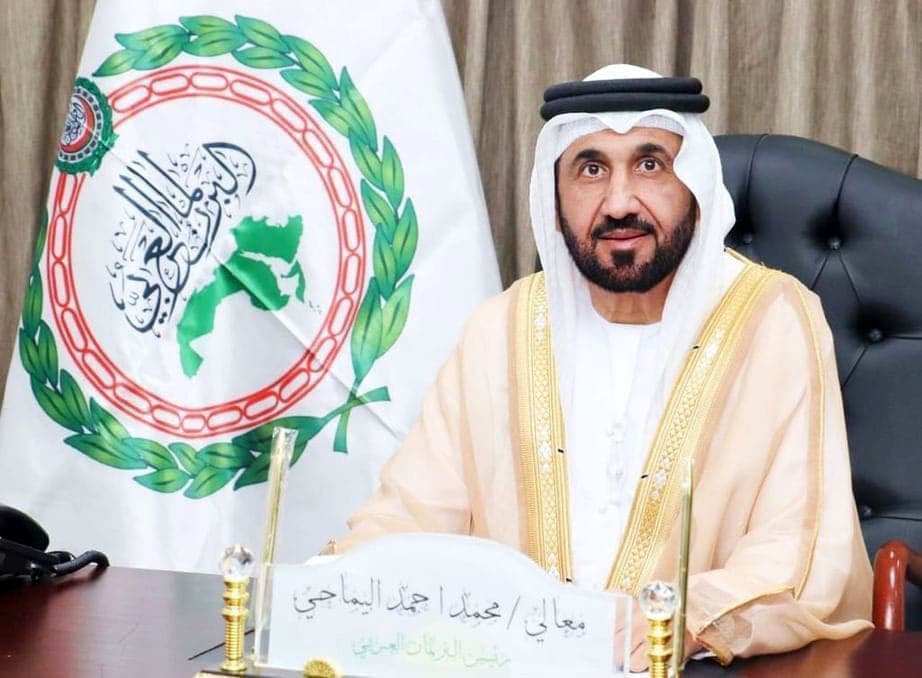
- Politics· World
Macron Proposes UN Initiative for Maritime Security in Strait of Hormuz
French President Emmanuel Macron has announced a new initiative aimed at enhancing maritime security in the Strait of Hormuz through the United Nations. This initiative is triggered by rising tensions in the region that have raised concerns about maritime safety. The long-term implication is a potential shift towards increased international cooperation in safeguarding vital shipping routes, despite challenges such as possible Russian vetoes on resolutions.
4 sourcesMay 15Low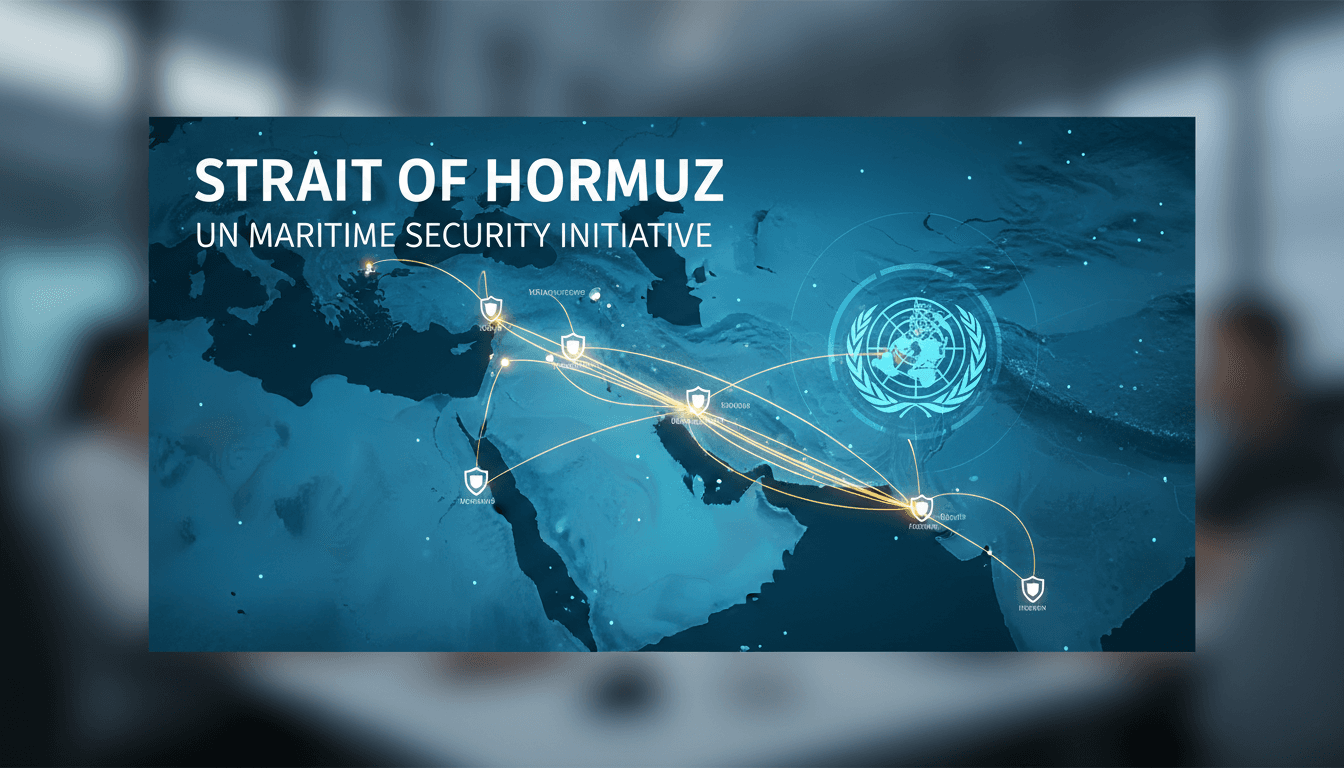
- Politics· MENA
Iranian Revolutionary Guard Infiltrates Kuwait's Boubyan Island Prompting Regional Condemnation
Iran's Revolutionary Guard has infiltrated Kuwait's Boubyan Island, raising alarms about a serious violation of Kuwaiti sovereignty. This incident has triggered strong condemnations from Saudi Arabia, the UAE, and Qatar, reflecting heightened tensions in the Gulf region. In the long term, this may lead to increased military readiness among Gulf states and a push for stronger collective security measures against Iranian aggression.
9 sourcesMay 15Moderate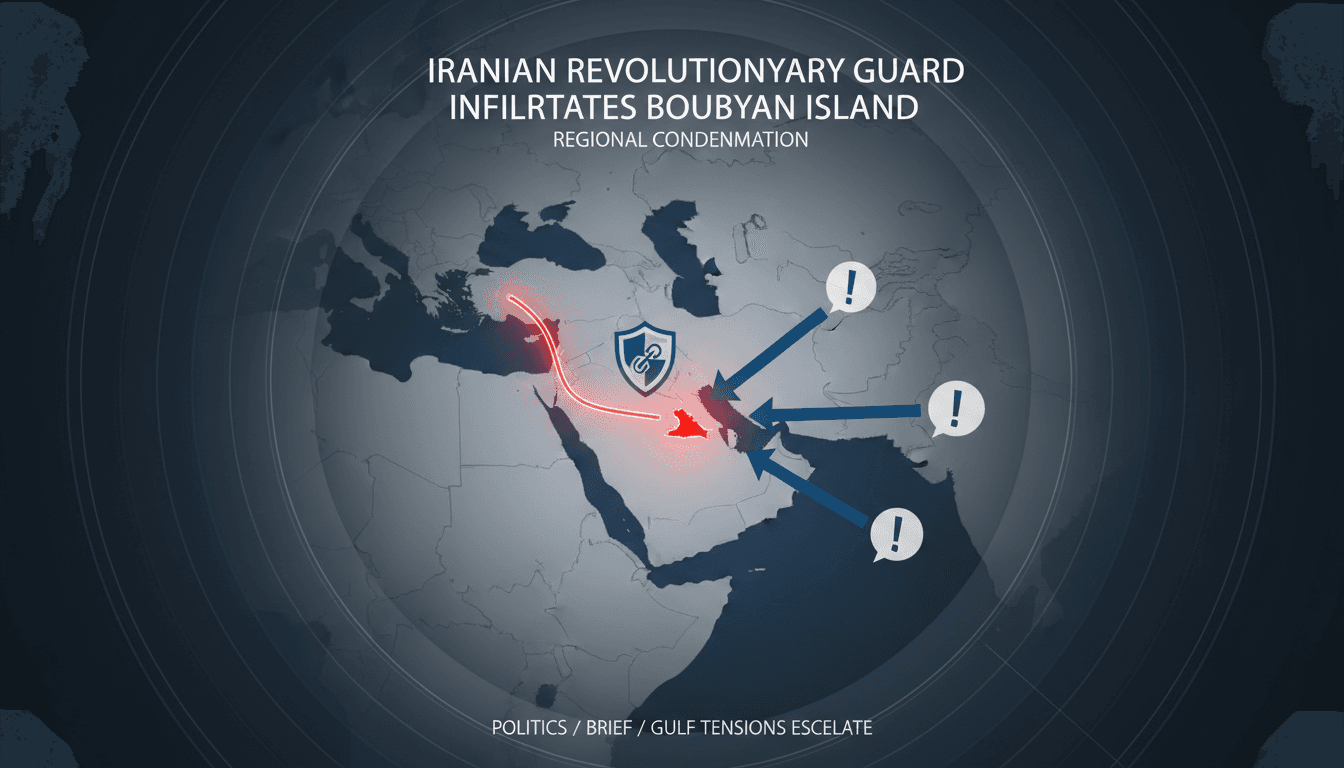
- Tech· UAE
UAE to integrate Agentic AI into half of government services by 2028
Sheikh Mohammed bin Rashid Al Maktoum has announced a plan to deploy Agentic AI across 50% of UAE government services within two years. This initiative is driven by the UAE's ambition to enhance operational efficiency and service delivery through advanced technology. Long-term, this move is expected to position the UAE as a global leader in AI integration, setting a benchmark for other nations in governance and public service.
4 sourcesMay 15Low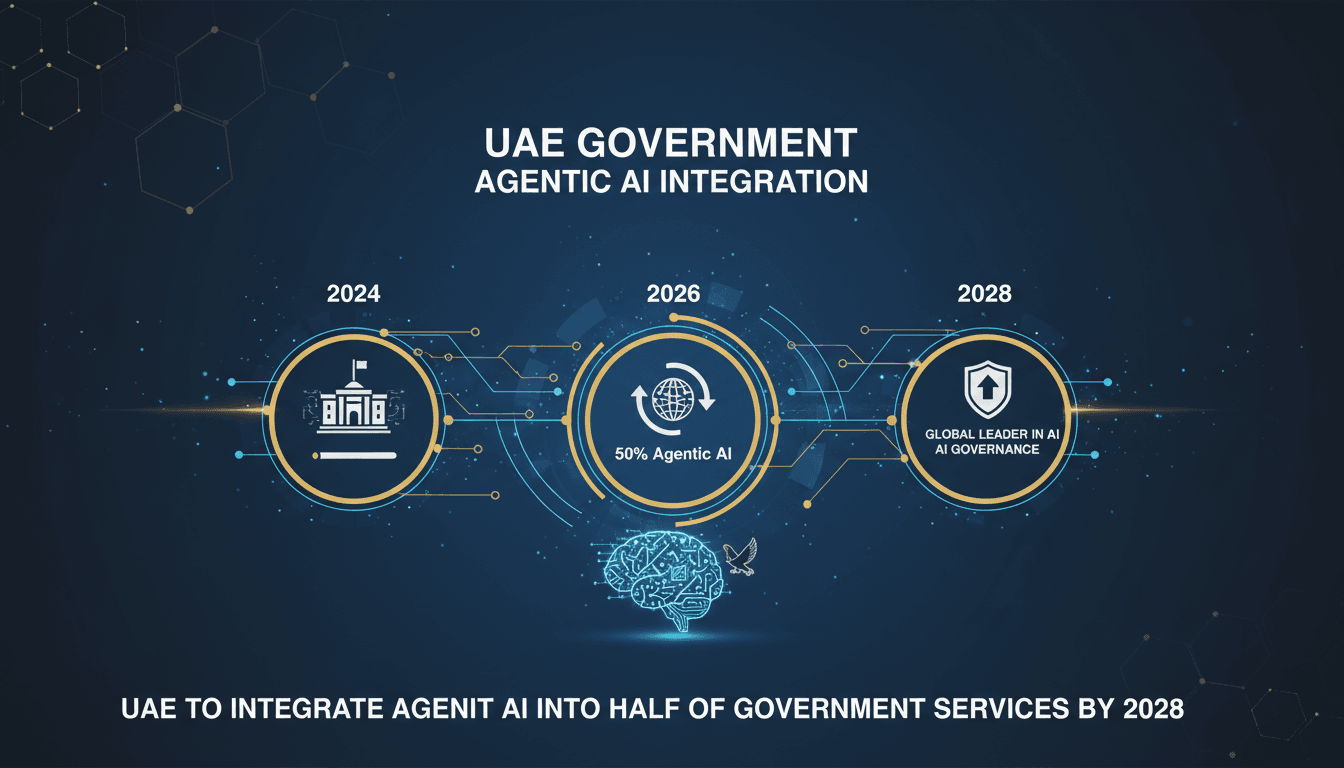
- Politics· World
Putin counters isolation rumors with public appearance in Moscow
Russian President Vladimir Putin was seen in a video driving through Moscow and meeting with his former teacher, directly addressing rumors of his isolation. This public display follows Western media reports suggesting he had increased security measures and was operating from underground facilities due to fears of assassination. The Kremlin's strategy aims to reassure both domestic and international audiences of Putin's stability and control amid ongoing tensions related to the war in Ukraine.
3 sourcesMay 15Low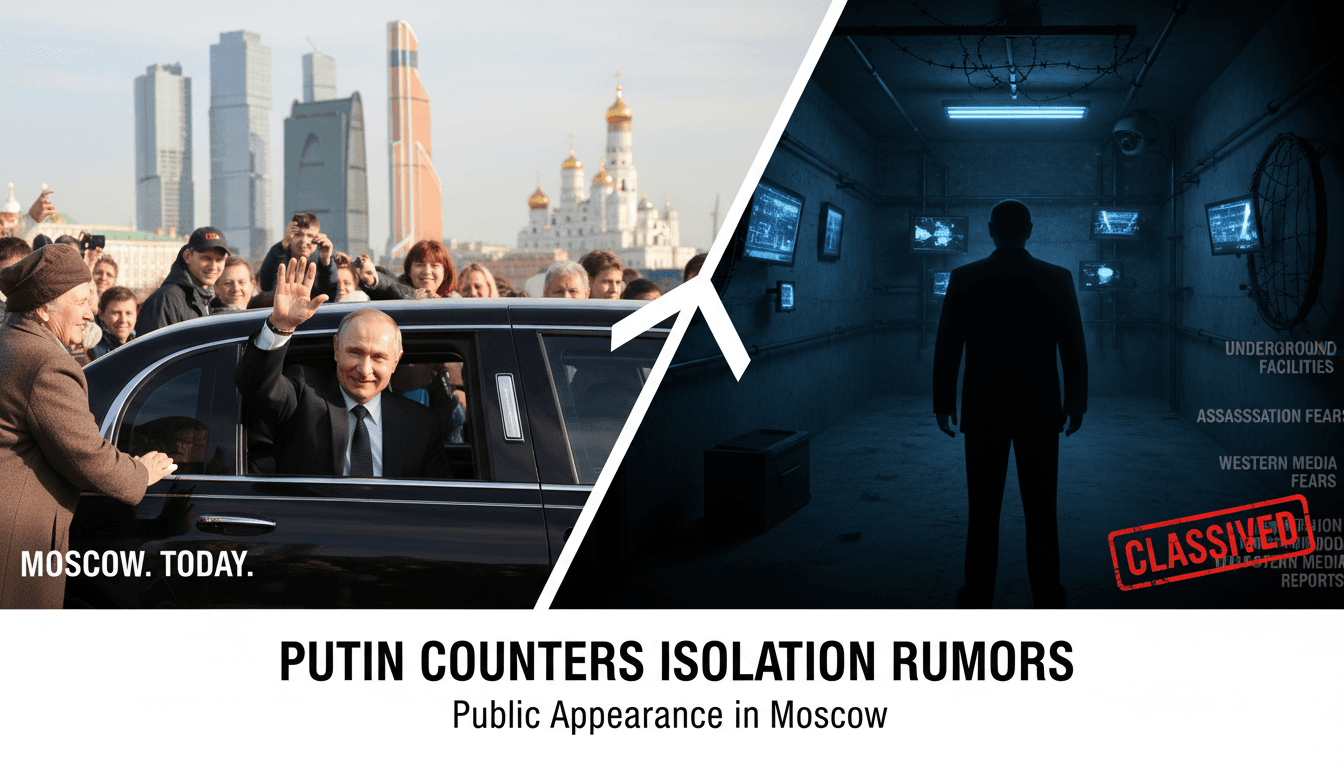
- Politics· MENA
Kuwait protests Iranian Revolutionary Guard infiltration amid armed clashes
Kuwait has summoned the Iranian ambassador following an attempted infiltration by Iranian Revolutionary Guard members, resulting in armed clashes with Kuwaiti forces. This incident, which occurred on May 12, 2026, has been condemned by Kuwait as a violation of its sovereignty and international law. The long-term implications may include heightened military readiness in Kuwait and a reevaluation of diplomatic relations with Iran.
3 sourcesMay 15Low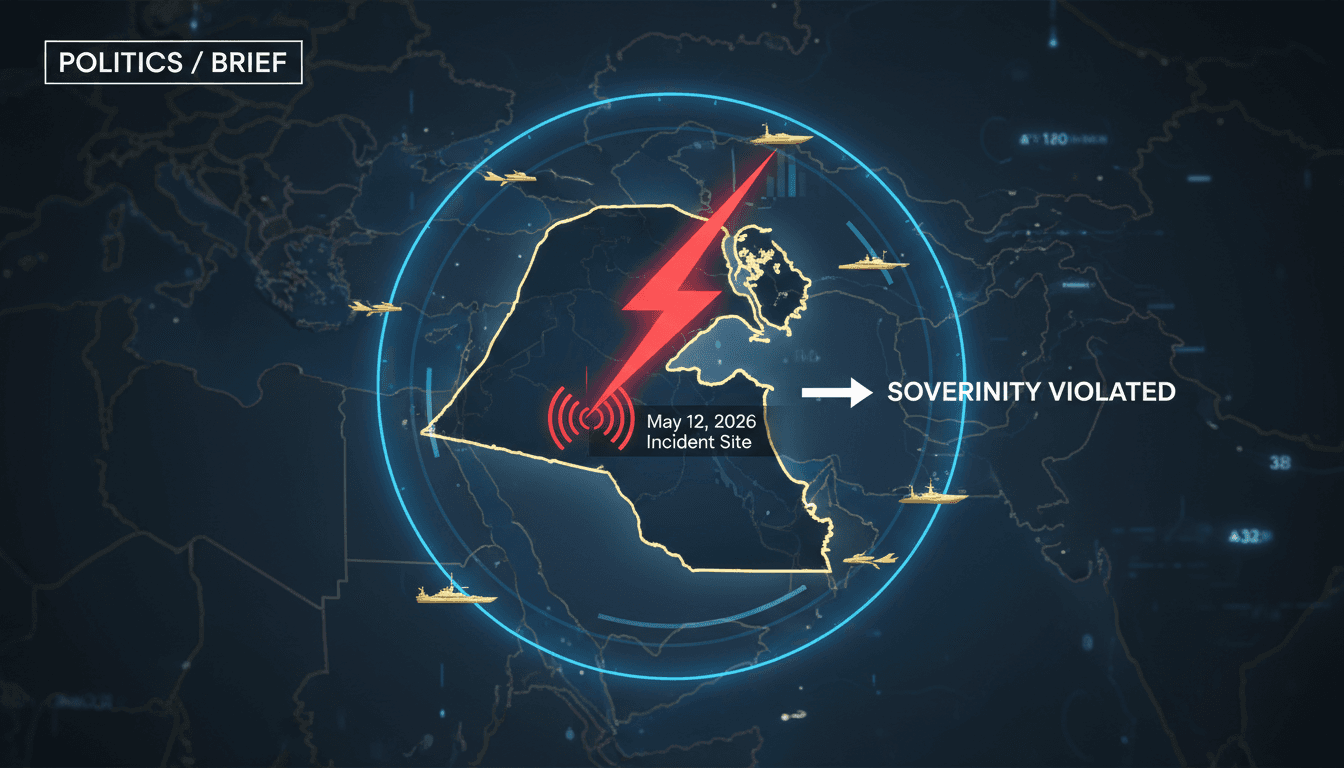
- Politics· World
China urges Pakistan to enhance mediation between US and Iran
China's Foreign Minister Wang Yi has called on Pakistan to intensify its mediation efforts between the United States and Iran. This request comes amid escalating tensions in the Middle East, highlighting China's desire to support regional stability. The outcome of these mediation efforts could significantly influence US-Iran relations and Pakistan's diplomatic standing in the region.
5 sourcesMay 15Low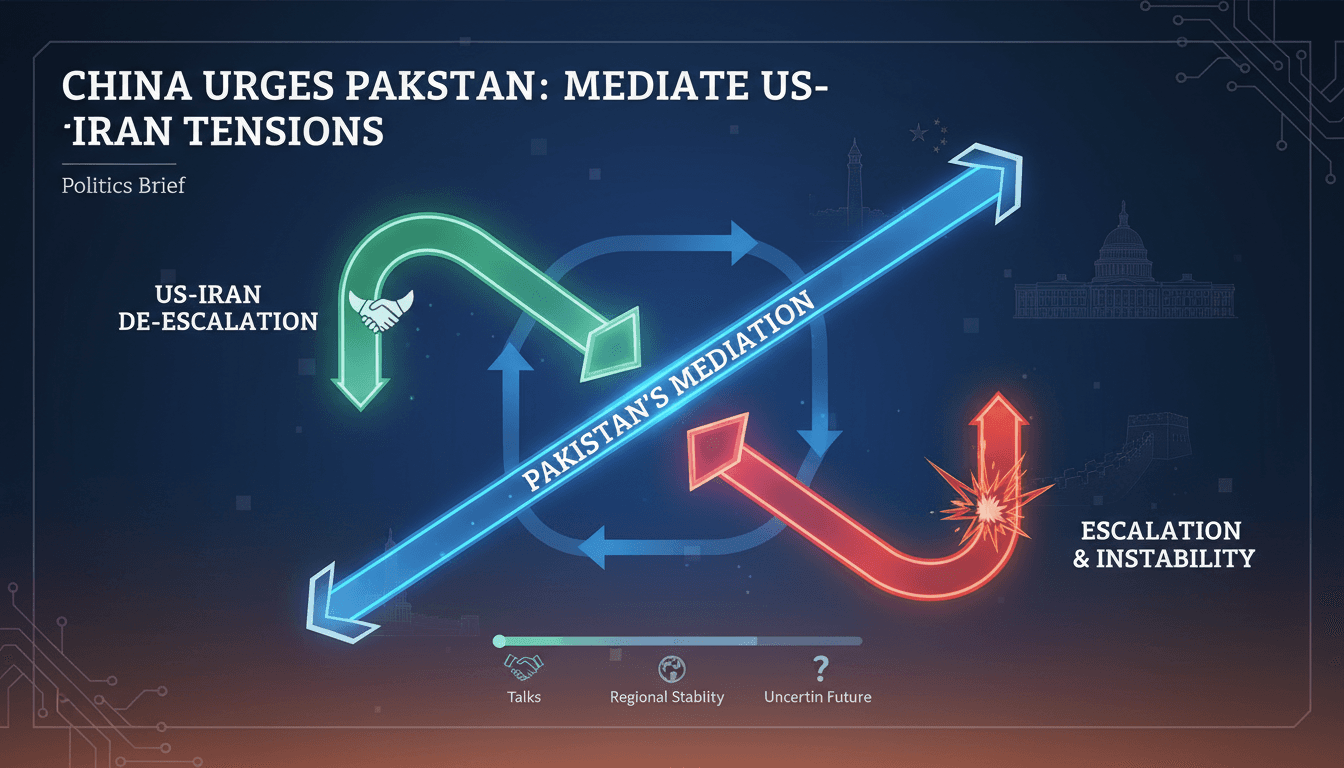
- Politics· MENA
Bahraini court sentences three to life for espionage linked to Iran's IRGC
A Bahraini court has sentenced three individuals to life imprisonment for their involvement in espionage activities linked to Iran's Islamic Revolutionary Guard Corps. This ruling comes amid Bahrain's intensified crackdown on Iranian-linked terrorism and espionage, following the arrest of 41 individuals connected to the same network. The long-term implication may involve heightened security measures and strained diplomatic relations between Bahrain and Iran.
6 sourcesMay 15Low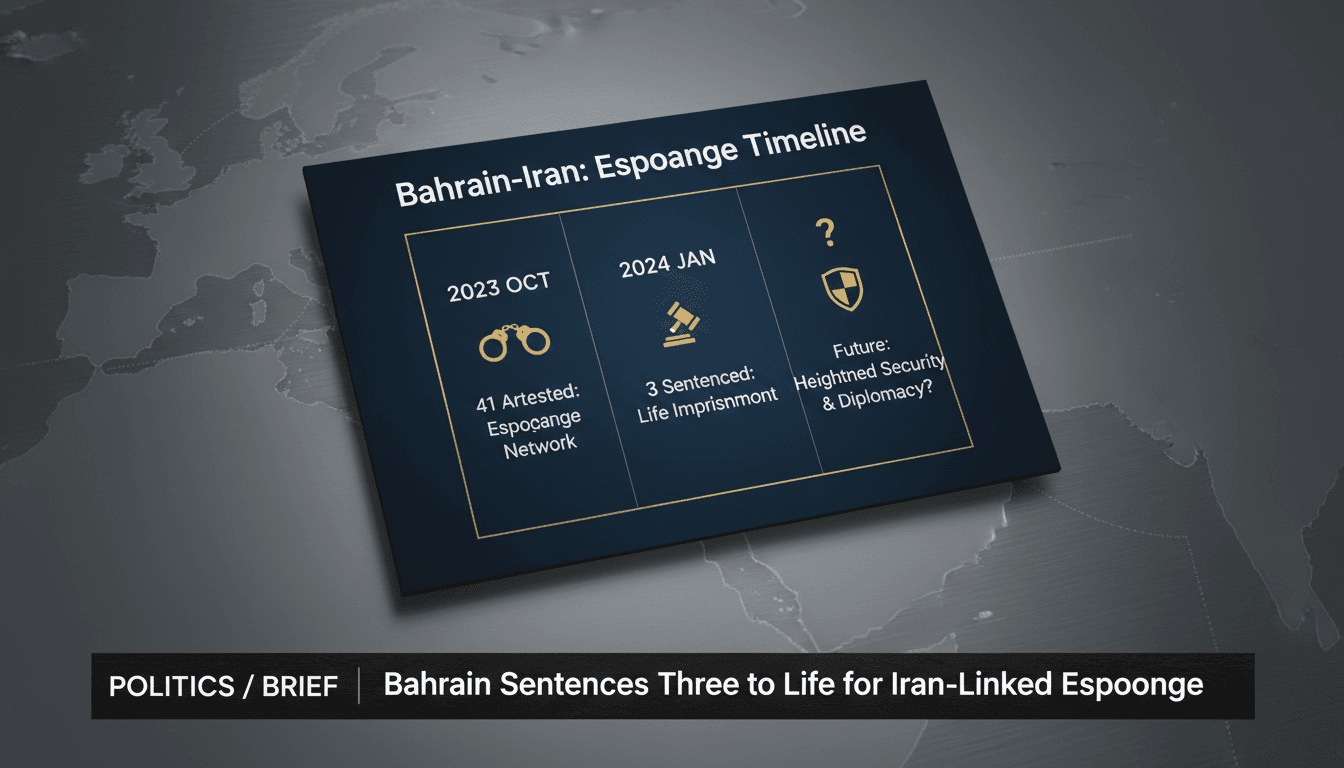
- Politics· MENA
Fugitive convict arrested in joint Saudi-Kuwaiti security operation
A fugitive convict was arrested and extradited from Saudi Arabia to Kuwait. This operation highlights the collaboration between Saudi and Kuwaiti security forces to enhance regional security. The successful arrest may lead to increased security collaboration between Gulf states.
3 sourcesMay 15Low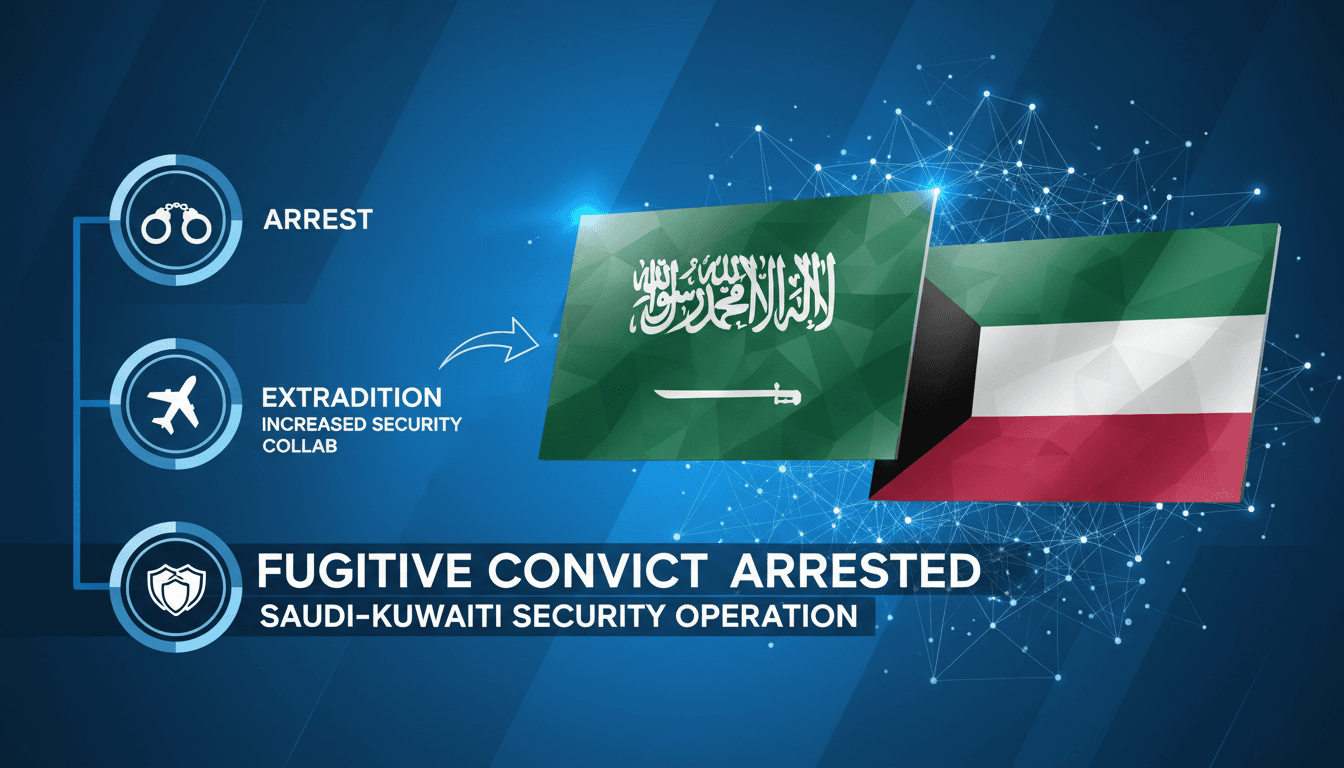
- Politics· UAE
UAE Designates 21 Hezbollah-Linked Individuals and Entities as Terrorists
The UAE has added 21 individuals and entities to its Local Terrorist List due to their connections with Hezbollah. This designation is part of the UAE's ongoing efforts to combat terrorism and disrupt financing networks associated with extremist groups. The long-term implication is a potential increase in scrutiny of financial networks linked to extremism, impacting regional security dynamics.
8 sourcesMay 15Low
- Politics· MENA
UAE President engages in strategic calls with US and Saudi leaders
UAE President Sheikh Mohamed bin Zayed Al Nahyan held phone calls with US President Donald Trump and Saudi Crown Prince Mohammed bin Salman to discuss regional security and cooperation. This diplomatic engagement is occurring as the UAE and US seek to enhance their strategic partnership amid evolving Middle Eastern dynamics. The ongoing dialogue suggests a commitment to collaborative efforts in addressing regional challenges and may lead to potential joint initiatives among Gulf nations.
7 sourcesMay 15Low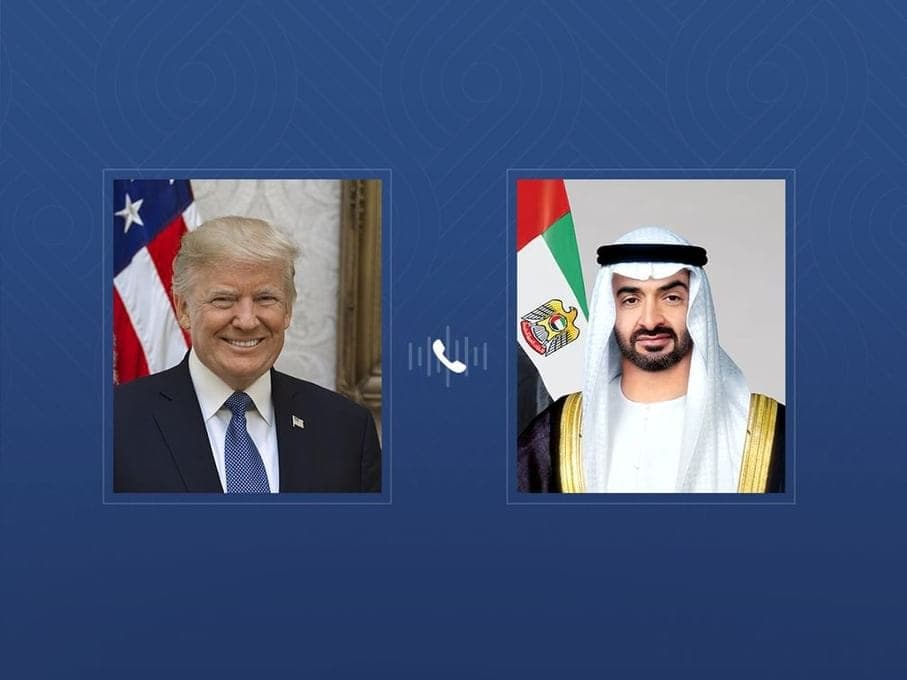
- Politics· World
Trump Arrives in China for Pivotal U.S.-China Summit
President Donald Trump has landed in China to engage in critical discussions with Chinese President Xi Jinping. This summit is triggered by ongoing tensions surrounding international trade, the Iran conflict, and U.S.-Taiwan relations. The outcomes of these discussions are likely to reshape future diplomatic and economic relations between the two superpowers.
3 sourcesMay 15High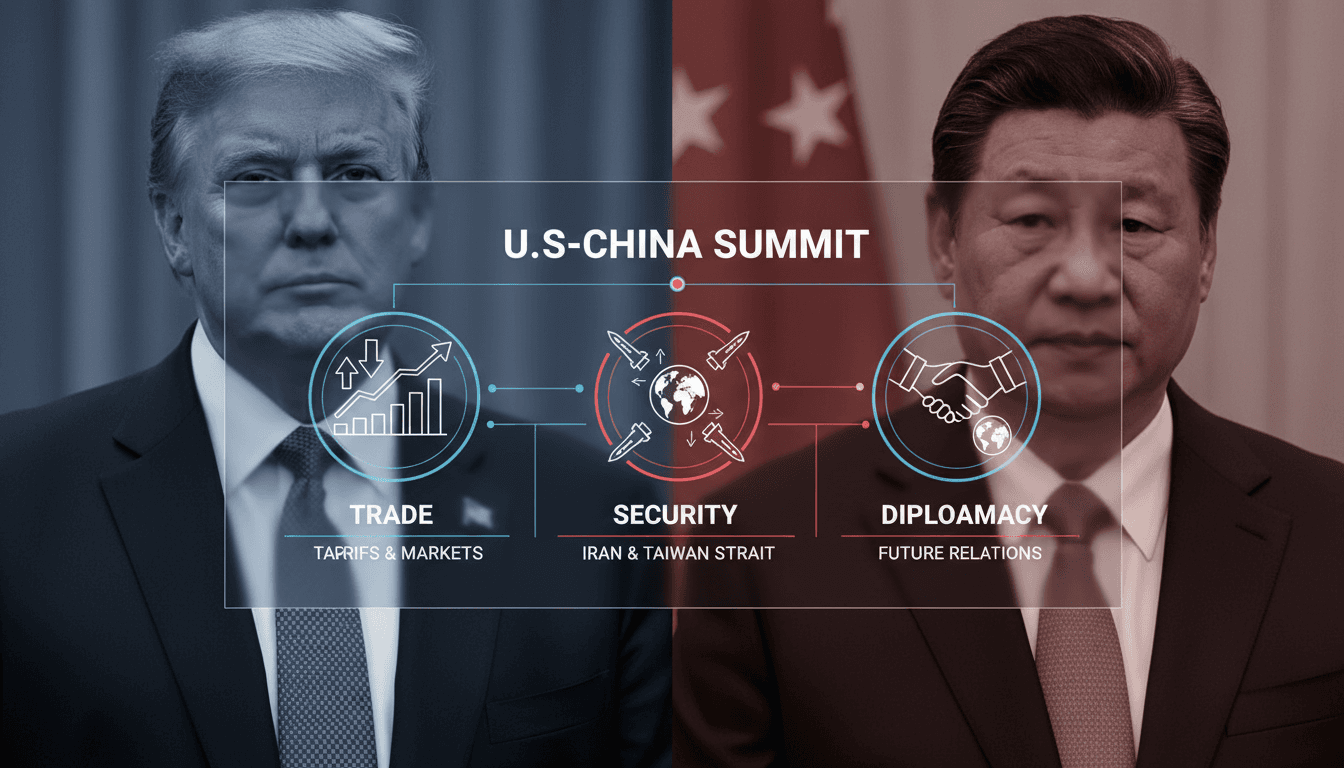
- Politics· MENA
Kuwaiti forces thwart Iranian infiltration attempt on Bubiyan Island
Kuwaiti forces successfully foiled an infiltration attempt by Iran's Islamic Revolutionary Guard Corps on Bubiyan Island. This escalation is occurring now due to the strategic significance of the island, which hosts a China-backed port, amidst rising tensions in the Gulf region. In the long term, Kuwait and its allies may enhance military readiness and diplomatic efforts to counter Iranian influence while Iran could respond with its own strategic maneuvers.
5 sourcesMay 15Moderate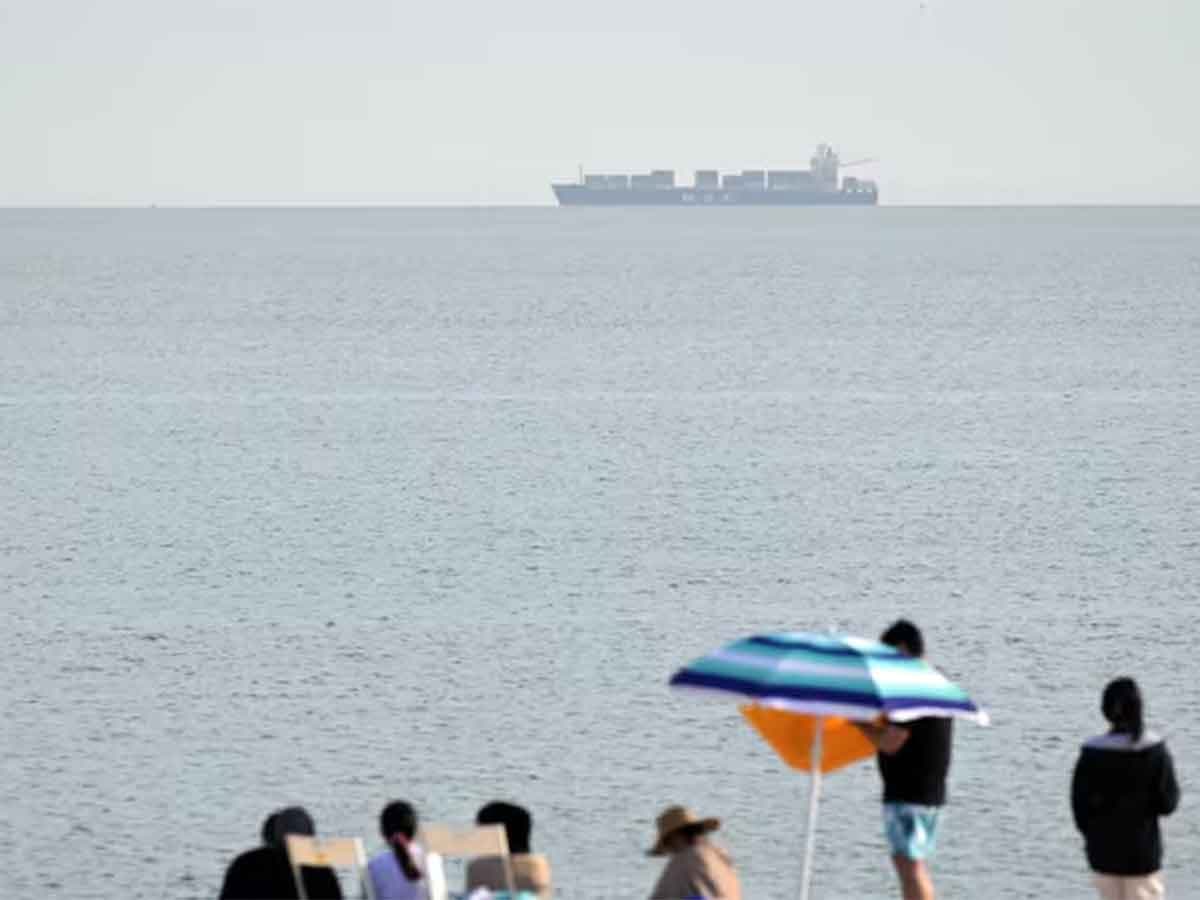
- World· World
Somali pirates kidnap eight Egyptian sailors from oil tanker M/T Eureka
Eight Egyptian sailors were taken hostage by Somali pirates after the oil tanker M/T Eureka was hijacked off the coast of Yemen. The immediate trigger for this incident is the pirates' demand for a $10 million ransom, which has raised concerns about the safety of the sailors and the response from their employer. In the long term, this situation may prompt increased international efforts to combat piracy in the region and enhance maritime security measures.
5 sourcesMay 15Low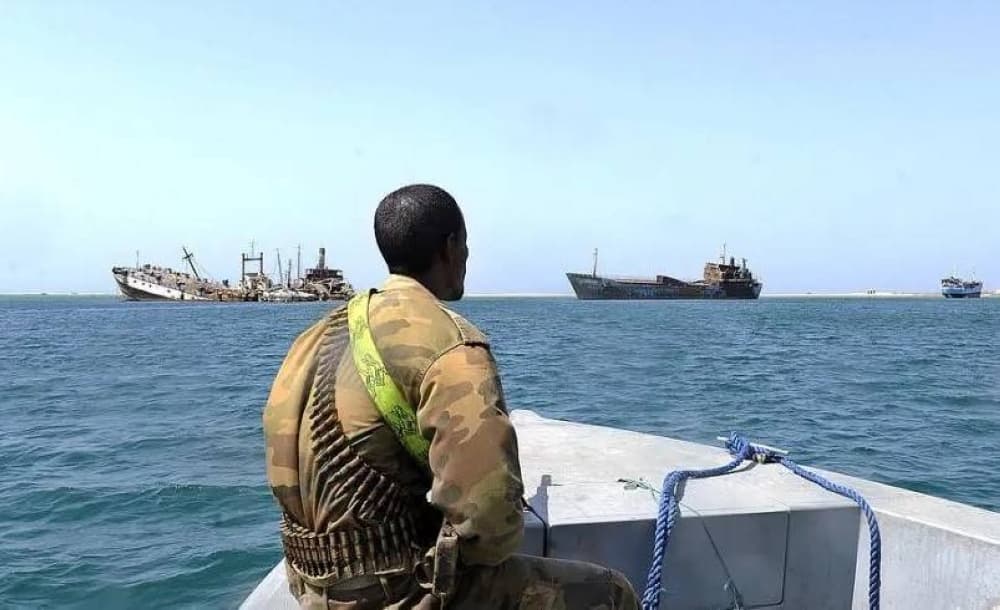
- World· MENA
Saudi Arabia mandates meningococcal vaccine for Hajj workers in 2026
The Saudi Ministry of Health has announced that all workers participating in the 2026 Hajj season must receive the meningococcal vaccine. This decision is driven by the need to enhance public health safety and prevent the spread of infectious diseases during the large gatherings associated with Hajj. Long-term, this initiative reflects a broader strategy to ensure the health and safety of both workers and pilgrims during the event.
3 sourcesMay 15Low
- Politics· MENA
UAE and Qatar leaders reaffirm commitment to bilateral relations and regional security
UAE President Sheikh Mohamed bin Zayed Al Nahyan and Qatar's Emir Sheikh Tamim bin Hamad Al Thani held a phone call to discuss strengthening their bilateral ties and addressing regional developments. This conversation reflects ongoing efforts to enhance cooperation between the two nations amidst evolving regional dynamics. The long-term implication is likely to be a continued focus on joint initiatives aimed at fostering stability and security in the region.
4 sourcesMay 15Low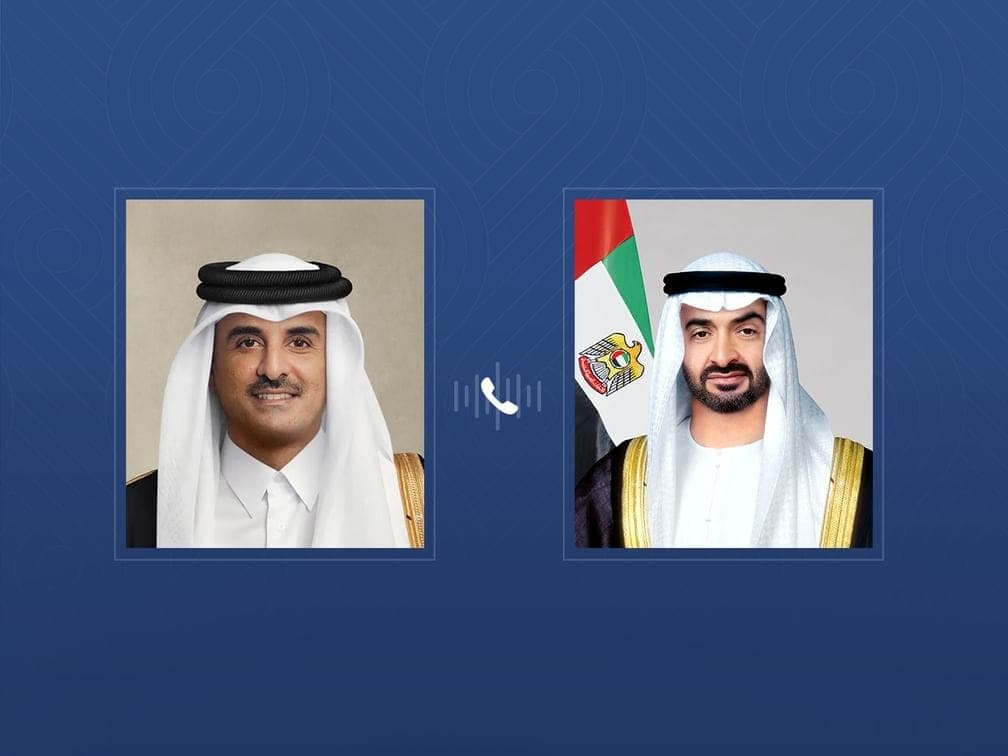
- Politics· MENA
Iran demands release of detained nationals from Kuwait amid rising tensions
Kuwaiti security forces have detained four Iranians following a clash on an island, escalating tensions between Iran and Kuwait. This incident has prompted Iran to issue threats regarding the release of the detainees, highlighting the fragile security dynamics in the Gulf region. The situation could lead to further diplomatic strain and potential military readiness from both sides if demands are not met.
3 sourcesMay 15High - World· World
South Korea attributes cargo vessel attack to Iran amid rising tensions
A South Korean cargo vessel was attacked near the Strait of Hormuz, with South Korea indicating that Iran is likely responsible. This assessment comes as South Korea analyzes intelligence from the U.S. regarding the incident. The long-term implication may involve escalated diplomatic responses and heightened maritime security measures in the region.
3 sourcesMay 15Moderate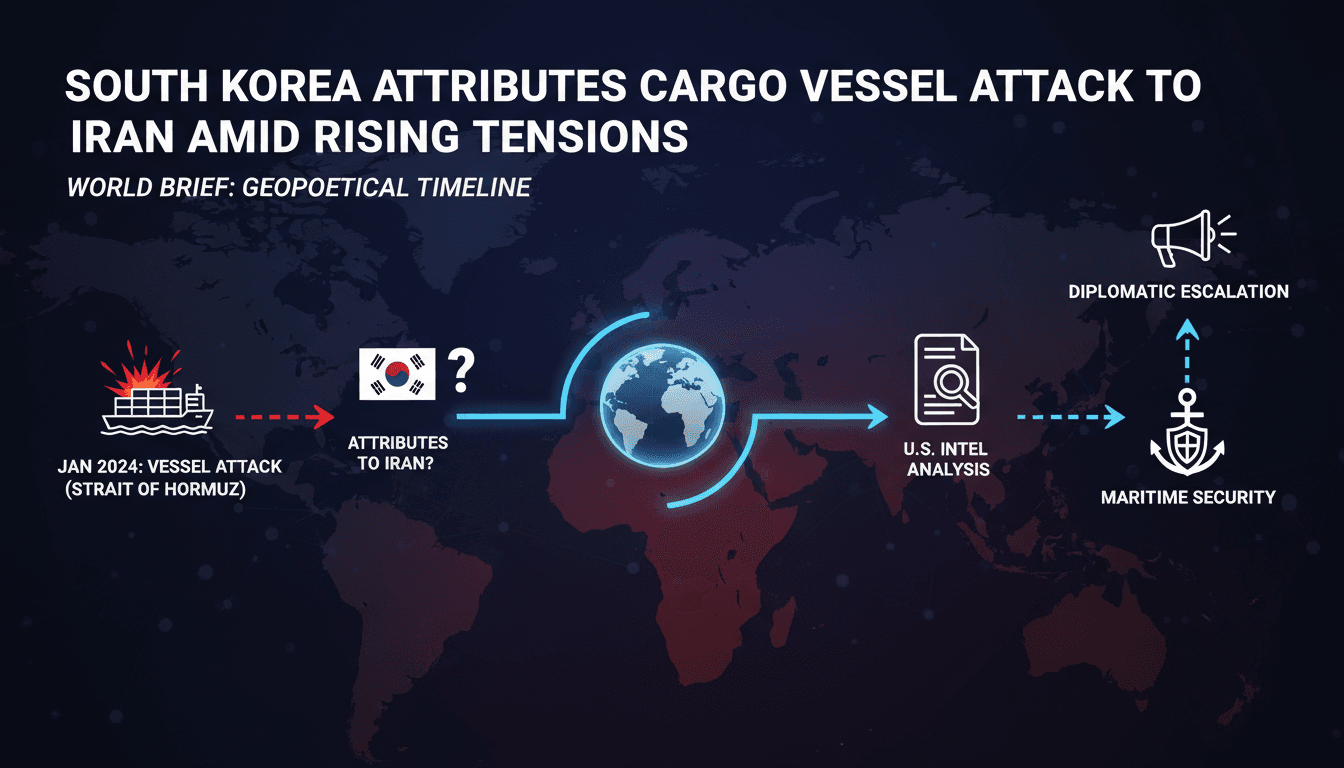
- World· UAE
UAE Approves Breakthrough Hypertension Drug Baxfendy
The UAE has become the first country in the world to approve the hypertension drug Baxfendy, which targets uncontrolled high blood pressure. This approval is facilitated by the Emirates Drug Authority and represents a significant advancement in cardiovascular health. The long-term implication is that successful outcomes from this drug could lead to similar innovations in hypertension treatment globally.
3 sourcesMay 15Low
- Politics· MENA
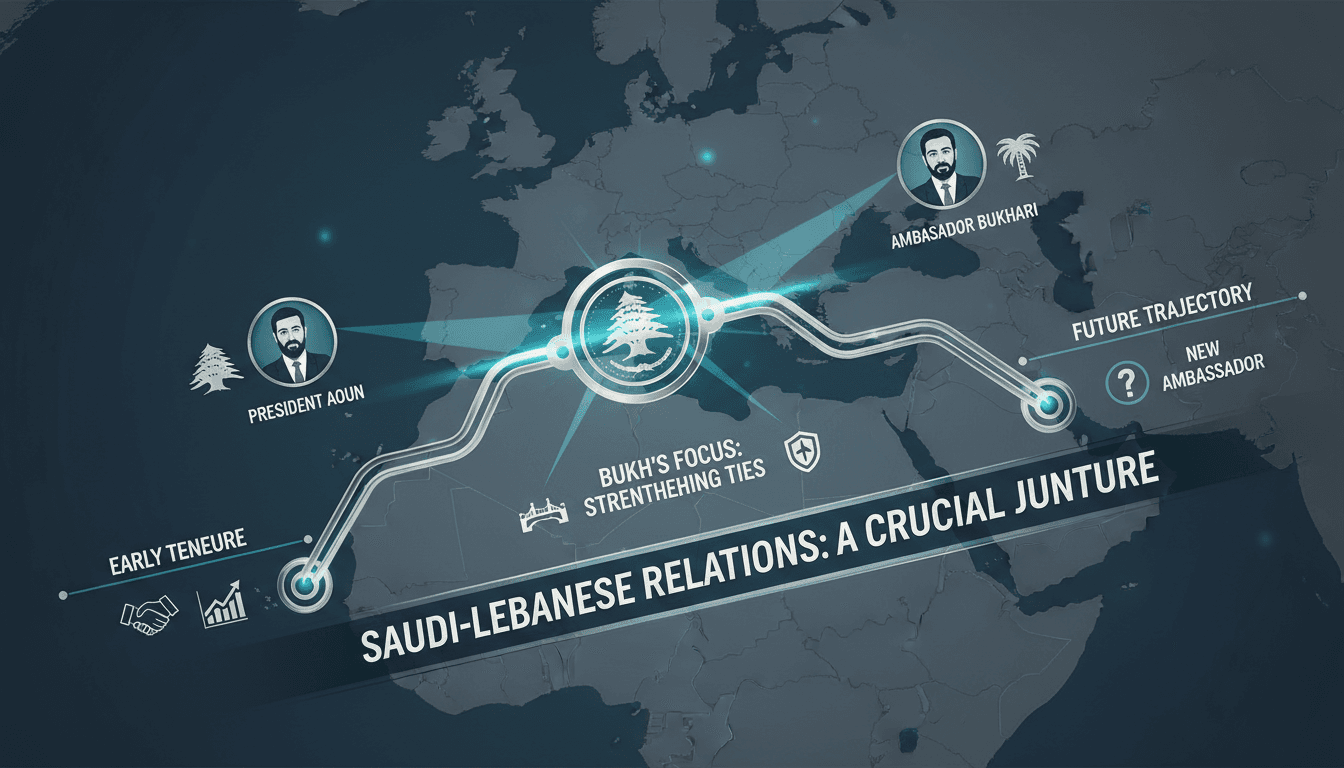
Lebanese President Aoun Awards National Order of the Cedar to Saudi Ambassador Bukhari
President Aoun awarded the National Order of the Cedar to Saudi Ambassador Waleed Bukhari during a farewell meeting. This recognition comes as Bukhari concludes his tenure, which focused on strengthening Saudi-Lebanese relations amid ongoing political challenges in Lebanon. The appointment of Bukhari's successor will be crucial in determining the future trajectory of diplomatic ties between Lebanon and Saudi Arabia.
4 sourcesMay 15Low