Bio
Andre is co-founder at A47 News. He is responsible for editorial standards and news curation, and shares commentary on AI, general technology, and global politics.
Editorial Responsibility
As Editor, I am responsible for all editorial standards, news sourcing, research, and content production.
Previous experience · 15+ years
- · Co-founder at Tiki
- · Operations Director at Rocket Internet
Education
BA Economics, University of Waikato
Areas of expertise
Categories overseen
Stories from Andre Teow’s desk
19718 stories- World· MENA
US and Iran approach temporary truce amid ongoing negotiations
The U.S. and Iran are reportedly close to a temporary truce amid ongoing negotiations. This development is triggered by Pakistan's mediation efforts and President Trump's optimism regarding a swift resolution. The long-term implication could significantly impact regional stability and global oil markets as negotiations unfold.
7 sourcesMay 9Low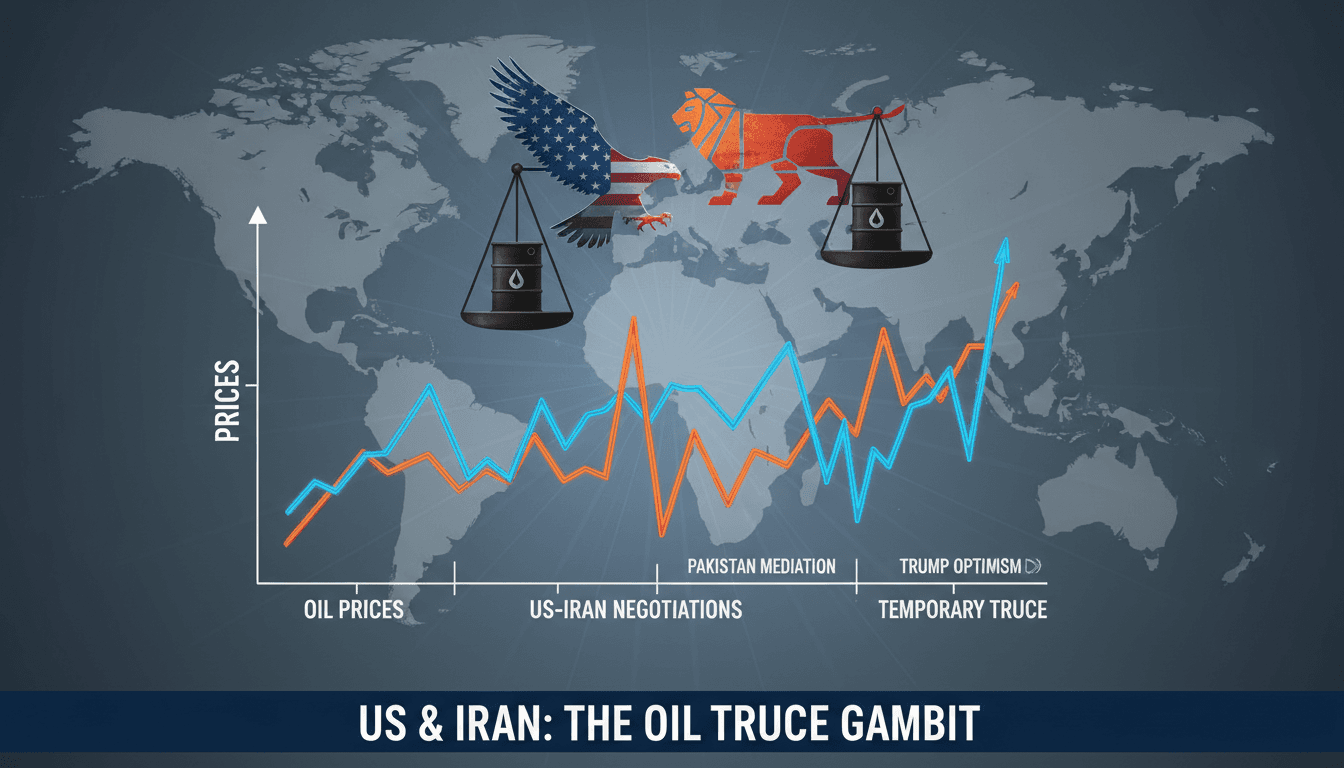
- Tech· World
Apple Settles Class-Action Lawsuit for $250 Million Over Siri AI Features
Apple has agreed to a $250 million settlement to resolve a class-action lawsuit alleging false advertising regarding delayed Siri AI features. This settlement comes after the company faced scrutiny for misleading claims made during promotional campaigns for its iPhone models. The long-term implication may involve increased regulatory oversight and consumer protection measures in the tech industry as AI features become more prevalent.
15 sourcesMay 9Moderate
- Politics· World
U.S. Reports Over 600 Attacks by Iran-Backed Militias in Iraq
The U.S. has documented more than 600 attacks on its facilities in Iraq by Iranian-backed militia groups in the past 48 hours. This escalation is prompting the U.S. to urge the Iraqi government to publicly disavow these militias and has led to sanctions against an Iraqi official for oil dealings with Iran. The long-term implication may involve a reevaluation of U.S.-Iraq relations and increased military presence in the region to counter these threats.
3 sourcesMay 9Moderate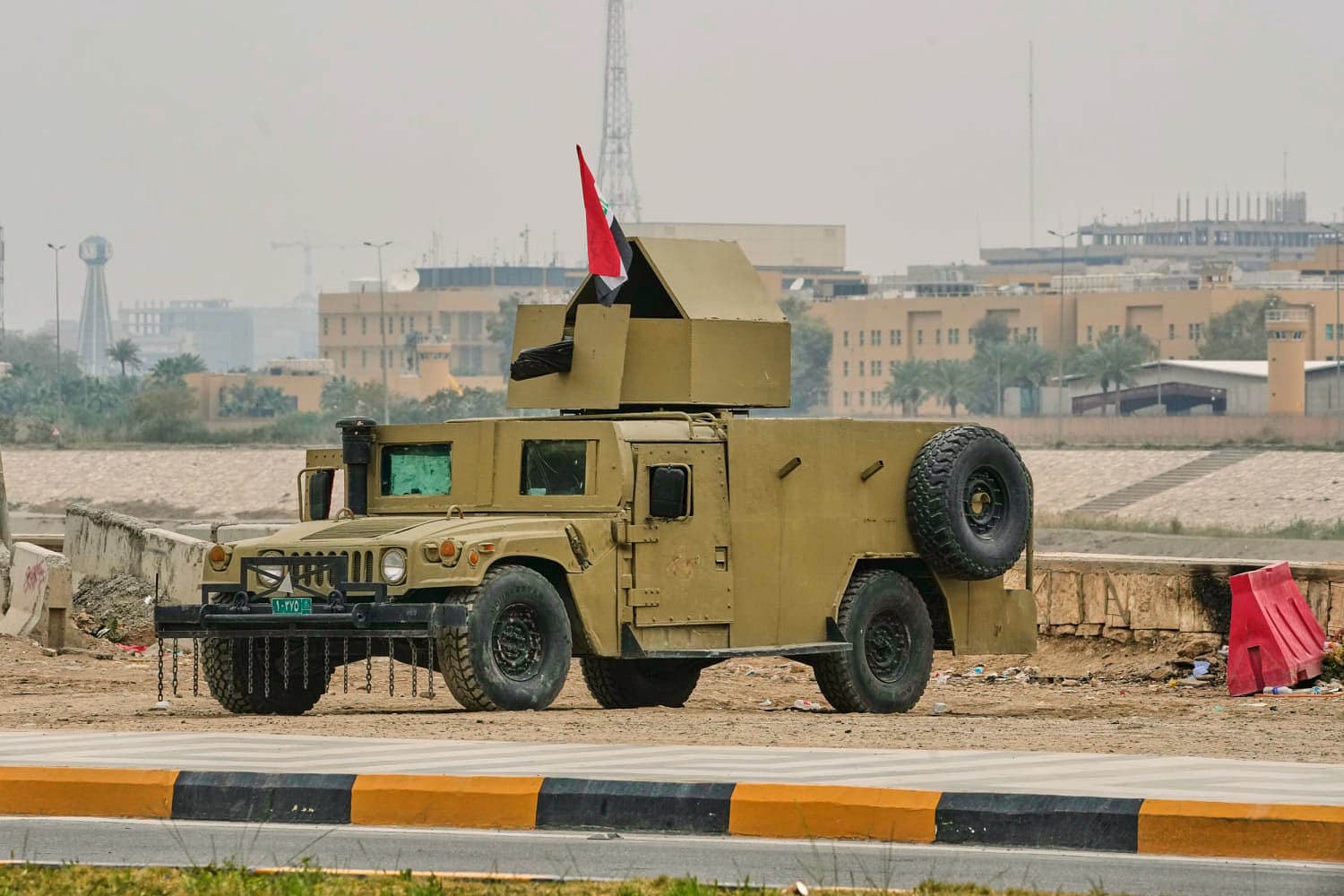
- Politics· World
Mark Hamill faces backlash from White House over AI-generated Trump image
Mark Hamill's posting of an AI-generated image depicting Donald Trump in a shallow grave has drawn severe criticism from the White House. The incident, which occurred within the last 48 hours, was triggered by the image's perceived violent implications, leading to Hamill's apology and deletion of the post. This controversy underscores the increasing scrutiny of political expression on social media and may prompt public figures to exercise greater caution in their online communications.
3 sourcesMay 9High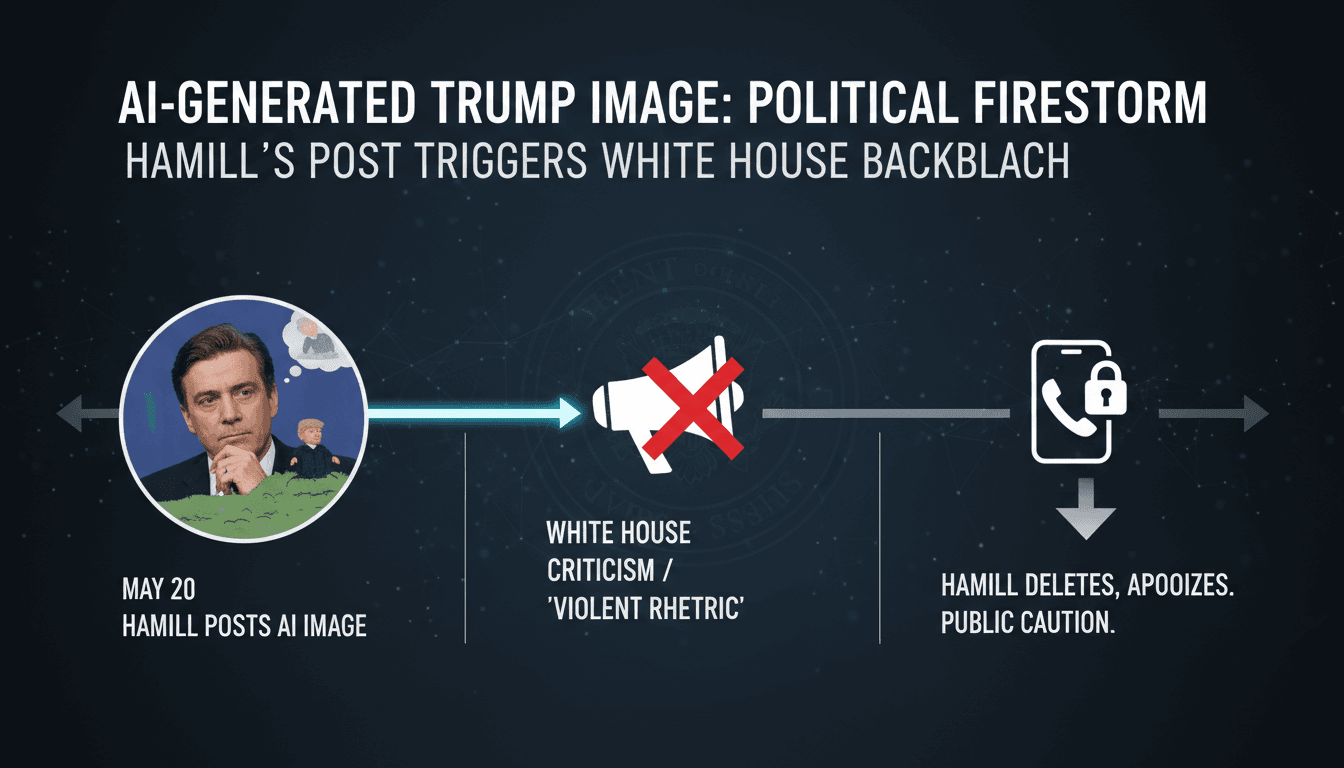
- Politics· World
Trump Seeks Peace Deal with Iran Amid Military Tensions
The U.S. and Iran are currently engaged in military exchanges while President Trump pursues a peace proposal. This situation is unfolding as the Trump administration awaits Iran's response to the U.S. offer, with mixed reactions regarding the potential for military escalation. The outcome of these negotiations could significantly reshape U.S.-Iran relations and influence future diplomatic efforts in the region.
4 sourcesMay 9High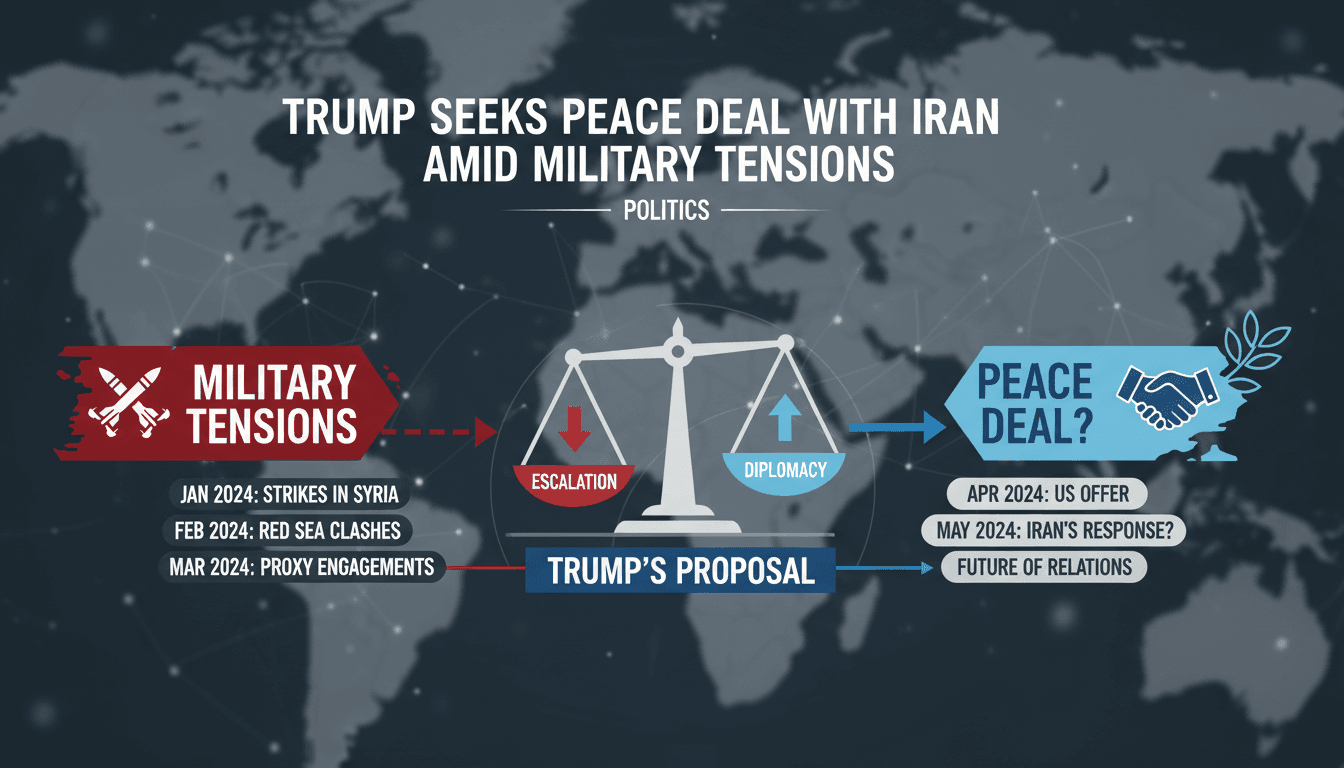
- Politics· World
U.S. Awaits Iran's Response to Peace Proposal Amid Rising Tensions
The U.S. is expecting a response from Iran regarding a proposed peace deal by the end of Friday. This anticipation follows recent escalations in violence around the Strait of Hormuz, despite a fragile ceasefire. The outcome of Iran's response could significantly influence future diplomatic relations and stability in the region.
6 sourcesMay 9High
- World· World
Hantavirus outbreak on MV Hondius leads to multiple passenger deaths and global health response
The MV Hondius is experiencing a hantavirus outbreak, with three confirmed passenger deaths and five additional cases linked to rodent exposure. This situation has escalated following the captain's misleading announcement about the first death, prompting global contact tracing efforts by the WHO and health authorities across 23 countries. Long-term implications include heightened scrutiny of health protocols on cruise ships and potential changes in maritime health regulations to prevent similar outbreaks in the future.
84 sourcesMay 9High
- Politics· World
ABC Network Challenges FCC Over First Amendment Rights in Political Coverage
ABC has accused the FCC of infringing on its First Amendment rights through new policy shifts. This legal challenge arises as the network seeks to protect its political commentary, particularly on its show 'The View,' from perceived government overreach. The outcome could set significant precedents for media freedom and government regulation in the United States.
3 sourcesMay 9Moderate
- World· MENA
Qatar and Yemen Condemn Drone Attack on Khartoum International Airport Amid Sudanese Civil War Escalation
A drone attack targeted Khartoum International Airport on May 4, 2026, causing minor damage but no casualties. The immediate trigger for this incident was Sudan's accusation that Ethiopia and the UAE launched the drones from Ethiopian territory, coinciding with the ongoing civil war in Sudan. Long-term implications include heightened regional tensions and potential diplomatic fallout as multiple nations condemn the attack and call for respect of Sudan's sovereignty.
7 sourcesMay 8Low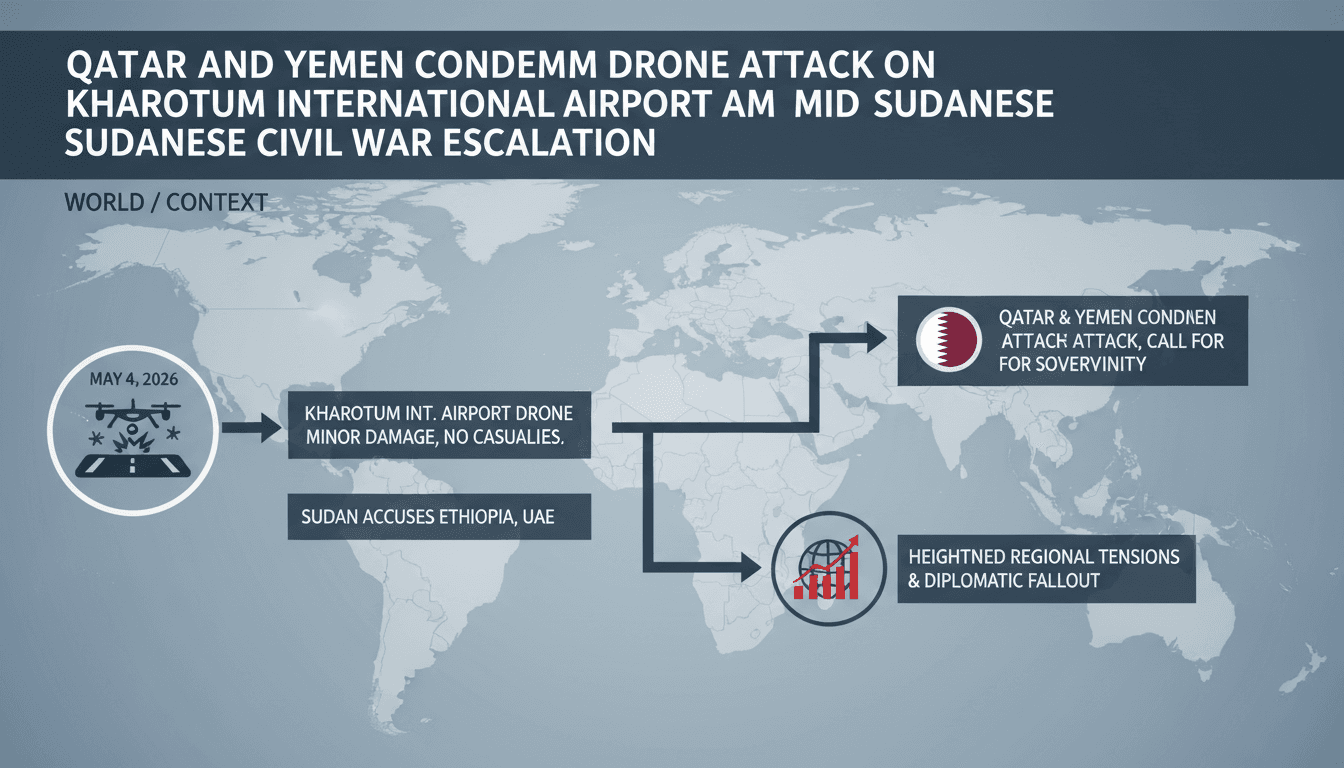
- Politics· World
Israeli court extends detention of foreign activists involved in Gaza humanitarian mission
An Israeli court has extended the detention of two foreign activists, Thiago de Avila and Saif Abu Kask, until Sunday. This decision follows a prosecution request and raises concerns about the treatment of activists and the legal processes in Israel. The situation may lead to increased international pressure on Israel regarding human rights and the legality of such detentions, potentially affecting future humanitarian missions to Gaza.
3 sourcesMay 8High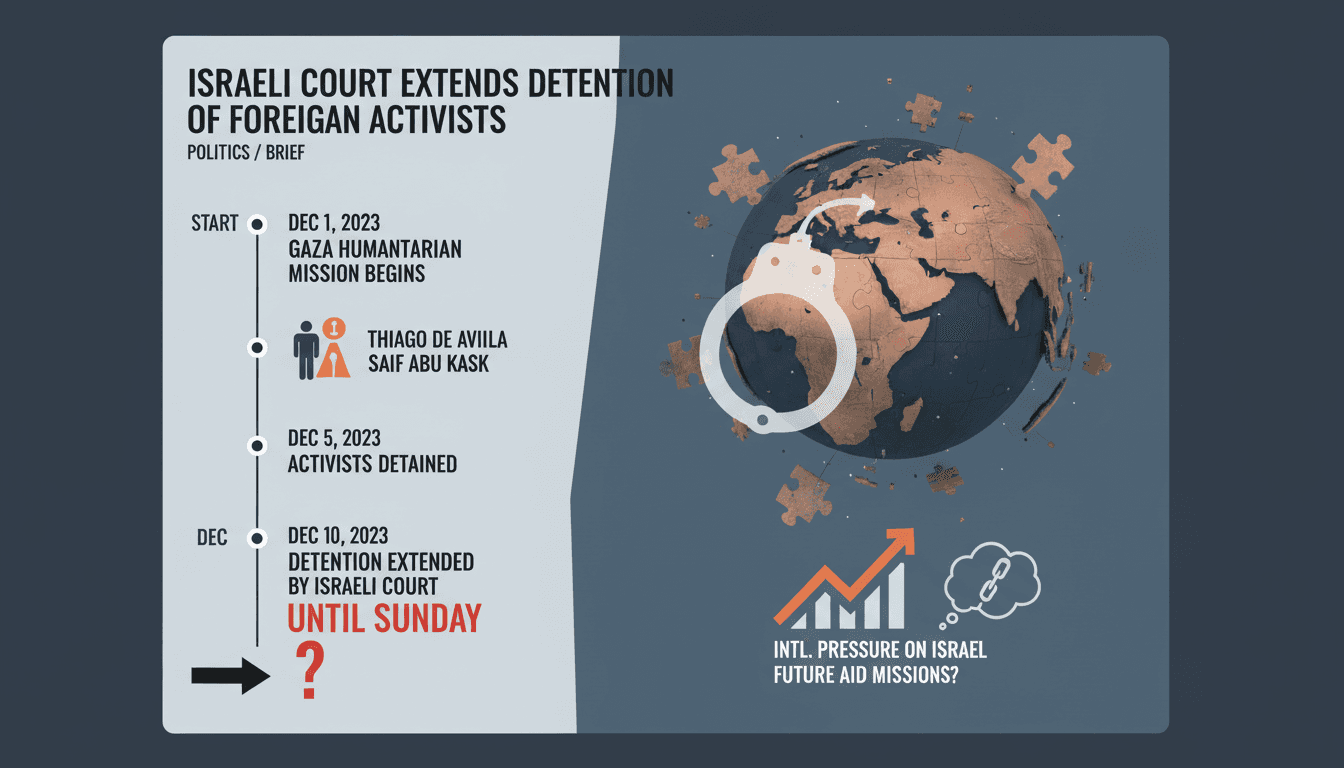
- Politics· World
U.S. Embassy in Baghdad issues urgent evacuation warning for American citizens
The U.S. Embassy in Iraq has ordered American citizens to evacuate the country due to serious security threats. This warning comes as Iranian-aligned militias are reportedly planning further attacks against U.S. interests in Iraq. The long-term implication may involve increased U.S. military and diplomatic responses to ensure the safety of its citizens and interests in the region.
4 sourcesMay 8Low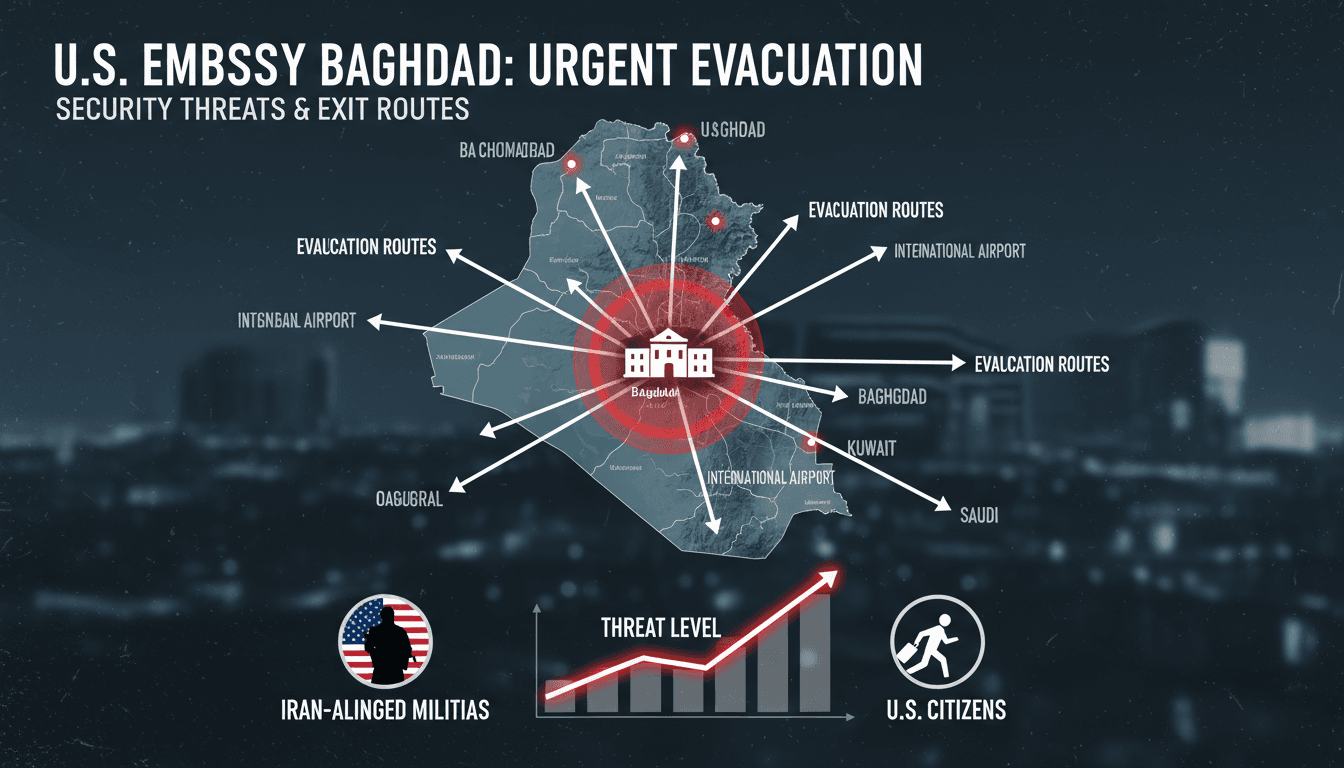
- World· MENA
4.4 magnitude earthquake strikes southwestern Kuwait
A 4.4 magnitude earthquake hit southwestern Kuwait today, with its epicenter located in the Al-Manqish area. The earthquake was recorded by the Kuwait National Seismic Network at 1:27 PM local time, prompting immediate monitoring for aftershocks. Authorities are expected to conduct structural assessments in the affected areas to ensure public safety and preparedness for potential future seismic activity.
3 sourcesMay 8Low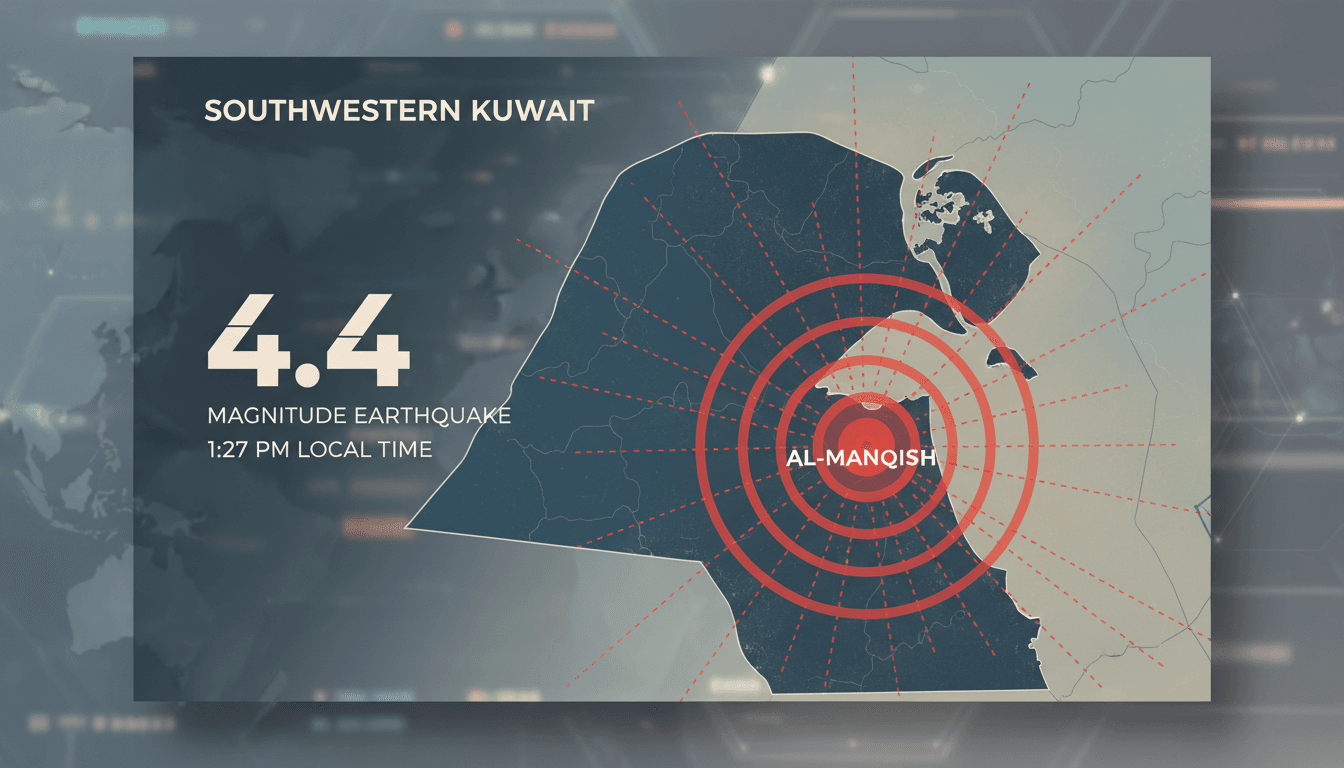
- Politics· MENA
Saudi Arabia Calls for Regional De-escalation and Supports Pakistani Mediation Efforts
The Saudi Cabinet has emphasized the need for a political resolution to reduce regional tensions and has expressed support for Pakistani mediation efforts. This call comes amid rising security concerns, particularly regarding Iranian attacks on the UAE. Long-term, Saudi Arabia's proactive diplomatic stance may enhance stability in the Middle East if these initiatives succeed.
3 sourcesMay 8Low
- Politics· MENA
Syrian authorities dismantle Hezbollah-linked cell planning attacks
Syrian authorities have dismantled a cell allegedly linked to Hezbollah that was preparing to execute terrorist activities across multiple provinces. This operation comes amid heightened tensions between the Syrian government and Hezbollah, with the latter denying any involvement. The long-term implication may involve increased security operations and scrutiny of militant activities as both parties navigate their complex relationship in a fragile security environment.
3 sourcesMay 8Low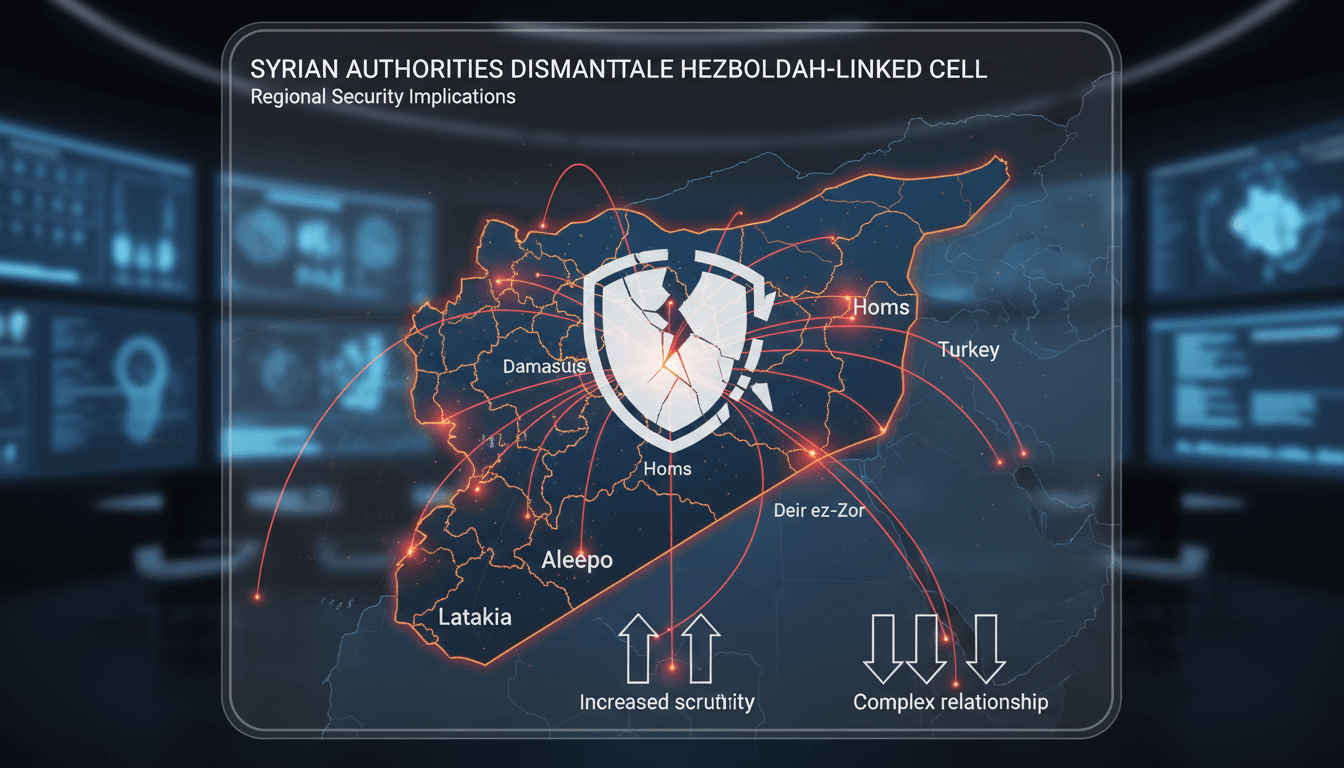
- Politics· World
U.S. Ends Military Operation 'Epic Fury' Against Iran
The U.S. has officially ended its military operations against Iran. This announcement follows a month-long ceasefire between the U.S. and Iran, reflecting a significant shift in U.S. military engagement in the region. As military operations conclude, the focus may shift towards diplomatic negotiations to address ongoing tensions with Iran and its nuclear ambitions.
3 sourcesMay 8High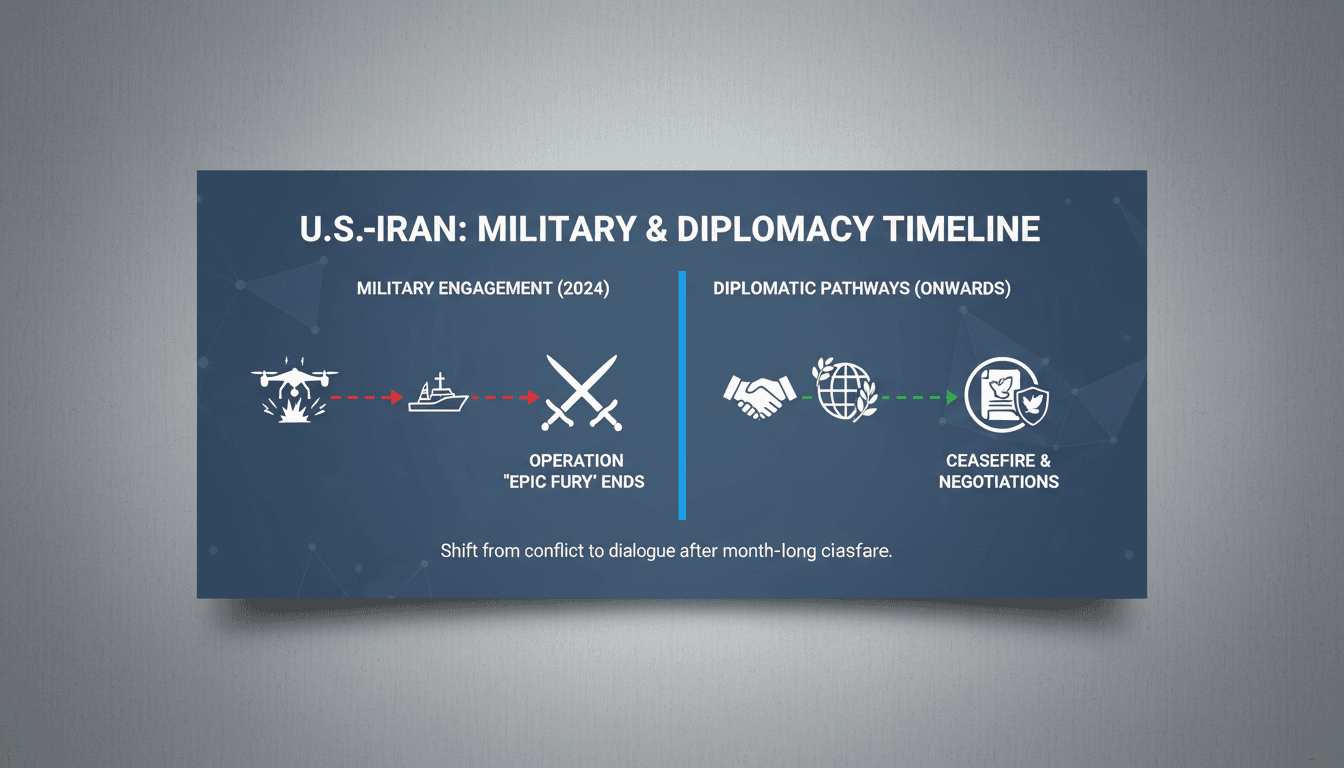
- Politics· MENA
Saudi and Jordanian Foreign Ministers Discuss Regional Stability
Saudi Foreign Minister Prince Faisal bin Farhan and Jordanian Foreign Minister Ayman Safadi held a phone conversation to address regional developments. This dialogue is occurring as both nations seek to enhance their diplomatic relations and maintain stability amidst evolving geopolitical challenges. The long-term implication may involve increased collaboration between Saudi Arabia and Jordan on security and diplomatic initiatives in the Middle East.
3 sourcesMay 8Low
- Politics· MENA
Syria and UAE condemn Iranian drone attacks on civilian sites
Iranian drone attacks have targeted civilian areas in the UAE, prompting strong condemnations from both Syrian and Emirati officials. This escalation is occurring as the UAE increasingly vocalizes its concerns over Iranian threats to national security. The long-term implication may involve heightened military readiness and potential diplomatic conflicts in the region as both nations reassess their alliances and security strategies.
3 sourcesMay 8Low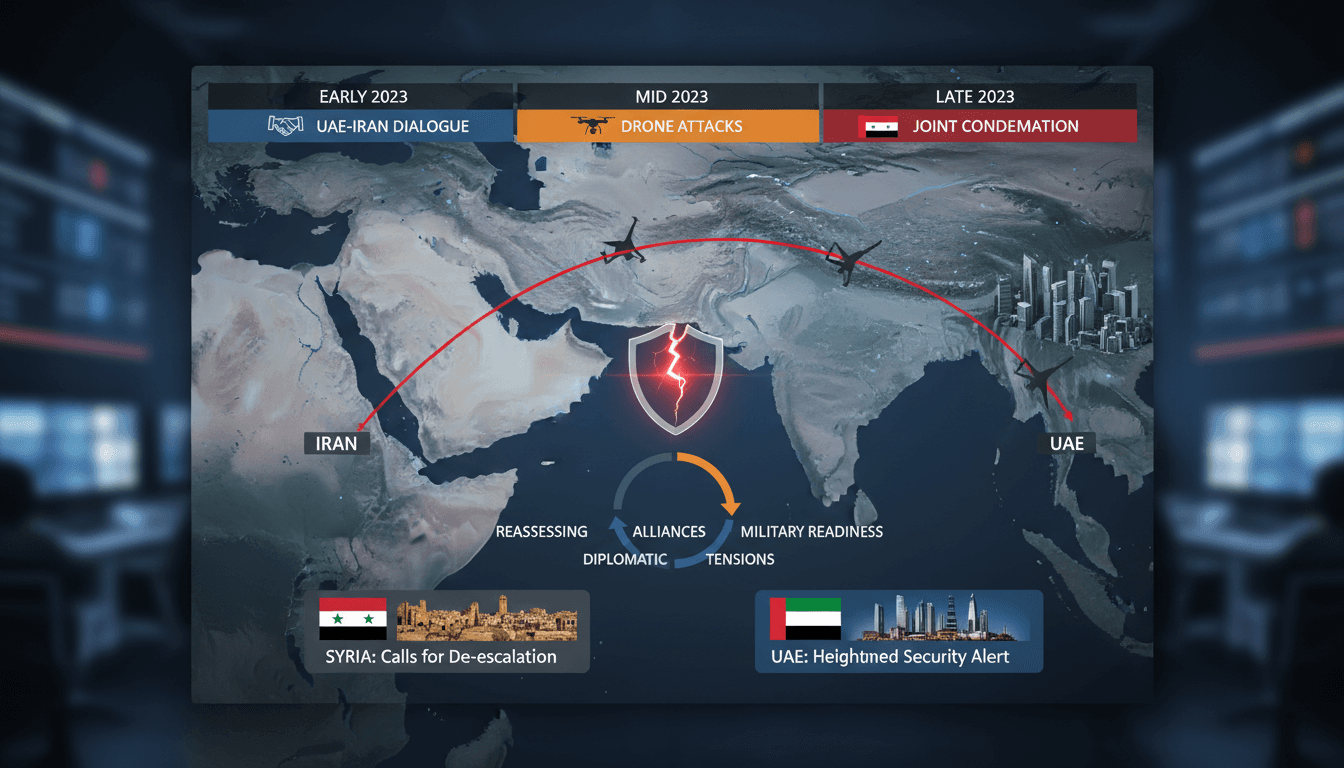
- Politics· UAE
India condemns drone and missile attacks on Fujairah injuring three nationals
India has condemned a drone and missile attack on Fujairah, UAE, which resulted in injuries to three Indian citizens. This condemnation comes amid rising tensions in the Gulf region, highlighting India's concerns for the safety of its citizens abroad. The incident raises significant alarms regarding the stability of energy supplies in the Gulf, potentially prompting international diplomatic efforts to address the escalating conflict.
3 sourcesMay 8Low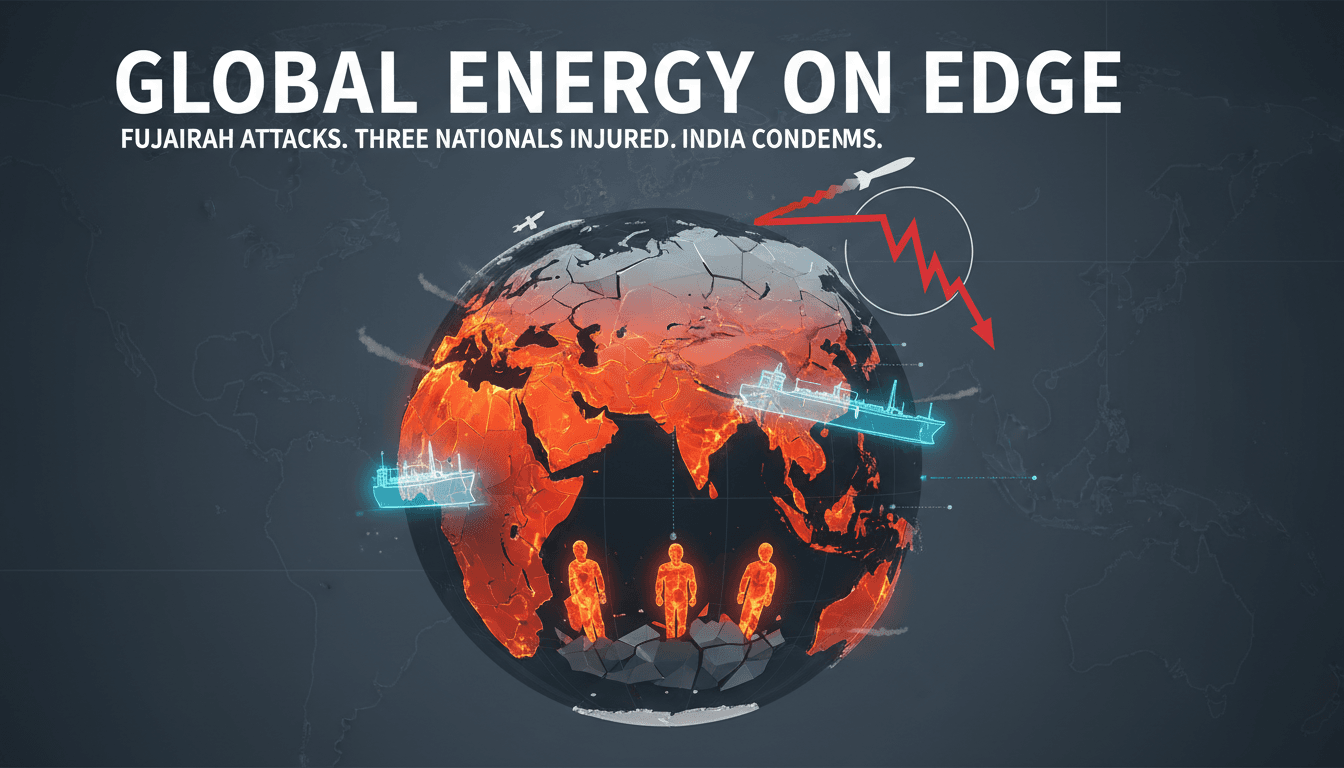
- Politics· World
Iranian Foreign Minister Engages in Diplomatic Talks in Beijing Amid U.S. Tensions
Iran's Foreign Minister Abbas Araghchi has arrived in Beijing for discussions with his Chinese counterpart, marking a significant diplomatic engagement. This visit is prompted by escalating tensions between the U.S. and Iran, coinciding with an upcoming trip by U.S. President Donald Trump to China. The outcome of these talks could influence future U.S.-Iran relations and regional stability.
3 sourcesMay 8Moderate
- Politics· UAE
UAE Celebrates 50 Years of Armed Forces Unification as Key to National Strength
On May 6, 2026, the United Arab Emirates commemorated the 50th anniversary of the unification of its Armed Forces, highlighting its significance in building a modern defense system. This celebration is triggered by the ongoing commitment to national security and military readiness amid regional geopolitical tensions. The long-term implication is a strengthened defense posture that may influence future military investments and regional stability initiatives.
7 sourcesMay 8Low