
Bio
Andre is co-founder at A47 News. He is responsible for editorial standards and news curation, and shares commentary on AI, general technology, and global politics.
Editorial Responsibility
As Editor, I am responsible for all editorial standards, news sourcing, research, and content production.
Previous experience · 15+ years
- · Co-founder at Tiki
- · Operations Director at Rocket Internet
Education
BA Economics, University of Waikato
Areas of expertise
Categories overseen
Stories from Andre Teow’s desk
19724 stories- World· MENA
CMA CGM container ship attacked in Strait of Hormuz injuring crew members
The CMA CGM vessel San Antonio was attacked while transiting the Strait of Hormuz, injuring crew members. This incident is occurring amid heightened tensions and conflicts in the Middle East, which have raised concerns about maritime safety in a critical shipping lane for global oil trade. As geopolitical tensions persist, the safety of maritime routes in the region will remain a critical concern for global shipping and oil trade.
3 sourcesMay 7Low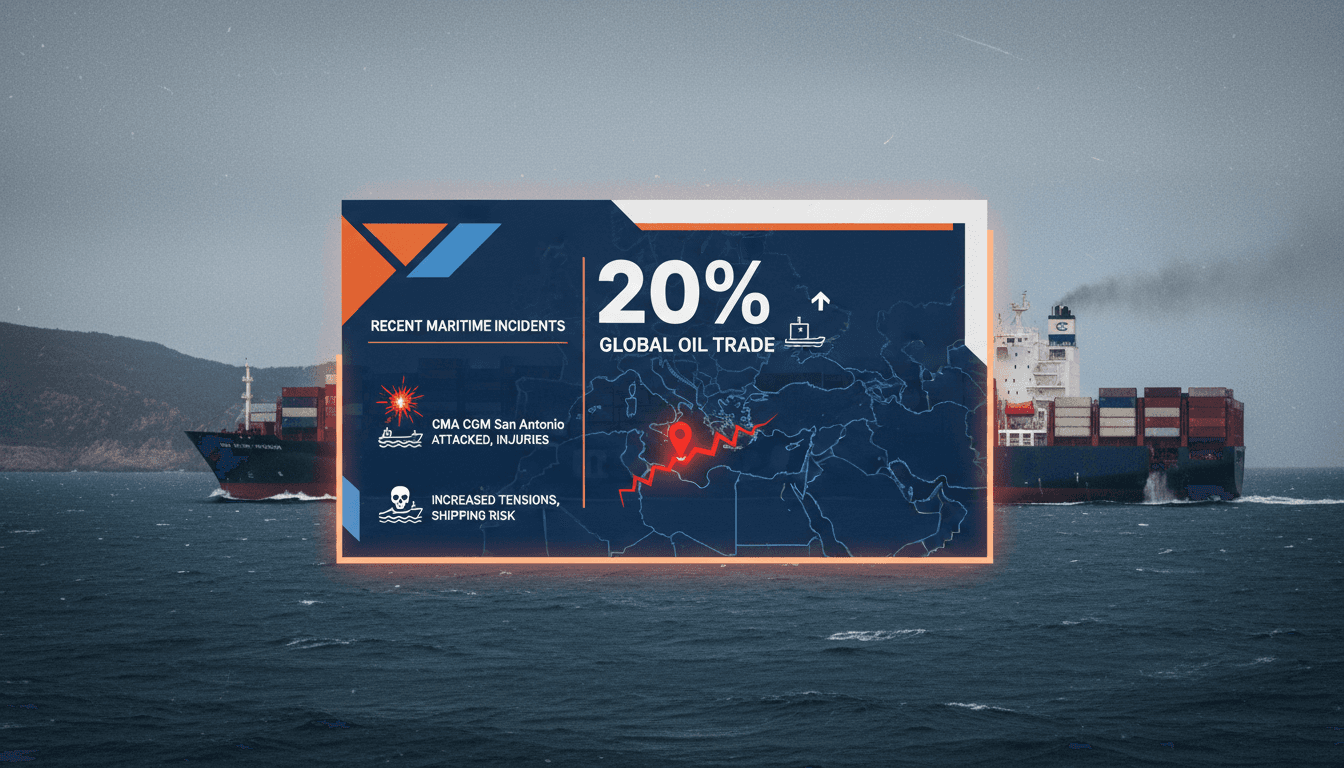
- Politics· MENA
US Evacuates Iranian Crew from Seized MV Tosca Amid Strait of Hormuz Tensions
The United States evacuated 22 crew members from the Iranian-flagged MV Tosca to Pakistan as part of a confidence-building measure following their detention for violating a U.S. naval blockade. This action comes amid heightened U.S.-Iran tensions and a fragile ceasefire after a recent conflict, prompting the U.S. to enforce strict maritime security measures. The long-term implication may involve Pakistan's increased role in mediating U.S.-Iran relations as both nations navigate ongoing diplomatic challenges.
7 sourcesMay 7Low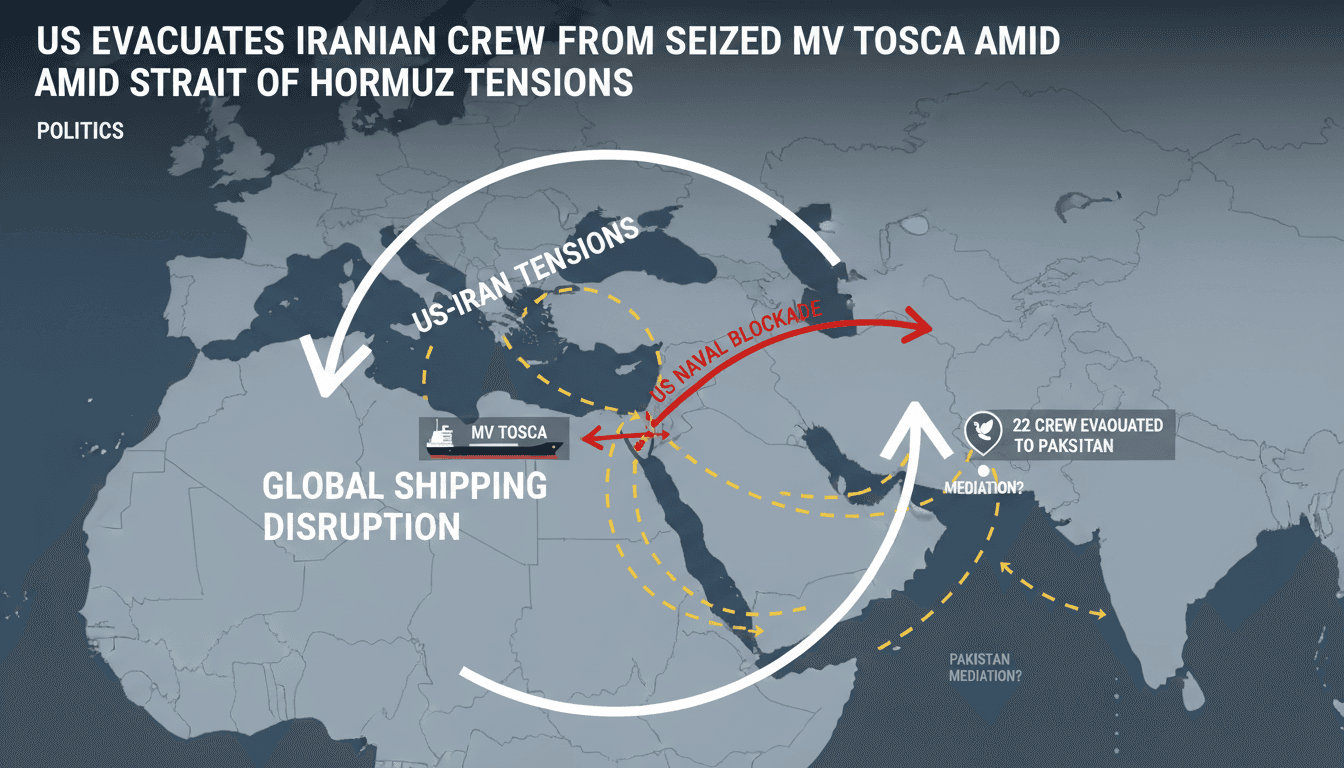
- World· MENA
Iran's missile strikes escalate tensions in the Strait of Hormuz impacting oil prices
Iran launched missile attacks on vessels in the Strait of Hormuz, causing significant volatility in oil prices. This escalation prompted President Trump's announcement of Project Freedom to assist stranded vessels, which has led to mixed market reactions. The ongoing situation is likely to keep oil markets sensitive to geopolitical developments, potentially resulting in further price fluctuations.
5 sourcesMay 7High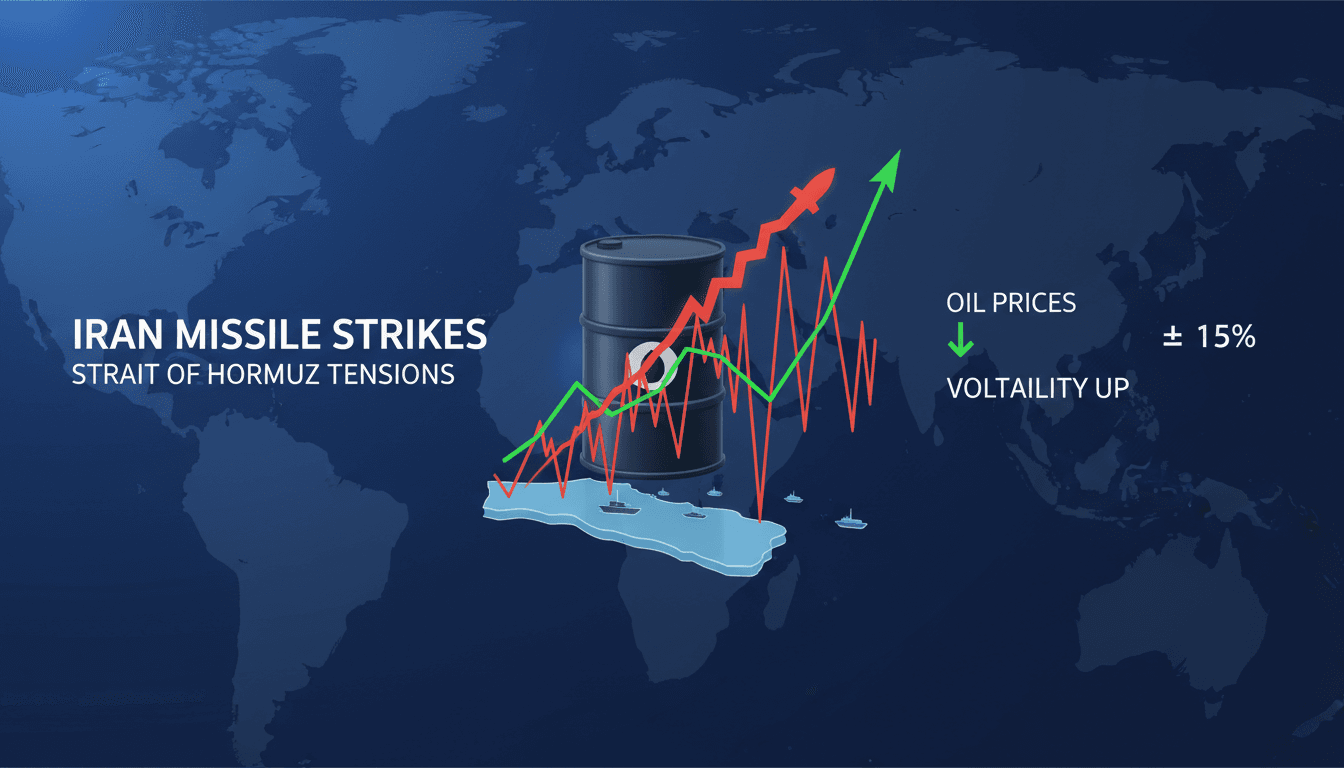
- World· World
Japan's Prime Minister Takaichi Addresses Oil Supply Concerns Amid Iran War
Japan's Prime Minister Sanae Takaichi has visited Australia to discuss energy supply agreements in response to the ongoing Iran war's impact on oil supplies. This visit highlights Japan's urgent need to secure energy imports as geopolitical tensions disrupt global markets. Long-term, Japan's strengthened alliances may play a crucial role in mitigating future energy crises in the Asia Pacific region.
3 sourcesMay 7Moderate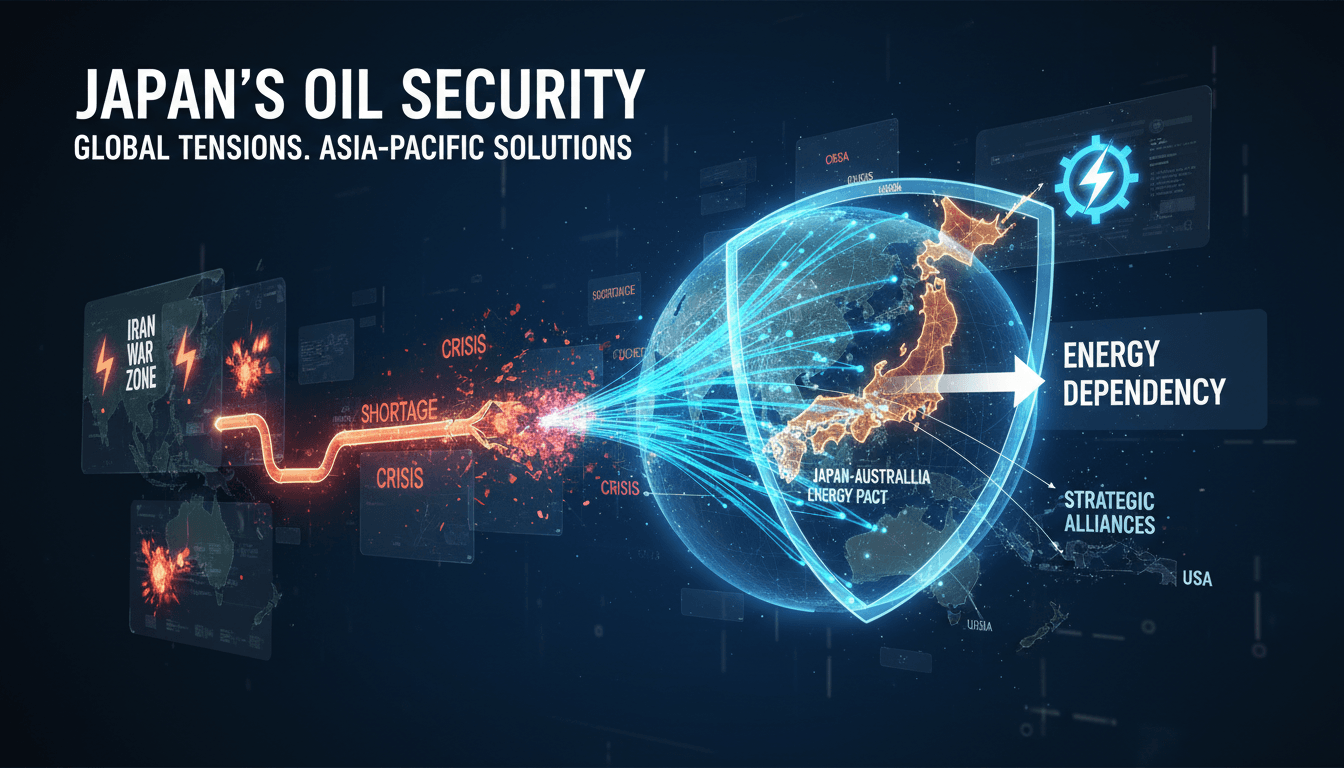
- Politics· World
European NATO members respond to U.S. defense commitment demands
European nations are increasing military support in response to U.S. President Trump's calls for greater contributions amid tensions over the Iran conflict. This shift follows Trump's announcement of a withdrawal of 5,000 troops from Germany, highlighting dissatisfaction with NATO allies' support. The long-term implication may involve a reevaluation of NATO's defense strategies and cohesion as European nations align more closely with U.S. expectations.
4 sourcesMay 7Low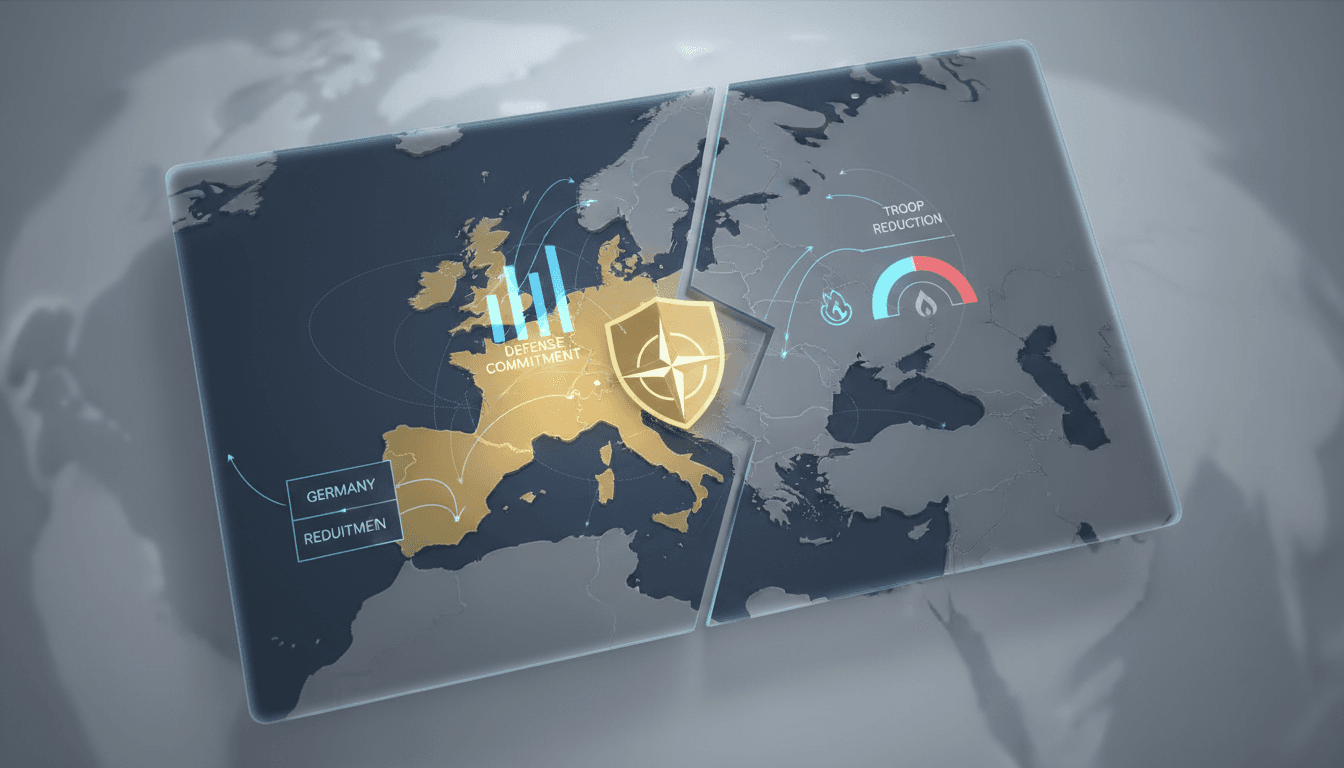
- World· MENA
U.S. to Guide Stranded Ships in Strait of Hormuz Amid Iranian Aggression
The U.S. has announced military support to guide stranded ships through the Strait of Hormuz following Iranian attacks on vessels. This escalation comes as oil prices surged by 6%, reflecting the immediate economic impact of the heightened tensions. The long-term implications may include increased military presence in the region and further instability in global oil markets.
4 sourcesMay 7Moderate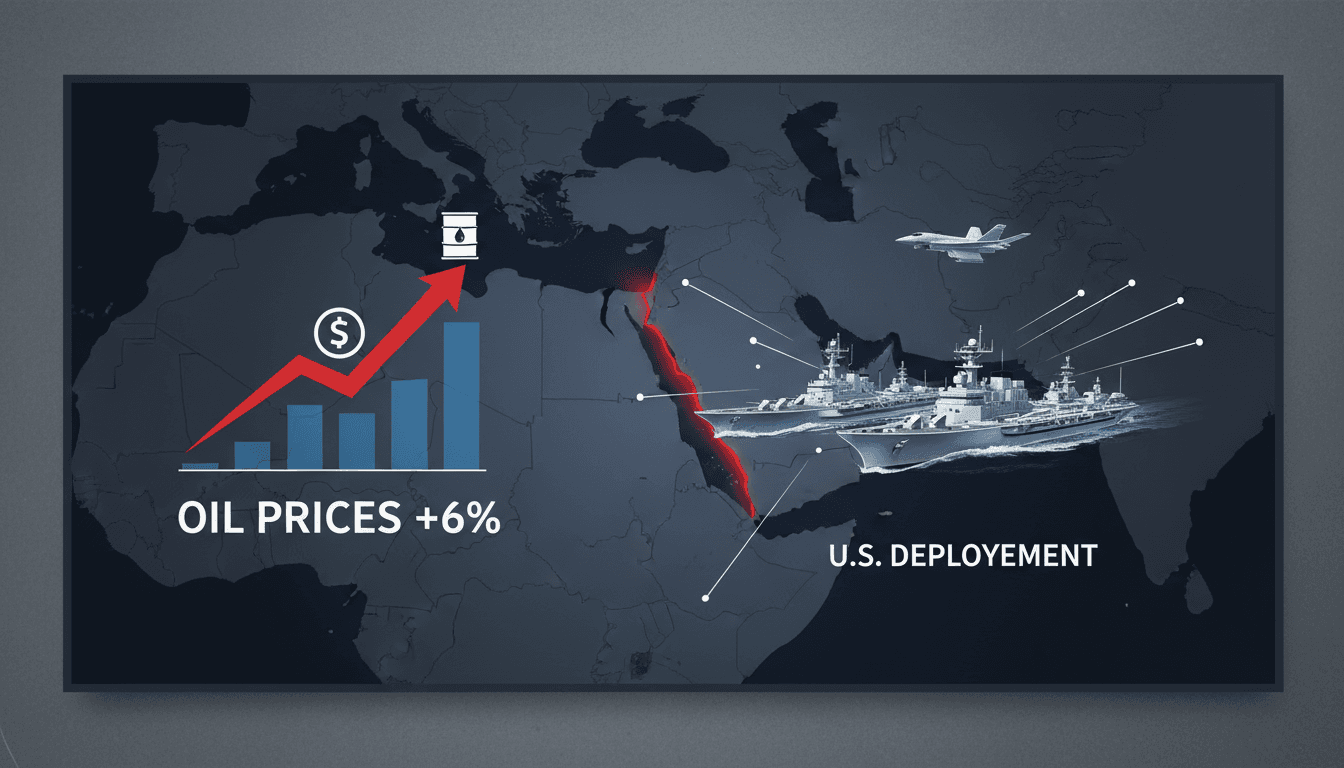
- World· World
EU and US Trade Officials Meet in Paris Amid Tariff Threats
EU and U.S. trade officials are set to meet in Paris to discuss tariff threats from the U.S. President Trump has threatened to raise tariffs on EU cars and trucks to 25%, prompting the EU to consider all options. The outcome of these discussions could significantly shape future EU-U.S. trade relations and economic stability.
4 sourcesMay 7Low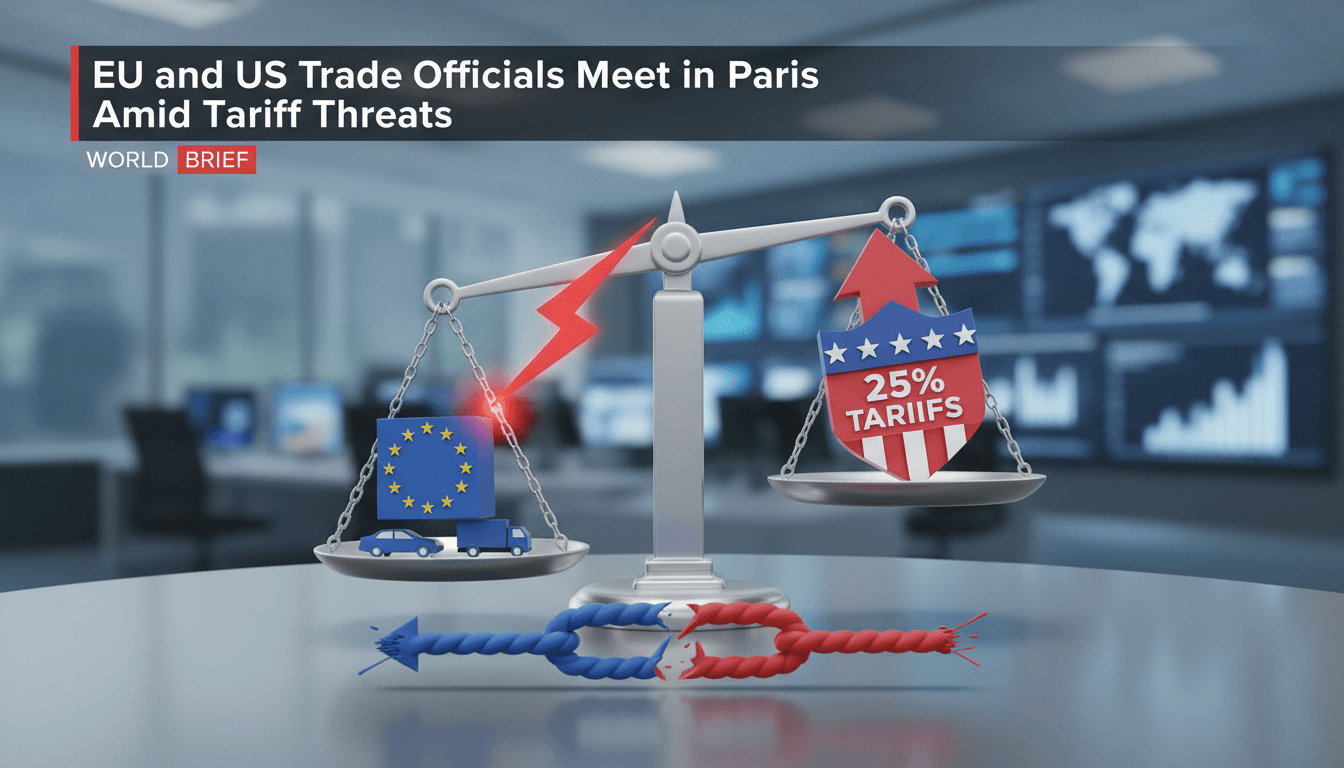
- Politics· World
Rudy Giuliani hospitalized in critical condition due to pneumonia
Rudy Giuliani has been hospitalized with pneumonia and is currently in critical but stable condition. This health crisis follows recent public appearances where he showed signs of illness, prompting concern from supporters and political figures. His recovery will be closely monitored as it may significantly impact his future public engagements and political relevance.
4 sourcesMay 7Low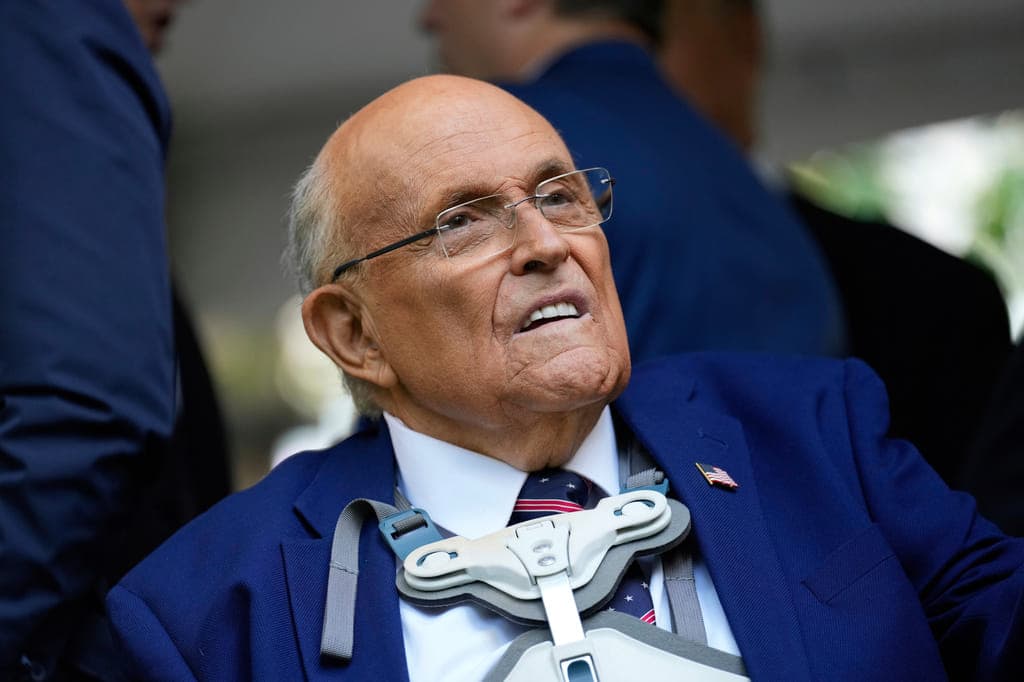
- Politics· UAE
Iranian drone attack on Fujairah oil facility injures three Indian nationals
An Iranian drone attack on the Fujairah Oil Industry Zone has resulted in a fire and injuries to three Indian workers. This escalation is occurring amid heightened tensions between Iran and the UAE, particularly regarding maritime security. The long-term implications may include increased military presence in the region and potential retaliatory measures from the UAE or its allies.
4 sourcesMay 7Low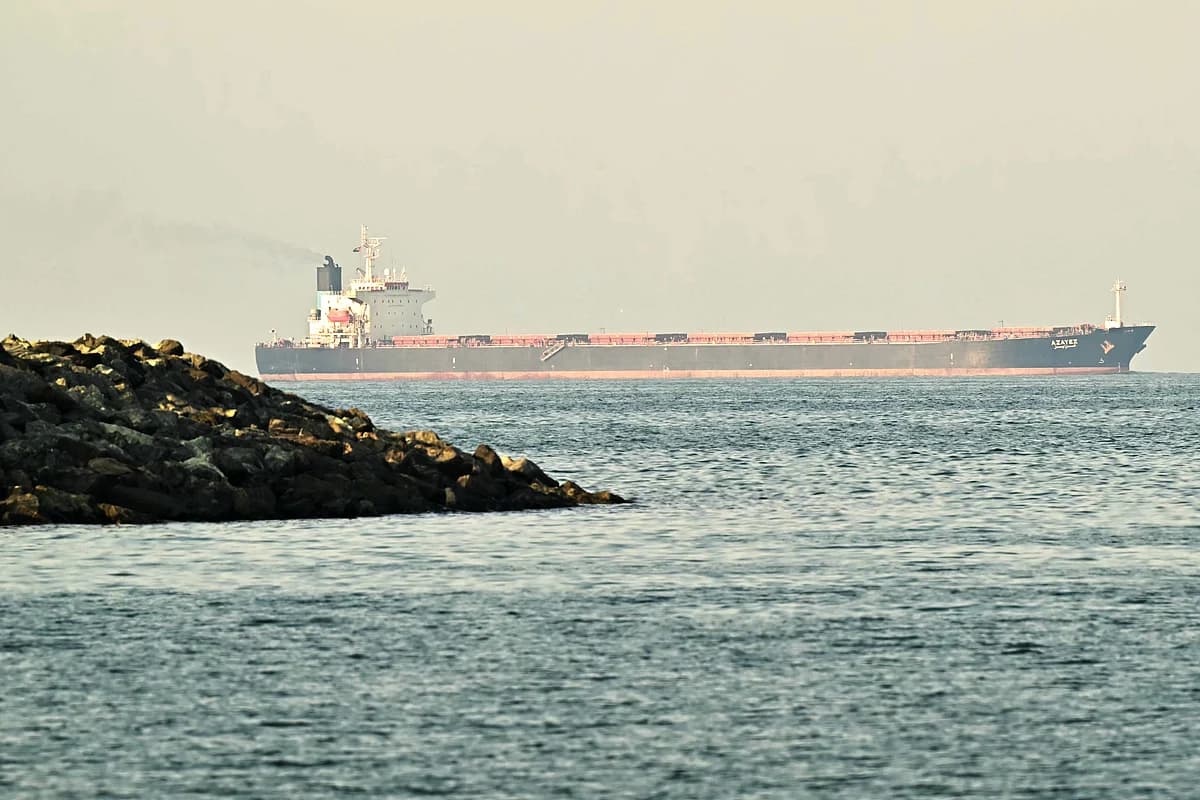
- Politics· World
Austria expels three Russian diplomats over espionage allegations
Austria has expelled three Russian diplomats due to allegations of espionage involving the use of antennas on diplomatic buildings. This action has been triggered by ongoing concerns about Russian intelligence activities in Europe, prompting Austria to take a definitive stance. The long-term implication may lead to heightened diplomatic tensions and increased scrutiny of espionage practices between Russia and European nations.
4 sourcesMay 7Low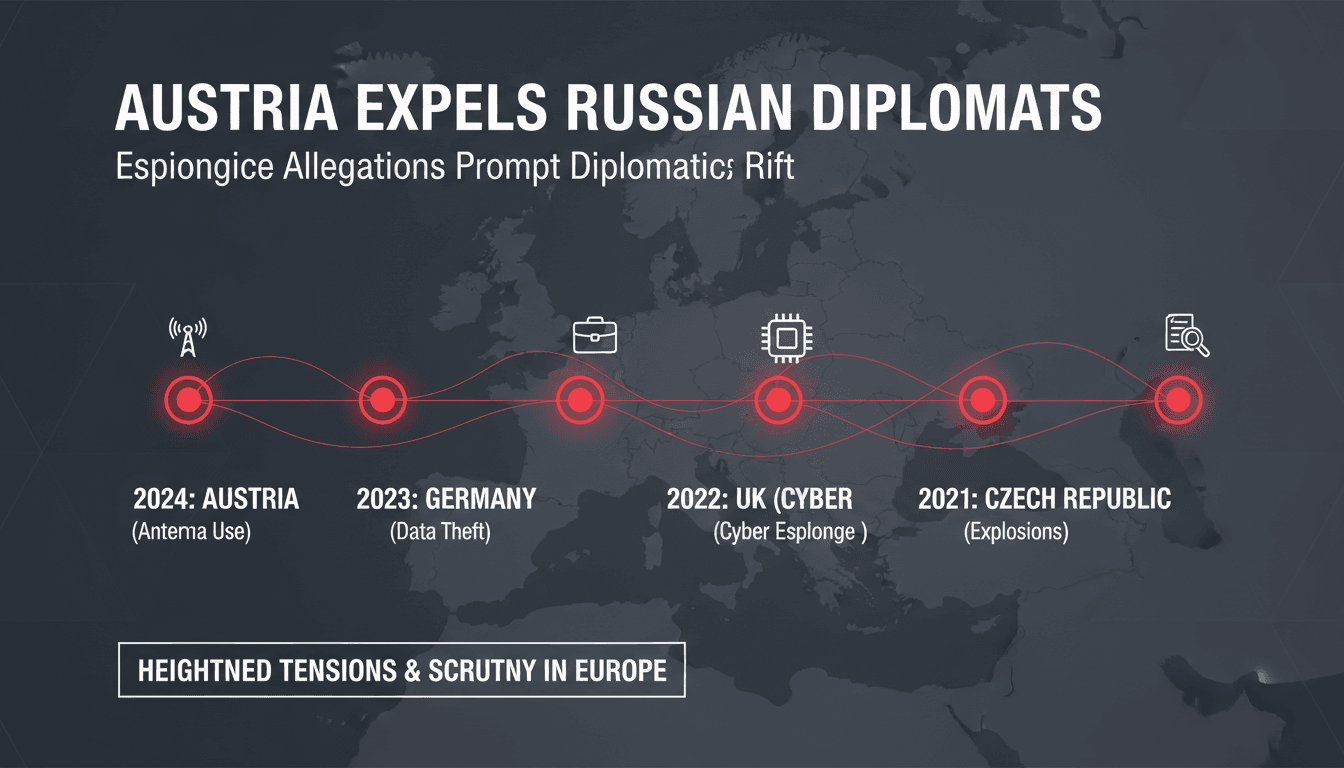
- World· World
Spanish authorities seize record cocaine shipment destined for Libya
Spanish Civil Guard intercepted a freighter carrying between 30,000 and 45,000 kg of cocaine in the Atlantic Ocean. This operation is part of intensified efforts to combat international drug trafficking, particularly targeting routes to North Africa. The long-term implication may include a significant disruption of drug supply chains in Europe and North Africa as authorities enhance surveillance and enforcement capabilities.
3 sourcesMay 7Low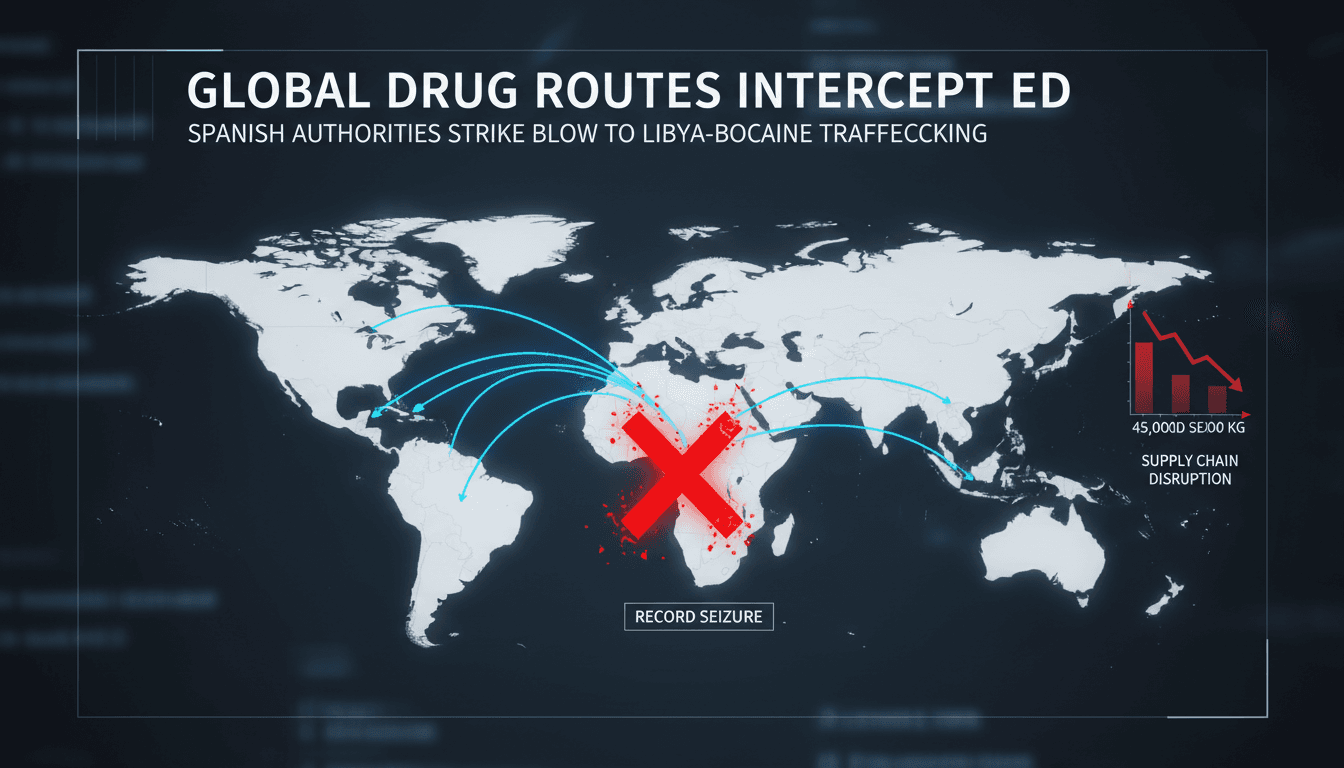
- Politics· World
Mark Carney Advocates for Europe as Central to New International Order at EPC Summit
Canadian Prime Minister Mark Carney declared at the 8th European Political Community Summit that Europe will serve as the anchor for a rebuilt international order. This statement comes in response to escalating tensions between the U.S. and Europe, particularly following President Trump's troop withdrawal from Germany. The long-term implication suggests a shift towards European-led alliances and reduced reliance on U.S. security guarantees amidst a changing geopolitical landscape.
6 sourcesMay 7Low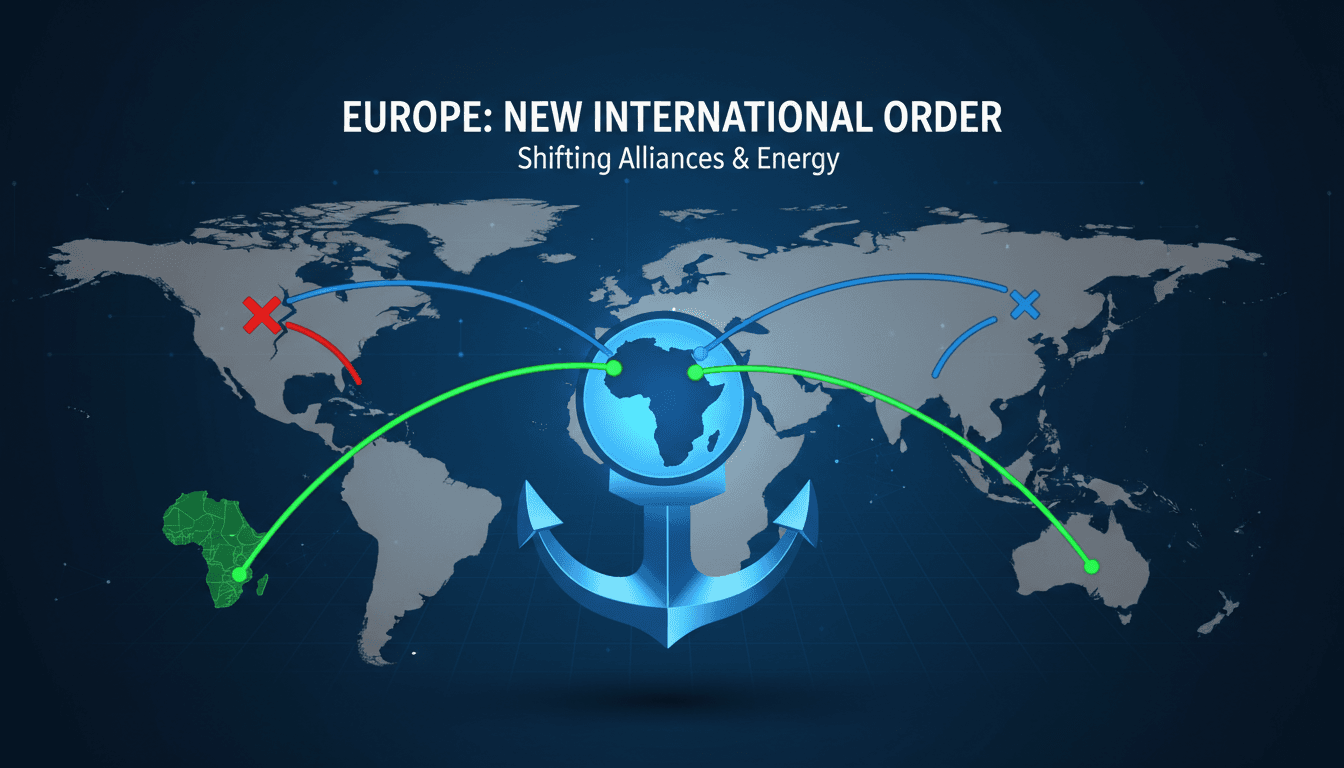
- Politics· World
Macron endorses Armenian PM Pashinyan amid election challenges
French President Emmanuel Macron has publicly supported Armenian Prime Minister Nikol Pashinyan during his visit to Armenia as Pashinyan faces a tough re-election campaign against pro-Russian parties. This endorsement comes as Armenia prepares for elections next month, reflecting a significant geopolitical shift towards Europe following perceived neglect by Russia after the 2020 Nagorno-Karabakh conflict. The outcome of these elections could further solidify Armenia's alignment with Europe and reshape its foreign policy in the region.
4 sourcesMay 7Low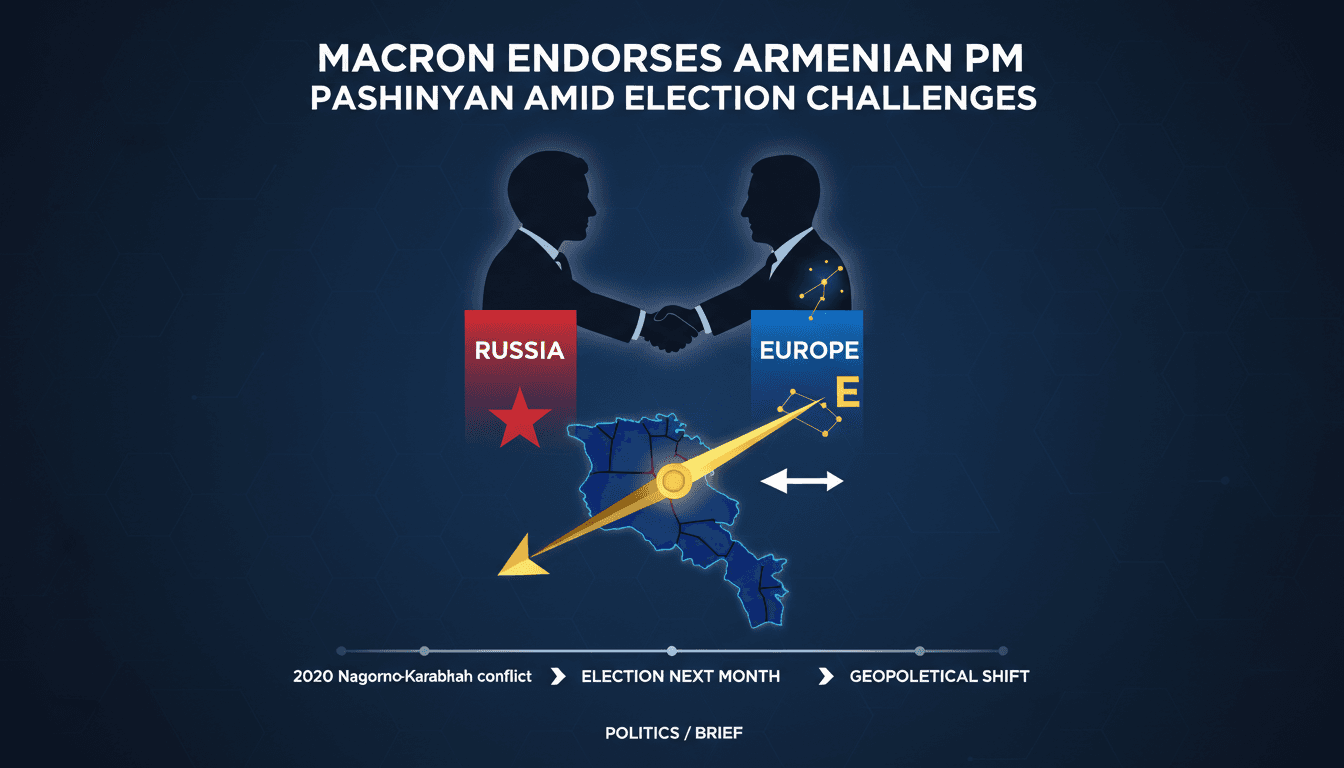
- Politics· World
Mali's military leader assumes defence minister role after assassination of predecessor
Mali's military leader, Assimi Goïta, has appointed himself as the defence minister following the assassination of his predecessor amid a series of coordinated attacks. The immediate trigger for this shift was the killing of the previous minister during a suicide bombing attributed to al Qaeda-linked militants and Tuareg separatists. This consolidation of power raises concerns about the potential for increased violence and instability in Mali's already precarious security situation.
4 sourcesMay 7Low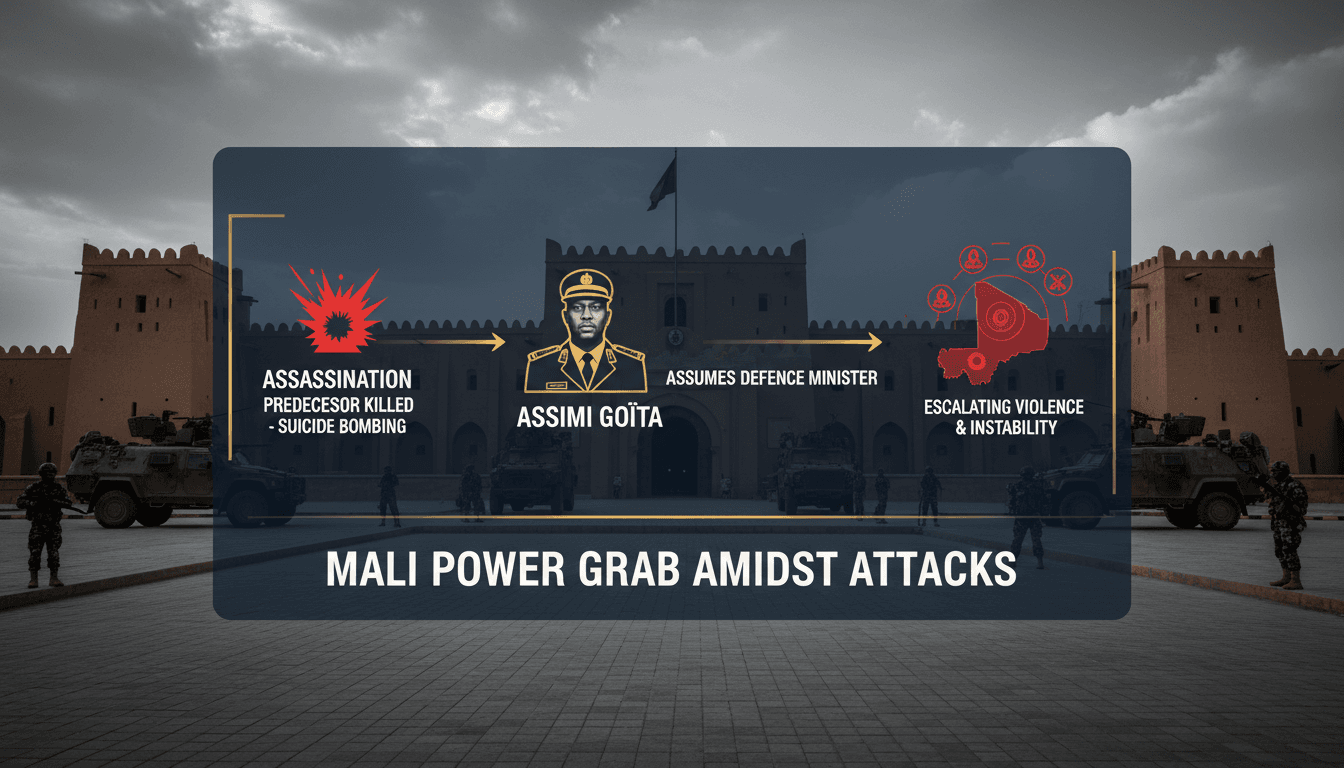
- Politics· World
UK Prime Minister calls for united action against rising antisemitism
UK Prime Minister Sir Keir Starmer hosted a summit to address the alarming increase in antisemitic attacks in Britain. This urgent response follows a series of recent incidents that have heightened concerns among community leaders and the public. The long-term implication is a potential shift in government policies and community engagement strategies aimed at combating antisemitism more effectively.
3 sourcesMay 7Moderate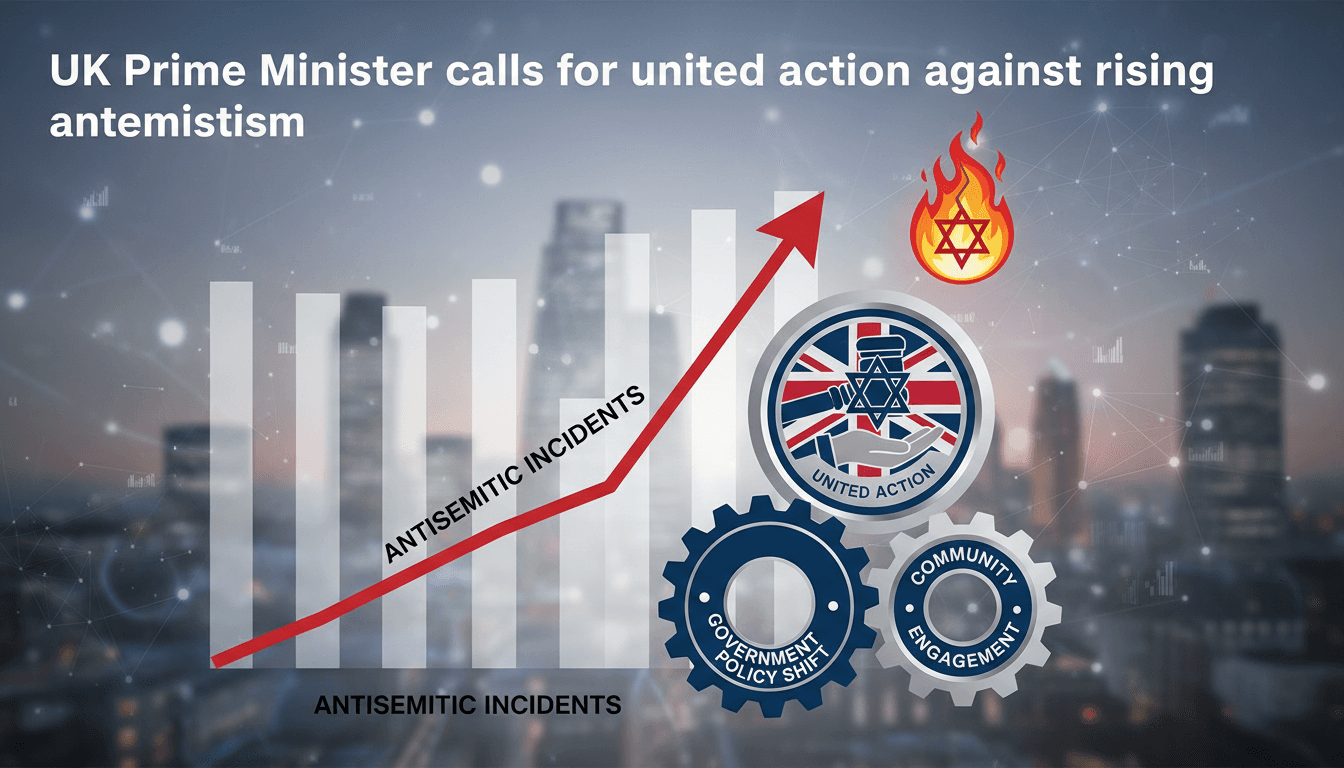
- Politics· World
Louise Arbour appointed as Canada's new governor general
Louise Arbour was appointed as Canada’s governor general on May 5, 2026. This appointment by Prime Minister Mark Carney comes at a time when Canada seeks to strengthen its representation in global institutions. Her extensive background in law and international justice is expected to enhance Canada's diplomatic engagements and commitment to global justice.
3 sourcesMay 7High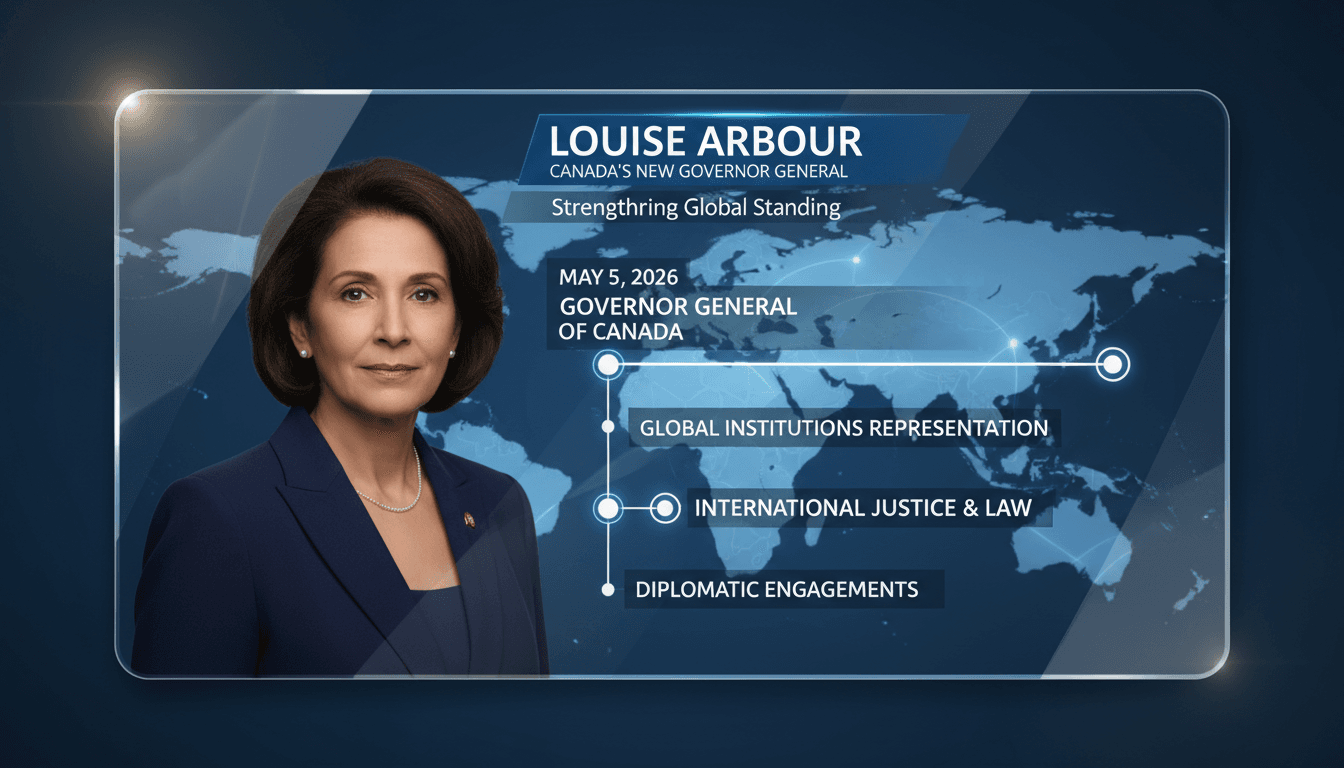
- World· World
Rescue operation for stranded humpback whale Timmy criticized due to tracker failure
Timmy, a young humpback whale, was rescued from the Baltic Sea but his current status remains uncertain following a malfunctioning tracker. The immediate criticism stems from the operation's execution and the high cost of €1.5 million, raising concerns about the effectiveness of such rescue efforts. This incident highlights the need for improved tracking technology and protocols in future marine wildlife rescues.
3 sourcesMay 7Low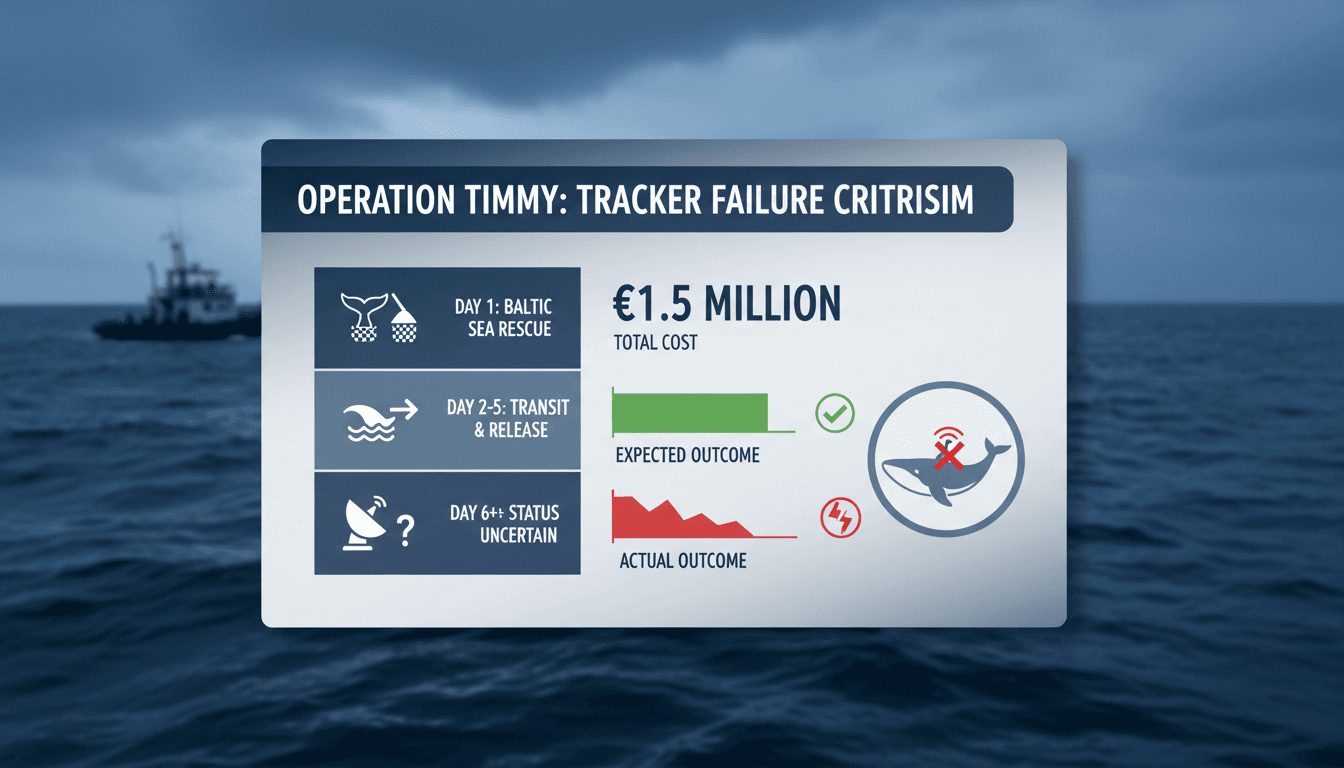
- Politics· MENA
US Pressures Lebanon for Dialogue with Israel Amid Ongoing Military Tensions
Lebanese President Joseph Aoun is under US pressure to meet with Israeli Prime Minister Benjamin Netanyahu, but such a meeting is unlikely without a security agreement and cessation of Israeli military actions. The immediate trigger for this situation is Lebanon's insistence on preconditions for negotiations while Israel continues its military operations. Long-term, this standoff may hinder diplomatic relations and exacerbate regional tensions unless significant changes occur in Israeli actions towards Lebanon.
4 sourcesMay 7Low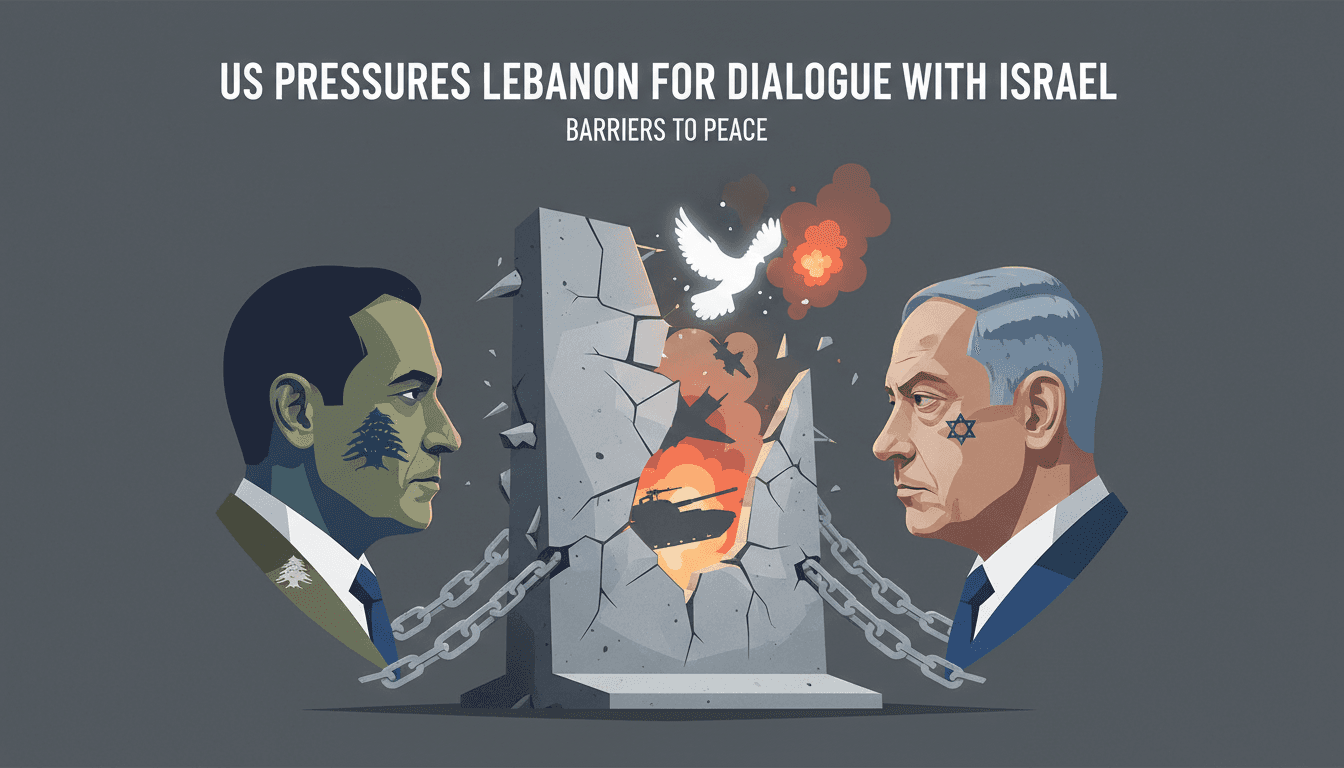
- World· World
EU and Armenia sign partnership agreements at inaugural bilateral summit
The EU and Armenia held their first bilateral summit, resulting in new partnership agreements focused on connectivity in transport, energy, and digital sectors. This shift is driven by Armenia's desire to strengthen ties with the West amid ongoing Russian influence in the region. The long-term implication may reshape the geopolitical landscape in the South Caucasus as Armenia navigates its relationship with Russia and the West.
3 sourcesMay 7Moderate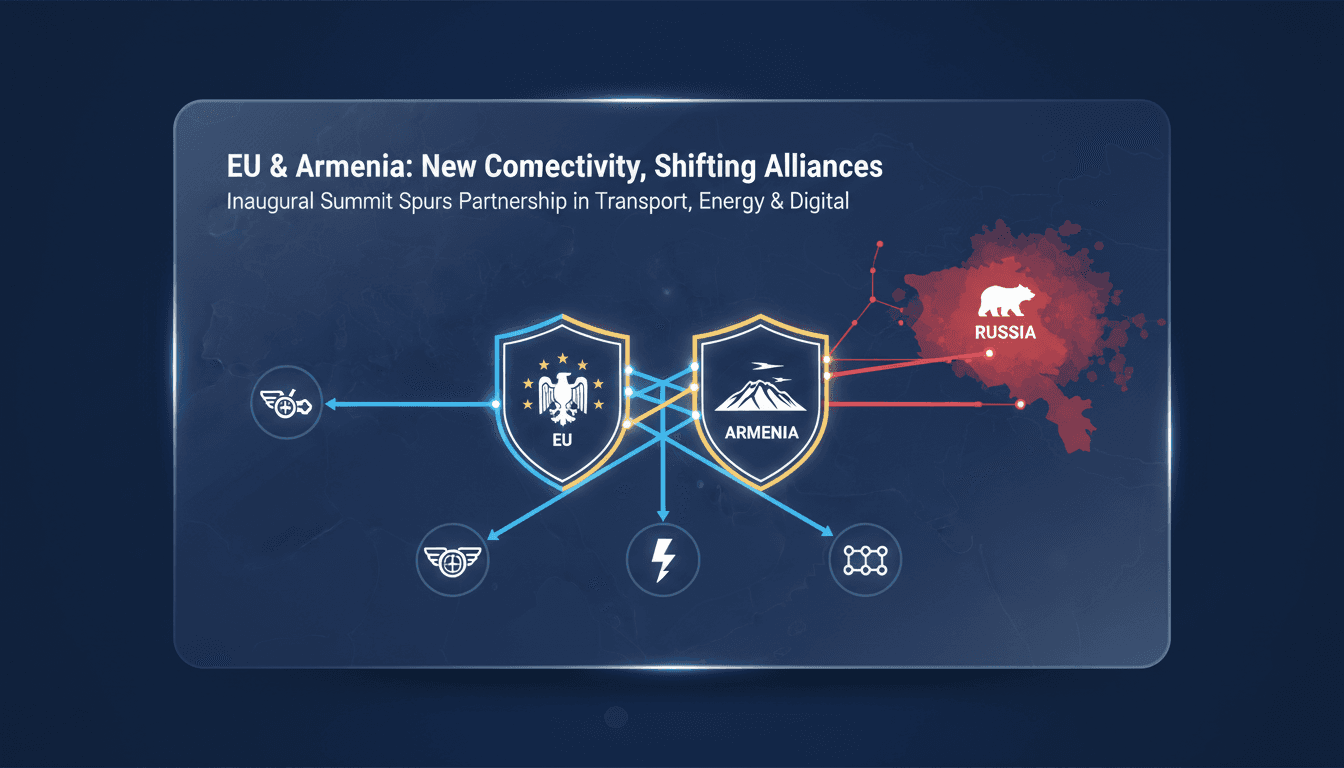
- Tech· World
Apple Settles $250 Million Class Action Over Siri AI Misrepresentation
Apple Inc. has agreed to a $250 million settlement regarding a class action lawsuit over misleading advertising claims related to Siri's AI capabilities on its latest iPhone models. This settlement follows allegations that Apple's marketing campaign falsely promoted features that were not available, leading to consumer backlash and legal action. The outcome may prompt increased scrutiny and regulatory actions concerning advertising practices in the tech industry, particularly around AI claims.
18 sourcesMay 7High