Bio
Andre is co-founder at A47 News. He is responsible for editorial standards and news curation, and shares commentary on AI, general technology, and global politics.
Editorial Responsibility
As Editor, I am responsible for all editorial standards, news sourcing, research, and content production.
Previous experience · 15+ years
- · Co-founder at Tiki
- · Operations Director at Rocket Internet
Education
BA Economics, University of Waikato
Areas of expertise
Categories overseen
Stories from Andre Teow’s desk
19727 stories- Politics· MENA
Khamenei Declares US Defeated in Persian Gulf Amid Rising Tensions
Iran's Supreme Leader Mojtaba Khamenei has publicly asserted that the United States has been defeated in its regional ambitions and emphasized Iran's control over the Strait of Hormuz. This declaration comes in the context of escalating military tensions between Iran and the US over the past two months. The long-term implication suggests a potential shift in the geopolitical landscape of the Persian Gulf, with Iran seeking to consolidate its influence and the US reassessing its strategy in the region.
3 sourcesMay 3Low - World· World
Trainee bus driver crashes into River Seine near Paris
On April 30, 2026, a bus driven by a trainee driver crashed into the River Seine after colliding with a parked car in Juvisy-sur-Orge. Emergency services quickly rescued the driver, her tutor, and two passengers, all of whom were unharmed. This incident raises concerns about the safety protocols for learner drivers and may lead to calls for enhanced training regulations in the future.
4 sourcesMay 3Low - Politics· World
Trump Criticizes German Chancellor Over Foreign Policy Focus
U.S. President Donald Trump has publicly criticized German Chancellor Friedrich Merz, urging him to prioritize resolving the Russia-Ukraine conflict instead of commenting on U.S. actions regarding Iran. This criticism arises amid escalating tensions between the U.S. and Germany over differing foreign policy approaches. The ongoing discord may significantly impact future U.S.-Germany cooperation on international issues and military presence in Europe.
5 sourcesMay 3High - Politics· World
King Charles III and Queen Camilla conclude state visit to the United States
King Charles III and Queen Camilla have wrapped up their four-day state visit to the U.S. aimed at strengthening trans-Atlantic ties. The visit was triggered by ongoing tensions in U.S.-UK relations, with the royal couple engaging in various diplomatic activities. This engagement may lead to improved relations and future collaborations between the two nations.
3 sourcesMay 3Low - World· World
Ukraine prevents grain vessel allegedly stolen by Russia from unloading in Israel
Ukraine has successfully stopped the Panormitis, a vessel carrying grain it claims was stolen by Russia, from unloading in Israel. This action follows Ukraine's ongoing accusations against Russia for grain theft and comes after a previous shipment was allowed to unload in Haifa, heightening diplomatic tensions. The incident may lead to increased scrutiny of grain shipments from conflict zones and prompt Israel to reconsider its policies regarding such shipments.
5 sourcesMay 3Low - Politics· World
China warns US of Taiwan risks ahead of Trump's Beijing visit
China's Foreign Minister Wang Yi has issued a warning to the U.S. regarding the Taiwan issue, identifying it as the greatest risk to bilateral relations. This warning comes just before President Trump's scheduled visit to Beijing, emphasizing the urgency of the situation. The ongoing tensions over Taiwan are likely to shape future diplomatic engagements between the U.S. and China.
4 sourcesMay 3Moderate - Politics· World
Zelenskyy Seeks U.S. Clarification on Russia's Proposed Ceasefire Ahead of Victory Day
Ukrainian President Volodymyr Zelenskyy has requested clarification from the U.S. regarding Russia's proposed short-term ceasefire linked to the May 9 Victory Day celebrations. This request comes amid ongoing Russian drone attacks in Ukraine, which have resulted in civilian injuries and heightened tensions. The situation suggests that any potential ceasefire may be complicated by continued military aggression, impacting diplomatic efforts for peace in the region.
4 sourcesMay 3Moderate - Politics· World
First Direct U.S.-Venezuela Commercial Flight in Seven Years Lands in Caracas
On April 30, 2026, the first direct commercial flight between the United States and Venezuela in seven years landed in Caracas, marking a significant thaw in bilateral relations. This resumption follows the U.S. capture of former Venezuelan President Nicolás Maduro in January 2026 and the subsequent restoration of diplomatic ties. The long-term implication is the potential for increased U.S. business engagement in Venezuela's energy and mining sectors as diplomatic normalization progresses.
6 sourcesMay 3Moderate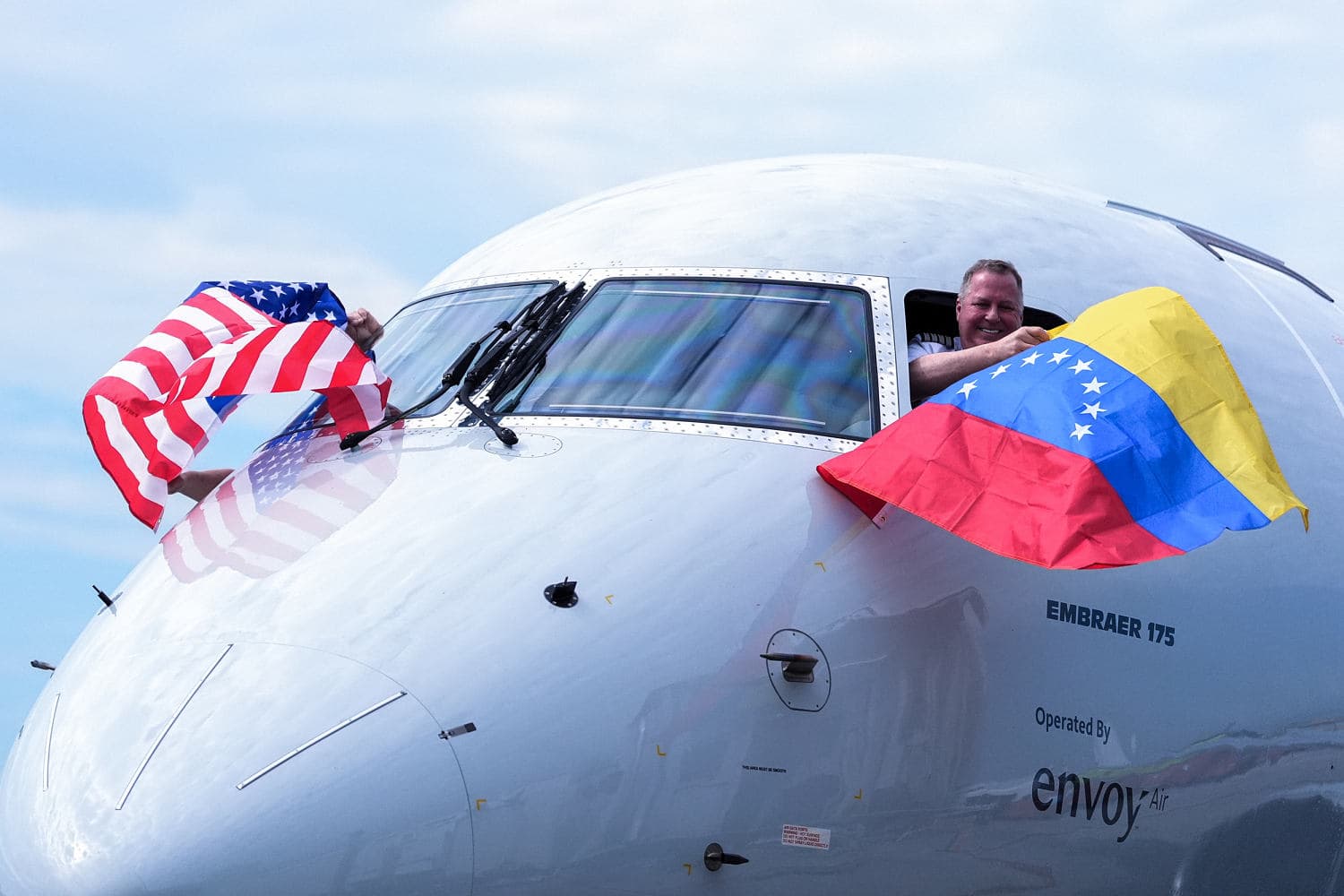
- World· World
US Considers Military Strikes Against Iran Amid Rising Oil Prices
The U.S. Central Command has drafted plans for potential military strikes against Iran. This escalation is triggered by heightened tensions and Iran's warnings against U.S. naval blockades, coinciding with oil prices reaching a four-year high. The long-term implication could be significant disruptions in global energy markets and increased instability in the region.
5 sourcesMay 3High
- Politics· World
Brazil Congress Reduces Bolsonaro's Prison Sentence for Coup Plotting
Brazil's Congress has voted to reduce former President Jair Bolsonaro's prison sentence from 27 years following his conviction for plotting a coup after the 2022 election. This decision comes after Congress overturned a veto by President Luiz Inácio Lula da Silva, reflecting the growing influence of Bolsonaro's supporters within the legislature. The long-term implications may include increased political instability for Lula's administration and a potential resurgence of Bolsonaro's political power.
4 sourcesMay 3Low - World· World
Colombia hosts first global summit on phasing out fossil fuels
Colombia convened nearly 60 countries at a summit in Santa Marta to discuss strategies for transitioning away from fossil fuels. This event is a direct response to the stagnation observed in previous climate negotiations, particularly at COP meetings. The outcomes may influence future climate policies and foster a more aggressive global approach to reducing fossil fuel dependency.
3 sourcesMay 3Low - Politics· World
US sanctions former DRC President Joseph Kabila over rebel group ties
The United States has imposed sanctions on former Democratic Republic of Congo President Joseph Kabila, citing his alleged support for rebel groups in the eastern region. This action is a response to ongoing instability in the mineral-rich eastern DRC, particularly linked to the March 23 Movement (M23) rebel group. The long-term implications may include heightened tensions between Kabila and the US, potentially affecting the political landscape and security in the DRC.
5 sourcesMay 3Low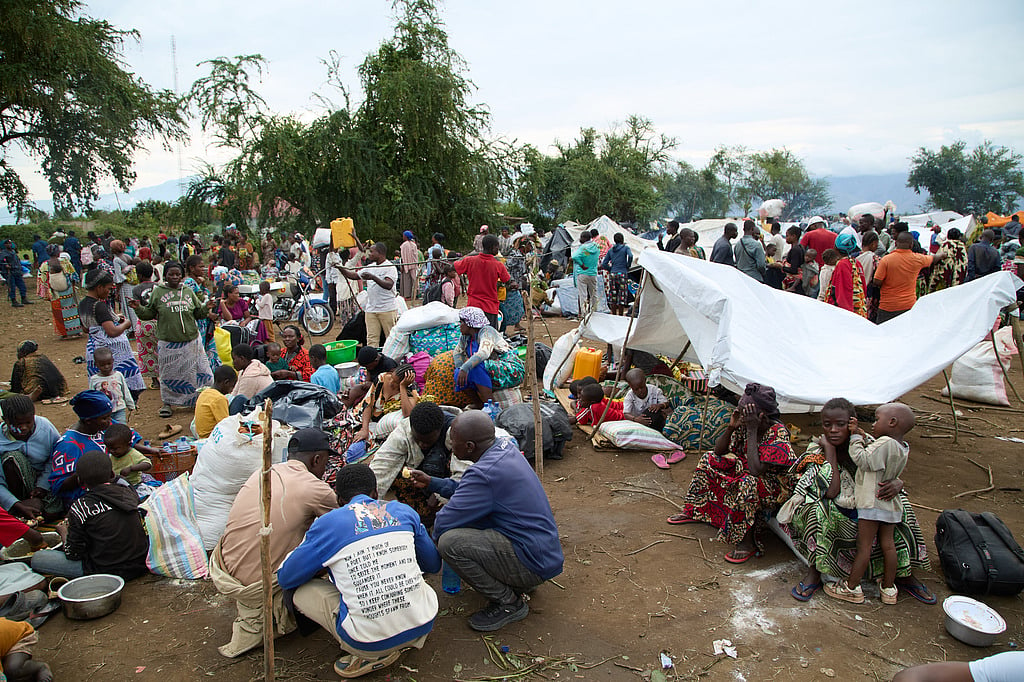
- Politics· World
Israeli airstrikes in southern Lebanon result in multiple fatalities amid ceasefire
Israeli airstrikes in southern Lebanon have killed at least 12 people in the last 48 hours. This escalation occurs despite an ongoing ceasefire, highlighting the fragile nature of the current peace efforts. The long-term implication suggests a potential for further conflict and instability in the region, necessitating urgent diplomatic interventions.
3 sourcesMay 3Low - Politics· World
Riots Erupt in Alice Springs Following Arrest of Murder Suspect
Riots broke out in Alice Springs, Australia, after the arrest of a man accused of murdering a five-year-old girl. The immediate trigger was the violent response from Indigenous protesters demanding justice, leading to clashes with police who used tear gas. This unrest may lead to ongoing tensions and further protests as the community seeks accountability and justice for the victim.
3 sourcesMay 3Moderate - World· World
Rats Infest Displaced Palestinians' Camps in Gaza Amid Humanitarian Crisis
Displaced Palestinians in Gaza are experiencing a severe infestation of rats and other pests in makeshift tent camps, leading to significant health risks. This alarming situation is occurring now due to the ongoing humanitarian crisis, which has left over 2 million people without adequate shelter or basic necessities. The long-term implication is an urgent need for humanitarian aid and improved living conditions to prevent further health deterioration among vulnerable populations, especially children.
4 sourcesMay 3Moderate - Politics· World
Iranian Military Official Warns of Likely Renewed Conflict with US
A senior Iranian military officer has indicated that renewed fighting with the United States is likely, reflecting escalating tensions. This warning follows President Trump's rejection of Iran's latest negotiating proposal, which has stalled diplomatic efforts. The long-term implication suggests that both nations may prepare for military actions as the potential for conflict increases.
5 sourcesMay 3Moderate - World· World
Israeli Navy Intercepts Gaza-Bound Aid Flotilla Detaining Activists
The Israeli navy intercepted the Global Sumud Flotilla in international waters, detaining a significant number of activists, with estimates reaching up to 211 individuals. This incident is triggered by the flotilla's attempt to deliver humanitarian aid to Gaza amidst an ongoing Israeli naval blockade. The long-term implications may include increased scrutiny of Israel's actions in international waters and potential diplomatic fallout involving the countries of the detained activists.
3 sourcesMay 3Moderate - World· World
Mali's Defence Minister Assassinated Amid Escalating Jihadist Attacks
Mali is experiencing a severe security crisis following the assassination of its defence minister and intensified attacks by jihadist fighters and Tuareg separatists. This escalation is triggered by the growing jihadist insurgency and the government's inability to maintain control, leading to military personnel arrests for alleged collaboration with militants. The long-term implication is a potential further destabilization of the region if the Malian government fails to restore order and address the humanitarian crisis.
4 sourcesMay 3Low - World· World
Israel detains activists from Global Sumud Flotilla amid international outcry
Israel's navy intercepted the Global Sumud Flotilla off the coast of Greece, detaining several activists including a Spanish national and six Australians. The immediate response from Spain and Australia, demanding the release of their citizens, highlights the rising diplomatic tensions surrounding humanitarian aid efforts to Gaza. This incident may lead to increased scrutiny of Israel's actions regarding humanitarian missions and affect future flotilla efforts aimed at delivering aid to the region.
3 sourcesMay 3High - Politics· World
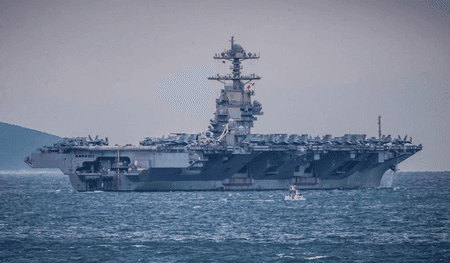
USS Gerald R. Ford completes record-setting 300-day deployment
The USS Gerald R. Ford has completed a record-setting deployment of over 300 days, marking the longest post-Vietnam War deployment for a U.S. aircraft carrier. This unprecedented mission was triggered by ongoing military operations in the Middle East and Latin America, including actions against Iran and the capture of Nicolás Maduro. The long-term implications may lead the U.S. Navy to reassess its deployment strategies and crew management practices to address challenges posed by extended missions.
5 sourcesMay 3Low