Bio
Andre is co-founder at A47 News. He is responsible for editorial standards and news curation, and shares commentary on AI, general technology, and global politics.
Editorial Responsibility
As Editor, I am responsible for all editorial standards, news sourcing, research, and content production.
Previous experience · 15+ years
- · Co-founder at Tiki
- · Operations Director at Rocket Internet
Education
BA Economics, University of Waikato
Areas of expertise
Categories overseen
Stories from Andre Teow’s desk
15363 stories- Politics· World
Russia Offers to Mediate by Hosting Iran's Enriched Uranium Amid US Blockade and Failed Talks
On April 13, 2026, Russia proposed to mediate by accepting Iran's enriched uranium stockpile as part of a potential peace agreement with the US. This initiative follows the collapse of lengthy negotiations in Islamabad and coincides with the US's implementation of a naval blockade on Iranian ports. The long-term implication may involve heightened geopolitical tensions and a potential escalation in the ongoing US-Iran conflict, affecting global markets and energy prices.
8 sourcesApr 14Low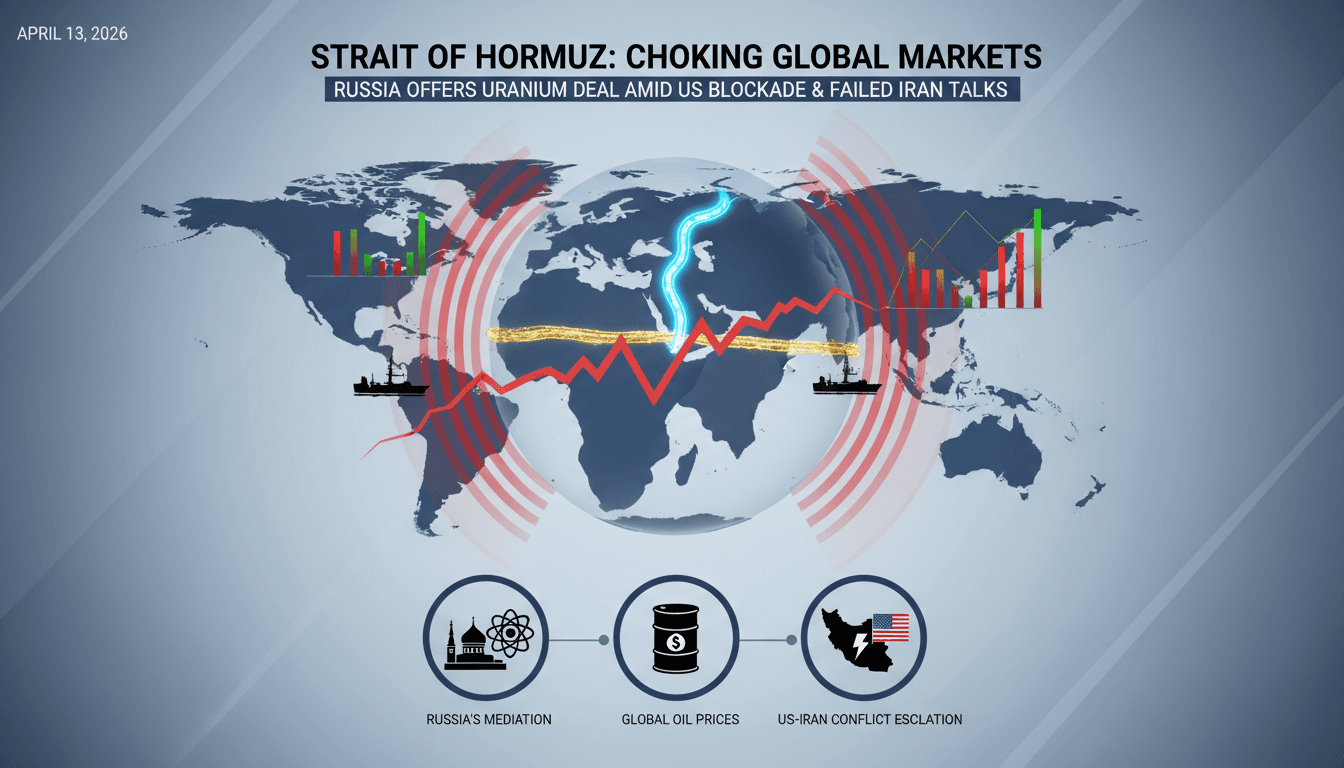
- Politics· UAE
UAE Leaders Announce Resolution of Iranian Missile Crisis Through National Unity
UAE President Sheikh Mohamed bin Zayed Al Nahyan and Vice President Sheikh Mohammed bin Rashid Al Maktoum declared on April 11, 2026, that the nation has successfully overcome the crisis posed by Iranian missile and drone attacks. This declaration follows a period of sustained aggression from Iran, which escalated after the US-Israel airstrikes on February 28, 2026, prompting a robust response from UAE's armed forces and security services. The long-term implication suggests a strengthened societal cohesion and institutional resilience in the UAE, potentially influencing regional stability and security dynamics moving forward.
3 sourcesApr 14Low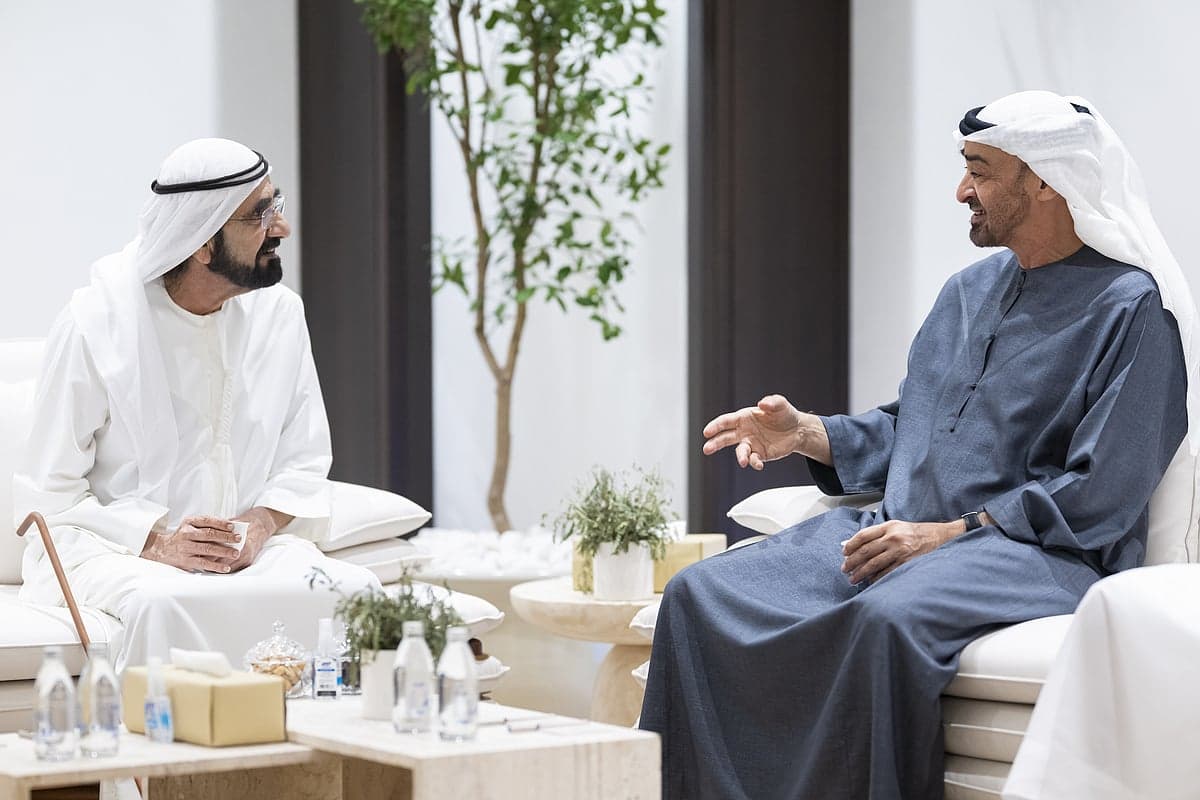
- Politics· MENA
Lebanon Demands Ceasefire in Direct Talks with Israel Amid Ongoing Conflict
Lebanon has initiated direct diplomatic talks with Israel in Washington, D.C., demanding an immediate ceasefire as its sole condition. This development follows a series of deadly Israeli airstrikes that killed over 350 people and displaced more than 1 million Lebanese, escalating tensions after Hezbollah's recent attacks. The long-term implication may involve further diplomatic efforts to stabilize the region, although Hezbollah's rejection of any agreements complicates the situation.
3 sourcesApr 14Moderate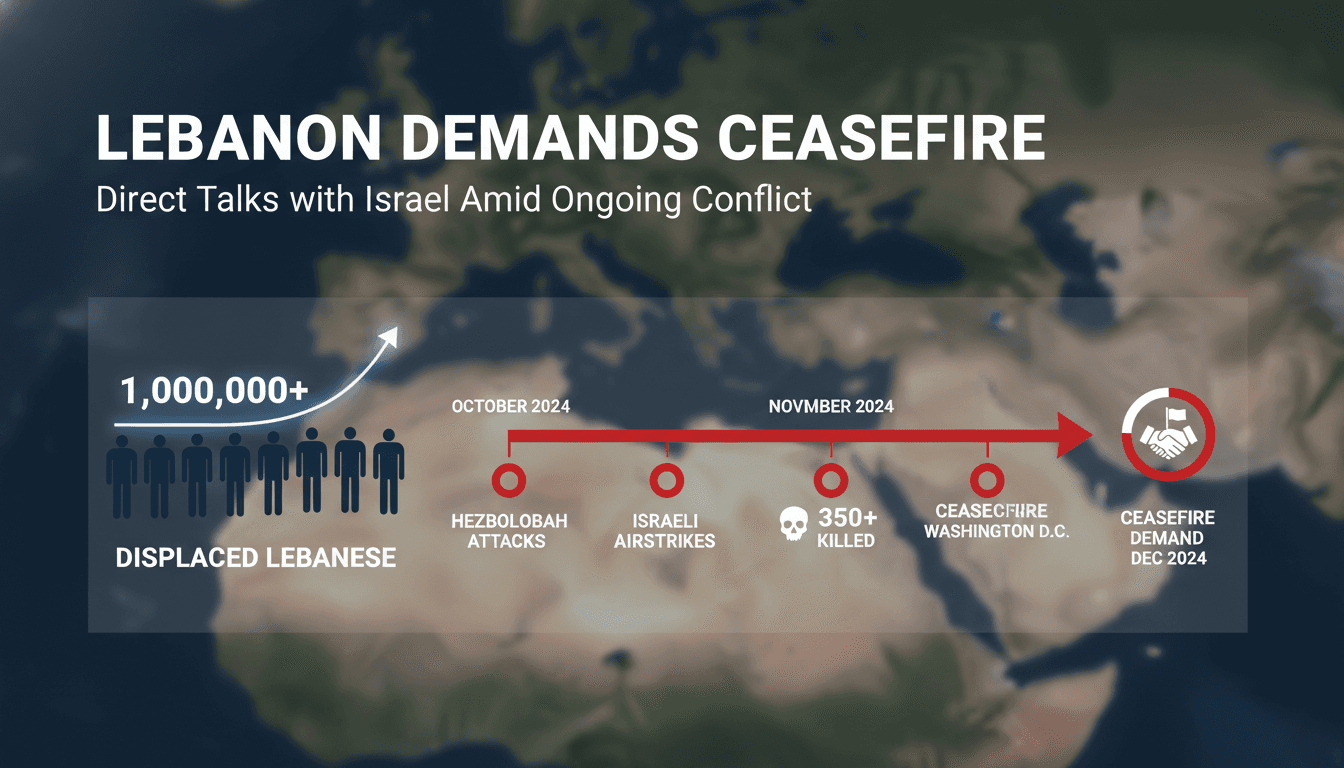
- Politics· MENA
Bahrain Protests Iraqi Drone Attacks Amid Ongoing Regional Tensions
On April 13, 2026, Bahrain's Ministry of Foreign Affairs summoned the Iraqi Chargé d'Affaires to express formal protest against drone attacks originating from Iraq. This diplomatic action follows a series of drone incursions targeting Bahrain and other Gulf Cooperation Council states, exacerbated by the ongoing Iran war and the involvement of pro-Iranian militias. The long-term implication may involve increased regional military readiness and sustained pressure on Iraq to curb militia activities, potentially escalating diplomatic tensions further.
5 sourcesApr 14Low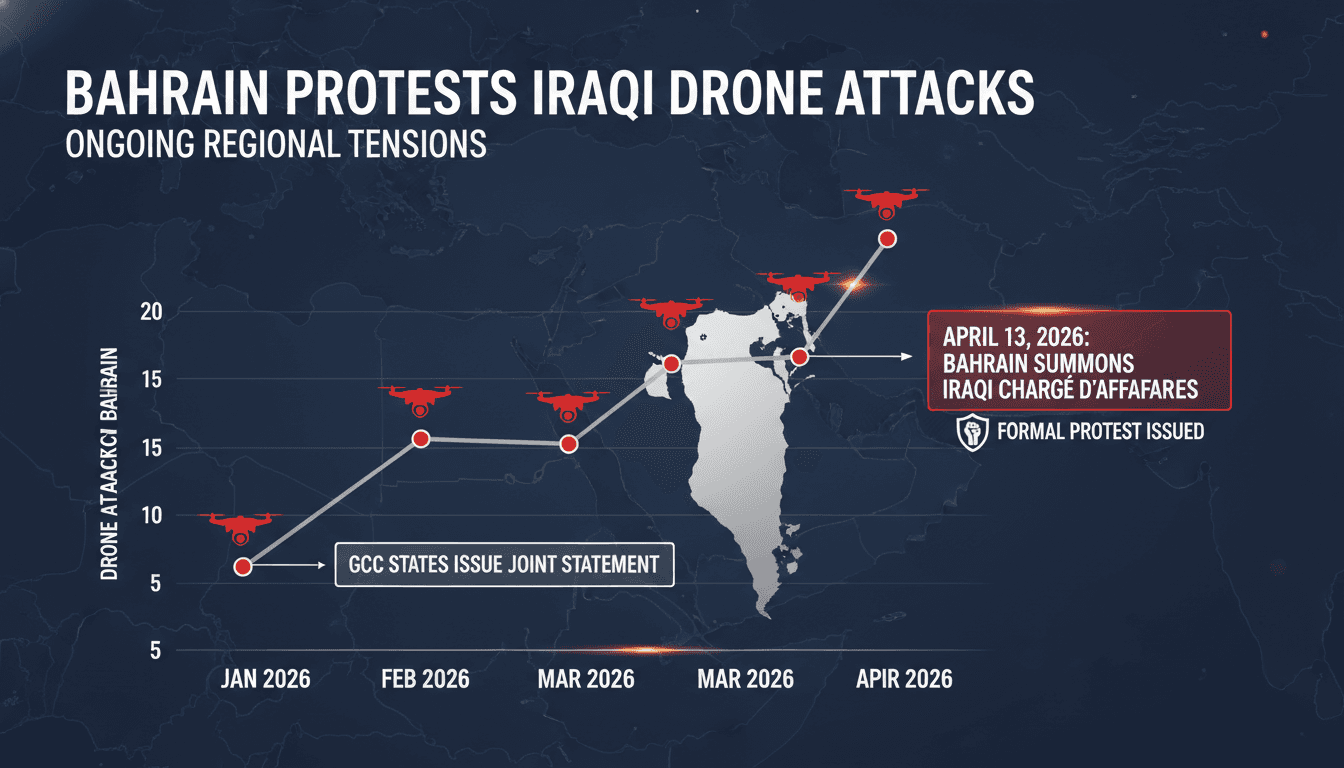
- World· MENA
U.S. Central Command Implements Maritime Blockade on Iranian Ports Amid Rising Tensions
On April 13, 2026, U.S. Central Command initiated a naval blockade on all vessels entering or exiting Iranian ports in the Gulf of Oman and Arabian Sea. This action follows the collapse of peace talks and escalating hostilities between the U.S. and Iran, prompting President Trump to enforce the blockade to curb Iranian maritime activities. The long-term implication may include increased regional instability and further disruptions to global oil supply chains, as evidenced by a surge in oil prices to near $100 per barrel.
6 sourcesApr 14Very High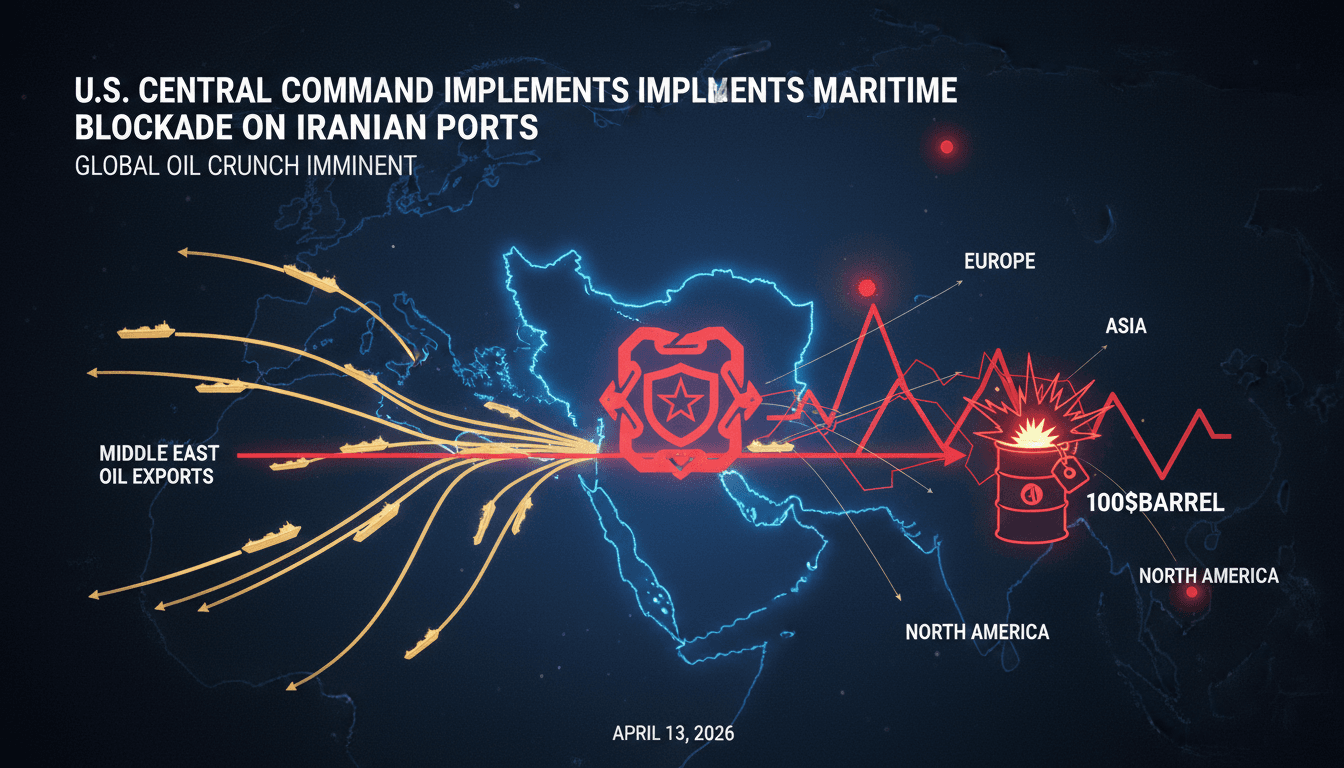
- Politics· MENA
U.S. Initiates Naval Blockade of Strait of Hormuz Against Iranian Oil Exports
The U.S. has launched a naval blockade of the Strait of Hormuz and Iranian ports, effective April 13, 2026, in response to Iran's restrictions on foreign vessels. This escalation follows failed ceasefire negotiations and aims to cut off Iran's oil exports, primarily impacting shipments to China. The long-term implications include potential supply shortages for China and increased oil prices, further straining the global economy and regional stability.
5 sourcesApr 14Very High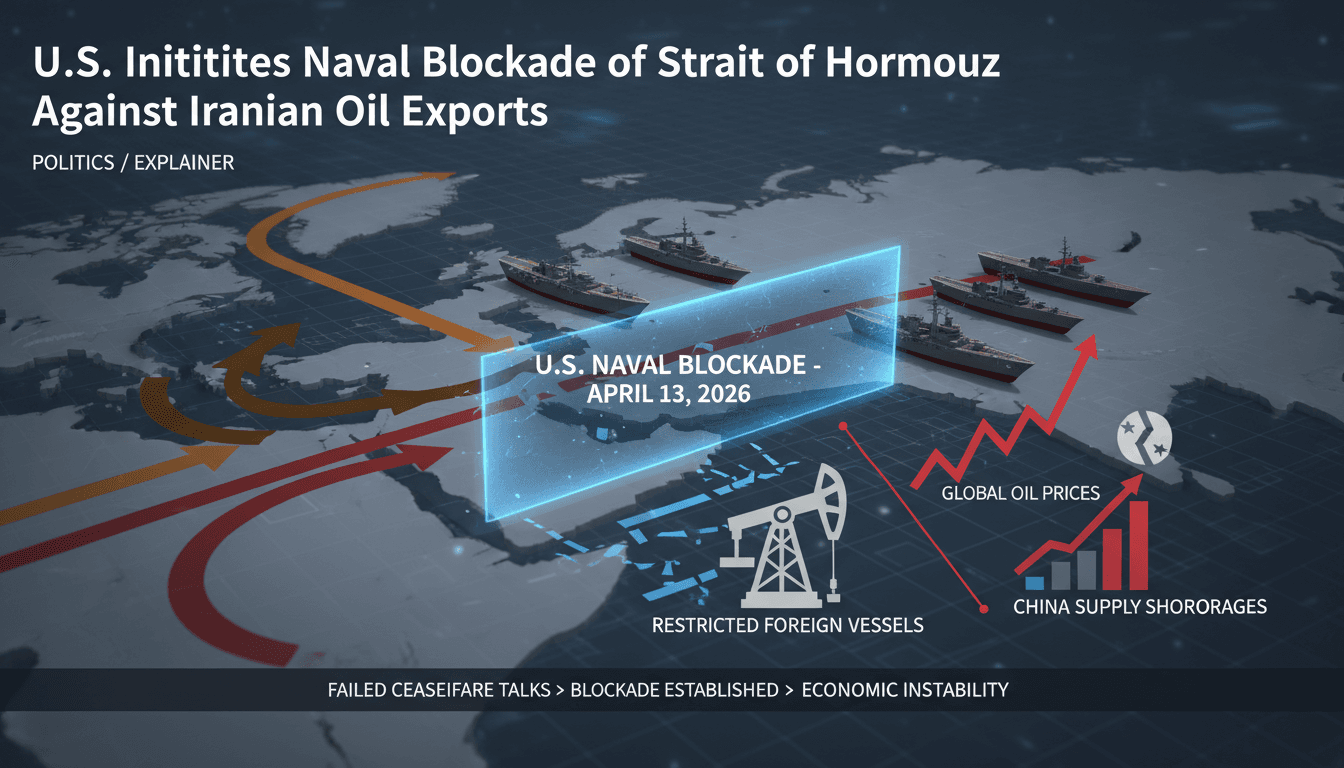
- Politics· MENA
US Mediated Direct Negotiations Between Lebanon and Israel Commence Amid Escalating Conflict
The first direct meeting between Lebanese and Israeli representatives took place on April 15, 2026, in Washington, D.C., under US mediation to discuss a ceasefire and future negotiations. This diplomatic initiative was triggered by a significant escalation in military confrontations, including over 2,000 Lebanese fatalities from Israeli airstrikes since March 2, 2026. The long-term implication may involve a shift towards state-level diplomacy that could redefine Lebanon-Israel relations and impact regional stability.
6 sourcesApr 14High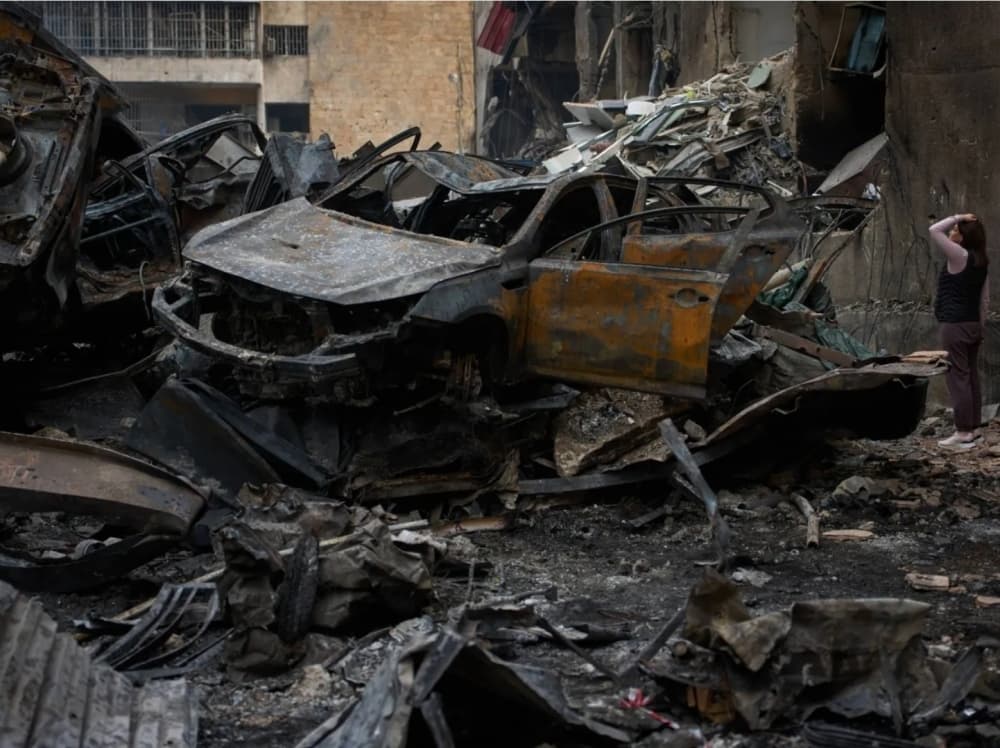
- Politics· MENA
Saudi Arabia Enforces Makkah Entry Restrictions and Suspends Umrah Permits Ahead of Hajj 2026
On April 13, 2026, Saudi Arabia's Ministry of Interior announced immediate restrictions on entry to Makkah and suspended Umrah permits to ensure safety during Hajj preparations. This decision was triggered by the need to manage crowd control and enhance security at holy sites as the Hajj season approaches. Long-term, these measures are expected to streamline logistics and improve safety protocols for the influx of pilgrims during Hajj 1447 AH.
4 sourcesApr 14Low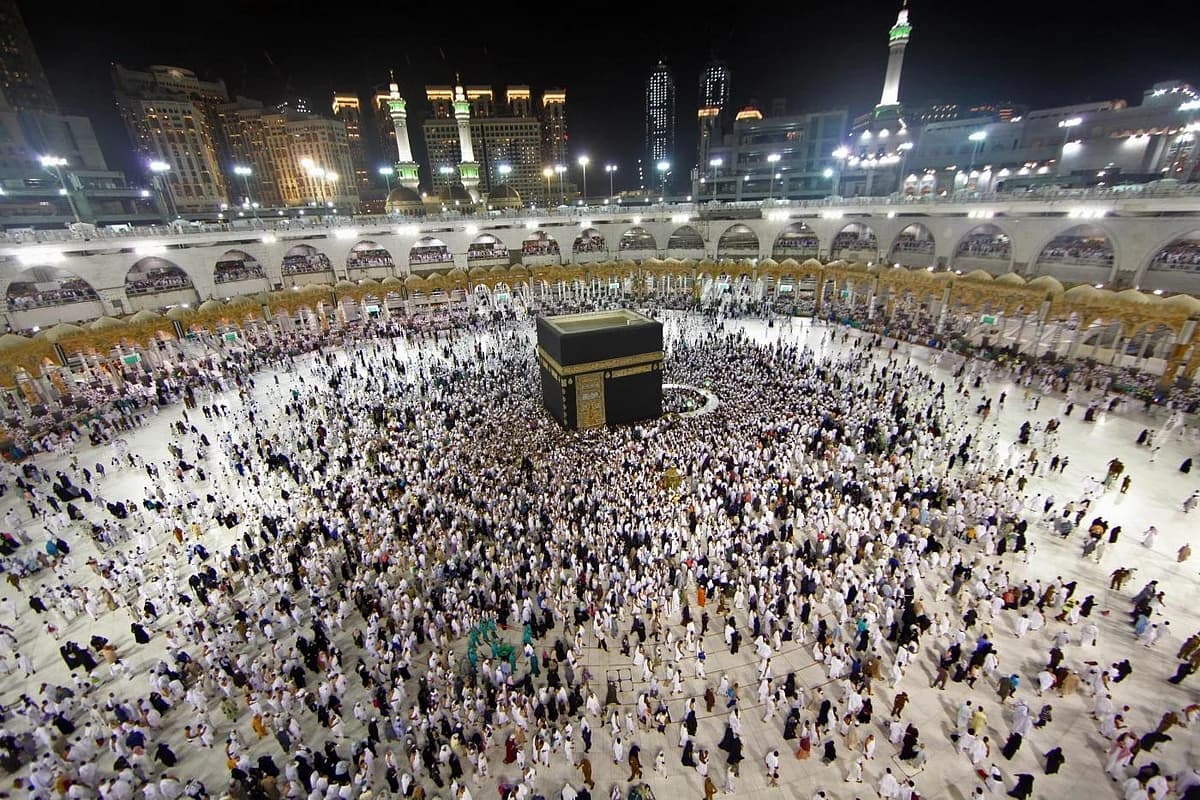
- Politics· World
Trump Announces Record Maritime Transit Through Strait of Hormuz Amid Nuclear Deal Talks
On April 12, 2026, U.S. President Donald Trump reported the passage of 34 ships through the Strait of Hormuz, marking the highest daily transit since Iran's blockade began. This announcement follows a U.S. naval blockade on Iranian ports after failed peace talks in Pakistan, with Iran reportedly agreeing to most terms of a nuclear deal but refusing to forgo nuclear weapons. The ongoing tensions and military presence in the region suggest a potential escalation in conflict and continued diplomatic efforts to resolve the situation.
6 sourcesApr 14High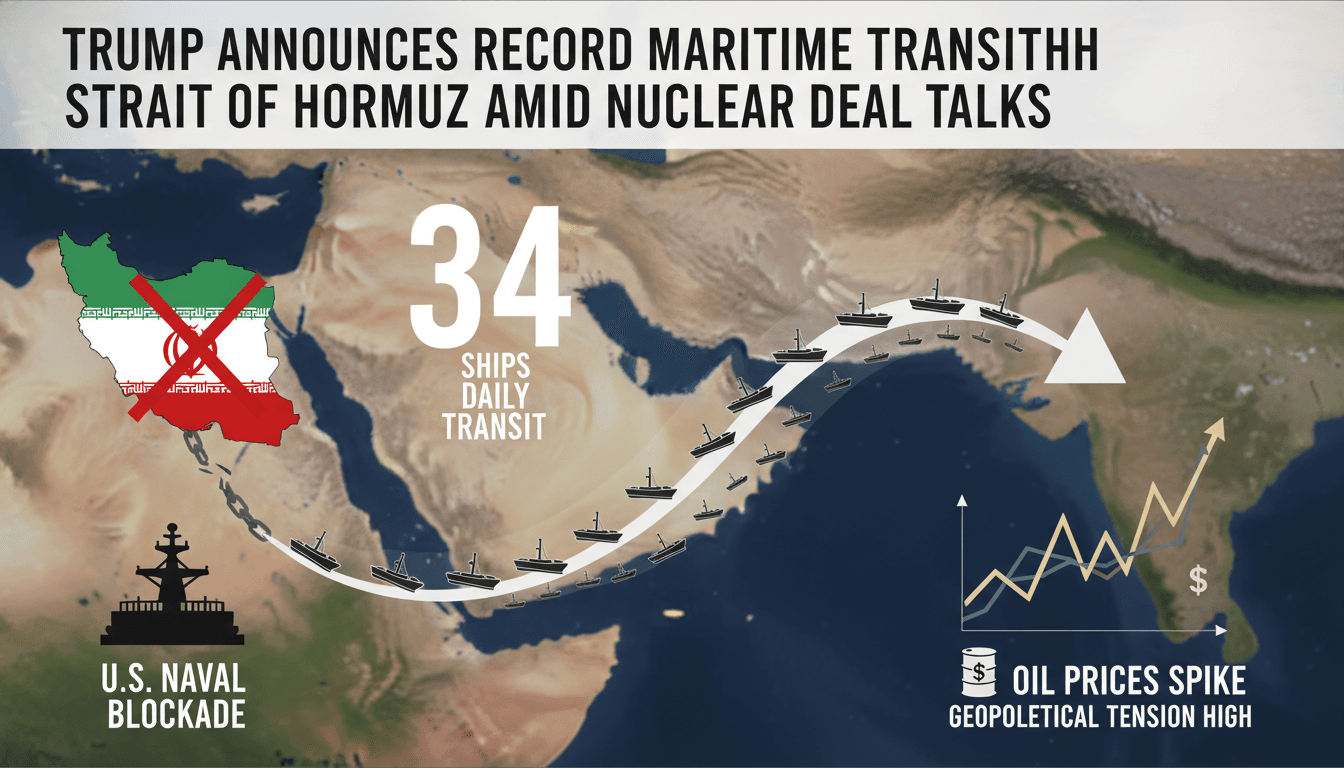
- Politics· MENA
Saudi Arabia and Bahrain Protest Iraqi Diplomats Over Drone Attacks from Militias
On April 12 and 13, 2026, Saudi Arabia and Bahrain summoned Iraqi diplomats to express their concerns over ongoing drone attacks from Iraqi territory by pro-Iranian militias. This diplomatic action follows a fragile US-Iran ceasefire, as Gulf states demand that Iraq take immediate measures to control militia operations threatening their security. The long-term implication may involve increased regional tensions and potential military responses from Gulf states if Iraq fails to act decisively against these militias.
7 sourcesApr 14Low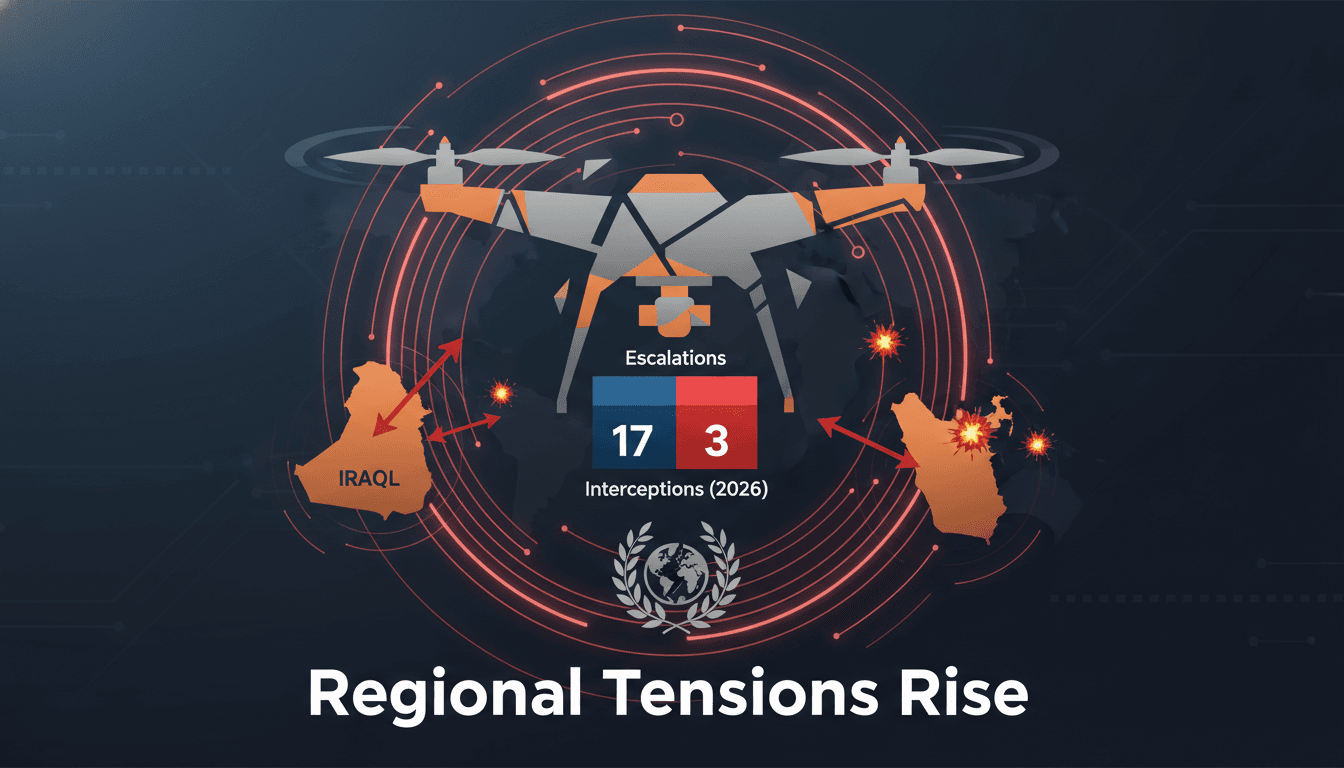
- Politics· MENA
Lebanon Initiates US-Brokered Negotiations to End Ongoing Conflict with Hezbollah
Lebanon's government has begun pursuing ceasefire negotiations with Israel, facilitated by the United States, amid the ongoing Hezbollah-Israel war that has severely impacted the nation. This diplomatic effort is driven by the urgent need to address the humanitarian crisis and economic exhaustion resulting from the conflict, which has displaced over 1.2 million people. Long-term, this could lead to a significant shift in Lebanon's political landscape, as internal divisions between the government and Hezbollah may intensify amidst calls for national unity and stability.
3 sourcesApr 14Moderate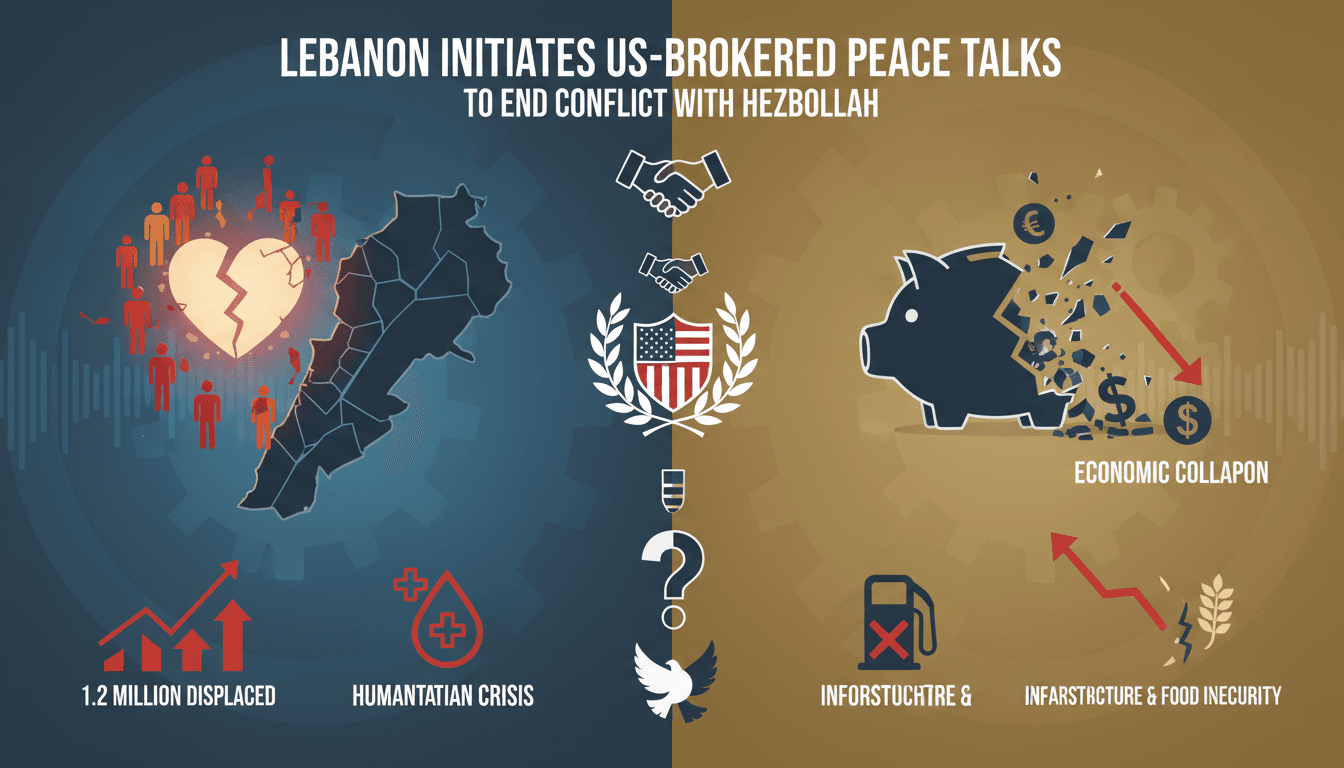
- World· MENA
U.S. Naval Blockade of Strait of Hormuz Enforced Amid Failed Iran Negotiations
On April 13, 2026, President Donald Trump initiated a naval blockade on the Strait of Hormuz targeting Iranian ports and vessels. This action followed unsuccessful negotiations between the U.S. and Iran, raising concerns over potential disruptions to global oil supplies. The blockade is likely to exacerbate energy market volatility and could lead to further geopolitical tensions in the region.
3 sourcesApr 14Very High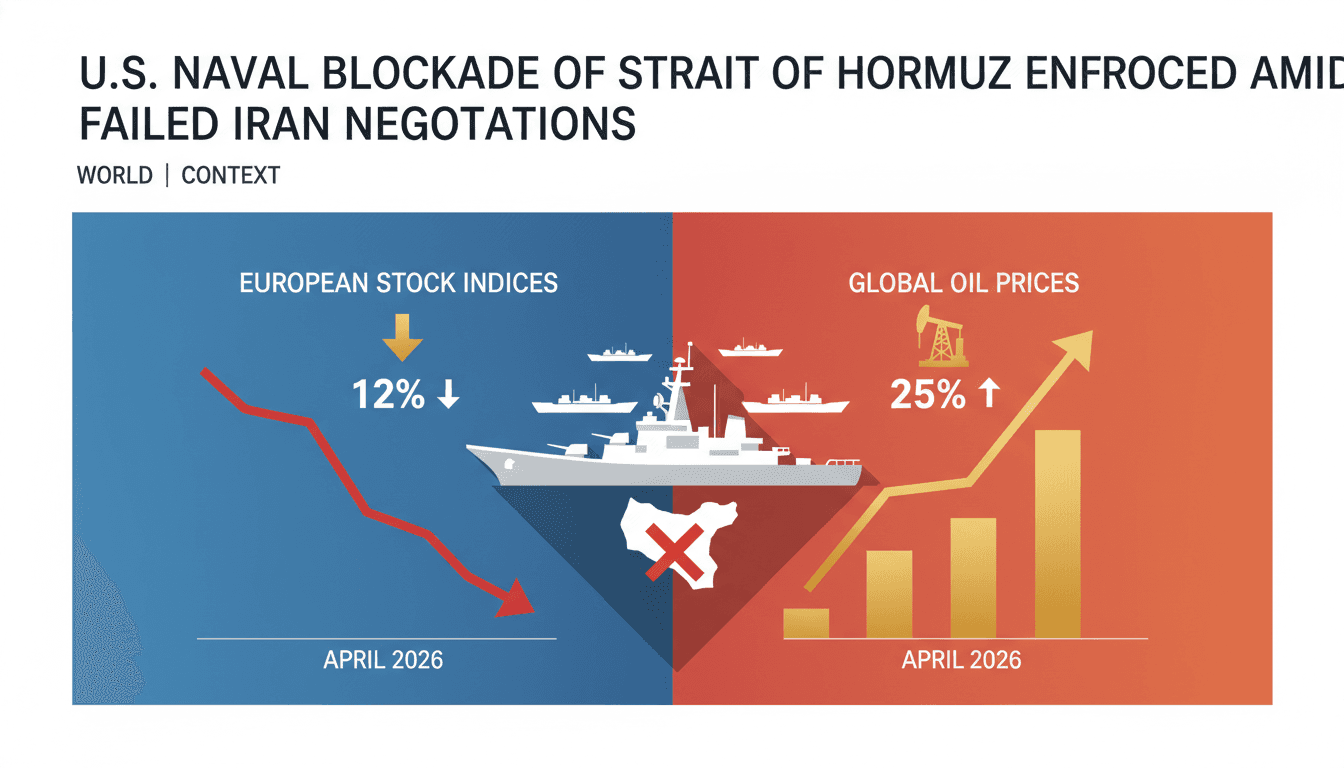
- Politics· World
US-Iran Nuclear Negotiations Fail in Islamabad Amid Irreconcilable Demands
The US-Iran direct talks in Islamabad collapsed on April 12, 2026, failing to produce an agreement on freezing Iran's nuclear program. This breakdown was triggered by significant differences in the duration of uranium enrichment halts, with the US demanding 20 years while Iran offered 9 years, alongside the announcement of a US military blockade. The long-term implication is a heightened risk of military conflict in the region as mediators seek to extend a fragile ceasefire amidst escalating tensions.
5 sourcesApr 14High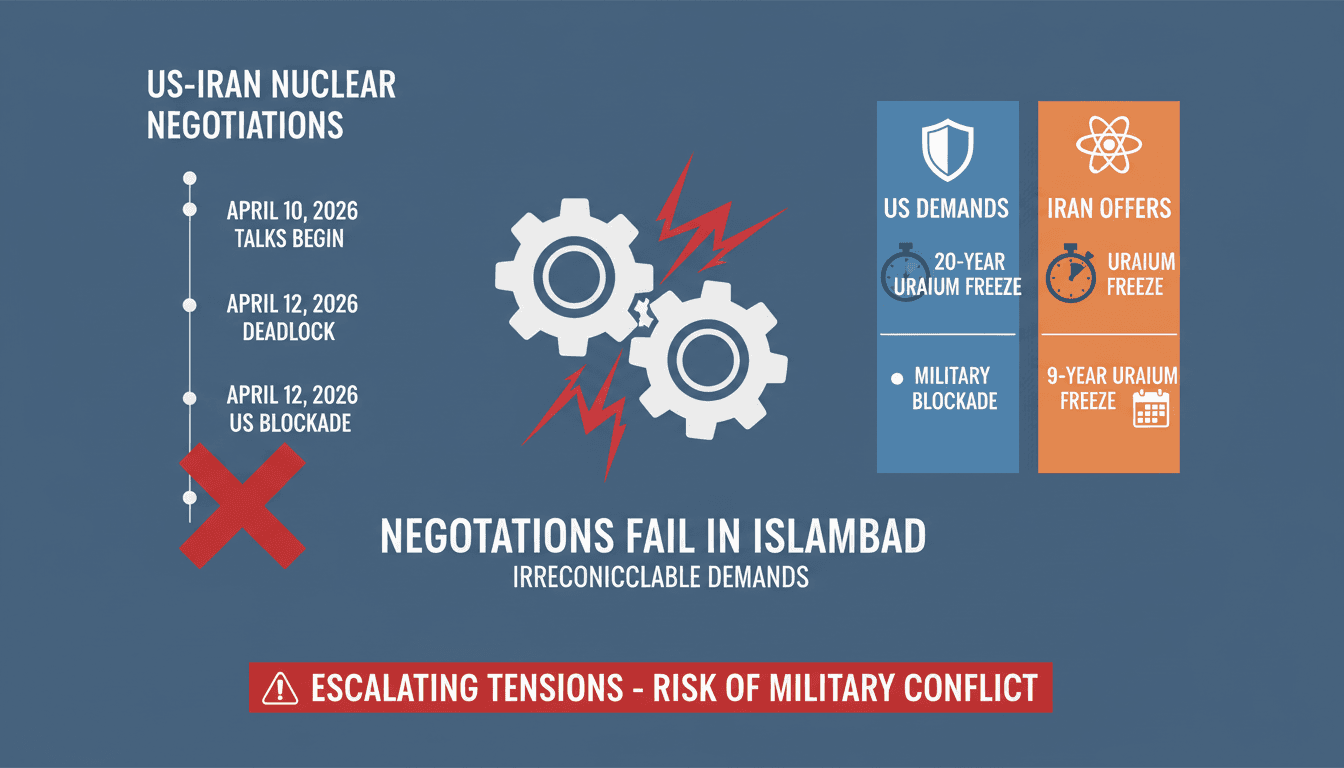
- Politics· World
Trump Predicts High Oil and Gas Prices Persisting Until 2026 Midterms
U.S. President Donald Trump stated that oil and gasoline prices may remain elevated until the midterm elections in November 2026. This announcement comes amid escalating tensions in the U.S.-Iran conflict and the U.S. Navy's blockade of the Strait of Hormuz following failed ceasefire negotiations. The long-term implication is a potential voter backlash due to high energy prices impacting the upcoming elections.
5 sourcesApr 14High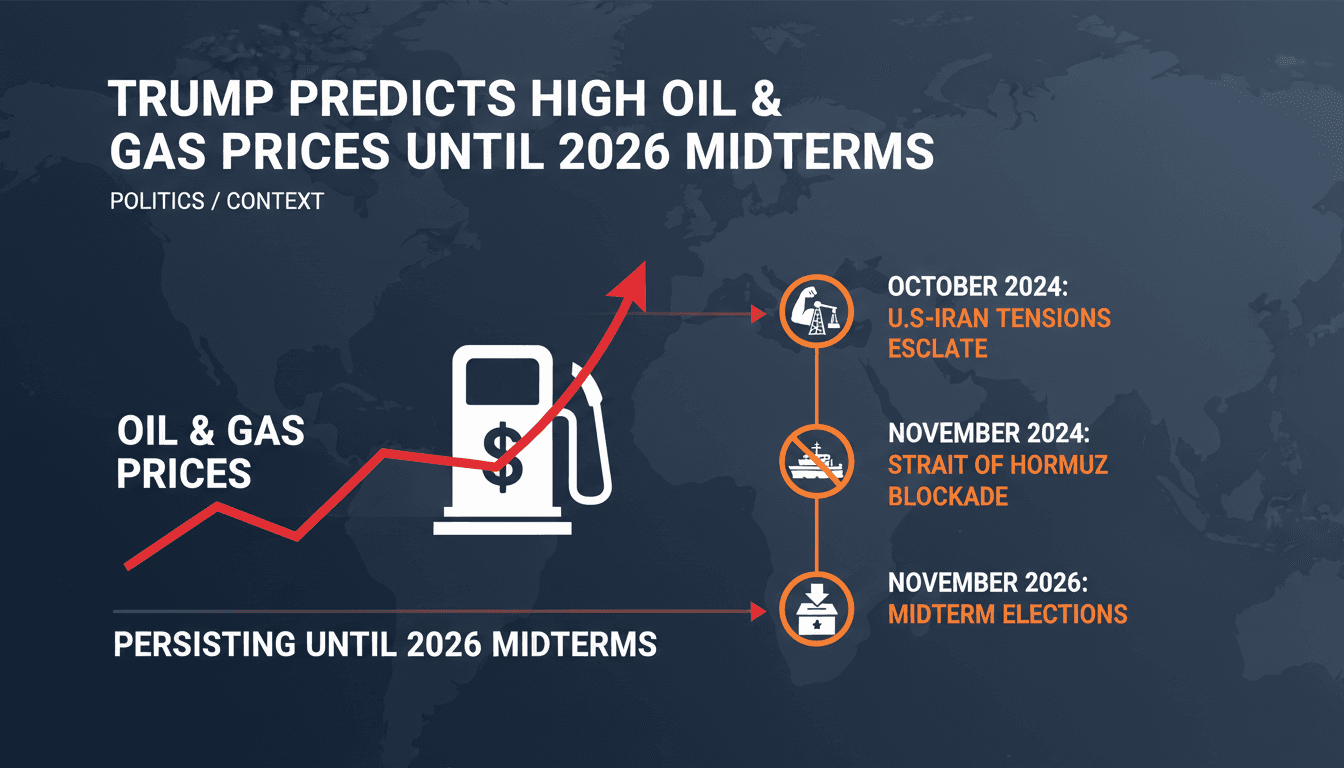
- Politics· MENA
Netanyahu Declares Israel's Historic Military Success Against Iran During Holocaust Remembrance Speech
On April 14, 2026, Israeli Prime Minister Benjamin Netanyahu announced that Israel had delivered its strongest military blow to the Iranian regime during a speech at Yad Vashem. This declaration comes amid the ongoing 2026 Israel-Iran war, following a series of military strikes aimed at crippling Iran's nuclear and military capabilities. The long-term implication suggests a potential escalation in regional tensions and a shift in the balance of power in the Middle East as Israel seeks to further degrade Iranian influence.
6 sourcesApr 14Moderate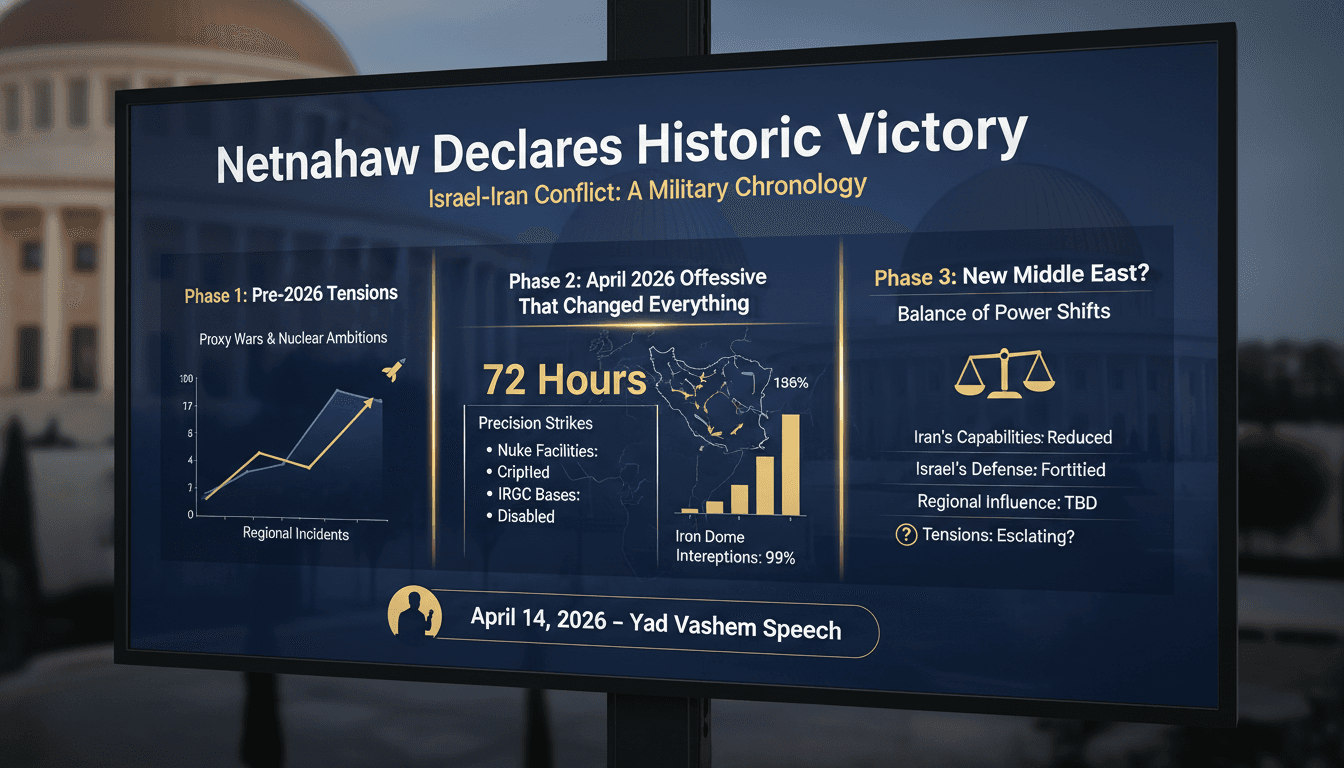
- Politics· MENA
Saudi and Kuwaiti Foreign Ministers Discuss Regional Tensions Amid Gulf Crisis
On April 13, 2026, Saudi Foreign Minister Prince Faisal bin Farhan bin Abdullah held a telephone consultation with Kuwaiti Foreign Minister Sheikh Jarrah Jaber Al-Ahmad Al-Sabah. This discussion was prompted by escalating tensions in the Middle East, particularly following Iranian attacks on Gulf Cooperation Council states and a recent US-Iran ceasefire. The long-term implication is likely to be increased diplomatic coordination among GCC states to ensure regional stability and security.
3 sourcesApr 14Low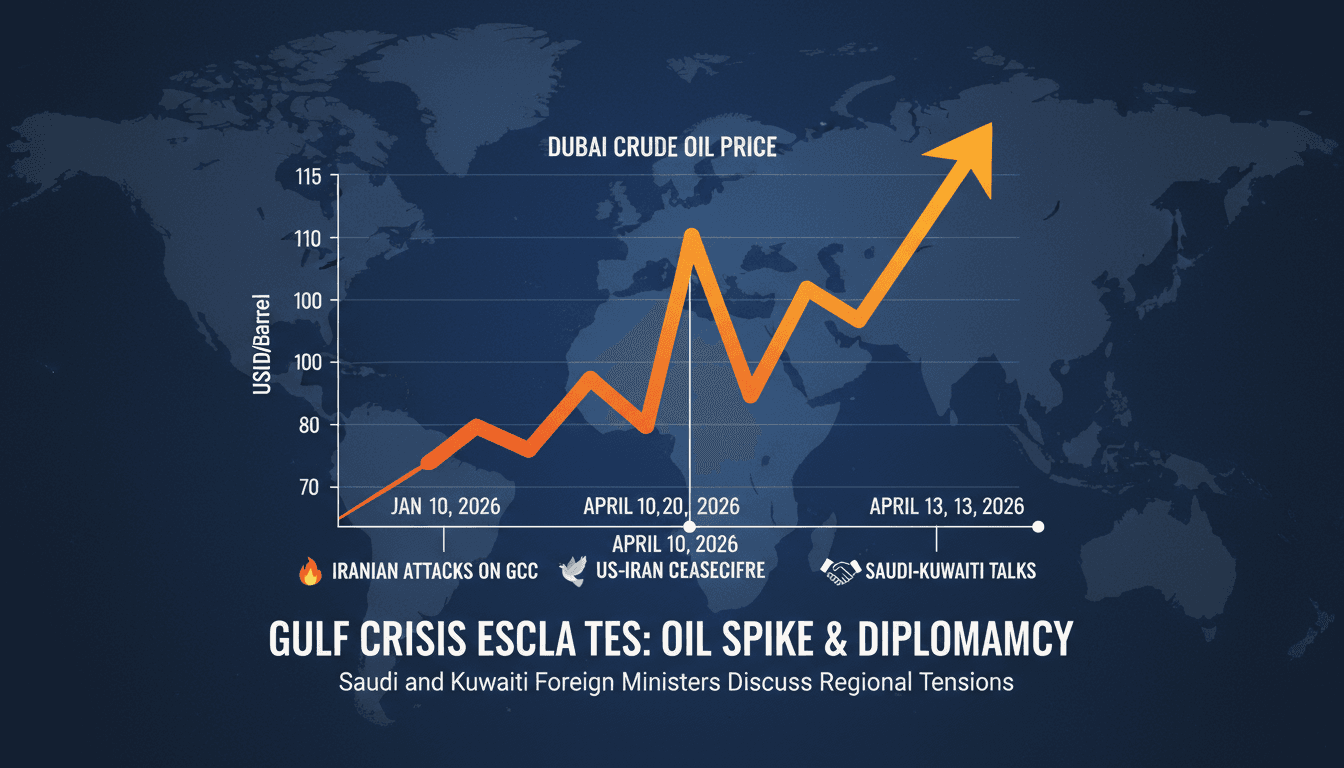
- Politics· UAE
Sheikh Abdullah bin Zayed Engages in Diplomatic Calls Amid Iran-U.S. Ceasefire and Regional Tensions
On April 14, 2026, Sheikh Abdullah bin Zayed Al Nahyan conducted phone consultations with foreign ministers from Kuwait, the Netherlands, and Singapore to address regional developments following Iranian missile attacks. This diplomatic outreach is triggered by the recent announcement of a two-week ceasefire between the U.S. and Iran, aimed at stabilizing the region. The long-term implication suggests a continued push for international collaboration to ensure peace and security in the Gulf amidst ongoing tensions.
4 sourcesApr 14Low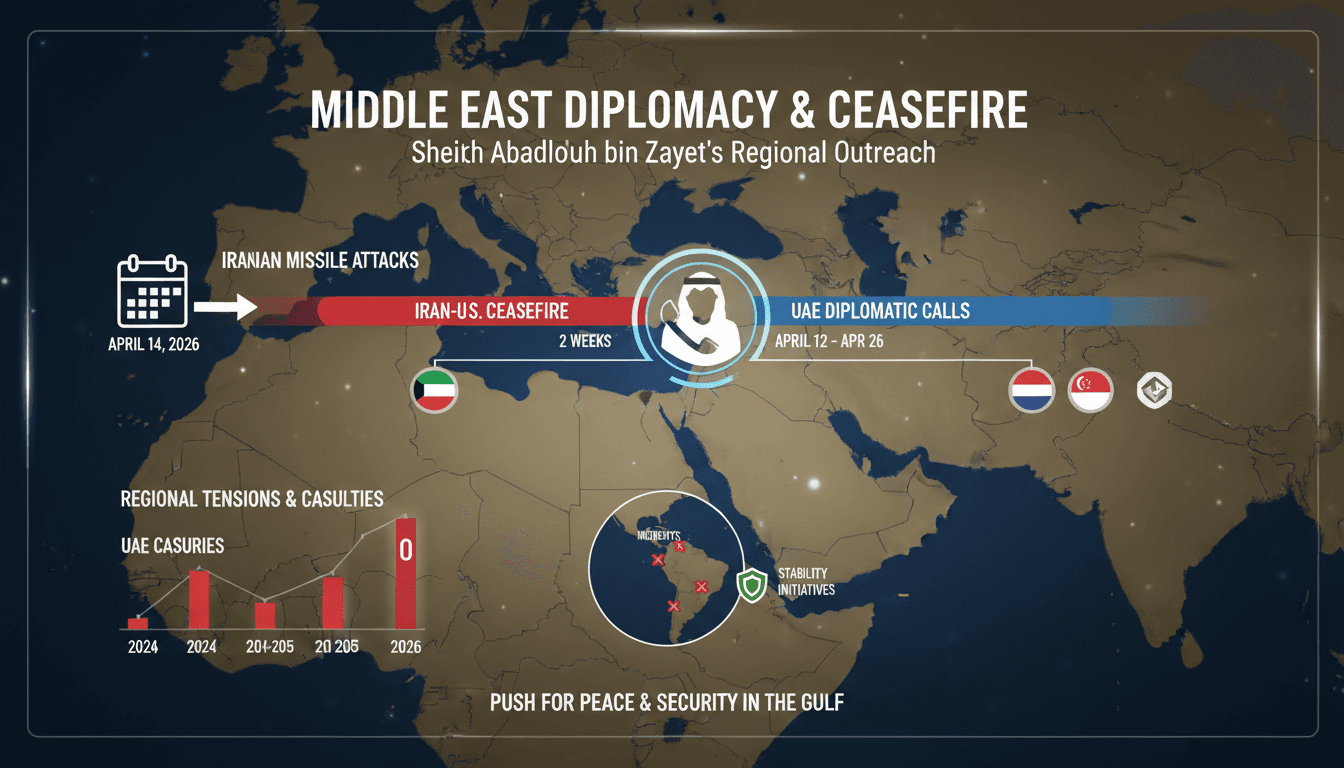
- Politics· World
U.S. Vice President JD Vance Announces Military Objectives Achieved in Iran Conflict
On April 13, 2026, U.S. Vice President JD Vance declared that American forces had met their military objectives in the conflict with Iran, paving the way for a potential de-escalation of operations. This announcement follows recent diplomatic talks in Islamabad, where Iranian negotiators showed some movement towards U.S. positions, albeit insufficient for a comprehensive agreement. The long-term implication suggests that further negotiations will be contingent on Iranian compliance regarding the Strait of Hormuz and nuclear issues, with heightened economic pressures in the region.
5 sourcesApr 14Low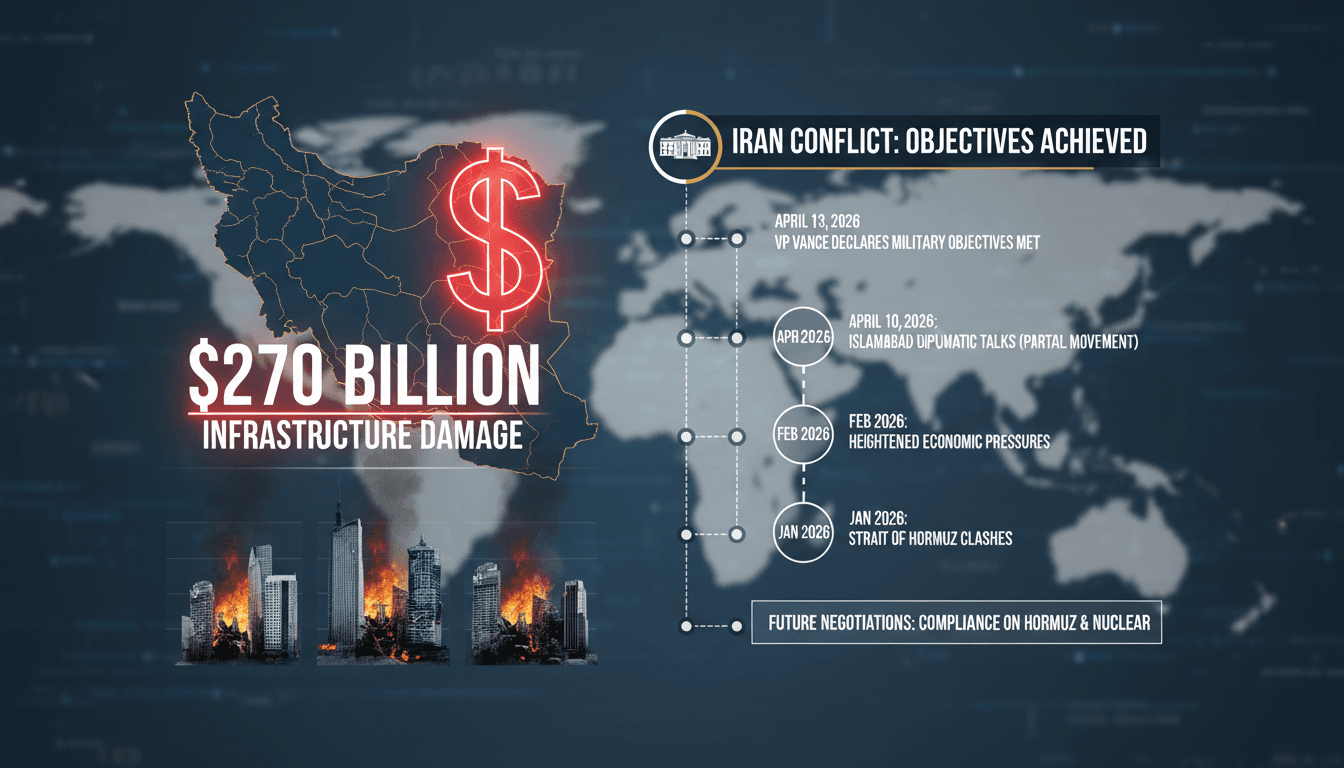
- World· World
Sudan Faces Severe Humanitarian Crisis with Millions Experiencing Famine
On April 14, 2026, reports indicate that millions of Sudanese are surviving on one meal per day due to a humanitarian crisis intensified by ongoing civil war. The immediate cause is the conflict between the Sudanese Armed Forces and Rapid Support Forces, which has devastated agricultural systems and supply chains, leading to widespread food insecurity. Long-term implications include a potential escalation of international humanitarian aid efforts as the situation deteriorates further and access to affected areas remains restricted.
4 sourcesApr 14Moderate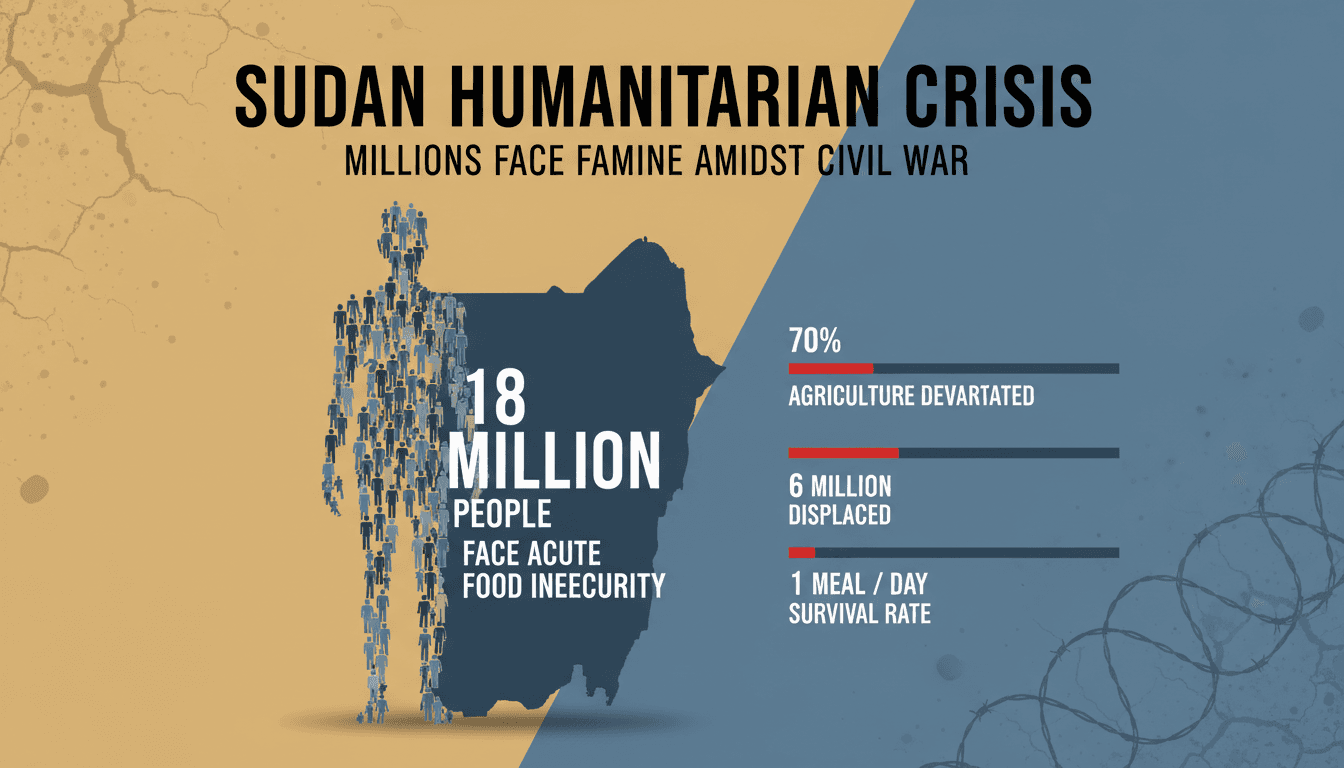
- Politics· MENA
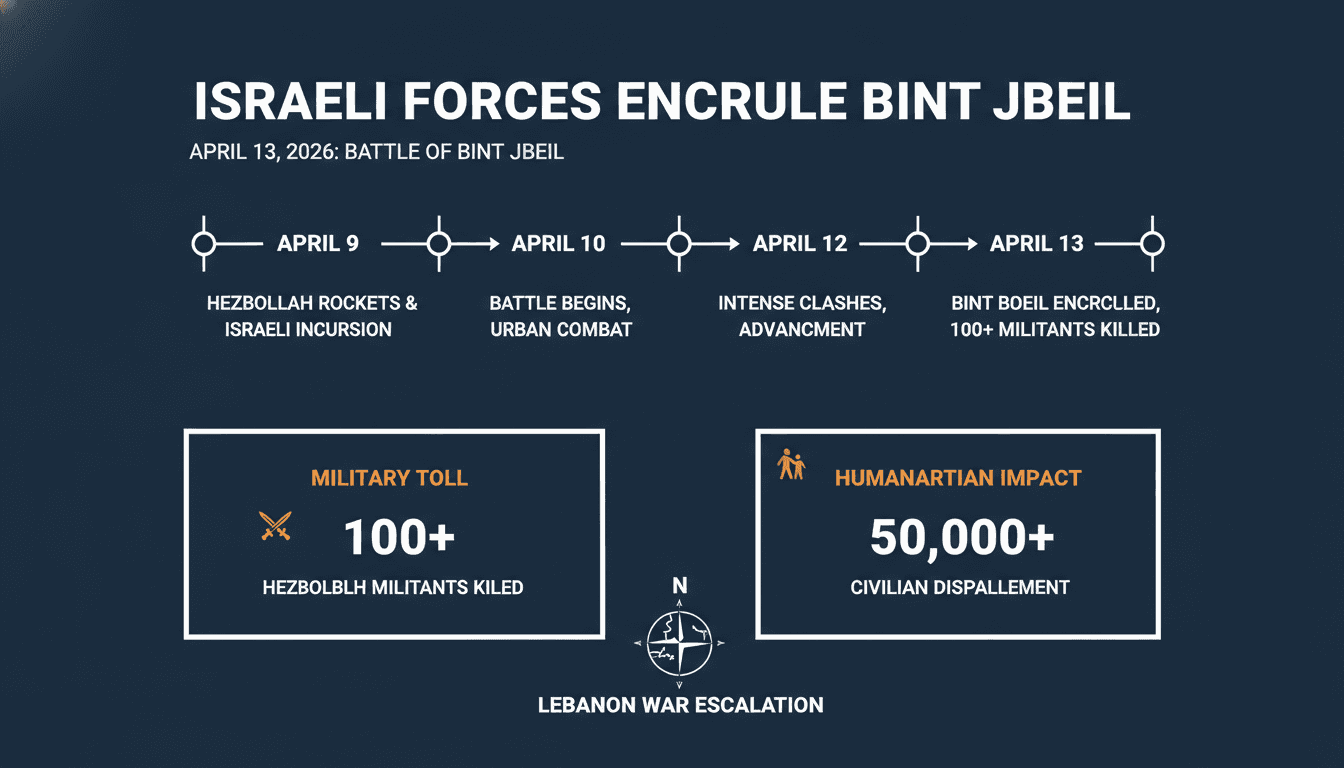
Israeli Forces Encircle Bint Jbeil Amid Ongoing Lebanon War
On April 13, 2026, Israeli Defense Forces announced the encirclement of Bint Jbeil, claiming over 100 Hezbollah militants killed during urban combat. This escalation follows the initiation of the Battle of Bint Jbeil on April 9, part of the broader 2026 Lebanon war triggered by Hezbollah's rocket attacks into Israel. The long-term implication may involve intensified military operations and further destabilization in the region, with international calls for de-escalation amid significant humanitarian crises in Lebanon.
7 sourcesApr 14High