Bio
Andre is co-founder at A47 News. He is responsible for editorial standards and news curation, and shares commentary on AI, general technology, and global politics.
Editorial Responsibility
As Editor, I am responsible for all editorial standards, news sourcing, research, and content production.
Previous experience · 15+ years
- · Co-founder at Tiki
- · Operations Director at Rocket Internet
Education
BA Economics, University of Waikato
Areas of expertise
Categories overseen
Stories from Andre Teow’s desk
15364 stories- Politics· World
Trump Refuses to Apologize to Pope Amid U.S.-Iran War Dispute
On April 13, 2026, U.S. President Donald Trump declared he would not apologize to Pope Leo XIV after criticizing the pontiff's stance on the ongoing U.S.-Iran war. This public dispute escalated following Trump's derogatory comments about the pope's foreign policy views, coinciding with the conflict's intensification. The long-term implication may involve further polarization between political and religious leaders, impacting public sentiment and international relations.
9 sourcesApr 14High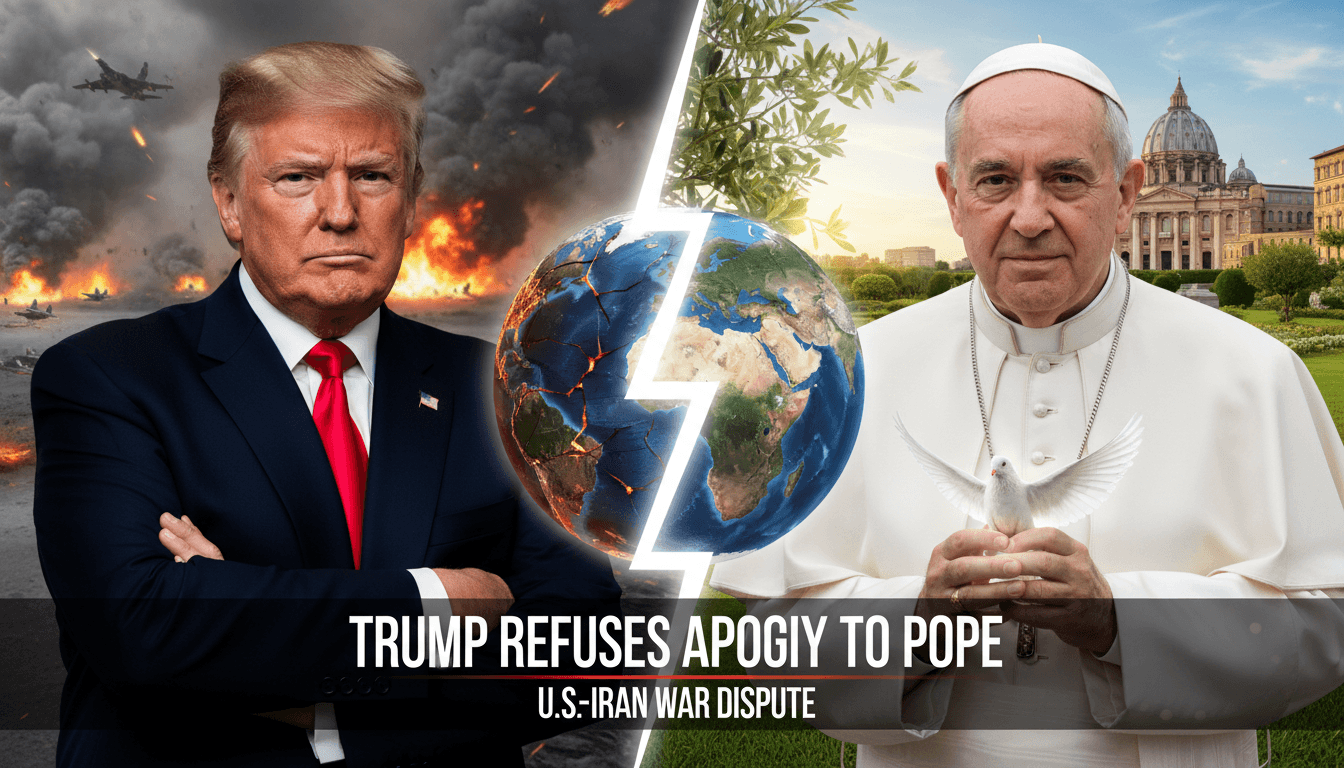
- Politics· World
Trump's $10 Billion Defamation Lawsuit Against The Wall Street Journal Dismissed
U.S. District Judge Darrin Gayles dismissed Donald Trump's defamation lawsuit against The Wall Street Journal regarding a letter to Jeffrey Epstein. The dismissal occurred due to Trump's failure to sufficiently allege actual malice, allowing for the possibility of refiling. This ruling may embolden media outlets in their reporting on public figures amid ongoing scrutiny of Trump's associations with Epstein.
10 sourcesApr 14Moderate
- Politics· MENA
Trump Orders Elimination of Iranian Ships Defying Naval Blockade
On April 13, 2026, U.S. President Donald Trump announced that American forces would eliminate any Iranian fast-attack ships approaching the newly enforced naval blockade of Iranian ports. This escalation follows the activation of the blockade aimed at economically pressuring Iran after failed peace talks regarding its nuclear program. The long-term implication is a heightened risk of military confrontation in the region, with potential disruptions to global oil supply and increased tensions among international stakeholders.
19 sourcesApr 14High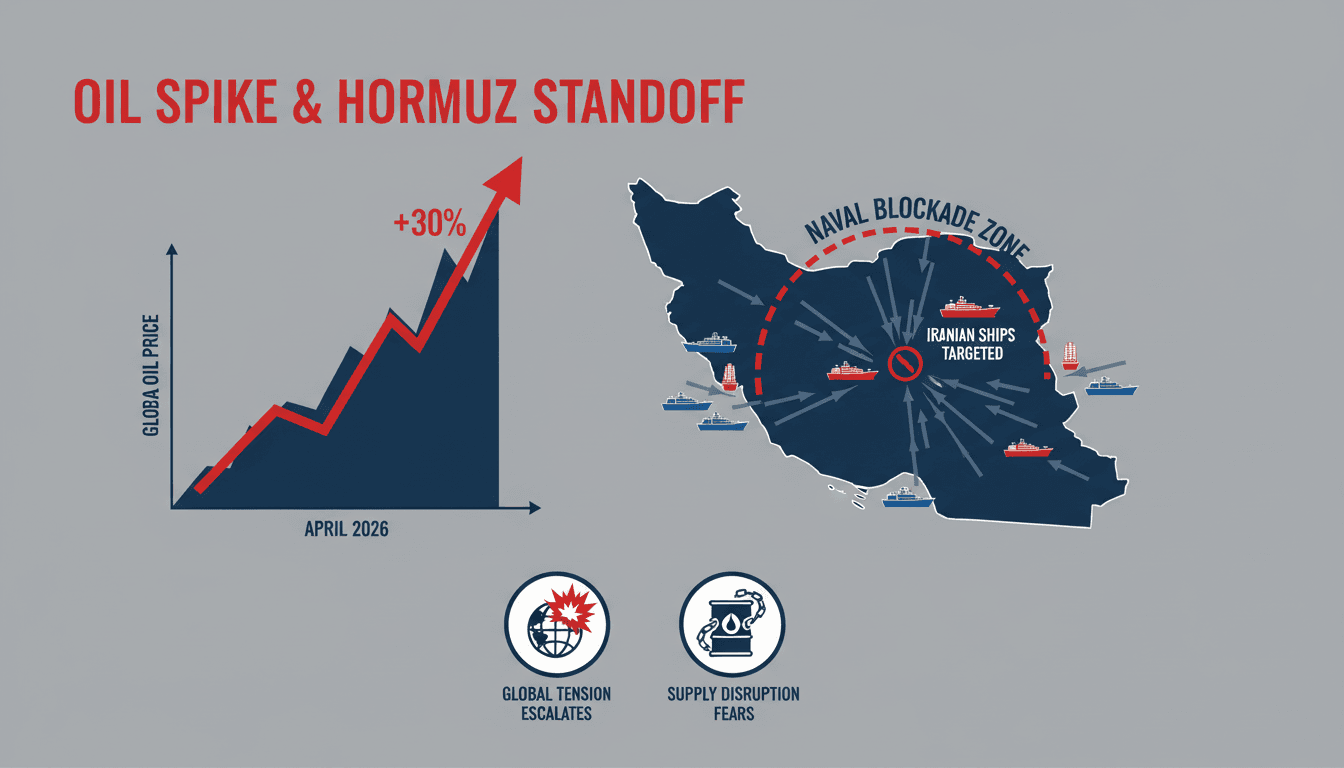
- World· MENA
US Navy enforces blockade of Iranian ports in Strait of Hormuz after peace talks collapse
On April 14, 2026, the United States Navy implemented a blockade targeting Iranian ports and coastal areas in the Strait of Hormuz. This action was triggered by the failure of peace negotiations in Islamabad, which aimed to resolve ongoing tensions from the Iran-US conflict. The blockade is likely to escalate geopolitical tensions and impact global oil markets, as the Strait of Hormuz is a critical transit route for oil shipments.
9 sourcesApr 14Very High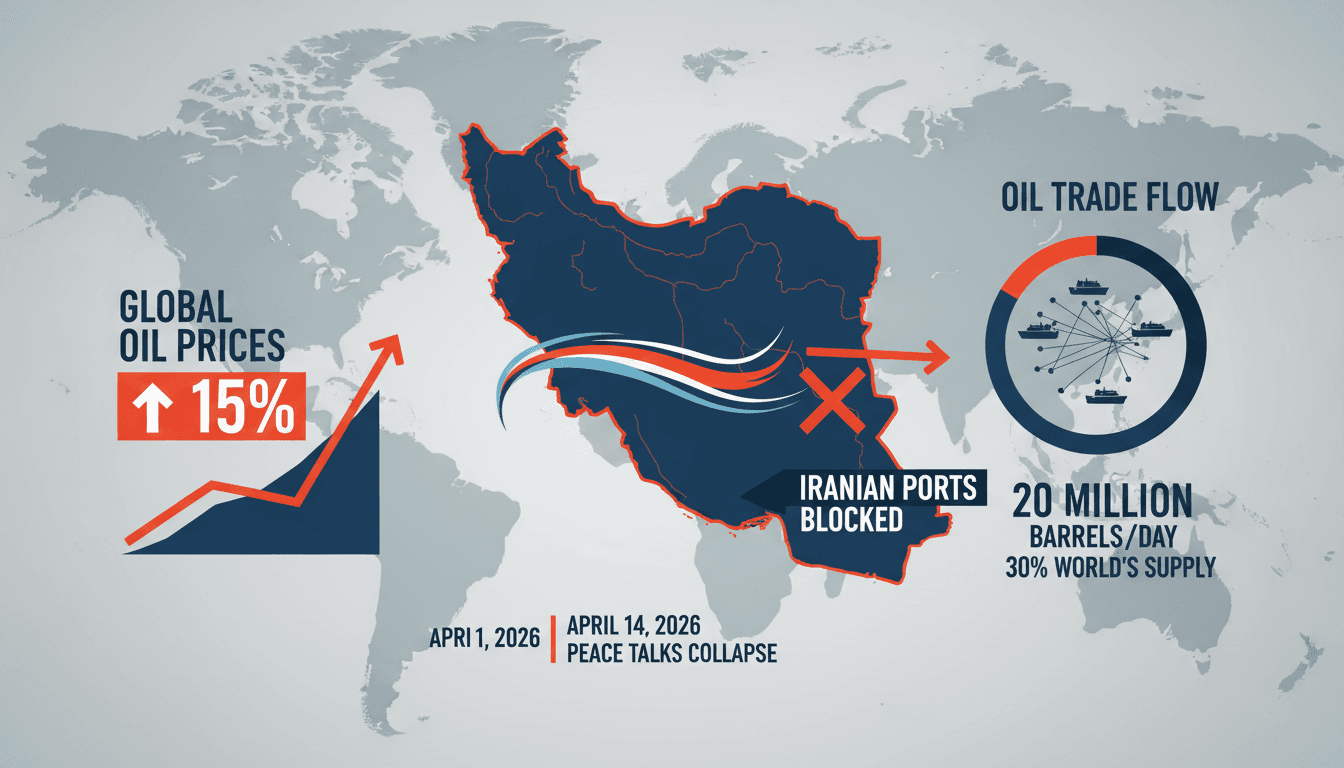
- Politics· World
Tisza Party Wins Hungarian Election, Ending Viktor Orbán's 16-Year Rule
The Hungarian parliamentary election on April 12, 2026, resulted in a decisive victory for Péter Magyar's Tisza Party, which is projected to secure a supermajority in the National Assembly. This shift is driven by widespread voter dissatisfaction with Orbán's governance and a strong desire for pro-EU policies, reflected in a record voter turnout of 79.55 percent. The long-term implication is a potential realignment of Hungary's foreign policy towards the EU and a reevaluation of its relationship with Russia, impacting regional geopolitics and energy dynamics.
25 sourcesApr 14Very High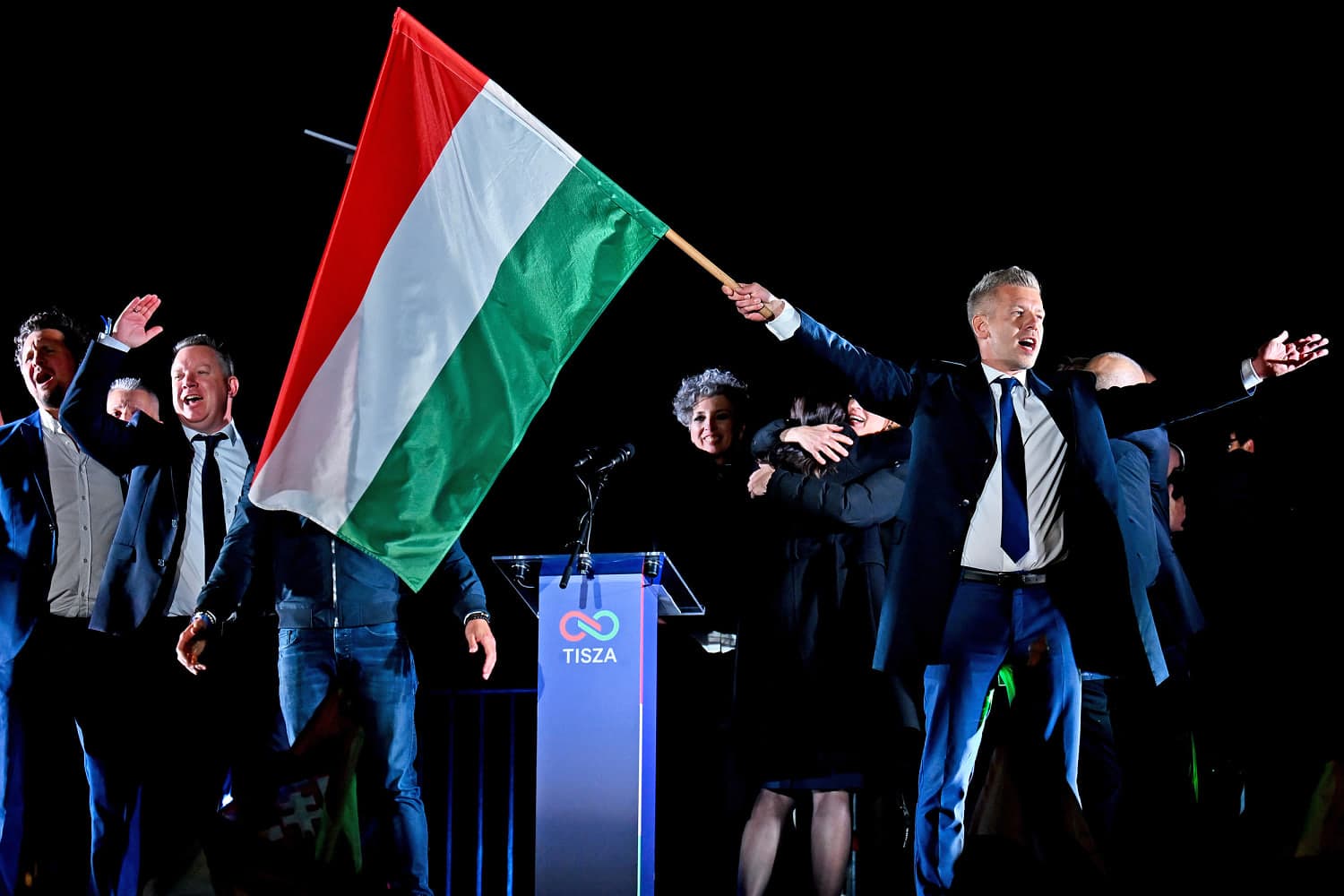
- World· MENA
Pakistan Mediates Failed US-Iran Ceasefire Negotiations Amid Ongoing Conflict
Pakistan has urged Iran and the United States to uphold a fragile ceasefire following 21 hours of unsuccessful negotiations in Islamabad. The talks, which aimed to address critical issues such as nuclear restrictions and maritime access, ended without agreement, prompting immediate concerns over the ceasefire's expiration on April 22. The failure of these negotiations is likely to exacerbate regional tensions and could lead to further military actions and economic instability in the Gulf region.
10 sourcesApr 14Very High
- Politics· MENA
Hezbollah Calls for Lebanon to Withdraw from Talks with Israel Amid Renewed Conflict
Hezbollah Secretary-General Naim Qassem has urged the Lebanese government to boycott upcoming direct negotiations with Israel scheduled for April 14. This call comes as Israeli forces intensify military operations in southern Lebanon following Hezbollah's retaliatory rocket attacks after the killing of Iran's Supreme Leader. The long-term implication may be a further escalation of hostilities in the region, complicating diplomatic efforts and increasing instability in Lebanon and Israel.
11 sourcesApr 14High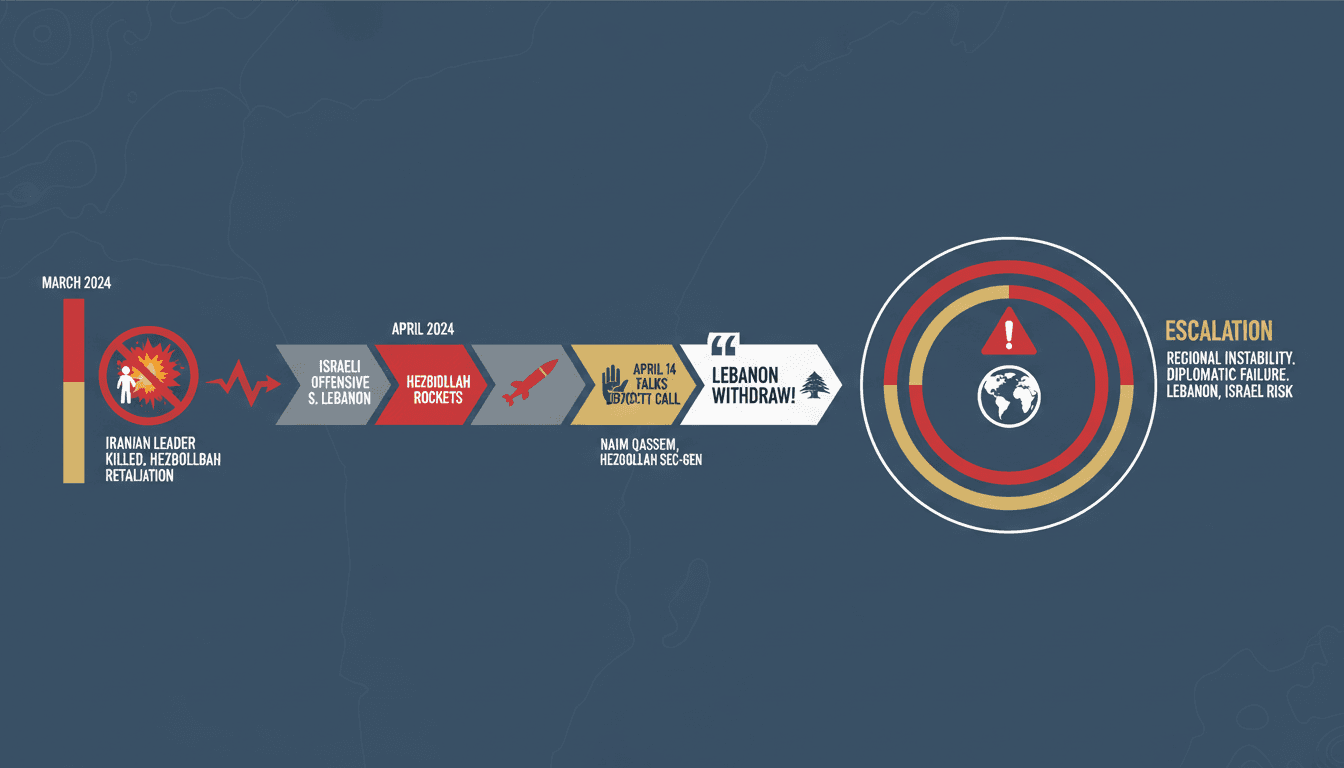
- Politics· World
U.S. Court of Appeals Allows Trump to Continue White House Ballroom Construction
The U.S. Court of Appeals for the D.C. Circuit has temporarily permitted the construction of President Trump's proposed White House ballroom to proceed until April 17, 2026. This decision follows a preliminary injunction that halted the project due to concerns over presidential authority and national security claims. The ruling suggests a potential shift in the legal landscape regarding presidential powers and could lead to further debates on executive authority in infrastructure projects.
5 sourcesApr 14Low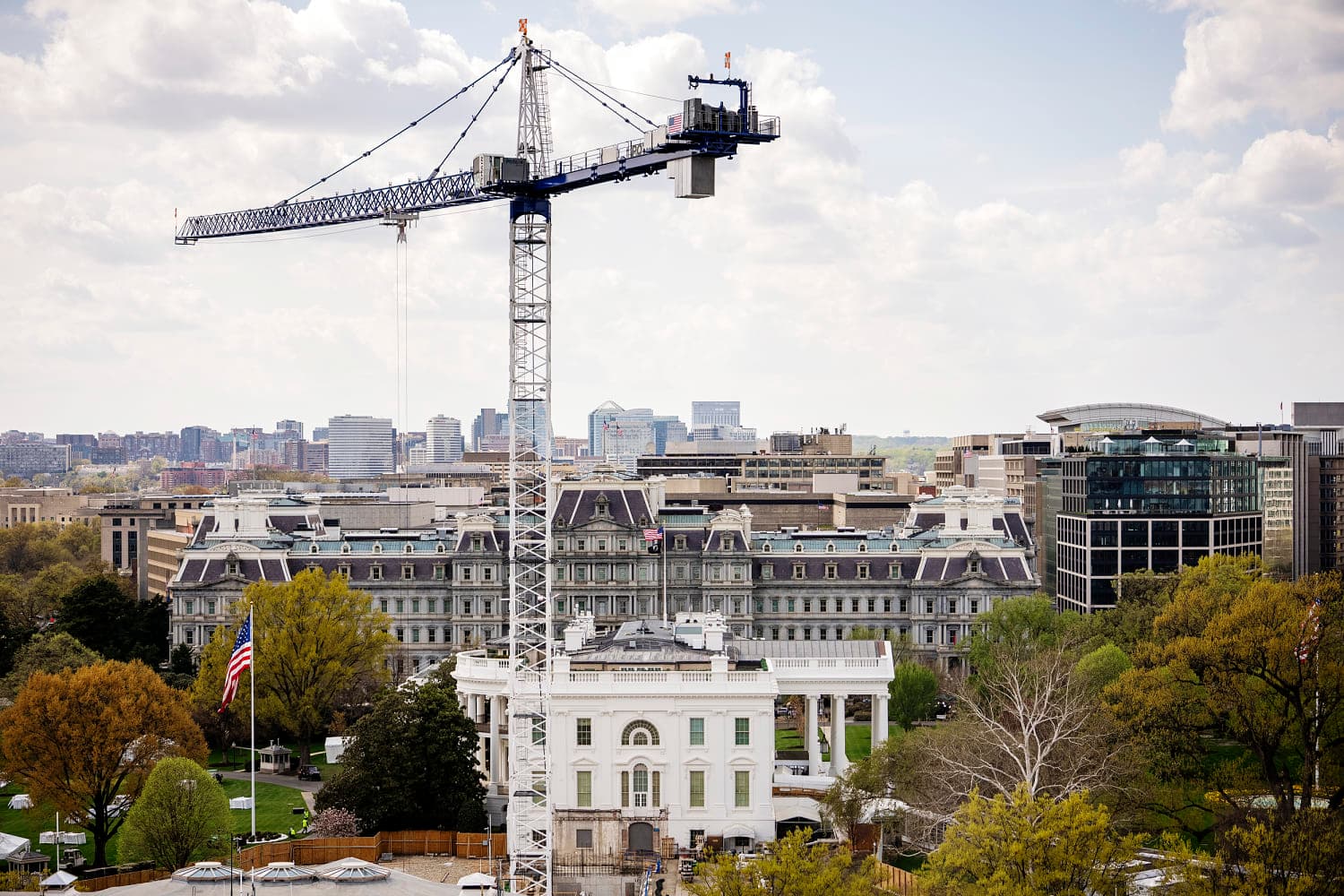
- World· MENA
United States Implements Naval Blockade on Iranian Ports Following Failed Peace Negotiations
On April 13, 2026, the United States military enforced a naval blockade on Iranian ports in the Strait of Hormuz after peace talks in Islamabad collapsed. This action was triggered by Iran's previous restrictions on strait transit, which included tolls and mines, prompting the U.S. to act decisively to ensure the reopening of this critical waterway. The long-term implication is a potential escalation of military tensions in the region, affecting global oil prices and trade routes.
67 sourcesApr 14Very High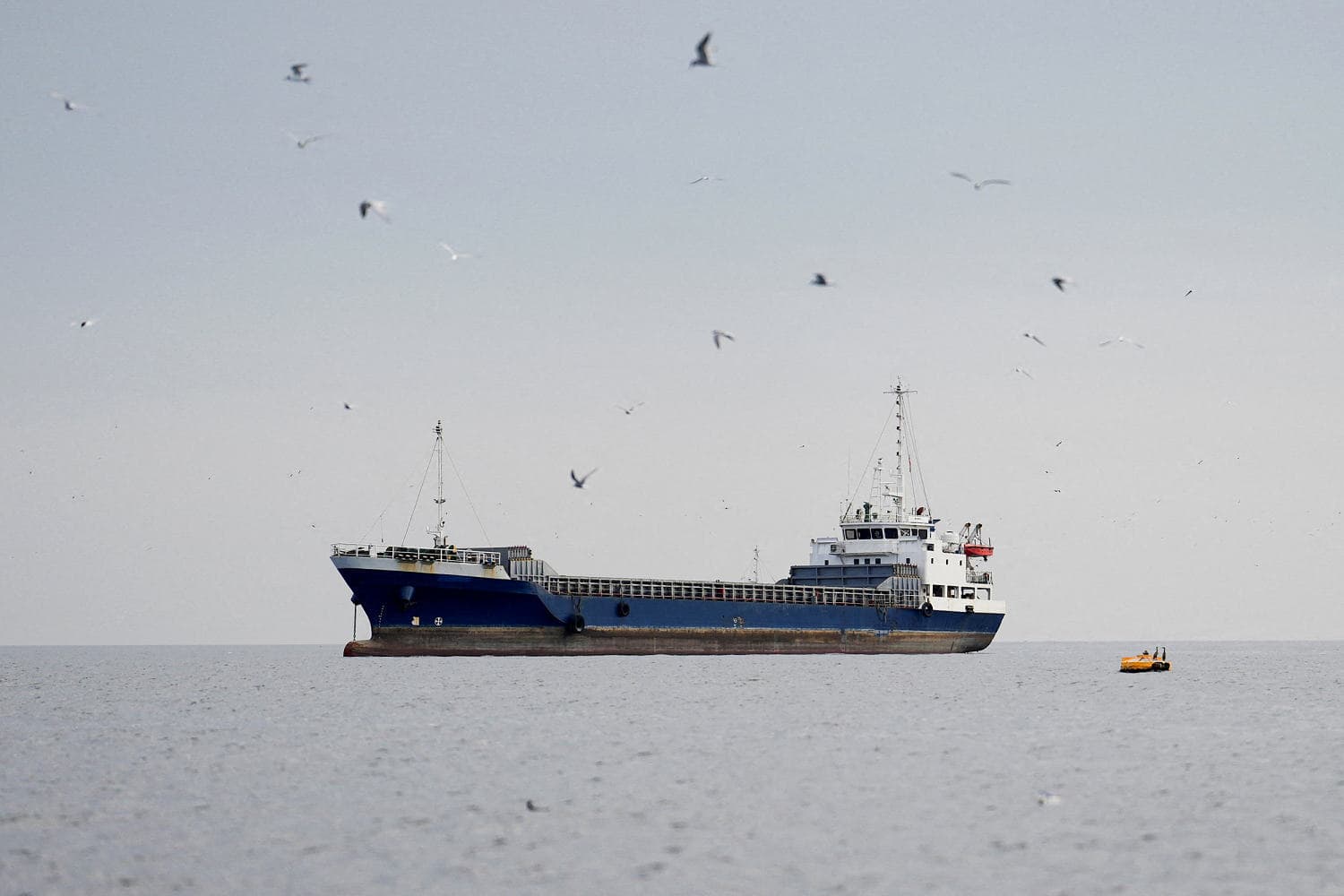
- Politics· World
Donald Trump Deletes Controversial AI Image After Backlash from Religious Conservatives
On April 12, 2026, Donald Trump posted an AI-generated image on Truth Social depicting himself in a Christ-like manner, which drew immediate backlash from conservative Christians. The post followed Trump's criticism of Pope Leo XIV and was deleted after over 12 hours due to accusations of blasphemy. This incident highlights ongoing tensions between Trump's public persona and his support base, potentially impacting his political standing ahead of upcoming elections.
6 sourcesApr 14High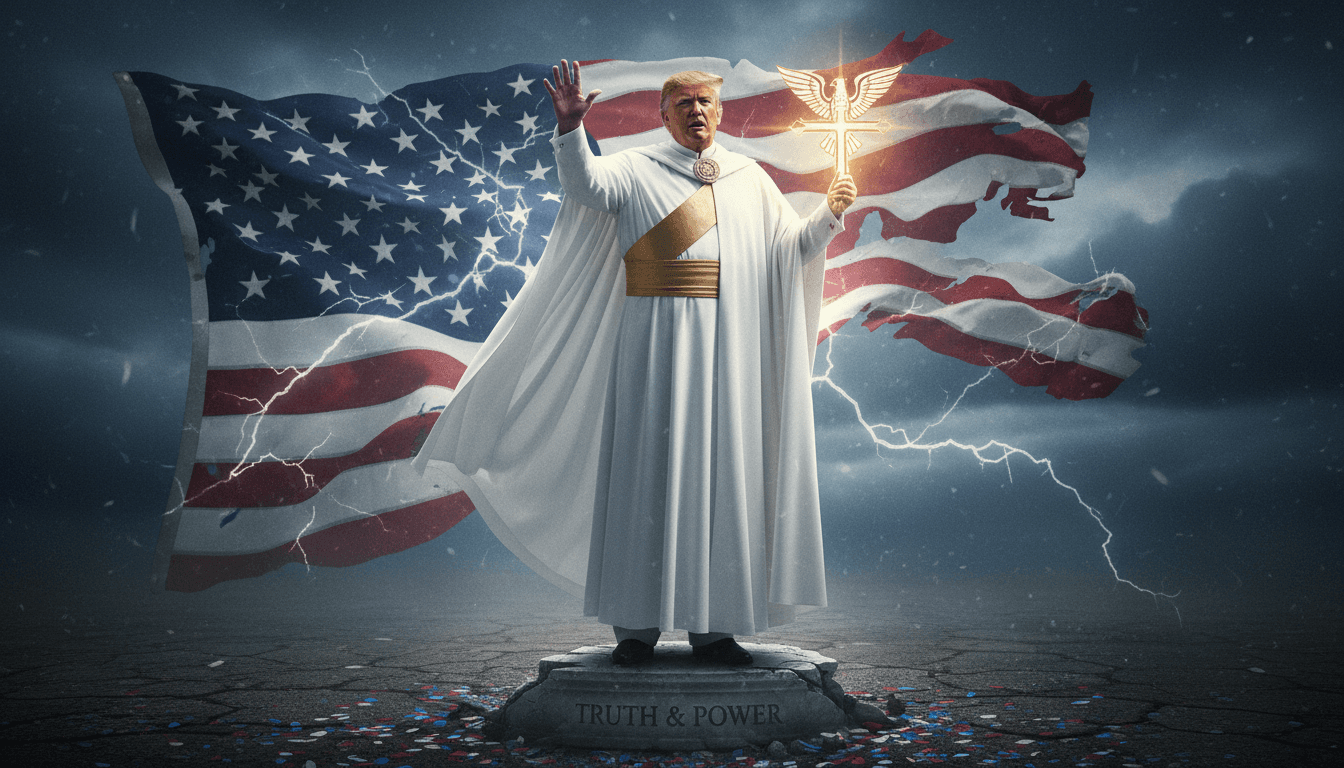
- World· World
U.S.-Iran peace talks fail leading to naval blockade of Strait of Hormuz
The United States and Iran concluded direct peace negotiations without agreement on April 12, 2026, in Islamabad, Pakistan. The failure of these talks, amid an expiring ceasefire, prompted President Donald Trump to order a U.S. Navy blockade of the Strait of Hormuz. This escalation is likely to increase tensions in the region and disrupt global energy supplies, with potential long-term implications for oil markets and international relations.
67 sourcesApr 14Very High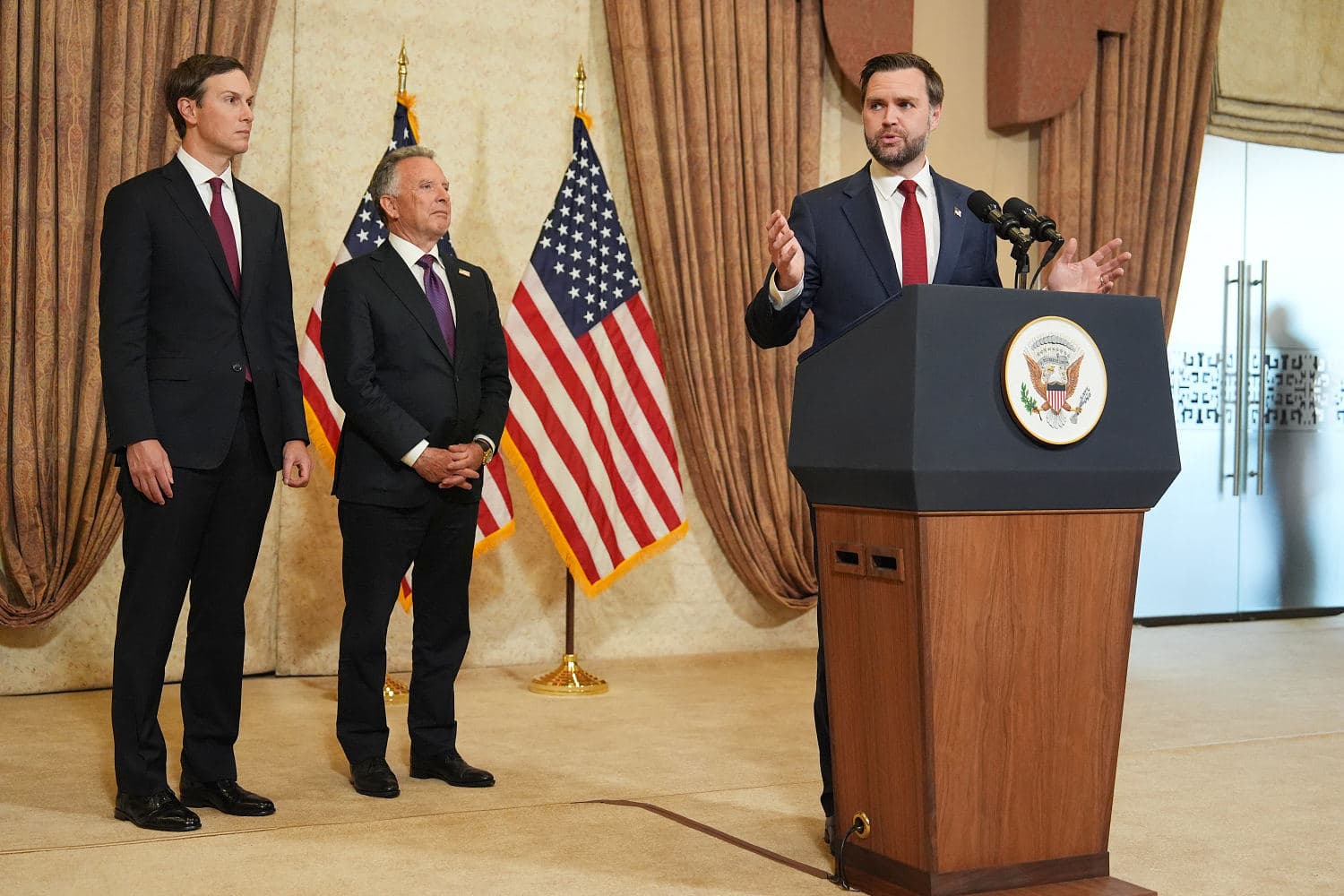
- World· MENA
U.S. Navy Implements Naval Blockade of Iranian Ports Following Failed Peace Talks
On April 13, 2026, the United States Navy enforced a blockade of Iranian ports in the Strait of Hormuz after peace negotiations collapsed. This escalation was triggered by the failure of 21 hours of talks in Islamabad over nuclear issues, leading to a surge in oil prices. The long-term implication is a potential increase in geopolitical tensions and sustained volatility in global oil markets as the blockade continues.
12 sourcesApr 14High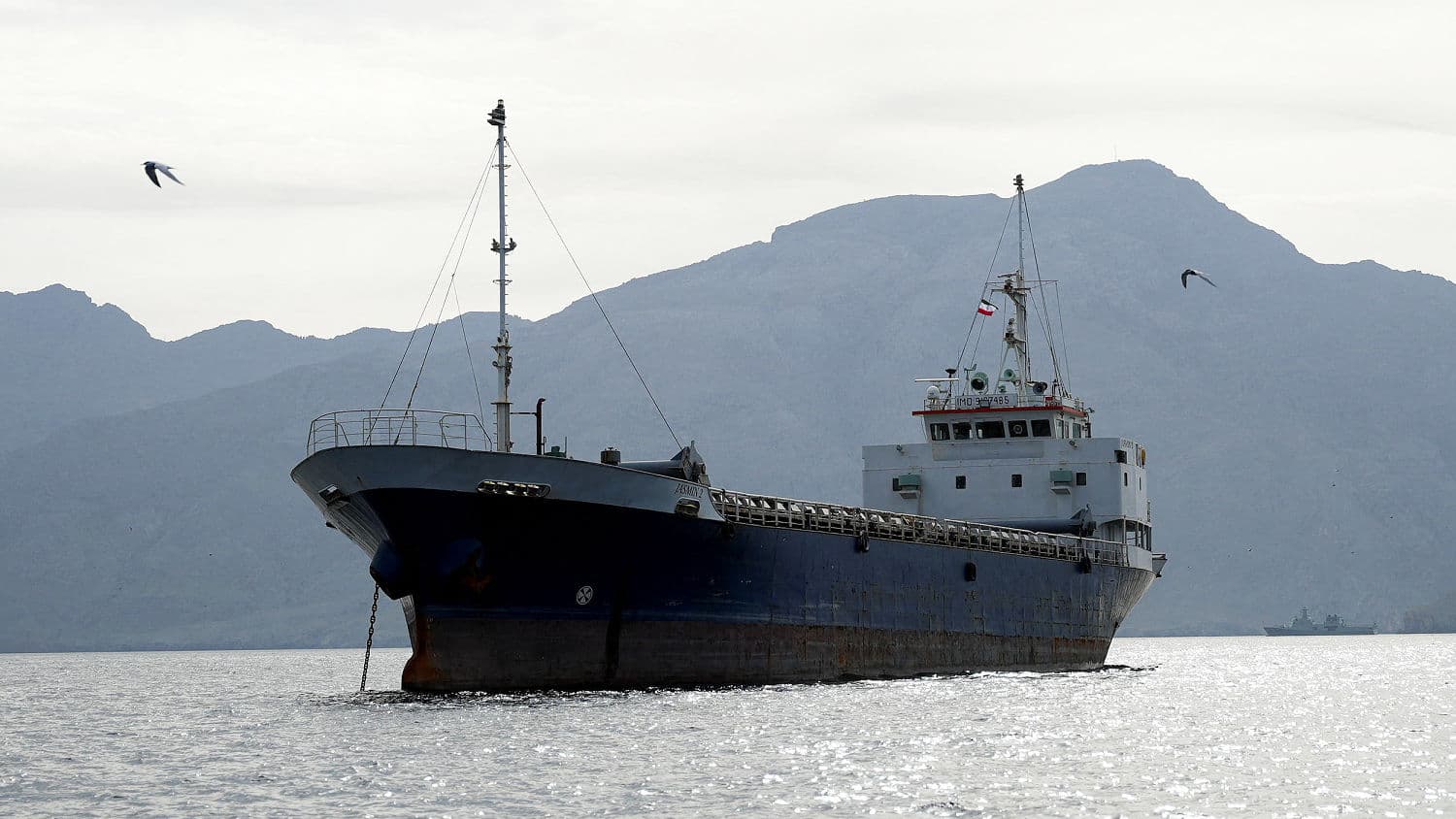
- Politics· MENA
Saudi and Qatari Foreign Ministers Discuss Regional Stability Following US-Iran Ceasefire
On April 8, 2026, Saudi Foreign Minister Prince Faisal bin Farhan held a phone call with Qatari Prime Minister Sheikh Mohammed bin Abdulrahman to discuss regional developments following a US-Iran ceasefire. This diplomatic engagement is driven by shared concerns over Middle East instability and aims to enhance maritime security in the region. The long-term implication is a potential strengthening of Gulf cooperation to ensure stability and secure vital trade routes amidst ongoing geopolitical tensions.
4 sourcesApr 13Low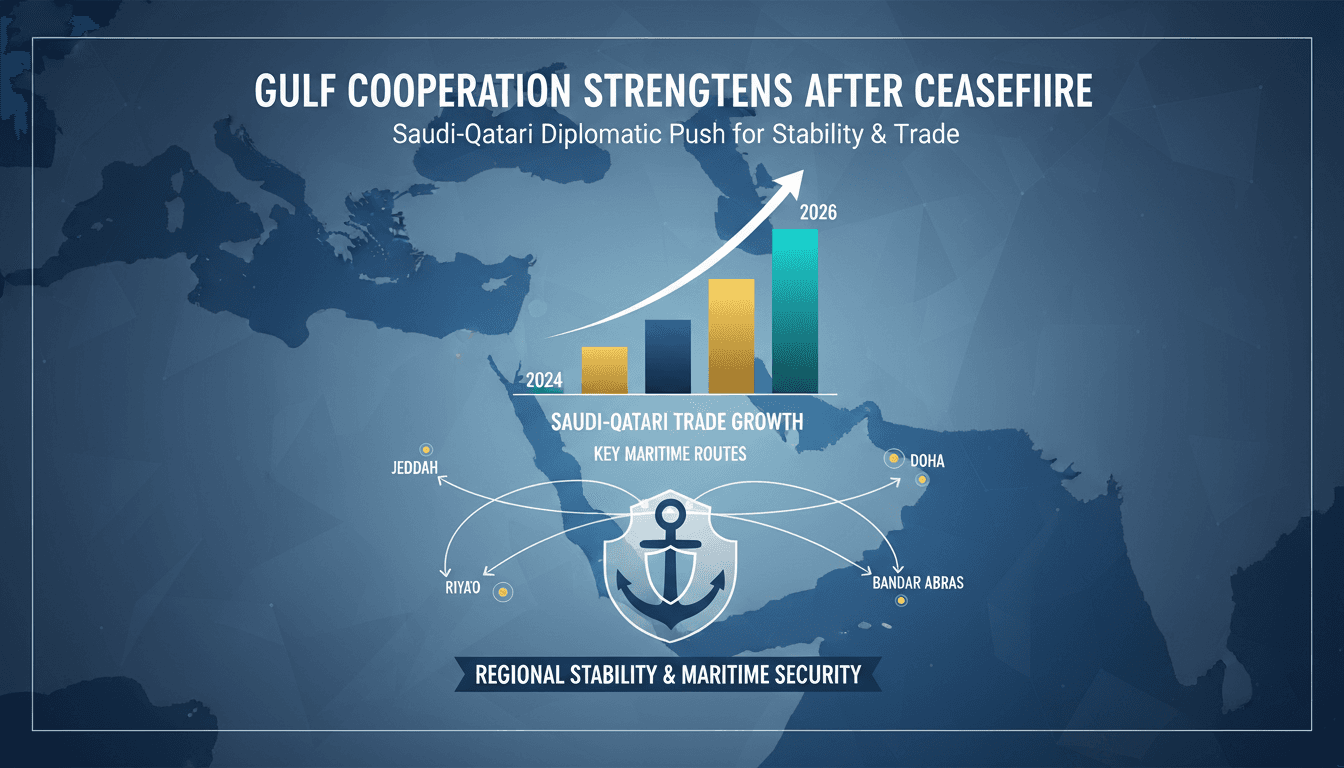
- Politics· MENA
Netanyahu Claims Israel Delivered Historic Blow to Iran During Holocaust Remembrance Speech
On April 13, 2026, Israeli Prime Minister Benjamin Netanyahu announced that Israel, with U.S. support, inflicted the 'strongest blow' to Iran in its history. This declaration follows extensive military actions against Iran's infrastructure and personnel amid the ongoing 2026 war, driven by perceived existential threats from Iran's nuclear ambitions. The long-term implication suggests a potential escalation in regional tensions and increased international calls for a ceasefire as the conflict continues to impact global markets and security dynamics.
2 sourcesApr 13High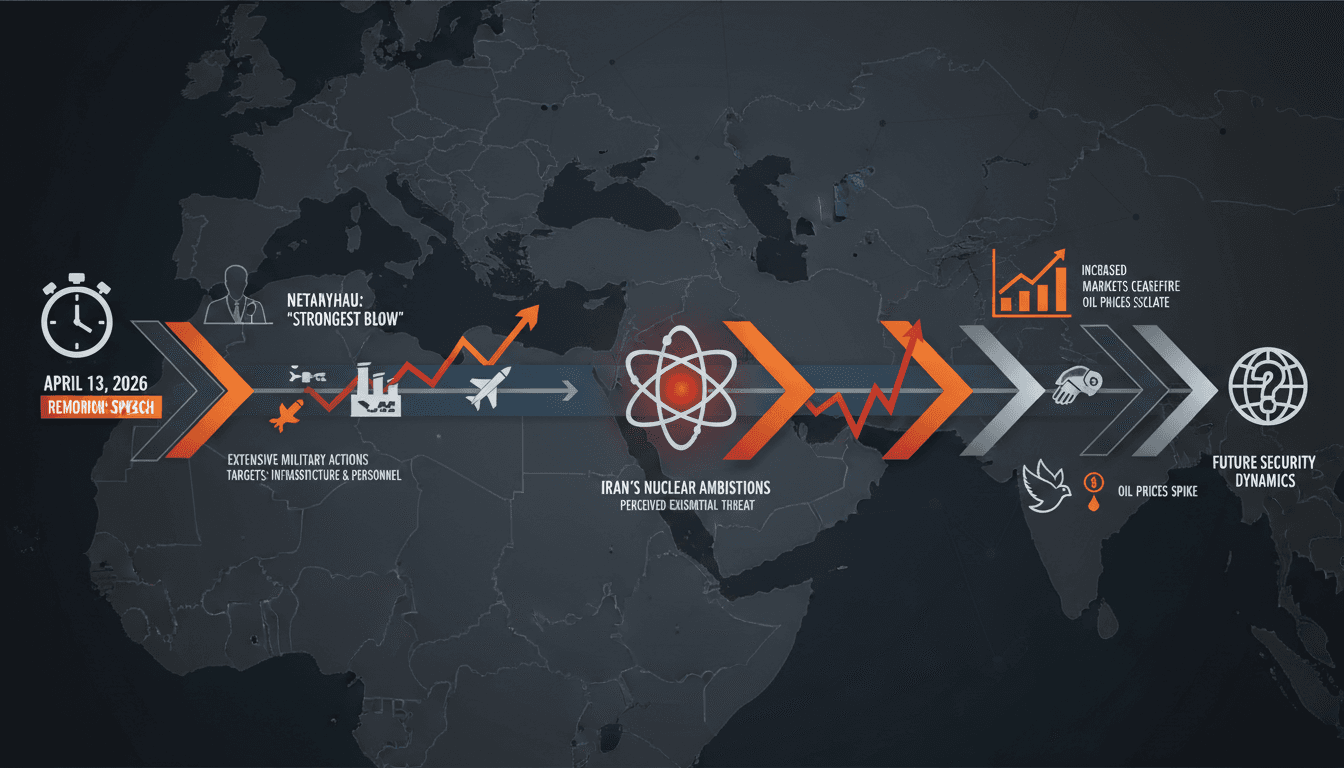
- Politics· MENA
Saudi and UAE Foreign Ministers Discuss Regional Developments Following US-Iran Ceasefire
Saudi Foreign Minister Prince Faisal bin Farhan held a phone call with UAE Foreign Minister Sheikh Abdullah bin Zayed to discuss recent regional developments. This conversation was triggered by the heightened diplomatic activity following a two-week ceasefire between the US and Iran, brokered by Pakistan. The long-term implication is a continued alignment between Saudi Arabia and the UAE on regional security issues, potentially influencing broader Middle East stability.
4 sourcesApr 13Low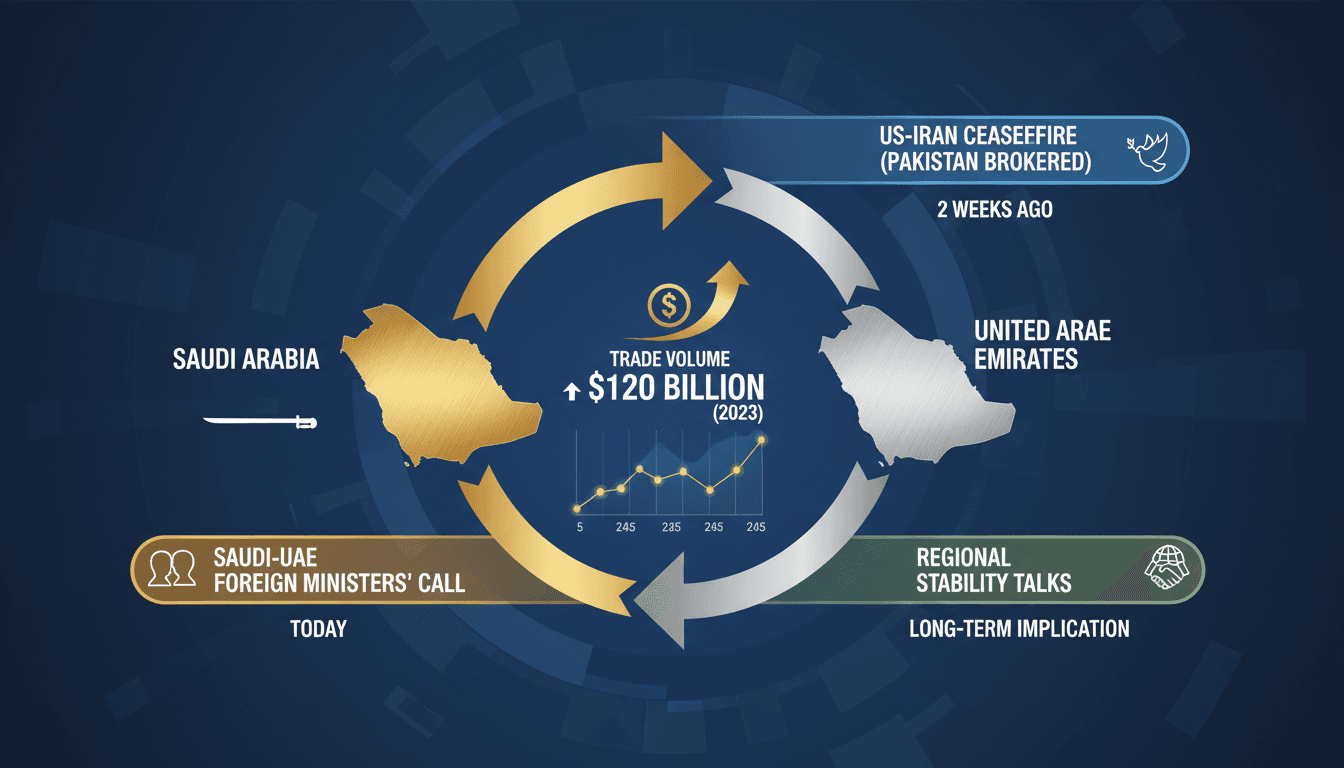
- Tech· World
Anthropic Discusses AI Model with U.S. Government Amid Supply-Chain Risk Concerns
Anthropic co-founder Jack Clark revealed ongoing discussions with the U.S. government regarding the Claude Mythos Preview AI model, which is currently withheld from public release due to a Pentagon supply-chain risk designation. This engagement follows the Department of Defense's demands for unrestricted access to Anthropic's AI models, which the company has resisted, leading to heightened tensions. The long-term implication may involve a reevaluation of AI deployment strategies in national security contexts as companies navigate regulatory landscapes and geopolitical pressures.
3 sourcesApr 13Low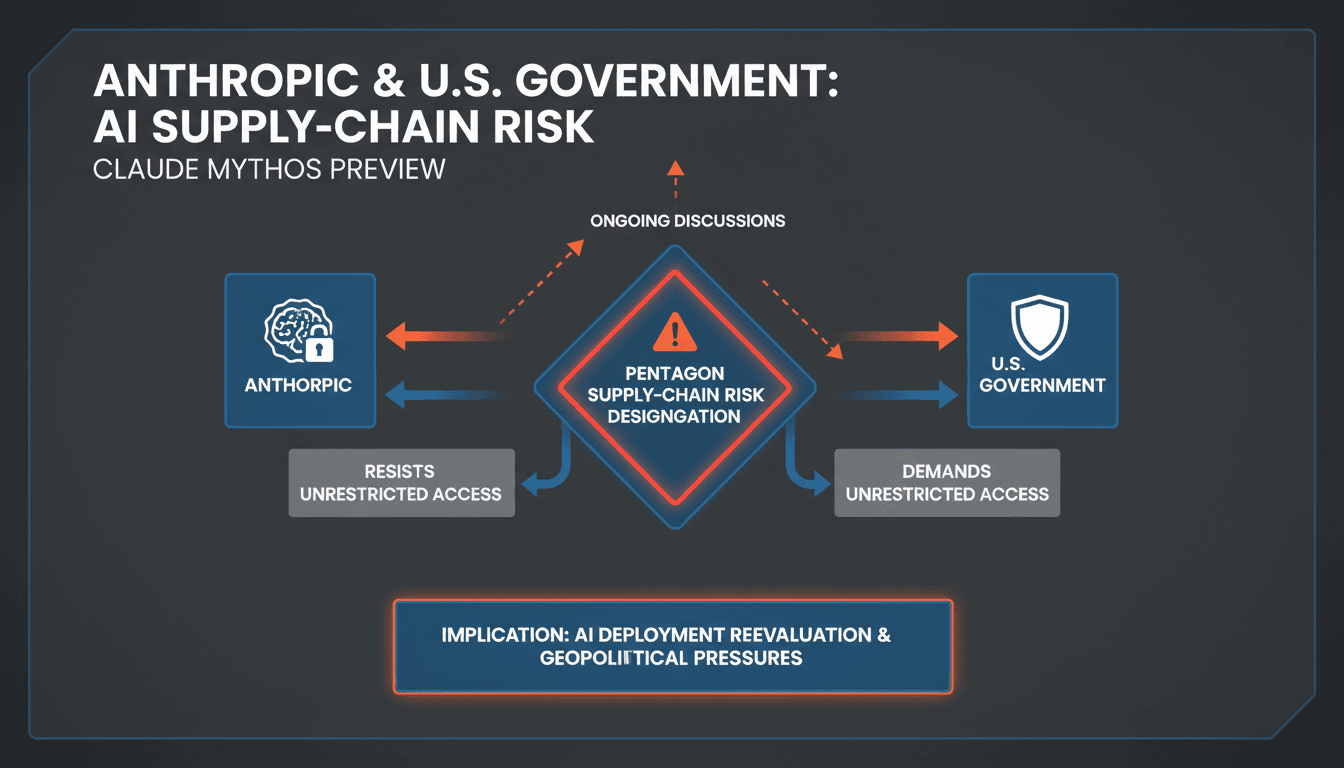
- World· MENA
U.S. Naval Blockade of Strait of Hormuz Enforced Amid Software Stock Surge
On April 13, 2026, the United States initiated a naval blockade of Iranian ports in the Strait of Hormuz following failed negotiations over nuclear talks. This blockade was triggered by escalating tensions and perceived Iranian extortion, coinciding with a rally in software stocks that lifted the S&P 500 by 1.02%. The long-term implication may include increased volatility in global oil markets and potential diplomatic efforts to resolve the crisis as supply chain disruptions affect regional economies.
2 sourcesApr 13Very High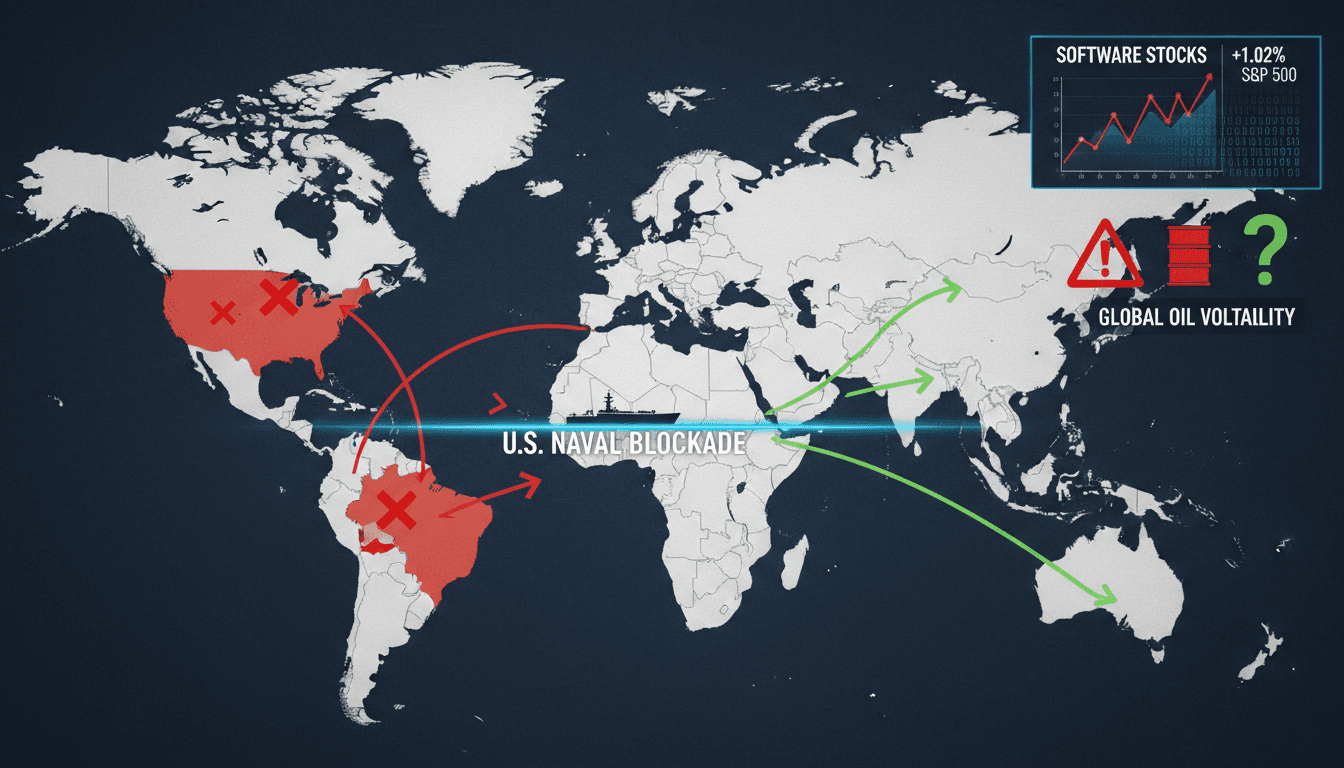
- Politics· World
Begoña Gómez Charged with Corruption in Madrid Following Two-Year Investigation
Begoña Gómez, wife of Spanish Prime Minister Pedro Sánchez, has been formally charged with four corruption-related offenses including embezzlement and influence peddling. This development follows a two-year investigation initiated by an anti-corruption group, highlighting alleged misuse of public resources for private gain. The charges pose significant challenges for Sánchez's minority government, potentially destabilizing its political standing ahead of upcoming elections.
2 sourcesApr 13High
- Politics· MENA
US-Iran Ceasefire Talks in Islamabad End Without Agreement
High-level ceasefire negotiations between the US and Iran concluded in Islamabad without reaching an agreement after 21 hours of discussions. The talks were triggered by escalating tensions following a six-week war and US-Israel military actions against Iran. The failure to secure a deal may lead to increased military actions and further destabilization in the region.
9 sourcesApr 13High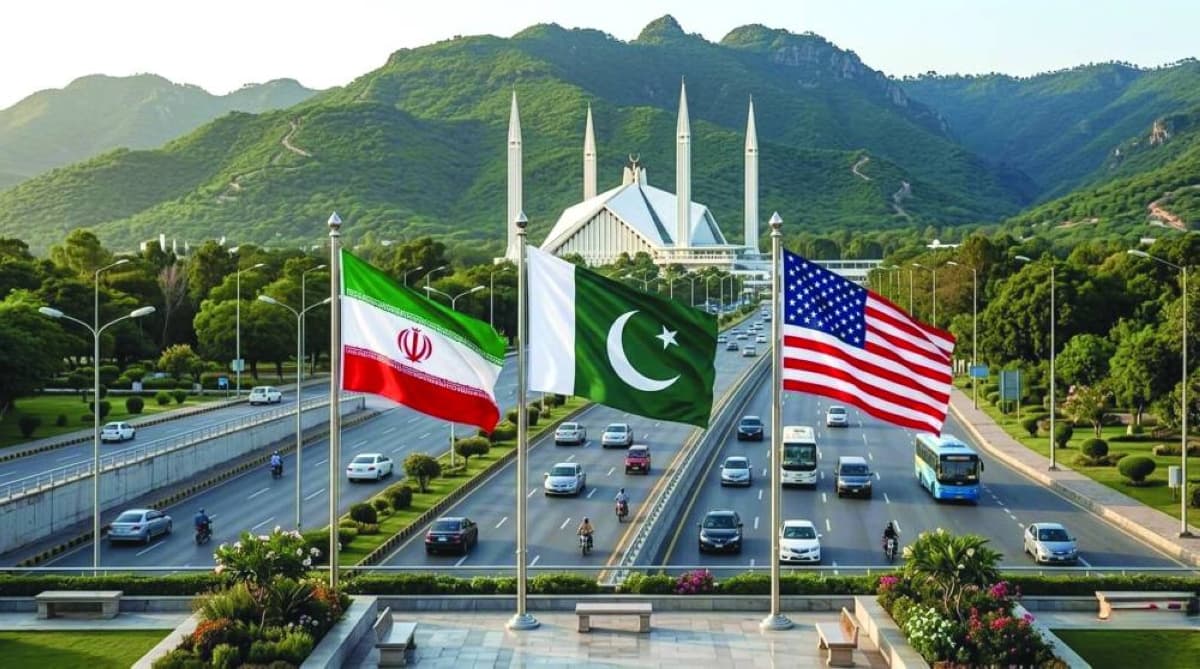
- Politics· World
Trump Criticizes Pope Leo XIV Following Papal Peace Appeal on Iran War
On April 12, 2026, U.S. President Donald Trump publicly attacked Pope Leo XIV on Truth Social, labeling him 'weak on crime' and 'terrible for foreign policy' after the pope's peace vigil condemning the US-Israeli war on Iran. This criticism was triggered by Pope Leo's prior condemnation of Trump's threats against Iran and his call for peace, escalating tensions between the White House and the Vatican. The long-term implication may involve increasing divisions within U.S. Catholic support as the conflict in Iran continues to affect global geopolitics and religious authority.
23 sourcesApr 13High