Bio
Andre is co-founder at A47 News. He is responsible for editorial standards and news curation, and shares commentary on AI, general technology, and global politics.
Editorial Responsibility
As Editor, I am responsible for all editorial standards, news sourcing, research, and content production.
Previous experience · 15+ years
- · Co-founder at Tiki
- · Operations Director at Rocket Internet
Education
BA Economics, University of Waikato
Areas of expertise
Categories overseen
Stories from Andre Teow’s desk
15369 stories- World· MENA
United Nations Proposes Safe Fertilizer Transit Through Strait of Hormuz Amid Ongoing Conflict
On April 13, 2026, the United Nations announced an intensified diplomatic push on a proposal to secure safe passage for commercial fertilizer shipments through the Strait of Hormuz. This initiative is a response to acute global fertilizer shortages caused by six weeks of regional conflict, including U.S.-Israeli strikes on Iran and a new U.S. naval blockade. Long-term implications may include heightened food security risks in Asia, Africa, and Latin America, prompting further international negotiations and potential military escort mechanisms for shipping routes.
2 sourcesApr 13Moderate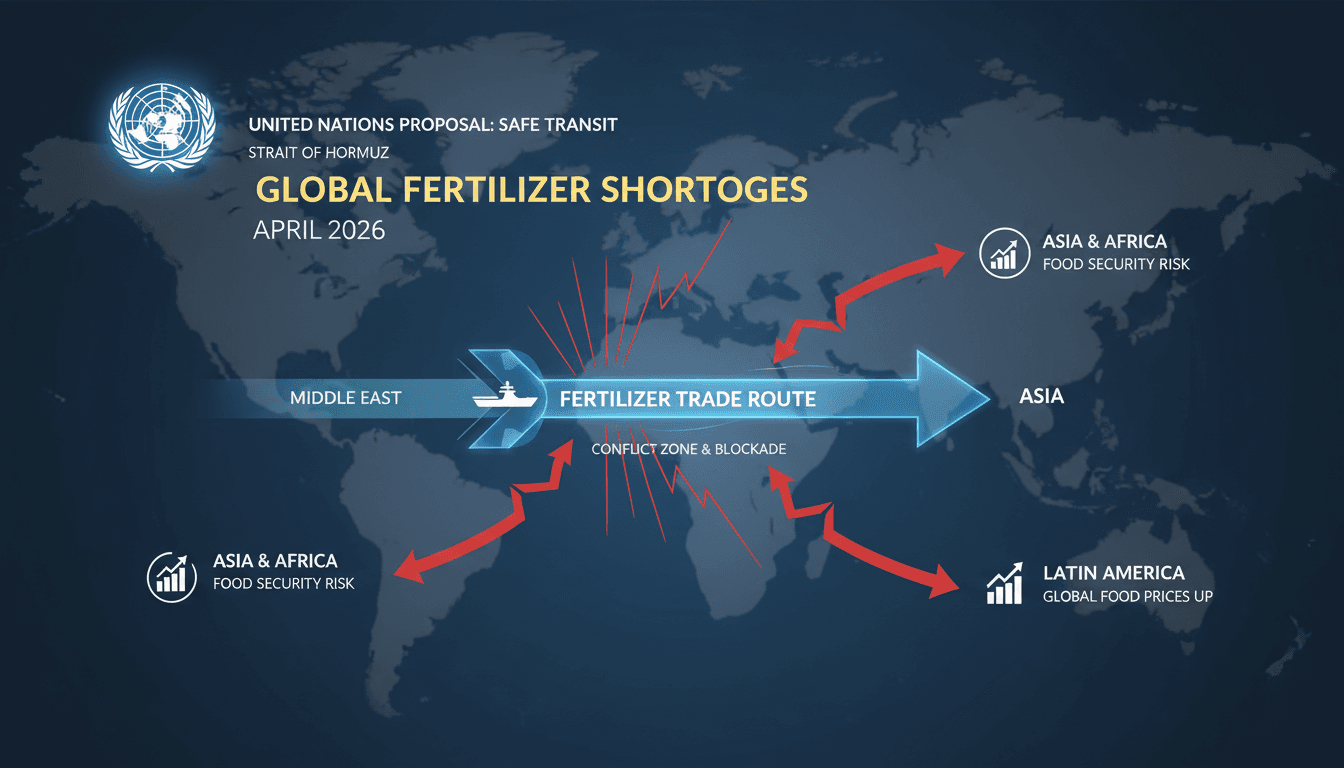
- Politics· World
Pakistan's Prime Minister Reiterates Commitment to Mediate US-Iran Conflict Amid Failed Talks
Pakistani Prime Minister Shehbaz Sharif has affirmed Pakistan's ongoing commitment to resolving the US-Iran conflict following the collapse of 21 hours of direct negotiations in Islamabad. This situation arises as the fragile ceasefire, brokered by Pakistan, faces challenges after the US and Iranian delegations failed to reach an agreement. The long-term implication suggests that Pakistan may continue to play a crucial mediating role in the region, impacting its diplomatic relations and influence in global affairs.
2 sourcesApr 13Low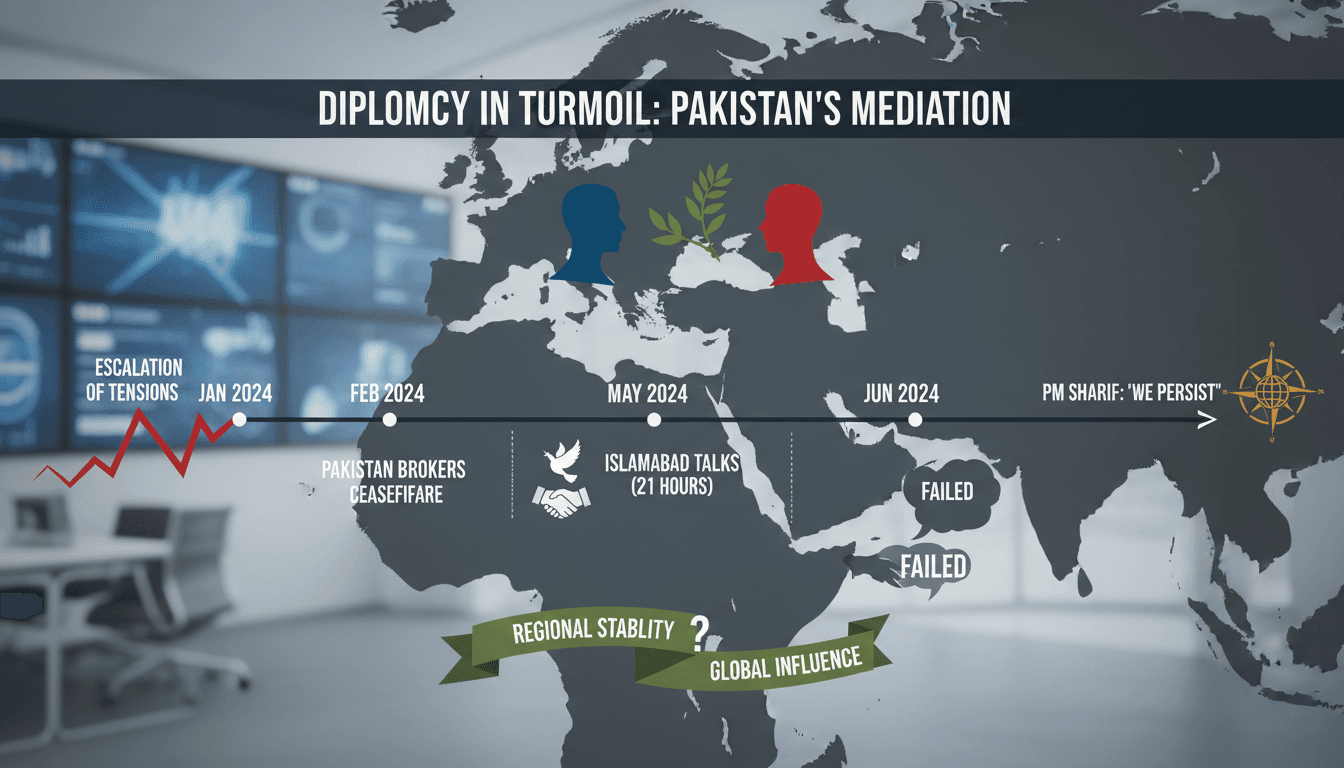
- World· MENA
US Naval Blockade of Iranian Ports Enforces Market Declines and Oil Price Surge
On April 13, 2026, President Donald Trump announced a naval blockade of Iranian ports in the Strait of Hormuz, leading to a decline in US stocks and a surge in oil prices. This decision followed the collapse of peace talks regarding Iran's nuclear program after a brief ceasefire. The long-term implication is a potential escalation in the US-Iran conflict, impacting global energy markets and geopolitical stability in the region.
2 sourcesApr 13Very High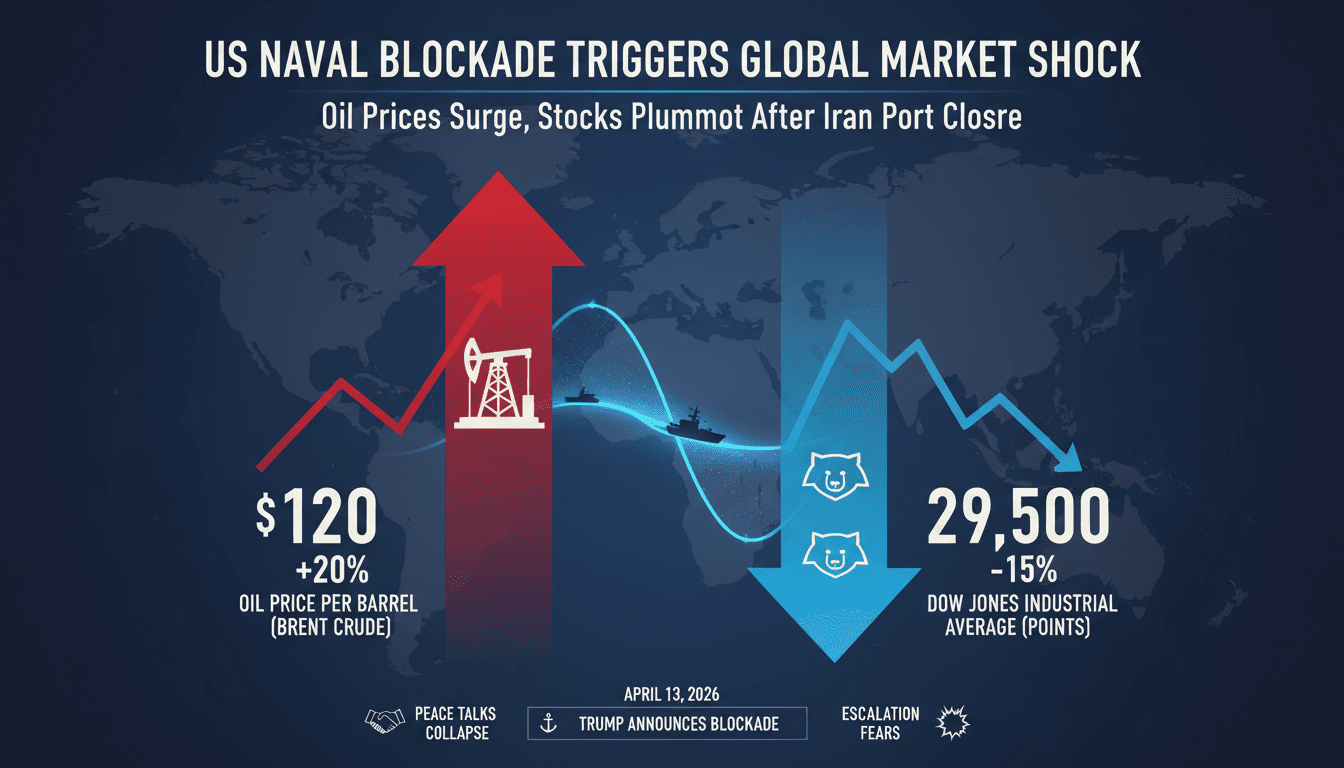
- Tech· World
Australian Parents Facilitate Bypass of Roblox Age Verification System
Australian parents are assisting their children in circumventing Roblox's newly implemented age verification checks. This trend has emerged following the platform's recent mandatory rollout of age restrictions aimed at enhancing child safety amid growing global scrutiny. The long-term implication may lead to increased regulatory pressure on Roblox and similar platforms to strengthen their age verification measures and protect minors online.
2 sourcesApr 13Low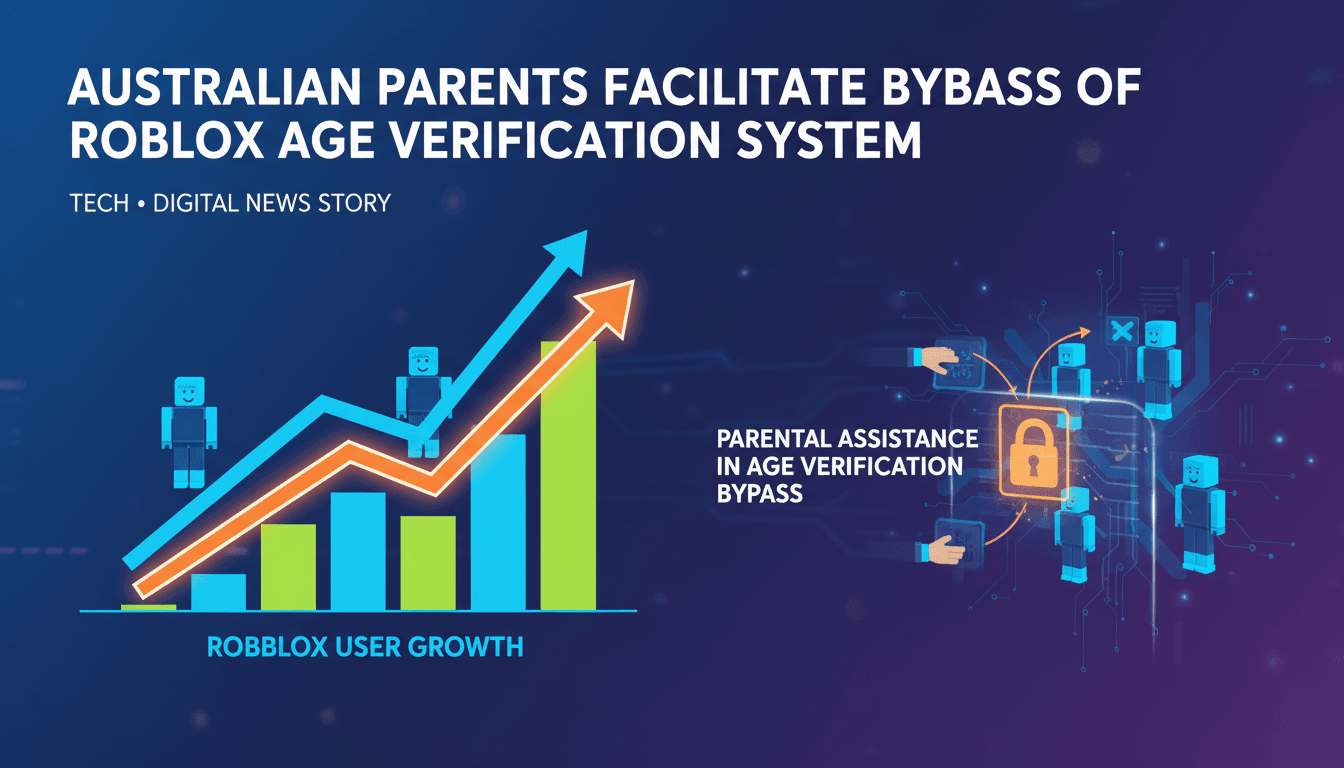
- Tech· World
Gallup Poll Reveals 50% of U.S. Employees Use AI at Work Amid Resistance
A recent Gallup poll indicates that 50% of U.S. employees engage with AI tools at work at least a few times a year, reflecting a rise in organizational adoption to 41%. This shift is driven by productivity gains reported by two-thirds of users, yet significant resistance persists due to ethical concerns and a preference for traditional methods. Long-term, this may necessitate increased training and policy adjustments to address the skills gap and resistance to AI integration in the workforce.
4 sourcesApr 13Low
- Politics· World
Iran Executes 1,639 Individuals in 2025, Highest Annual Total Since 1989
Iranian authorities executed at least 1,639 individuals in 2025, marking the highest annual total since 1989. This surge in executions is attributed to the government's efforts to suppress protests and instill fear amid ongoing domestic crises and geopolitical tensions. The long-term implication suggests an escalation in state repression and potential international condemnation as protests continue into 2026.
7 sourcesApr 13High
- Politics· World
U.S. Southern Command Launches Strikes on Drug-Smuggling Vessels in Eastern Pacific
On April 11, 2026, U.S. Southern Command conducted aerial strikes on two vessels suspected of drug smuggling in the eastern Pacific Ocean, resulting in five fatalities and one survivor. This operation is part of an intensified campaign against narcotrafficking routes initiated by the Trump administration in September 2025. The long-term implication may involve increased military engagement in drug enforcement, raising legal and operational questions regarding jurisdiction and effectiveness in combating drug trafficking networks.
6 sourcesApr 13Moderate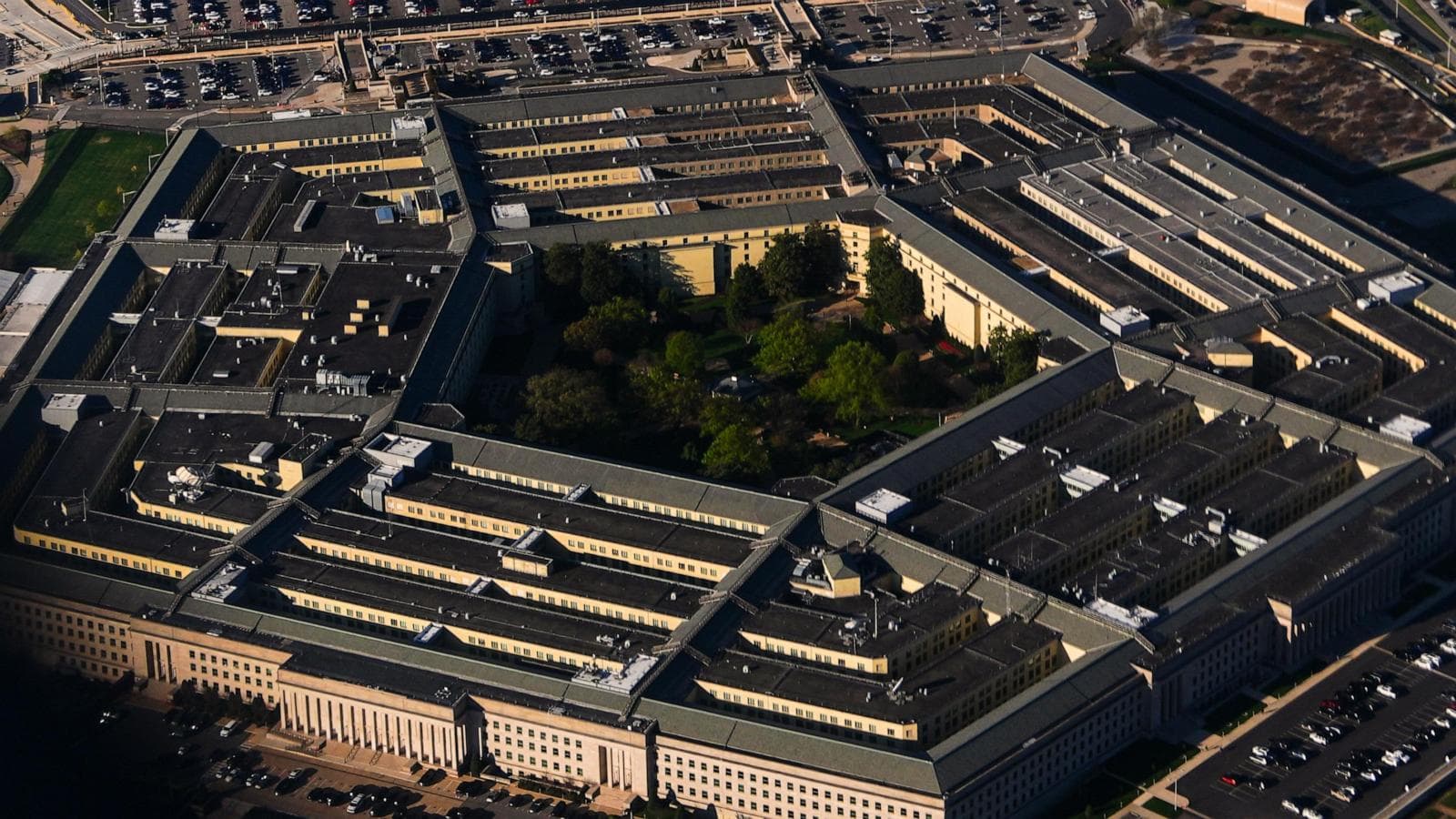
- World· MENA
Turkey Raises Alarm Over New Iran-US Regulations Affecting Strait of Hormuz Transit
On April 13, 2026, Turkish Foreign Minister Hakan Fidan expressed concerns regarding potential new regulations for the Strait of Hormuz proposed by Iran or the United States. This situation arises amid heightened tensions following U.S.-Israeli military actions and the subsequent Iranian closure of the strait, which is critical for global energy supplies. Long-term, this could lead to increased geopolitical instability and further disruptions in global oil markets as diplomatic efforts falter.
2 sourcesApr 13Low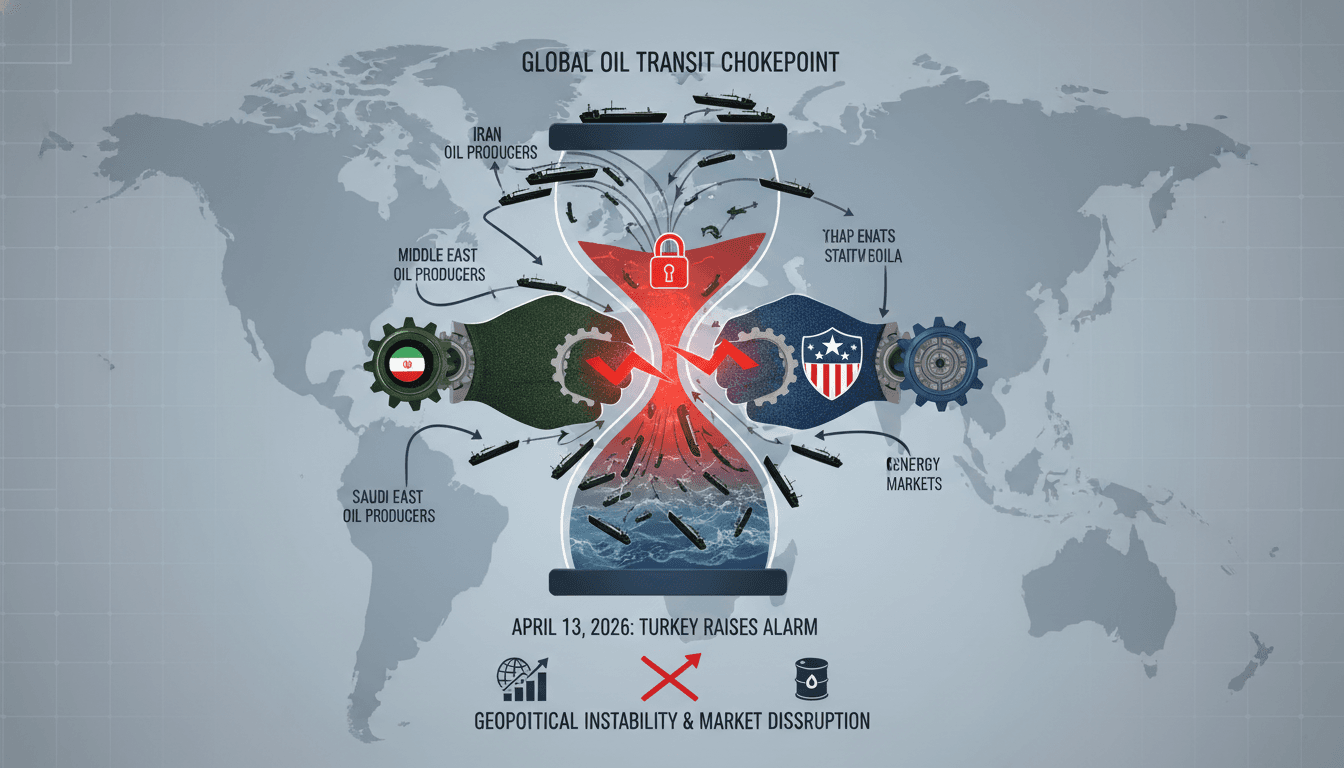
- World· MENA
France and UK Launch Multinational Mission to Secure Strait of Hormuz Navigation
On April 13, 2026, France and the United Kingdom announced plans for a multinational defensive mission to restore navigation in the Strait of Hormuz. This initiative follows Iran's closure of the strait since February 28, 2026, amid escalating tensions from a U.S.-Israeli military attack. The long-term implication is a potential shift in international naval presence in the region, aimed at ensuring the stability of global energy supplies.
2 sourcesApr 13Very High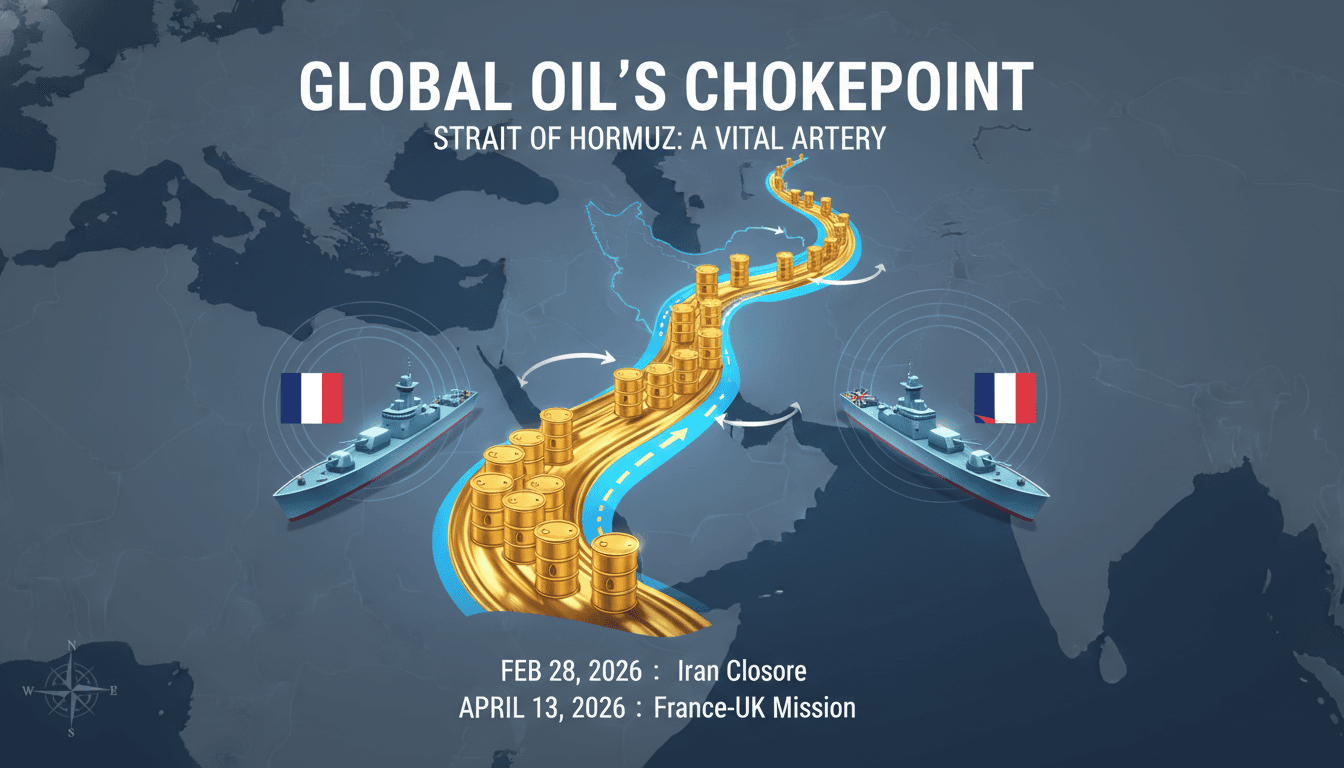
- Politics· World
Iran and India Coordinate on Safe Passage for Ships Amid Ongoing Conflict
On April 13, 2026, Iranian Ambassador to India Mohammad Fathali confirmed ongoing diplomatic coordination with New Delhi to ensure the safe passage of Indian ships through the Strait of Hormuz. This development follows Iran's restrictions on maritime traffic due to the U.S.-Israeli war that began on February 28, 2026, which has significantly impacted global energy supplies. The long-term implication is a potential shift in regional shipping dynamics and increased diplomatic engagement between Iran and India amidst heightened geopolitical tensions.
2 sourcesApr 13Low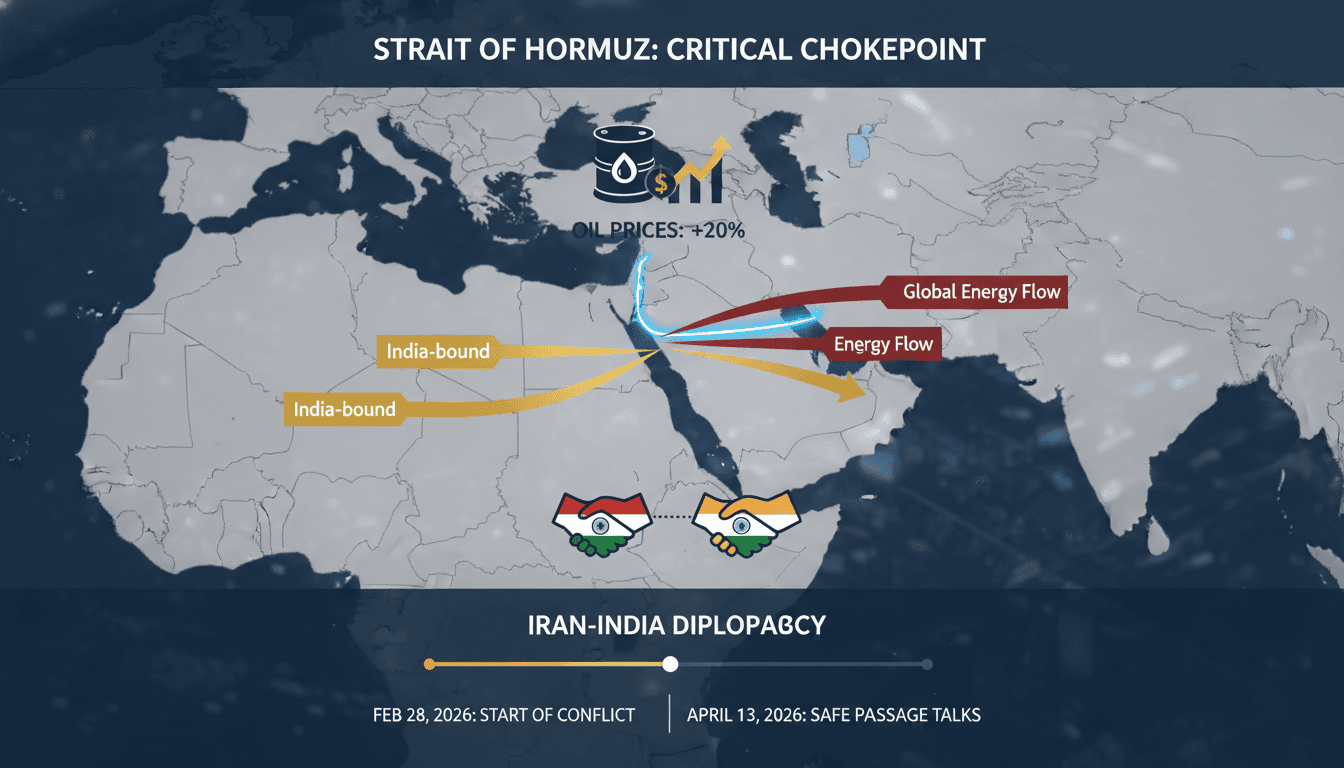
- Politics· World
Netanyahu Endorses US Naval Blockade on Iran After Failed Peace Talks
On April 13, 2026, Israeli Prime Minister Benjamin Netanyahu announced support for the United States' naval blockade on Iran during a cabinet meeting in Tel Aviv. This decision follows the collapse of direct peace talks in Islamabad, where Iran failed to comply with negotiation terms, including the reopening of the Strait of Hormuz. The long-term implication is a potential escalation of military tensions in the region, impacting global oil markets and diplomatic relations.
2 sourcesApr 13High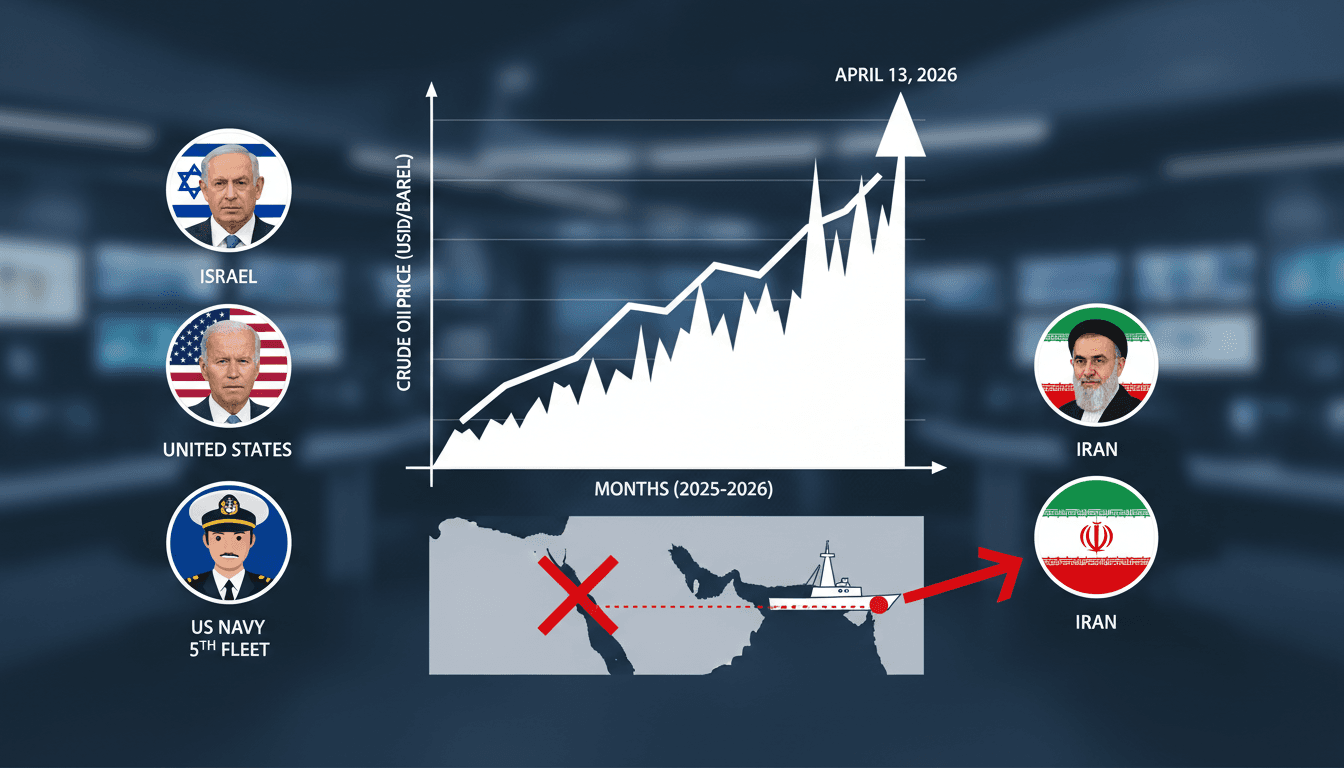
- Politics· World
Russia Offers to Custody Iran's Enriched Uranium Amid US-Iran Tensions
On April 13, 2026, Kremlin spokesman Dmitry Peskov reiterated Russia's readiness to take custody of Iran's enriched uranium stockpile as part of a potential peace agreement with the United States. This announcement follows the collapse of recent US-Iran negotiations and President Trump's directive for a military blockade of Iranian ports, escalating tensions in the region. The long-term implication may involve Russia positioning itself as a mediator in the ongoing conflict while influencing global oil markets amid rising prices due to blockade fears.
4 sourcesApr 13Low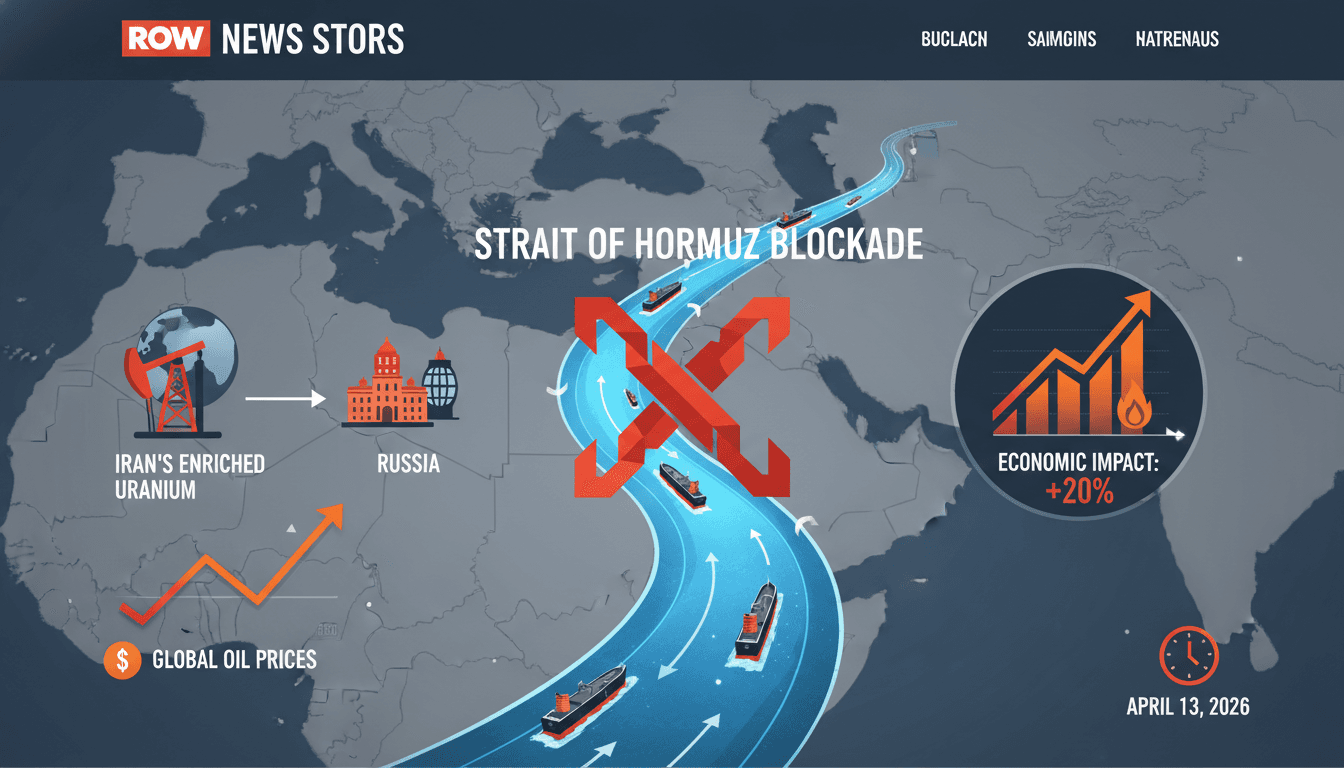
- Politics· World
China Denies Arms Supply to Iran Amid Strait of Hormuz Tensions
On April 13, 2026, China refuted US claims of supplying arms to Iran and called for unhindered navigation in the Strait of Hormuz. This denial comes in response to escalating tensions following US-Israeli military actions against Iran and threats of tariffs from President Trump. The long-term implication may involve increased geopolitical friction and a potential coalition among nations to secure maritime routes critical for global oil trade.
2 sourcesApr 13Low - Tech· World
Major Publishers Block Wayback Machine Access Over AI Scraping Concerns
In early 2026, major news publishers including The New York Times and The Guardian implemented restrictions blocking the Internet Archive's Wayback Machine web crawler to prevent unauthorized scraping for AI training data. This action is driven by escalating fears over AI competition and copyright infringement, prompting publishers to prioritize content control. The long-term implication is a potential loss of historical digital records, which could hinder journalism and research efforts globally.
2 sourcesApr 13Moderate
- World· MENA
Kremlin Warns of Severe Damage to Global Energy Markets from U.S. Naval Blockade
On April 13, 2026, Kremlin spokesperson Dmitry Peskov warned that the U.S. naval blockade of the Strait of Hormuz would severely damage global energy markets. This warning comes as the U.S. Navy enforces the blockade following the collapse of U.S.-Iran talks and escalating tensions in the region. The long-term implication is a potential prolonged disruption in oil supply, leading to sustained high prices and economic strain worldwide.
3 sourcesApr 13Low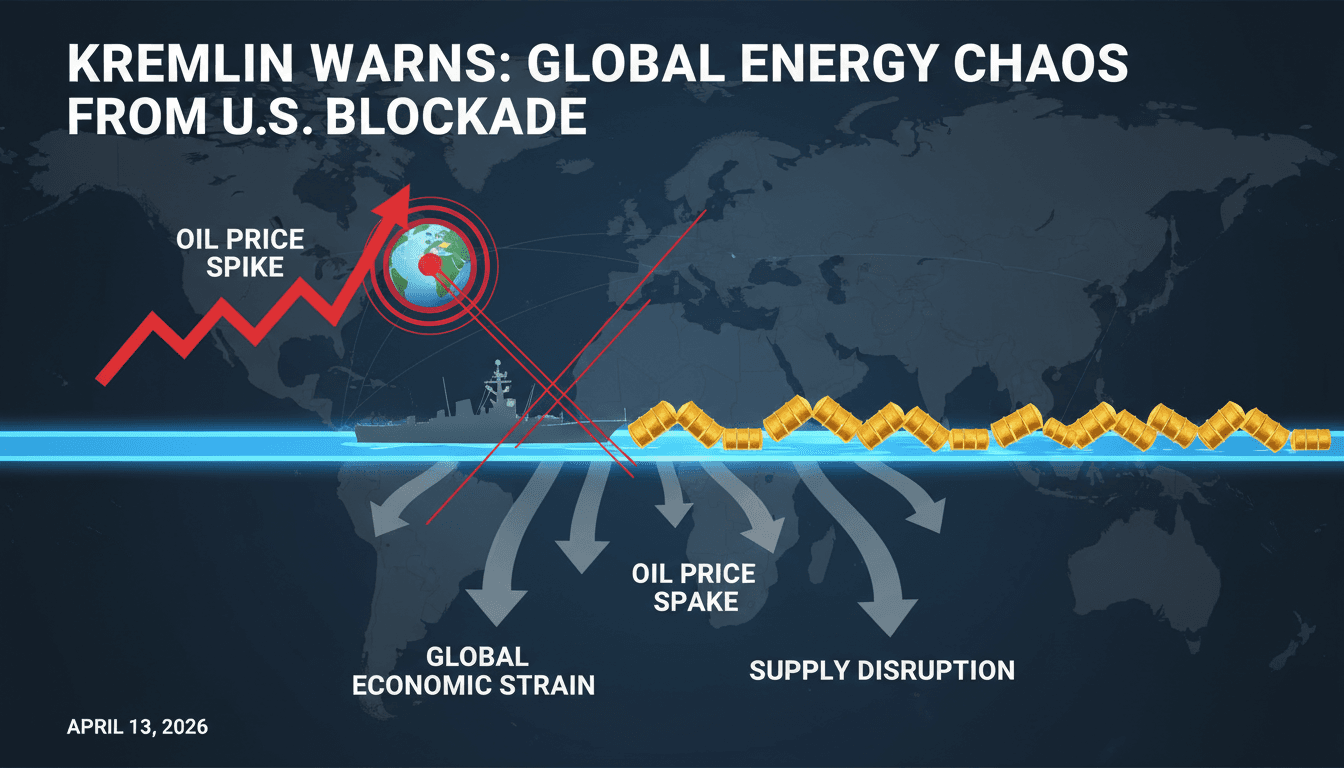
- Tech· World
Meta Platforms Expected to Surpass Google in Global Digital Ad Revenue by 2026
Meta Platforms is projected to overtake Alphabet's Google as the largest digital advertising company globally in 2026, with net ad revenue estimated at $243.46 billion compared to Google's $239.54 billion. This shift is driven by Meta's rapid growth through AI-enhanced advertising products and platforms like Reels and Instagram, while Google faces challenges from rising content acquisition costs and subscription models. The long-term implication suggests a significant reshaping of the digital advertising landscape, potentially increasing competition and innovation among major tech players.
2 sourcesApr 13Low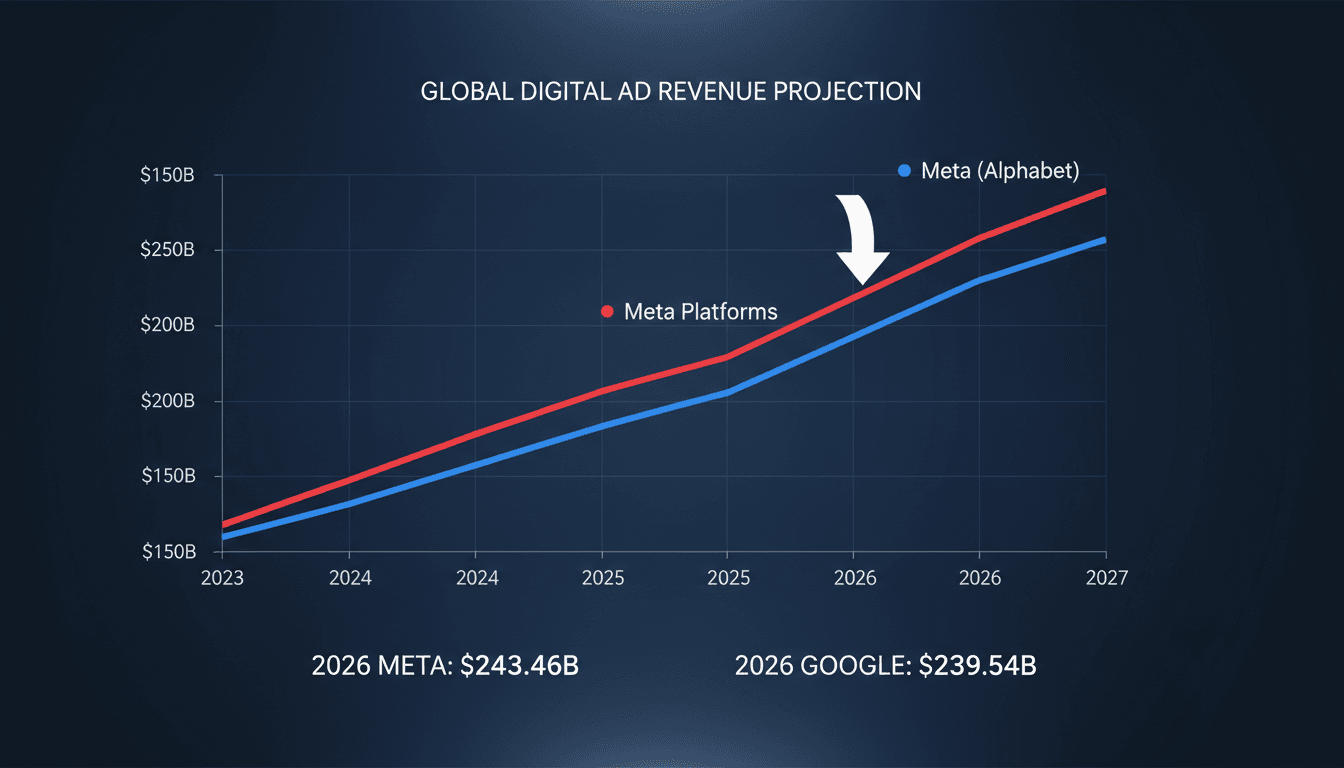
- World· World
Pope Leo XIV Begins Apostolic Tour of Africa to Strengthen Catholic Presence and Interfaith Relations
Pope Leo XIV commenced an 11-day apostolic tour of Algeria, Cameroon, Angola, and Equatorial Guinea on April 13, 2026, focusing on promoting interfaith dialogue and addressing social justice issues. This tour is a strategic response to the Vatican's emphasis on regions with growing Catholic populations amid global geopolitical tensions, including the ongoing Iran war. The long-term implication is a potential shift in the Vatican's engagement strategy, prioritizing Africa as a key area for Church growth and influence.
4 sourcesApr 13Moderate
- Politics· World
UK Declines Support for US Blockade of Strait of Hormuz Amid Iran Conflict
On 13 April 2026, UK Prime Minister Keir Starmer confirmed that the United Kingdom will not support a United States blockade of the Strait of Hormuz. This decision follows the collapse of peace talks with Iran and aims to prioritize diplomatic efforts to maintain oil transit and stabilize global energy prices. The long-term implication is a potential shift in UK foreign policy towards multilateral diplomacy, impacting energy markets and international relations in the region.
9 sourcesApr 13High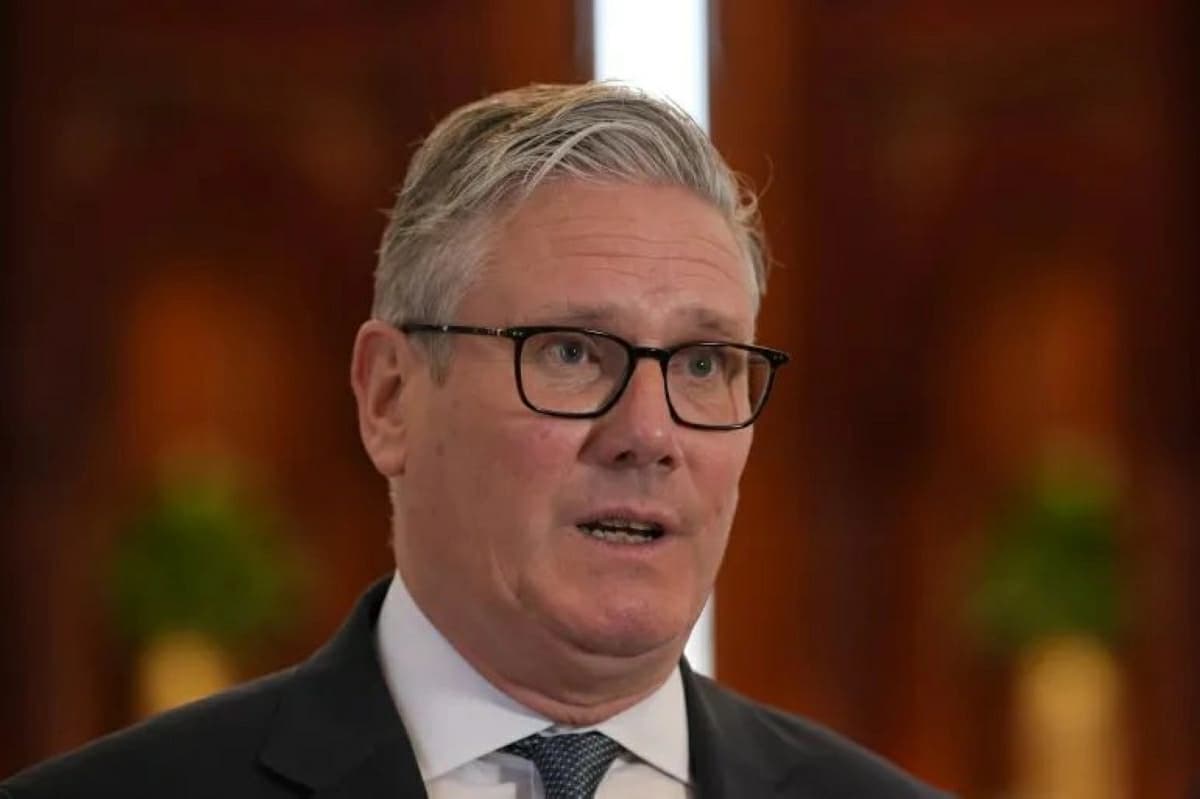
- World· MENA
United States Imposes Naval Blockade on Strait of Hormuz Following Failed Iran Negotiations
On April 12, 2026, President Donald Trump ordered the US Navy to initiate a blockade of the Strait of Hormuz, targeting ships that pay tolls to Iran. This escalation follows the collapse of peace talks in Islamabad aimed at resolving tensions between the US and Iran, which have been exacerbated by ongoing military conflicts. The blockade is likely to further disrupt global oil supplies and escalate geopolitical tensions in the region.
2 sourcesApr 13High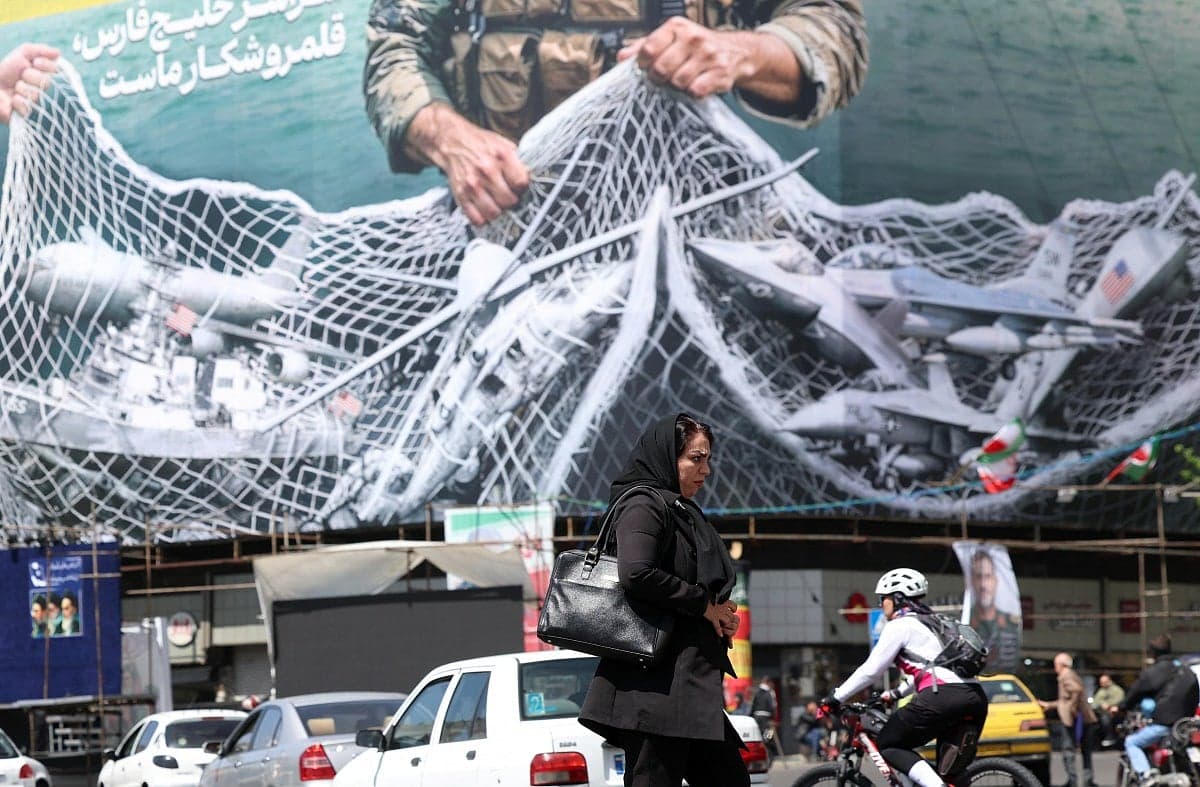
- Tech· World
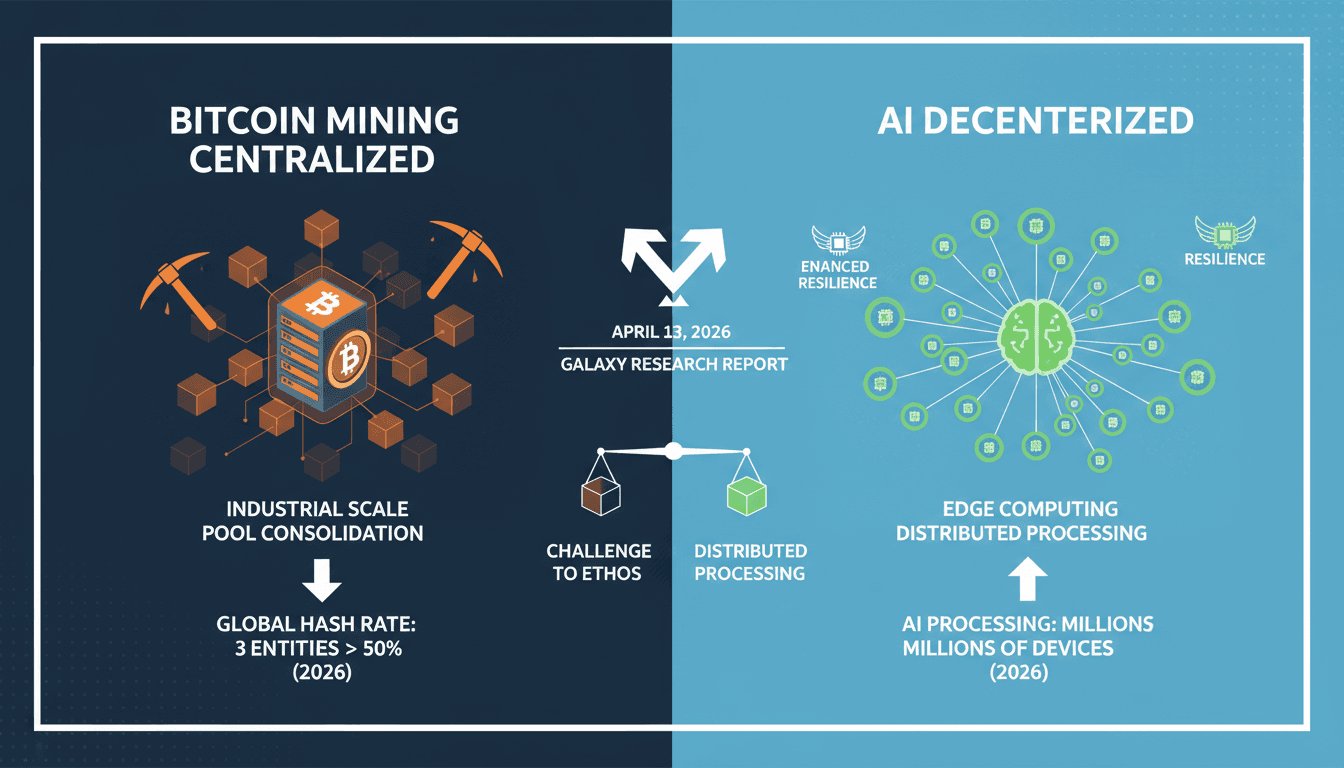
Bitcoin Mining and AI Diverge on Decentralization Trajectories
On April 13, 2026, Galaxy Research reported that Bitcoin mining is becoming more centralized while AI is trending towards decentralization through edge computing. This shift is driven by technological advancements in Bitcoin mining that favor industrial-scale operations, contrasting with AI's movement towards distributed processing to meet privacy and latency demands. The long-term implication suggests a potential challenge to Bitcoin's decentralization ethos and an opportunity for AI to enhance resilience through decentralized frameworks.
2 sourcesApr 13Low