Bio
Andre is co-founder at A47 News. He is responsible for editorial standards and news curation, and shares commentary on AI, general technology, and global politics.
Editorial Responsibility
As Editor, I am responsible for all editorial standards, news sourcing, research, and content production.
Previous experience · 15+ years
- · Co-founder at Tiki
- · Operations Director at Rocket Internet
Education
BA Economics, University of Waikato
Areas of expertise
Categories overseen
Stories from Andre Teow’s desk
15369 stories- World· MENA
U.S. Central Command Implements Naval Blockade on Iranian Ports Amidst Failed Peace Talks
On April 12, 2026, U.S. Central Command announced a naval blockade of all maritime traffic entering or exiting Iranian ports, effective April 13. This action follows the collapse of U.S.-Iran peace negotiations that took place on April 12, which were aimed at resolving ongoing tensions. The blockade is likely to sustain elevated global oil prices and could escalate geopolitical tensions in the region.
3 sourcesApr 13Very High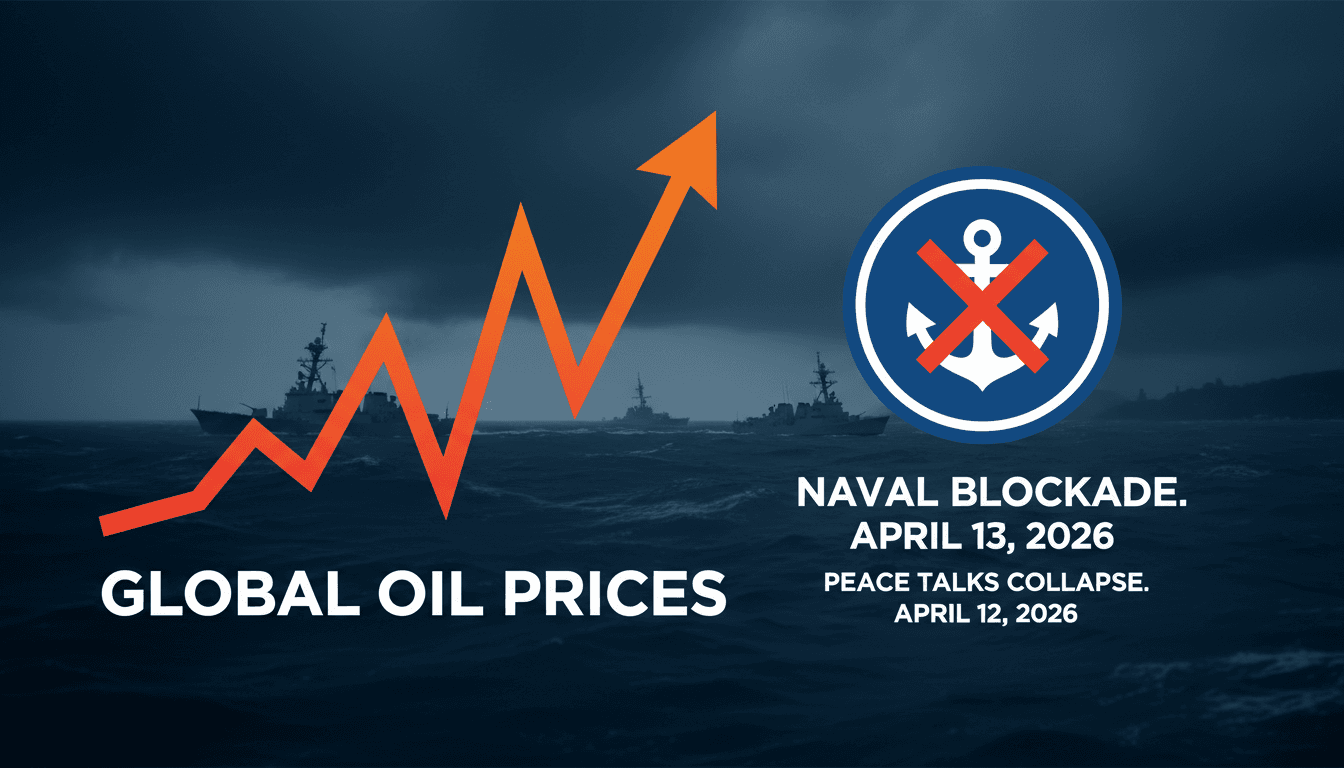
- Politics· MENA
Saudi Arabia Condemns Iranian Drone Attacks on Kuwaiti Infrastructure
Saudi Arabia condemned drone attacks by Iran and its proxies targeting vital facilities in Kuwait, marking a significant escalation in regional tensions. The immediate trigger for this condemnation was the recent drone strikes that occurred from April 5 to 9, 2026, which damaged critical energy infrastructure in Kuwait. This incident is likely to undermine ceasefire efforts and further destabilize the Gulf region amidst ongoing conflicts involving Iran and its neighbors.
3 sourcesApr 13Low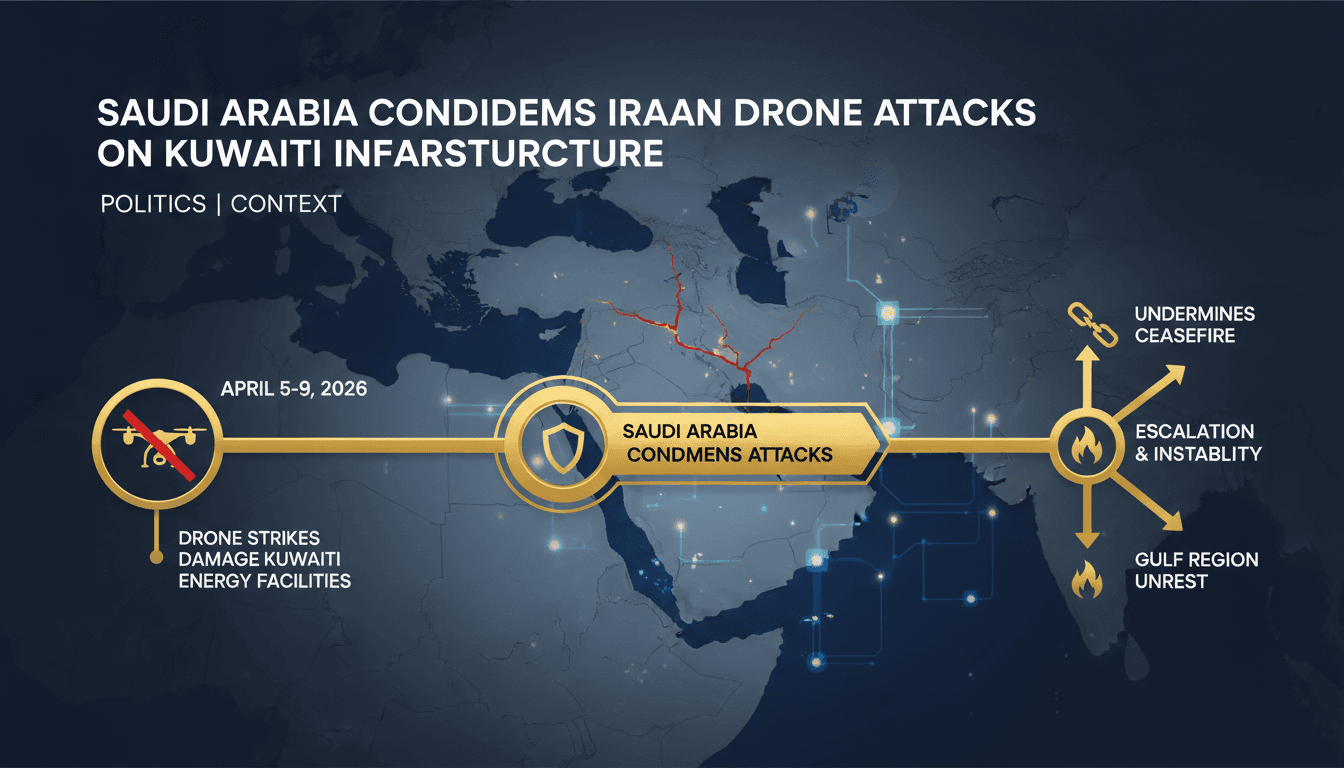
- Politics· World
US-Iran negotiations in Islamabad collapse amid nuclear and maritime disputes
The 21-hour direct negotiations between the United States and Iran in Islamabad ended without agreement on April 12, 2026. The talks failed as Iran rejected US demands for nuclear disarmament and security guarantees for the Strait of Hormuz, coinciding with heightened tensions following US-Israeli military actions against Iran. The breakdown of talks raises the likelihood of increased military operations and ongoing geopolitical instability in the region.
5 sourcesApr 13Very High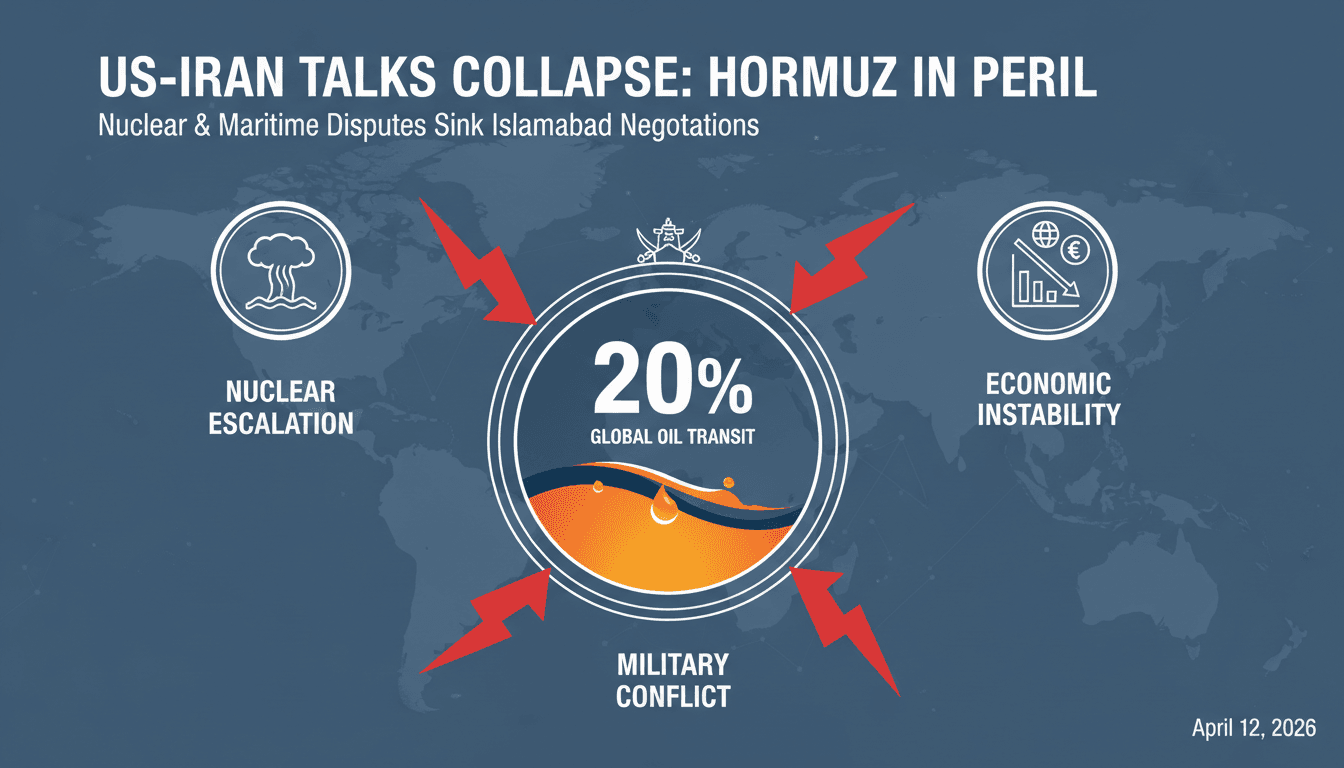
- Politics· MENA
Saudi Crown Prince and French President Discuss Maritime Threats Following US-Iran Ceasefire
On 11 April 2026, Saudi Crown Prince Mohammed bin Salman held a telephone discussion with French President Emmanuel Macron regarding regional developments after a US-Iran ceasefire. This conversation was triggered by the recent announcement of a two-week ceasefire mediated by Pakistan, which aims to address escalating tensions and maritime threats in the Strait of Hormuz. The long-term implication is a potential stabilization of oil supply routes and a focus on diplomatic efforts to extend ceasefire agreements in the region.
5 sourcesApr 13Low
- World· MENA
Iran warns US of potential loss of Bab al-Mandeb Strait control amid Hormuz blockade threats
An informed Iranian source has warned U.S. President Trump that his threats to impose a naval blockade on the Strait of Hormuz could result in losing control of the Bab al-Mandeb Strait. This warning comes after stalled U.S.-Iran negotiations in Islamabad, where no agreement was reached, prompting heightened tensions. The long-term implication may involve increased regional instability and potential disruptions to global energy and trade routes as Iranian allies, like the Houthis, may escalate their actions in response.
4 sourcesApr 13Very High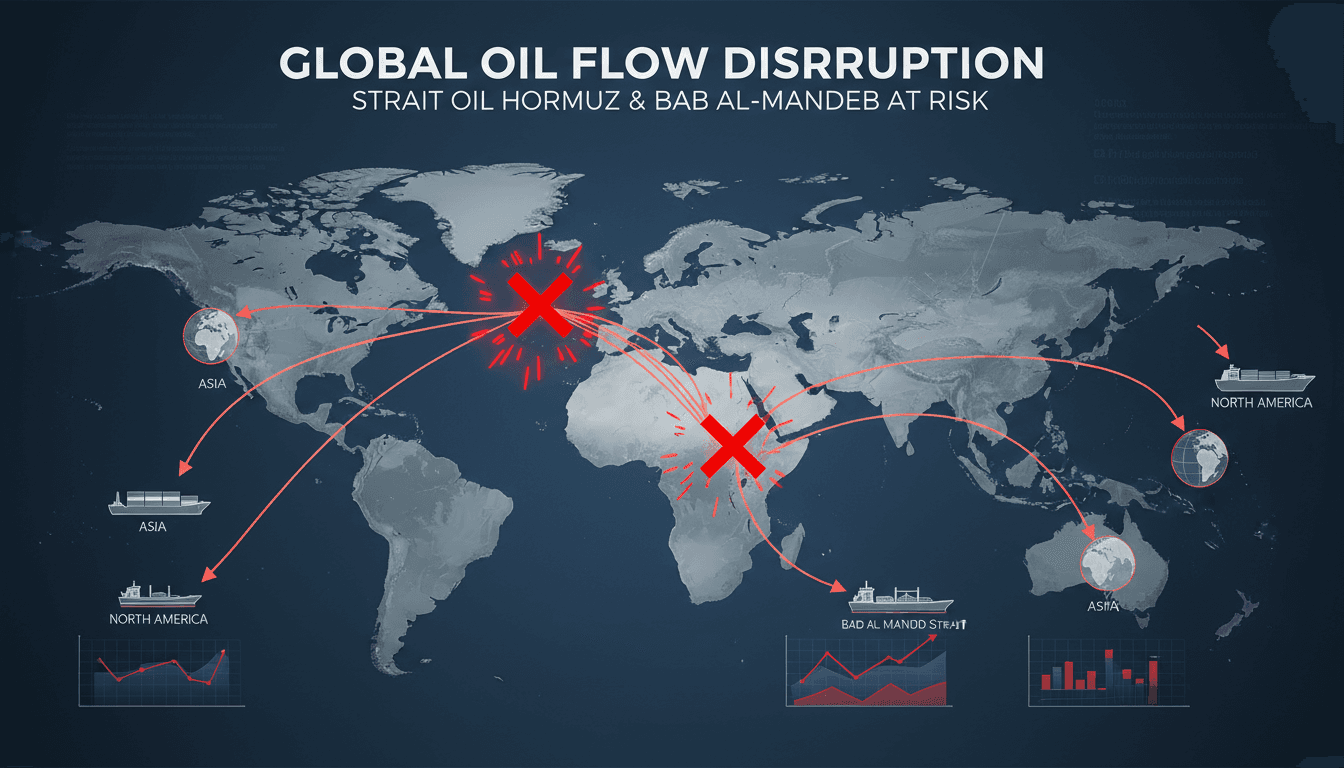
- Politics· MENA
Trump Issues Renewed Threats to Iran Over Nuclear Negotiations
On April 12, 2026, U.S. President Donald Trump reiterated threats to destroy Iran's energy infrastructure unless a nuclear agreement is reached. This ultimatum follows stalled negotiations that resumed in Islamabad just a day prior, amidst escalating tensions in the region. The long-term implication could see increased military actions and further destabilization in the Middle East if diplomatic efforts fail.
3 sourcesApr 13High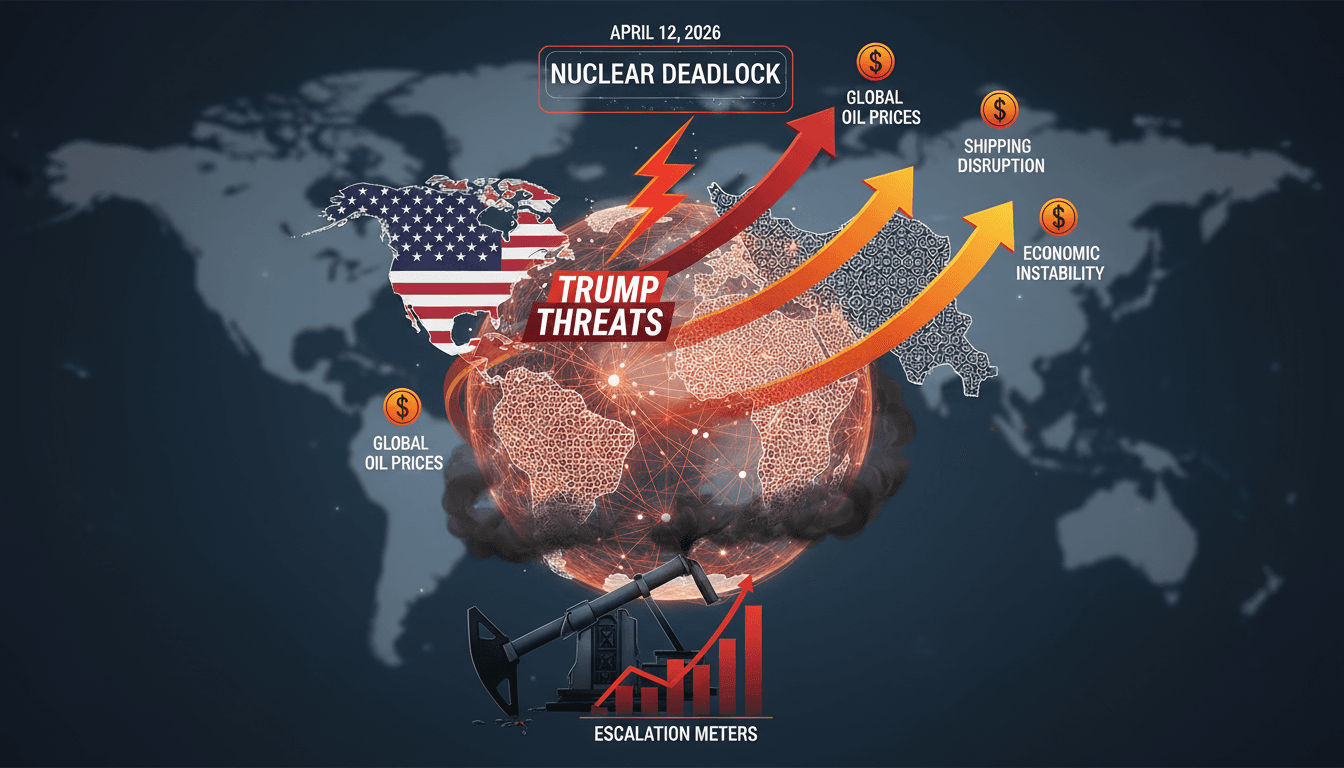
- Politics· MENA
U.S. Intelligence Reports Possible Chinese Arms Supply to Iran Amid Ongoing Conflict
U.S. intelligence agencies have assessed that China may be supplying or preparing to supply MANPADS to Iran during the ongoing U.S.-Iran war. This assessment comes in the wake of heightened tensions following U.S.-Israeli airstrikes on Iranian targets and a fragile ceasefire brokered by China. The long-term implication could see increased geopolitical tensions between the U.S. and China, as well as further destabilization in the Middle East if these arms transfers are confirmed.
3 sourcesApr 13Very High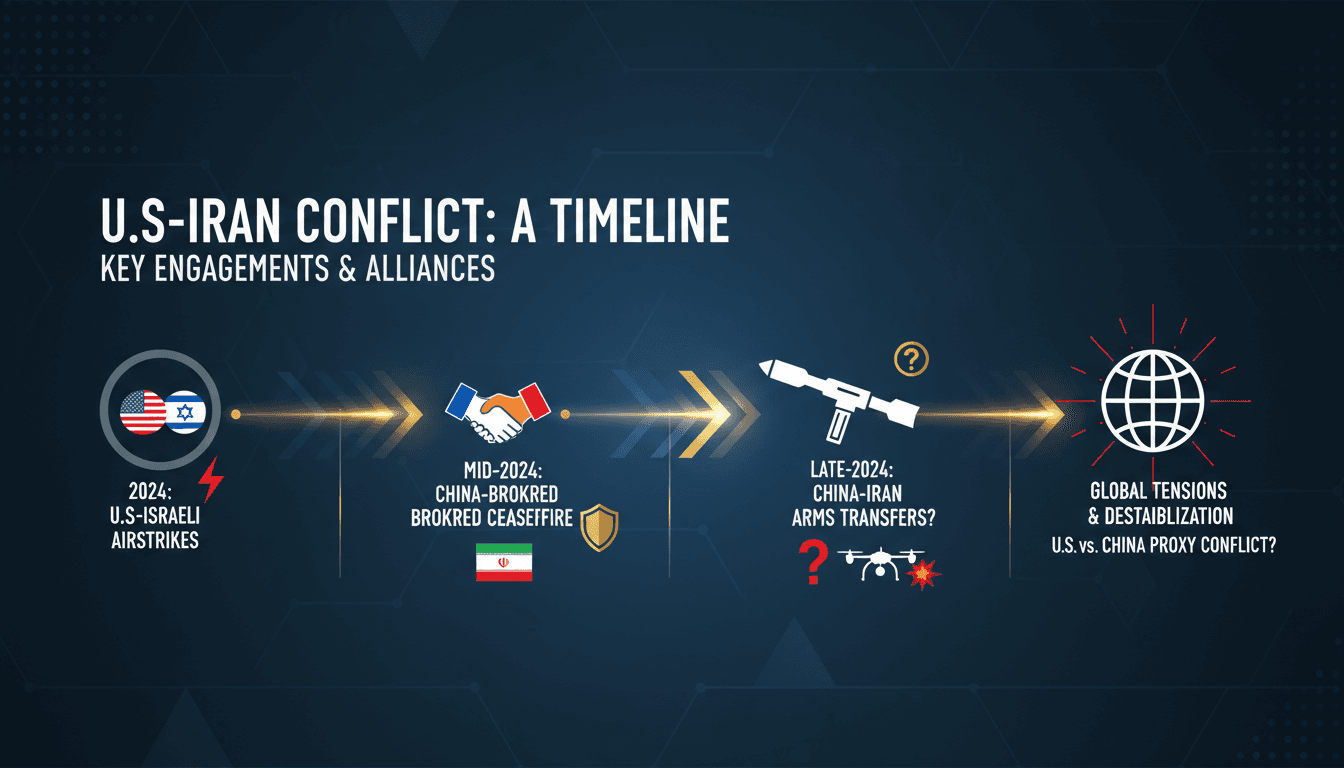
- Politics· UAE
UAE and India Discuss Iran War's Regional Security Implications
UAE President Sheikh Mohamed bin Zayed Al Nahyan held talks with Indian External Affairs Minister S. Jaishankar in Abu Dhabi regarding the implications of the ongoing Iran war. This meeting was triggered by recent Iranian missile attacks on UAE infrastructure and the collapse of US-brokered ceasefire negotiations. The long-term implication is a strengthened diplomatic partnership between UAE and India in the face of escalating regional tensions and security threats.
3 sourcesApr 13Moderate
- Politics· MENA
Pakistani Prime Minister Confirms US-Iran Negotiations Continue Despite Islamabad Talks Collapse
On April 12, 2026, Pakistani Prime Minister Shehbaz Sharif announced that negotiations between the US and Iran have not concluded, following a failed 21-hour peace talk in Islamabad. The immediate trigger for this statement was the breakdown of discussions over sanctions and nuclear issues during the talks held on April 11, 2026. In the long term, this situation may lead to renewed diplomatic efforts or increased tensions in the region, particularly concerning the Strait of Hormuz and Iran's nuclear program.
3 sourcesApr 13Moderate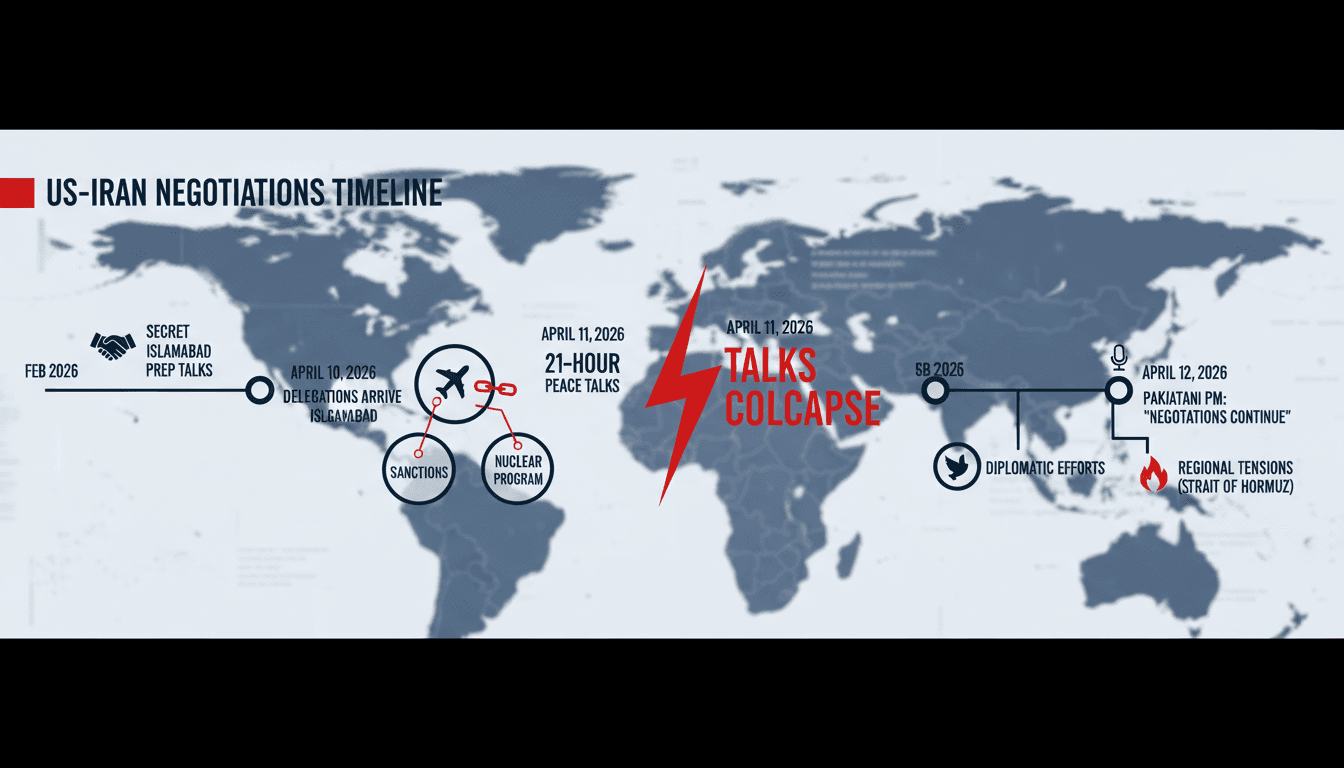
- Politics· World
US-Iran Direct Negotiations Fail Amid International Calls for Diplomacy
Direct negotiations between the United States and Iran in Islamabad collapsed on April 12, 2026, after 21 hours of discussions. The failure resulted from irreconcilable differences over key issues including Iran's nuclear program and sanctions relief, coinciding with a fragile ceasefire in the ongoing Middle East war. This breakdown is likely to escalate tensions further, prompting increased international pressure for renewed diplomatic efforts to avoid a wider conflict.
4 sourcesApr 13High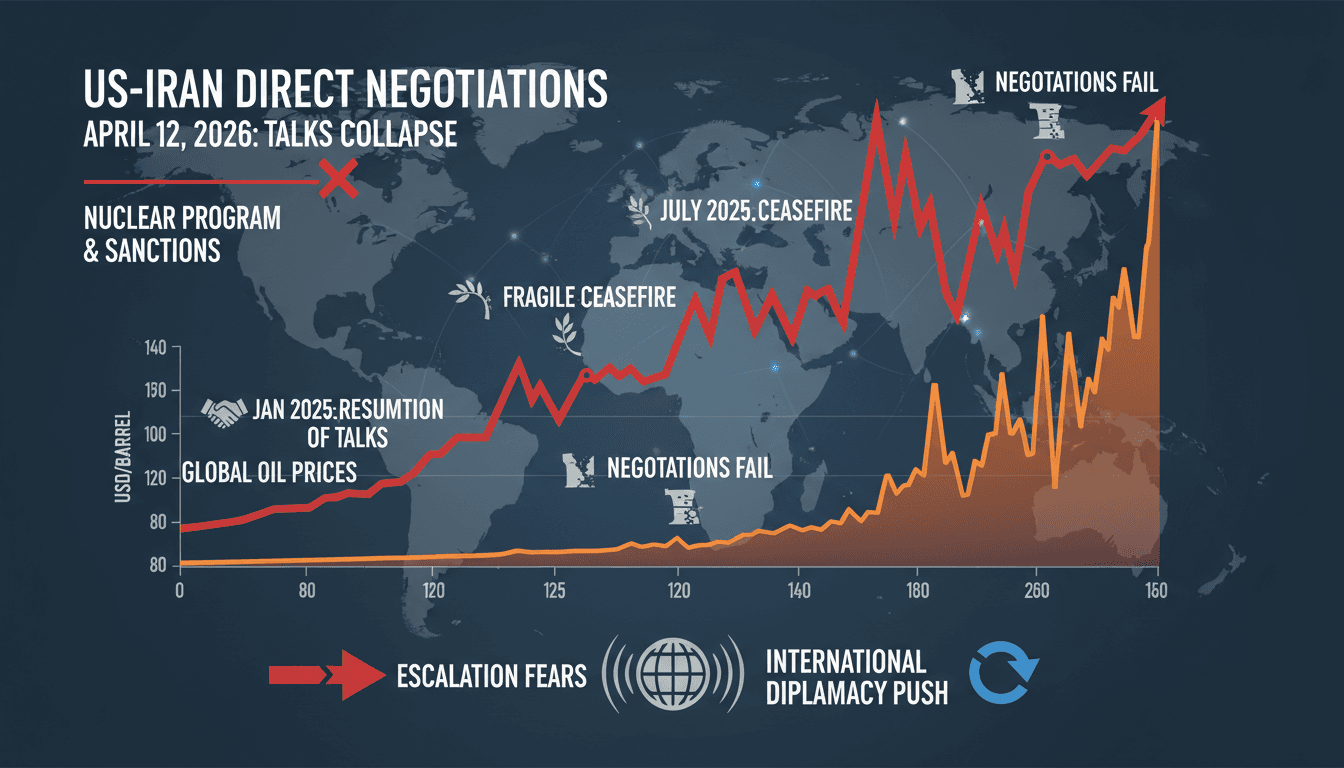
- World· World
Putin Offers Mediation in US-Iran Conflict Following Failed Islamabad Talks
On April 12, 2026, Russian President Vladimir Putin renewed Russia's offer to mediate the United States-Iran dispute during a phone call with Iranian President Masoud Pezeshkian. This proposal comes after the collapse of US-Iran negotiations in Islamabad on April 11, which heightened tensions and threats of military escalation in the region. The long-term implication may involve increased Russian influence in Middle Eastern diplomacy and further complications for US foreign policy in the region.
3 sourcesApr 13Low
- Politics· MENA
Saudi Arabia Protests Drone Attacks from Iraq Amid Regional Tensions
On April 12, 2026, Saudi Arabia summoned Iraqi Ambassador Safia Taleb al-Suhail to deliver a formal protest against drone attacks originating from Iraqi territory. This diplomatic action is triggered by ongoing threats to Saudi sovereignty amidst escalating regional conflicts involving the US, Israel, and Iran. The long-term implication may involve increased military readiness and defensive measures by Gulf states to protect their territories from further incursions.
8 sourcesApr 13Moderate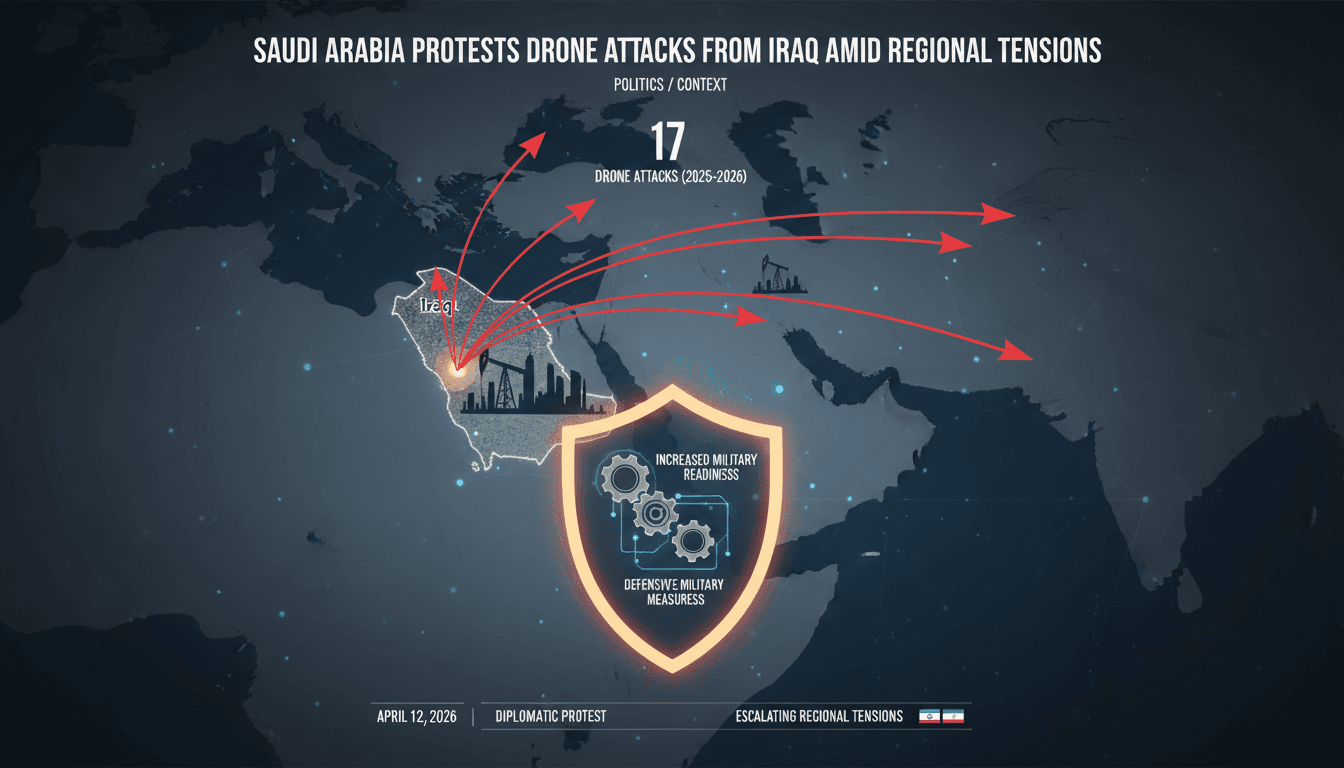
- World· MENA
Israel Prepares Military Readiness Amid Failed U.S.-Iran Ceasefire Talks
On April 12, 2026, Israel's military was ordered to heighten its readiness for potential conflict with Iran following the collapse of U.S.-Iran negotiations in Islamabad. This escalation is driven by unresolved disputes over Iran's nuclear program and the imminent expiration of a ceasefire that had temporarily halted hostilities. Long-term, this situation may lead to renewed military actions in the region, further destabilizing the Middle East and impacting global oil markets.
3 sourcesApr 13Moderate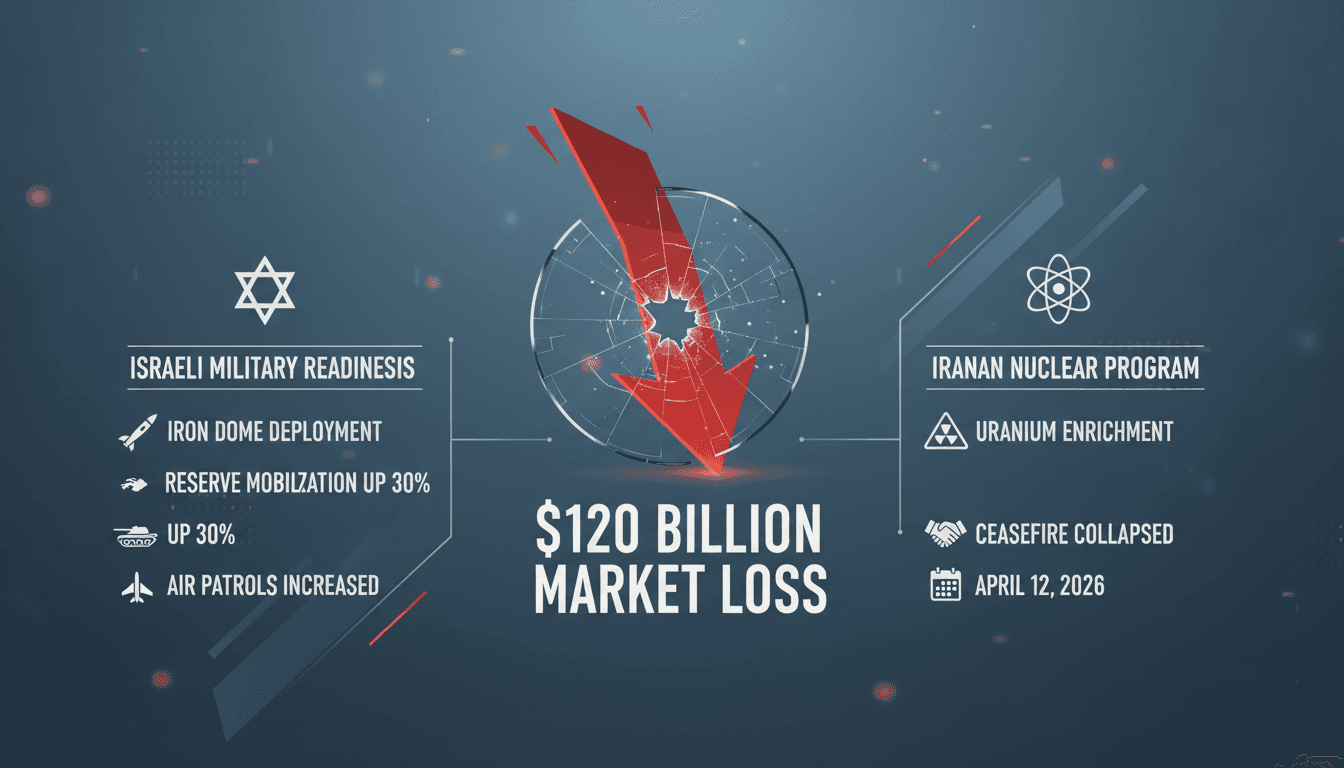
- Politics· UAE
Sheikh Khaled bin Mohamed bin Zayed Al Nahyan Begins Official Visit to China to Strengthen Bilateral Relations
Sheikh Khaled bin Mohamed bin Zayed Al Nahyan, Crown Prince of Abu Dhabi, has commenced a three-day official visit to China aimed at enhancing the UAE-China strategic partnership. This visit is triggered by the ongoing commitment to deepen cooperation in key sectors amid significant economic exchanges, with bilateral trade exceeding $100 billion in 2024. The long-term implication is expected to be a further elevation of trade and investment opportunities, particularly benefiting Dubai as a regional hub.
4 sourcesApr 13Low
- World· UAE
Sheikh Mohammed bin Rashid Al Maktoum's 2003 Statements on Hosting World Bank and IMF Meetings in Dubai Resurface
Sheikh Mohammed bin Rashid Al Maktoum's remarks from 2003 about Dubai hosting the World Bank and IMF Annual Meetings have gained renewed attention following the UAE's successful bid to host the 2029 meetings. This resurgence is triggered by the upcoming global financial summit, highlighting Dubai's historical role in international finance and its ongoing commitment to global economic diplomacy. The long-term implication is that Dubai is likely to further solidify its status as a leading financial hub in the region, attracting more international events and investments.
3 sourcesApr 13Low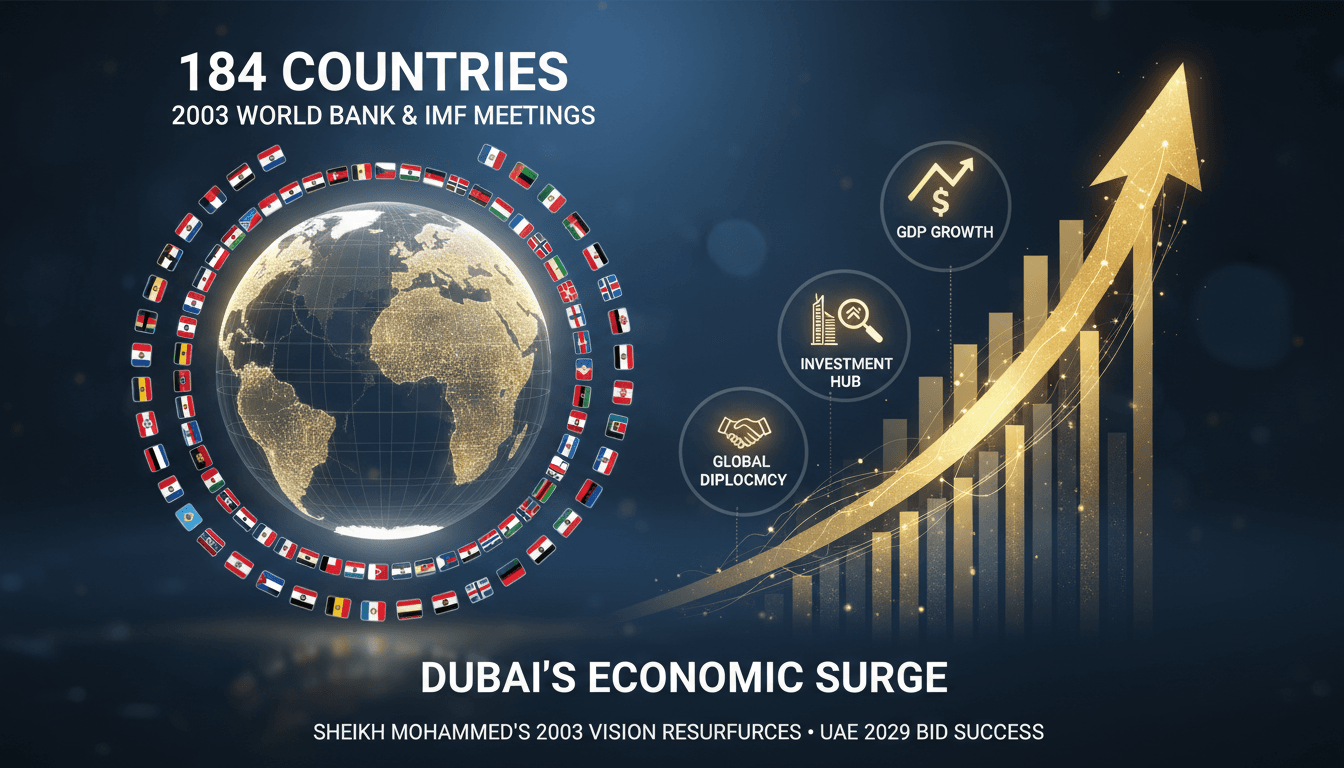
- Politics· World
Trump Predicts High Oil and Gas Prices May Persist Until November 2026 Elections
U.S. President Donald Trump has indicated that elevated oil and gas prices could continue through the November 2026 midterm elections. This forecast is driven by the ongoing U.S.-Iran war, which has significantly disrupted global oil supplies and caused a surge in prices. The long-term implication may involve heightened political pressure on the administration as rising fuel costs could impact voter sentiment and election outcomes.
3 sourcesApr 13High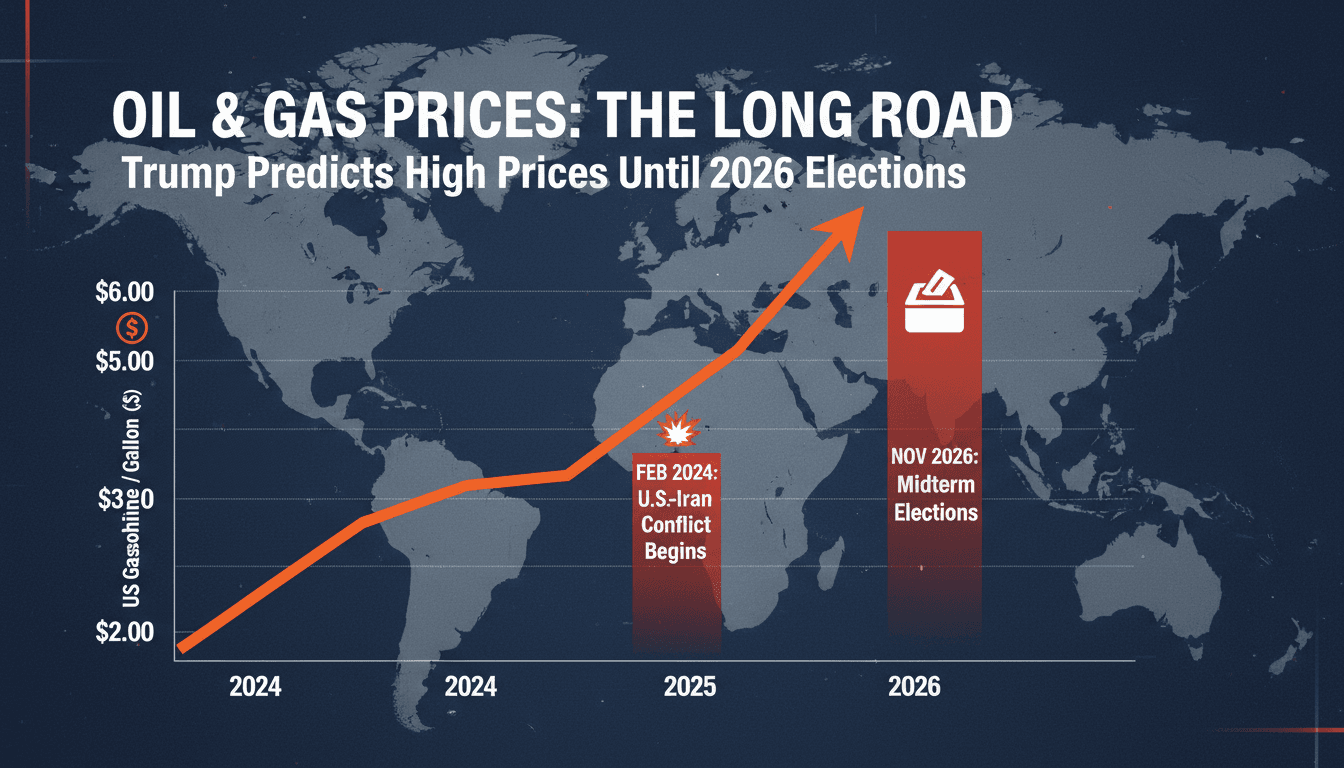
- Politics· World
Trump Threatens 50% Tariffs on China Over Military Aid to Iran
On April 12, 2026, U.S. President Donald Trump warned of imposing 50% tariffs on Chinese imports if China is found supplying military assistance to Iran. This threat arises amid escalating U.S.-Iran tensions and a postponed summit with Chinese President Xi Jinping, reflecting heightened geopolitical stakes. The long-term implication could involve further deterioration of U.S.-China relations and increased economic pressures on both nations as trade disputes intensify.
3 sourcesApr 13High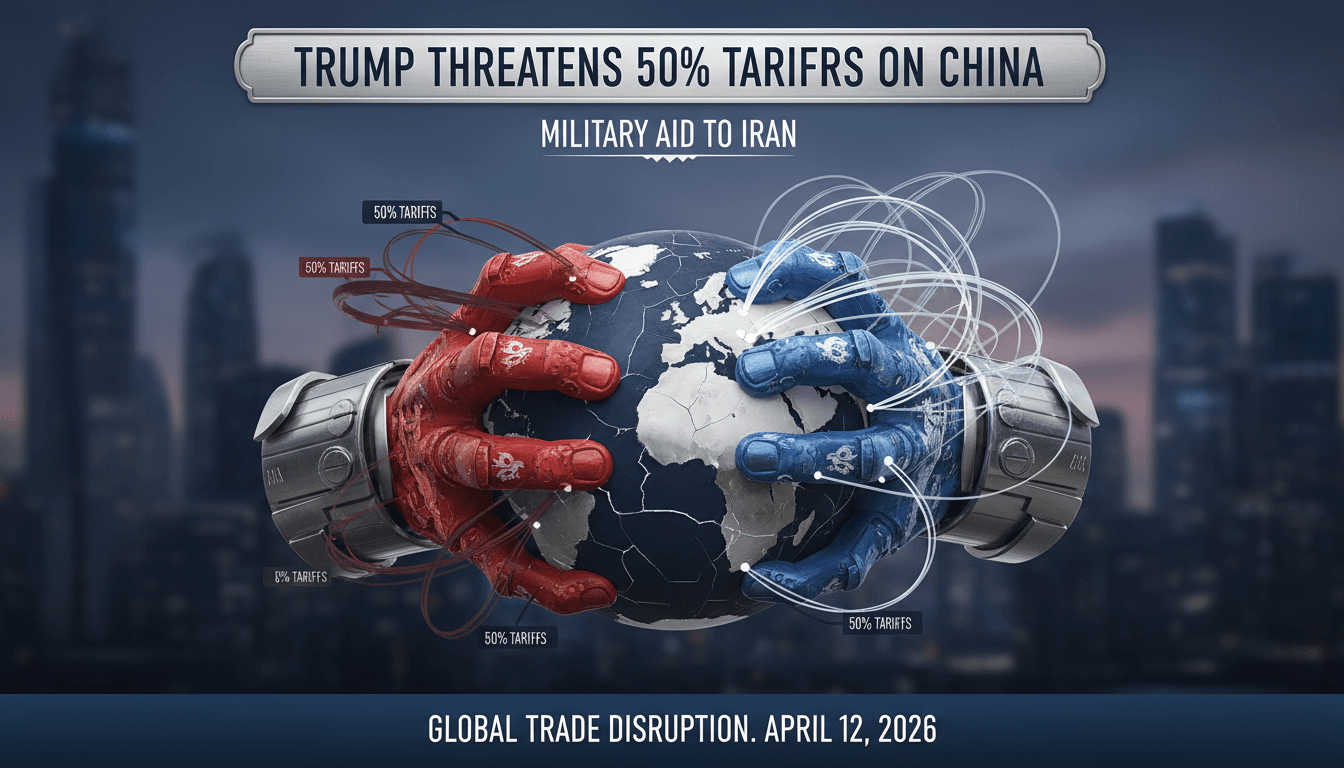
- Politics· MENA
Kuwait Adds 25 Individuals to National Terrorism List Amid Regional Security Concerns
On April 13, 2026, Kuwait designated 25 individuals, including 24 citizens and one non-Kuwaiti, to its national terrorism blacklist, raising the total to 219. This action is a direct response to escalating threats from Iranian-backed militias in Iraq, which have recently targeted Gulf infrastructure. In the long term, these measures are likely to strengthen Kuwait's counter-terrorism framework and enhance regional security cooperation among Gulf states.
3 sourcesApr 13Low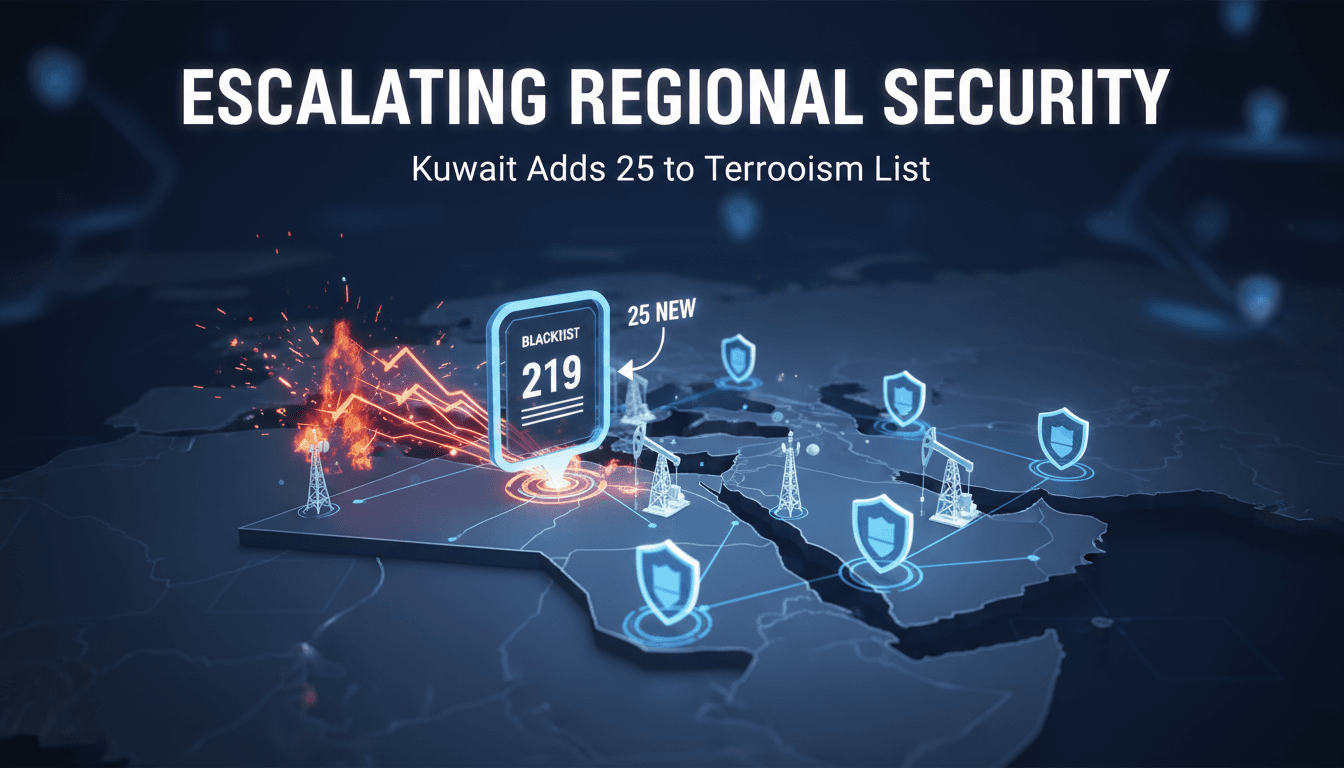
- Politics· MENA
Itamar Ben-Gvir Leads Settler Incursion into Al-Aqsa Mosque Amid Netanyahu's Political Stance
On April 12, 2026, Israeli National Security Minister Itamar Ben-Gvir led a group of settlers into Al-Aqsa Mosque, marking the 156th such incursion since his appointment. This provocative action follows Netanyahu's refusal to dismiss Ben-Gvir despite High Court petitions, coinciding with extended visitor access hours. The long-term implications may escalate tensions in the region, affecting Israeli-Palestinian relations and prompting international condemnation.
5 sourcesApr 13Low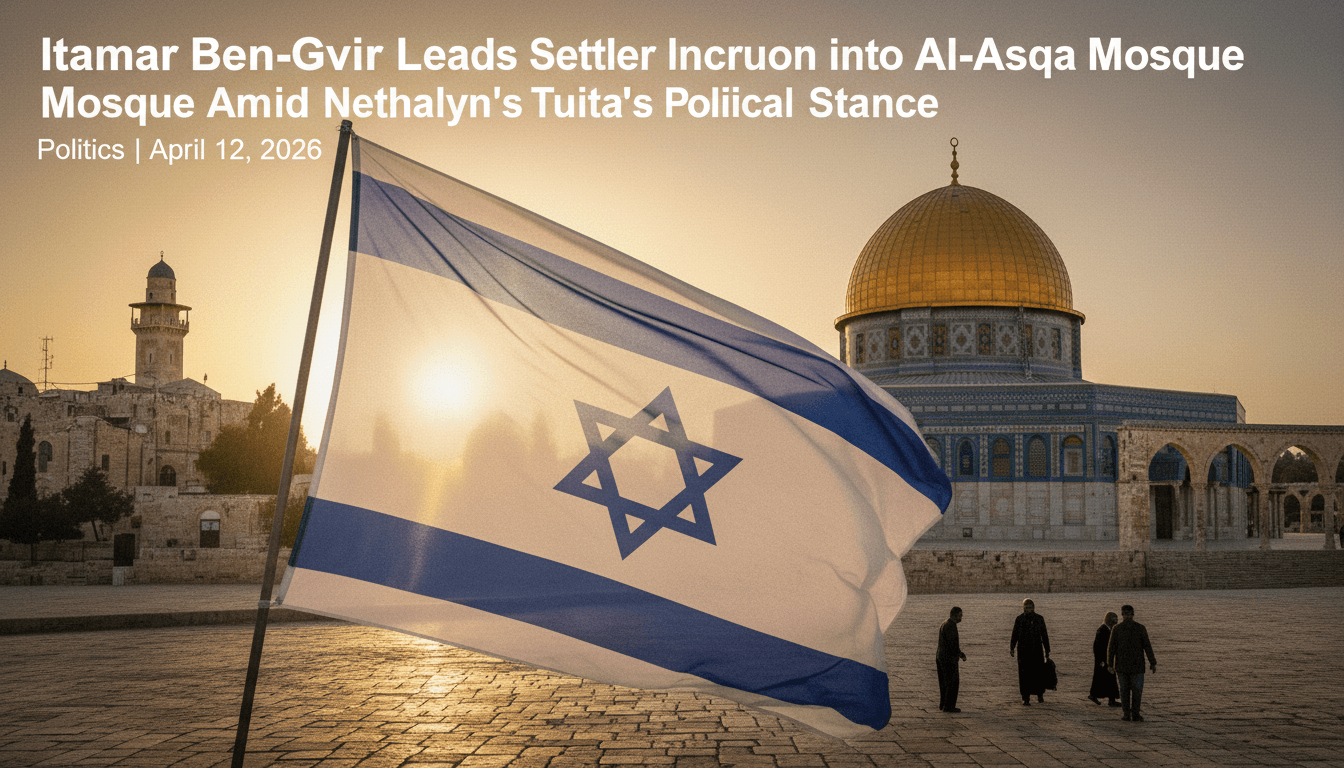
- Politics· MENA
Pakistani Air Force Deploys Fighter Aircraft to Saudi Arabia Under Defense Agreement
On April 11, 2026, the Saudi Ministry of Defense announced the arrival of a Pakistani military force consisting of fighter and support aircraft at King Abdulaziz Air Base in Saudi Arabia. This deployment is a direct result of the Strategic Mutual Defense Agreement signed between Saudi Arabia and Pakistan in September 2025, aimed at enhancing military cooperation amid rising regional tensions. The long-term implication is a strengthened military alliance that may alter the security dynamics in the Gulf region and deter potential aggressors.
7 sourcesApr 13Very High