Bio
Andre is co-founder at A47 News. He is responsible for editorial standards and news curation, and shares commentary on AI, general technology, and global politics.
Editorial Responsibility
As Editor, I am responsible for all editorial standards, news sourcing, research, and content production.
Previous experience · 15+ years
- · Co-founder at Tiki
- · Operations Director at Rocket Internet
Education
BA Economics, University of Waikato
Areas of expertise
Categories overseen
Stories from Andre Teow’s desk
15373 stories- Politics· World
Iran and US Continue Peace Negotiations in Islamabad Amid Ongoing Tensions
Iran has confirmed the continuation of direct peace negotiations with the United States in Islamabad, Pakistan, following a lengthy 14-hour session. The immediate trigger for these talks is the recent ceasefire established after a US-Iran conflict that began in late February 2026, which has heightened the urgency for de-escalation. Long-term implications suggest that these negotiations could reshape regional dynamics and influence future US-Iran relations, particularly concerning nuclear constraints and security in the Strait of Hormuz.
3 sourcesApr 12Very High
- Politics· MENA
Lebanon Initiates Direct Negotiations with Israel, Undermining Iranian Influence
On April 12, 2026, Lebanon began unprecedented direct negotiations with Israel, signaling a shift away from Iranian coordination. This move was triggered by a recent U.S.-Iran ceasefire that excluded Lebanon, alongside escalating Israeli strikes on Hezbollah targets. The long-term implication is a potential weakening of Hezbollah's influence in Lebanon and a reassertion of state sovereignty in regional politics.
3 sourcesApr 12High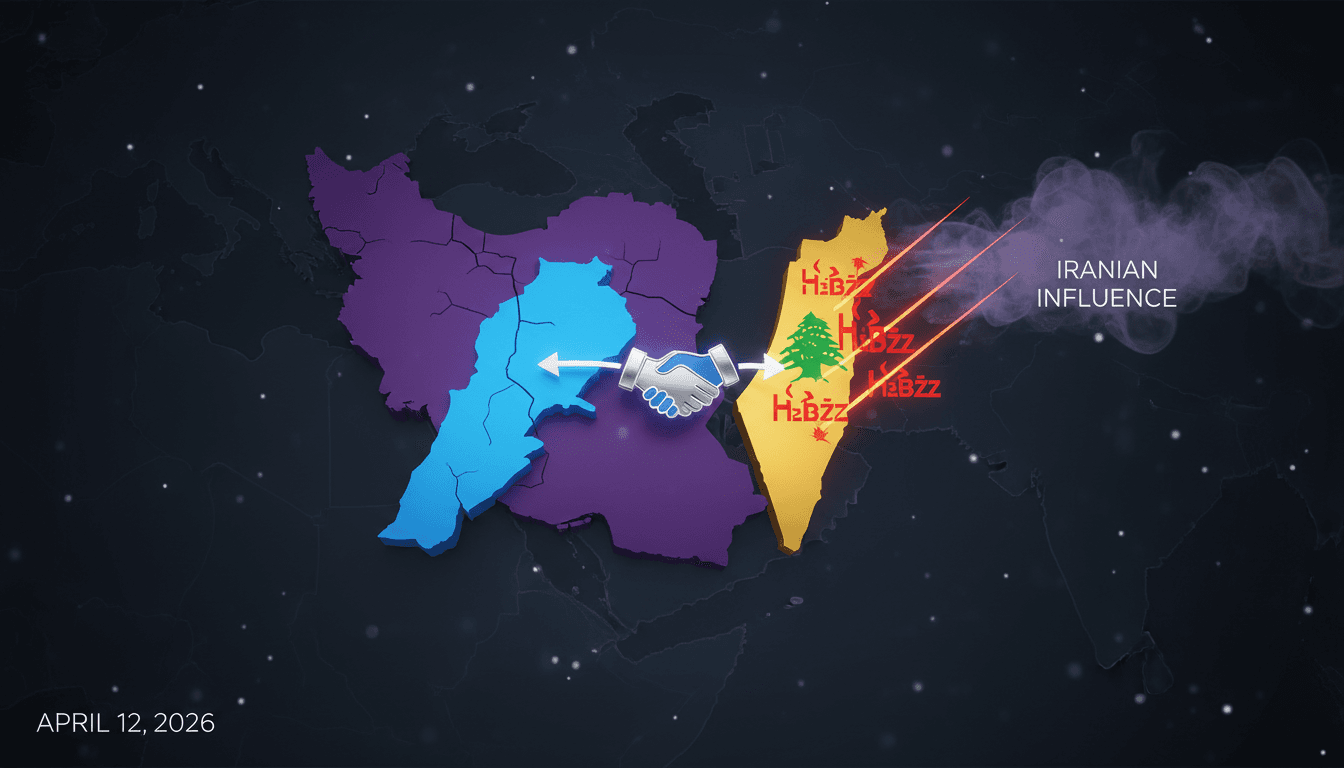
- Politics· World
Iran Demands Ceasefire and Asset Release as Preconditions for US Peace Talks on Lebanon
On April 10, 2026, Iranian Parliament Speaker Mohammad Baqer Qalibaf stated that a ceasefire in Lebanon and the unfreezing of Iranian assets are prerequisites for continuing peace negotiations with the United States. This demand comes amid a fragile ceasefire and ongoing Israeli military operations against Hezbollah, highlighting the urgency of the situation. If these conditions are met, it could pave the way for a more stable diplomatic resolution in the region and potentially ease tensions surrounding the ongoing conflict.
3 sourcesApr 12Very High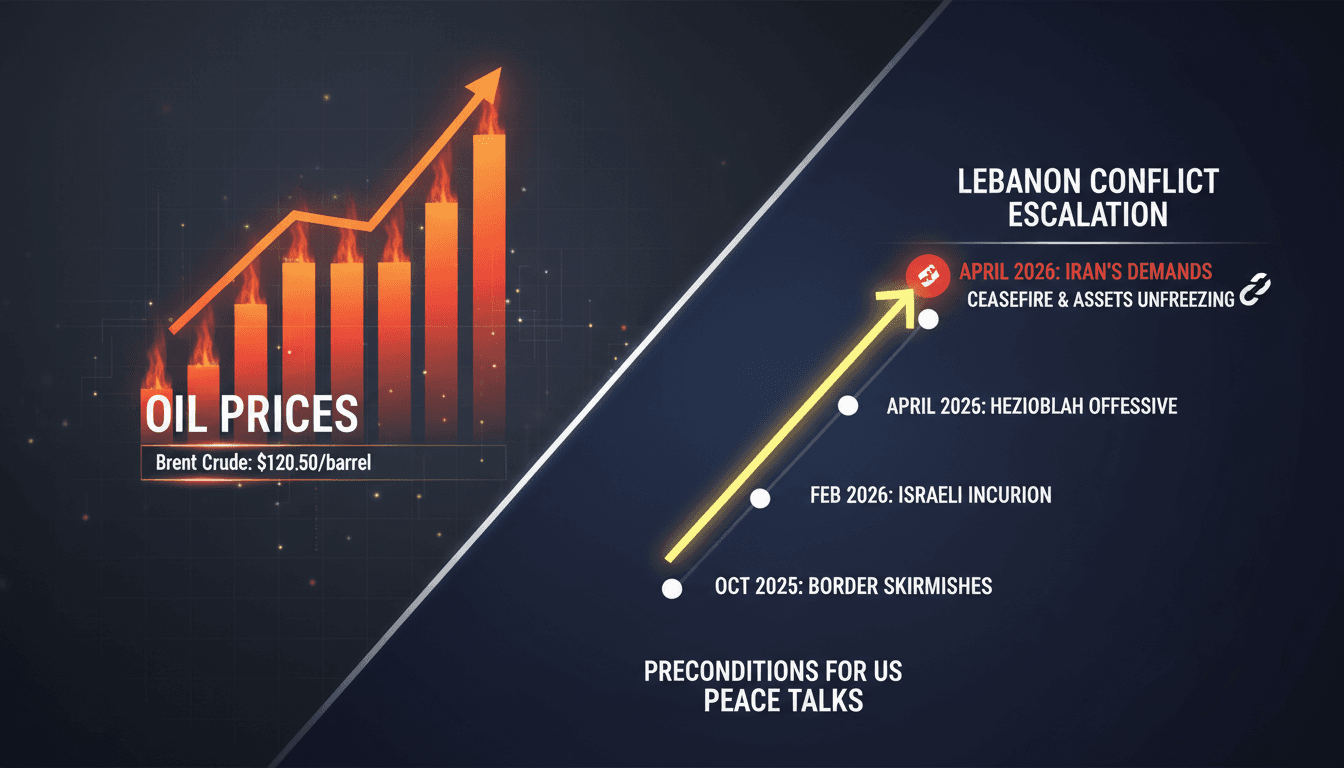
- Politics· World
Trump Criticizes Iran's Strategic Position as US-Iran Ceasefire Talks Begin in Islamabad
On April 10, 2026, U.S. President Donald Trump asserted that Iran's only leverage lies in its control over the Strait of Hormuz, coinciding with the start of ceasefire negotiations in Islamabad. The immediate trigger for these talks is the fragile two-week ceasefire brokered by Pakistan following escalating tensions and military actions in the region. Long-term, the outcome of these negotiations could either solidify a permanent peace agreement or lead to a resurgence of hostilities, impacting global oil markets and regional stability.
3 sourcesApr 12High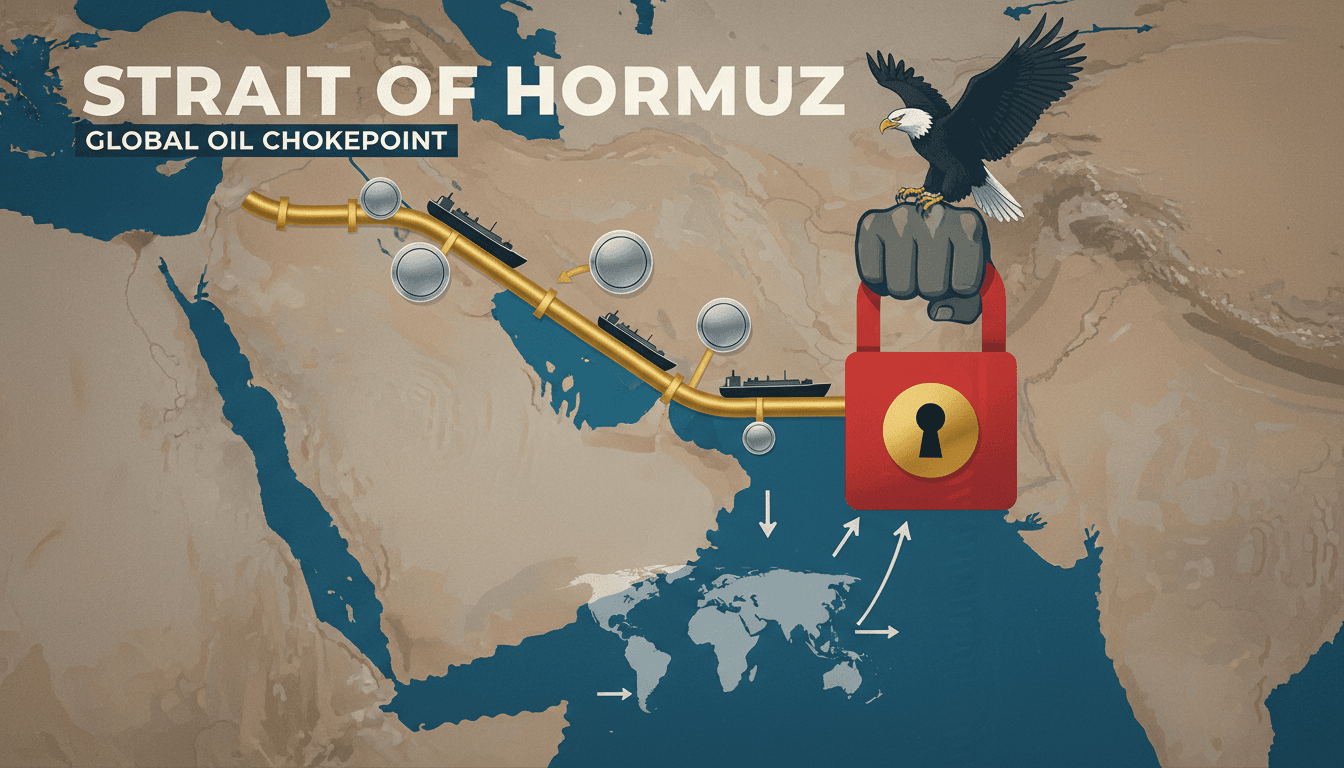
- World· MENA
Israel and Hezbollah Engage in Intense Military Escalation with Over 200 Airstrikes and Counterattacks
Israeli airstrikes on Hezbollah targets in southern Lebanon have resulted in at least 97 fatalities, marking a significant escalation in hostilities. This surge in violence is triggered by Israel's strategic aim to dismantle Hezbollah's infrastructure ahead of planned negotiations with Lebanon in Washington. The ongoing conflict is likely to further destabilize the region and complicate diplomatic efforts, with potential implications for broader Middle Eastern security dynamics.
3 sourcesApr 12High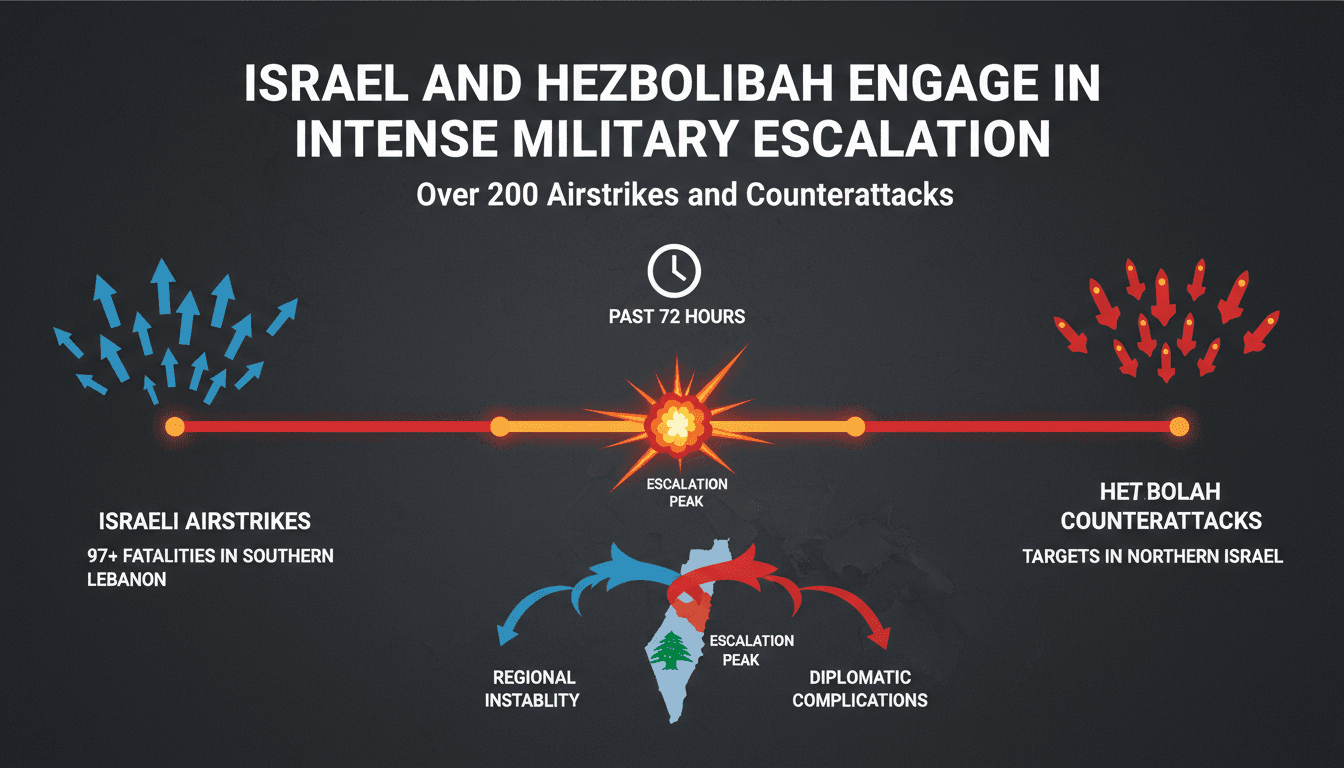
- World· MENA
UAE Sends 100 Tonnes of Food Aid to Gaza via Humaid Air Bridge
On April 10, 2026, the United Arab Emirates dispatched 100 tonnes of essential food supplies to the Gaza Strip via the Humaid Air Bridge. This shipment is part of Operation Gallant Knight 3, initiated in response to the ongoing humanitarian crisis in Gaza. The long-term implication is the UAE's continued commitment to humanitarian efforts, reinforcing its role as a key player in regional aid initiatives.
4 sourcesApr 12Low
- World· MENA
Iran's Naval Mines Disrupt Shipping in Strait of Hormuz Post-Ceasefire
Iran has deployed drifting naval mines in the Strait of Hormuz, severely obstructing maritime traffic despite a recent ceasefire agreement. This escalation follows military operations by the United States and Israel against Iran, which has leveraged the mines to gain negotiating power in ongoing peace talks. The long-term implications include heightened global energy prices and potential instability in international shipping routes as Iran's mine clearance remains uncertain.
4 sourcesApr 12Very High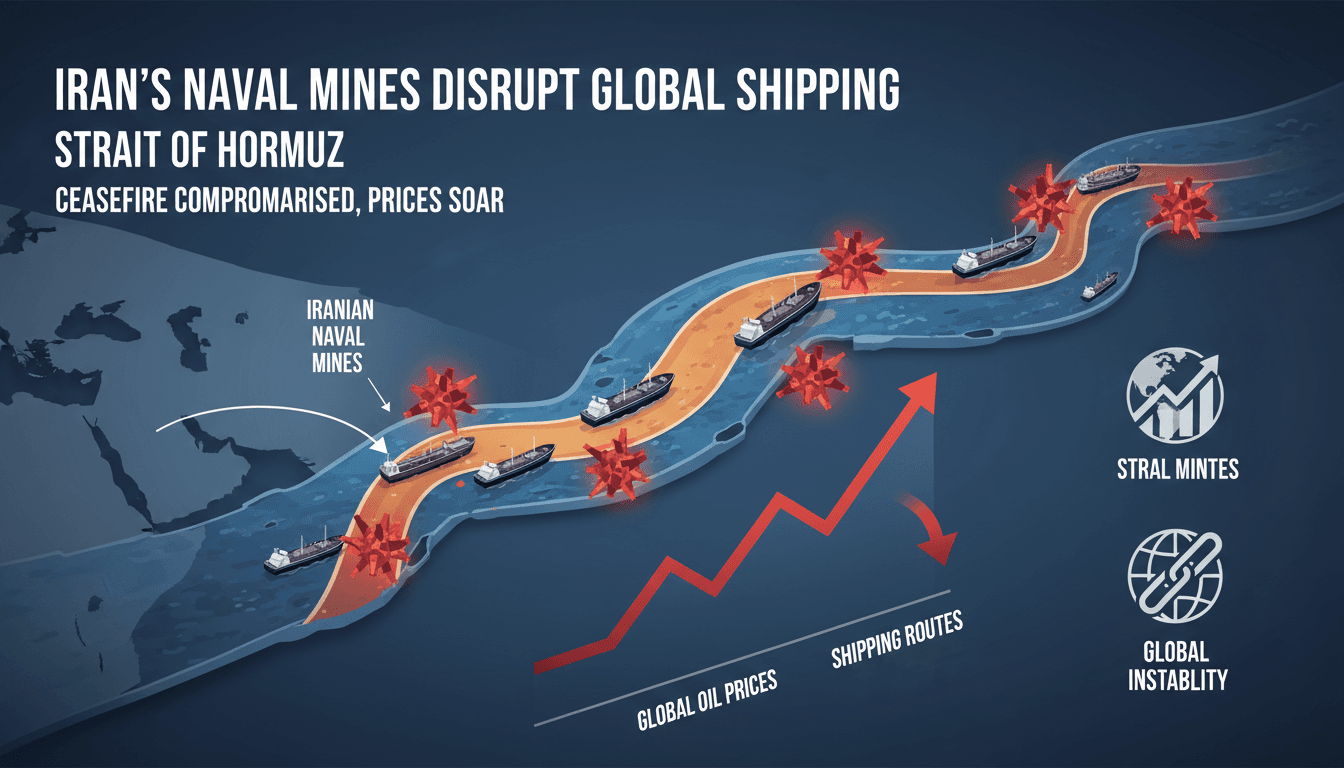
- Politics· MENA
Israel Agrees to Limit Strikes on Beirut Amid US-Iran Ceasefire Negotiations
Israel has reportedly agreed to restrain its airstrikes on Beirut and its southern suburbs, contingent upon US coordination. This decision follows a deadly escalation on April 8 that resulted in over 250 casualties, prompting US diplomatic intervention to stabilize a fragile ceasefire with Iran. The long-term implication may involve a shift towards direct negotiations regarding Hezbollah's disarmament and broader regional stability.
4 sourcesApr 12Moderate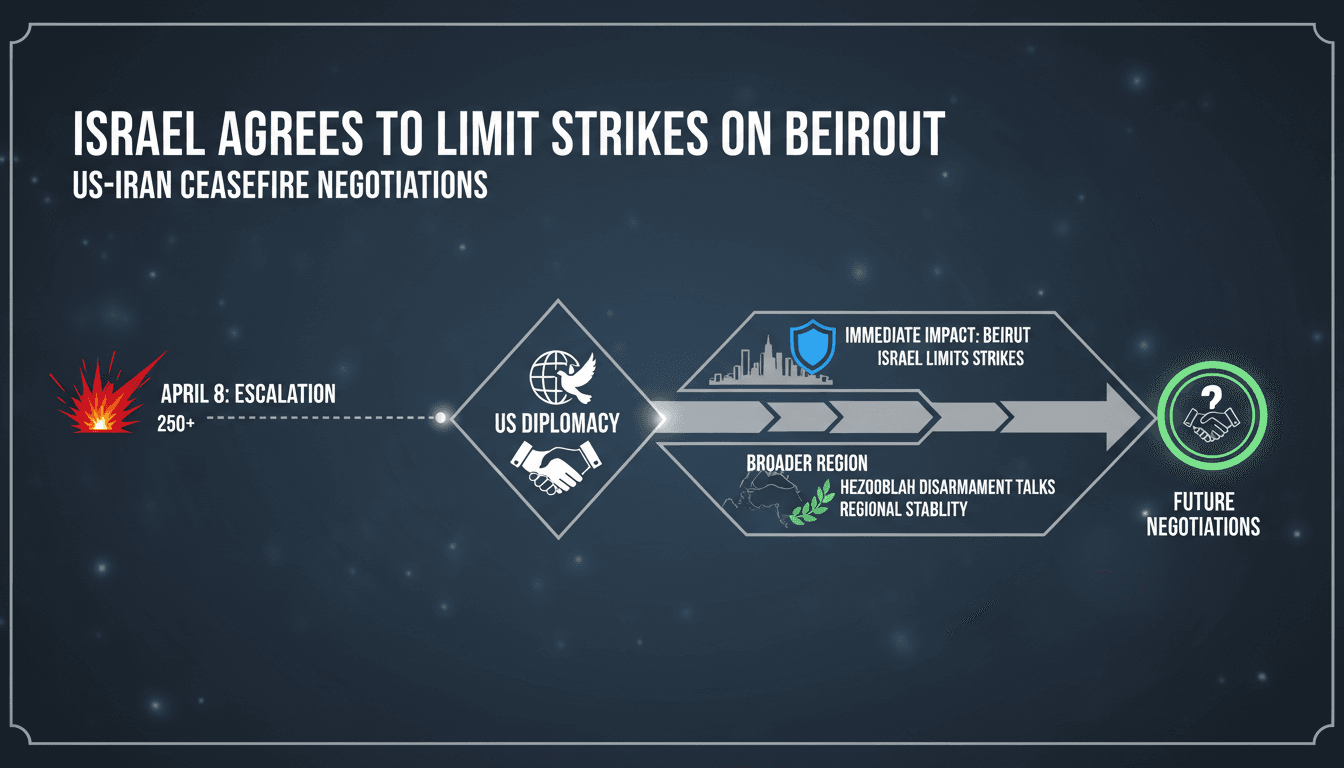
- Politics· MENA
Pakistan Facilitates US-Iran Peace Talks Amid Ongoing Conflict
On April 11, 2026, Pakistan hosted high-level direct peace negotiations between the United States and Iran in Islamabad, aimed at consolidating a recent ceasefire. The immediate trigger for these talks is the ongoing US-Iran war, which has escalated since February 2026, prompting international mediation efforts. If successful, these negotiations could lead to a long-term resolution of hostilities and stabilize regional oil markets, impacting global trade dynamics.
5 sourcesApr 12High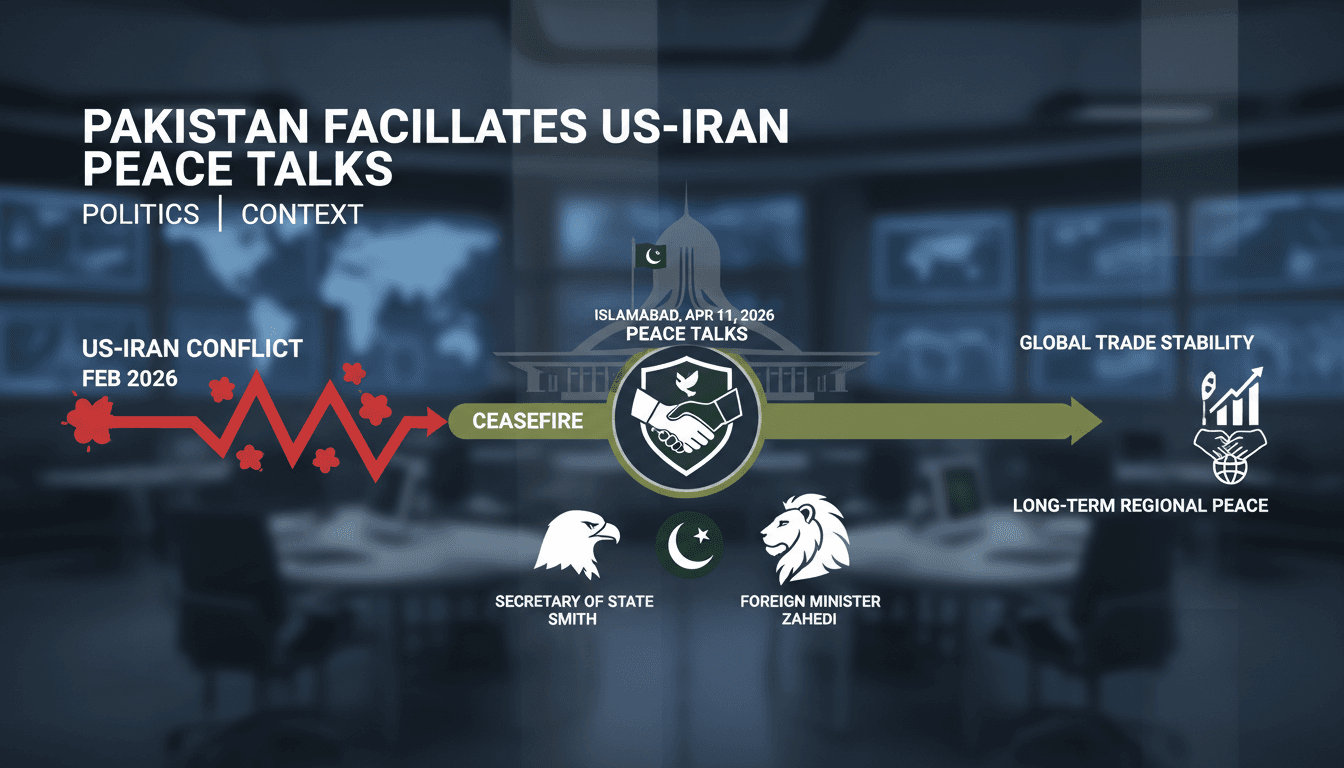
- Politics· World
US-Iran Trilateral Talks Begin in Islamabad Amid Strait of Hormuz Mine Clearance Operation
Trilateral talks between the US and Iran commenced on April 11, 2026, in Islamabad, Pakistan, as part of ongoing ceasefire efforts following a six-week war. The immediate trigger for these negotiations is the US military's announcement of a mine clearance operation in the Strait of Hormuz, which has been disrupted by Iranian mining activities. The long-term implication of these talks could reshape regional security dynamics and influence future US-Iran relations, particularly regarding sanctions and military presence in the area.
5 sourcesApr 12Moderate
- Politics· World
United States to Facilitate Ceasefire Negotiations Between Israel and Lebanon
The United States will host the first direct diplomatic talks between Israel and Lebanon in Washington, D.C., on April 15, 2026, aimed at negotiating a ceasefire amid escalating violence. This initiative follows a series of Israeli airstrikes in Lebanon that have resulted in significant casualties, prompting U.S. intervention to de-escalate tensions. If successful, these negotiations could lead to a reduction in hostilities and a potential framework for long-term peace in the region.
6 sourcesApr 12Moderate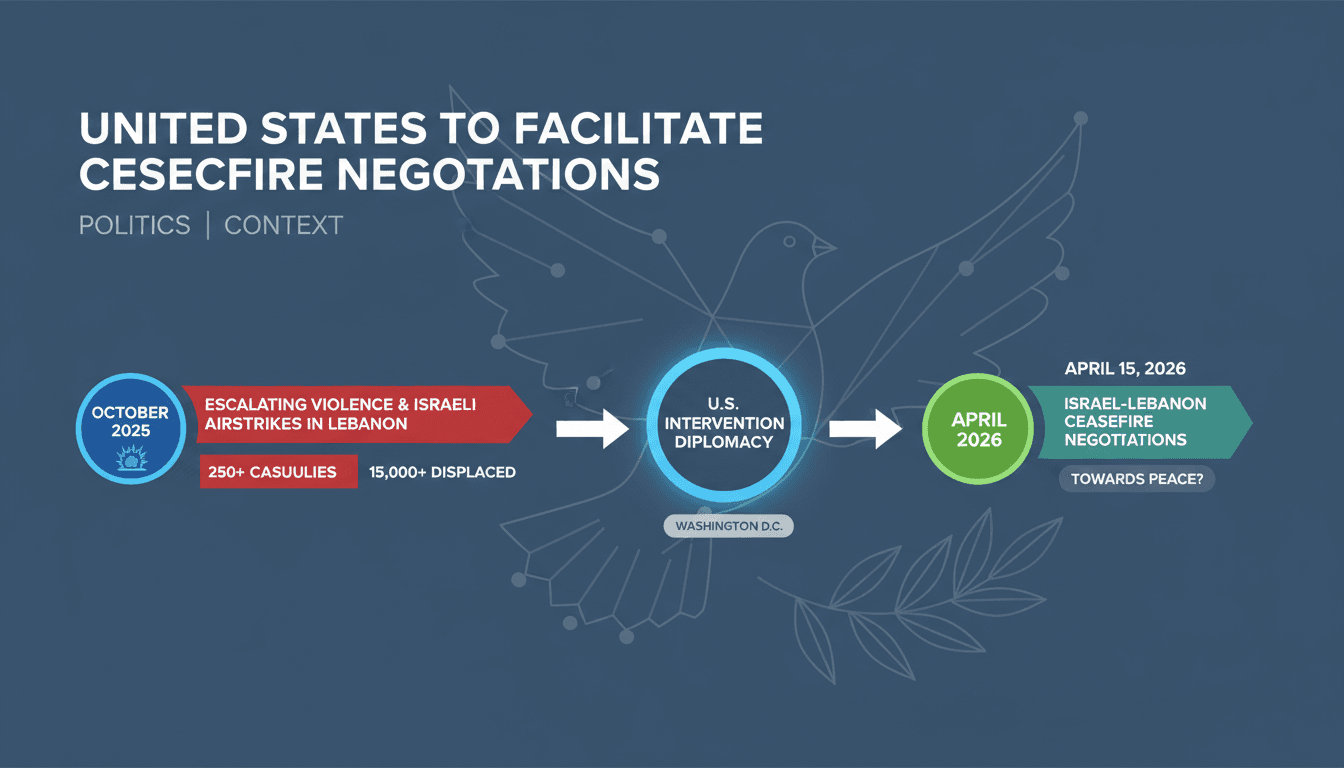
- Politics· MENA
Pakistan Hosts US-Iran Peace Talks Amid Ceasefire Negotiations
On April 11, 2026, Pakistani Prime Minister Muhammad Shehbaz Sharif held a diplomatic meeting with US Vice President JD Vance in Islamabad to facilitate peace negotiations between the US and Iran. This meeting was triggered by a fragile two-week ceasefire secured through Pakistani mediation, aimed at addressing heightened tensions in the region. The long-term implication could see Pakistan solidifying its role as a key mediator in Middle Eastern conflicts, potentially influencing regional stability and energy markets.
3 sourcesApr 12Very High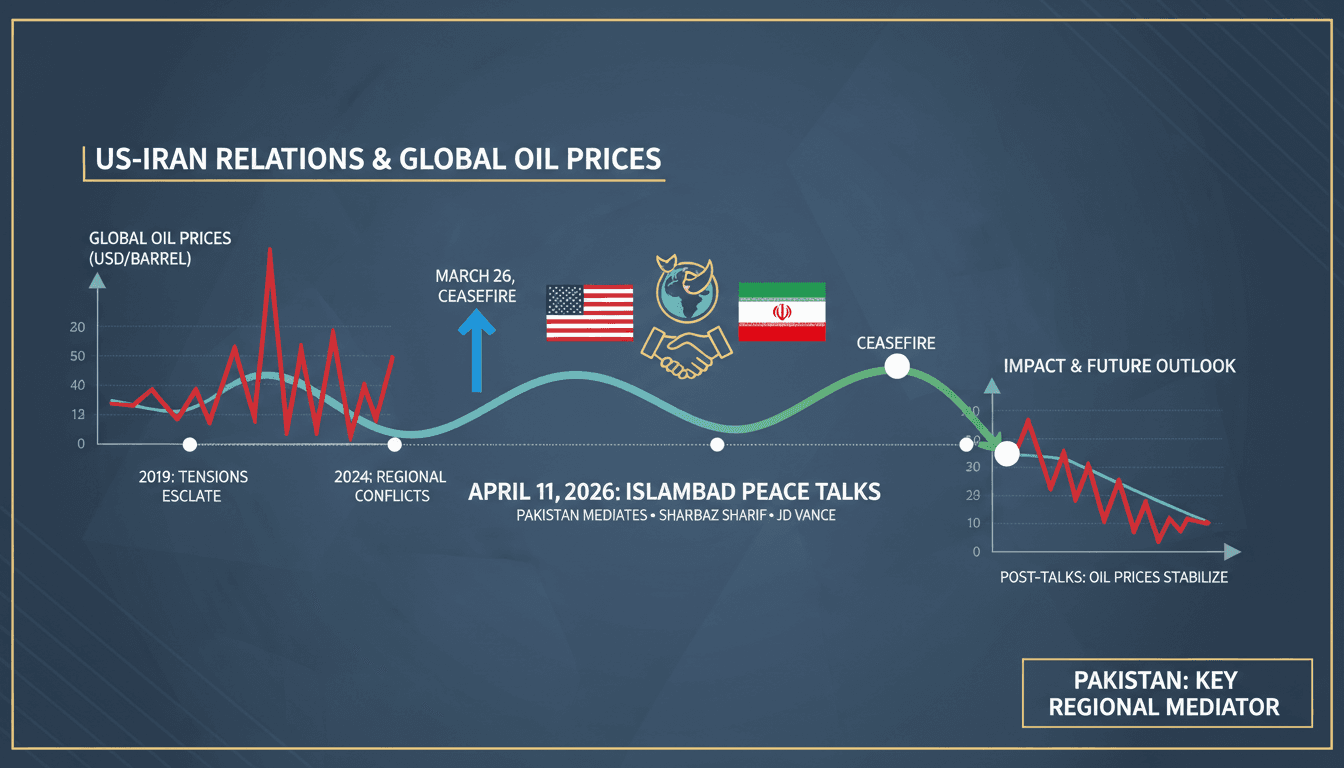
- Politics· MENA
Ukraine Deploys Drone Experts to Secure Strait of Hormuz Amid Iranian Blockade
On April 11, 2026, Ukraine's involvement in securing the Strait of Hormuz was endorsed by British Minister of Armed Forces James Heappey as they deploy over 200 drone specialists to counter Iranian threats. This initiative is triggered by Iran's blockade of the strait following U.S. and Israeli military actions, which has disrupted 20% of global oil transit. Long-term, this collaboration may enhance regional security and stabilize oil markets while positioning Ukraine as a key player in international defense partnerships.
3 sourcesApr 12Low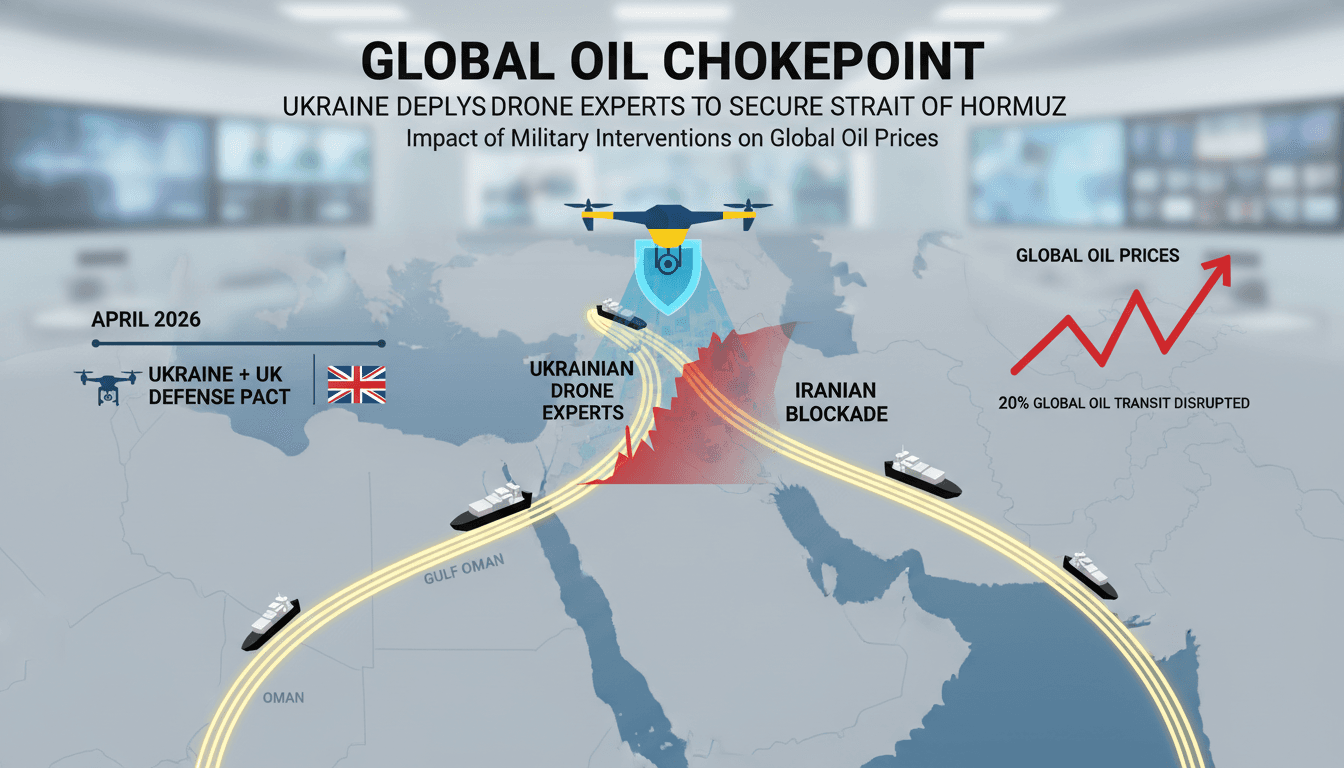
- Politics· MENA
Pakistan Mediates U.S.-Iran Ceasefire Talks Amid Ongoing Conflict
On April 11, 2026, Pakistani Prime Minister Shehbaz Sharif hosted separate meetings with U.S. Vice President J.D. Vance and Iranian Speaker Mohammad Bagher Ghalibaf in Islamabad to facilitate ceasefire negotiations. The meetings were triggered by a fragile two-week truce following a six-week war involving Iran, Israel, and the U.S., with Iran outlining its demands to Sharif. The long-term implication is a potential shift in regional dynamics as Pakistan positions itself as a mediator in U.S.-Iran relations, impacting future diplomatic efforts in the region.
6 sourcesApr 12High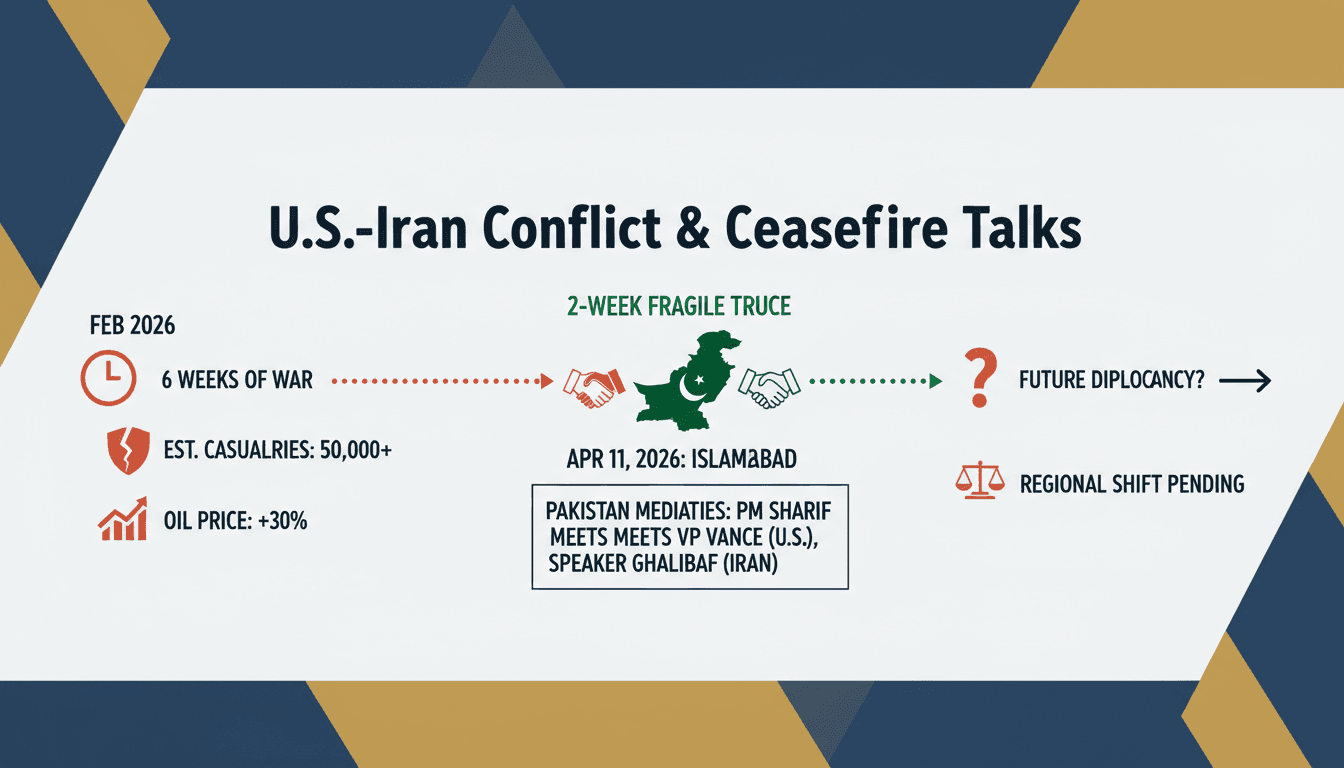
- Politics· World
U.S. Launches Military Operation to Clear Strait of Hormuz Amid Iranian Threats
On April 11, 2026, U.S. President Donald Trump announced the initiation of a military operation to clear the Strait of Hormuz, following the destruction of Iranian naval capabilities. This action comes as U.S.-Iran negotiations have stalled over control of the vital waterway, with Iran threatening to attack U.S. vessels. The long-term implication may involve increased military presence in the region and heightened tensions affecting global oil markets and trade routes.
3 sourcesApr 12High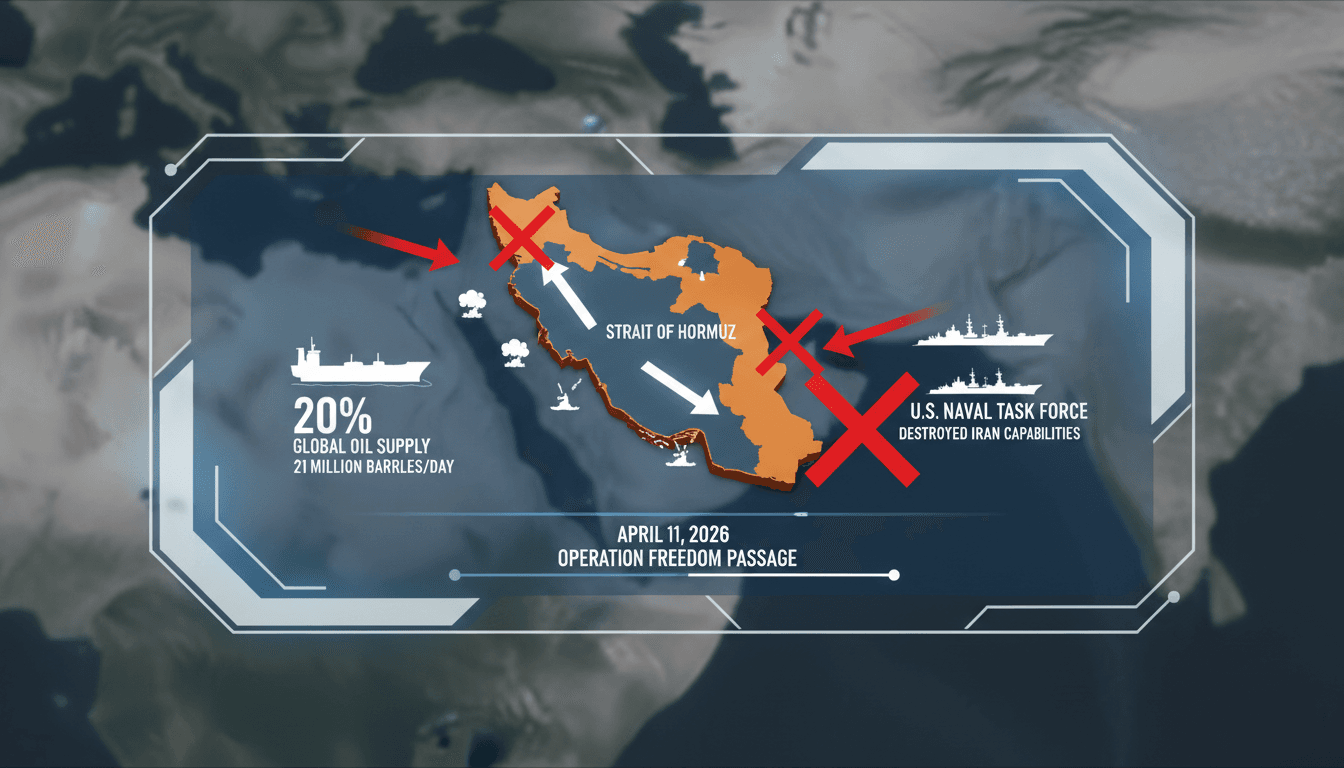
- Politics· MENA
Lebanon and Israel Set for Direct Ceasefire Talks Amid Ongoing Hostilities
Lebanese and Israeli ambassadors agreed to direct talks in Washington on April 15, 2026, despite significant discrepancies in ceasefire demands. The immediate trigger for these negotiations is the recent escalation of Israeli strikes in Lebanon, which have intensified following a prior ceasefire in 2024. Long-term implications may include a potential shift in regional dynamics if a ceasefire is established, although Hezbollah's rejection of negotiations poses significant challenges to peace efforts.
5 sourcesApr 12High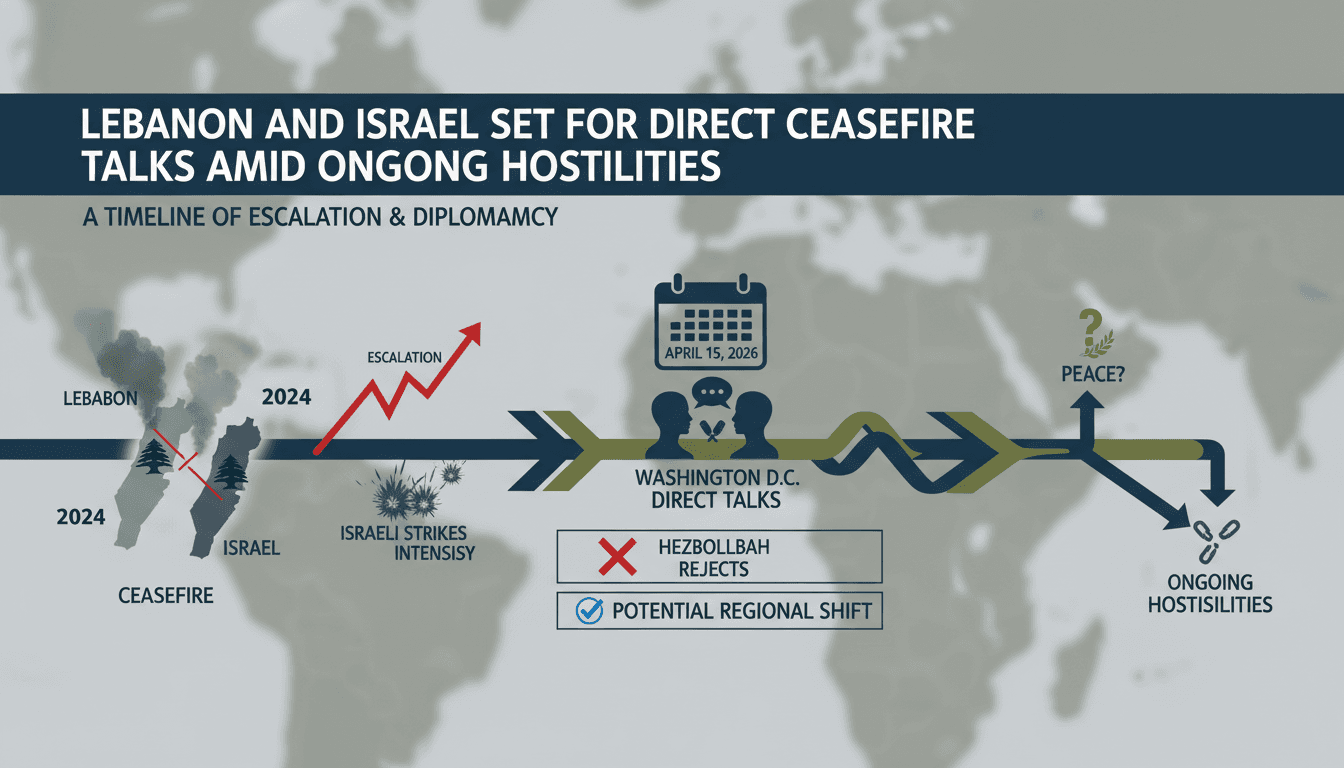
- Politics· World
EU and US Near Agreement on Critical Minerals to Reduce Chinese Dependence
The European Union and the United States are close to finalizing a strategic agreement aimed at coordinating production and securing critical minerals. This initiative is driven by the urgent need to counter China's dominance in the supply chain, which controls up to 90% of global processing for rare earths. Long-term, this partnership is expected to enhance transatlantic cooperation and diversify supply chains, significantly impacting industries reliant on these minerals.
3 sourcesApr 12Moderate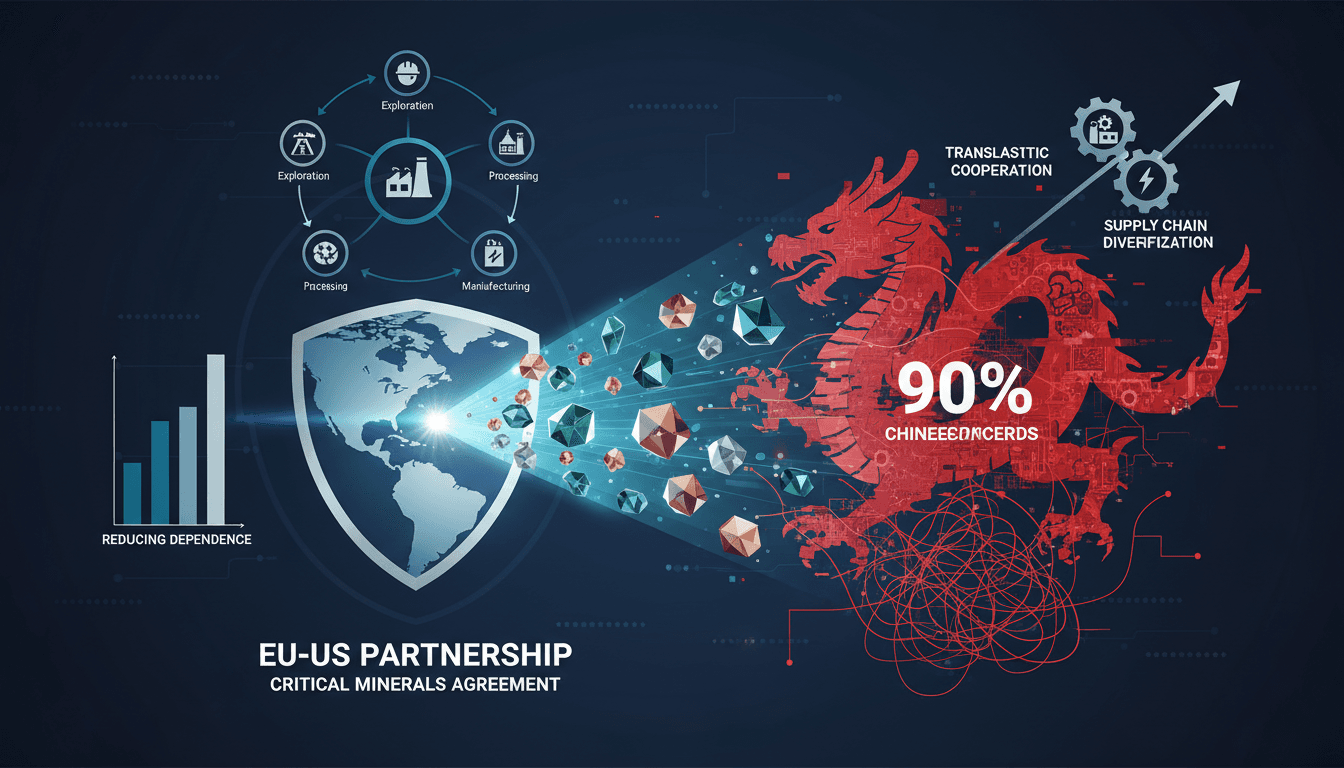
- Politics· World
France Offers Support for Navigation Security in Strait of Hormuz
French President Emmanuel Macron announced France's readiness to assist in securing navigation through the Strait of Hormuz. This declaration follows a conversation with Iranian President Masoud Pezeshkian amid rising tensions and disruptions in the region. The long-term implication may involve increased international naval presence and collaborative security efforts to ensure safe passage in this critical waterway.
4 sourcesApr 12Low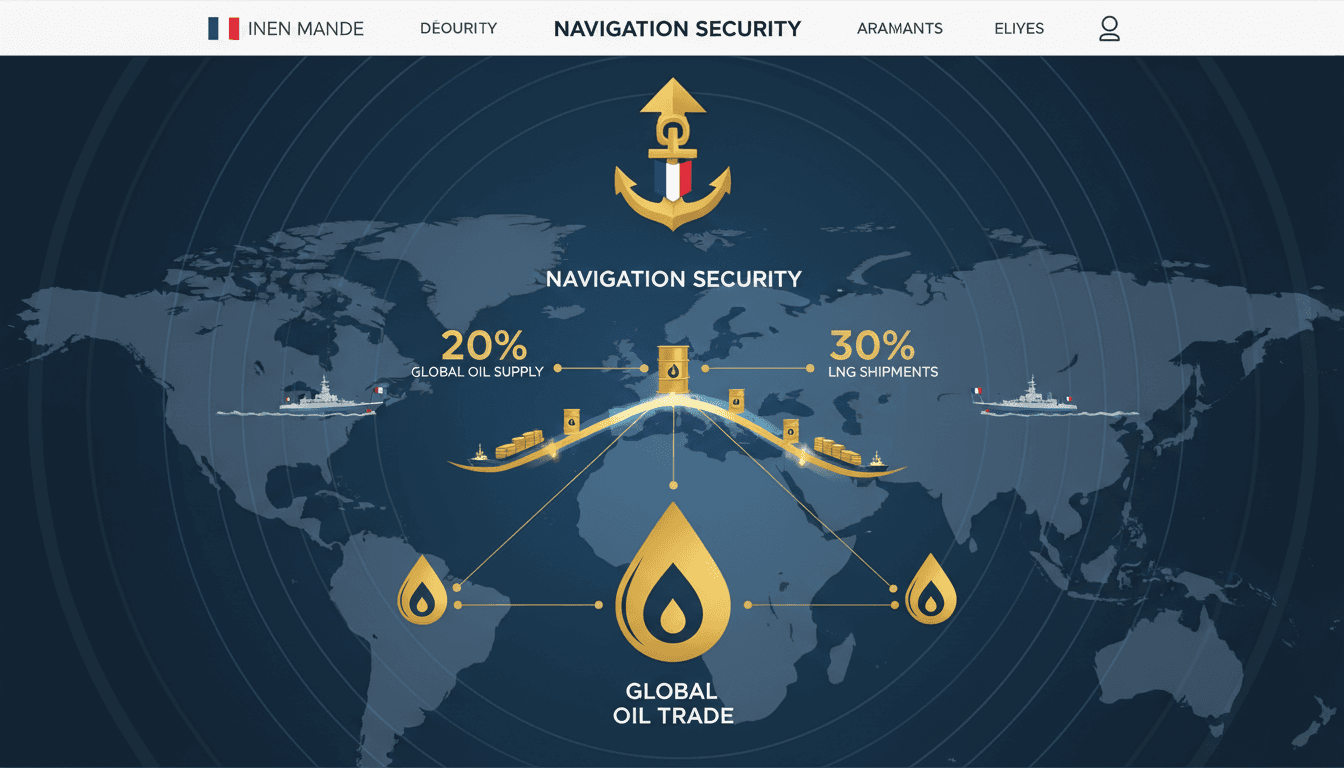
- Politics· MENA
IDF Conducts Airstrikes on Over 200 Hezbollah Targets in Lebanon
On April 11, 2026, the Israel Defense Forces reported conducting airstrikes on more than 200 Hezbollah-affiliated sites in Lebanon within the previous 24 hours. This escalation is occurring amid ongoing cross-border hostilities and prior to scheduled negotiations between Israel and Lebanon in Washington. The long-term implication may involve further military actions and heightened geopolitical tensions in the region as both sides prepare for potential conflict escalation.
4 sourcesApr 12High
- Politics· MENA
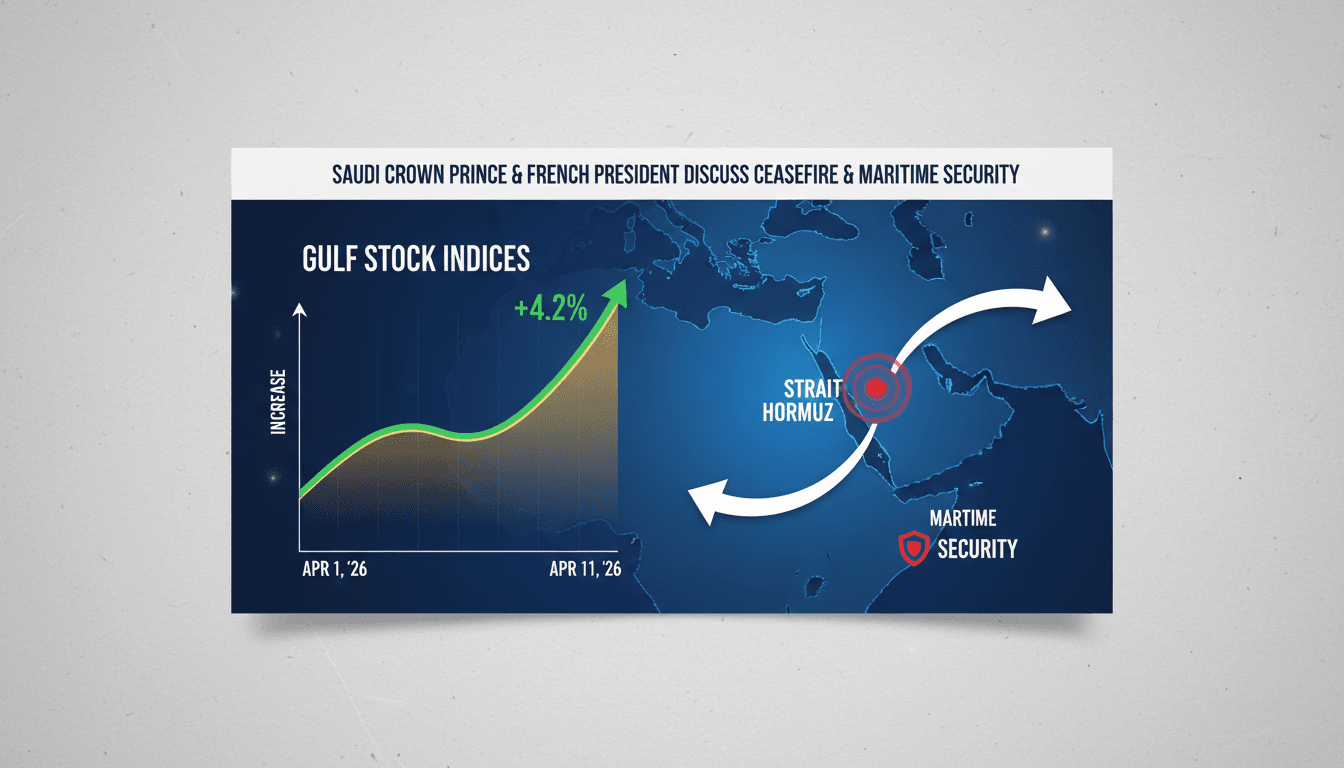
Saudi Crown Prince and French President Discuss US-Iran Ceasefire and Maritime Security
On April 11, 2026, Saudi Crown Prince Mohammed bin Salman and French President Emmanuel Macron held a telephone conversation to review the recent US-Iran ceasefire and maritime threats in the Strait of Hormuz. This dialogue follows a two-week ceasefire announcement on April 8, 2026, aimed at de-escalating tensions in the region. The leaders' commitment to ongoing communication suggests a strategic focus on maintaining stability and ensuring safe navigation in critical shipping lanes, which could influence global economic conditions.
4 sourcesApr 12Low