Bio
Andre is co-founder at A47 News. He is responsible for editorial standards and news curation, and shares commentary on AI, general technology, and global politics.
Editorial Responsibility
As Editor, I am responsible for all editorial standards, news sourcing, research, and content production.
Previous experience · 15+ years
- · Co-founder at Tiki
- · Operations Director at Rocket Internet
Education
BA Economics, University of Waikato
Areas of expertise
Categories overseen
Stories from Andre Teow’s desk
15443 stories- Politics· World
U.S. Vice President JD Vance Leads Peace Talks in Islamabad with Iran Amid Fragile Ceasefire
On April 11, 2026, U.S. Vice President JD Vance arrived in Islamabad, Pakistan, to lead high-level peace negotiations with Iranian officials. The talks are a response to the recent two-week ceasefire following the U.S.-Iran war that began on February 28, 2026, and aim to establish a permanent resolution to hostilities. If successful, these negotiations could stabilize regional tensions and reopen critical trade routes like the Strait of Hormuz, impacting global oil markets.
3 sourcesApr 11High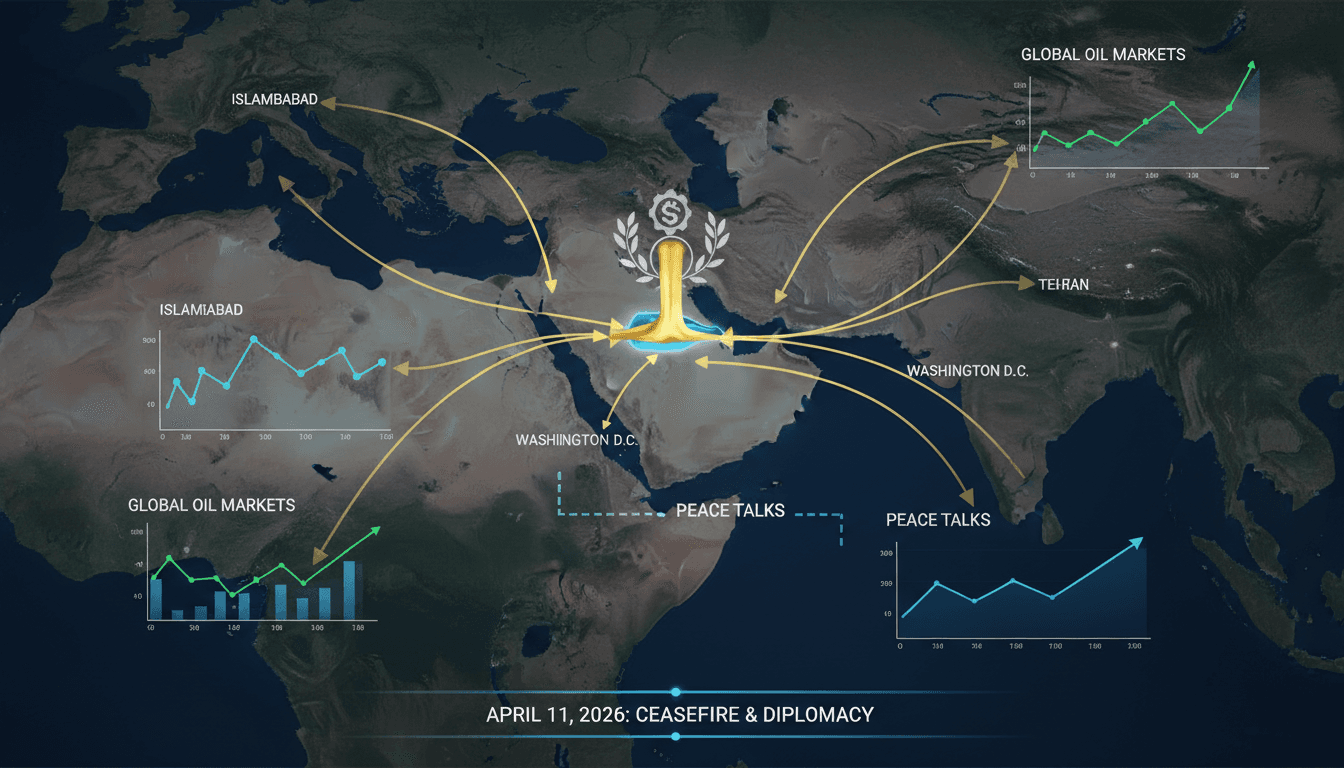
- Politics· MENA
Lebanon and Israel to Hold First Direct Negotiations in Washington Amid Ongoing Military Escalation
Lebanon and Israel have scheduled their first official bilateral meeting for April 15, 2026, in Washington, D.C., to discuss a ceasefire and peace agreement. This meeting is triggered by escalating military actions, including over 50 Hezbollah operations against Israeli targets, amidst a fragile U.S.-Iran ceasefire that excludes Lebanon. The long-term implication may lead to a potential shift in regional dynamics if a ceasefire is established, impacting U.S.-Iran relations and the broader Middle East conflict landscape.
2 sourcesApr 11Low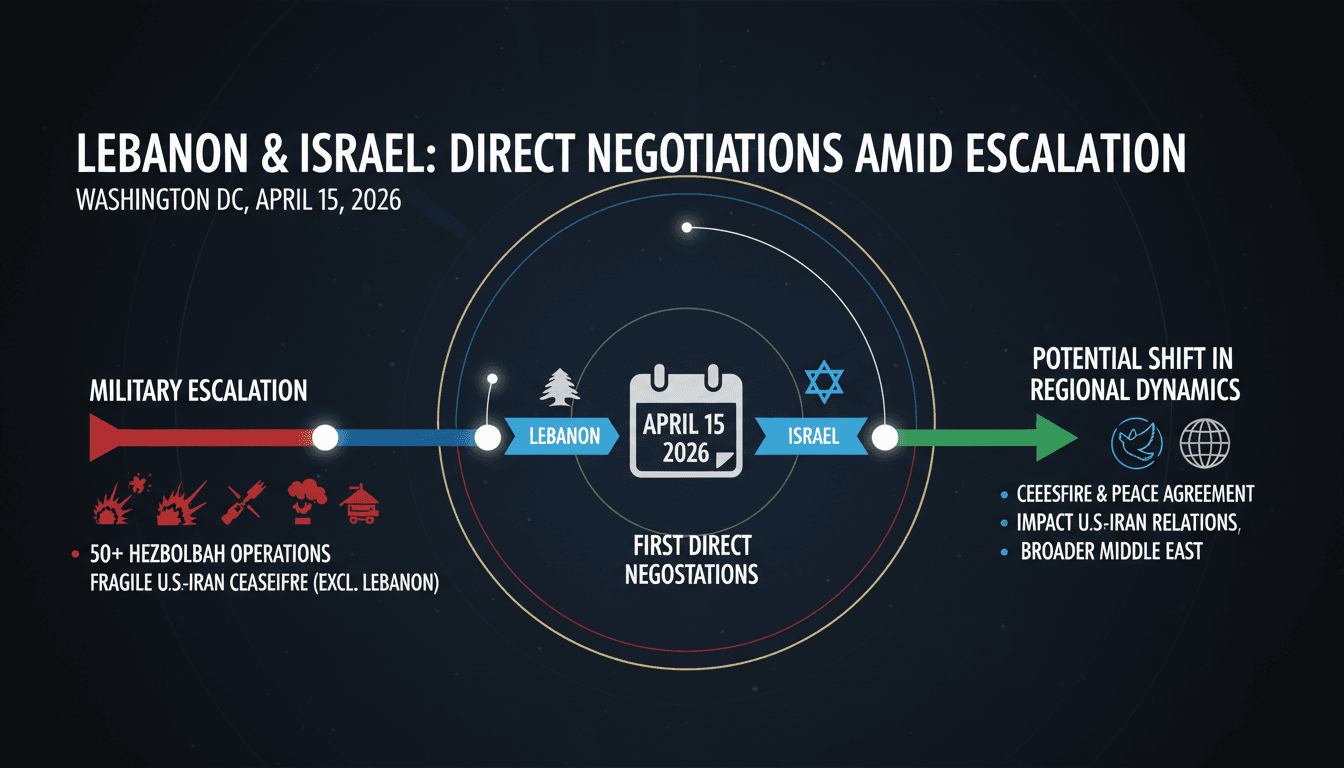
- World· MENA
Iran Struggles to Identify Naval Mines in Strait of Hormuz
Iran has reported its inability to locate all naval mines it deployed in the Strait of Hormuz, complicating maritime navigation. This situation arises following U.S.-Israeli military strikes and Iran's subsequent mine deployment in early March, which were poorly documented and have drifted. The long-term implication is a continued disruption of oil shipping routes, potentially escalating tensions and complicating peace negotiations in the region.
2 sourcesApr 11Very High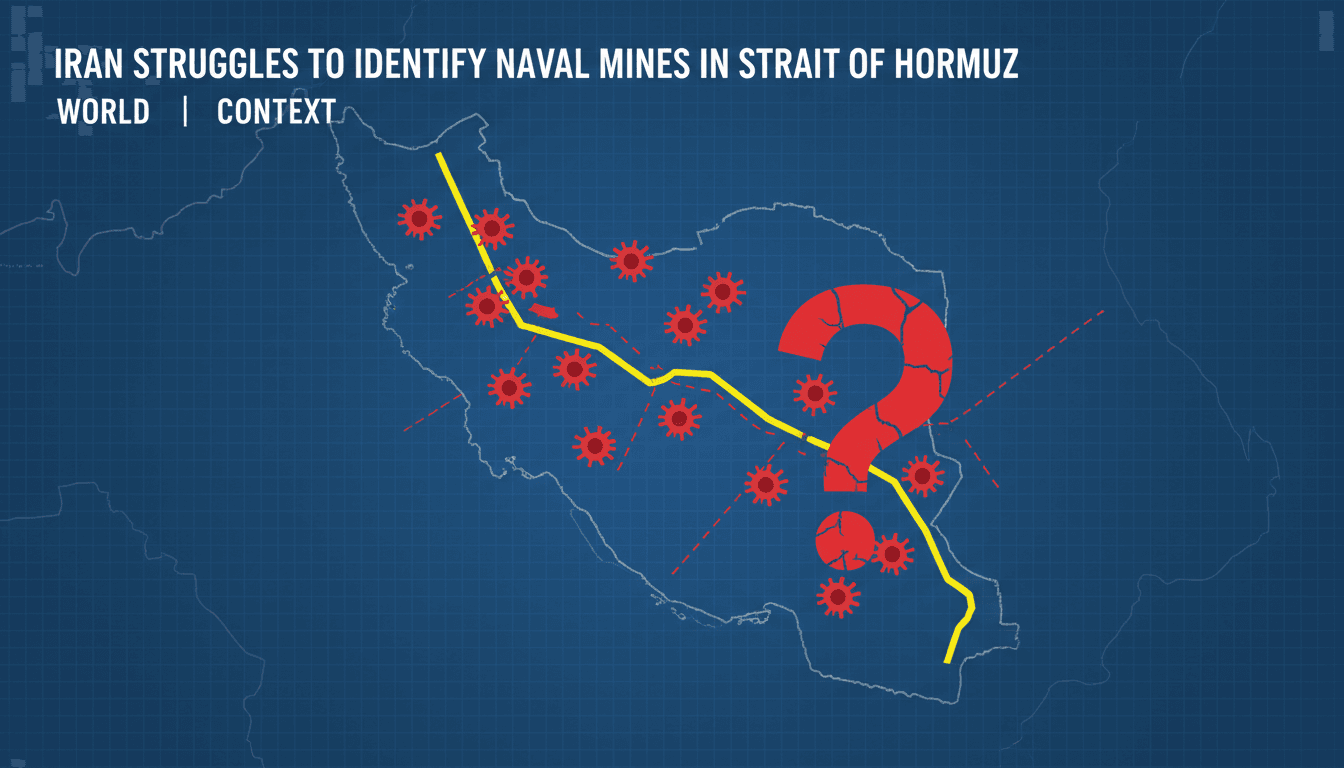
- Politics· MENA
Iranian Delegation Engages in Ceasefire Talks in Islamabad Amid Escalating Regional Tensions
An Iranian high-level delegation arrived in Islamabad for ceasefire negotiations with the United States, following President Trump's ultimatum regarding Iranian actions in the Strait of Hormuz. The talks are triggered by a fragile two-week ceasefire and ongoing military conflicts involving Iran, Israel, and Hezbollah. The outcome of these negotiations could significantly impact regional stability and future diplomatic relations in the Middle East.
4 sourcesApr 11Moderate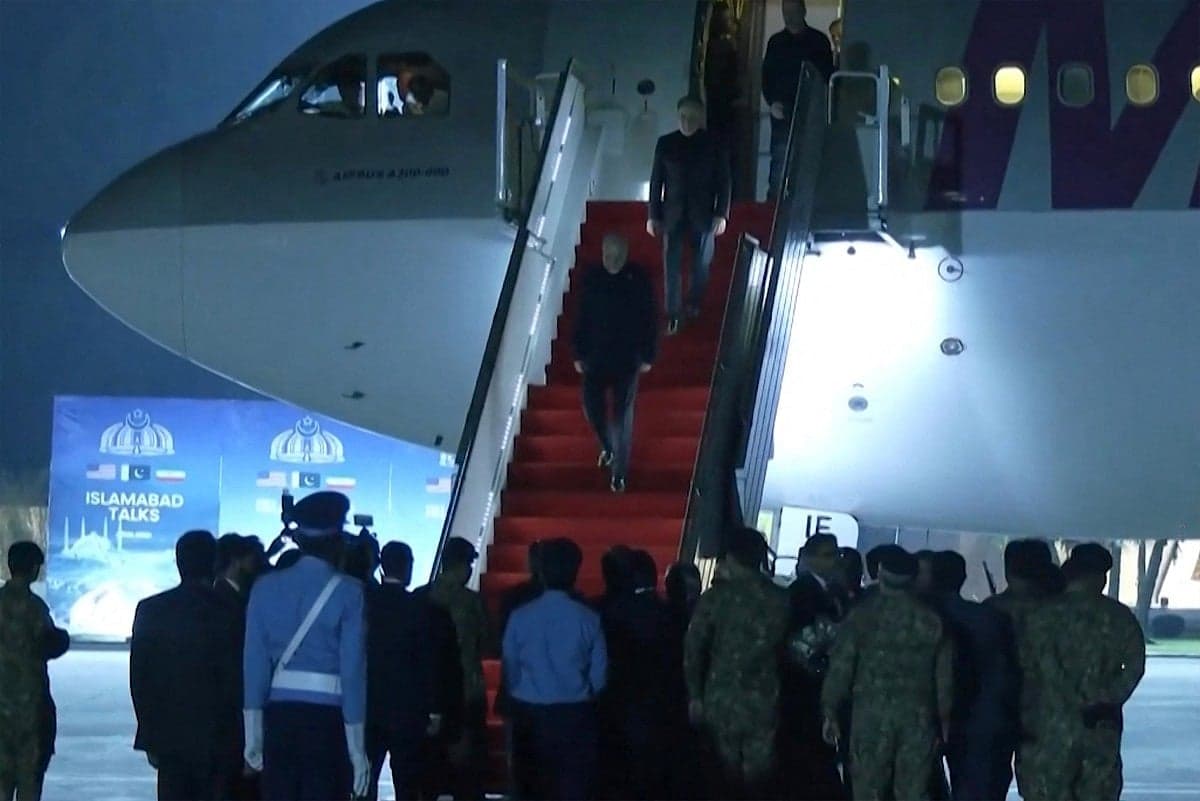
- Tech· World
NASA's Artemis II Mission Successfully Completes Crewed Lunar Flyby with Safe Splashdown
NASA's Artemis II astronauts returned to Earth on April 10, 2026, after a successful crewed mission around the Moon, marking the first such mission since Apollo 17 in 1972. The mission was triggered by the need to test deep-space systems for future lunar landings as part of the Artemis program, following the uncrewed Artemis I flight in 2022. This successful mission paves the way for future lunar exploration and potential human settlement on the Moon, reinforcing international partnerships in space exploration.
21 sourcesApr 11Very High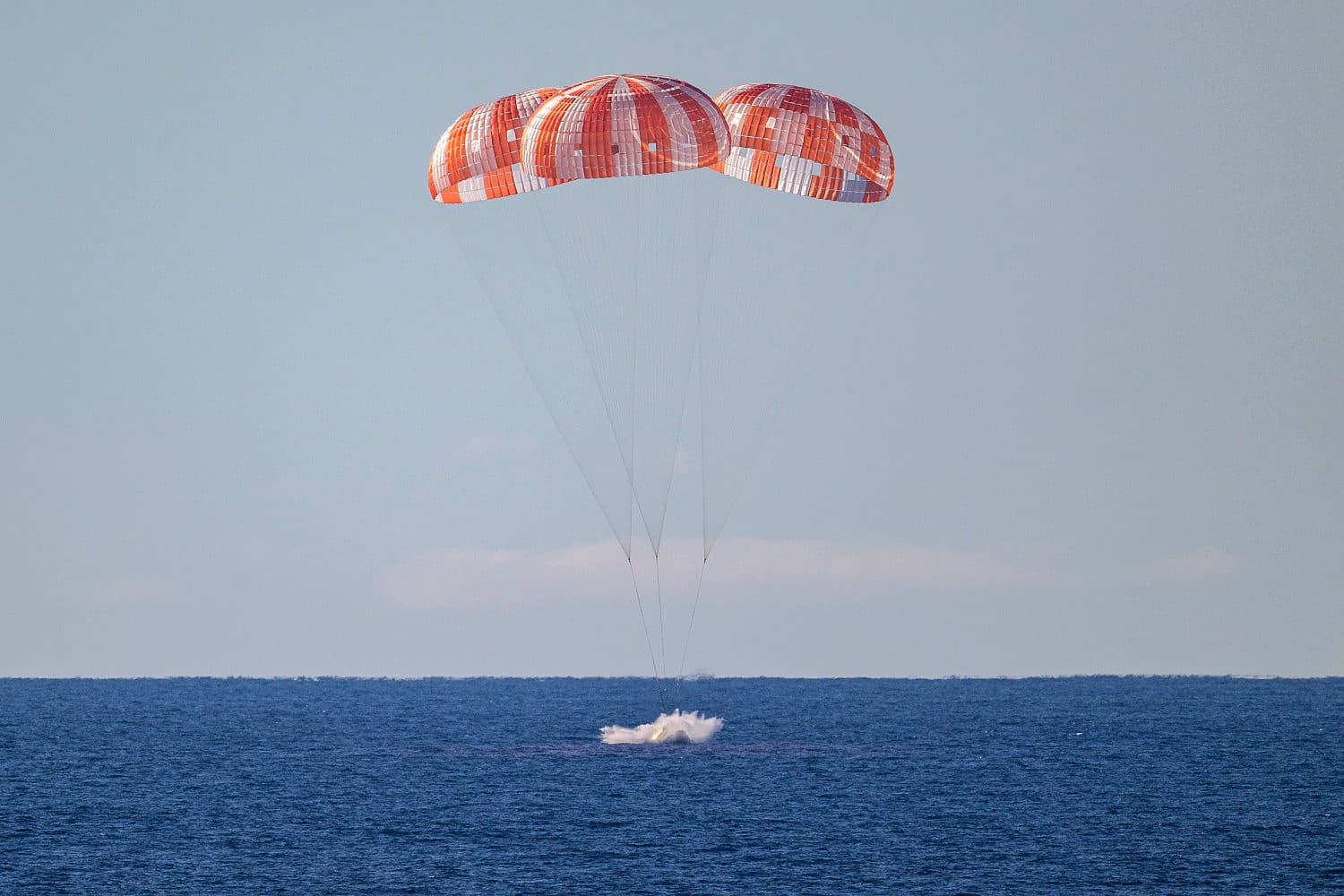
- Politics· World
UK Urges Lebanon's Inclusion in US-Iran Ceasefire Amid Israeli Strikes
On April 9, 2026, UK Foreign Secretary Yvette Cooper called for Lebanon's inclusion in the US-Iran ceasefire agreement following deadly Israeli strikes that killed at least 254 people. The immediate trigger for this demand was the escalation of Israeli military actions in Lebanon on April 8, which raised concerns about regional stability. Long-term, this could lead to broader diplomatic efforts to stabilize the region and mitigate humanitarian crises exacerbated by ongoing conflicts.
3 sourcesApr 11Moderate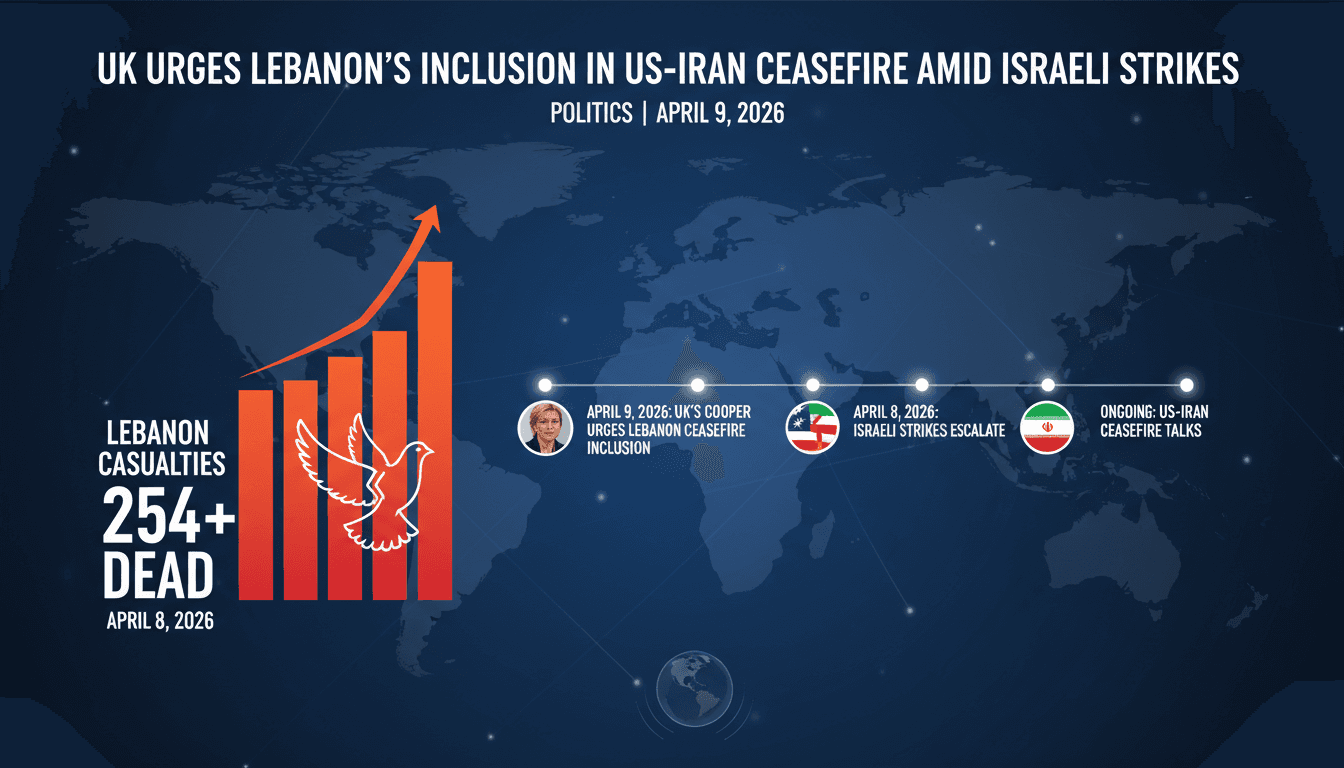
- Politics· World
Trump Demands NATO Commitments for Strait of Hormuz Security
U.S. President Donald Trump has called for NATO allies to provide concrete commitments to ensure freedom of navigation in the Strait of Hormuz following Iranian disruptions. This demand comes after recent U.S.-Israeli military actions against Iran, which have escalated tensions in the region. The long-term implication may involve NATO's increased military involvement in the Middle East, potentially reshaping global oil supply security dynamics.
4 sourcesApr 11High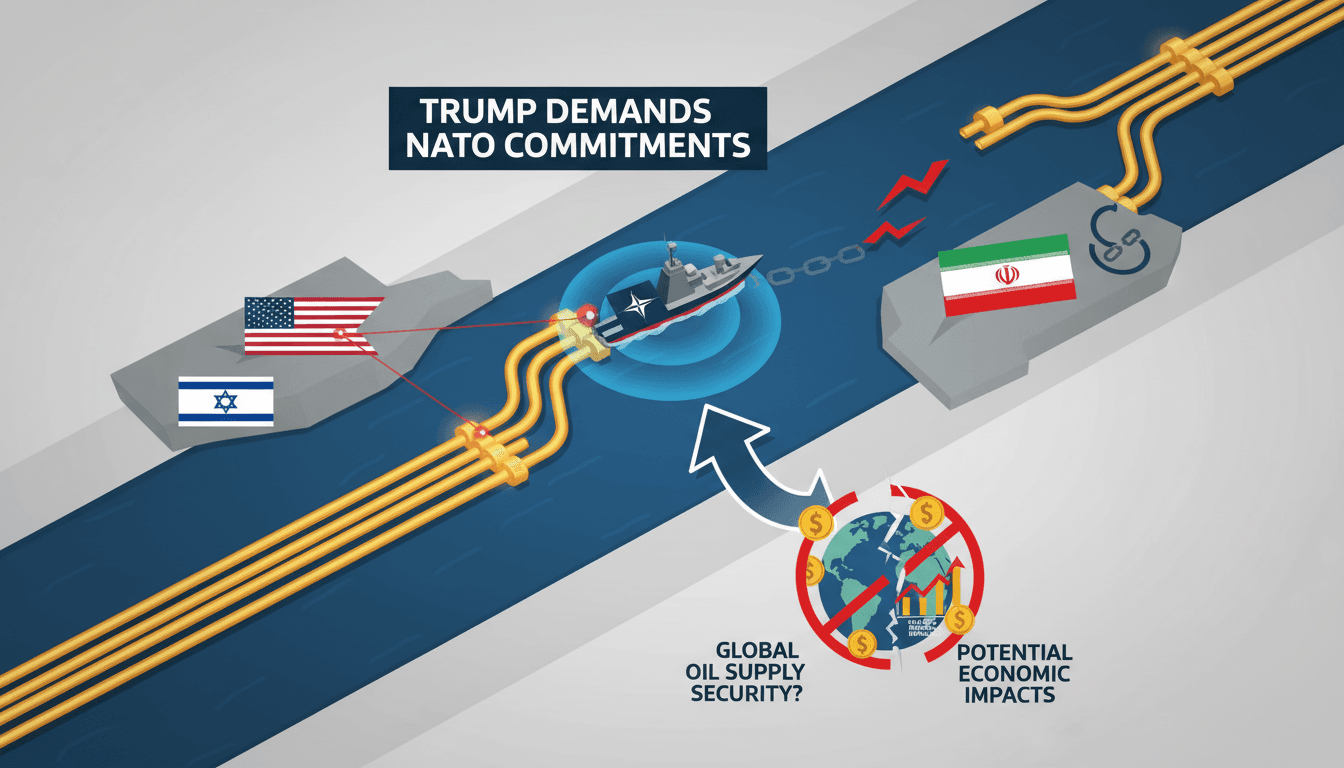
- World· MENA
Drone and missile strikes disrupt Saudi Arabian energy infrastructure
On April 8, 2026, coordinated drone and missile attacks targeted Saudi Arabian energy sites, resulting in the death of one security worker and a significant reduction in oil production capacity. The attacks were triggered by the recent U.S.-Iran ceasefire announcement amidst the ongoing Middle East conflict, with Iran being attributed as the likely perpetrator. This escalation is expected to heighten global energy security risks and volatility in oil markets, particularly given the critical role of the East-West pipeline in Saudi Arabia's crude exports.
3 sourcesApr 11Low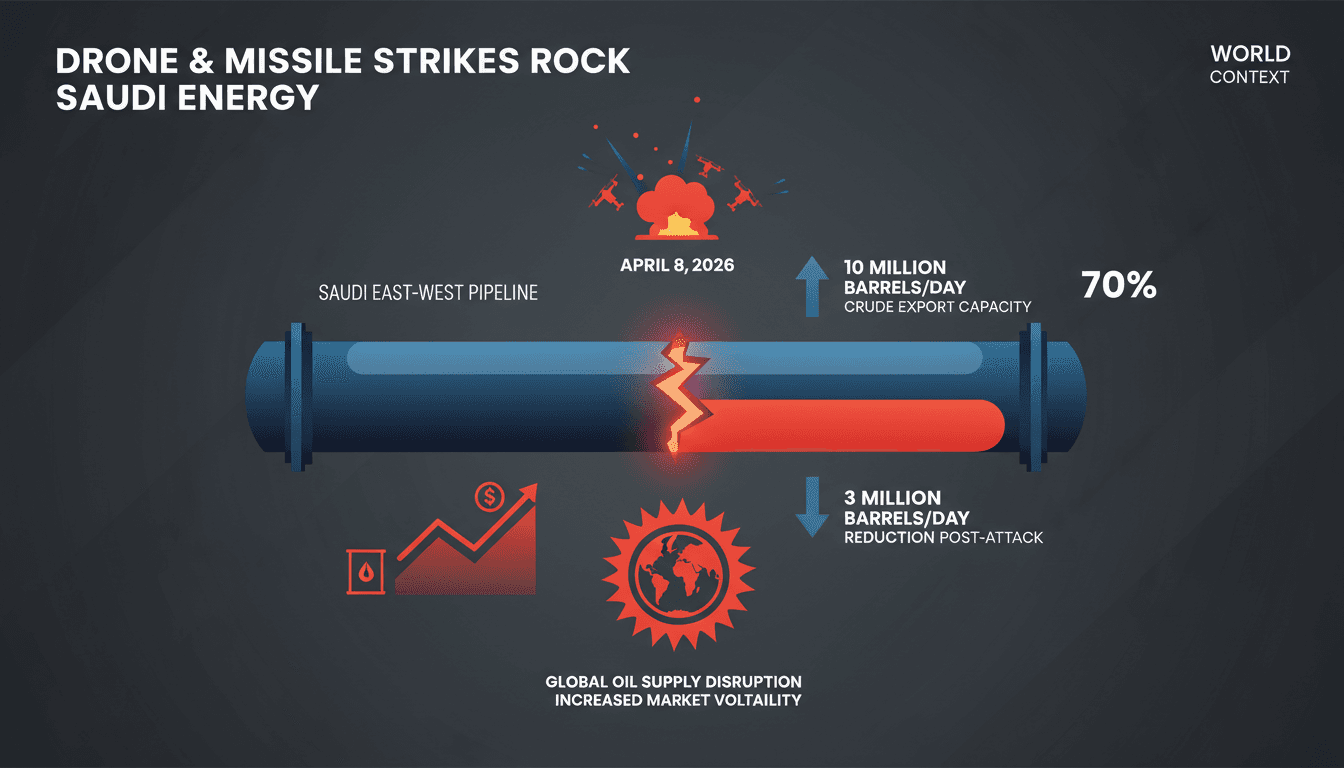
- Politics· UAE
UAE President and UK Prime Minister Discuss Iranian Aggression in Abu Dhabi
On April 9, 2026, UAE President Sheikh Mohamed bin Zayed Al Nahyan met UK Prime Minister Keir Starmer in Abu Dhabi to address Iranian attacks on Gulf civilian infrastructure. The meeting was triggered by a recent escalation in Iranian missile and drone strikes against the UAE and other Gulf states since February 28, 2026. This diplomatic engagement signals a strengthening of UAE-UK ties and a coordinated response to regional security threats, likely leading to increased military cooperation and defense initiatives.
3 sourcesApr 11Low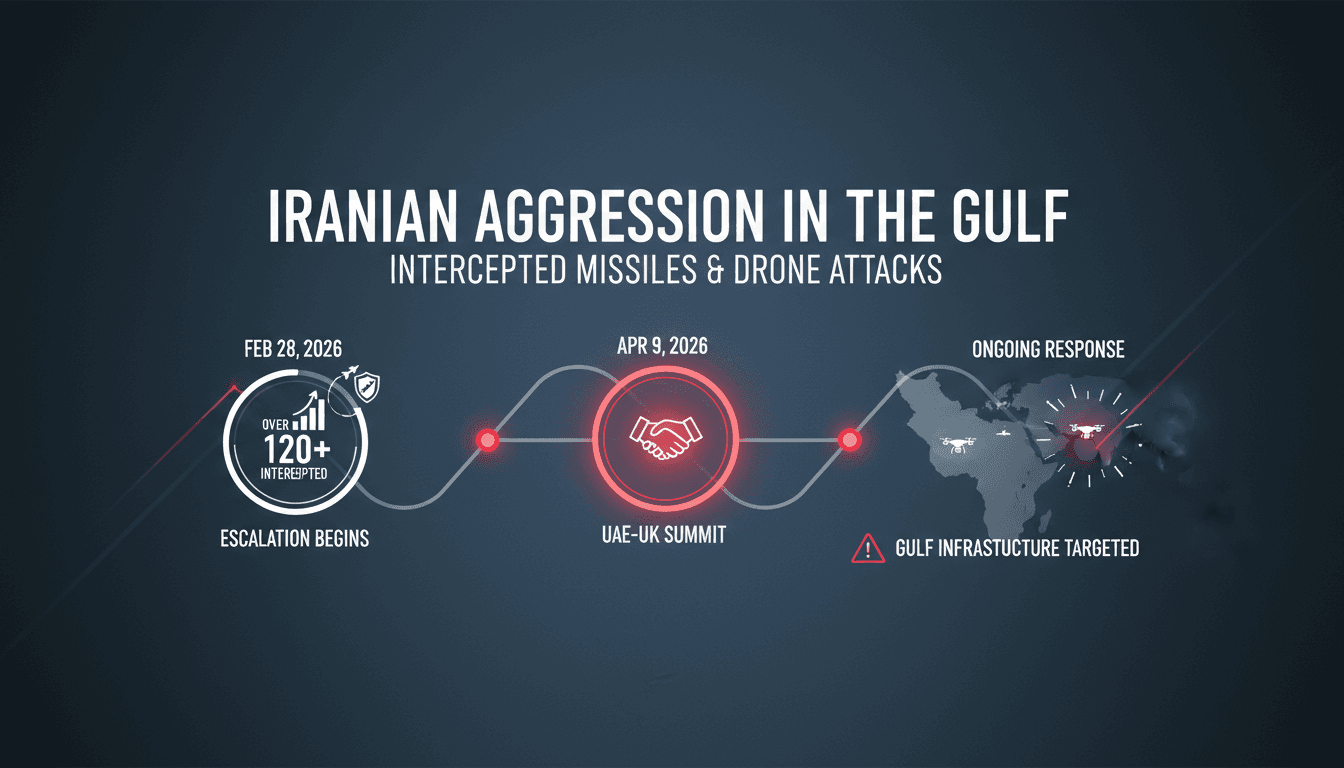
- Politics· MENA
Bahrain Defence Force Intercepts 194 Missiles and 515 Drones Amid Iranian Aggression
On April 10, 2026, the Bahrain Defence Force reported the interception of 194 missiles and 515 drones launched by Iran since February 28, 2026. This surge in aerial attacks is a direct response to U.S. and Israeli military actions against Iran, escalating regional tensions. The ongoing conflict is likely to prompt further military cooperation among Gulf Cooperation Council states and increased U.S. military presence in the region.
3 sourcesApr 11Low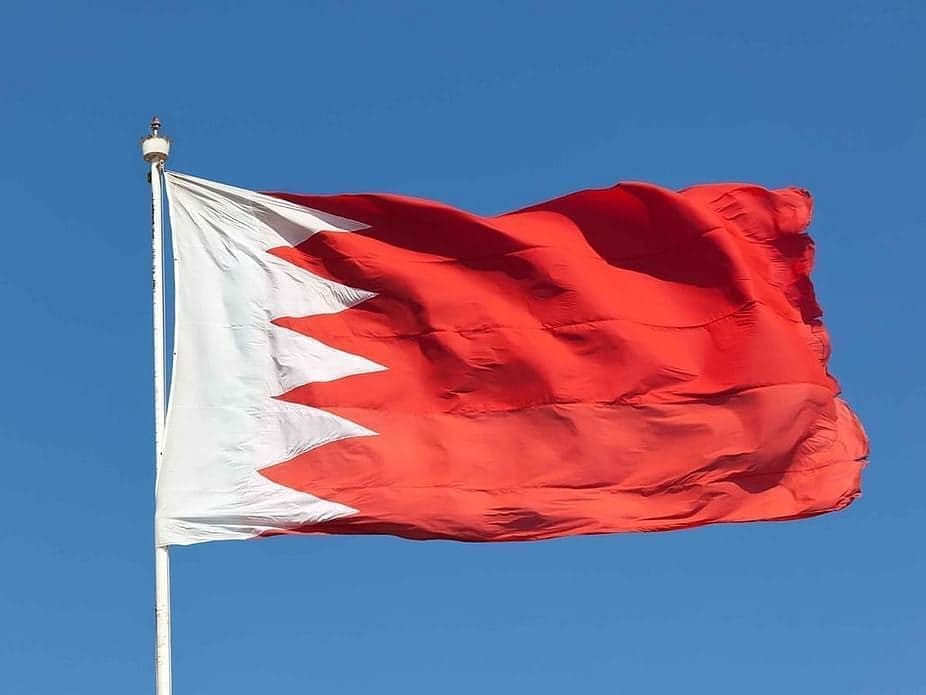
- Politics· MENA
Pakistan Introduces Visa-on-Arrival for US and Iranian Delegates at Ceasefire Talks
Pakistan has implemented a visa-on-arrival policy for US and Iranian journalists and delegates attending ceasefire negotiations in Islamabad. This decision comes as a direct response to the recent escalation of hostilities between the US and Iran, which necessitated diplomatic intervention. The long-term implication of this move positions Pakistan as a key mediator in regional conflicts, potentially enhancing its diplomatic influence in the Middle East.
3 sourcesApr 11High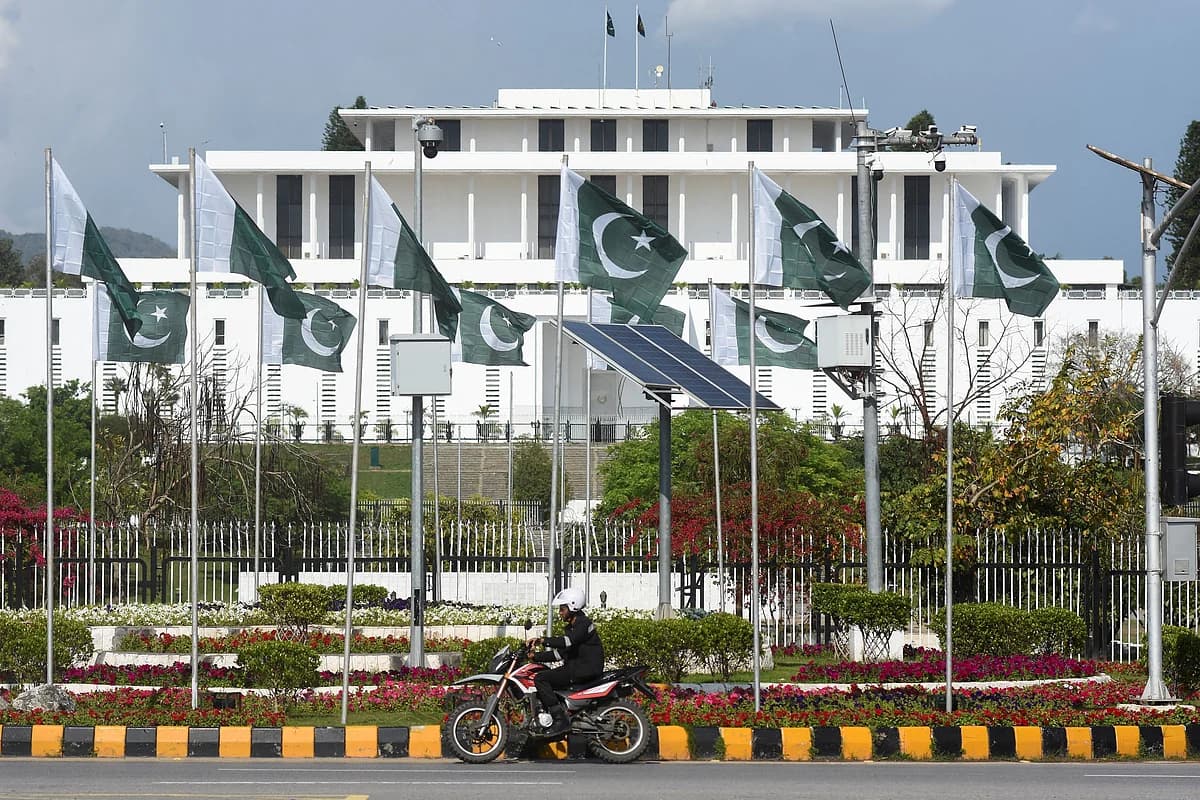
- Politics· UAE
Dubai Police Collaborate in Global Operation to Dismantle Violent Organized Crime Network
Dubai Police played a crucial role in the dismantling of the Lyons Clan, a notorious transnational crime group, through Operation Armorum. This operation was triggered by an Interpol Red Notice that led to the arrest of a key member at Dubai International Airport, highlighting the effectiveness of international law enforcement collaboration. The long-term implication is a strengthened commitment from the UAE to combat organized crime, enhancing its reputation as a secure global hub.
3 sourcesApr 11Low
- World· MENA
Saudi Arabia Halts Operations at Key Energy Facilities After Attacks
Saudi Arabia has suspended operations at multiple energy facilities following targeted attacks that resulted in significant production losses and casualties. The immediate trigger for this suspension is the recent escalation of regional tensions, particularly involving Iran, which has been attributed to prior strikes on Gulf energy sites. In the long term, this disruption is likely to lead to increased volatility in global oil markets and heightened security measures across the region.
4 sourcesApr 11High
- Politics· UAE
UAE to Review Regional and International Relations Following Ceasefire After Iran Attacks
On April 10, 2026, UAE diplomatic adviser Anwar Gargash announced a review of the country's regional and international ties in response to Iranian aggression. This decision follows a ceasefire on April 8, 2026, that ended a 39-day conflict involving the US, Israel, and Iran, triggered by Iran's missile strikes on UAE territory. The long-term implication is a potential shift in UAE's alliances and defense strategies as it seeks to reinforce national resilience and identify reliable partners in a volatile geopolitical landscape.
4 sourcesApr 11High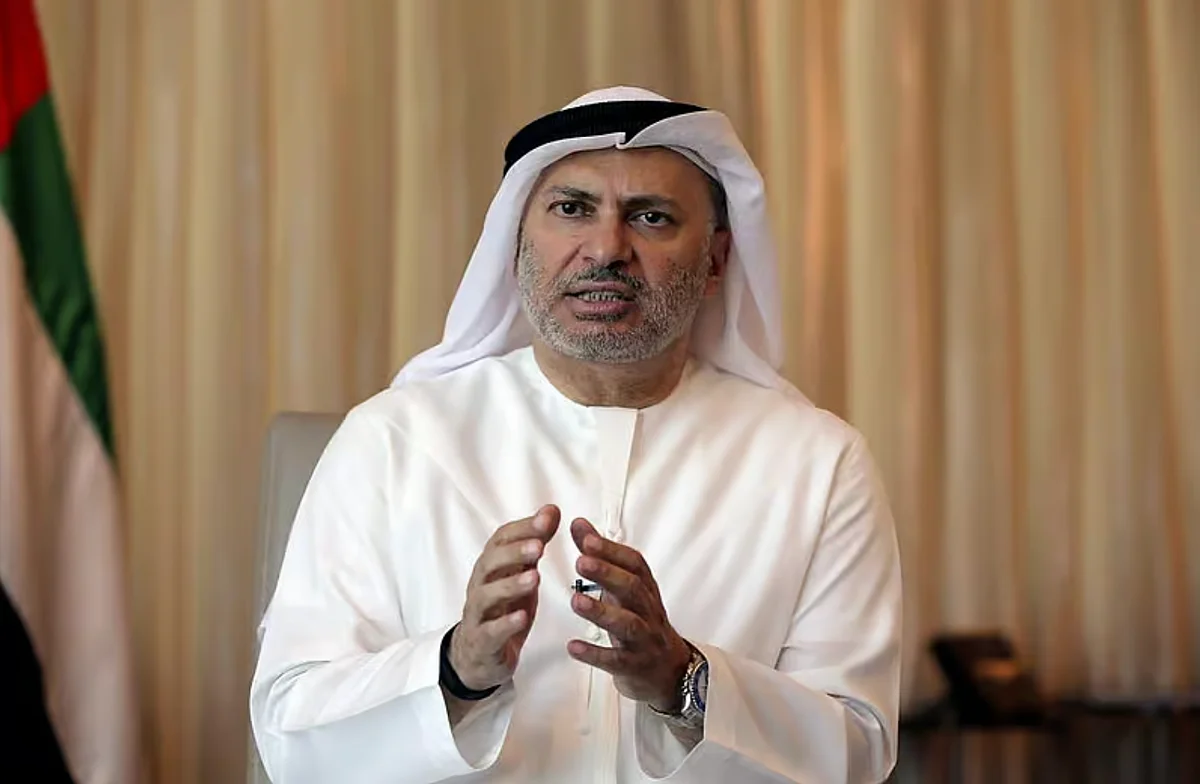
- Politics· MENA
Islamabad Enters Security Lockdown for US-Iran Peace Talks Amid Ongoing Conflict
Islamabad has transformed into a ghost city due to heightened security measures as it prepares to host direct negotiations between the United States and Iran aimed at resolving the ongoing 2026 Iran War. This situation arises from the fragile two-week ceasefire agreement facilitated by Pakistan, which has become a neutral ground for these critical discussions. The long-term implication could see a shift in regional power dynamics and potential stabilization in the Middle East if the negotiations yield successful outcomes.
3 sourcesApr 11High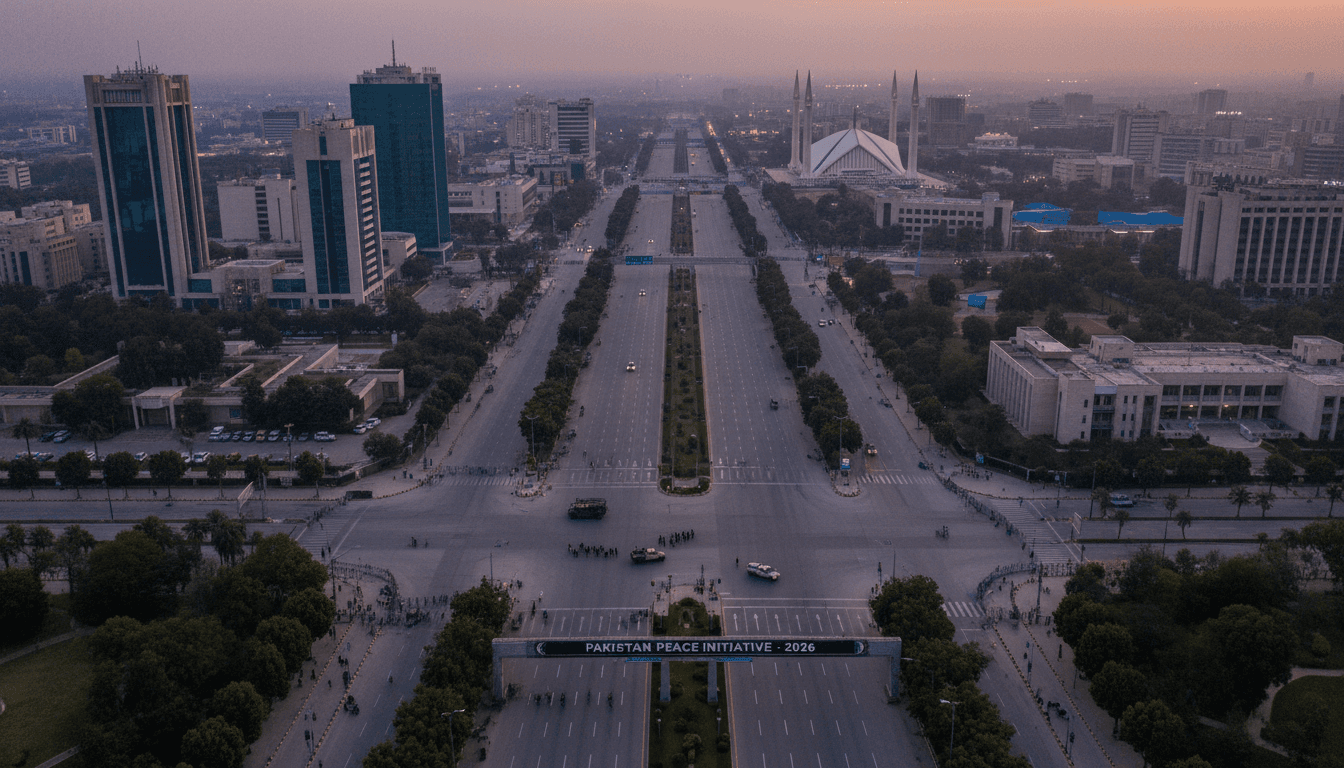
- Politics· MENA
Keir Starmer Calls for Gulf States Inclusion in US-Iran Ceasefire Agreement
On 10 April 2026, British Prime Minister Keir Starmer urged U.S. President Donald Trump to involve Gulf states in an agreement to stabilize the fragile US-Iran ceasefire. This demand follows Starmer's Gulf tour and a recent conversation with Trump, emphasizing the urgent need to reopen the strategically vital Strait of Hormuz for commercial shipping. The long-term implication may involve increased diplomatic engagement from Gulf states in regional security discussions and potential shifts in military strategy.
3 sourcesApr 11Low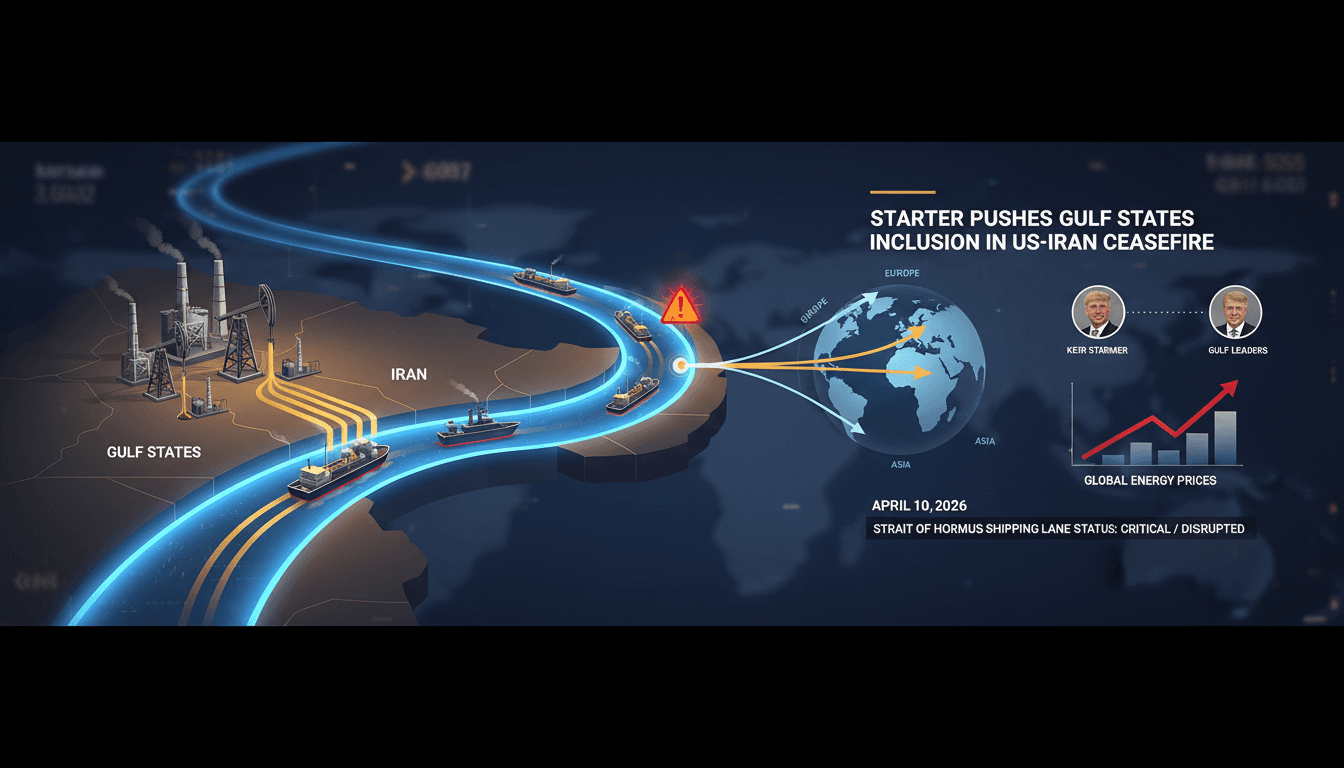
- Politics· World
China and North Korea strengthen diplomatic ties during Wang Yi's visit to Pyongyang
On April 10, 2026, Chinese Foreign Minister Wang Yi met with North Korean leader Kim Jong Un in Pyongyang, pledging to enhance bilateral cooperation and coordination on international issues. This visit marks the first by a Chinese foreign minister since 2019 and follows the resumption of transport links post-COVID-19, reflecting a strategic response to North Korea's growing ties with Russia and U.S. diplomatic efforts. The long-term implication may see a consolidation of the China-North Korea alliance, potentially impacting regional stability and U.S. diplomatic strategies in East Asia.
3 sourcesApr 11High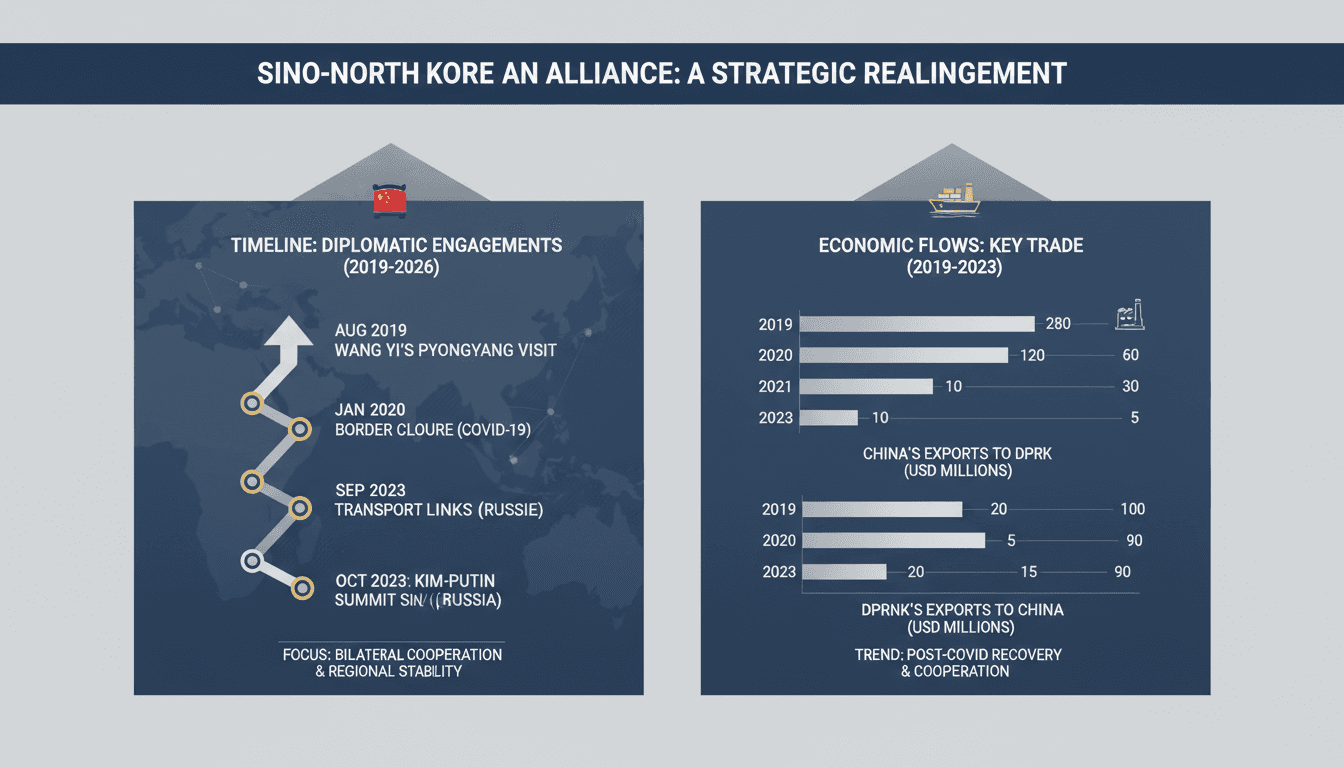
- World· MENA
Lebanon Faces Acute Food Insecurity Crisis Amid Iran-Israel-Hezbollah Conflict
Lebanon is experiencing a severe food insecurity crisis as of April 2026, exacerbated by ongoing conflicts involving Iran, Israel, and Hezbollah. The immediate trigger for this crisis is the disruption of supply chains due to the Iran war and intensified hostilities, which have displaced over 1 million people and rendered 80% of southern markets non-functional. Long-term implications include a potential humanitarian disaster without sustained international aid and further economic deterioration in Lebanon.
4 sourcesApr 11Low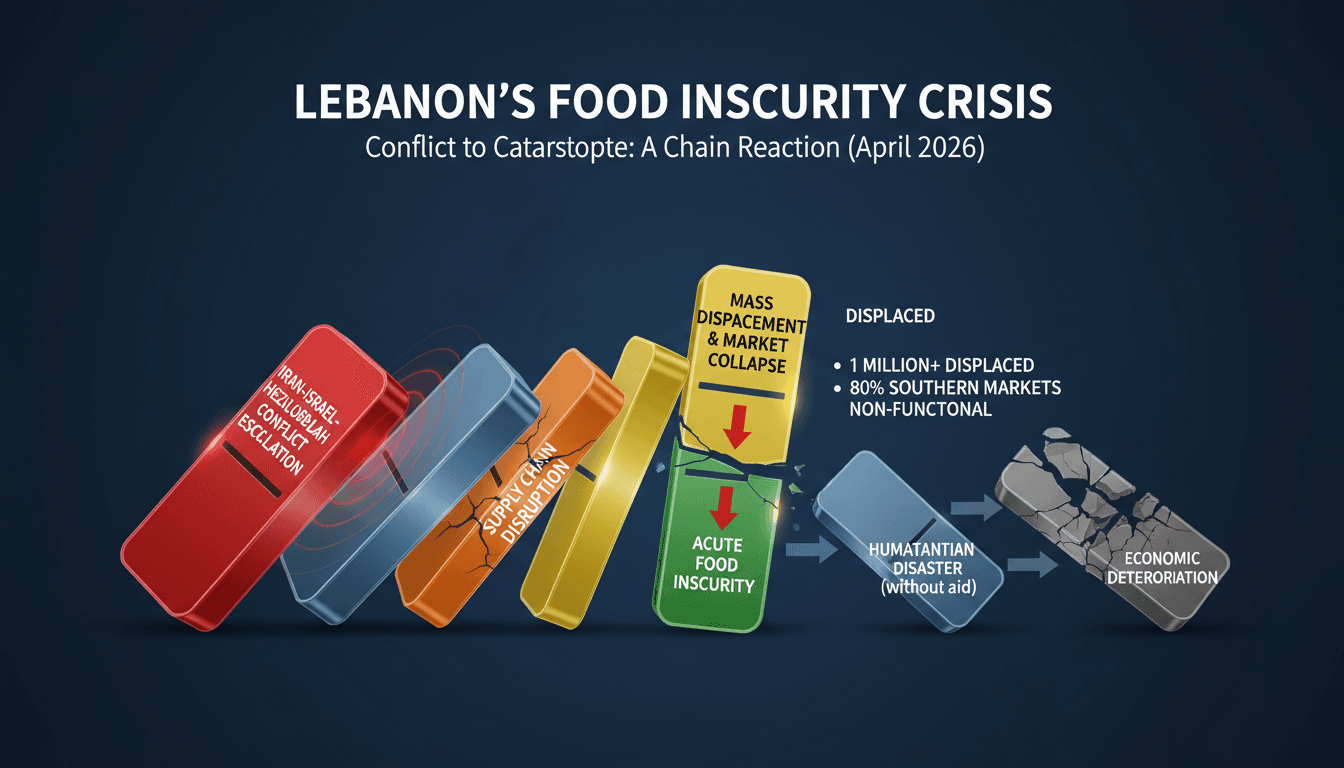
- Politics· MENA
Lebanon and Israel to Engage in Direct Talks in Washington Amid Ongoing Conflict
Lebanese and Israeli representatives are set to hold direct negotiations on April 15, 2026, in Washington, D.C., to address the Hezbollah conflict and seek a ceasefire. The talks were prompted by recent deadly Israeli airstrikes in Lebanon that resulted in over 350 casualties, escalating tensions following Hezbollah's missile attacks amid a broader U.S.-Israeli conflict with Iran. Long-term, these discussions may face significant challenges due to Lebanon's weakened state and Hezbollah's opposition, potentially limiting prospects for peace and stability in the region.
3 sourcesApr 11Moderate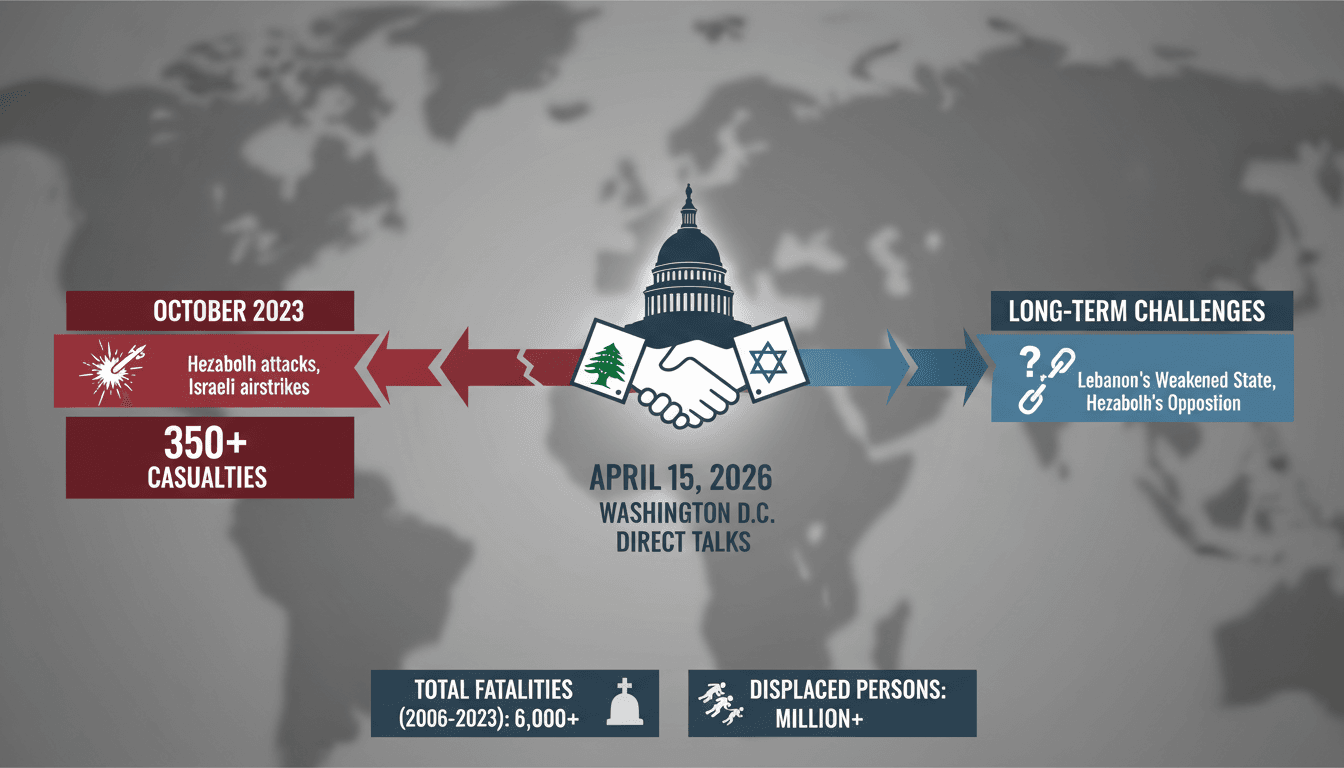
- Politics· MENA
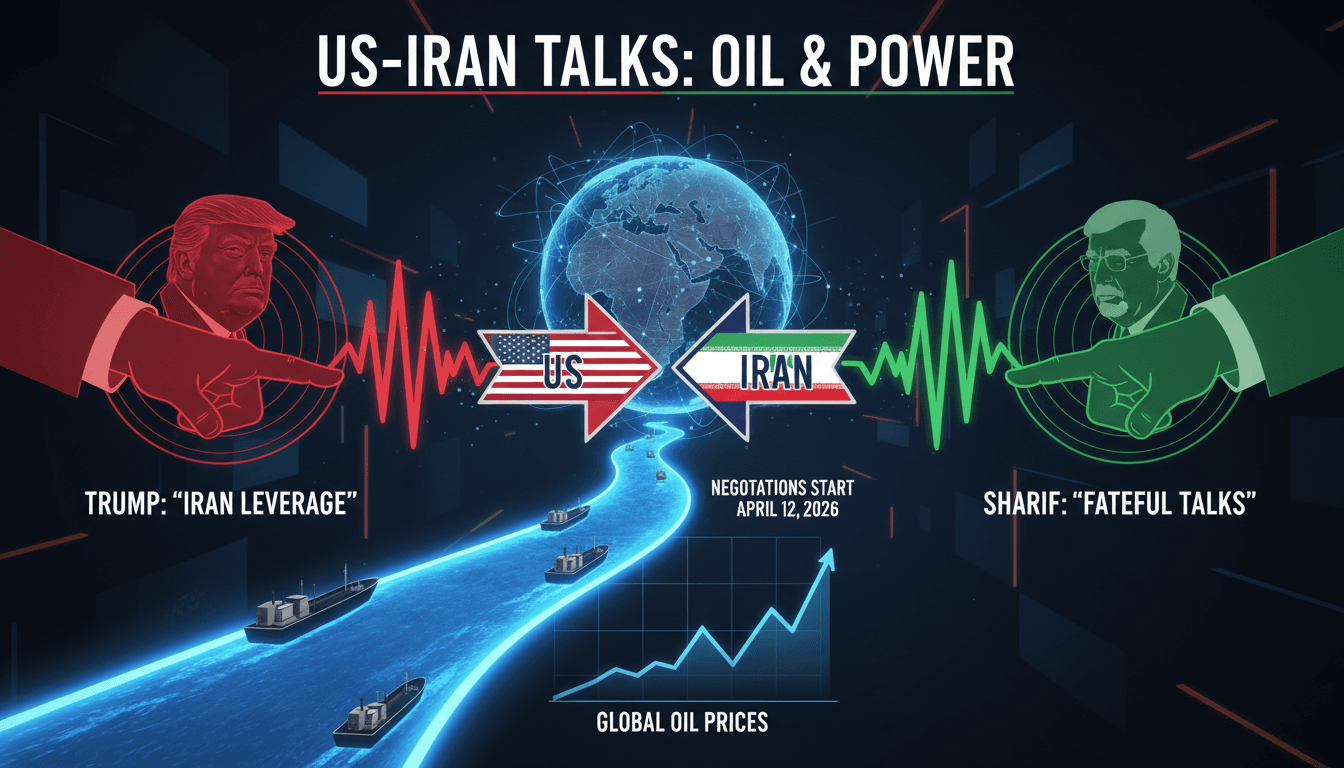
Trump and Sharif Address US-Iran Talks Amid Escalating Tensions
On April 10, 2026, President Donald Trump criticized Iran's leverage over international waterways while Pakistan's Prime Minister Shehbaz Sharif labeled the upcoming US-Iran negotiations as 'fateful'. This situation arises from heightened US-Iran hostilities following failed nuclear talks and military interventions, leading to a fragile ceasefire and diplomatic efforts in Islamabad. The long-term implication may involve a pivotal shift in regional power dynamics and energy security, depending on the outcomes of the negotiations set to begin on April 12, 2026.
3 sourcesApr 11High