Bio
Andre is co-founder at A47 News. He is responsible for editorial standards and news curation, and shares commentary on AI, general technology, and global politics.
Editorial Responsibility
As Editor, I am responsible for all editorial standards, news sourcing, research, and content production.
Previous experience · 15+ years
- · Co-founder at Tiki
- · Operations Director at Rocket Internet
Education
BA Economics, University of Waikato
Areas of expertise
Categories overseen
Stories from Andre Teow’s desk
15445 stories- Tech· World
Artemis II Crew Highlights Mission's Inspirational Impact on Future Generations
The Artemis II crew conducted a video interview on Flight Day Nine, reflecting on their mission's role in inspiring youth and promoting global unity. This moment is significant as the crew prepares for splashdown after a successful lunar flyby, emphasizing the importance of international collaboration in space exploration. The long-term implication is a strengthened commitment to global partnerships in space initiatives, potentially influencing future missions and educational outreach efforts worldwide.
3 sourcesApr 10Moderate
- Politics· World
US to Facilitate Israel-Lebanon Ceasefire Negotiations Amid Escalating Violence
The United States has announced it will host ceasefire talks between Israel and Lebanon next week in Washington, D.C. This decision comes in response to a surge in Israeli airstrikes in southern Lebanon, which have resulted in significant civilian casualties and threaten the fragile US-Iran ceasefire established on April 8. The long-term implication is a potential escalation of regional tensions if the ceasefire discussions fail to address the involvement of Hezbollah and Iran in the conflict.
4 sourcesApr 10Moderate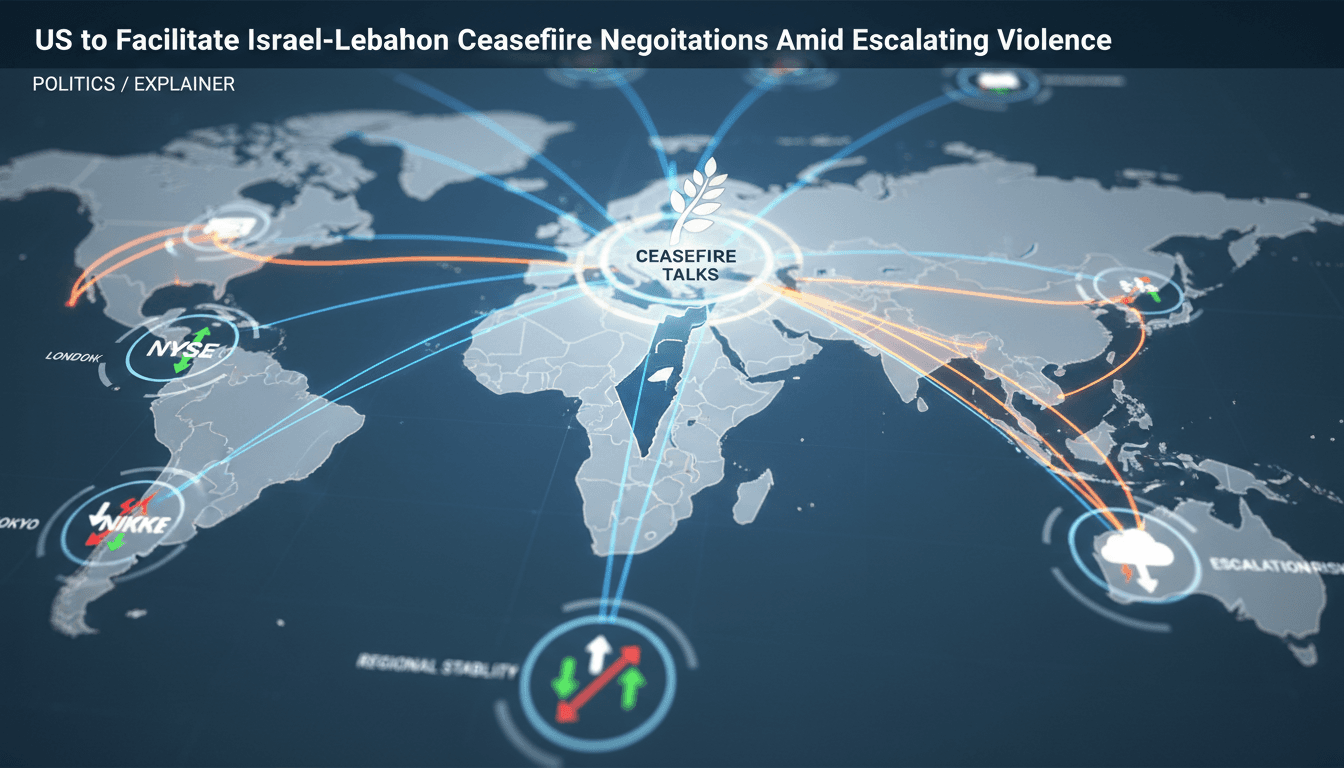
- Politics· MENA
Israel Launches Airstrikes on Hezbollah in Lebanon Amid US-Iran Ceasefire Announcement
On April 8, 2026, Israel conducted extensive airstrikes on Hezbollah targets in Lebanon, resulting in over 300 casualties. This escalation follows a US-brokered ceasefire with Iran, which Israel claims does not apply to its operations against Hezbollah. The ongoing conflict raises concerns about further regional instability and potential international diplomatic fallout.
3 sourcesApr 10High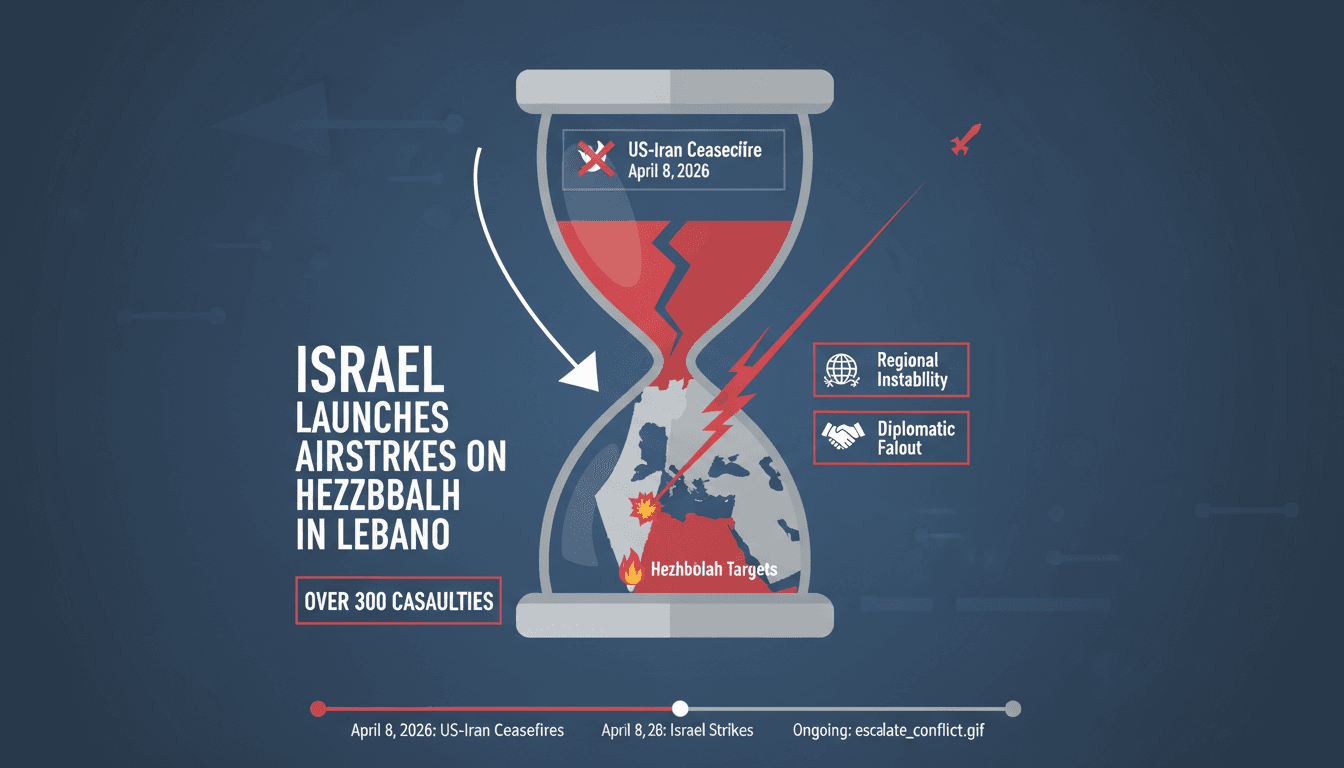
- Politics· World
U.S. Court Orders Pentagon to Reinstate New York Times Reporters' Press Credentials
On April 9, 2026, U.S. District Judge Paul Friedman ordered the Pentagon to restore press credentials to New York Times reporters after determining the Department of Defense violated a prior court ruling. This ruling follows the Pentagon's implementation of a restrictive media policy that limited journalists' access and reporting methods, prompting the lawsuit from the New York Times. The long-term implication may involve increased scrutiny of government policies affecting press freedom and potential challenges to similar restrictions in the future.
4 sourcesApr 10Moderate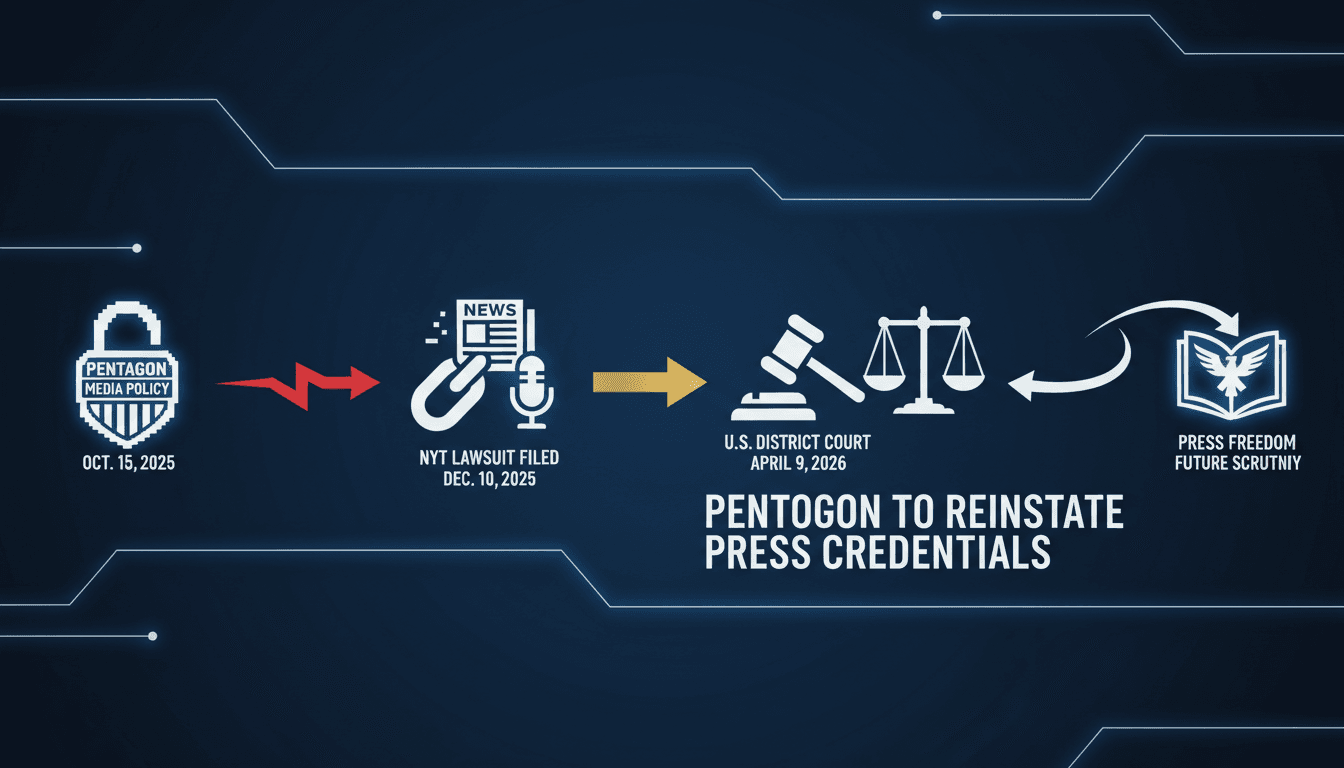
- Politics· MENA
Saudi Arabia Intercepts Multiple Ballistic Missiles and Drones Amid Regional Tensions
On April 8, 2026, Saudi Arabian air defenses intercepted and destroyed five ballistic missiles and nine drones targeting the Eastern Province. This escalation follows a series of Iranian missile and drone attacks on Gulf states, coinciding with a fragile U.S.-Iran ceasefire. The long-term implication may involve increased military readiness and potential shifts in regional alliances as Saudi Arabia continues to counter Iranian aggression.
3 sourcesApr 10High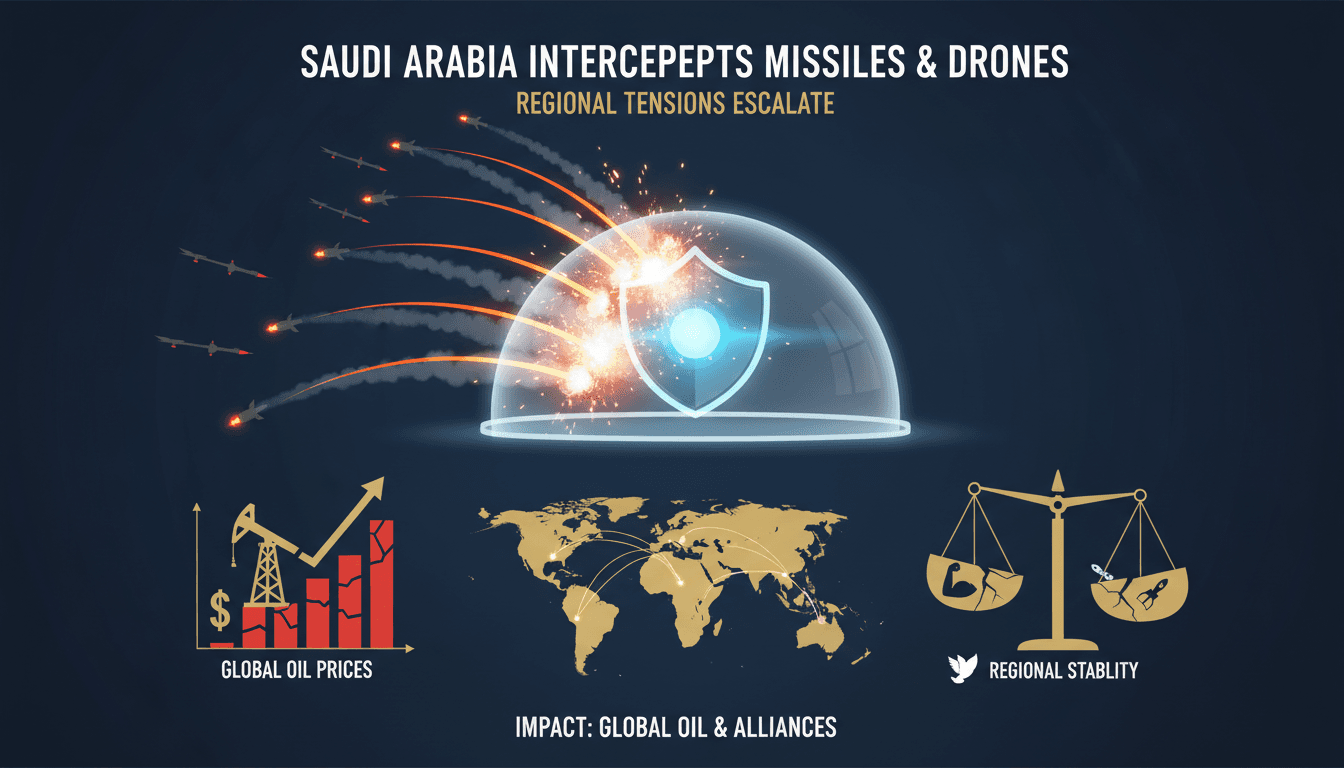
- Politics· MENA
Trump Orders U.S. Military to Stay Near Iran Until Ceasefire Compliance
U.S. President Donald Trump announced that military assets will remain in and around Iran until full compliance with a ceasefire agreement. This decision follows a fragile two-week ceasefire brokered by Pakistan after six weeks of escalating hostilities between the U.S. and Iran. The long-term implication is a heightened military presence in the region, potentially leading to further tensions and impacting global oil markets.
4 sourcesApr 10Moderate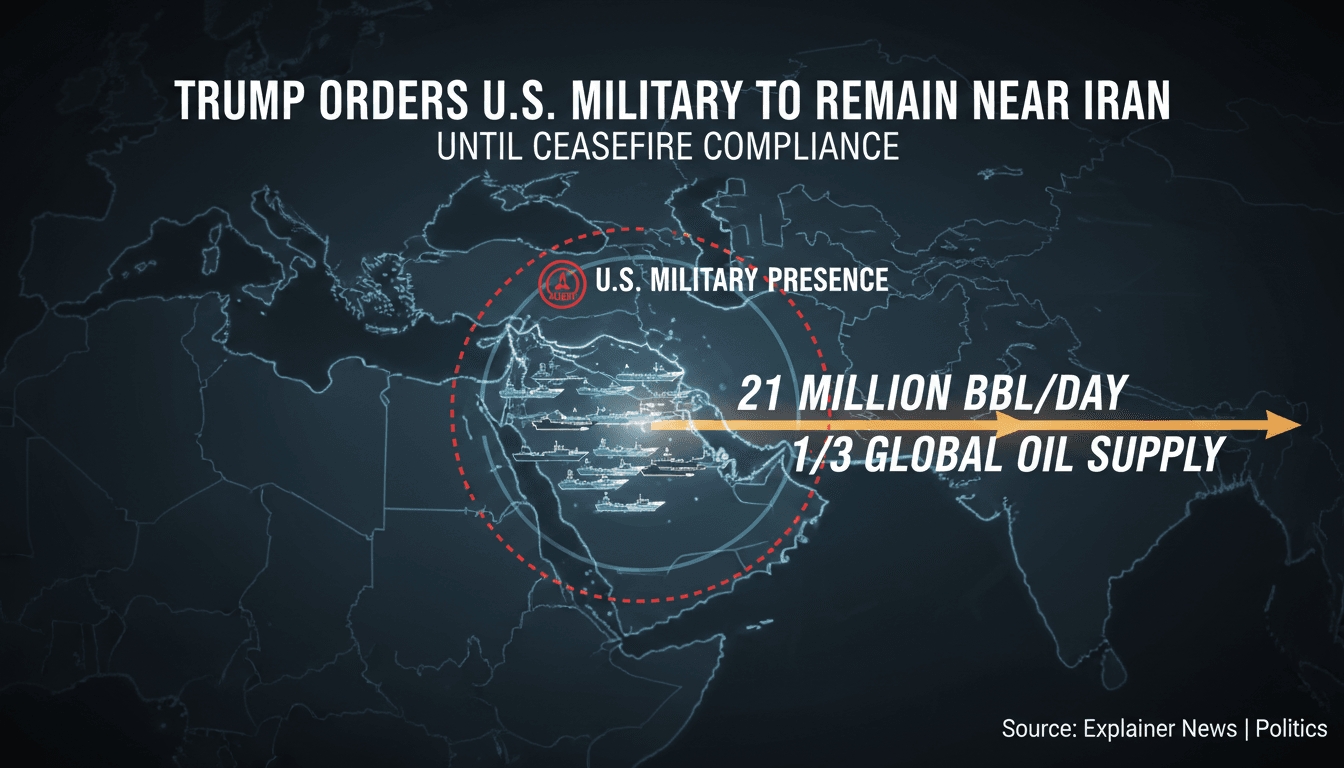
- Politics· World
US-Iran Negotiations Begin in Islamabad Amid Lebanon Ceasefire Dispute
US-Iran negotiations commenced in Islamabad, Pakistan, on April 10, 2026, amid ongoing military tensions and a disagreement over the inclusion of Lebanon in a ceasefire agreement. The immediate trigger for these talks is a two-week suspension of military strikes against Iran, mediated by Pakistan, which has led to heightened diplomatic efforts. The long-term implication of these negotiations could reshape regional dynamics and influence future US-Iran relations, particularly concerning Israel's military actions in Lebanon.
3 sourcesApr 10High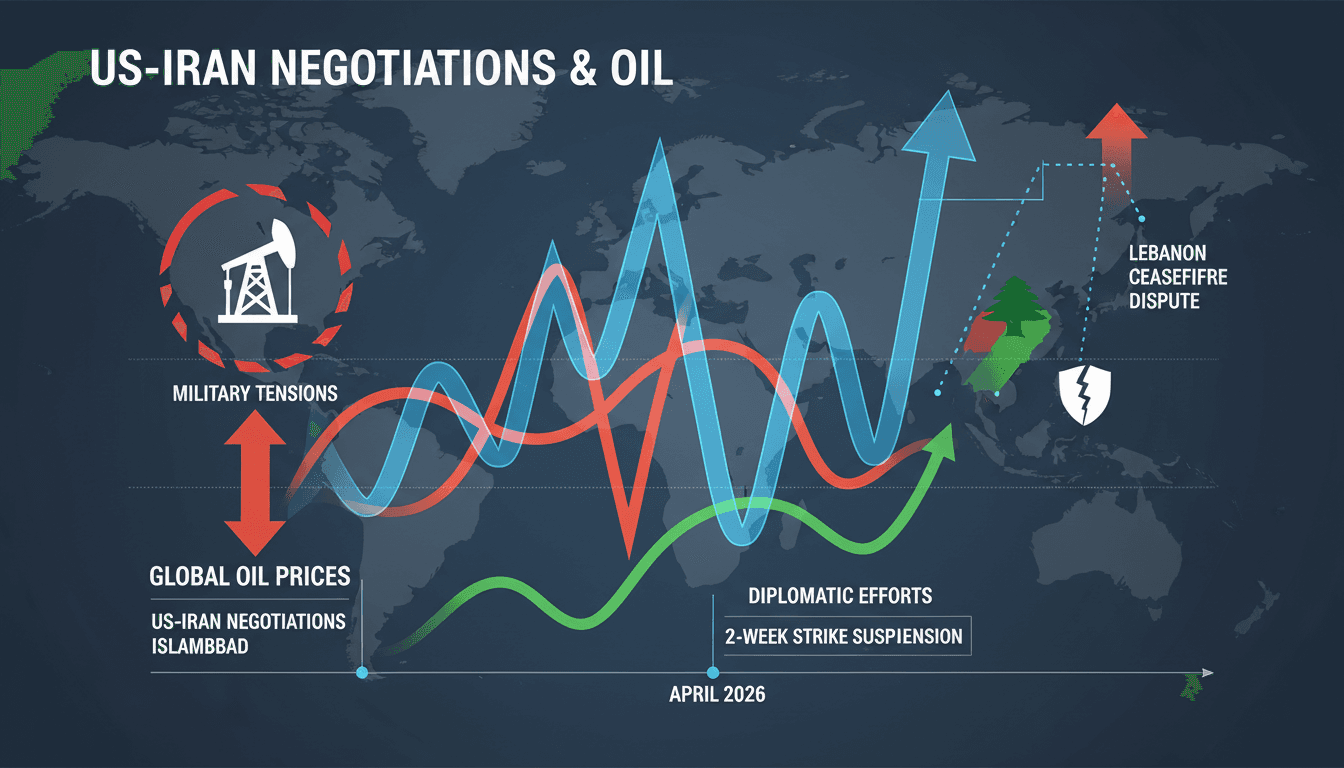
- Politics· MENA
Netanyahu Initiates Direct Talks with Lebanon on Hezbollah Disarmament
Israeli Prime Minister Benjamin Netanyahu has authorized his cabinet to begin direct negotiations with Lebanon focused on disarming Hezbollah. This decision follows a series of deadly Israeli airstrikes in Lebanon that killed over 300 people, occurring amidst a fragile U.S.-Iran ceasefire. The long-term implication may involve a shift in regional security dynamics and potential peace arrangements between Israel and Lebanon, despite ongoing military actions.
5 sourcesApr 10High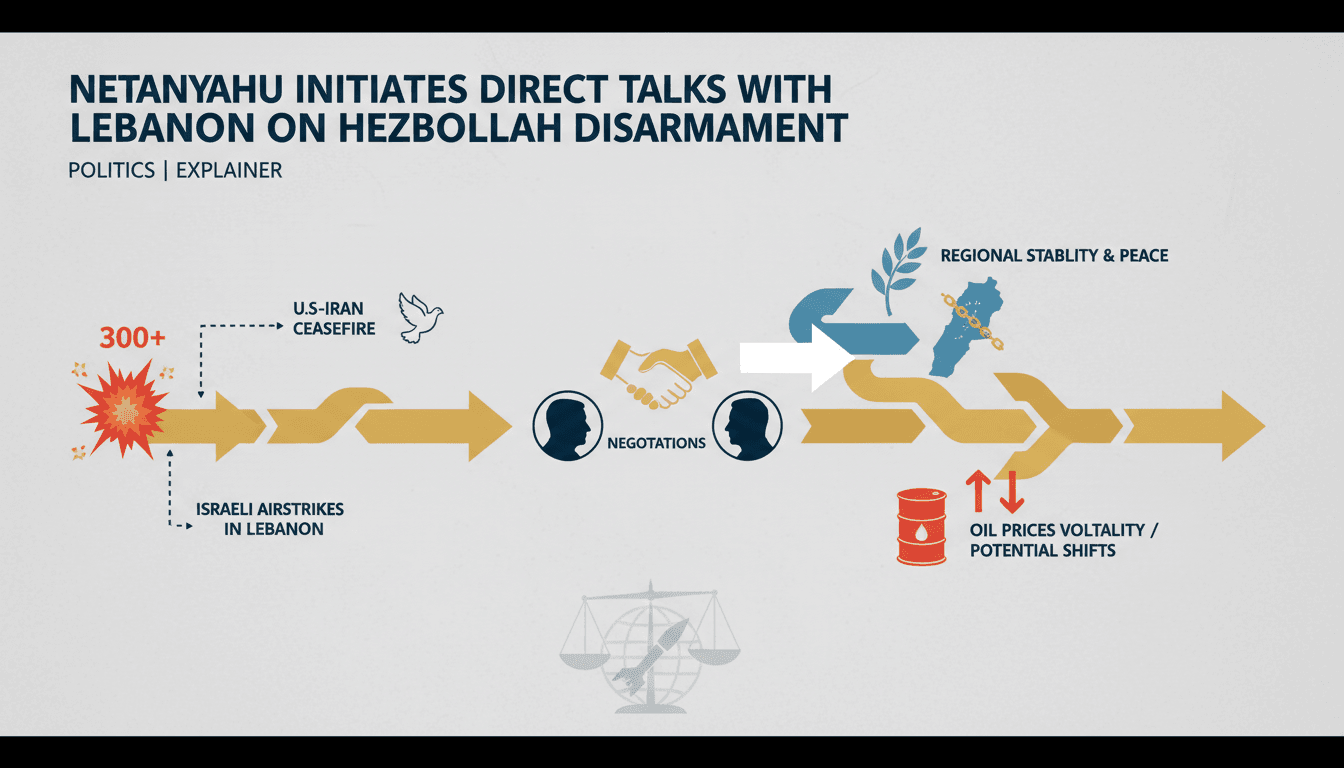
- Politics· World
Netanyahu Affirms Iran Ceasefire as Step Towards Israel's Strategic Goals
Israeli Prime Minister Benjamin Netanyahu announced that the recent ceasefire with Iran is a temporary measure rather than a final resolution to the ongoing conflict. This declaration follows a series of intense military exchanges between Israel and Iran, with the ceasefire mediated by the United States amid ongoing hostilities involving Hezbollah in Lebanon. The long-term implication suggests Israel may prepare for renewed military actions to achieve its broader strategic objectives in the region.
3 sourcesApr 10Moderate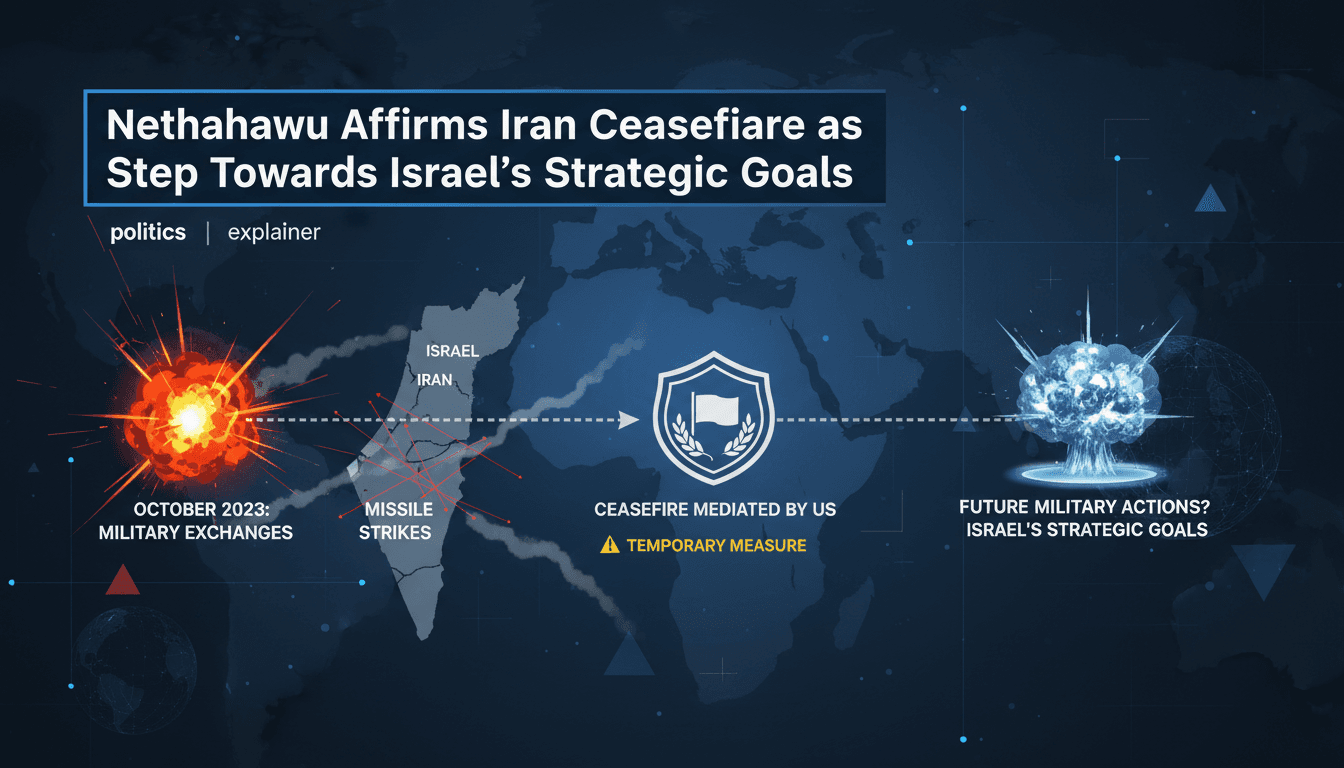
- Politics· UAE
Sheikh Mohammed bin Rashid Al Maktoum Calls for National Flag Raising to Symbolize Unity Post-Crisis
On April 9, 2026, Sheikh Mohammed bin Rashid Al Maktoum directed UAE residents to hoist the national flag as a symbol of unity following a 39-day period of regional tensions due to the US-Iran war. This directive comes after a fragile ceasefire was established, allowing the UAE to emerge more cohesive and secure from external threats. The long-term implication is a strengthened national identity and community solidarity as the UAE navigates its post-crisis recovery and resilience.
3 sourcesApr 10Low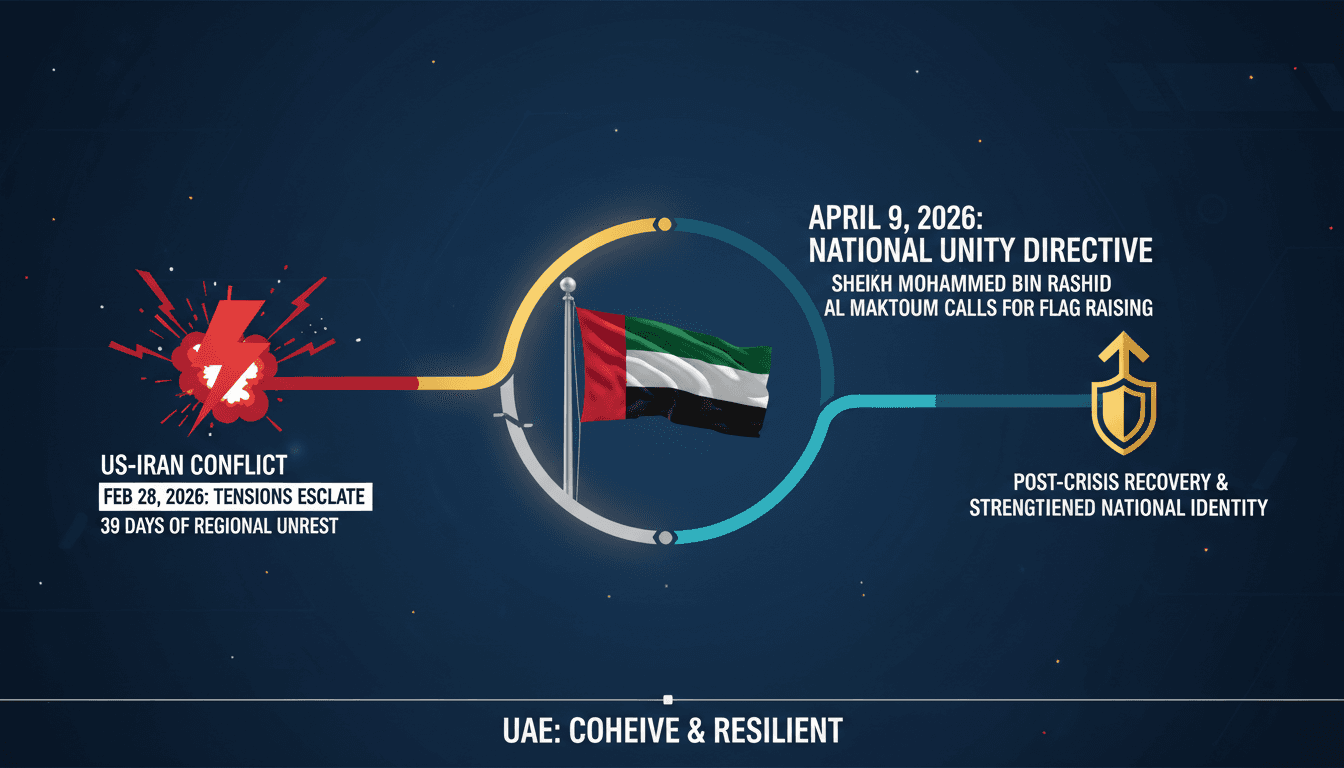
- Politics· MENA
Pakistan Announces Local Holiday in Islamabad for US-Iran Peace Talks
Pakistani authorities have declared a two-day public holiday in Islamabad ahead of high-level US-Iran diplomatic negotiations scheduled for April 10, 2026. This decision follows a Pakistan-mediated ceasefire that was established just a day prior, aimed at facilitating these critical talks. The long-term implication may involve Pakistan solidifying its role as a mediator in regional conflicts, potentially reshaping diplomatic dynamics in the Middle East.
4 sourcesApr 10High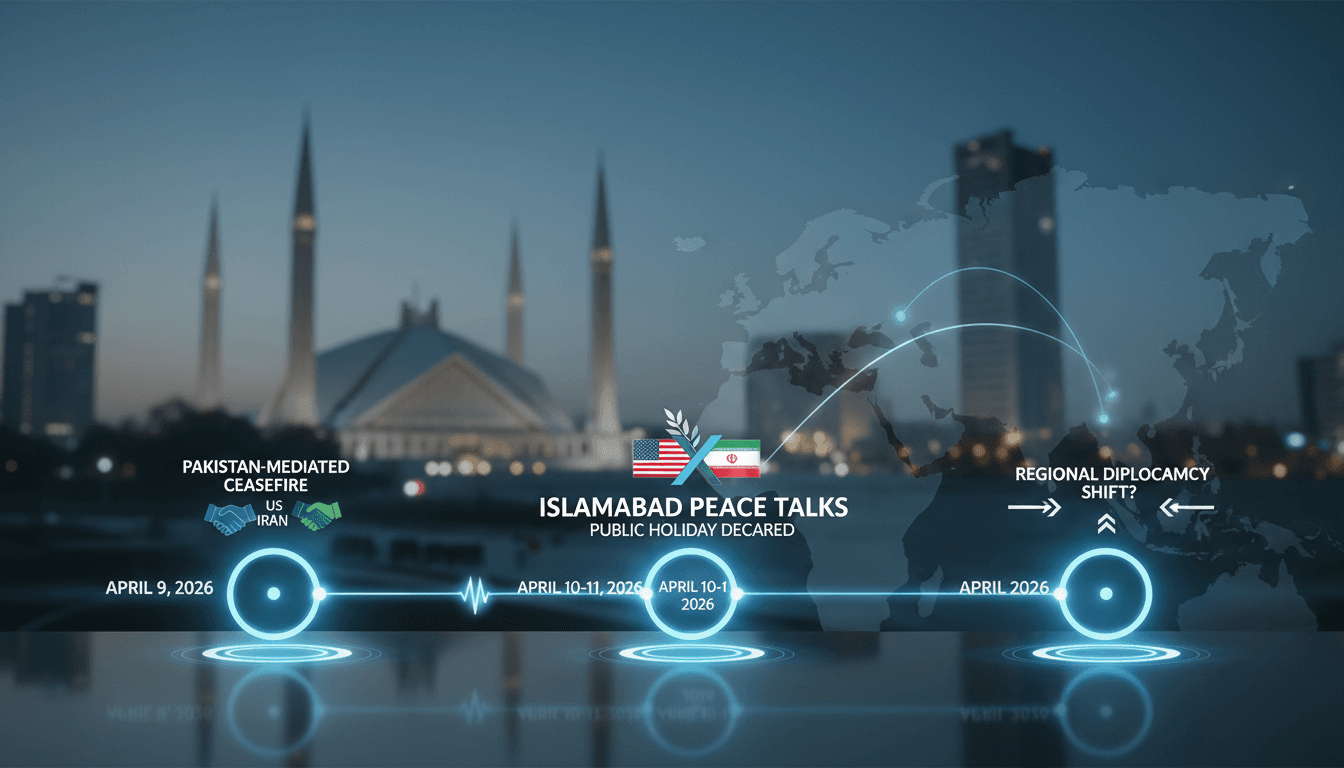
- Politics· MENA
Lebanese Prime Minister Seeks Confirmation of Ceasefire Inclusion for Lebanon Following Israeli Airstrikes
On April 9, 2026, Lebanese Prime Minister Nawaf Salam requested confirmation from Pakistani Prime Minister Shehbaz Sharif that the US-Iran ceasefire includes Lebanon after Israeli airstrikes killed 254 people. This request was triggered by the recent escalation of violence, with Israeli strikes on April 8 raising concerns about the ceasefire's applicability to Lebanon. The long-term implication may involve heightened diplomatic efforts to clarify ceasefire terms and prevent further regional conflict amid ongoing tensions between Israel and Hezbollah.
3 sourcesApr 10High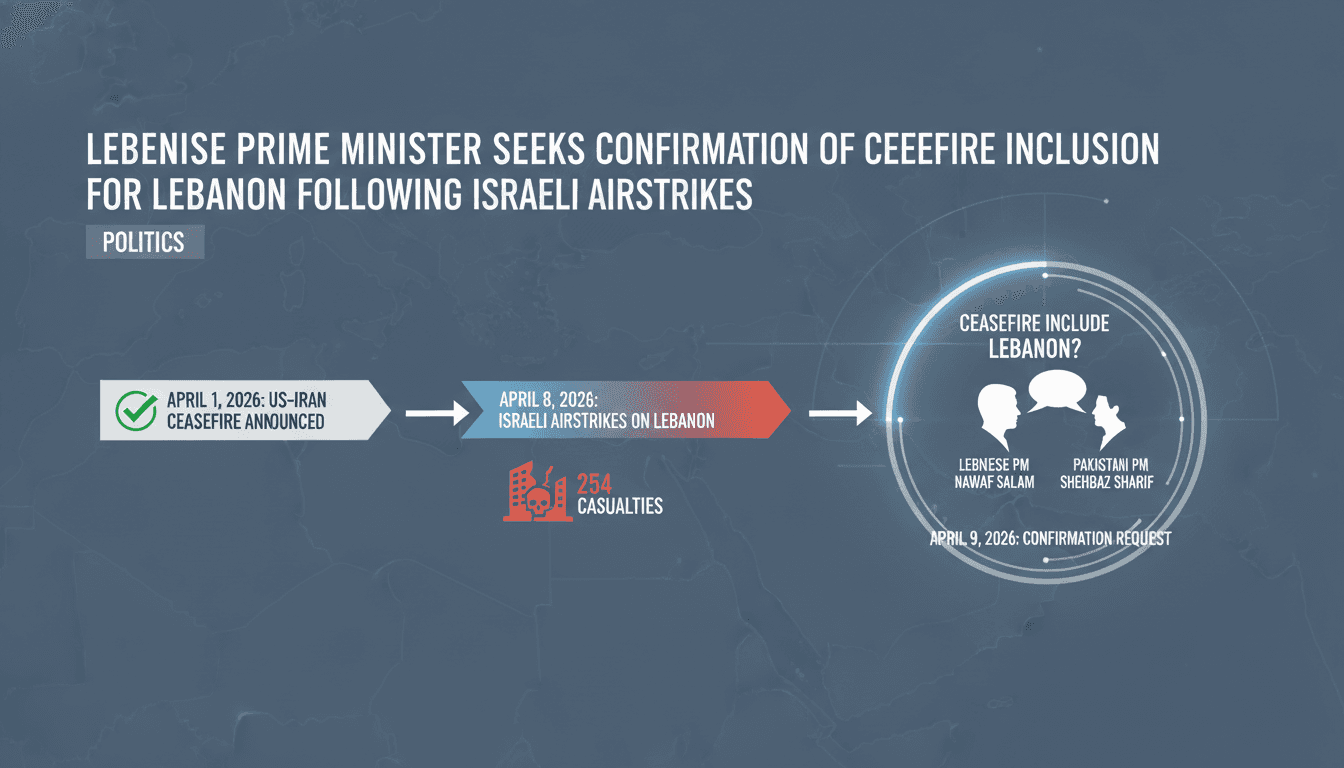
- Politics· MENA
US-Iran Indirect Peace Talks in Pakistan Encounter Major Obstacles
Indirect peace negotiations between the United States and Iran, mediated by Pakistan, have advanced toward formal sessions amid a fragile ceasefire. The talks are currently stalled due to fundamental disagreements over nuclear enrichment, missile programs, and control of the Strait of Hormuz. If unresolved, these issues could prolong regional instability and escalate tensions further in the Middle East.
3 sourcesApr 10High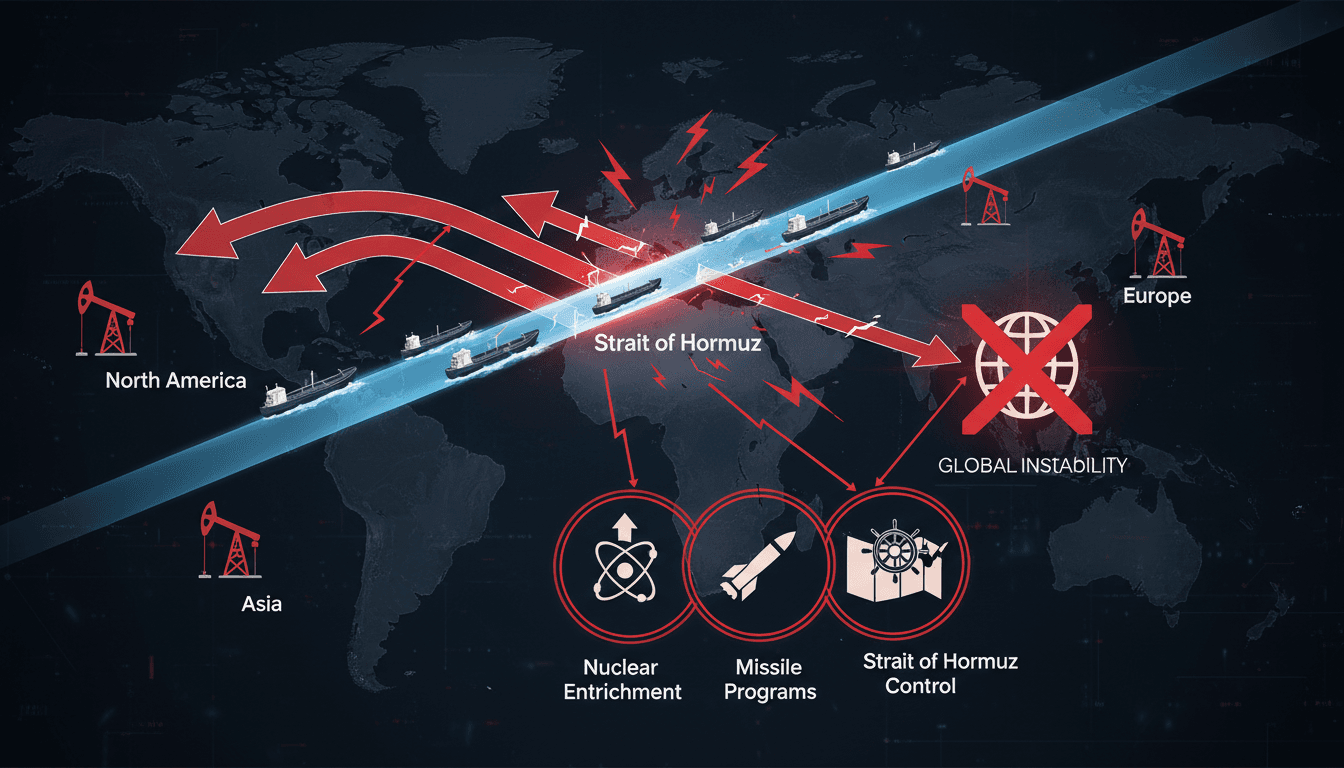
- Politics· MENA
US Summons Iraqi Ambassador After Drone Strikes Targeting Diplomatic Facility in Baghdad
On April 9, 2026, an Iran-aligned Iraqi militia launched multiple drone attacks near a U.S. diplomatic facility in Baghdad. The immediate trigger for this escalation is the ongoing regional tensions involving Iran-backed groups and the Iraqi government's inability to prevent such incidents. In the long term, this incident may lead to increased U.S. pressure on Iraq to address militia threats and further complicate U.S.-Iran relations in the region.
3 sourcesApr 10Low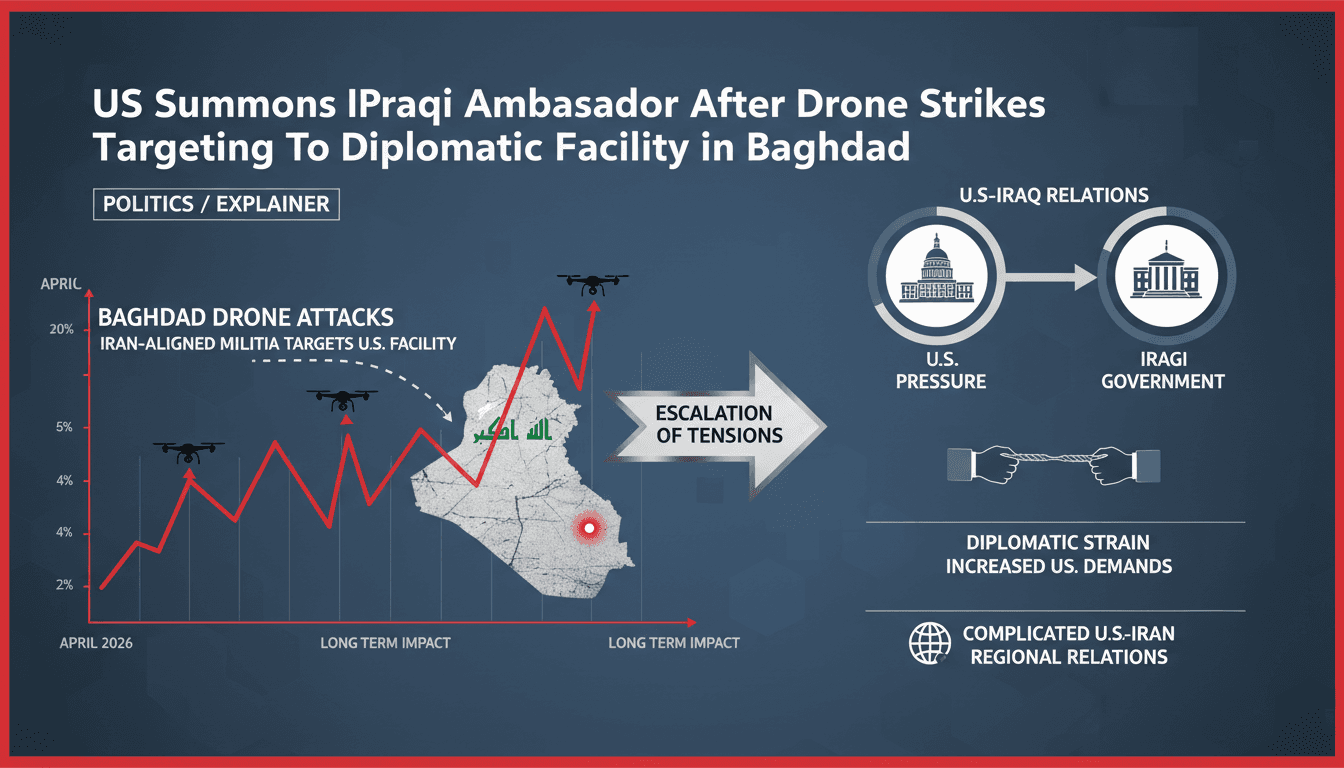
- Politics· MENA
Gulf States Engage in Diplomatic Talks for Post-War Stability Following US-Iran Ceasefire
On April 9-10, 2026, Gulf foreign ministers engaged in telephonic diplomacy with counterparts from Iran and other nations to discuss regional de-escalation and post-war arrangements. This diplomatic surge was triggered by a two-week ceasefire announced on April 8, following a 40-day conflict that severely impacted Gulf infrastructure. The long-term implication is a potential shift towards a more stable regional order and enhanced cooperation among Gulf states to secure navigation rights and energy market stability.
3 sourcesApr 10Low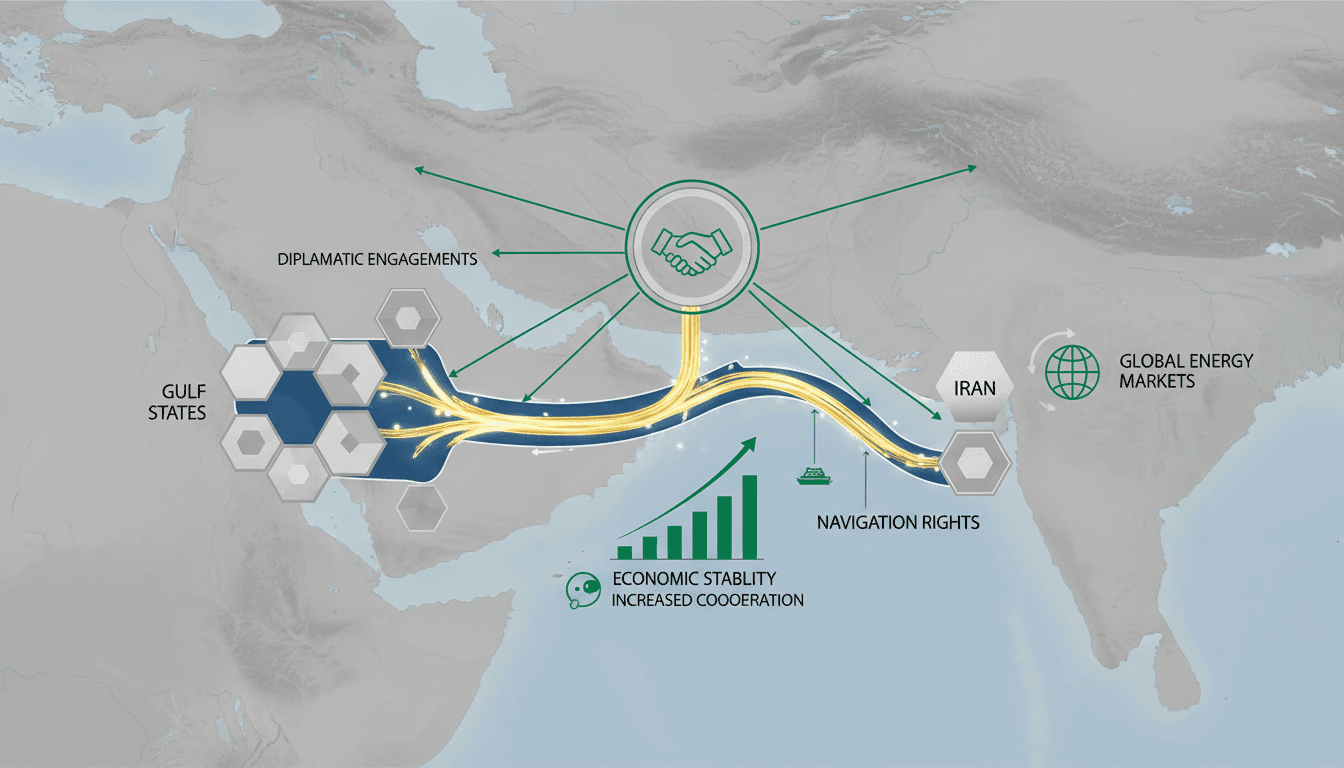
- Politics· World
Pakistan Hosts US-Iran Peace Negotiations Amid Ongoing Conflict
Pakistan has finalized preparations for direct peace negotiations between the United States and Iran, set to begin on April 11, 2026. This development follows a two-week ceasefire agreement reached on April 8 amid the ongoing 2026 Iran war, which has seen significant military actions and geopolitical tensions. The long-term implication of these negotiations could lead to a potential de-escalation of hostilities in the region and a re-evaluation of US-Iran relations regarding nuclear constraints and sanctions relief.
5 sourcesApr 10High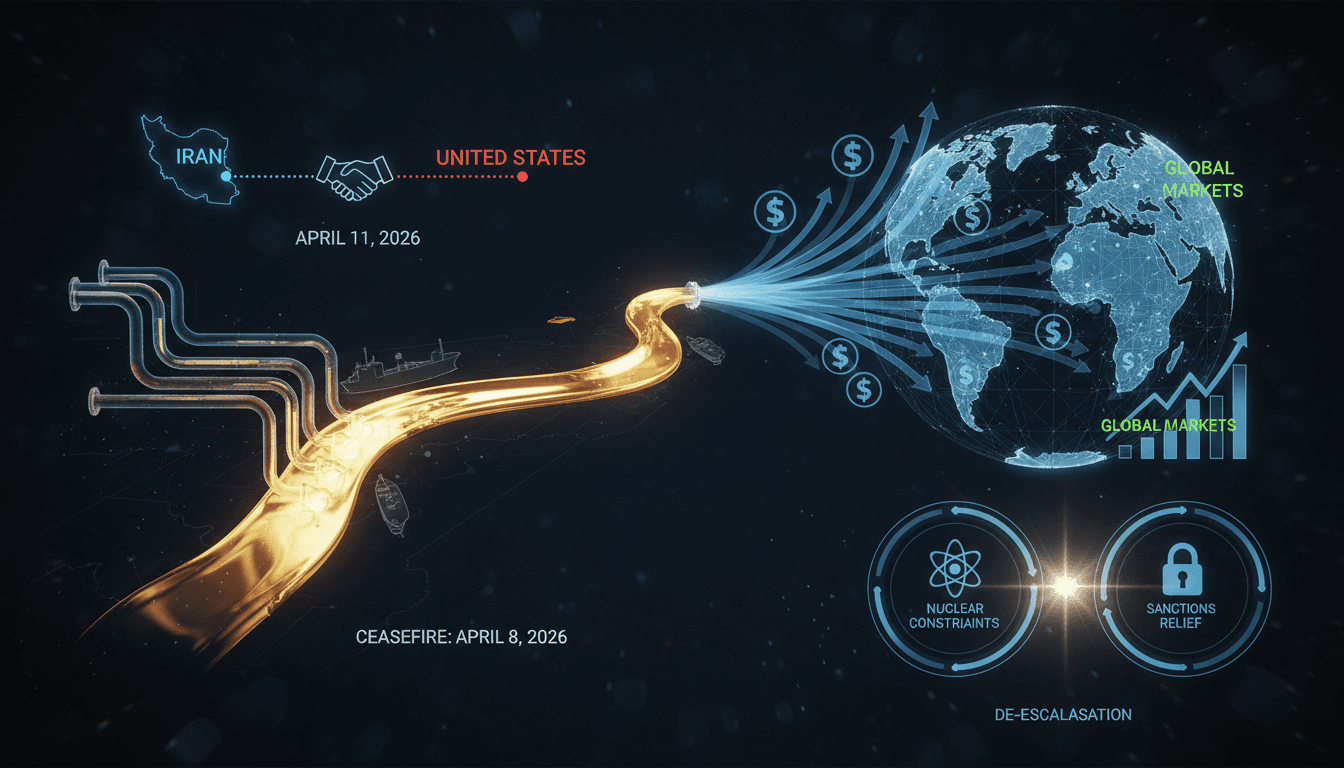
- Politics· World
Trump Warns Iran Against Tolls on Strait of Hormuz Shipping After Ceasefire
U.S. President Donald Trump issued a warning to Iran regarding potential tolls on oil tankers in the Strait of Hormuz, following a recent ceasefire agreement. This warning comes as only 10 ships have passed through the strait since the ceasefire, raising concerns about global oil flow and trade. The long-term implication may involve increased international diplomatic efforts to ensure unimpeded navigation and stabilize oil markets in the region.
3 sourcesApr 10High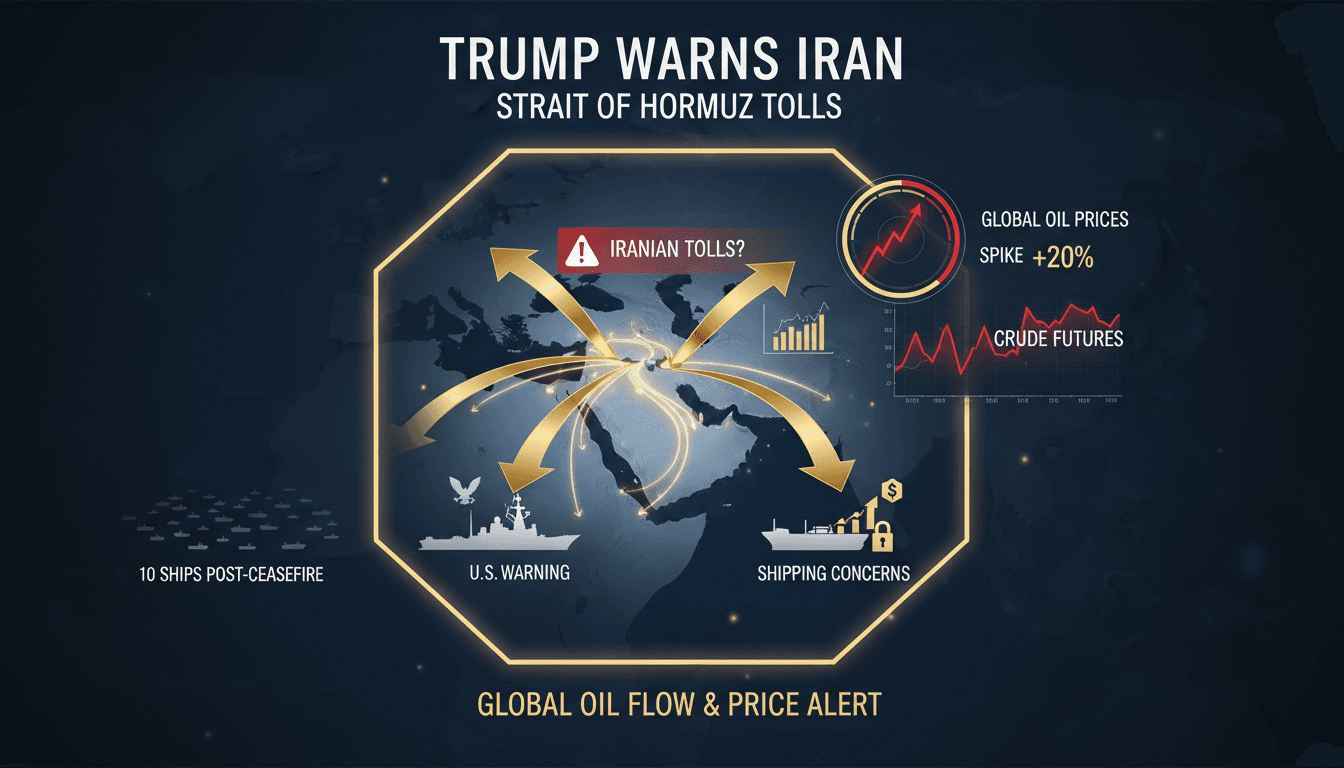
- Politics· World
Trump Issues Warning to Iran Over Proposed Shipping Tolls in Strait of Hormuz
On April 9, 2026, U.S. President Donald Trump cautioned Iran against implementing toll fees on commercial vessels in the Strait of Hormuz. This warning comes in the context of a fragile ceasefire following heightened tensions and Iran's proposal to charge transit fees as reparations. The long-term implication could be a significant disruption in global oil supply chains and increased geopolitical tensions in the region.
3 sourcesApr 10Very High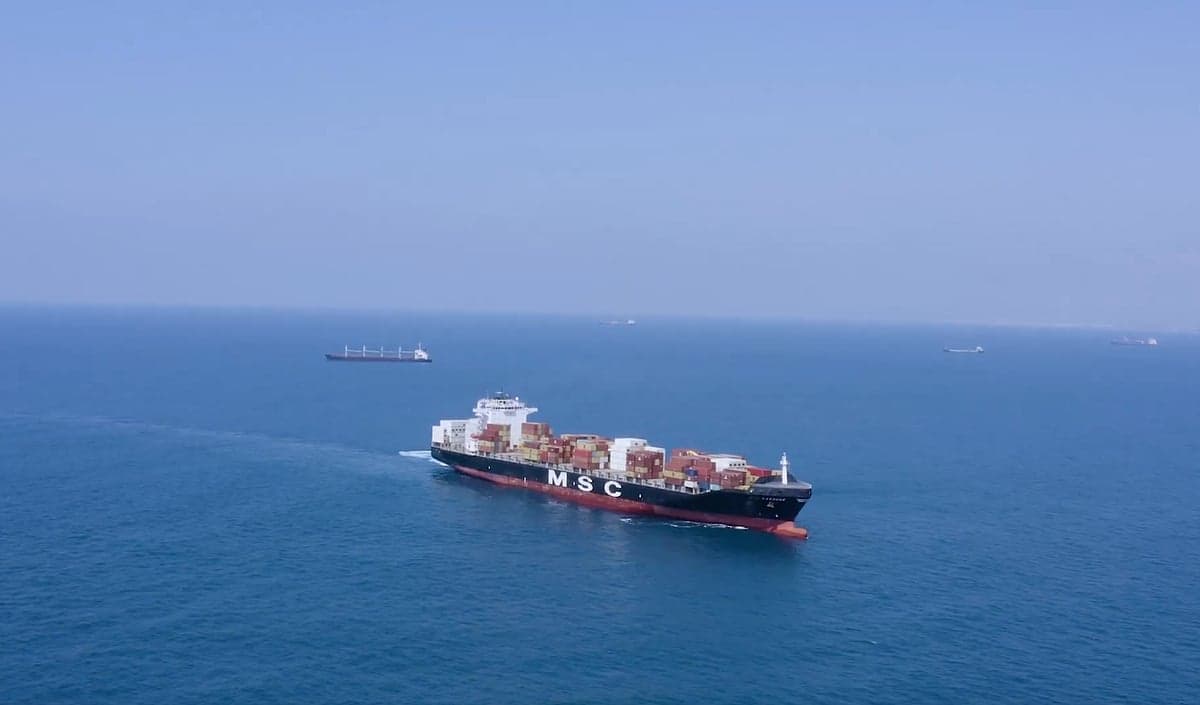
- Politics· MENA
UAE Condemns Israeli Airstrikes on Lebanon Amid Ongoing Conflict
The United Arab Emirates issued a strong condemnation of Israeli airstrikes on multiple sites in Lebanon that occurred on April 8, 2026, resulting in significant civilian casualties. This response comes in the wake of escalating hostilities in the ongoing 2026 Lebanon war, which reignited following Hezbollah attacks on Israel. The UAE's statement underscores its commitment to regional stability and diplomatic solutions, indicating a potential shift towards increased diplomatic engagement in the conflict.
3 sourcesApr 10Low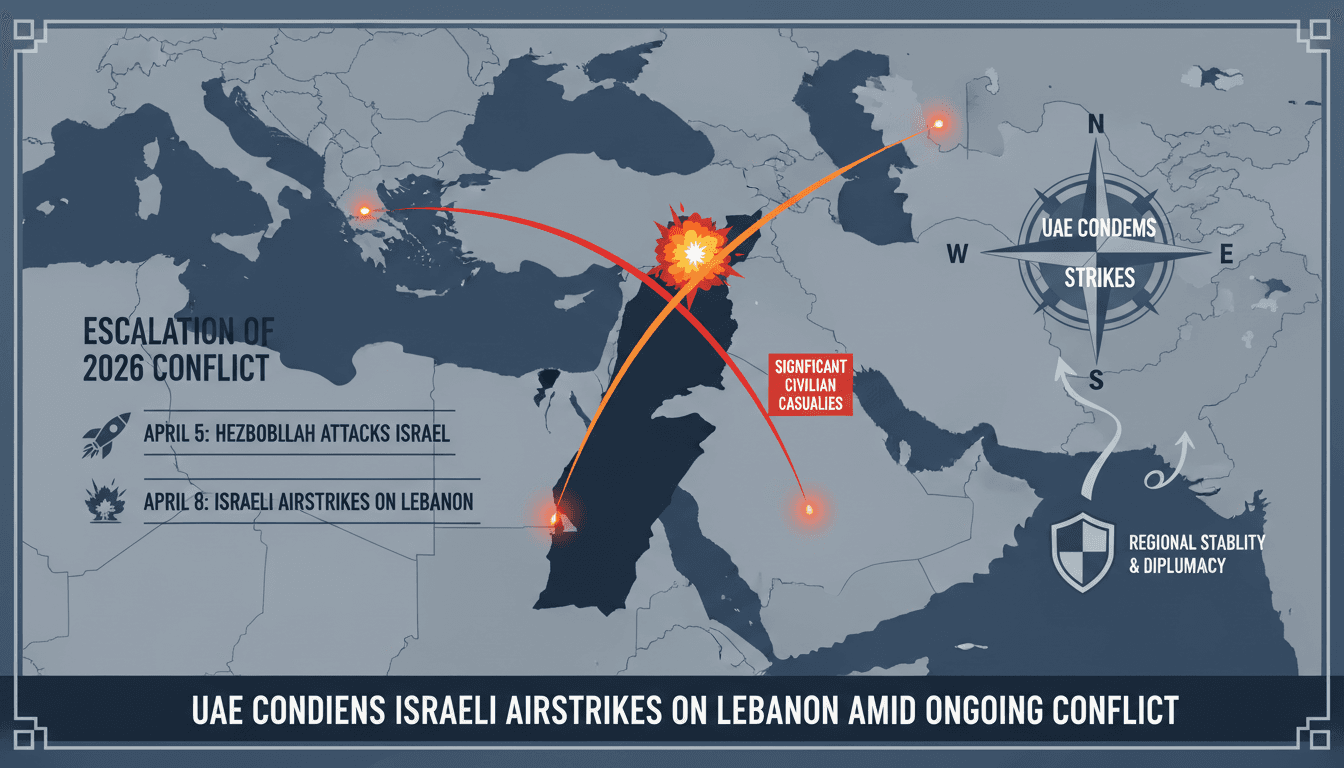
- Politics· MENA
Bahrain Defence Force Intercepts 194 Missiles and 515 Drones Amid Ongoing Iranian Aggression
On April 10, 2026, the Bahrain Defence Force reported the interception of 194 missiles and 515 drones targeting the kingdom since Iranian aggression began on February 28, 2026. This escalation is a direct response to the broader 2026 Iran War, which commenced with U.S.-Israeli strikes on Iranian military sites, prompting Iranian retaliation against Gulf states. The long-term implication suggests a continued military buildup and heightened tensions in the region, potentially destabilizing Gulf security and international relations.
3 sourcesApr 10Low