Bio
Andre is co-founder at A47 News. He is responsible for editorial standards and news curation, and shares commentary on AI, general technology, and global politics.
Editorial Responsibility
As Editor, I am responsible for all editorial standards, news sourcing, research, and content production.
Previous experience · 15+ years
- · Co-founder at Tiki
- · Operations Director at Rocket Internet
Education
BA Economics, University of Waikato
Areas of expertise
Categories overseen
Stories from Andre Teow’s desk
15539 stories- Politics· World
U.S. Court of Appeals Upholds Pentagon's Supply Chain Risk Designation for Anthropic PBC
On April 8, 2026, the U.S. Court of Appeals for the D.C. Circuit denied Anthropic PBC's motion to stay the Department of War's designation of the company as a national security supply chain risk. This ruling follows Anthropic's refusal to comply with Pentagon demands regarding its AI models amid ongoing military tensions and a canceled $200 million contract. The long-term implication may involve increased scrutiny and regulation of AI technologies in defense contexts, potentially reshaping the landscape for AI companies working with government contracts.
2 sourcesApr 9High
- Politics· World
Israeli Airstrikes Result in 254 Deaths in Lebanon Amid Ongoing Conflict
On April 8, 2026, Israeli airstrikes killed at least 254 people across Lebanon in the deadliest day of the ongoing war with Hezbollah. The attacks occurred during a fragile two-week US-Iran ceasefire, which Israel claims does not include Lebanon, prompting UK officials to call for an expansion of the truce. The long-term implication may involve further regional destabilization and escalation of military actions as Hezbollah resumes rocket attacks into Israel.
4 sourcesApr 9Very High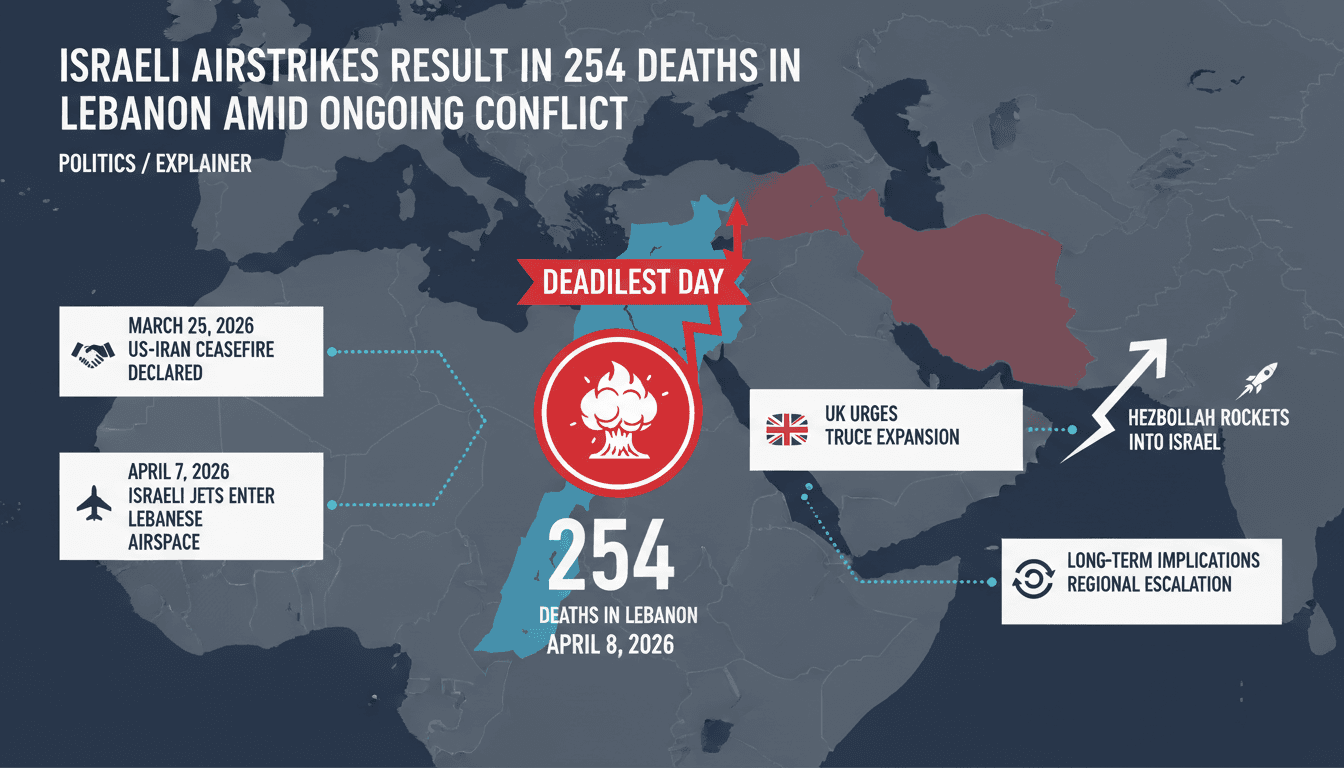
- Politics· MENA
Iranian Delegation Arrives in Islamabad for US Negotiations Amid Ceasefire
An Iranian delegation led by Parliament Speaker Mohammad Bagher Ghalibaf has arrived in Islamabad for negotiations with a US delegation headed by Vice President JD Vance. This diplomatic engagement is triggered by a fragile two-week ceasefire following a recent Mideast conflict involving the US, Israel, and Iran. The long-term implication may involve a potential shift in regional power dynamics and nuclear discussions as both sides seek to stabilize the situation.
2 sourcesApr 9Moderate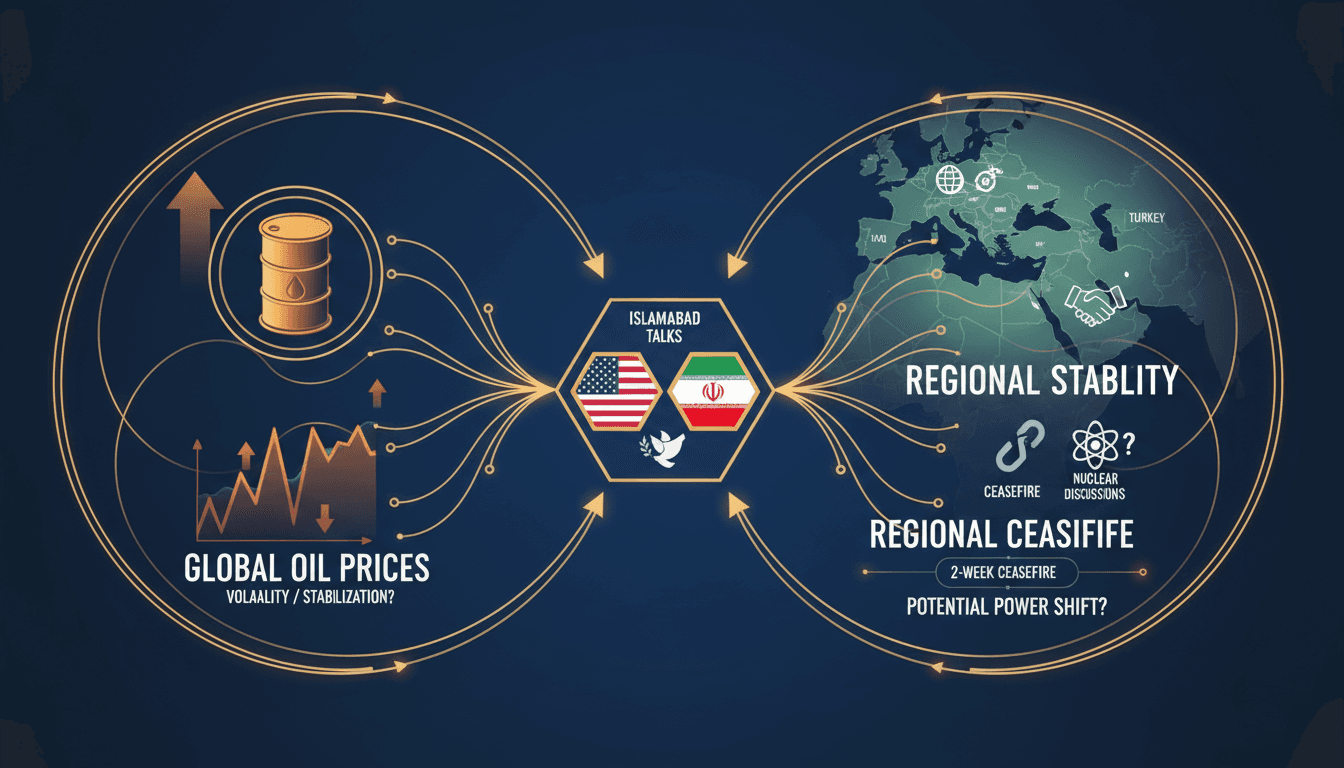
- Politics· World
Andrew Hastie Defends Ben Roberts-Smith's Presumption of Innocence Amid War Crimes Charges
Liberal MP Andrew Hastie has publicly asserted that Ben Roberts-Smith is entitled to the presumption of innocence following his recent arrest on war crimes charges. This statement comes as Roberts-Smith faces serious allegations stemming from a multi-year investigation into his actions during the Afghanistan conflict. The long-term implications may include intensified scrutiny of military conduct and potential political ramifications within the Australian government.
2 sourcesApr 9Low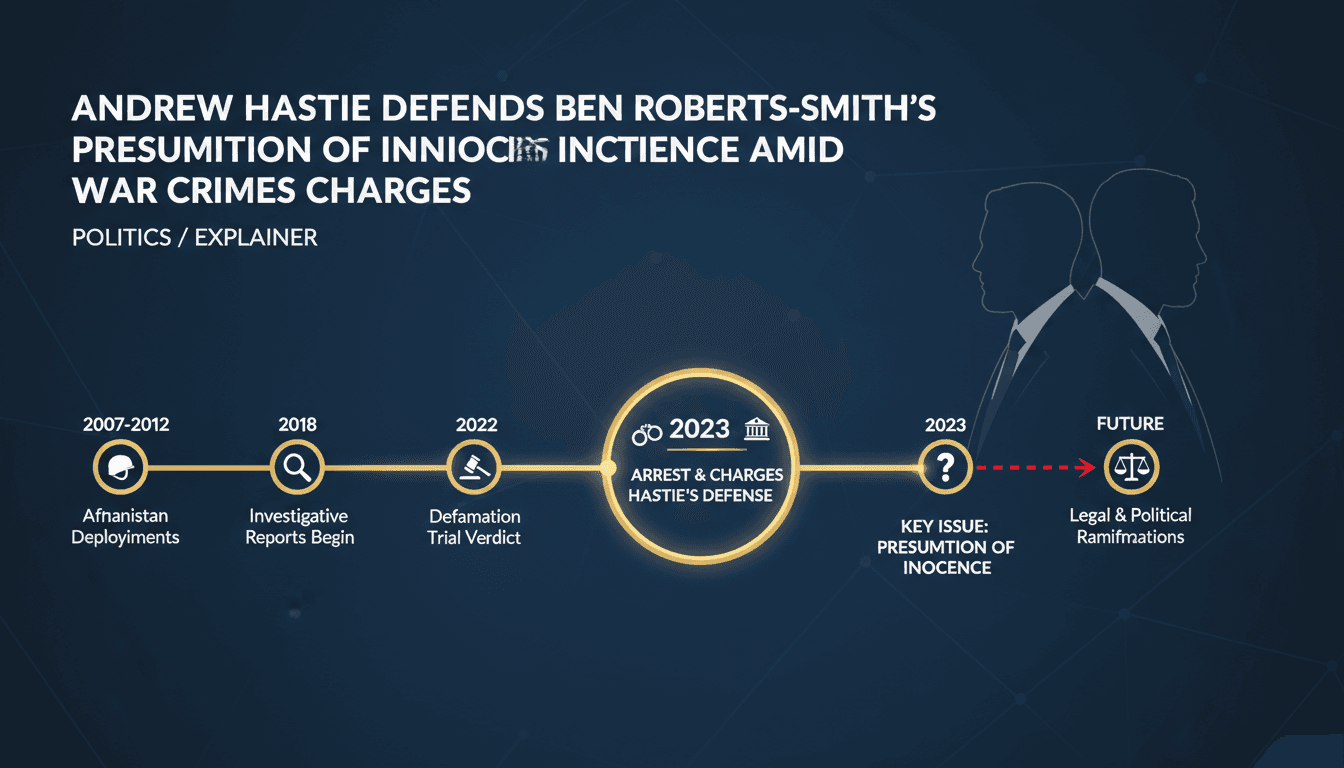
- World· MENA
Israeli Airstrikes in Lebanon Kill 254 Amid US-Iran Ceasefire Tensions
On April 8, 2026, Israel conducted extensive airstrikes in Lebanon, resulting in the deaths of at least 254 individuals and over 1,100 injuries, shortly after a US-brokered ceasefire with Iran was announced. The immediate trigger for these strikes was the assertion by US officials that Lebanon was not included in the ceasefire agreement, leading to Iranian threats of retaliation and escalating regional tensions. This military escalation is likely to complicate diplomatic efforts in the Middle East and could lead to further instability in oil markets and international relations.
2 sourcesApr 9High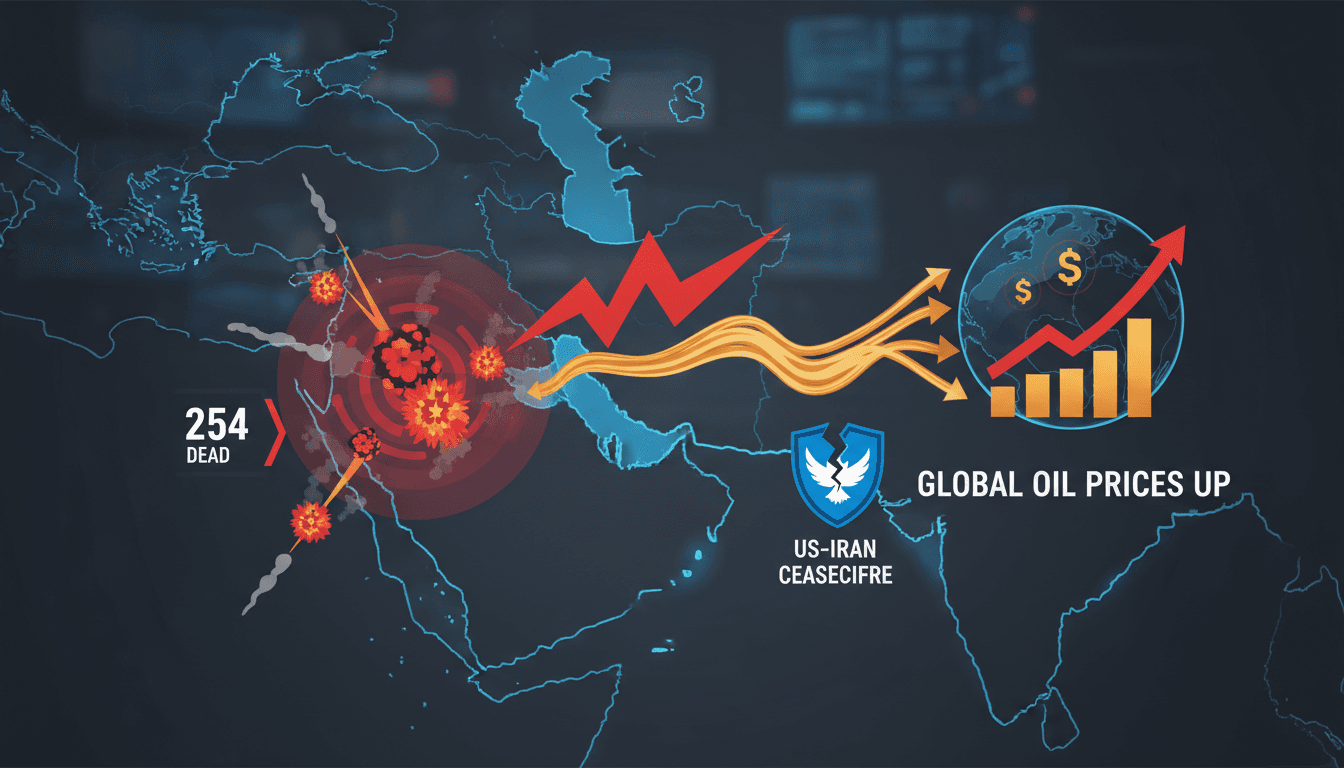
- World· World
Global Efforts to Secure Submarine Cables Escalate Amid Rising Geopolitical Threats
A worldwide initiative to protect submarine cables has intensified following Russia-linked severances in the Baltic Sea and suspicious cuts near Taiwan. This escalation is driven by fears of state-sponsored disruptions from Russia and China, prompting governments and tech firms to deploy advanced monitoring and rerouting strategies. Long-term, this could lead to increased investment in undersea infrastructure resilience and a shift in global data traffic routes to avoid contested areas.
3 sourcesApr 9Low
- Politics· MENA
Israeli Airstrikes Hit Southern Beirut and Lebanon Amid Ongoing Conflict
Israeli airstrikes targeted the southern suburbs of Beirut and multiple sites in southern Lebanon on April 9, 2026, resulting in significant casualties. This escalation follows the killing of a Hezbollah figure and occurs despite a U.S.-Iran ceasefire that excludes Lebanon, indicating a breakdown in regional stability. The long-term implication may involve further military operations and heightened tensions in the region, particularly affecting Lebanese civilians and international diplomatic efforts.
2 sourcesApr 9High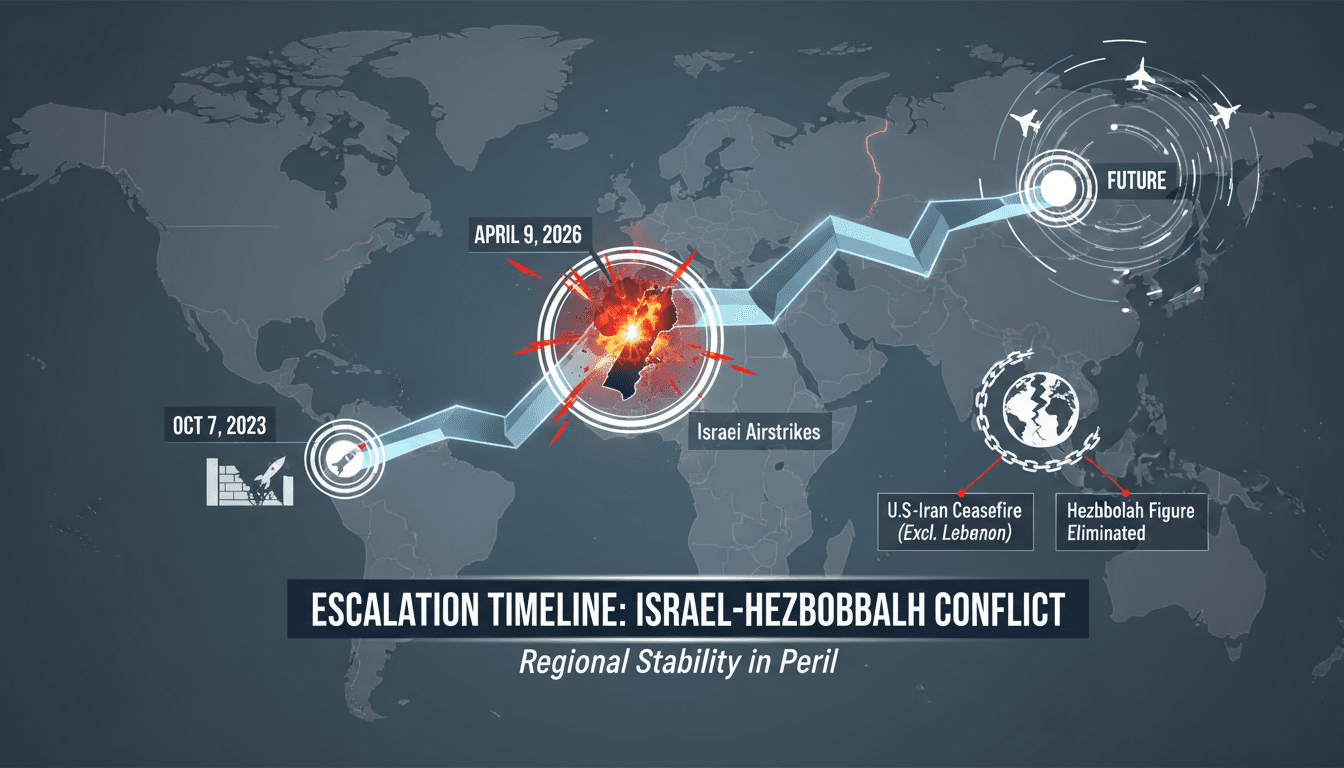
- Politics· MENA
Iran and US Delegations Meet in Islamabad for Ceasefire Negotiations Mediated by Pakistan
An Iranian high-level delegation arrived in Islamabad on April 9, 2026, to engage in ceasefire negotiations with a US delegation amid ongoing conflict. The immediate trigger for these talks is the fragile ceasefire established through Pakistani mediation, following weeks of intense hostilities and ceasefire violations. Long-term implications may include a potential stabilization of regional tensions and a shift in Pakistan's diplomatic role in Middle Eastern conflicts.
2 sourcesApr 9Low
- Politics· MENA
Iran Enforces IRGC-Controlled Maritime Routes in Strait of Hormuz Amid Ceasefire Violations
Iran has closed the Strait of Hormuz to 99% of vessels and mandated alternative routes under IRGC supervision following Israeli attacks that breached a U.S.-Iran ceasefire. This action is a direct response to escalating tensions in the U.S.-Israel-Iran conflict, particularly after recent violations of the ceasefire agreement. The long-term implication could lead to increased global oil prices and further geopolitical instability as shipping firms adapt to the new restrictions.
2 sourcesApr 9Moderate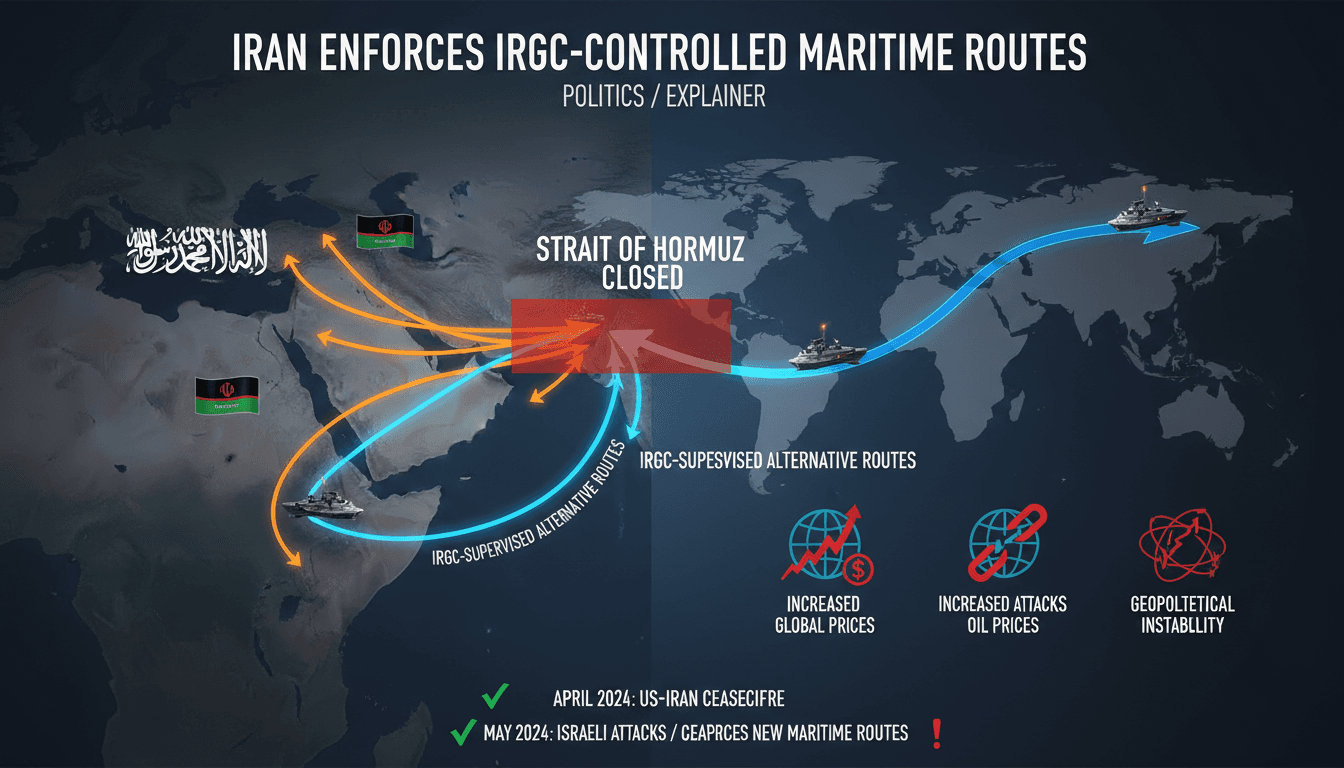
- World· MENA
US-Iran announces fragile two-week ceasefire amid escalating regional tensions
A conditional two-week ceasefire between the US and Iran was announced on April 7, 2026, following 40 days of intense military conflict. The immediate trigger for this truce was the urgent need to stabilize oil supply routes and mitigate further regional escalations, particularly in Lebanon. Long-term implications suggest that unresolved core issues, such as Iran's nuclear program, will continue to pose significant challenges to lasting peace in the region.
3 sourcesApr 9High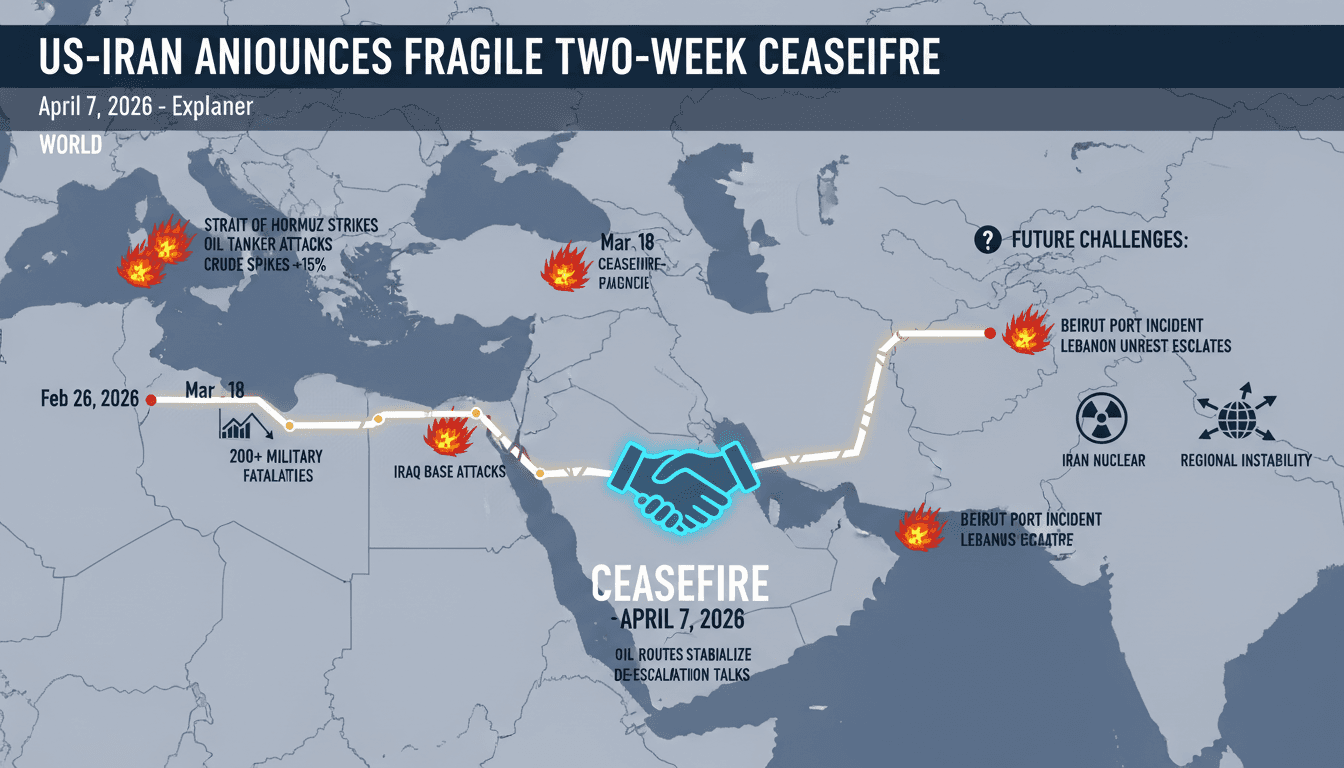
- World· MENA
UK Foreign Secretary Calls for Unrestricted Reopening of Strait of Hormuz Amid US-Iran Ceasefire
UK Foreign Secretary Yvette Cooper has urged for the full and toll-free reopening of the Strait of Hormuz following a fragile ceasefire between the US and Iran. This call comes in response to Iran's recent military actions that have disrupted international shipping and escalated tensions in the region. Long-term, this situation may lead to increased diplomatic efforts to stabilize the strait, which is crucial for global oil supply and economic stability.
2 sourcesApr 9Low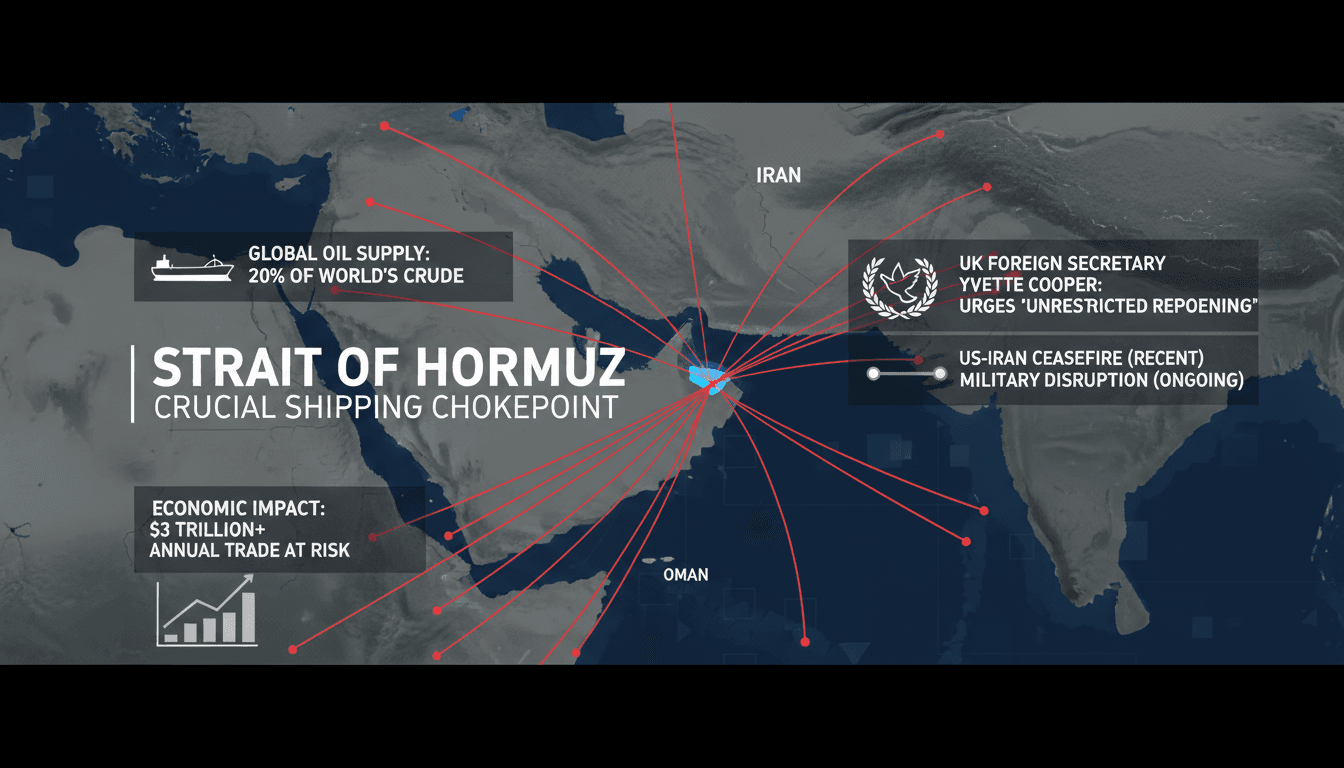
- Politics· MENA
Israeli Airstrikes in Lebanon Result in Over 250 Casualties
On April 8, 2026, Israeli airstrikes across multiple regions in Lebanon killed 254 people and injured 1,165, marking the largest assault on Hezbollah since the conflict escalated. The attacks were launched shortly after a US-Iran ceasefire announcement, which Israel claimed did not include Lebanon, prompting immediate military action. The long-term implications suggest a potential escalation in regional tensions, with Iran warning of retaliation and the conflict likely intensifying further.
4 sourcesApr 9High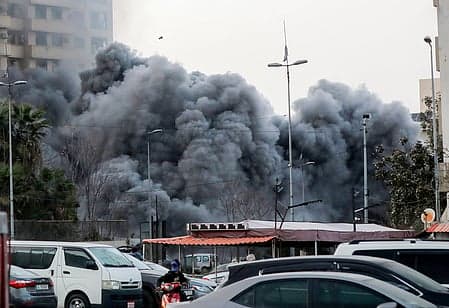
- World· MENA
US-Iran Ceasefire Allows Conditional Passage Through Strait of Hormuz
On April 8, 2026, the United States and Iran agreed to a conditional two-week ceasefire requiring safe passage through the Strait of Hormuz. This development follows a period of heightened tensions and maritime conflict, which had resulted in the strait being largely closed since early March, trapping over 800 vessels. The long-term implication may involve ongoing negotiations for stable maritime access, impacting global oil supply and regional security dynamics.
4 sourcesApr 9Moderate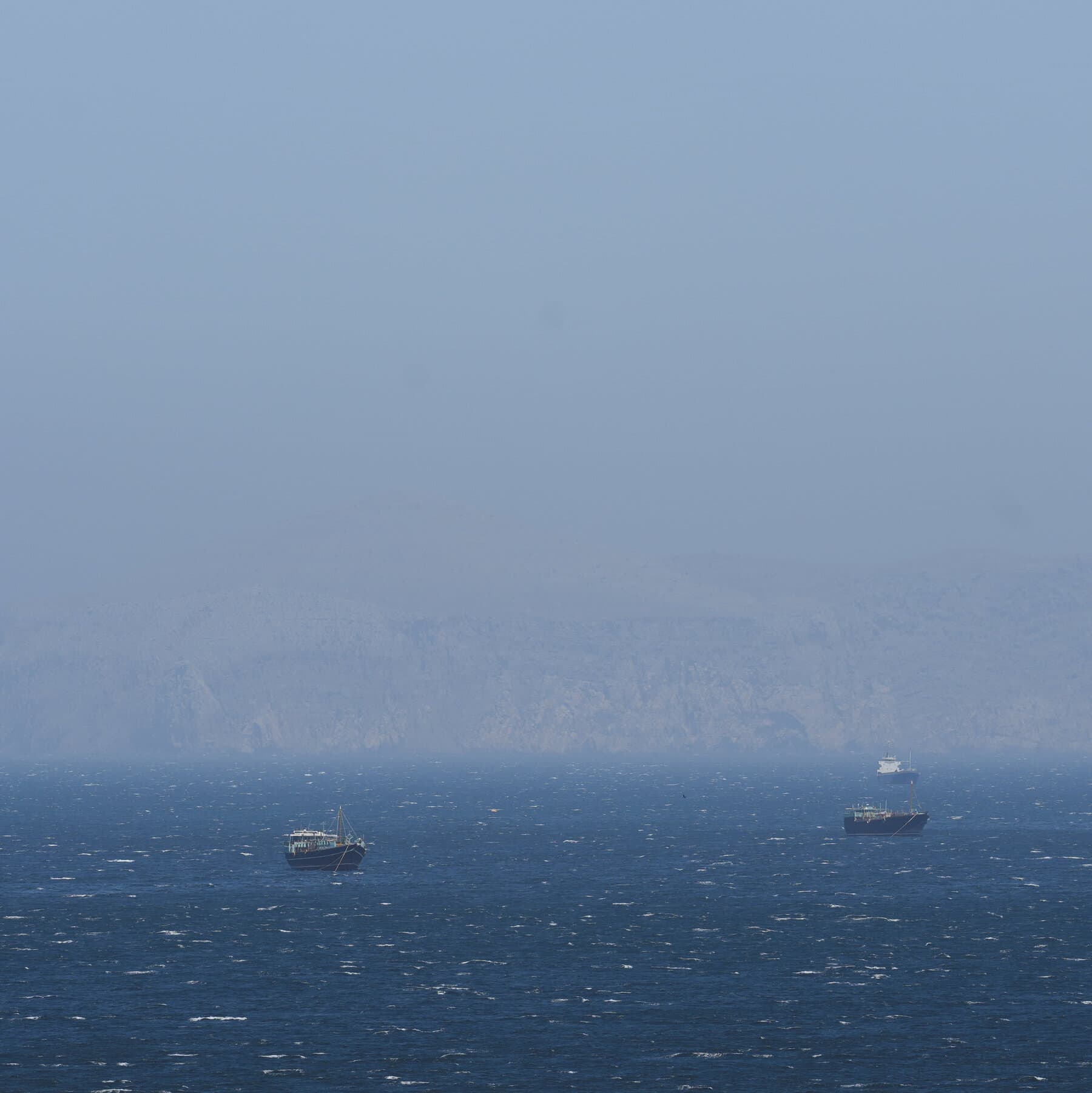
- Politics· MENA
Trump Orders Continued Military Presence Around Iran Until Ceasefire Compliance Is Met
On April 9, 2026, U.S. President Donald Trump announced that military assets would remain deployed around Iran until a ceasefire agreement is fully adhered to. This decision follows a fragile two-week ceasefire amid escalating tensions in the US-Iran war, triggered by Iranian nuclear advancements and the closure of the Strait of Hormuz. The long-term implication is a potential escalation of military engagement if compliance is not achieved, impacting regional stability and global oil markets.
5 sourcesApr 9High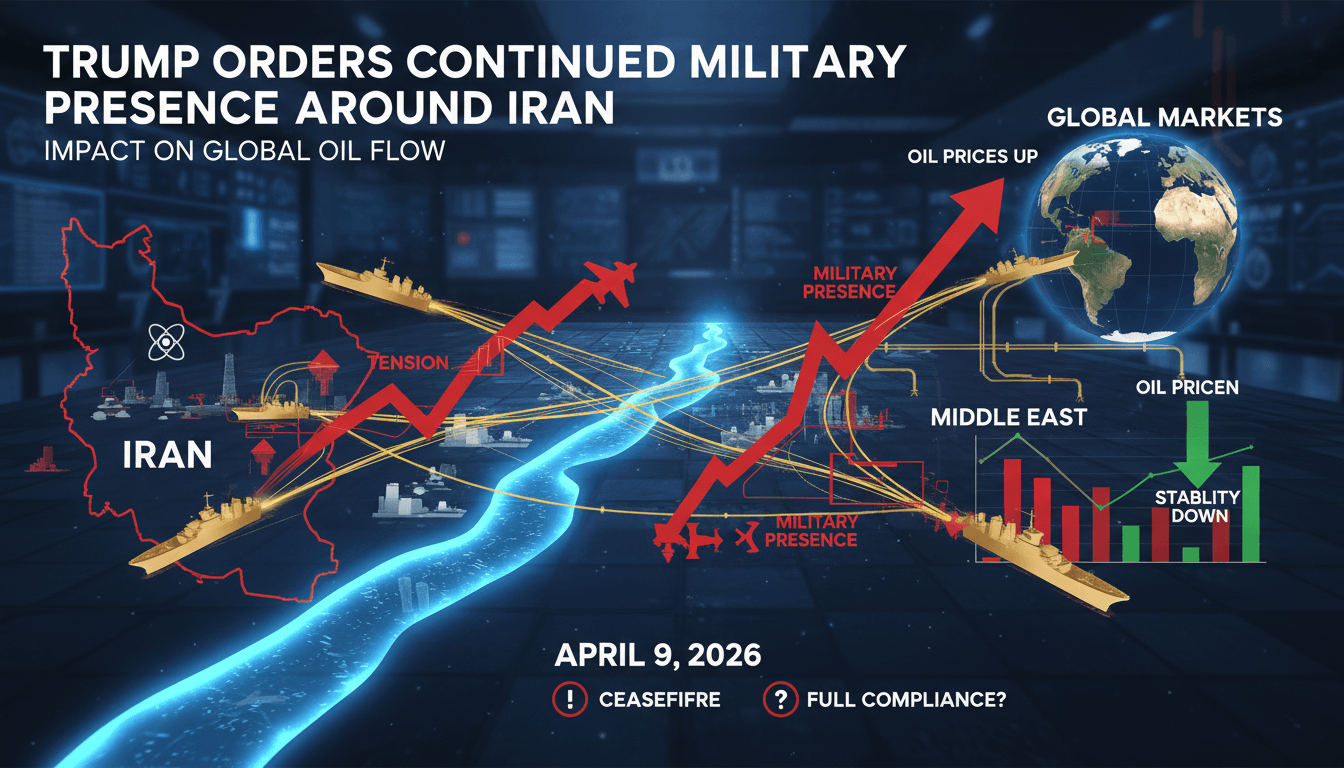
- Politics· MENA
Trump Confirms U.S. Military Presence in Iran Until Ceasefire Compliance is Met
U.S. President Donald Trump announced that American military assets will remain in and around Iran until the country fully complies with a ceasefire agreement. This decision follows a two-week truce amid escalating tensions from the ongoing Iran-U.S. conflict, which was triggered by Iranian nuclear developments and maritime access issues. The long-term implication suggests a continued U.S. military posture in the region, potentially leading to further confrontations if compliance is not achieved.
4 sourcesApr 9High
- Politics· MENA
Macron Calls for Lebanon's Inclusion in US-Iran Ceasefire for Credibility
French President Emmanuel Macron has declared that Lebanon must be included in the US-Iran ceasefire discussions to ensure its credibility and sustainability. This statement follows a deadly Israeli airstrike in Lebanon that killed 254 civilians, highlighting the urgent need for a comprehensive ceasefire amid ongoing conflicts. The long-term implication suggests that without addressing Lebanon's role, the ceasefire may remain fragile, potentially leading to further escalations in the region.
2 sourcesApr 9Low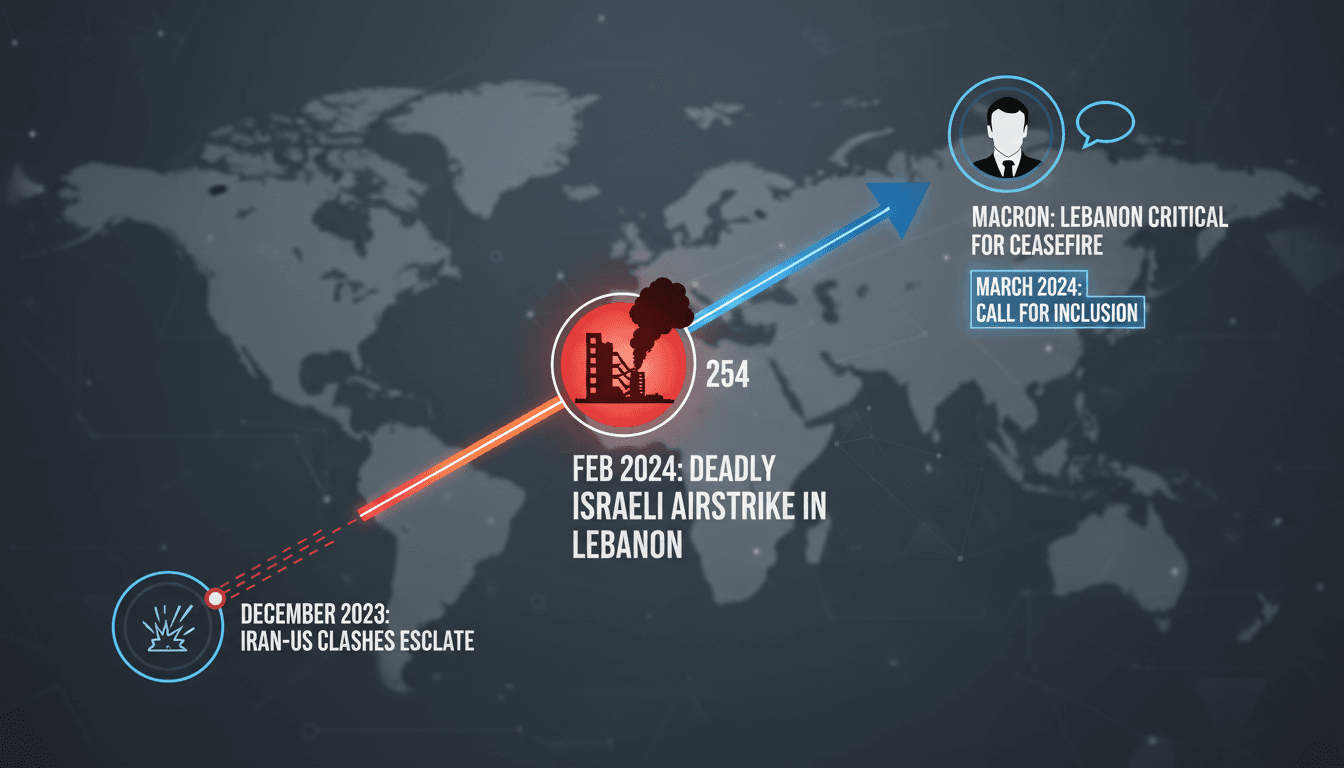
- Politics· MENA
Hezbollah Launches Rocket Attack on Israel Following Ceasefire Violation Claims
On 9 April 2026, Hezbollah launched a rocket barrage targeting the Israeli kibbutz of Manara in response to alleged Israeli violations of a US-Iran ceasefire agreement. The immediate trigger for this escalation was Israel's continued airstrikes in Lebanon, which resulted in significant civilian casualties just a day prior. This incident marks a potential shift in the regional conflict dynamics, as Hezbollah asserts its right to retaliate, raising concerns about further military confrontations in the area.
3 sourcesApr 9High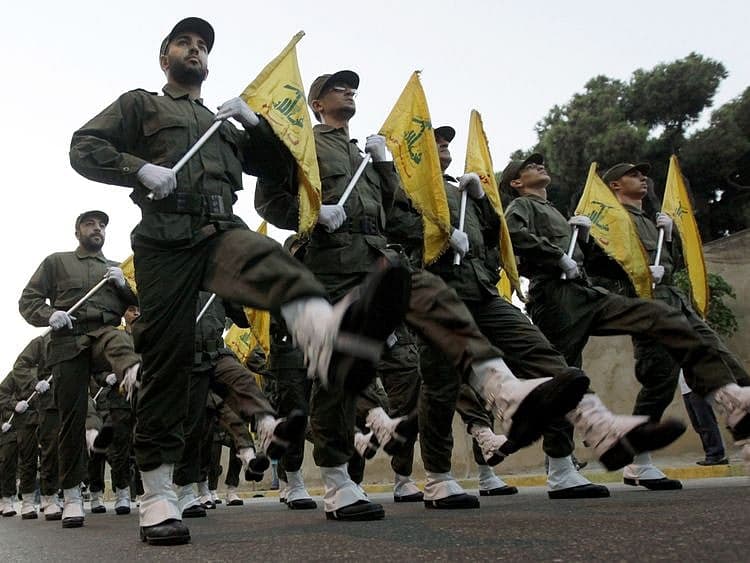
- World· MENA
Crude oil prices surge as fears mount over US-brokered Iran ceasefire collapse
Crude oil prices increased sharply while Asian stock markets fell due to escalating concerns regarding the stability of a recently announced US-brokered ceasefire with Iran. The immediate trigger for this market volatility was Israel's military actions in Lebanon and Iran's claims of ceasefire violations, leading to the re-closure of the vital Strait of Hormuz. Long-term implications suggest heightened geopolitical tensions and potential disruptions in global oil supply, prompting further diplomatic efforts from the US to stabilize the situation.
4 sourcesApr 9High
- World· MENA
Israeli Airstrikes in Lebanon Result in 254 Deaths Amid US-Iran Ceasefire Tensions
On April 8, 2026, Israeli airstrikes on Lebanon killed at least 254 people, marking the heaviest bombardment since Hezbollah's involvement in the conflict. The strikes occurred as tensions escalated over a fragile US-Iran ceasefire that excluded Lebanon, prompting Hezbollah to retaliate with rocket fire into northern Israel. This incident is likely to exacerbate regional instability and could lead to further military confrontations involving Iran and its allies.
3 sourcesApr 9Very High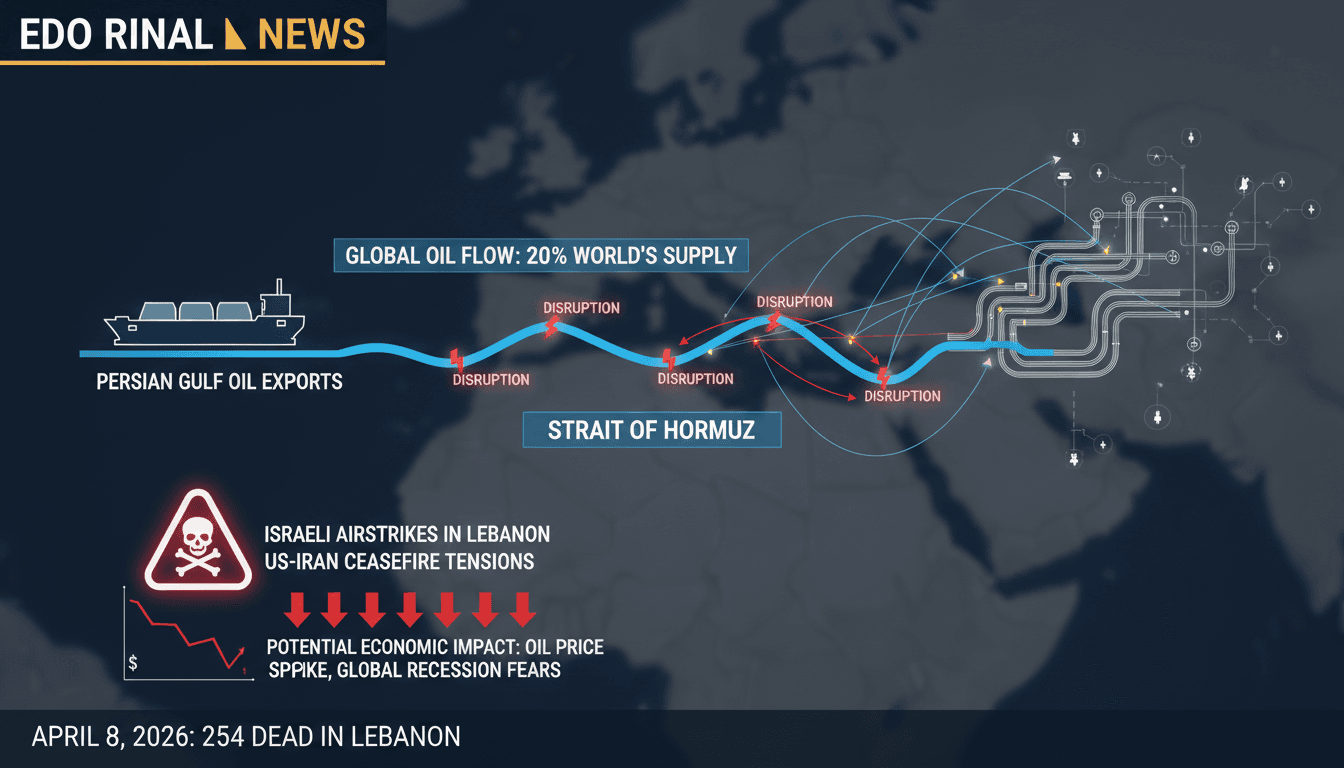
- Politics· World
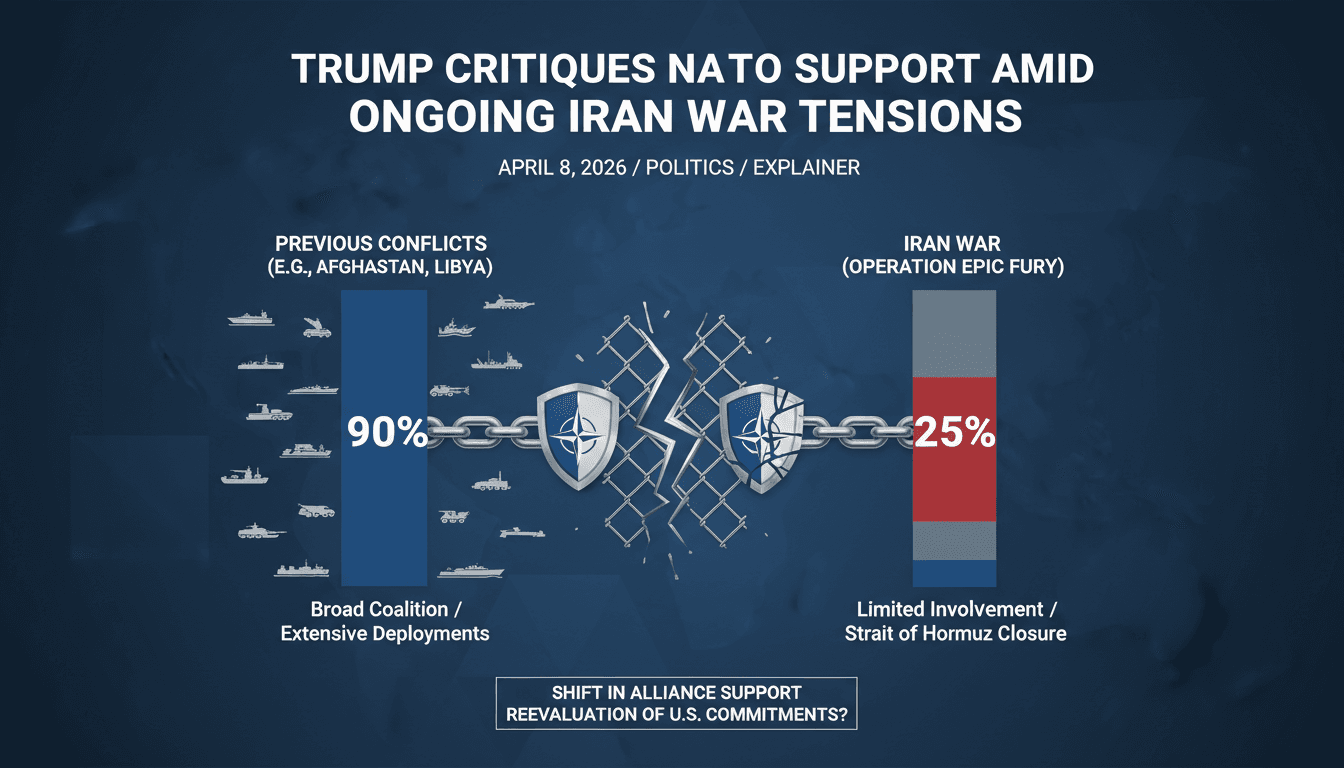
Trump Critiques NATO Support Amid Ongoing Iran War Tensions
On April 8, 2026, President Donald Trump publicly criticized NATO for its insufficient support during the recent Iran war following a meeting with NATO Secretary General Mark Rutte. This criticism stems from Trump's dissatisfaction with NATO allies' limited involvement in Operation Epic Fury and the closure of the Strait of Hormuz. The long-term implication may involve a reevaluation of U.S. commitments to NATO, potentially leading to increased tensions within the alliance and a shift in transatlantic relations.
3 sourcesApr 9Moderate