Bio
Andre is co-founder at A47 News. He is responsible for editorial standards and news curation, and shares commentary on AI, general technology, and global politics.
Editorial Responsibility
As Editor, I am responsible for all editorial standards, news sourcing, research, and content production.
Previous experience · 15+ years
- · Co-founder at Tiki
- · Operations Director at Rocket Internet
Education
BA Economics, University of Waikato
Areas of expertise
Categories overseen
Stories from Andre Teow’s desk
15539 stories- World· MENA
US and Iran Announce Two-Week Ceasefire Leading to Significant Market Reactions
On April 7, 2026, the United States and Iran announced a temporary two-week ceasefire in their ongoing conflict. This agreement, brokered by Pakistan, includes the reopening of the Strait of Hormuz, which has led to a 15% drop in oil prices and a surge in global stock markets. The long-term implication suggests that if negotiations succeed, it could stabilize energy markets and reduce geopolitical tensions in the region.
4 sourcesApr 9High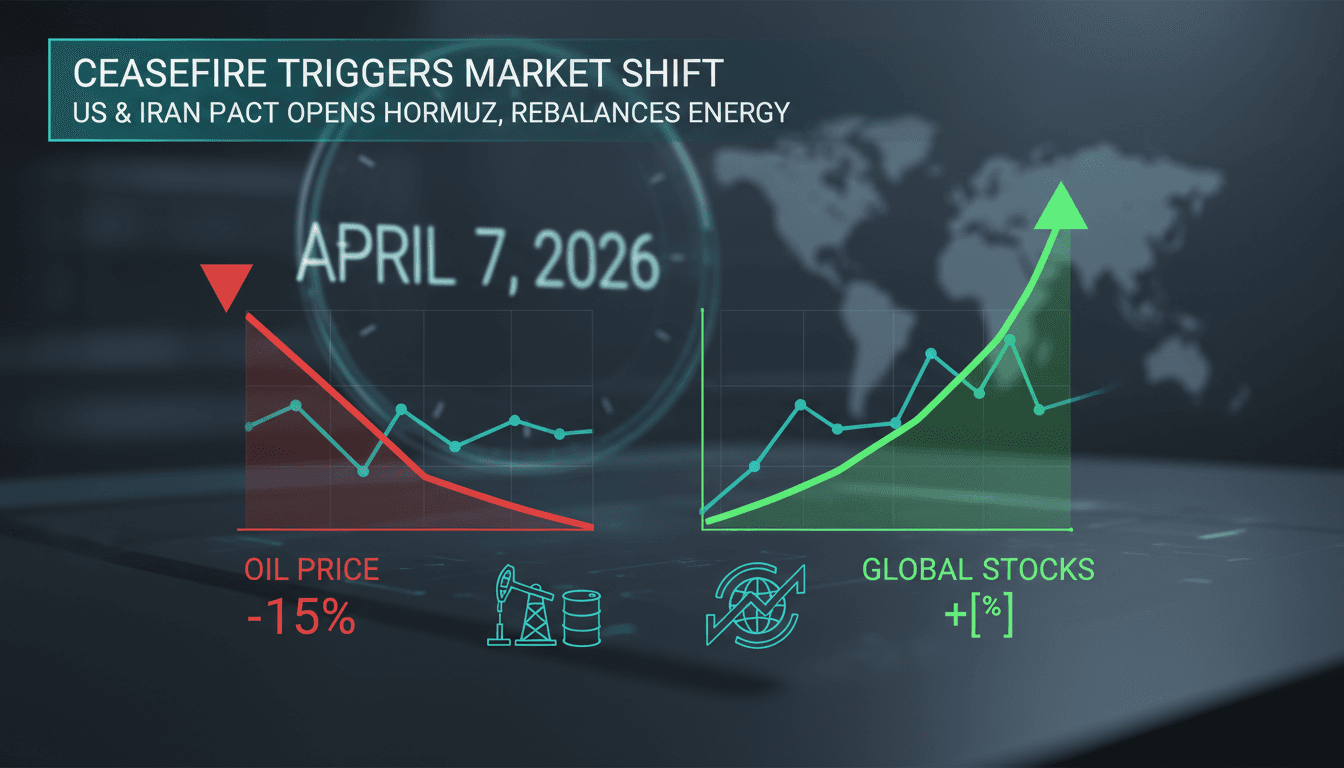
- World· MENA
Ship Traffic in Strait of Hormuz Remains Minimal Despite US-Iran Ceasefire
On April 8, 2026, ship traffic through the Strait of Hormuz showed minimal recovery following a US-Iran ceasefire agreement. The immediate cause for the limited transits is the ongoing uncertainties regarding Iranian controls and regional tensions, leading shipping operators to await clearer terms. Long-term implications suggest that without explicit safety guarantees and reduced risks, the vital waterway may continue to experience significant disruptions, impacting global oil supply chains.
9 sourcesApr 9Low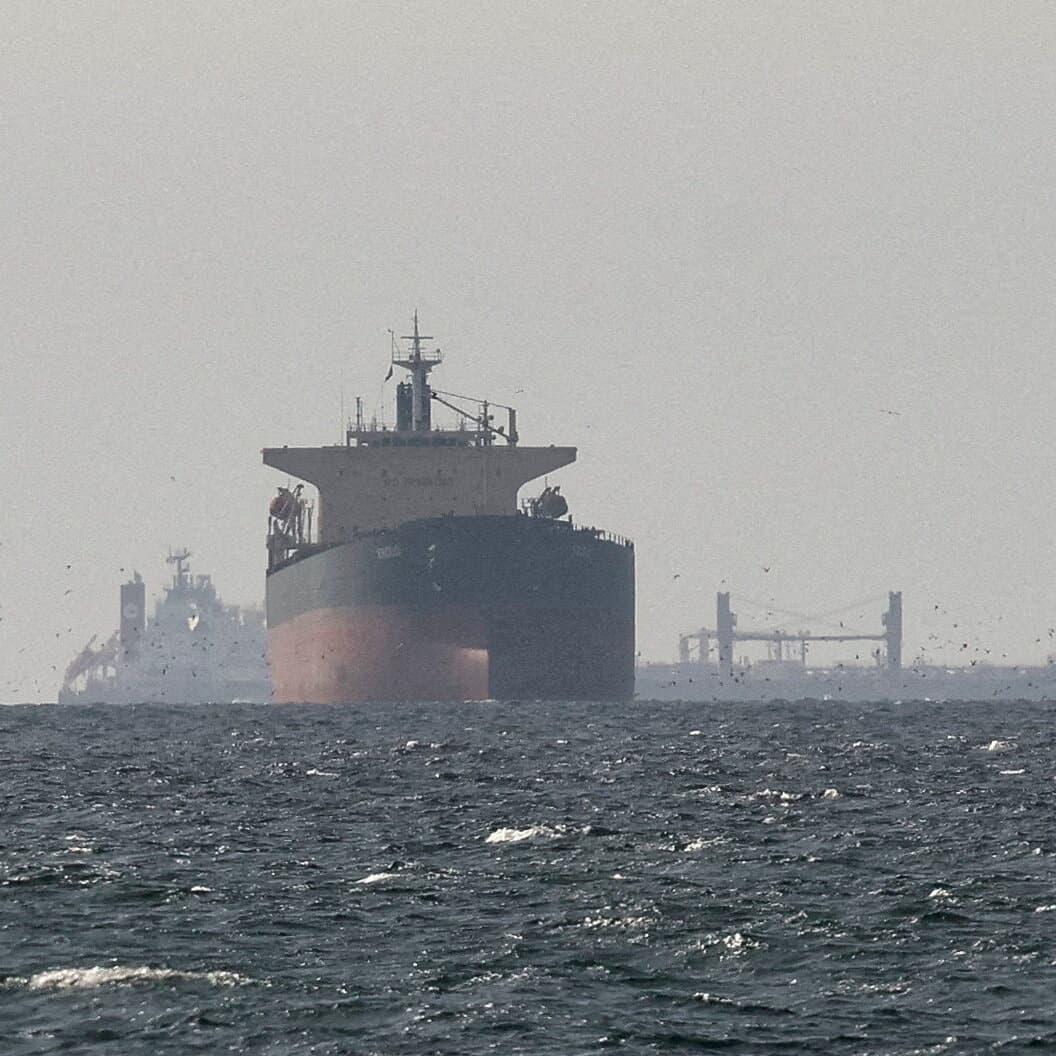
- Politics· World
Over 70 Democratic Lawmakers Call for Trump's Impeachment Following Threats to Iran
On April 7, 2026, over 70 Democratic lawmakers demanded the impeachment of President Trump or his removal via the 25th Amendment due to his threats against Iran. This escalation follows Trump's alarming Truth Social post warning of catastrophic consequences for Iran if a deal is not reached before a U.S. deadline, coinciding with a fragile ceasefire in the ongoing U.S.-Iran war. The long-term implication may involve intensified political conflict in the U.S. and potential shifts in military engagement in the Middle East.
3 sourcesApr 9High
- Politics· MENA
Netanyahu Asserts Israel's Readiness to Resume Military Action Against Iran Amid US-Brokered Ceasefire
Israeli Prime Minister Benjamin Netanyahu announced on April 8, 2026, that Israel is prepared to re-engage in combat against Iran despite a newly established two-week ceasefire. This declaration follows escalating tensions and military actions in the region, particularly Iran's closure of the Strait of Hormuz and attacks on Gulf states, prompting a US-mediated truce. The long-term implication suggests a continued cycle of conflict and military readiness in the Middle East, potentially destabilizing the region further and impacting international relations.
3 sourcesApr 9High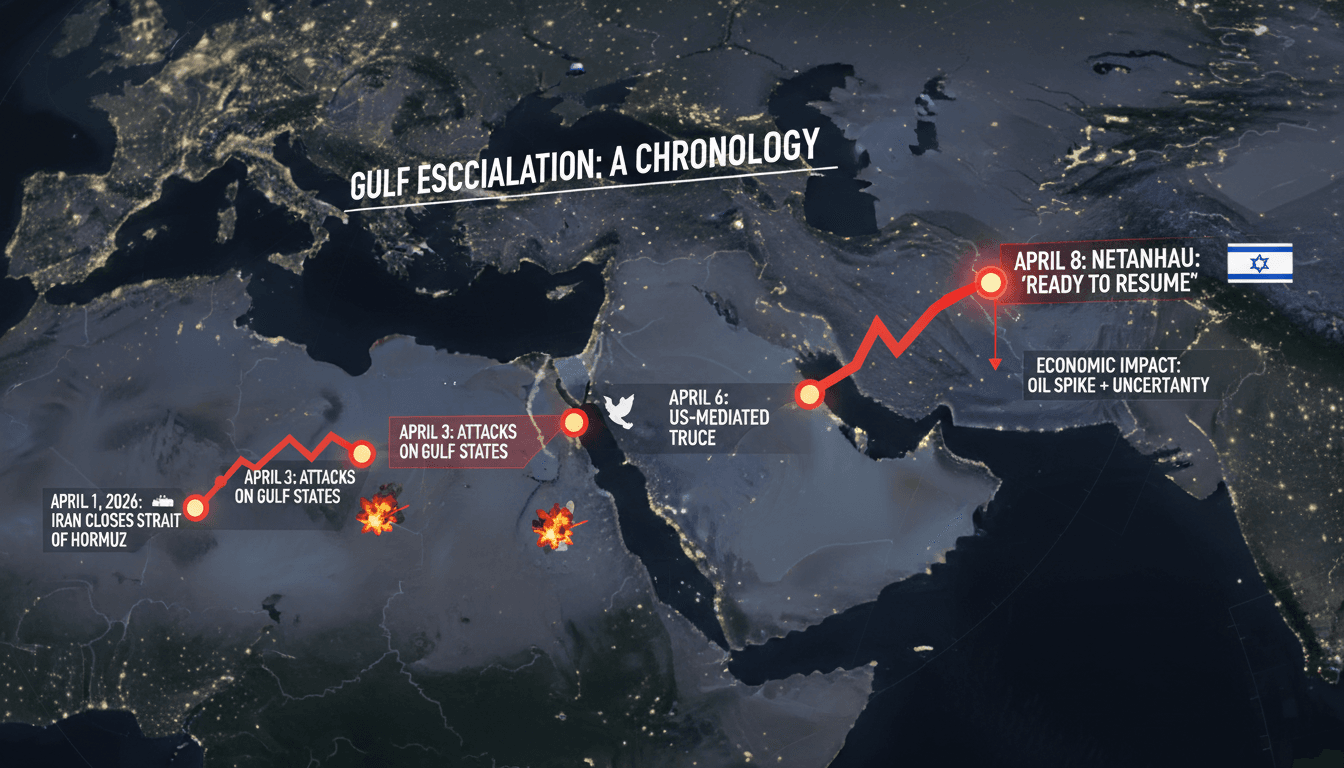
- Politics· World
US and Iran Reach Two-Week Ceasefire Agreement Mediated by Pakistan
On April 8, 2026, the United States and Iran agreed to a fragile two-week ceasefire mediated by Pakistan. This development follows a significant escalation in hostilities that began on February 28, 2026, resulting in over 5,000 fatalities and disruptions to global energy supplies. The ceasefire is expected to pave the way for further negotiations and may influence regional stability and energy markets in the long term.
6 sourcesApr 9High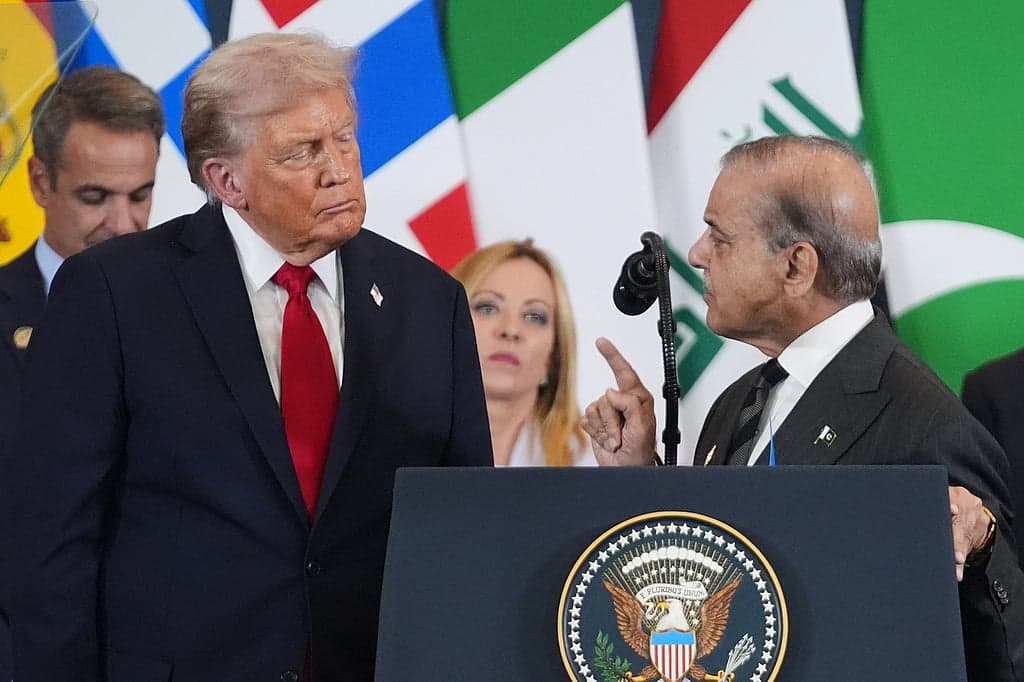
- Politics· MENA
Keir Starmer Highlights Challenges in US-Iran Ceasefire and Strait of Hormuz Reopening
UK Prime Minister Keir Starmer has emphasized the extensive efforts required to solidify the US-Iran ceasefire and fully reopen the Strait of Hormuz following a two-week conditional truce. This statement comes in the wake of a recent war triggered by concerns over Iran's nuclear program, which has severely impacted regional stability and global energy shipments. The long-term implication suggests ongoing diplomatic negotiations will be essential to ensure lasting peace and security in the Gulf region, particularly for energy transit routes.
9 sourcesApr 9High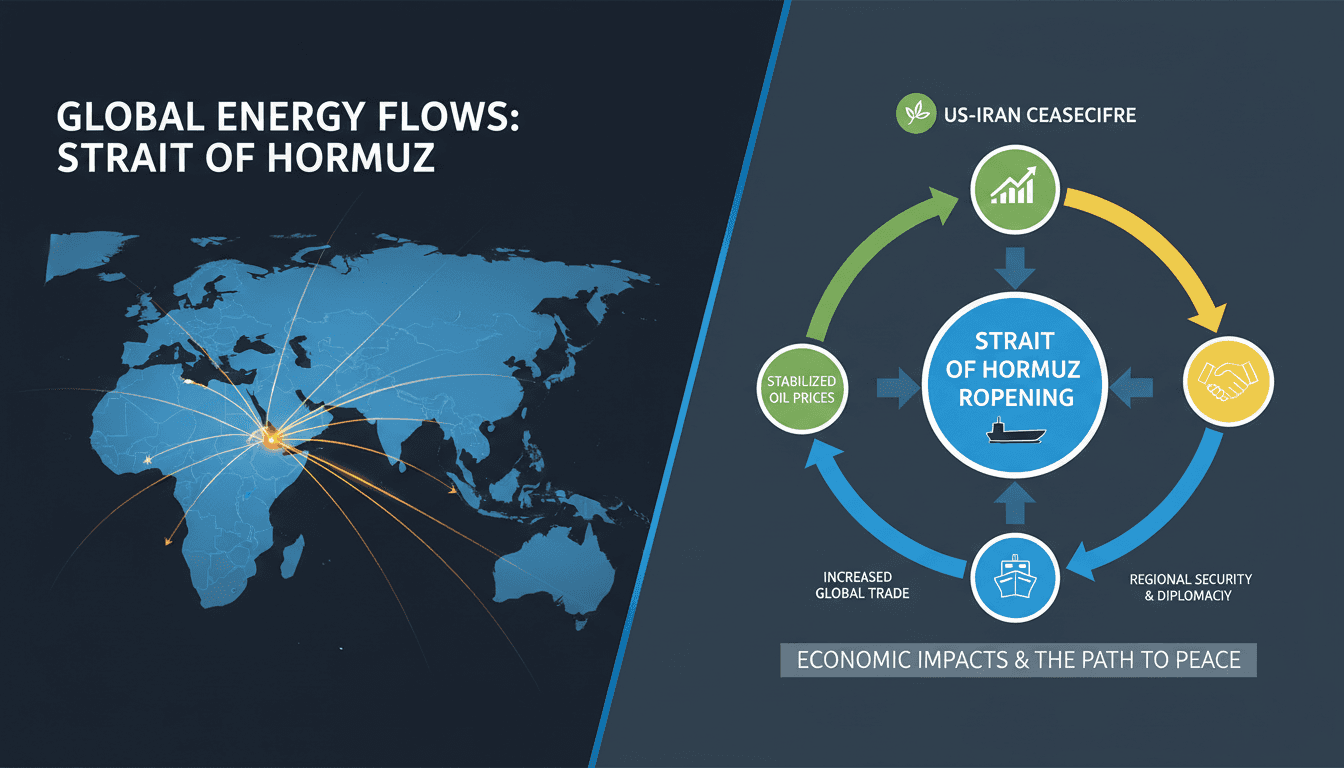
- Tech· World
NASA Artemis II Crew Releases Historic Images of Earthset and Solar Eclipse During Lunar Flyby
NASA's Artemis II mission crew captured the first human images of an Earthset and a solar eclipse during their lunar flyby on April 6, 2026. This milestone was achieved as the crew documented unprecedented views from the Moon's far side, coinciding with the mission's trajectory and communications blackout. The long-term implication is a renewed global interest in space exploration and potential advancements in lunar and Mars missions, reflecting humanity's ongoing quest for deeper space exploration.
8 sourcesApr 9Very High
- World· MENA
UN Security Council Rejects Bahrain's Resolution for Strait of Hormuz Security Amid Major Powers' Vetoes
On April 7, 2026, the UN Security Council failed to adopt a resolution aimed at enhancing security for commercial shipping in the Strait of Hormuz due to vetoes from Russia and China. The immediate cause of this rejection stems from perceptions of bias against Iran and the omission of the underlying causes of the regional conflict, which has seen Iran close the strait following U.S. and Israeli strikes. In the long term, this failure may exacerbate tensions in the region and hinder international efforts to stabilize oil trade routes critical to global energy supplies.
6 sourcesApr 9Low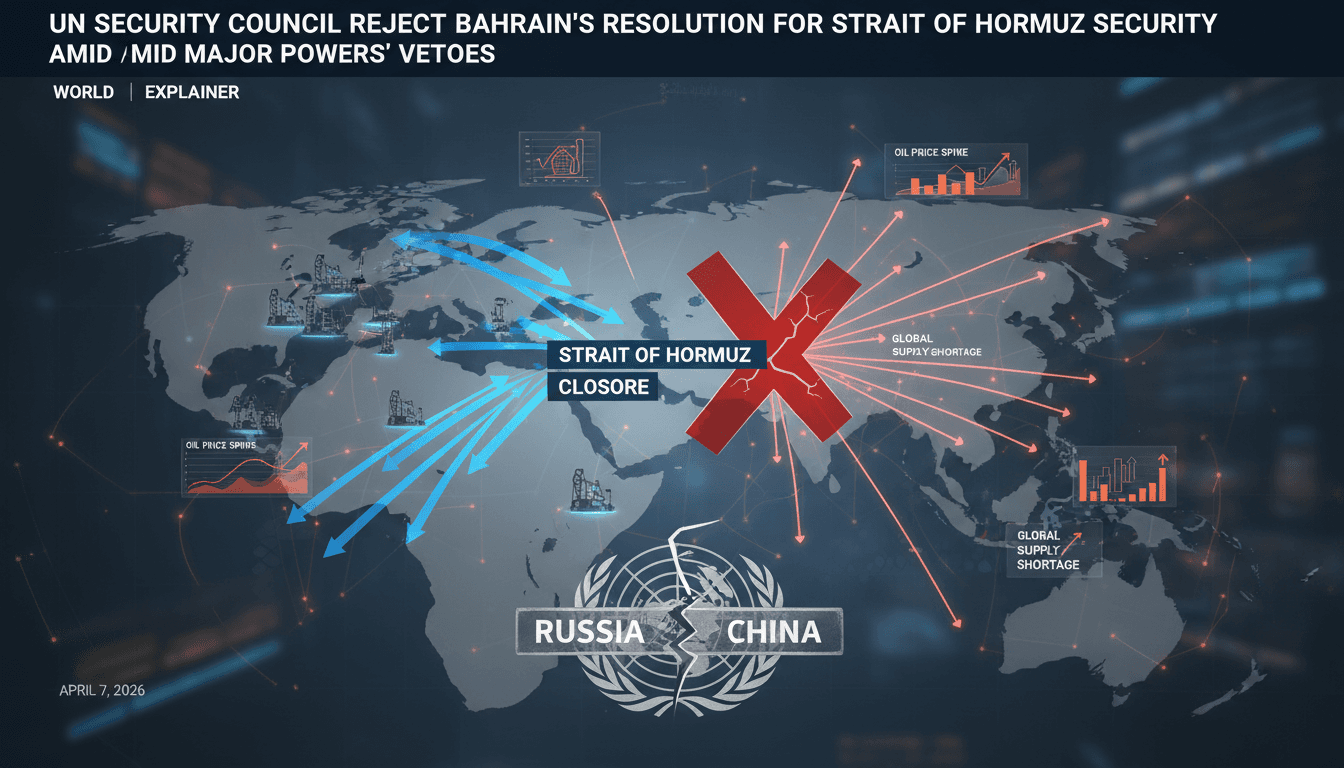
- Politics· MENA
Iran and US Reach Two-Week Ceasefire Amid Ongoing Conflict
On April 7, 2026, Iran and the United States agreed to a two-week ceasefire mediated by Pakistan. This agreement comes after 40 days of escalating conflict triggered by U.S.-Israeli military actions against Iran, which included targeted assassinations. The ceasefire is expected to facilitate further negotiations and may stabilize regional energy markets impacted by the conflict.
6 sourcesApr 9Very High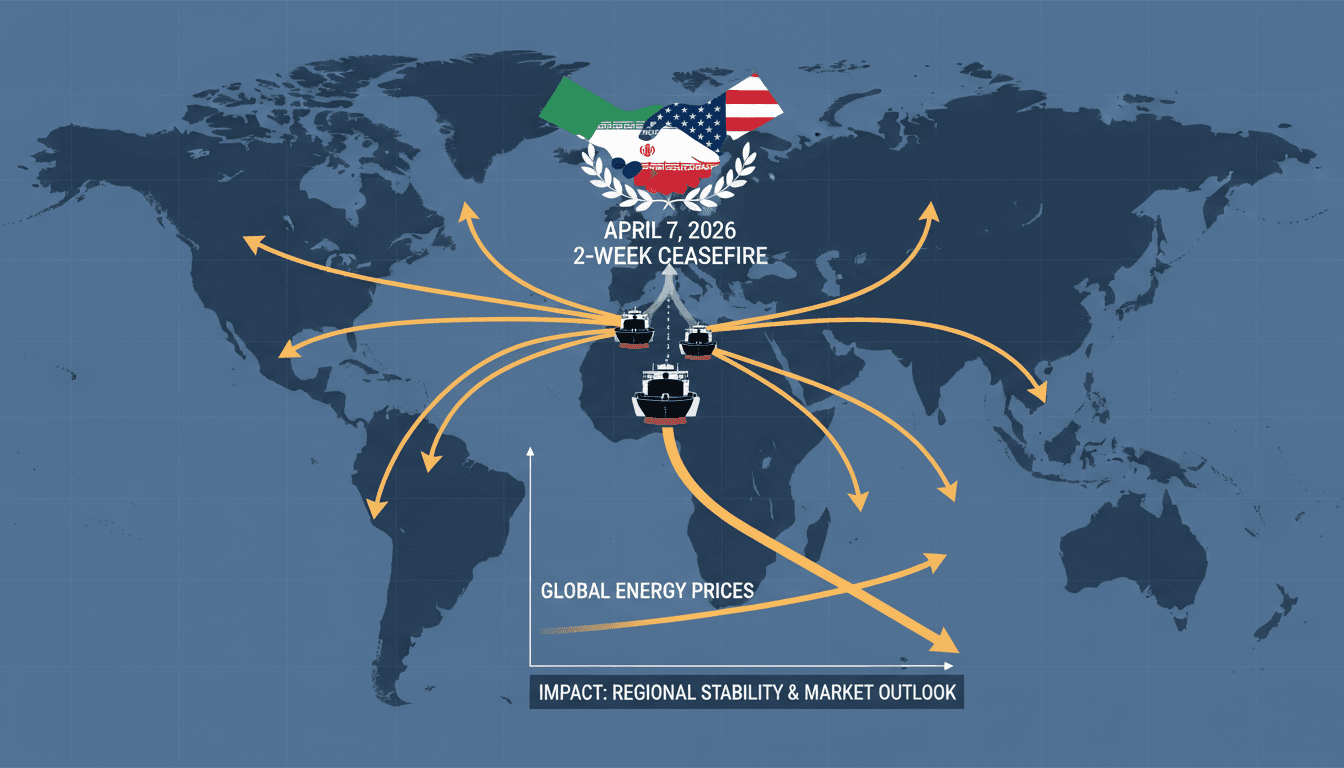
- World· MENA
US and Iran Reach Two-Week Ceasefire Agreement Amid Ongoing Conflict
On April 8, 2026, U.S. President Donald Trump announced a two-week ceasefire with Iran, brokered by Pakistan, following escalating threats and military actions that disrupted global oil supplies. The immediate trigger for this agreement was the U.S. threats to strike Iranian civilian infrastructure amidst a conflict that had already throttled 20% of global oil supply. Long-term implications include ongoing negotiations addressing nuclear issues and regional stability, with the potential for further escalations if violations of the ceasefire continue.
7 sourcesApr 9Very High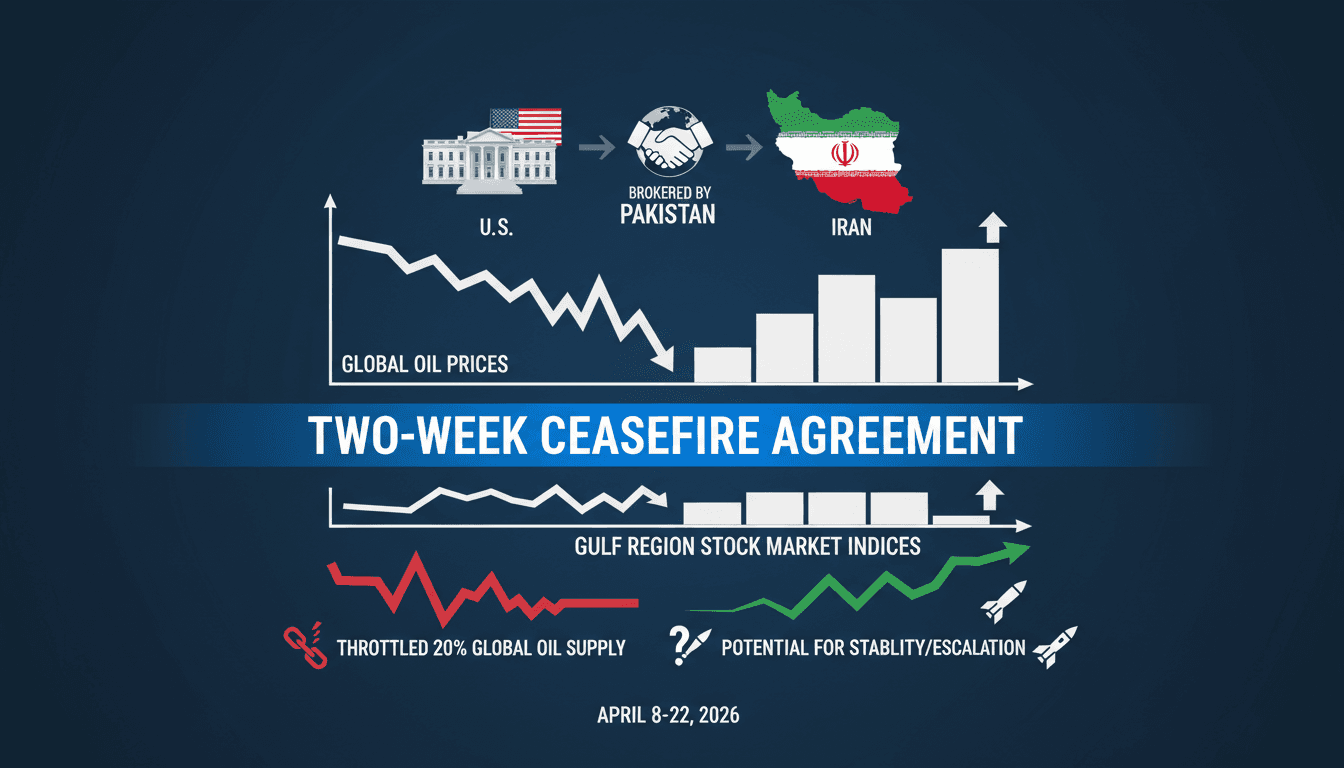
- Politics· World
Ben Roberts-Smith Charged with War Crimes in Afghanistan
On April 7, 2026, Ben Roberts-Smith, a highly decorated Australian soldier, was arrested and charged with five counts of war crime murder related to the alleged killings of unarmed Afghan civilians between 2009 and 2012. This legal action follows the findings of the 2020 Brereton Report, which identified credible evidence of unlawful killings by Australian special forces, and comes after Roberts-Smith's loss in a defamation trial in 2023 over similar allegations. The long-term implications may include increased scrutiny of military conduct and accountability for Australian forces involved in overseas operations, potentially reshaping public perception and policy regarding military engagement.
7 sourcesApr 9High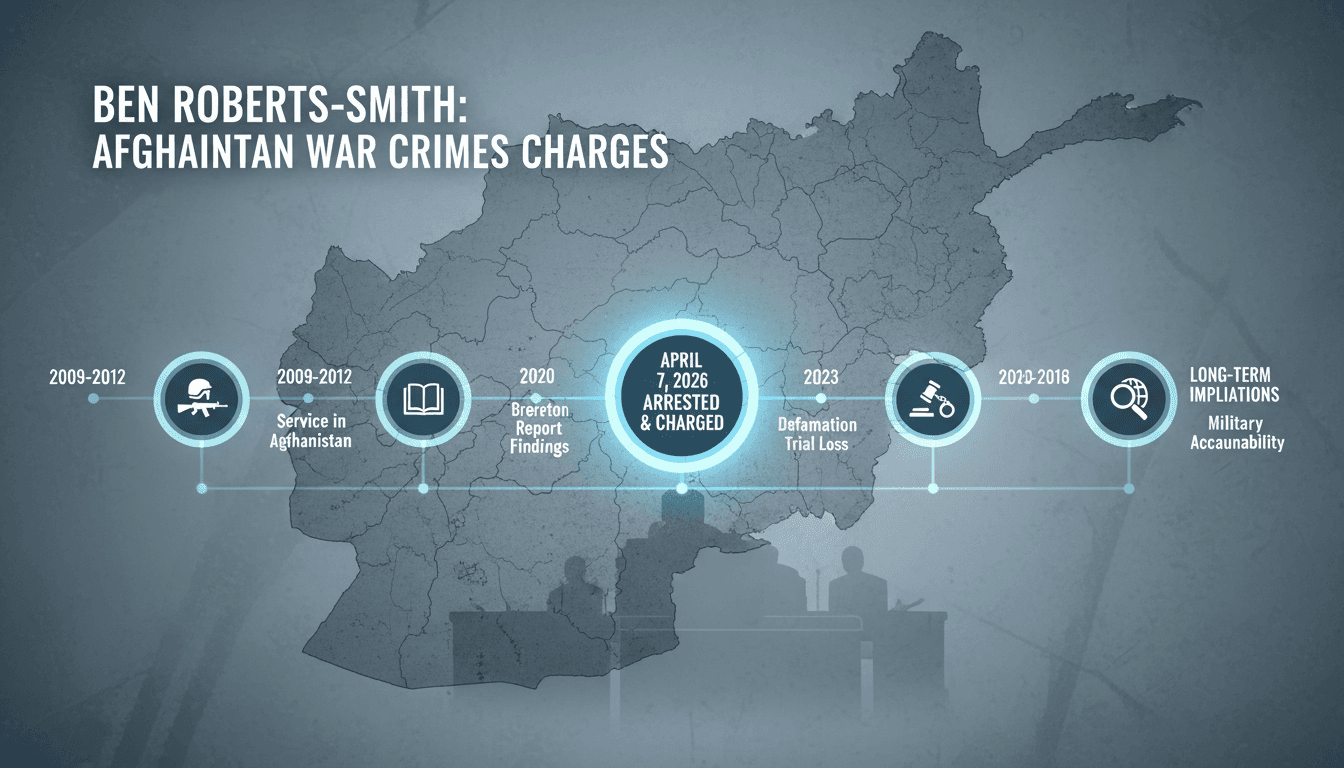
- Politics· World
North Korea Conducts Short-Range Ballistic Missile Tests Amid Tensions with South Korea
North Korea launched multiple short-range ballistic missiles into the eastern sea from Wonsan on April 8, 2026, marking the second consecutive day of missile tests. This escalation follows derogatory remarks from North Korean officials towards South Korea's diplomatic efforts, prompting increased military vigilance from South Korea and the United States. The long-term implication may involve heightened military tensions in the region and a potential recalibration of defense strategies among neighboring countries.
8 sourcesApr 9High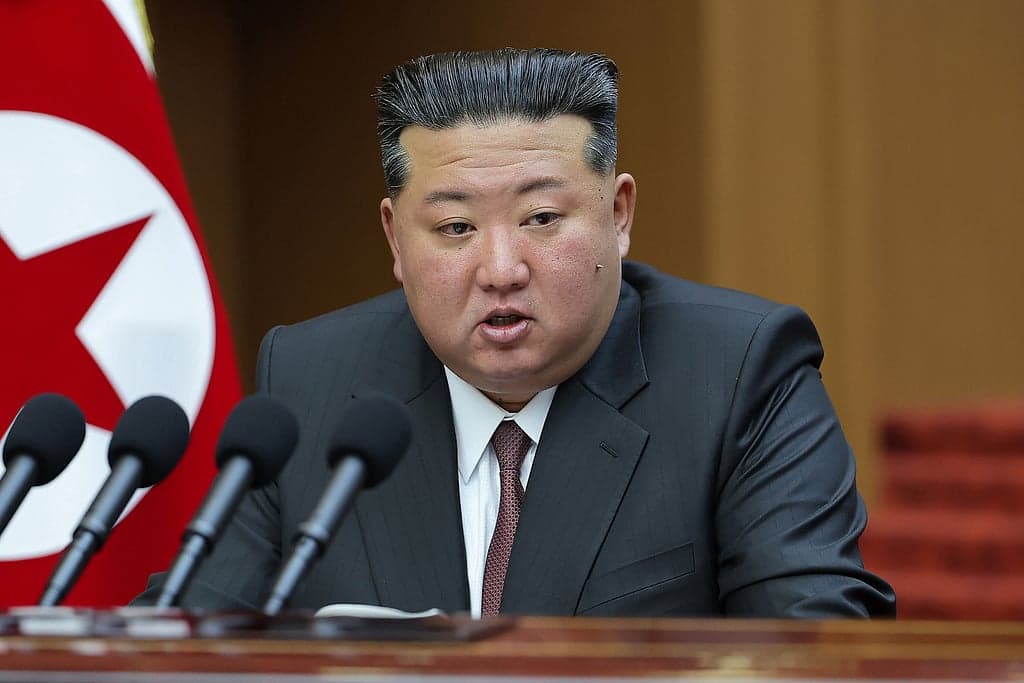
- Politics· World
US Vice President JD Vance Urges Iran to Maintain Ceasefire Amid Lebanon Tensions
On April 8, 2026, US Vice President JD Vance warned Iran against jeopardizing the ongoing ceasefire amid escalating tensions due to Israeli airstrikes in Lebanon. This warning follows a two-week truce mediated by Pakistan, which Iran misinterpreted as including Lebanon, leading to Iranian threats of renewed conflict. The long-term implication may involve increased diplomatic efforts to clarify ceasefire terms and stabilize the region amidst ongoing violence and humanitarian crises.
8 sourcesApr 9Moderate
- Politics· World
Trump Announces U.S.-Iran Cooperation on Tariff and Sanctions Relief After Ceasefire
On April 8, 2026, U.S. President Donald Trump declared that the United States will collaborate with Iran to negotiate tariff and sanctions relief following a two-week ceasefire. This announcement comes after a recent regime change in Iran and the establishment of a 15-point U.S. plan addressing nuclear material and uranium enrichment. The long-term implication may lead to a shift in U.S.-Iran relations and impact global oil markets as tensions ease in the region.
3 sourcesApr 9Moderate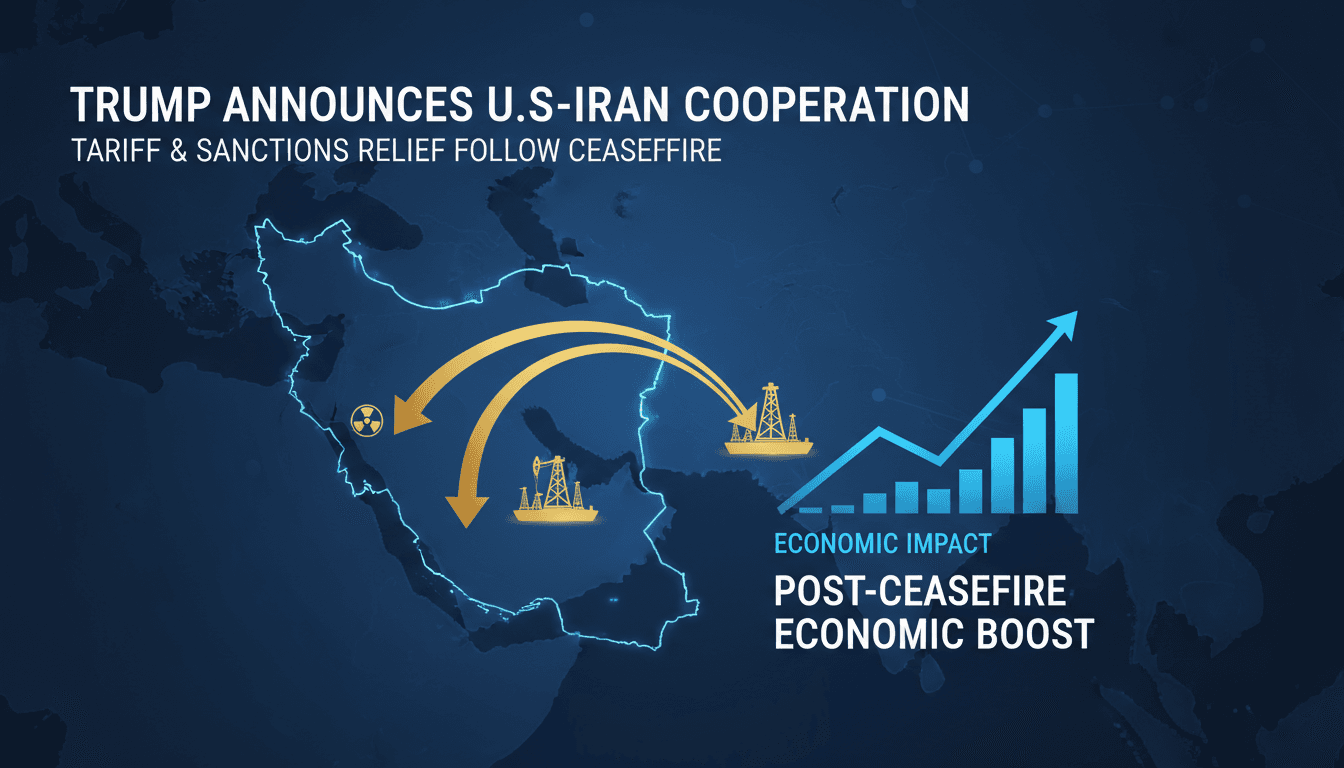
- Politics· World
Yair Lapid Criticizes US-Iran Ceasefire as Political Disaster Due to Israeli Exclusion from Negotiations
On April 8, 2026, Israeli opposition leader Yair Lapid condemned the US-Iran ceasefire as a political disaster, citing Israel's exclusion from key negotiations. The immediate trigger for this criticism stems from the ceasefire announcement by US President Donald Trump on April 7, which followed a five-week military campaign involving strikes against Iran. The long-term implication may lead to increased political tensions within Israel and a reevaluation of its role in future US-led negotiations in the region.
4 sourcesApr 9Moderate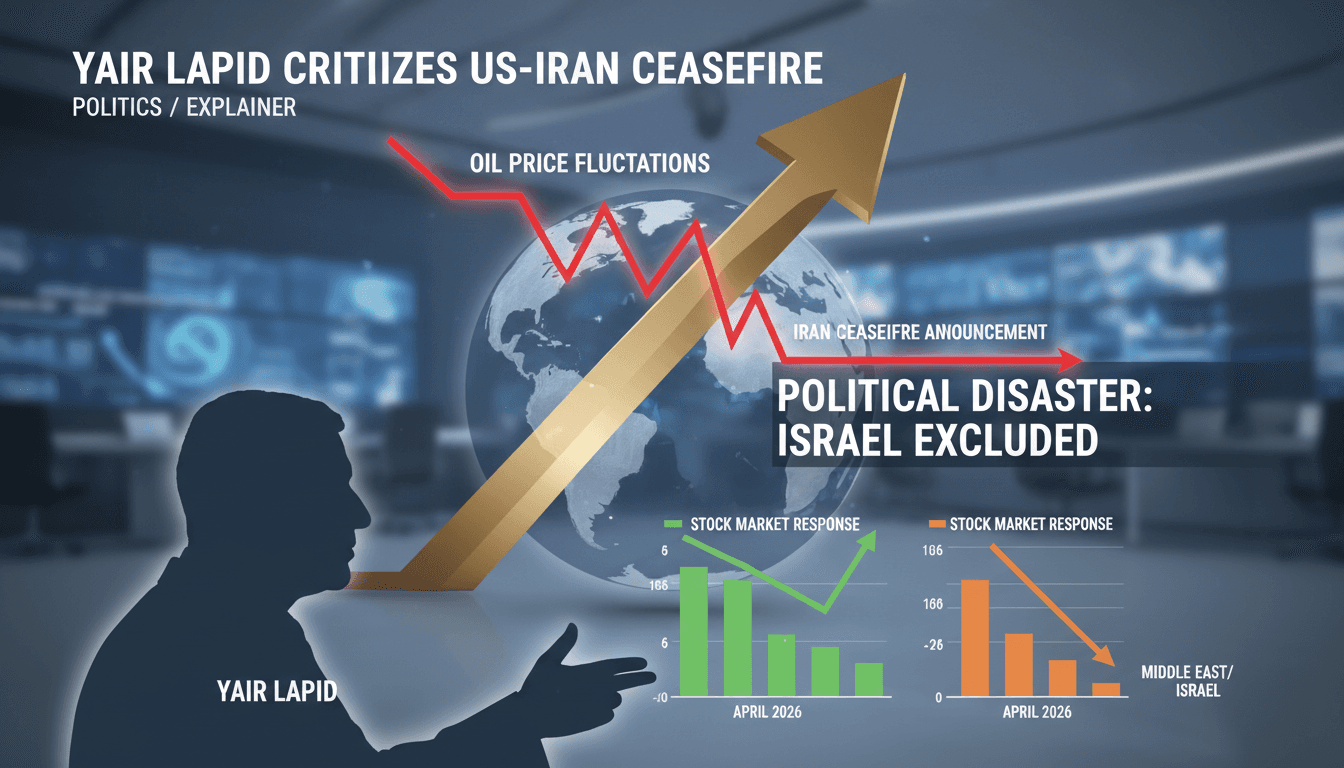
- Politics· World
U.S. and Iran Reach Fragile Ceasefire Agreement Amid Escalating Tensions
On April 7, 2026, U.S. President Donald Trump announced a two-week ceasefire with Iran, declaring it a 'total and complete victory.' This agreement follows heightened military threats and a recent escalation period, as Iran warns that the truce could collapse due to Israeli actions in Lebanon. The long-term implications may involve renewed scrutiny of U.S. foreign policy and potential shifts in regional alliances as tensions remain high.
4 sourcesApr 9High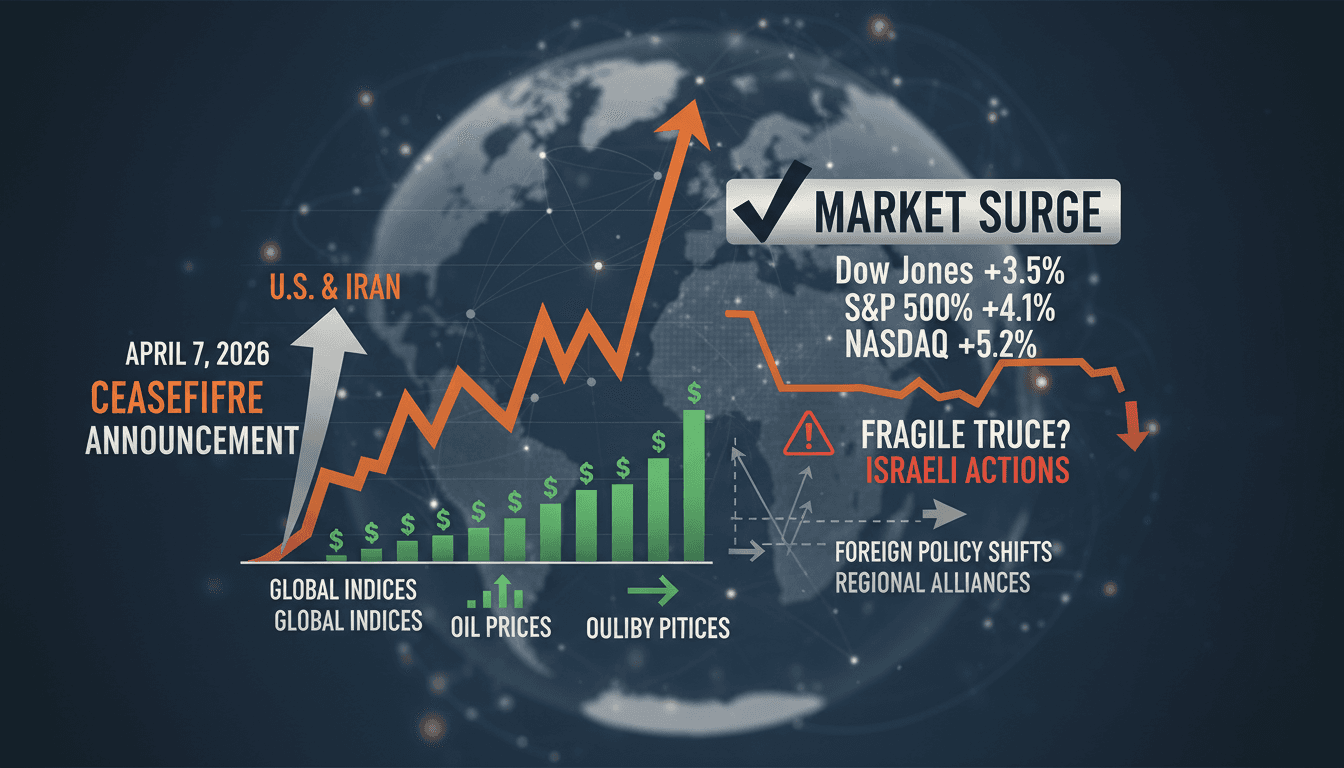
- Politics· MENA
Trump Announces No Uranium Enrichment in Iran Under New U.S. Agreement
On April 8, 2026, U.S. President Donald Trump declared that there will be no enrichment of uranium in Iran as part of a new agreement following a two-week ceasefire. This announcement comes amid ongoing negotiations in Islamabad and U.S. threats of significant tariffs on nations supplying arms to Iran. The long-term implication is a potential shift in regional power dynamics and nuclear non-proliferation efforts in the Middle East.
3 sourcesApr 9Low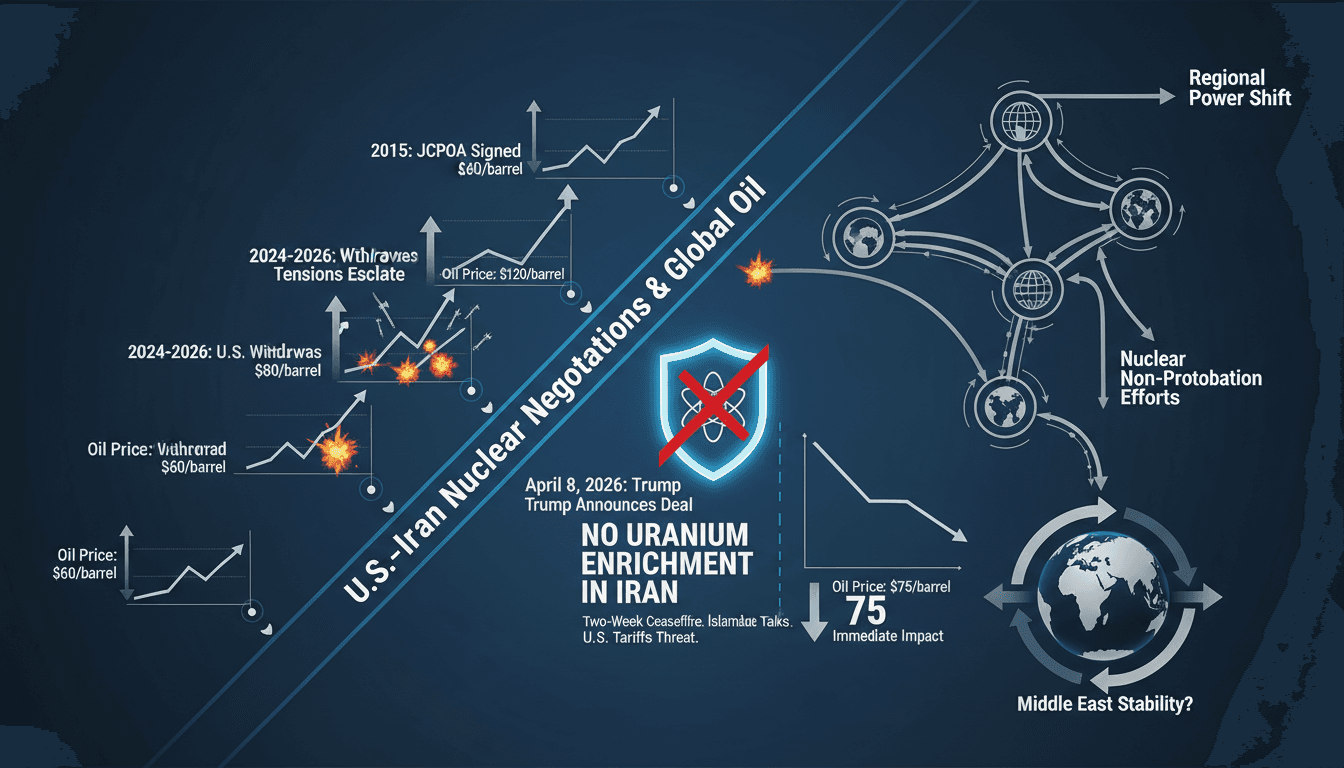
- World· World
American Journalist Shelly Kittleson Released from Kata'ib Hizballah Captivity in Iraq
On April 7, 2026, U.S. Secretary of State Marco Rubio announced the release of freelance journalist Shelly Kittleson after her abduction by the Iran-backed Kata'ib Hizballah militia near Baghdad, Iraq. The release followed a week of negotiations involving a prisoner exchange amid heightened tensions between U.S. forces and Iranian-aligned militias. This incident underscores the ongoing risks faced by journalists in conflict zones and may influence future U.S. policy towards Iran and its proxies in the region.
7 sourcesApr 9Moderate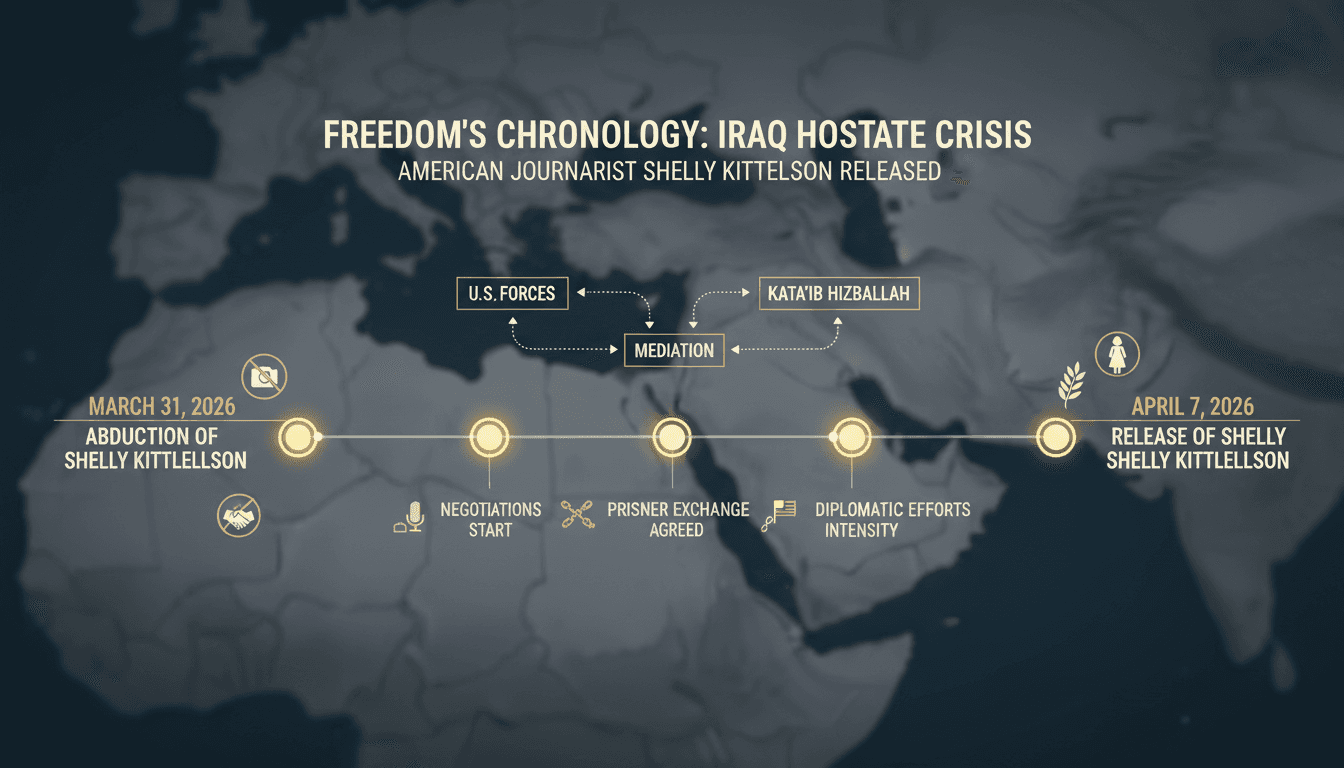
- Politics· World
Trump Threatens 50% Tariffs on Military Suppliers to Iran
On April 8, 2026, U.S. President Donald Trump announced a threat to impose 50% tariffs on all goods from countries supplying military weapons to Iran. This announcement follows a recent ceasefire agreement between the U.S. and Iran, amid rising tensions in the region. The long-term implication could involve significant trade disruptions and legal challenges, particularly given recent Supreme Court rulings on tariff enforcement.
7 sourcesApr 9High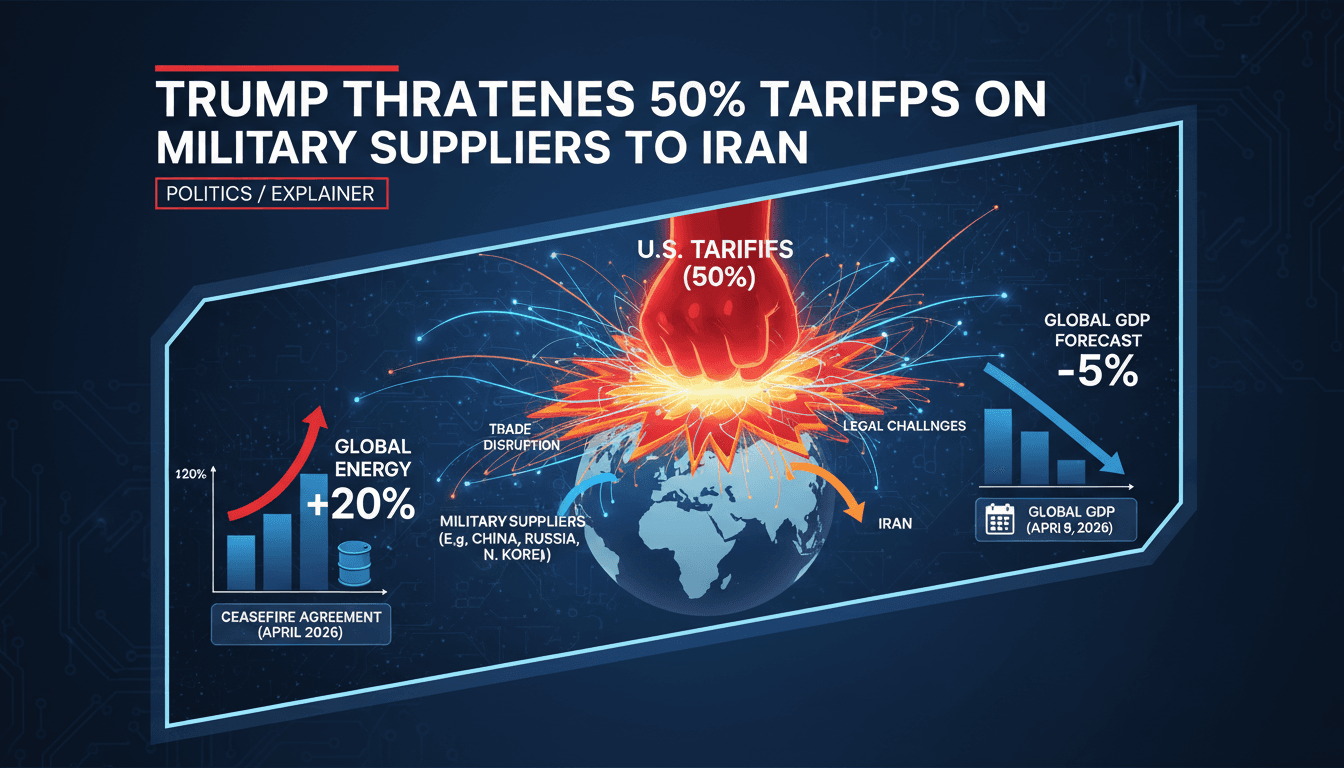
- Politics· MENA
Trump Proposes Joint Venture with Iran for Strait of Hormuz Shipping Tolls
U.S. President Donald Trump has proposed a joint venture with Iran to impose tolls on vessels transiting the Strait of Hormuz. This proposal arises in the context of a fragile ceasefire following recent U.S. military operations against Iran, which has led to Iran demanding tolls and restricting shipping traffic. If implemented, this could significantly alter shipping costs and geopolitical dynamics in the region, particularly affecting oil trade and U.S.-Iran relations.
4 sourcesApr 9Very High