Bio
Andre is co-founder at A47 News. He is responsible for editorial standards and news curation, and shares commentary on AI, general technology, and global politics.
Editorial Responsibility
As Editor, I am responsible for all editorial standards, news sourcing, research, and content production.
Previous experience · 15+ years
- · Co-founder at Tiki
- · Operations Director at Rocket Internet
Education
BA Economics, University of Waikato
Areas of expertise
Categories overseen
Stories from Andre Teow’s desk
15540 stories- Tech· World
Artemis II Astronauts Capture Lunar Imagery Using iPhone 17 Pro Max
NASA's Artemis II mission astronauts documented their lunar flyby using iPhone 17 Pro Max devices, marking a historic first for consumer smartphones in deep space. This event is occurring now due to a recent policy shift allowing personal devices after rigorous NASA certification, enhancing the mission's documentation capabilities. The long-term implication includes potential advancements in personal technology integration for future space missions and increased public engagement in space exploration.
3 sourcesApr 8Low
- World· MENA
Drone attack targets Saudi Arabia's East-West oil pipeline following US-Iran ceasefire
On April 8, 2026, a drone attack struck a pumping station along Saudi Arabia's East-West oil pipeline. This incident occurred just hours after a ceasefire was announced between the US and Iran, amid escalating tensions in the region. The long-term implication may involve increased security measures for oil infrastructure and potential volatility in global oil markets as regional conflicts persist.
3 sourcesApr 8Low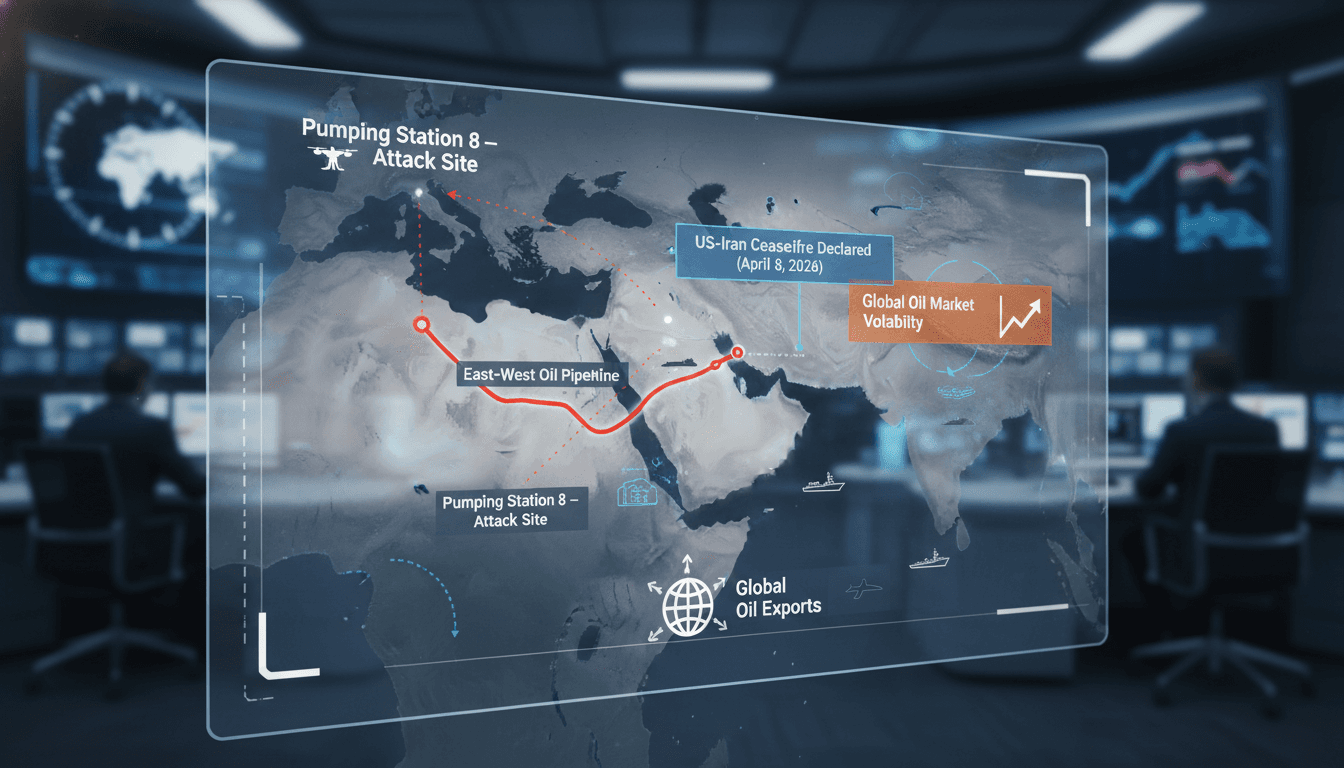
- World· World
Release of French Nationals Cécile Kohler and Jacques Paris from Iranian Detention
On April 8, 2026, French President Emmanuel Macron welcomed Cécile Kohler and Jacques Paris at the Élysée Palace in Paris following their release from Iranian detention. Their release comes after 3.5 years of imprisonment, triggered by diplomatic mediation efforts led by Oman amid escalating tensions between Iran and Western nations. This event may signal a potential thaw in Iran-West relations and could influence future diplomatic negotiations involving hostages and regional security dynamics.
2 sourcesApr 8High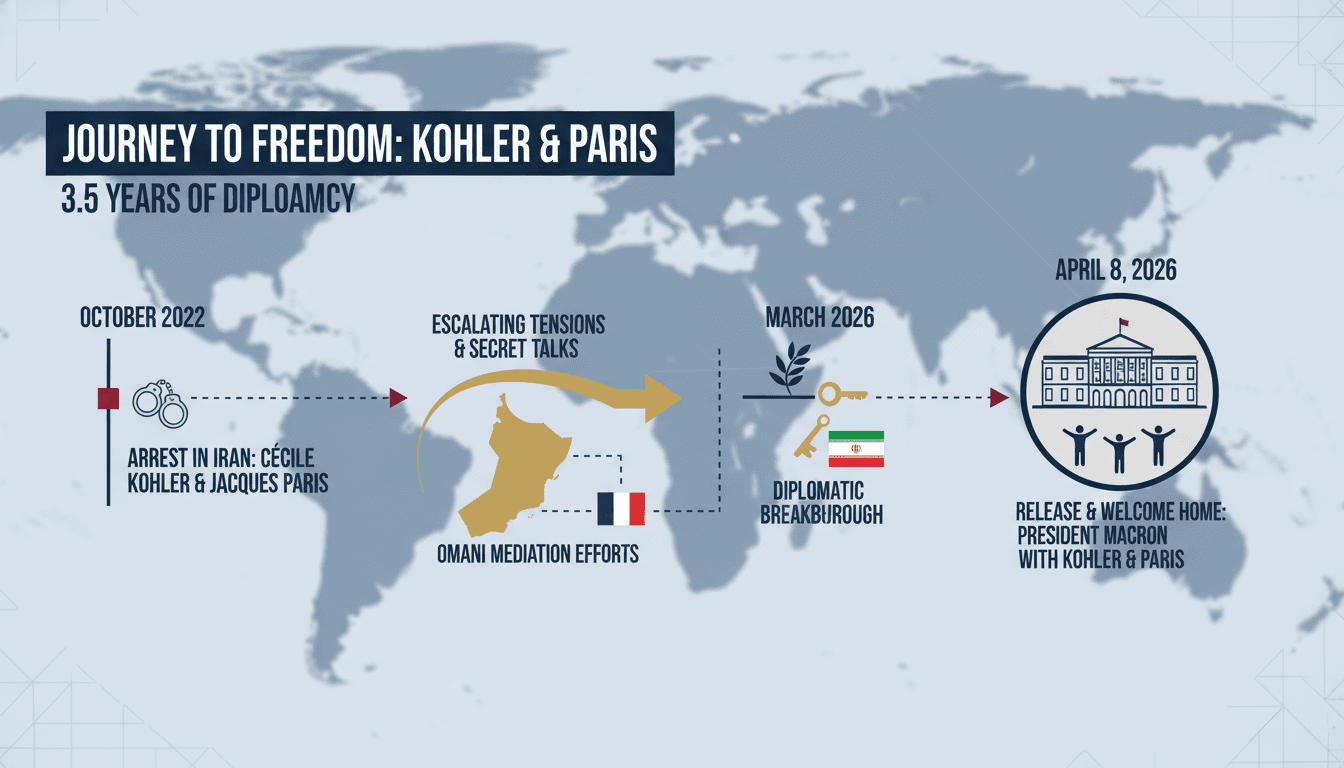
- World· MENA
Israel Conducts Largest Airstrikes on Lebanon Since War Began Excluding Ceasefire Terms
On April 8, 2026, the Israeli military launched its most extensive airstrikes on Lebanon, targeting over 100 Hezbollah sites amid ongoing conflict. This escalation followed a US-brokered ceasefire with Iran, which Israel explicitly excluded Lebanon from due to its hostilities with Hezbollah. The long-term implication suggests a continued cycle of violence in the region, undermining ceasefire efforts and escalating humanitarian crises.
3 sourcesApr 8Very High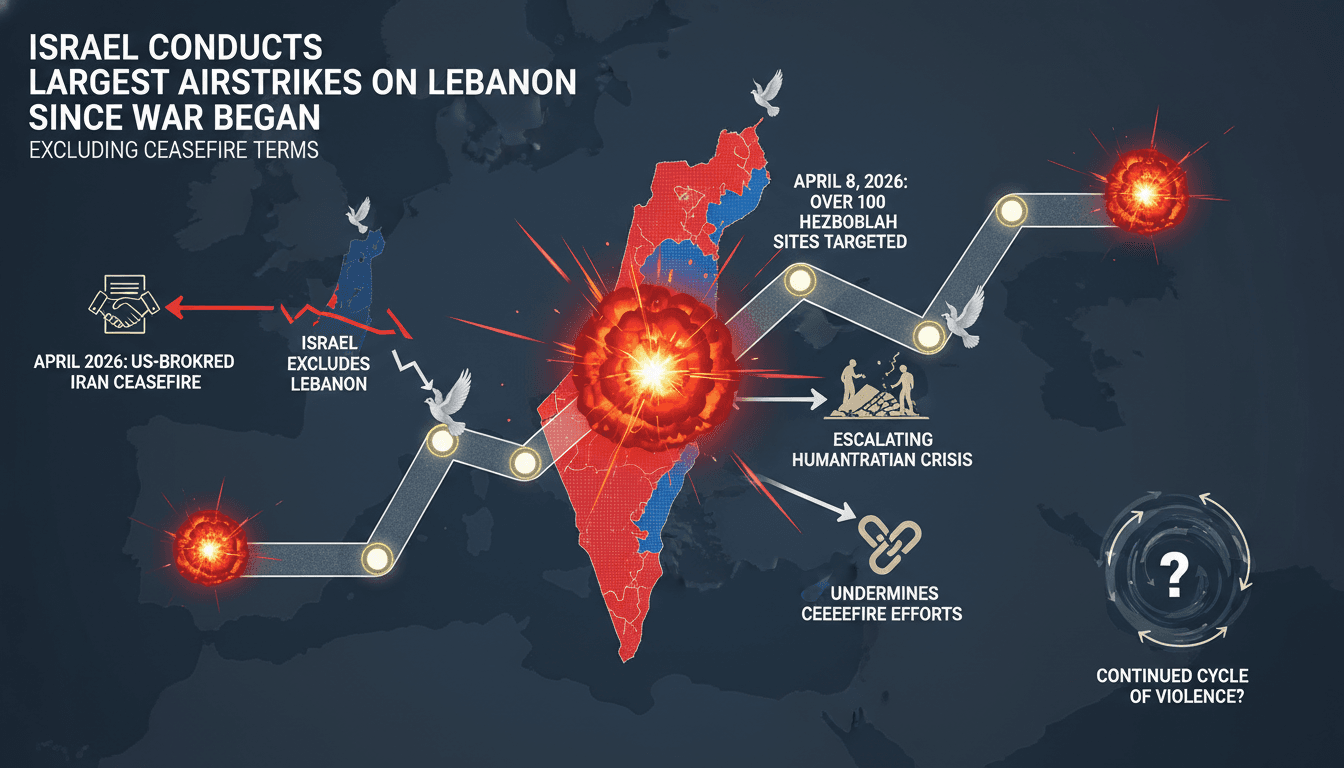
- Politics· World
U.S. and Israel Achieve Military Victory Over Iran in Operation Epic Fury
On April 8, 2026, U.S. Secretary of Defense Pete Hegseth announced a decisive military victory over Iran following Operation Epic Fury, which lasted 40 days. This victory was triggered by escalating tensions and Iran's military provocations, leading to a coordinated U.S.-Israeli offensive that successfully dismantled key Iranian military capabilities. The long-term implication is a potential shift in regional power dynamics and ongoing U.S. military presence in the area to enforce a fragile truce.
5 sourcesApr 8High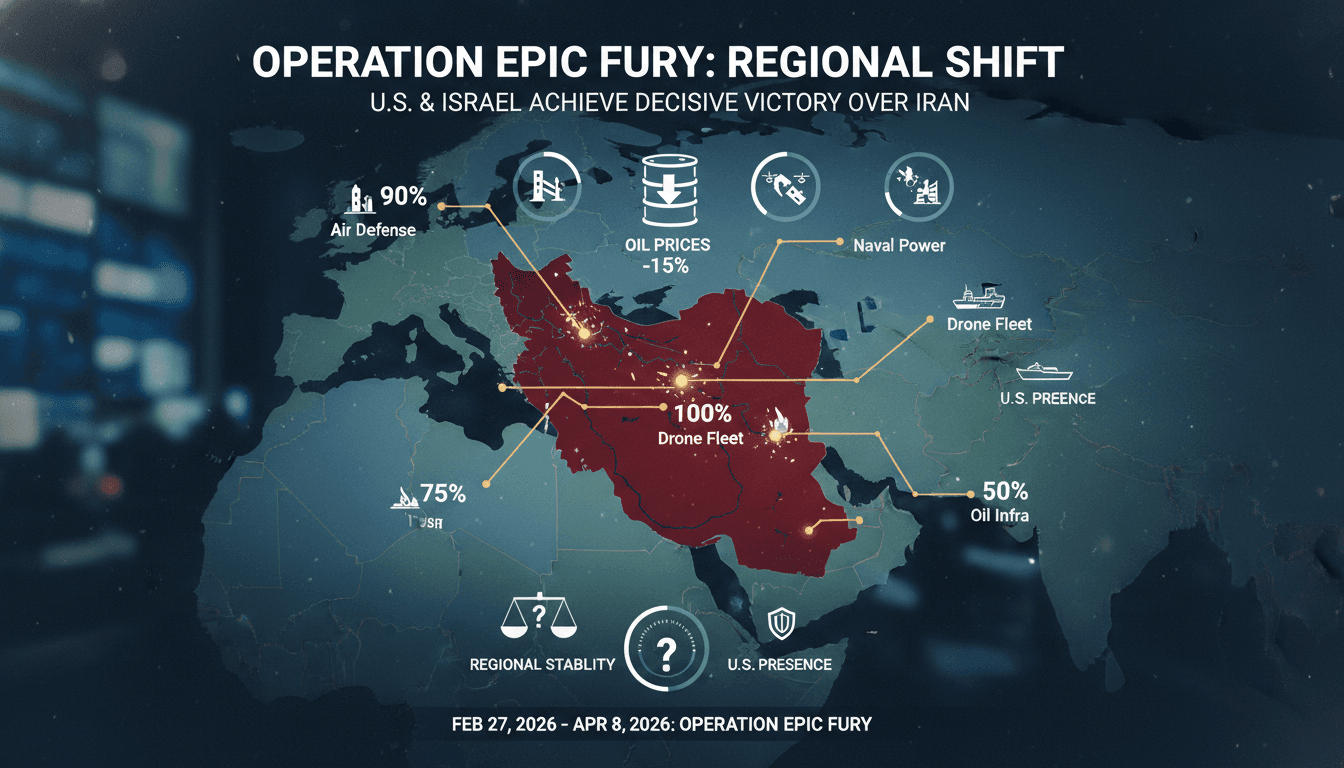
- Politics· World
Trump Announces No Uranium Enrichment in Iran Following Ceasefire Agreement
On April 8, 2026, U.S. President Donald Trump declared that there will be no uranium enrichment in Iran, coinciding with a ceasefire and a claimed regime change. This announcement follows a two-week pause in U.S. attacks, mediated by Pakistan, and is part of negotiations based on Iran's 10-point proposal. The long-term implication suggests a potential shift in U.S.-Iran relations and a focus on nuclear material removal and sanctions relief.
2 sourcesApr 8Low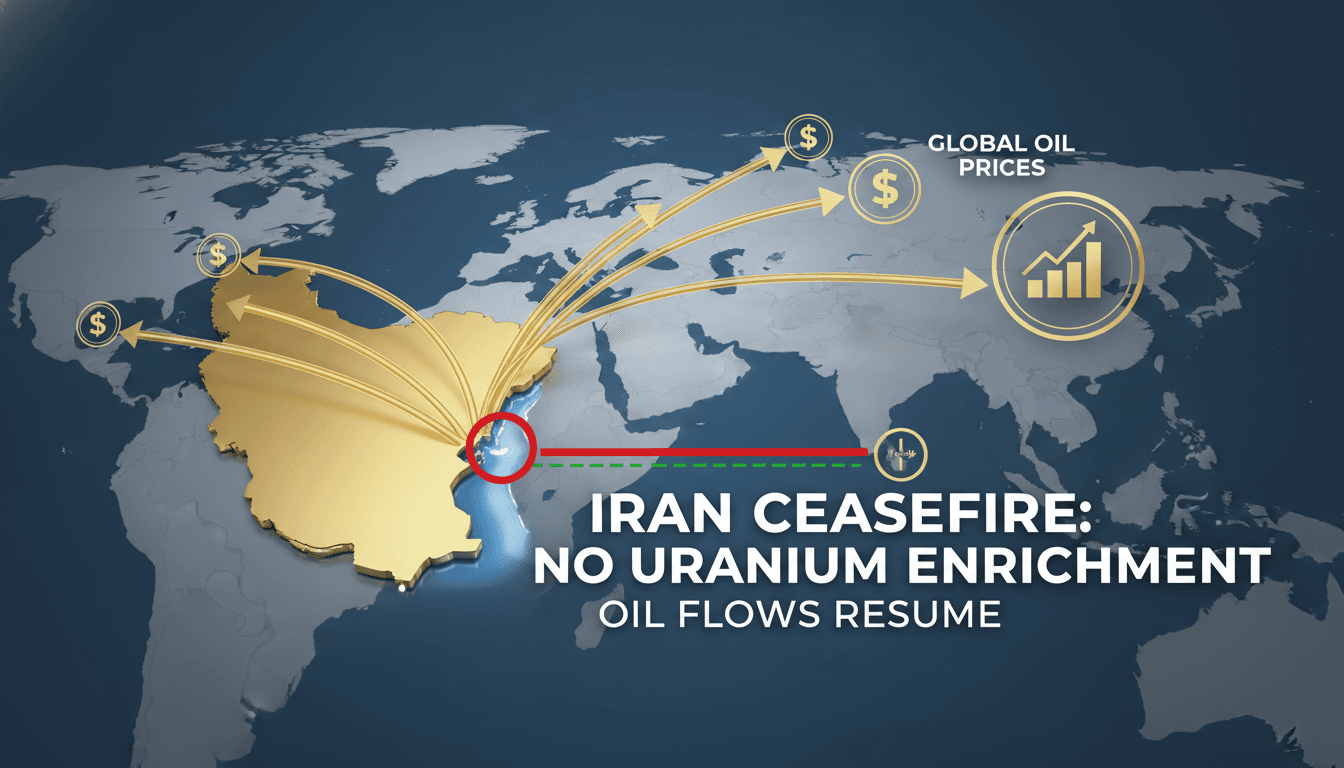
- Politics· MENA
US and Iran Engage in Pakistan-Mediated Ceasefire Talks Following Recent Conflict
The United States and Iran have confirmed their participation in ceasefire negotiations set to begin on April 10, 2026, in Islamabad, Pakistan. This development follows a two-week ceasefire agreement that was reached on April 7, 2026, after a six-week conflict triggered by US-Israeli airstrikes on Iran. The long-term implication of these talks could lead to a potential de-escalation of tensions in the region and a reopening of the vital Strait of Hormuz for global energy supplies.
2 sourcesApr 8High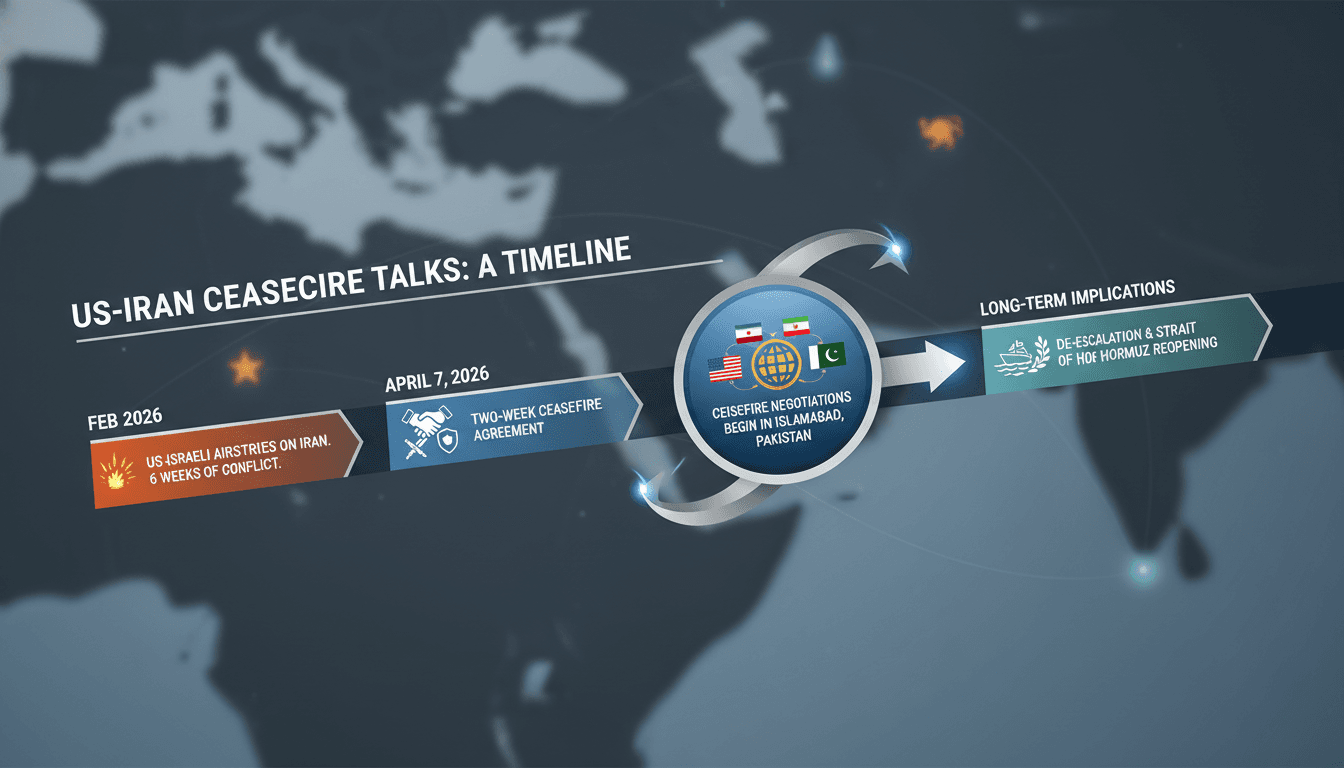
- World· MENA
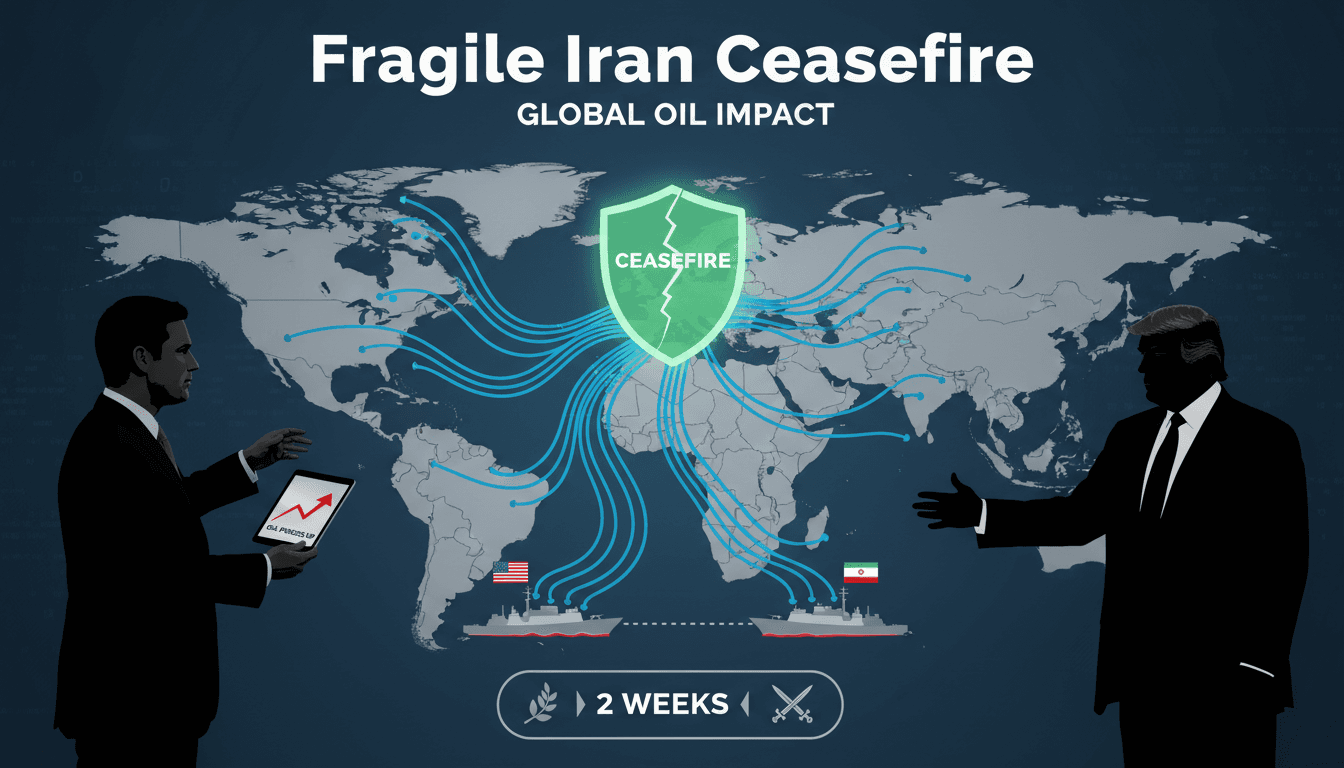
US and Iran Agree to Two-Week Ceasefire Brokered by Pakistan
The United States and Iran have announced a fragile two-week ceasefire effective April 8, 2026, facilitated by Pakistan's diplomatic efforts. This breakthrough follows six weeks of escalating conflict, triggered by US strikes on Iran and the absence of direct diplomatic channels. The long-term implication may involve a shift in regional power dynamics as Pakistan positions itself as a key mediator in Middle Eastern conflicts.
2 sourcesApr 8Very High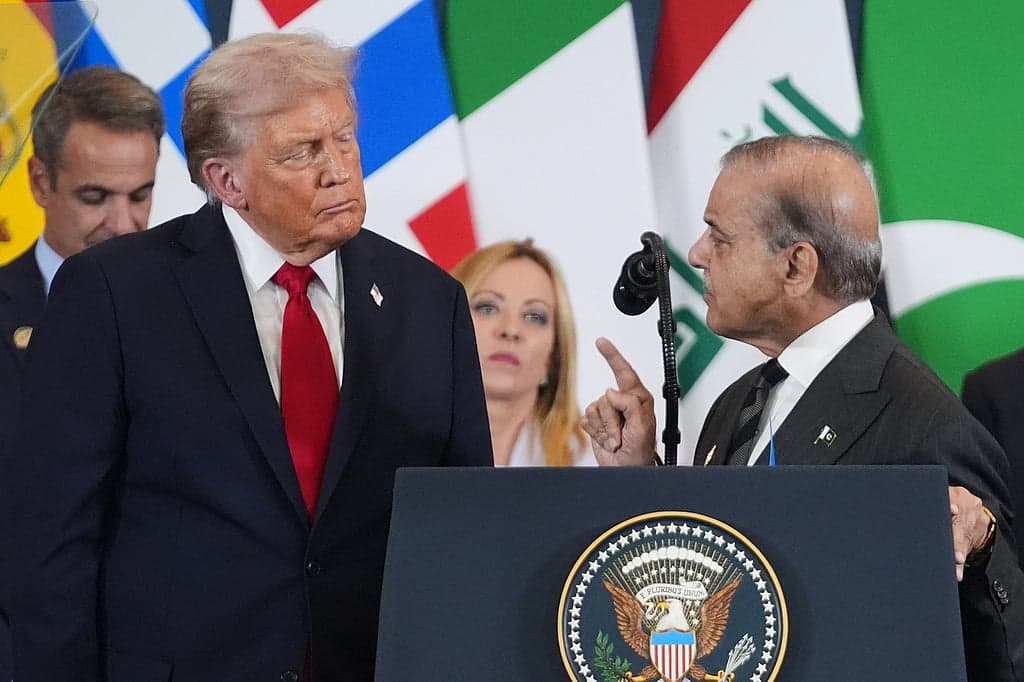
- World· MENA
Israeli Air Force conducts largest airstrikes on Hezbollah in Lebanon since war began
On April 8, 2026, the Israeli Air Force launched its most extensive airstrike campaign against Hezbollah, targeting 100 sites across Lebanon. This escalation follows a U.S.-Iran ceasefire announcement, which Israel claims does not apply to its operations in Lebanon, amid ongoing regional tensions. The long-term implications may include further destabilization in Lebanon and increased humanitarian crises as over 1.2 million people have already been displaced since the conflict's escalation.
3 sourcesApr 8High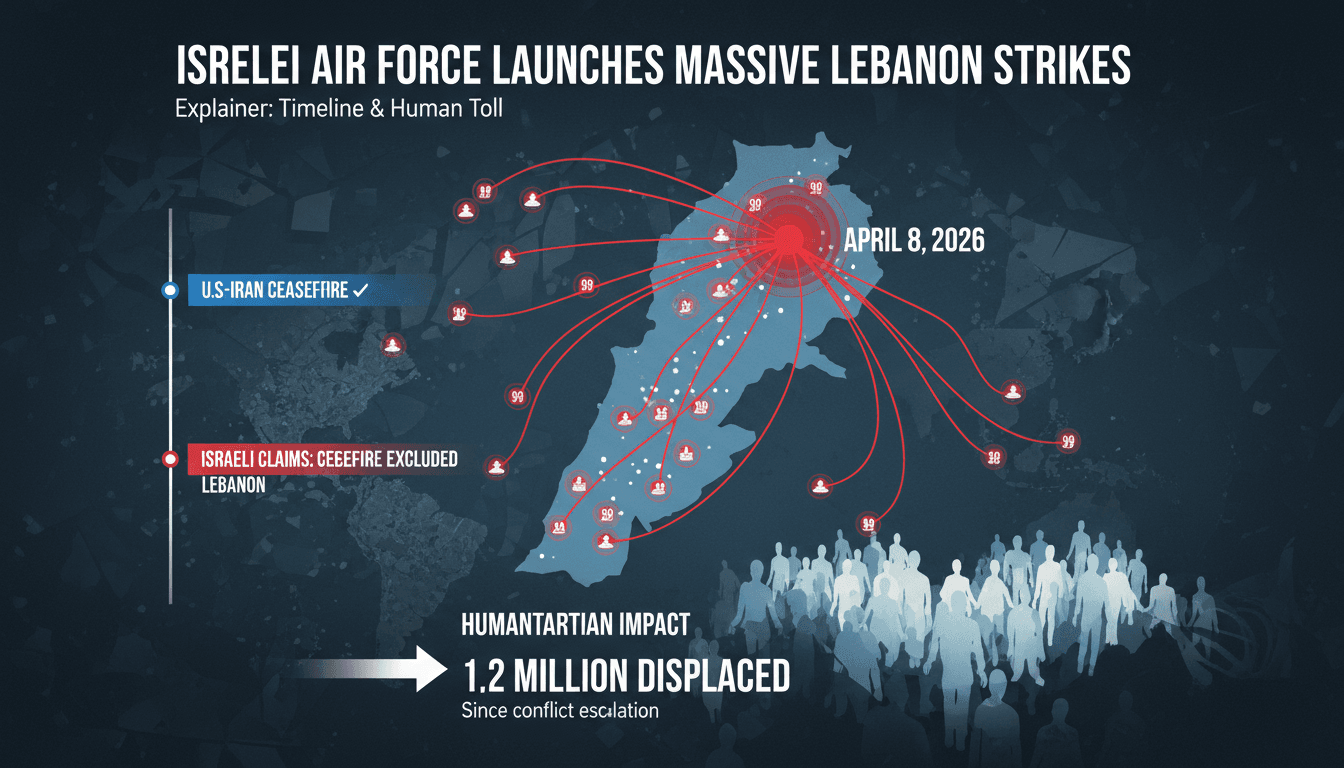
- World· MENA
Strait of Hormuz Partially Reopens Amid US-Iran Ceasefire Agreement
The Strait of Hormuz has partially reopened under a conditional two-week ceasefire between the United States and Iran. This development follows a blockade initiated by Iran in response to US-Israeli airstrikes that significantly disrupted global oil trade. The long-term implications may include ongoing negotiations for a more stable resolution to the crisis and potential shifts in regional power dynamics.
2 sourcesApr 8High
- World· MENA
Iranian Revolutionary Guard Navy Issues Destruction Threat to Unauthorized Ships in Strait of Hormuz
On April 8, 2026, Iran's Sepah navy threatened to destroy any foreign vessel transiting the Strait of Hormuz without prior permission. This warning follows a recent ceasefire agreement announced by U.S. President Donald Trump, aimed at reopening the strait for global oil flow. The long-term implication suggests heightened tensions in the region, potentially disrupting oil markets and international shipping routes.
2 sourcesApr 8High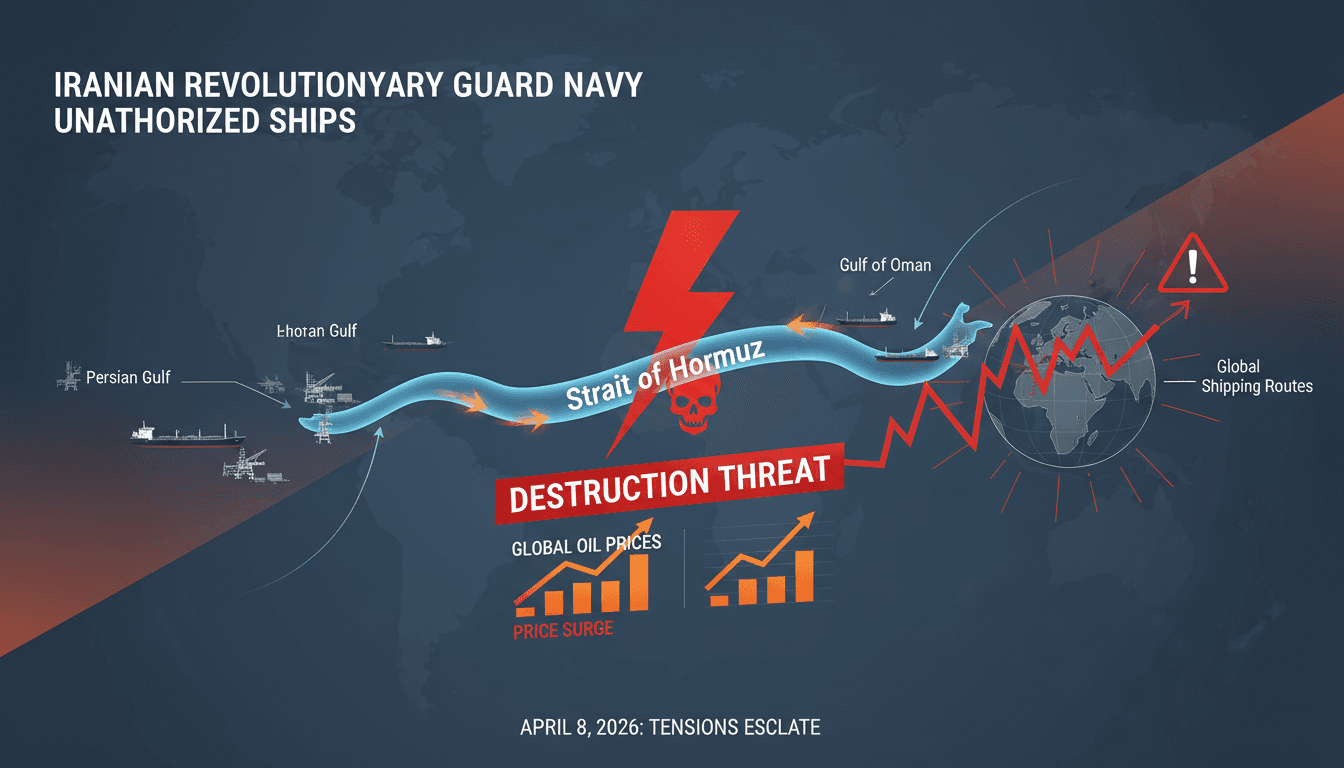
- Politics· MENA
Israel Excludes Hezbollah from US-Iran Ceasefire in Lebanon
On April 8, 2026, Israel announced that the US-Iran ceasefire does not apply to military actions against Hezbollah in Lebanon. This declaration follows ongoing Israeli strikes in southern Lebanon, despite a truce brokered by Pakistan that was intended to halt hostilities. The long-term implication may see continued conflict in the region, as Hezbollah insists on its inclusion in the ceasefire while Israel maintains its military operations.
3 sourcesApr 8High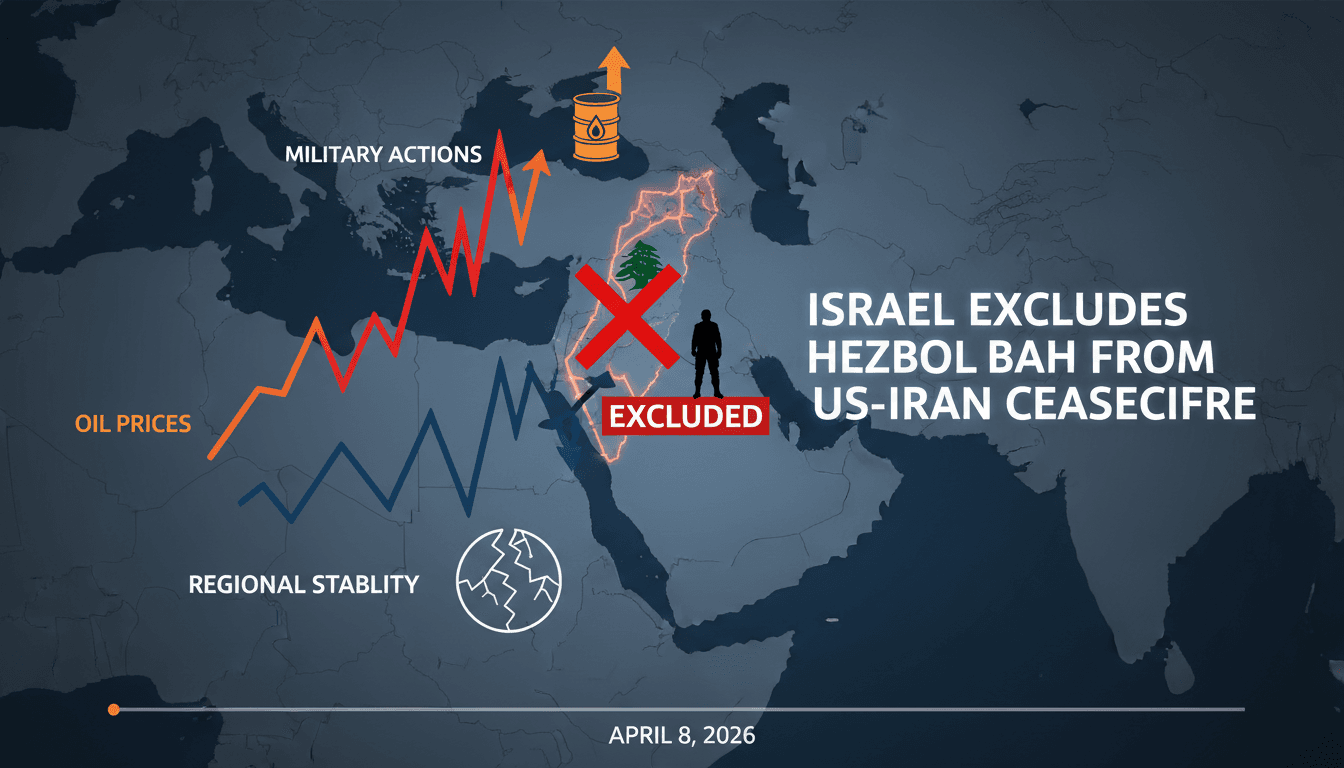
- Politics· World
JD Vance Warns Iran of Consequences for Ceasefire Violation
On April 8, 2026, U.S. Vice President JD Vance issued a warning to Iran regarding the fragile two-week ceasefire truce established to halt hostilities. This warning follows Iran's submission of a 10-point peace proposal and comes just hours after President Trump's deadline for military action against Iranian energy infrastructure. The long-term implication suggests heightened tensions in U.S.-Iran relations, with potential military and economic repercussions if the ceasefire fails to hold.
2 sourcesApr 8Low
- Politics· World
North Korea Conducts Short-Range Ballistic Missile Launches Amid Rising Tensions with South Korea
On April 8, 2026, North Korea launched several short-range ballistic missiles into the East Sea from its Wonsan area. This escalation was triggered by derogatory remarks from North Korea's First Vice Minister of Foreign Affairs towards South Korea, following recent diplomatic tensions and drone incursions. The long-term implication may involve increased military readiness and responses from South Korea and its allies, potentially heightening regional instability.
3 sourcesApr 8High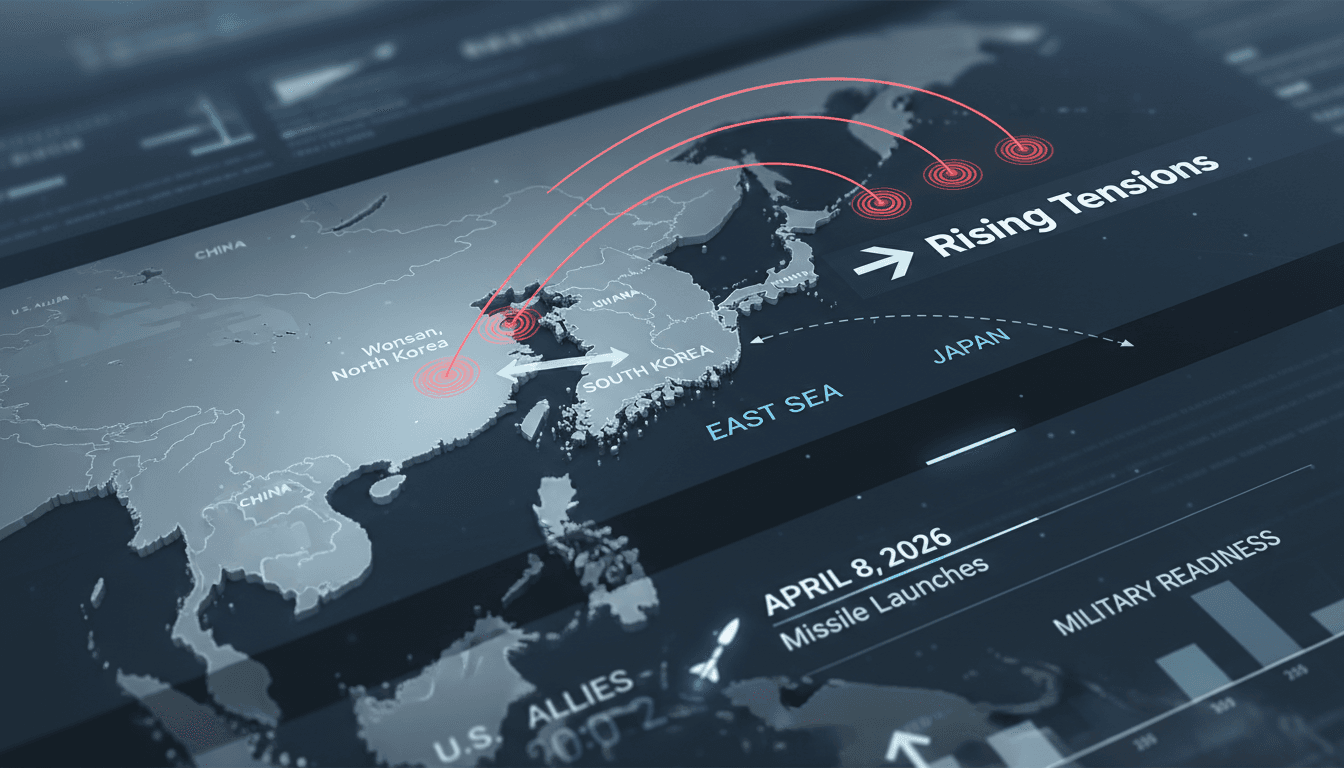
- Politics· MENA
Kuwait Intercepts 28 Iranian Drones Targeting Energy Infrastructure
Kuwait's air defenses intercepted 28 Iranian drones targeting critical energy infrastructure on April 8, 2026. This escalation follows a recently announced US-Iran ceasefire, indicating persistent regional tensions and Iran's ongoing military operations against Gulf states. The long-term implication may involve heightened military readiness and further destabilization of energy markets in the region.
2 sourcesApr 8High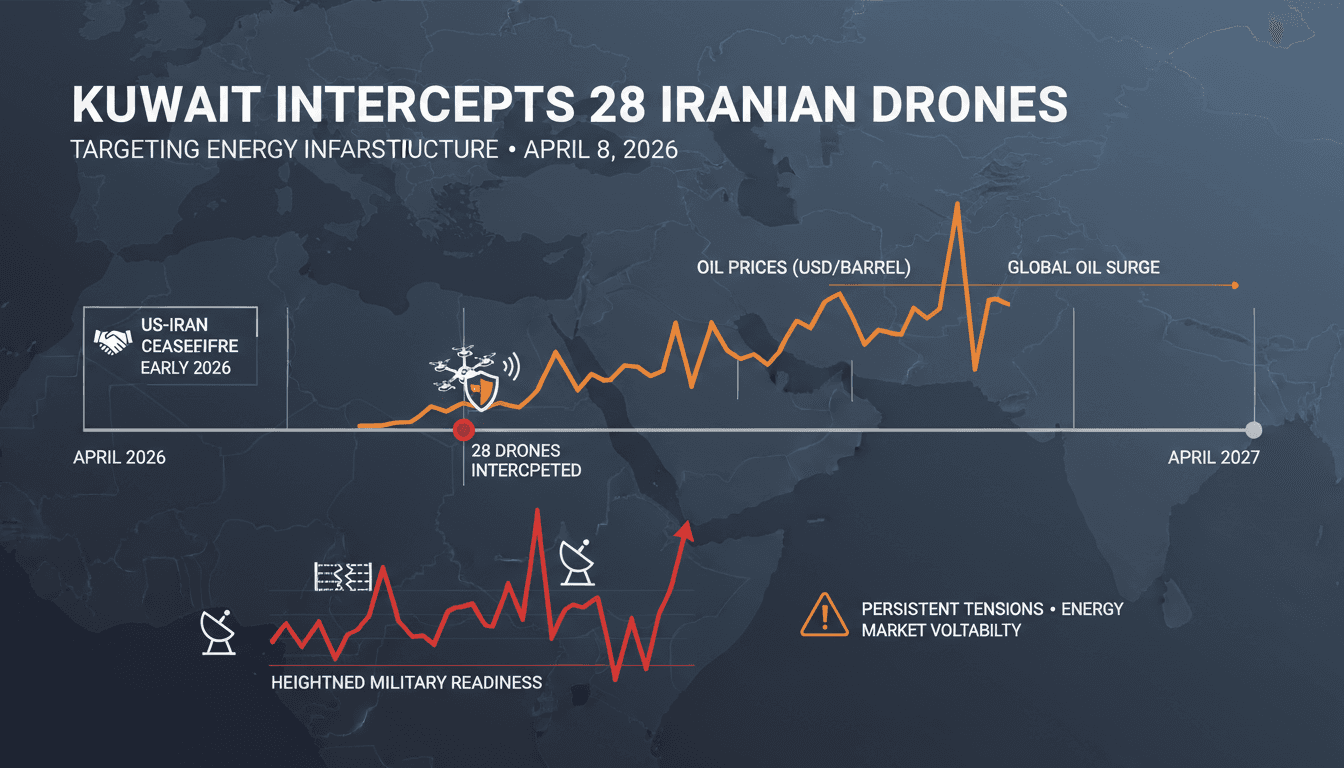
- Politics· MENA
Protesters Attack Kuwaiti Consulate in Basra Following Deadly Rocket Strike
On April 7, 2026, protesters stormed the Kuwaiti consulate in Basra, Iraq, after a rocket attack from the direction of Kuwait killed three civilians. The immediate trigger for the unrest was the rocket strike that heightened existing tensions linked to the ongoing Iran war and cross-border hostilities. This incident may lead to increased diplomatic friction and security measures in the region as Kuwait holds Iraq accountable for the breach of its diplomatic mission.
2 sourcesApr 8High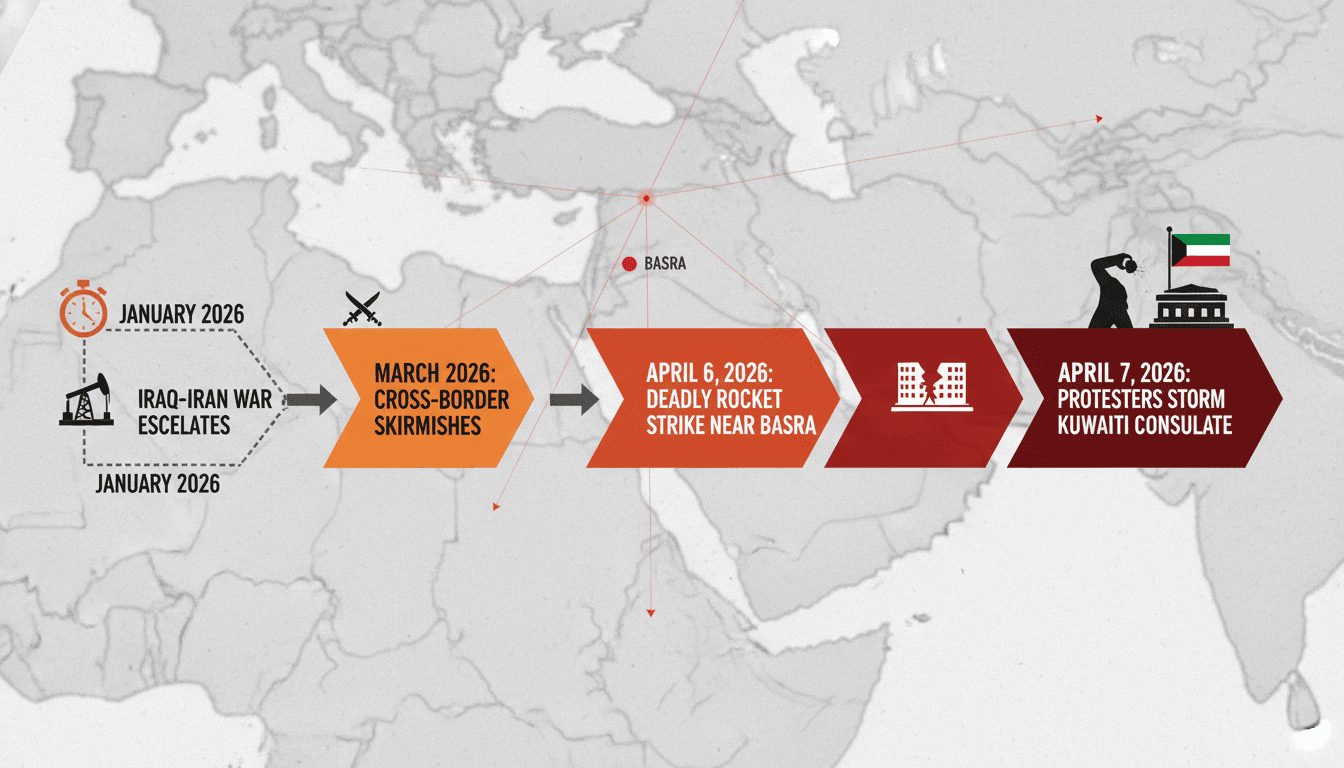
- Politics· UAE
UAE Air Defenses Successfully Intercept Iranian Missile and Drone Attack
On April 8, 2026, UAE air defenses intercepted 17 ballistic missiles and 35 drones launched from Iran. This escalation follows a series of Iranian strikes on the UAE that began on February 28, 2026, in retaliation for U.S.-Israeli airstrikes. The long-term implication suggests heightened military readiness and ongoing tensions in the region, potentially impacting diplomatic relations and security strategies in the Gulf.
2 sourcesApr 8High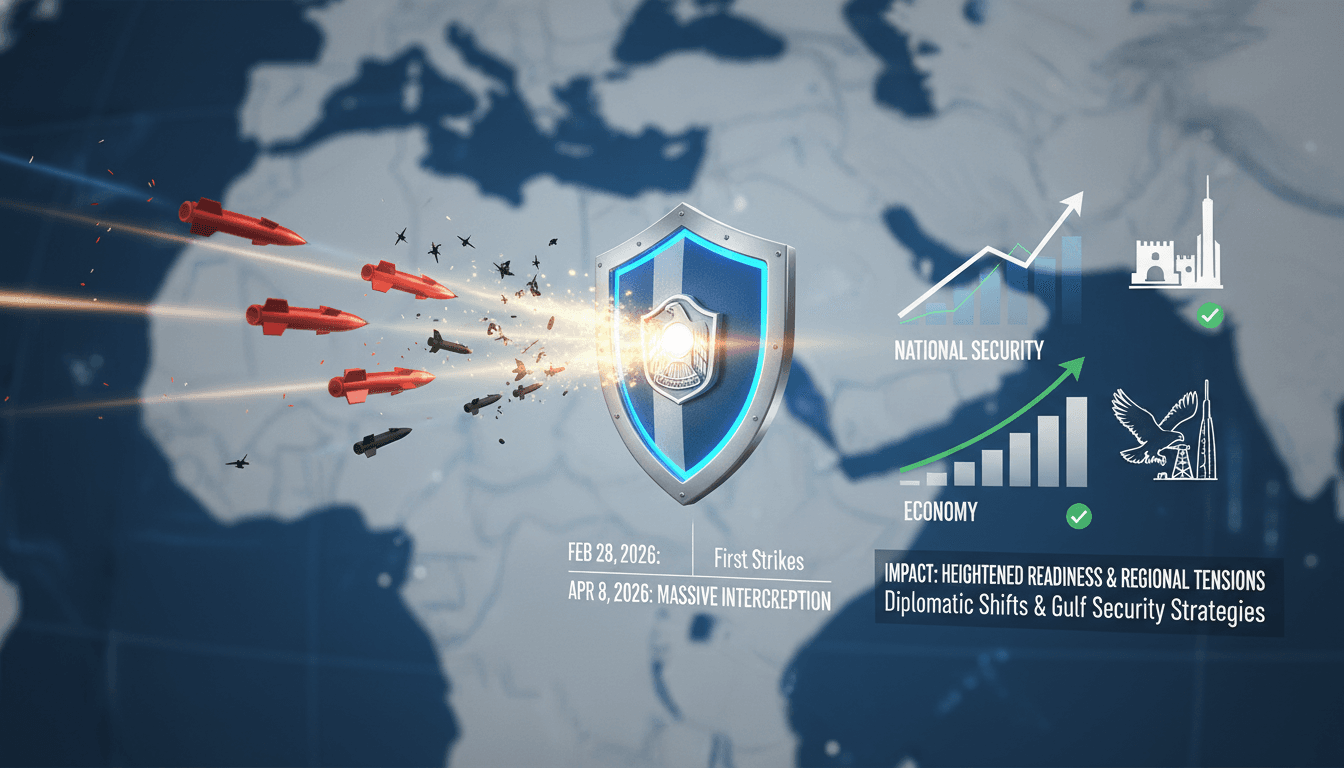
- World· MENA
Calls for Comprehensive Peace Settlement Following US-Iran Ceasefire
On April 8, 2026, multiple nations and organizations urged the transformation of the US-Iran two-week ceasefire into a lasting peace agreement. This push for a comprehensive settlement comes in the wake of a 40-day conflict that heightened regional tensions and disrupted global oil transit. The long-term implication could be a shift towards sustained diplomatic efforts in the Middle East, potentially stabilizing the region and its critical trade routes.
2 sourcesApr 8High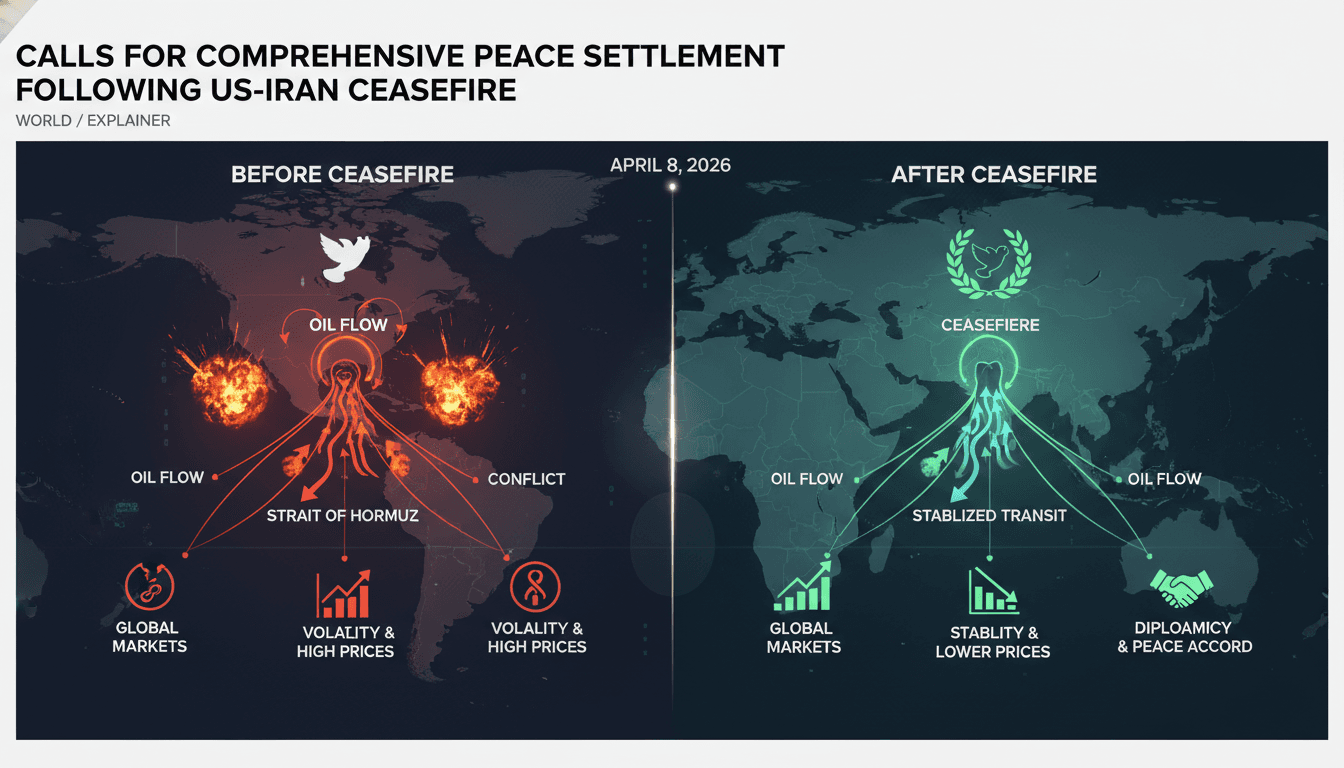
- Politics· MENA
Marine Traffic Resumes in Strait of Hormuz After US-Iran Ceasefire Agreement
Marine traffic in the Strait of Hormuz resumed on April 8, 2026, following the activation of a two-week conditional ceasefire between the United States and Iran. The ceasefire was mediated by Pakistan and aims to ensure safe passage through the vital oil chokepoint in exchange for a US suspension of military strikes. Long-term, this development may stabilize oil prices and trade in the region, although cautious operations persist due to ongoing tensions and security concerns.
4 sourcesApr 8High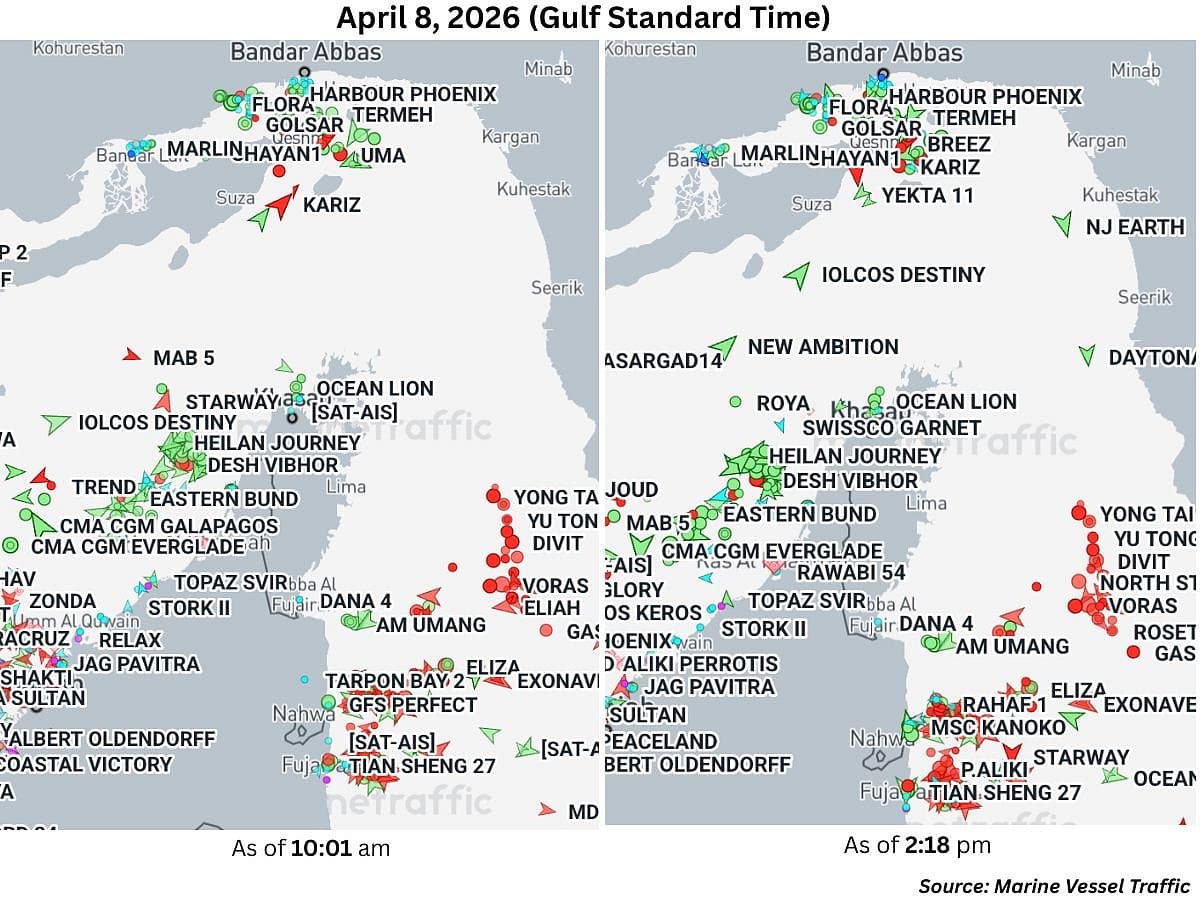
- Politics· World
US Vice President JD Vance Acknowledges Fragile Iran Ceasefire Amid Trump Pressure for Progress
A fragile two-week ceasefire agreement has been established between the US, Israel, and Iran, as announced by Vice President JD Vance in Budapest. This development follows President Trump's ultimatum for Iran to reopen the Strait of Hormuz, which was mediated by Pakistan just hours before the deadline. The long-term implication may involve renewed military tensions if negotiations fail, impacting regional stability and global oil markets.
3 sourcesApr 8High