Bio
Andre is co-founder at A47 News. He is responsible for editorial standards and news curation, and shares commentary on AI, general technology, and global politics.
Editorial Responsibility
As Editor, I am responsible for all editorial standards, news sourcing, research, and content production.
Previous experience · 15+ years
- · Co-founder at Tiki
- · Operations Director at Rocket Internet
Education
BA Economics, University of Waikato
Areas of expertise
Categories overseen
Stories from Andre Teow’s desk
15540 stories- Politics· MENA
United States and Iran Reach Two-Week Ceasefire Agreement Mediated by Pakistan
On April 8, 2026, the United States and Iran finalized a two-week ceasefire agreement mediated by Pakistan, averting escalation after U.S. threats of devastating strikes. The immediate trigger for this agreement was the heightened tensions following U.S.-Israeli military actions against Iranian targets and Iran's closure of the Strait of Hormuz, which significantly impacted global oil shipping. Long-term, this ceasefire could lead to further negotiations aimed at stabilizing the region and securing safe passage through critical trade routes.
2 sourcesApr 8Very High
- World· MENA
U.S. and Iran Reach Truce to Reopen Strait of Hormuz and Boost Global Markets
The United States and Iran have finalized a two-week truce, suspending U.S. attacks in exchange for Iran's immediate reopening of the Strait of Hormuz. This agreement comes after escalating tensions and a deadline set by President Trump, leading to a significant rally in global stock markets. The long-term implication may involve ongoing negotiations in Islamabad, potentially stabilizing the region and impacting energy prices further.
2 sourcesApr 8Very High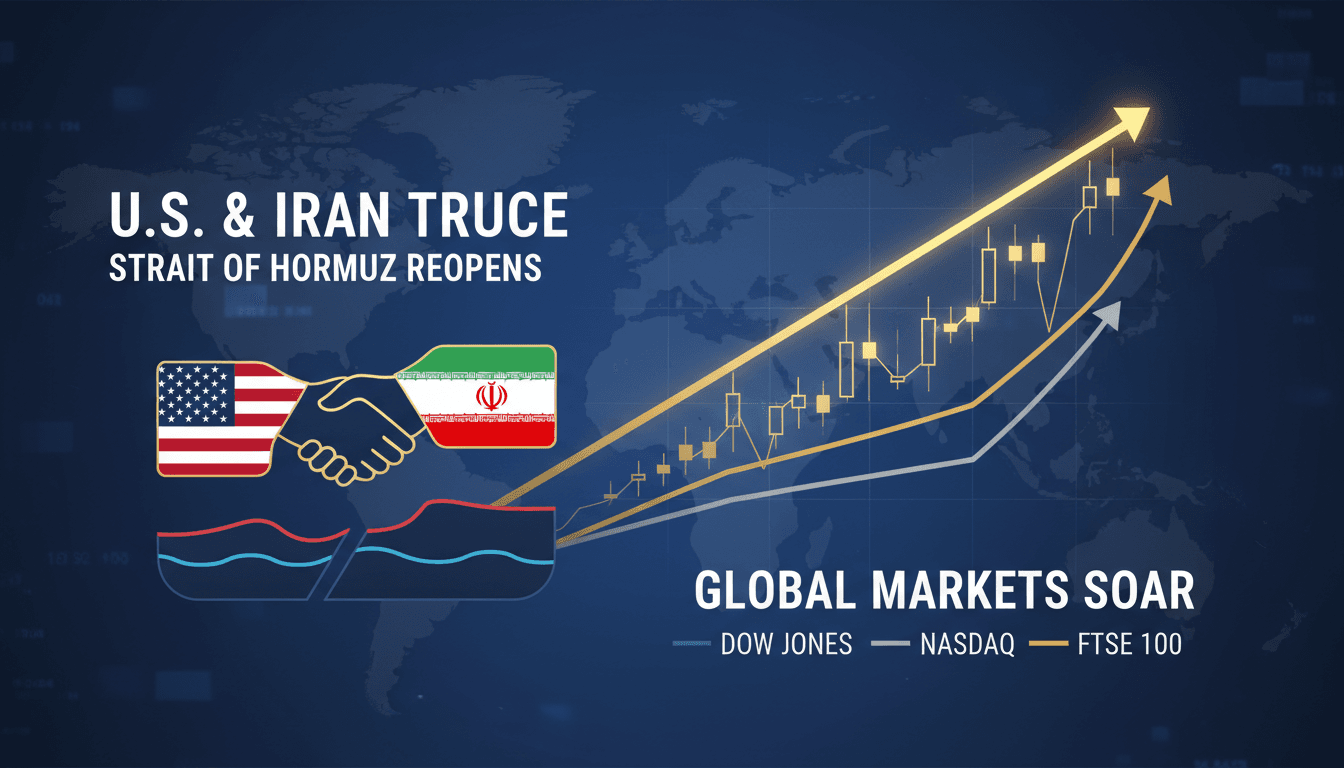
- World· MENA
EU Calls for Reopening of Strait of Hormuz Amid US-Iran Ceasefire
On April 8, 2026, the European Union urged the reopening of the Strait of Hormuz as a conditional two-week ceasefire between the US and Iran was announced. This appeal follows Iran's closure of the strait in late February due to US and Israeli military actions, which disrupted 20% of global seaborne oil trade. The long-term implication may involve increased diplomatic efforts to stabilize oil trade routes and ensure safe navigation in the region.
2 sourcesApr 8Low
- World· MENA
US and Iran Reach Conditional Two-Week Ceasefire Over Strait of Hormuz
On April 7, 2026, the United States and Iran agreed to a conditional two-week ceasefire to halt military strikes and reopen the Strait of Hormuz. This agreement was triggered by escalating tensions and a 40-day conflict that severely disrupted global oil supplies, prompting mediation by Pakistan. The ceasefire allows for negotiations towards a comprehensive peace settlement, potentially stabilizing the region's geopolitical landscape and oil markets in the long term.
4 sourcesApr 8Very High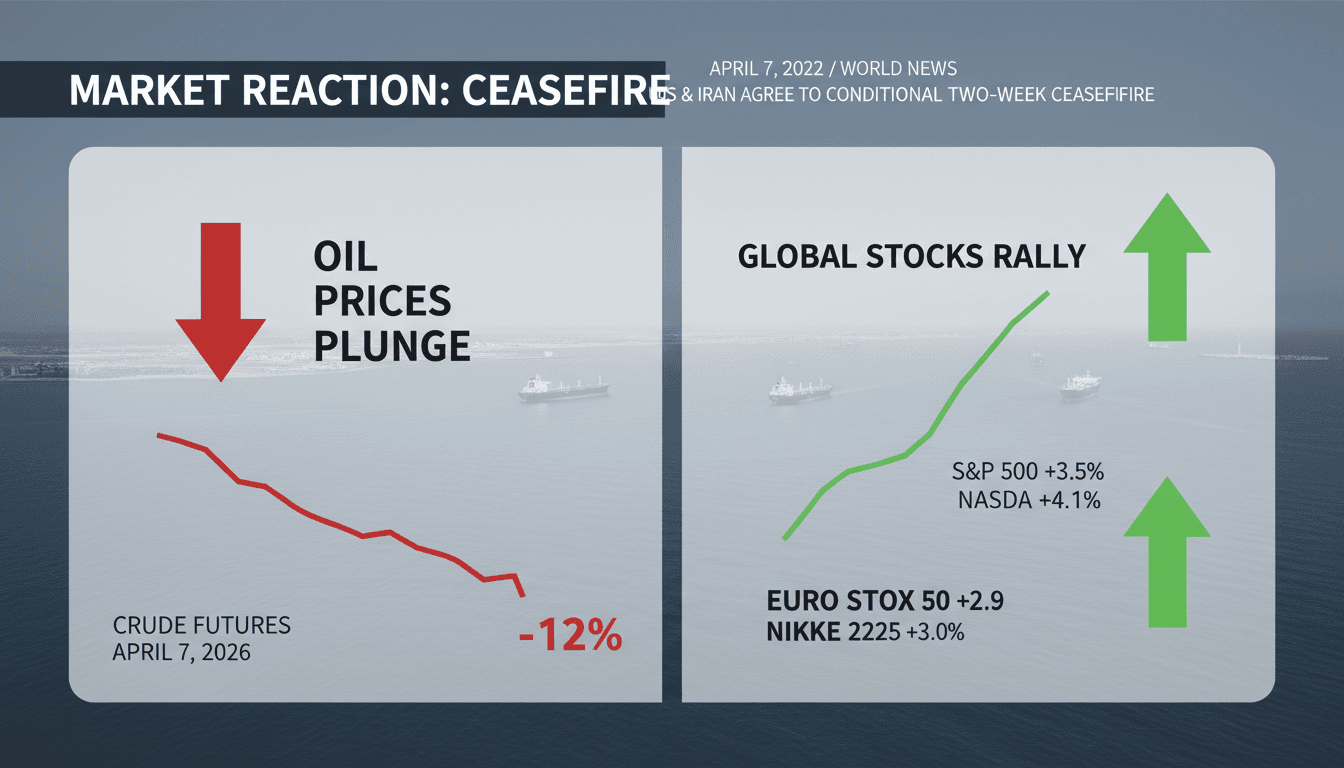
- Politics· World
North Korea Conducts Multiple Ballistic Missile Launches Defying UN Resolutions
On April 8, 2026, North Korea launched multiple short-range ballistic missiles into the East Sea, marking a significant escalation in regional tensions. This action comes in response to South Korea's recent diplomatic overtures, which North Korea has dismissed as 'wishful thinking.' The long-term implication may involve heightened military readiness in South Korea and increased international scrutiny on North Korea's missile capabilities.
2 sourcesApr 8High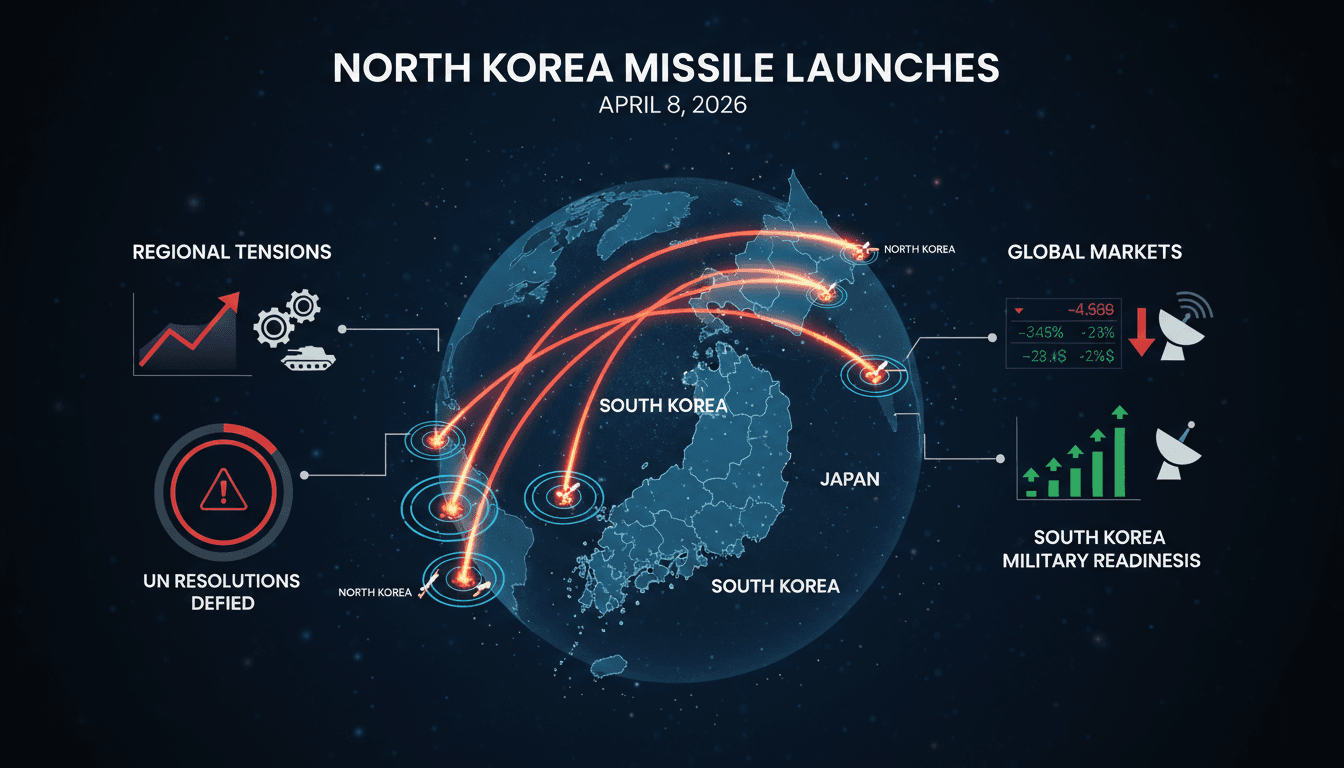
- Politics· UAE
Abu Dhabi Police Arrest 375 for Filming Sensitive Sites and Spreading Misinformation
On April 8, 2026, Abu Dhabi Police announced the arrest of 375 individuals for filming sensitive locations and disseminating misleading information on social media. This enforcement action is part of a broader crackdown on misinformation amid escalating regional tensions, particularly related to the Iran-Israel conflict. The long-term implication is a heightened vigilance and stricter enforcement of cybercrime laws in the UAE to maintain public safety and stability.
5 sourcesApr 8Low
- Politics· MENA
Iranian Drone Intercepted Over Bahrain Injures Two Citizens
On April 8, 2026, Bahraini air defenses intercepted an Iranian drone over the Sitra area, resulting in minor injuries to two citizens from shrapnel. This incident occurred shortly after a US-Iran ceasefire was announced, mediated by Pakistan, aimed at reducing regional tensions. The long-term implication may involve increased military readiness in Bahrain and potential escalations in US-Iran relations amid ongoing geopolitical instability in the Gulf region.
2 sourcesApr 8Low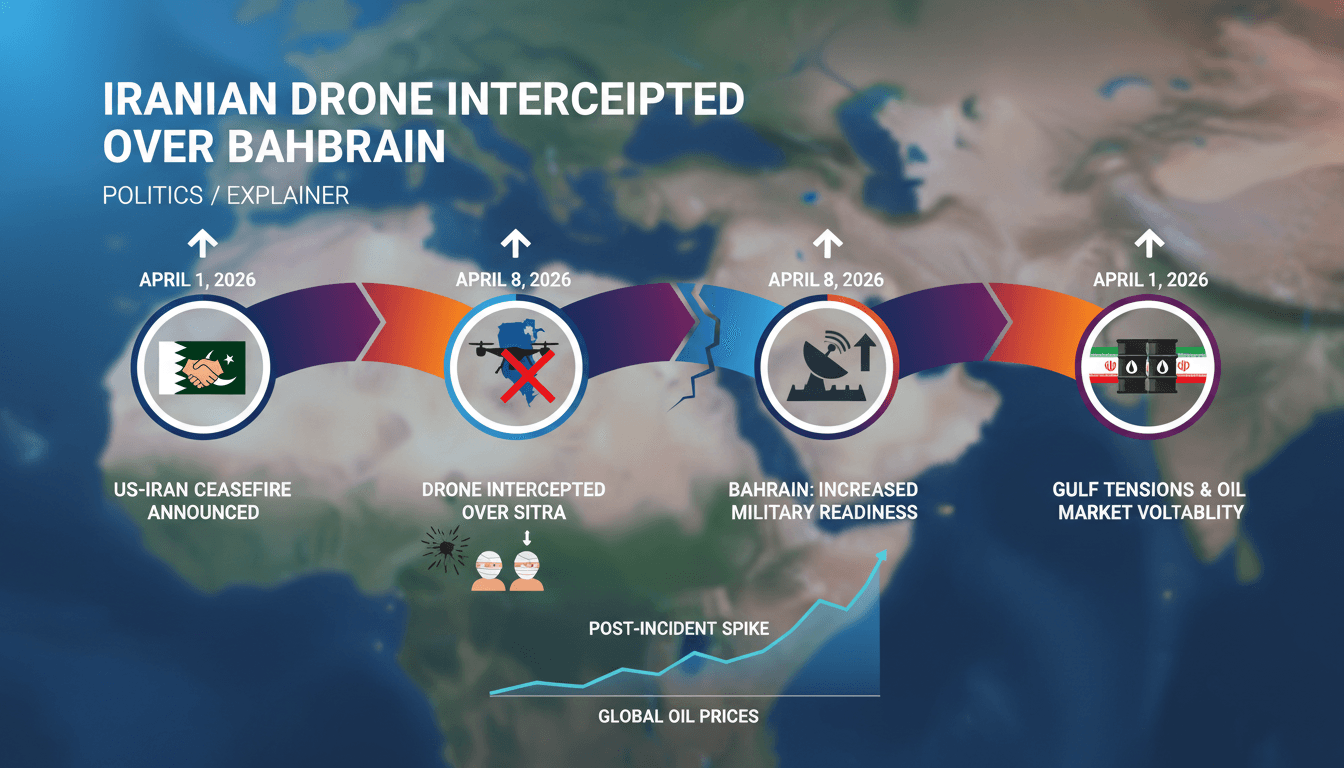
- Politics· MENA
US and Iran Agree to Two-Week Ceasefire Amid Ongoing Middle East Conflict
On April 7, 2026, the United States and Iran reached a two-week ceasefire agreement, allowing Iran to reopen the Strait of Hormuz and halt attacks on the US and its allies. This development comes just hours before a US deadline for escalated military action, facilitated by Pakistan with potential Chinese involvement. The long-term implication may involve further negotiations to stabilize the region, although Israeli operations against Hezbollah in Lebanon continue unabated.
2 sourcesApr 8Very High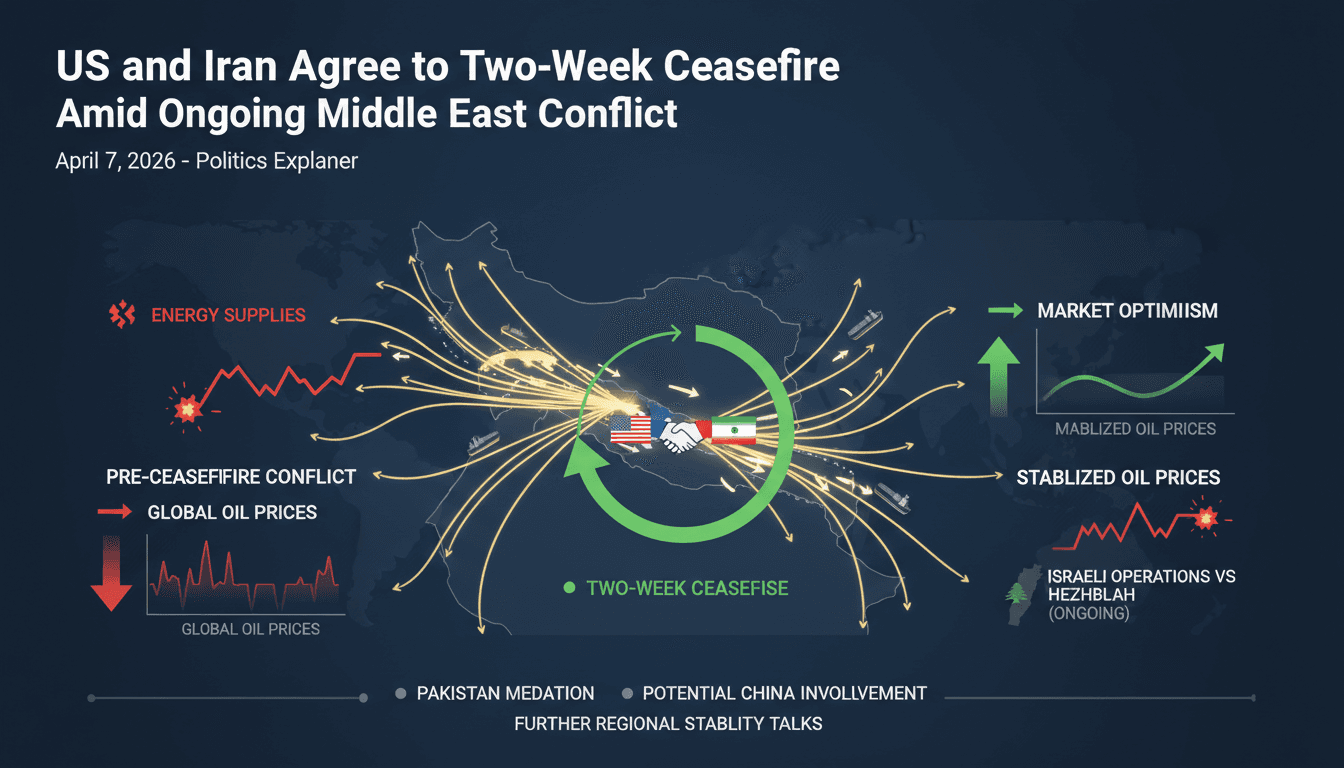
- Politics· UAE
UAE Declares Victory in Defensive War Against Iranian Aggression
On April 8, 2026, Anwar Gargash announced that the UAE has achieved victory in a defensive war against Iranian attacks. This declaration follows a series of Iranian drone and missile strikes on UAE territory that began after U.S.-Israeli military actions against Iran. The long-term implication is a shift in regional dynamics, with the UAE likely to pursue enhanced diplomatic efforts and security collaborations to prevent future conflicts.
3 sourcesApr 8Low
- Politics· MENA
Israel Supports U.S. Ceasefire Proposal for Iran Excluding Lebanon
On April 8, 2026, Israel endorsed a U.S.-proposed two-week suspension of military strikes on Iran while explicitly excluding Lebanon from the ceasefire. This decision follows a series of U.S.-Israeli airstrikes on Iran and retaliatory actions from Hezbollah, creating a critical moment for diplomatic negotiations scheduled for April 10 in Islamabad. The long-term implication suggests a potential shift in regional dynamics as Israel seeks to balance military operations against Hezbollah with diplomatic efforts to curb Iranian aggression.
2 sourcesApr 8High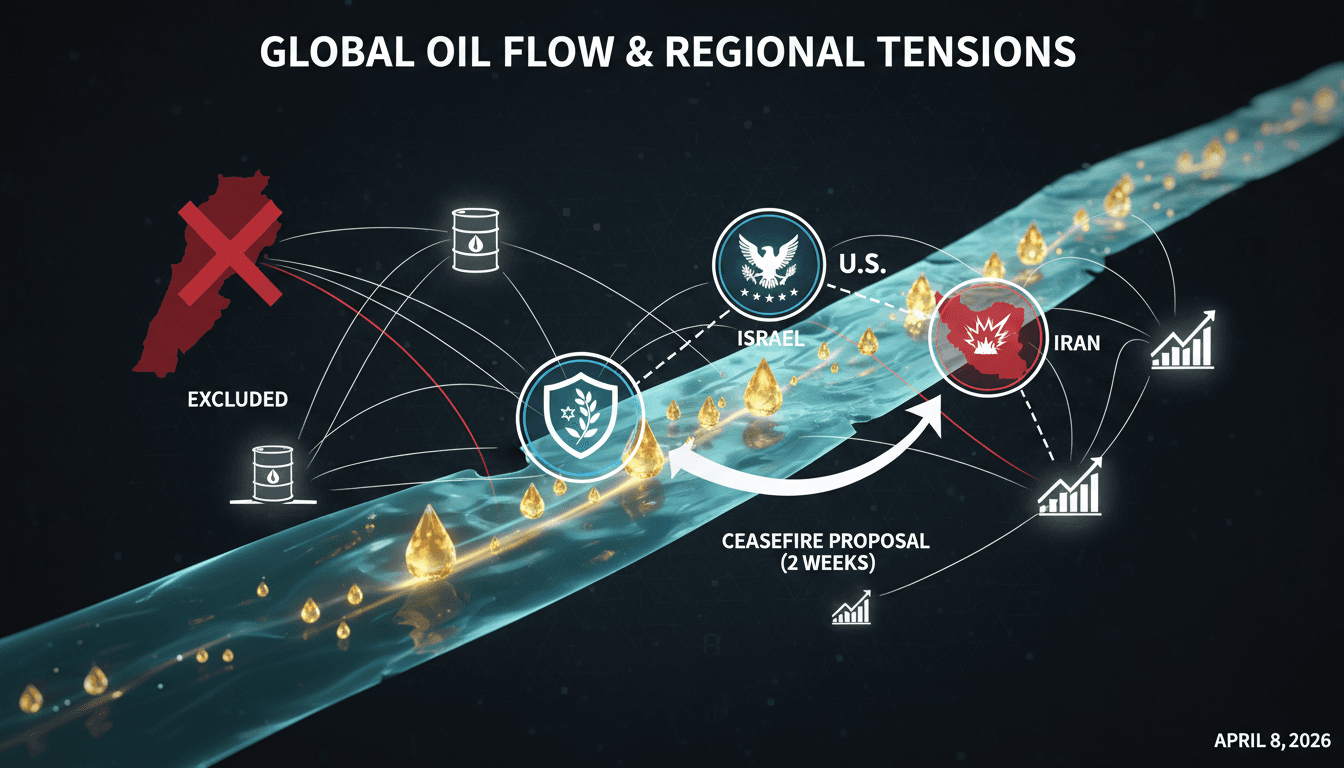
- Politics· MENA
United States and Iran Reach Two-Week Ceasefire Agreement Amid Ongoing Conflict
On April 7, 2026, the United States and Iran announced a two-week ceasefire mediated by Pakistan, aimed at reopening the Strait of Hormuz and halting military strikes. This agreement follows a five-week conflict that severely disrupted global energy supplies, with the U.S. responding to Iran's closure of the strait. The ceasefire sets the stage for upcoming negotiations in Islamabad, with potential long-term implications for regional stability and energy markets.
4 sourcesApr 8Very High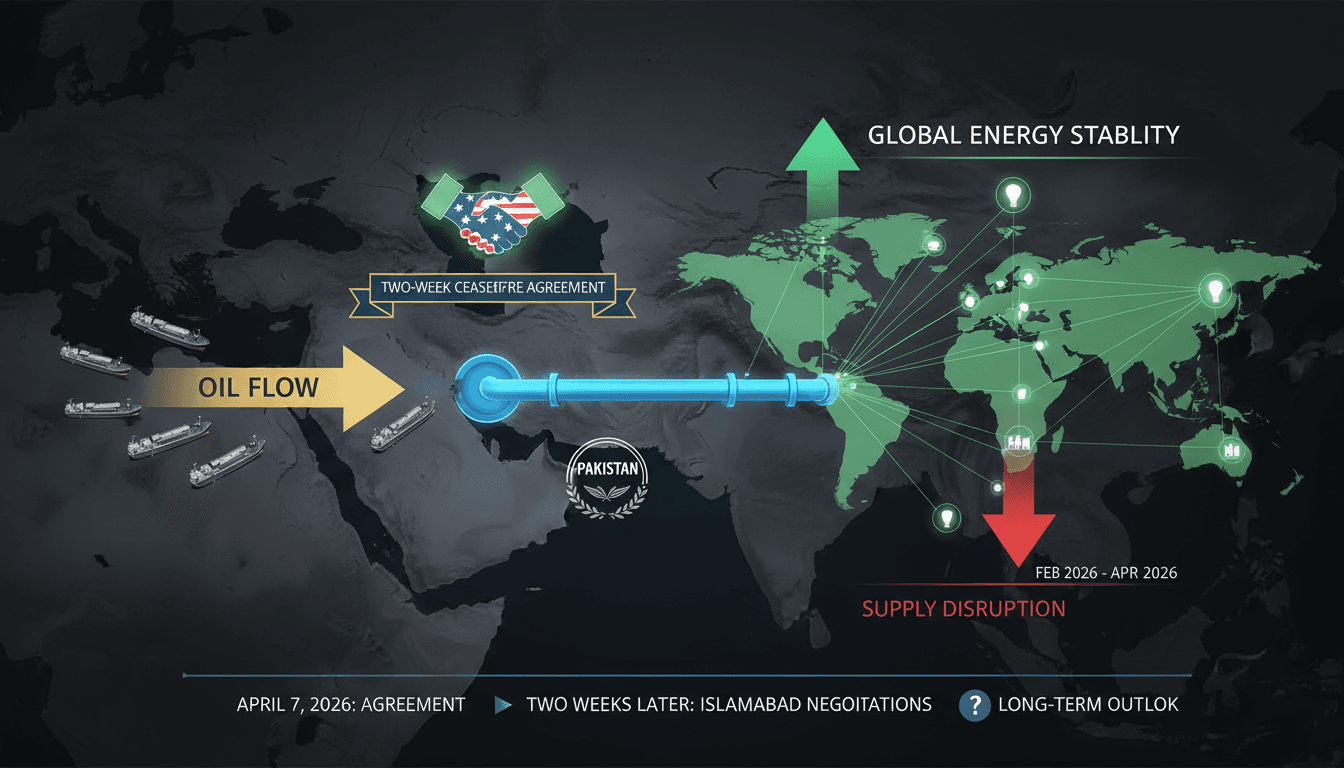
- Politics· World
Trump Agrees to Two-Week Ceasefire with Iran Following Threats of Annihilation
On April 7, 2026, U.S. President Donald Trump announced a two-week ceasefire with Iran after previously threatening annihilation unless the Strait of Hormuz was reopened. This shift was triggered by mediation from Pakistan and China's involvement, alongside Iran's presentation of a workable plan amid a nearly six-week conflict. The long-term implication suggests a potential stabilization of oil supply routes and a reevaluation of U.S. military strategy in the region.
6 sourcesApr 8Very High
- Politics· World
U.S. President Trump Pledges Assistance for Strait of Hormuz Traffic Amid Iran Ceasefire
On April 8, 2026, U.S. President Donald Trump announced that the United States would provide assistance to alleviate the significant traffic buildup in the Strait of Hormuz. This announcement followed a two-week conditional ceasefire agreement between Iran and the U.S., mediated by Pakistan, which was reached just before a deadline set by Trump. The long-term implication of this development is a potential stabilization of maritime traffic through the Strait, crucial for global oil trade, and a shift towards diplomatic negotiations in the region.
3 sourcesApr 8High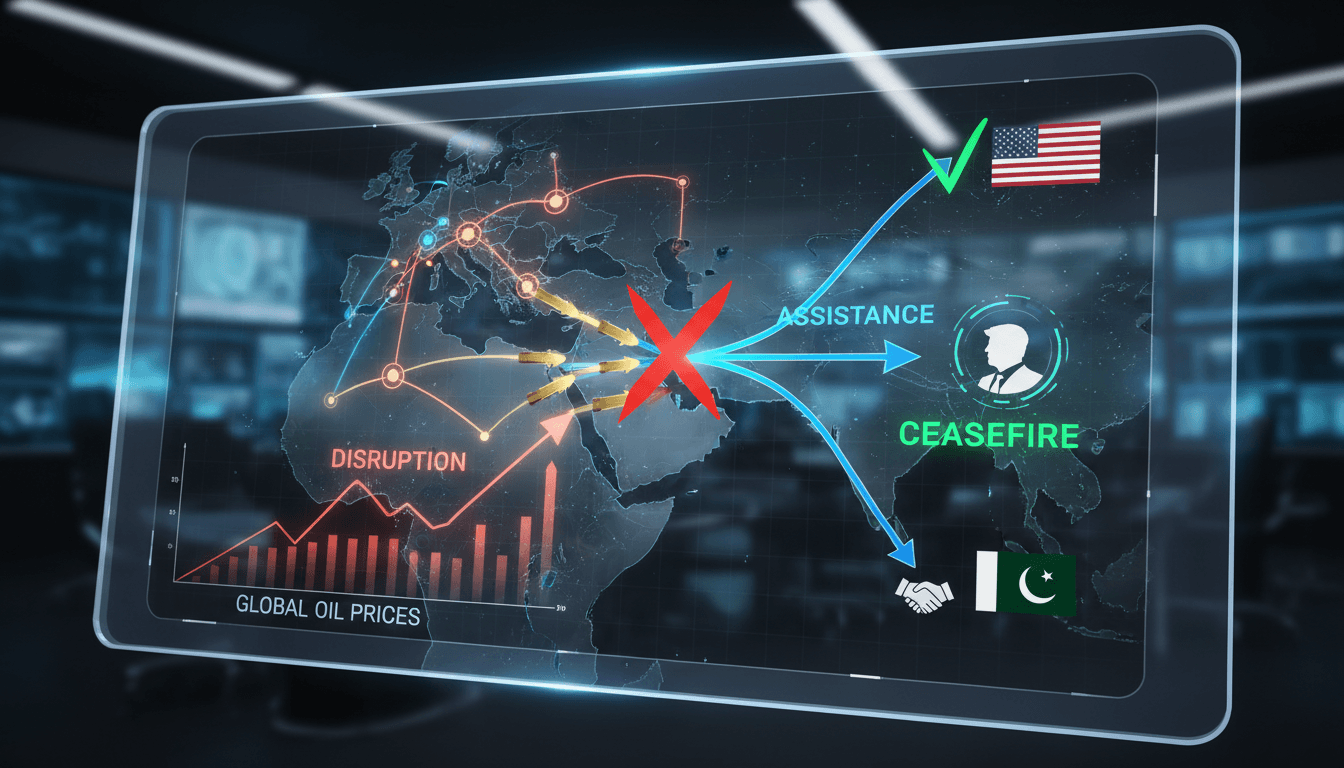
- World· World
CK Hutchison Holdings Files Arbitration Against Maersk Over Panama Canal Ports Dispute
CK Hutchison Holdings initiated arbitration proceedings in London against A.P. Moller-Maersk, alleging breach of contract related to the Panama Canal ports following a government seizure of its assets. This escalation comes after Panama's Supreme Court invalidated CK Hutchison's concessions, prompting the company to seek damages exceeding $2 billion. The long-term implication may involve heightened geopolitical tensions and shifts in control over strategic shipping routes in the region.
2 sourcesApr 8Low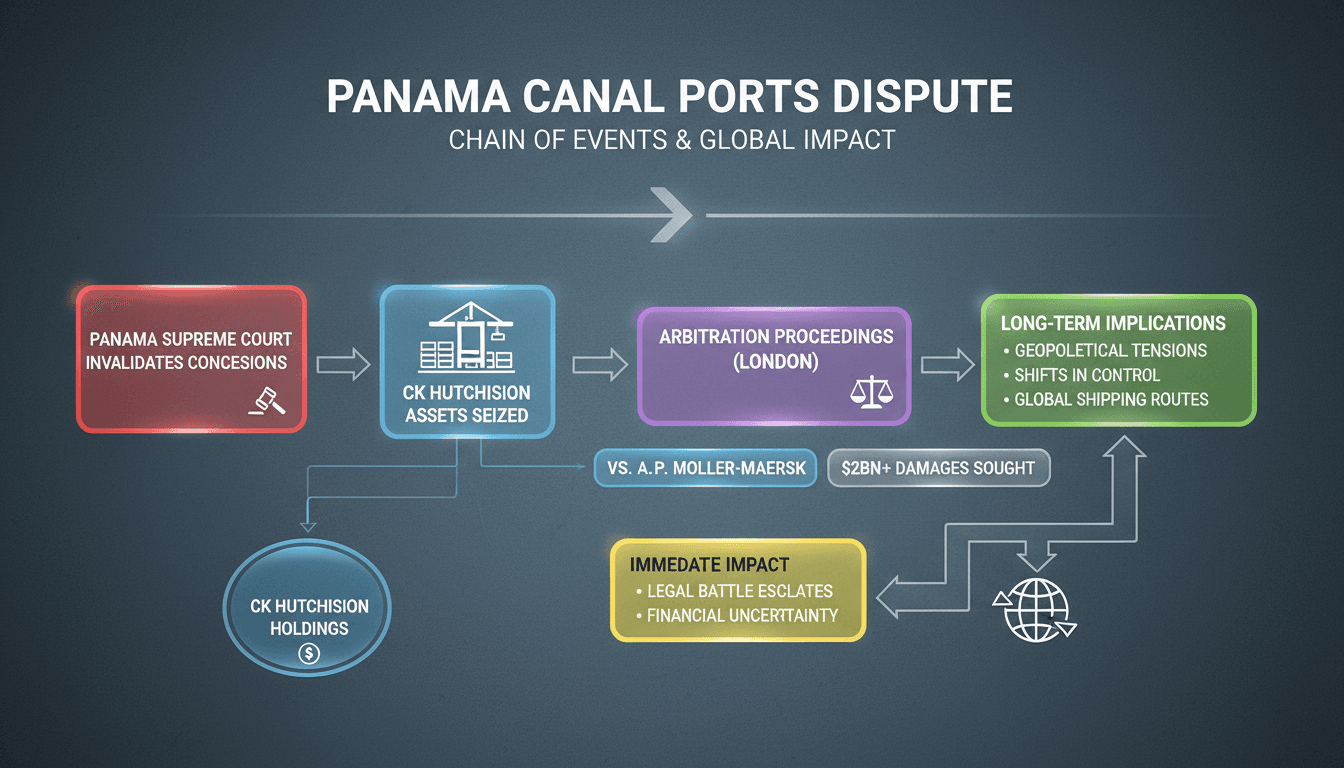
- World· MENA
U.S. and Iran Reach Two-Week Cease-Fire Agreement Reducing Oil Prices and Boosting Global Markets
On April 8, 2026, the United States and Iran finalized a two-week cease-fire agreement, allowing the reopening of the Strait of Hormuz and preventing U.S. military strikes. This agreement was reached just before a deadline set by President Trump, alleviating fears of prolonged disruptions to global oil supply. The long-term implication is a potential stabilization of oil prices and market conditions, although risks remain regarding the cease-fire's implementation and ongoing geopolitical tensions in the region.
2 sourcesApr 8High
- Politics· World
Iran and US Reach 14-Day Ceasefire Linked to Strait of Hormuz Reopening
On April 8, 2026, Iran agreed to a 14-day ceasefire with the United States contingent on the reopening of the Strait of Hormuz. This agreement follows escalating tensions and a U.S. ultimatum demanding the strait's access, prompting Iran to submit a workable peace proposal. The ceasefire is expected to stabilize global oil transit and pave the way for formal negotiations in Islamabad, impacting regional security dynamics.
3 sourcesApr 8High - Politics· World
Ben Roberts-Smith Charged with Five War Crimes in Afghanistan
Former Australian soldier Ben Roberts-Smith has been remanded in custody after being charged with five counts of war crime murder related to incidents in Afghanistan. The charges arise from a lengthy investigation following the 2020 Brereton Report, which revealed evidence of unlawful killings by Australian Special Forces. This case marks a significant moment in Australia's military accountability, potentially leading to further legal actions against other personnel involved in similar allegations.
3 sourcesApr 8High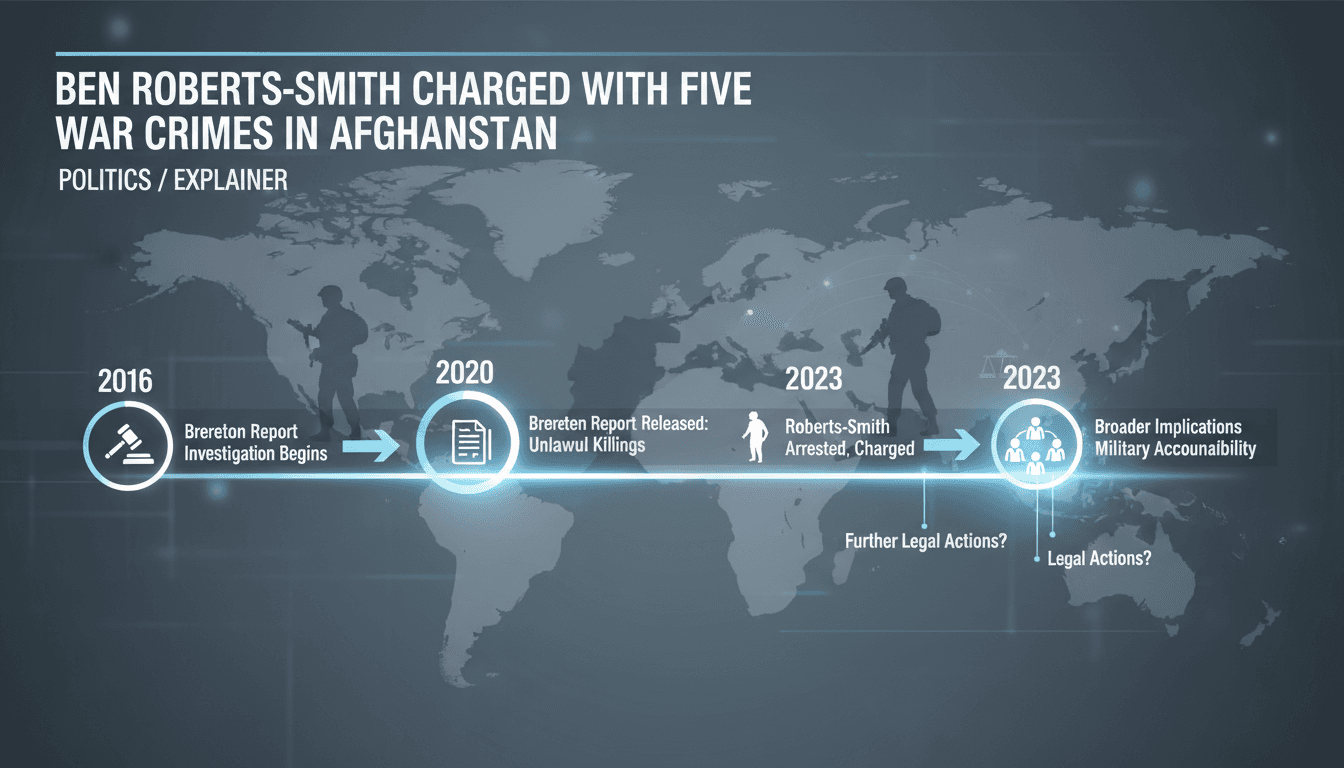
- Politics· MENA
UN Secretary-General Guterres Announces Two-Week Ceasefire Between US and Iran
A two-week ceasefire between the United States and Iran was announced on April 7, 2026, following escalating tensions over the closure of the Strait of Hormuz. The ceasefire was triggered by US President Donald Trump's ultimatum for Iran to reopen the strait, which was mediated by Pakistan just before the deadline. This development may lead to a de-escalation of hostilities in the Middle East and a potential pathway for longer-term diplomatic negotiations.
2 sourcesApr 8Low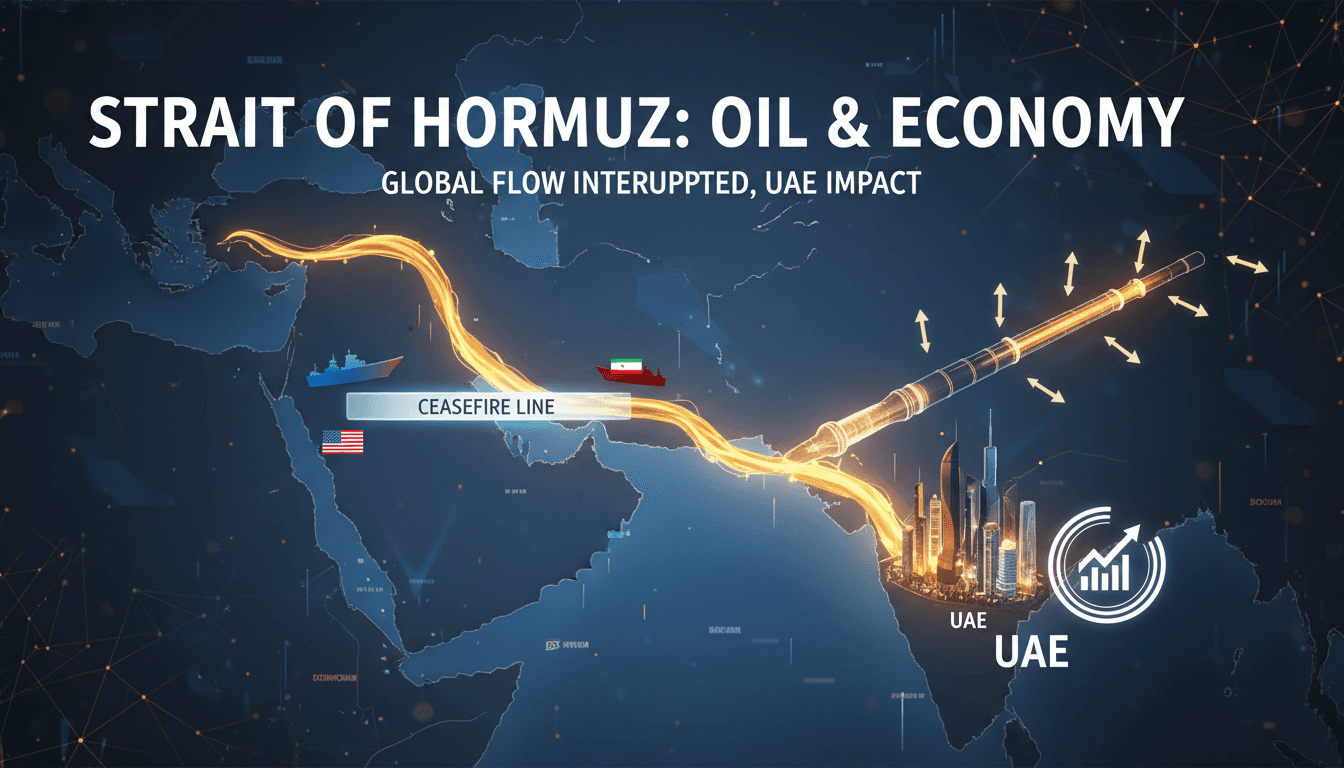
- Politics· MENA
Israel Supports US-Iran Two-Week Ceasefire Amid Ongoing Regional Conflict
Israel has endorsed a temporary two-week ceasefire between the United States and Iran, announced on April 7, 2026. This endorsement comes as US President Donald Trump set a deadline for Iran to reopen the Strait of Hormuz, following a series of escalating military actions. The long-term implication may involve renewed negotiations on Iran's nuclear program and regional security dynamics, particularly concerning Hezbollah's activities in Lebanon.
2 sourcesApr 8Moderate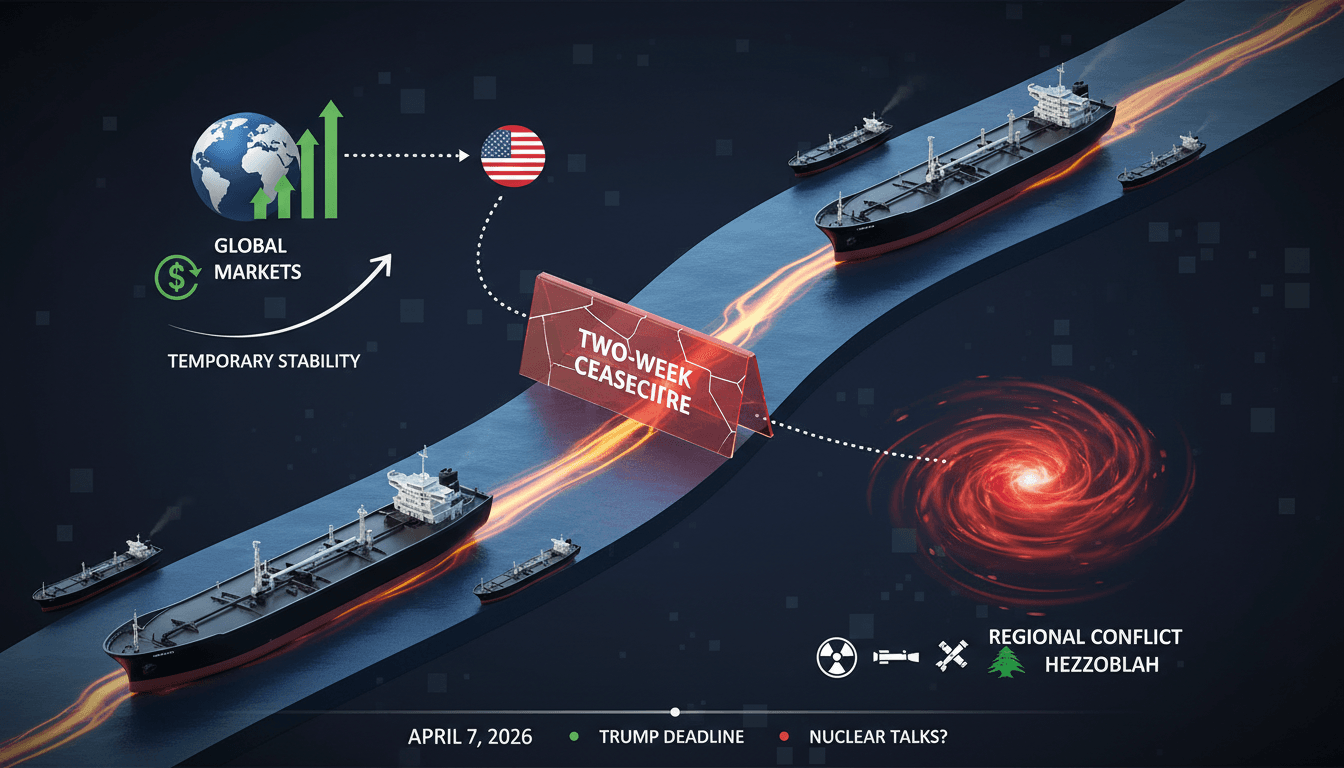
- Politics· MENA
US–Israel–Iran Ceasefire Begins Excluding Lebanon Amid Ongoing Tensions
On April 8, 2026, the US–Israel–Iran ceasefire commenced, with Israeli Prime Minister Netanyahu announcing that Lebanon is not included in the truce. The agreement, mediated by Pakistan, follows a period of intense conflict that escalated on February 28, 2026, prompting the US to suspend strikes on Iran in exchange for safe passage through the Strait of Hormuz. The long-term implication may involve further negotiations in Islamabad addressing nuclear and regional security issues, while Israel maintains its military stance against Hezbollah in Lebanon.
4 sourcesApr 8Very High