Bio
Andre is co-founder at A47 News. He is responsible for editorial standards and news curation, and shares commentary on AI, general technology, and global politics.
Editorial Responsibility
As Editor, I am responsible for all editorial standards, news sourcing, research, and content production.
Previous experience · 15+ years
- · Co-founder at Tiki
- · Operations Director at Rocket Internet
Education
BA Economics, University of Waikato
Areas of expertise
Categories overseen
Stories from Andre Teow’s desk
15540 stories- Tech· World
NASA's Artemis II Crew Begins Return Journey After Historic Lunar Flyby
On April 7, 2026, the crew of NASA's Artemis II mission initiated their return trajectory to Earth after completing a record-breaking lunar flyby. This event is occurring now as the mission successfully tests the Orion spacecraft's systems for future lunar operations. The long-term implication is the advancement of international cooperation in space exploration, particularly with the UAE's involvement in the Artemis Accords.
3 sourcesApr 8Very High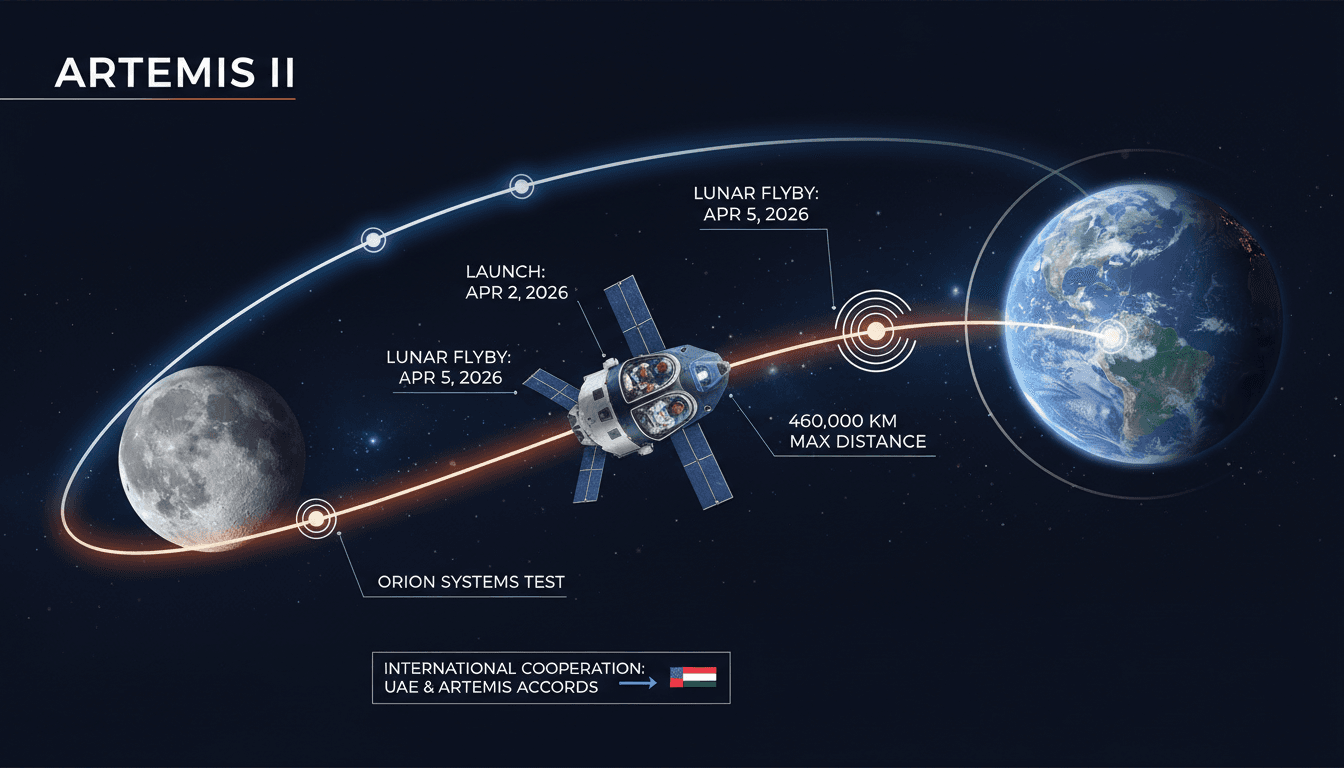
- Politics· World
Pakistan Secures Two-Week Ceasefire Extension in U.S.-Iran Conflict
Pakistani Prime Minister Shahbaz Sharif has successfully negotiated a two-week ceasefire extension with U.S. President Donald Trump, aimed at de-escalating the ongoing U.S.-Israeli-Iranian conflict. This diplomatic effort comes as Iran faces pressure to reopen the strategically vital Strait of Hormuz, which has been blockaded, prompting international market instability. The long-term implication may involve a shift in regional power dynamics and increased reliance on diplomatic channels to resolve conflicts in the Middle East.
4 sourcesApr 8Very High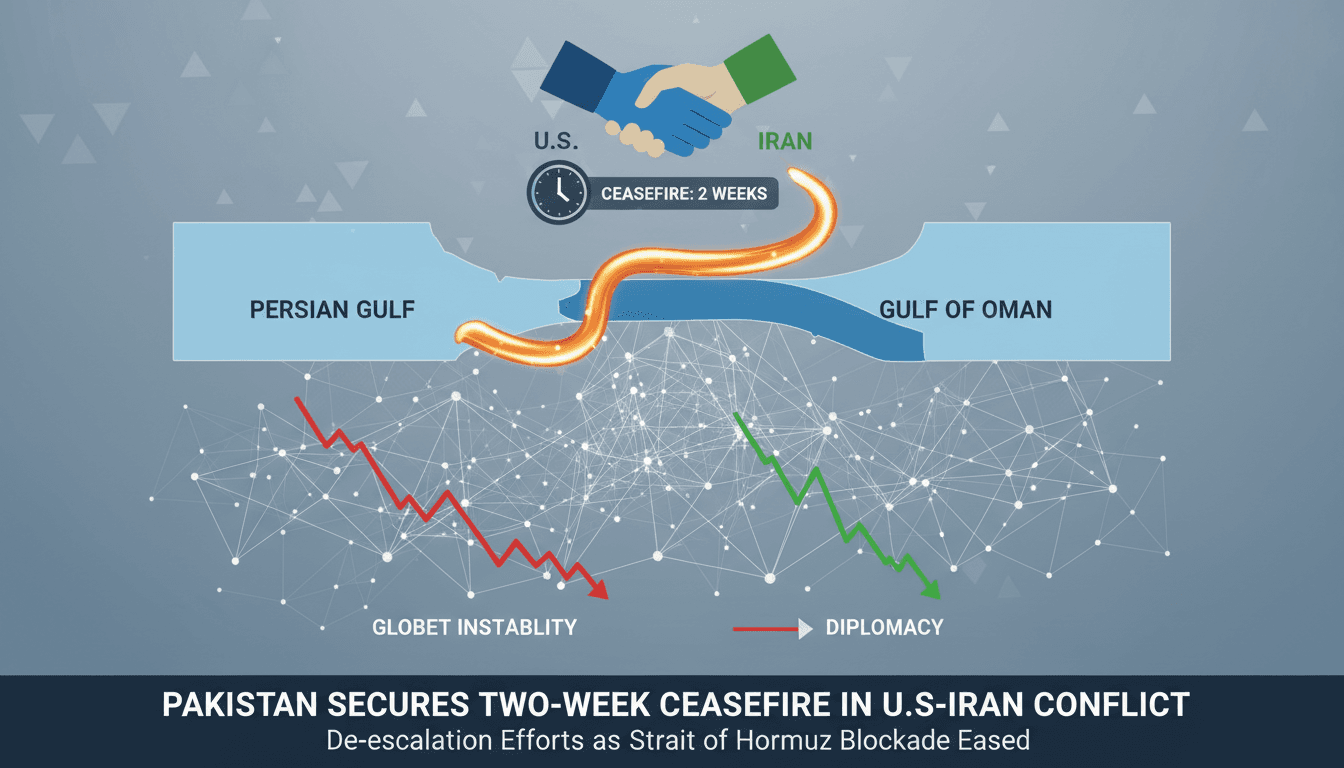
- Politics· UAE
Iranian Missile Strike Injures Two in Sharjah Telecom Building
On April 7, 2026, an Iranian ballistic missile struck the administrative building of Thuraya Telecommunications Company in Sharjah, injuring two Pakistani nationals. This attack follows a series of Iranian assaults on UAE targets, with heightened tensions stemming from the ongoing US-Israel-Iran conflict. The long-term implication may involve increased military readiness and potential escalation of hostilities in the region.
4 sourcesApr 8Low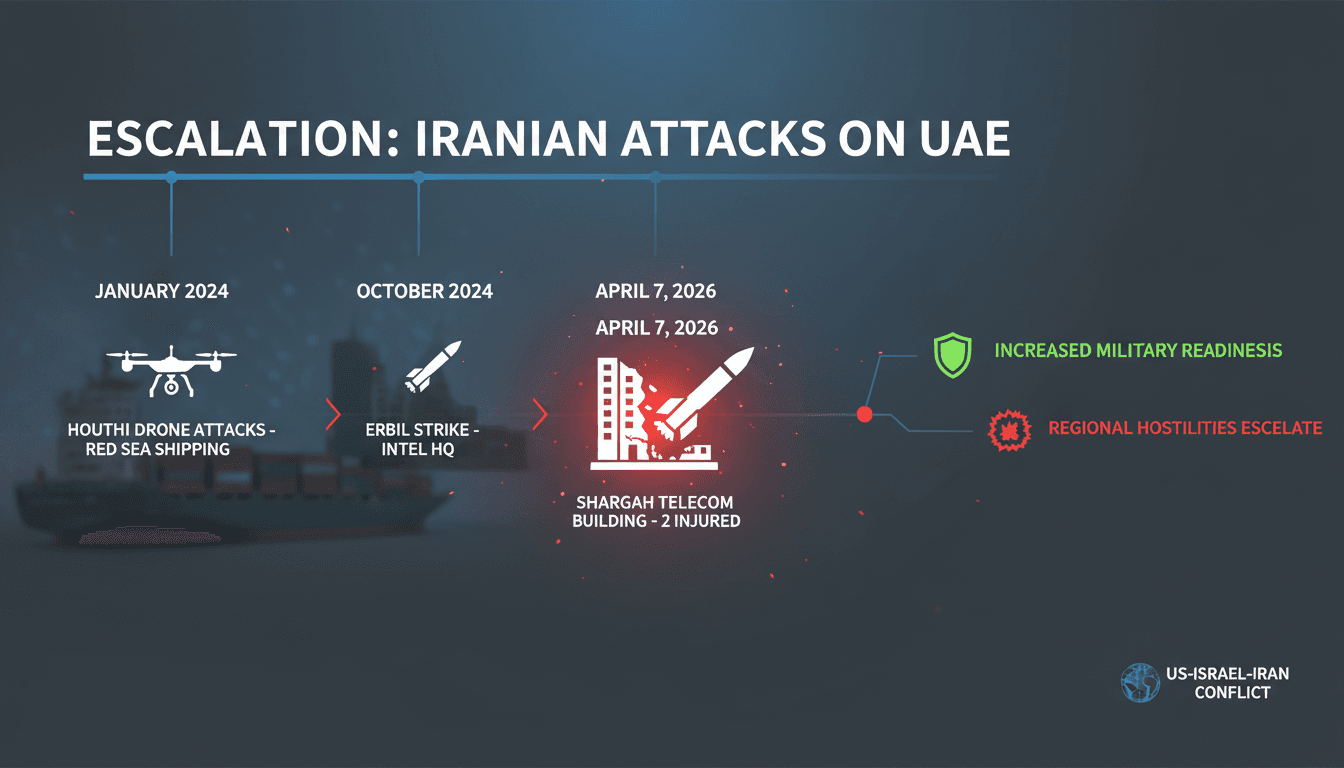
- Politics· MENA
Saudi Arabia Condemns Israeli Minister's Al-Aqsa Mosque Incursion During Ongoing Closure
On April 6, 2026, Israeli National Security Minister Itamar Ben-Gvir entered the Al-Aqsa Mosque compound while it remained closed to Muslim worshippers for the 38th consecutive day. This incursion has triggered strong condemnation from Saudi Arabia, which views it as a violation of international law and an affront to Islamic holy sites. The long-term implication may involve increased regional tensions and calls for international intervention to uphold the status quo at Al-Aqsa Mosque.
3 sourcesApr 8Low
- Politics· World
US and Israel Launch Strikes on Iranian Infrastructure as Ceasefire is Announced
A two-week ceasefire was declared just before the expiration of President Trump's deadline for Iran to reopen the Strait of Hormuz. This ceasefire follows a 39-day conflict marked by extensive military strikes from the US and Israel against Iranian targets, triggered by failed nuclear negotiations and Iran's closure of the strait. The long-term implications may include heightened regional tensions and ongoing negotiations mediated by Pakistan to stabilize the situation in the Middle East.
3 sourcesApr 8Very High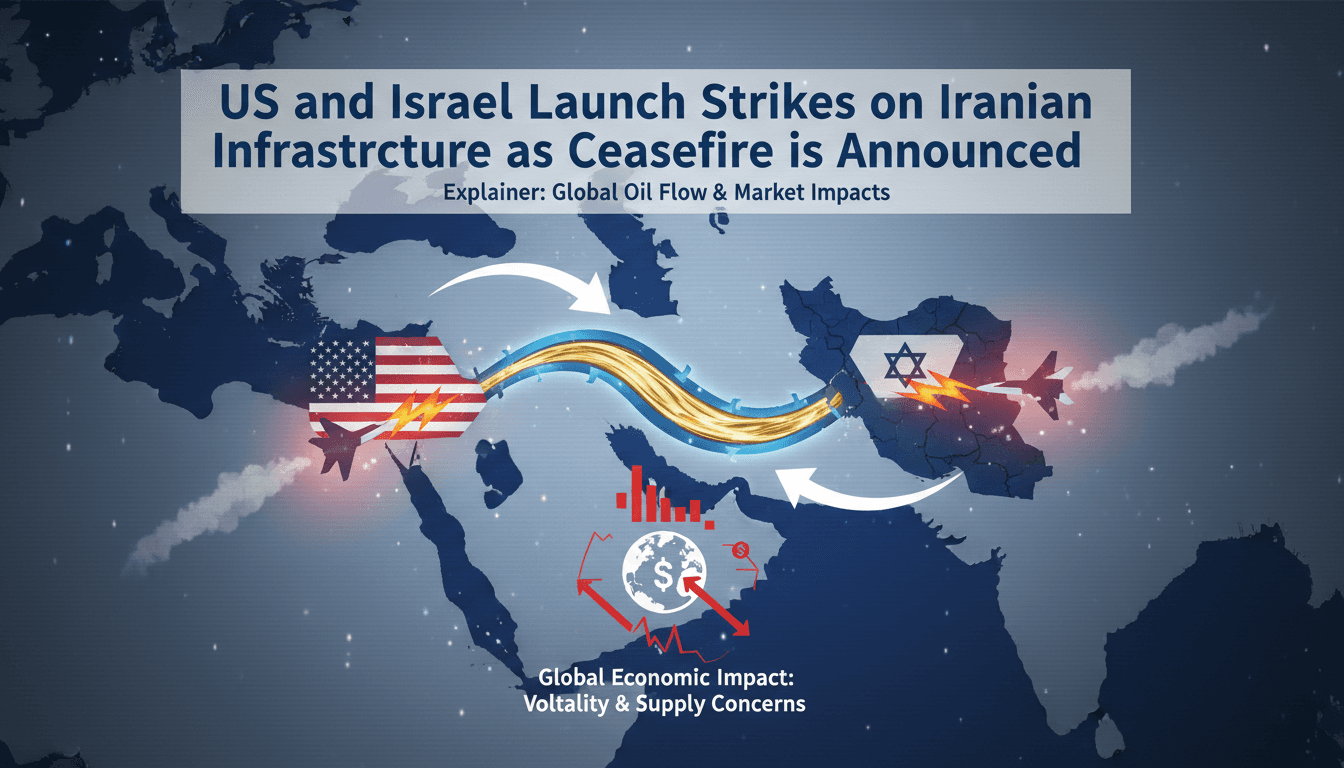
- Politics· MENA
Gunmen Attack Israeli Consulate in Istanbul Leading to One Assailant Killed
On April 7, 2026, three gunmen attacked police guarding the Israeli Consulate in Istanbul, resulting in one assailant killed and two arrested. The attack is a direct consequence of ongoing tensions between Turkey and Israel, exacerbated by the recent Gaza war and the consulate's unstaffed status for 30 months. This incident may further strain diplomatic relations and prompt heightened security measures for foreign diplomatic missions in Turkey.
3 sourcesApr 8High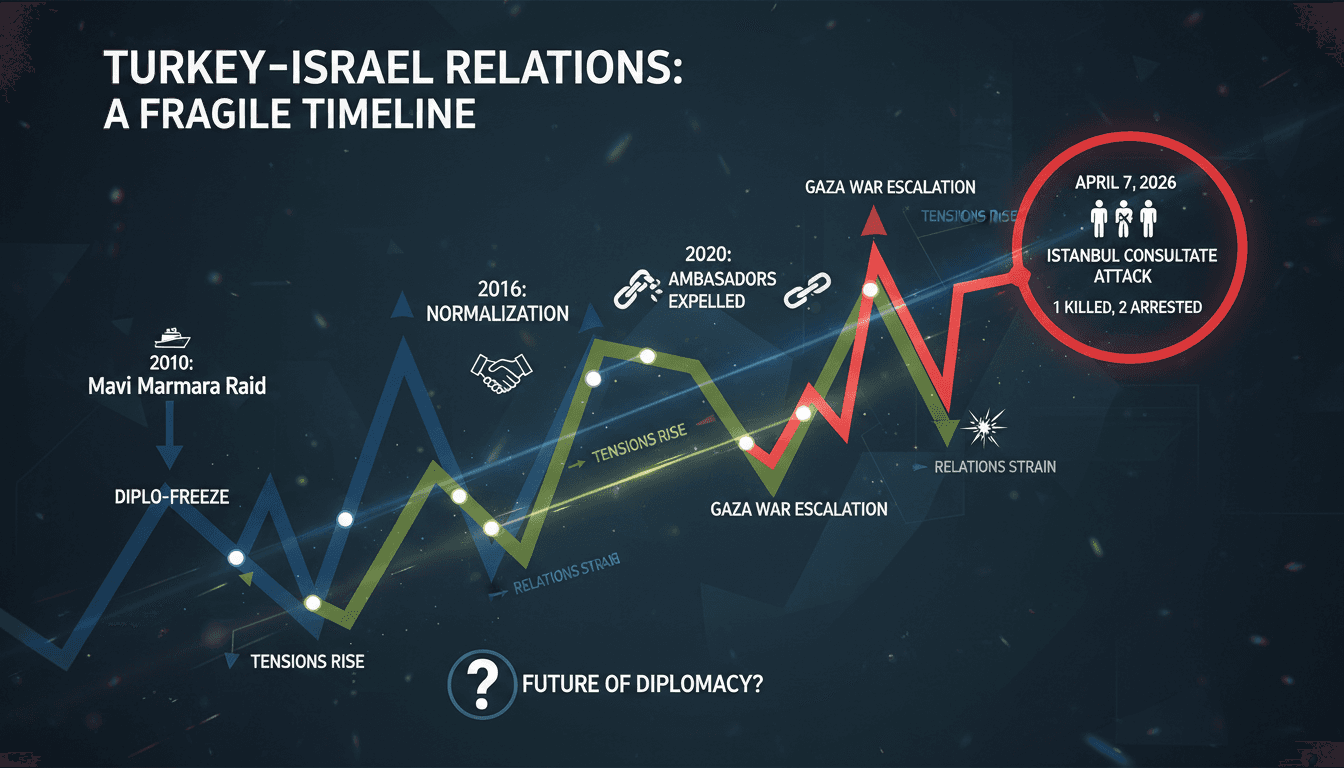
- World· MENA
US President Trump Sets Final Deadline Amid Ongoing US-Iran War and Ceasefire Negotiations
On April 6, 2026, President Donald Trump issued a 'Hell Deadline' to Iran as the US-Iran conflict escalated, coinciding with a fragile two-week ceasefire agreement brokered by Pakistan. The immediate trigger for this ultimatum was the ongoing military hostilities, including Iranian missile strikes and US airstrikes, which have severely disrupted global energy markets. Long-term, the situation raises concerns about regional stability and the potential for further escalation in the Middle East, particularly regarding the Strait of Hormuz's strategic importance.
3 sourcesApr 8Very High
- Politics· MENA
White House Denies Nuclear Threats Amid Escalating U.S.-Iran Conflict
On April 7, 2026, the White House issued a statement denying any intention to use nuclear weapons against Iran, following alarming remarks from President Trump and Vice President Vance. This response was triggered by escalating tensions in the ongoing U.S.-Iran war, which saw American strikes on Iranian nuclear sites and a looming deadline for negotiations. The long-term implication may involve further military engagements and heightened geopolitical instability in the region, particularly concerning oil supply routes through the Strait of Hormuz.
3 sourcesApr 8Moderate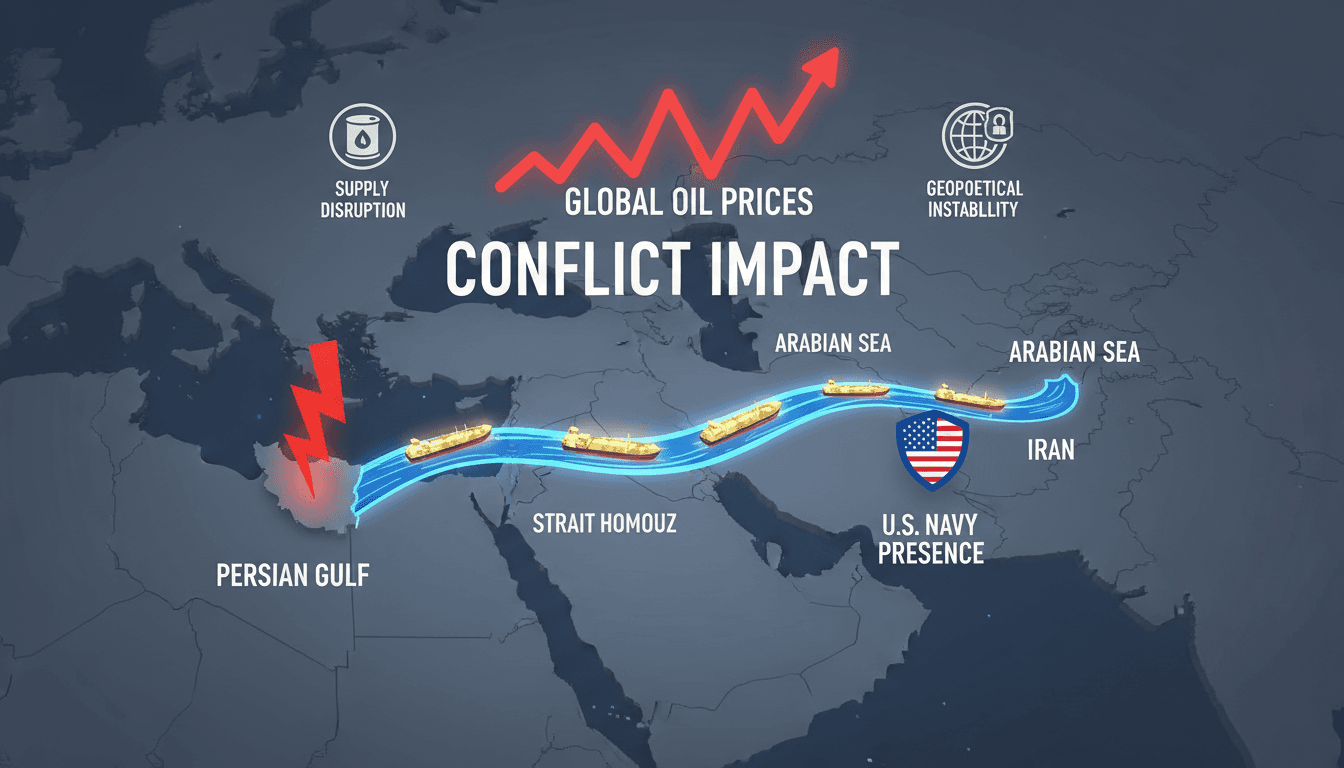
- Politics· World
Pakistan's Prime Minister Calls for Two-Week Extension of Iran Ultimatum Amid Ongoing Conflict
On April 7, 2026, Pakistan's Prime Minister Shehbaz Sharif urged U.S. President Donald Trump to extend the deadline for Iran to reopen the Strait of Hormuz by two weeks. This appeal comes just hours before Trump's ultimatum, which threatens military action if the strait remains closed, amid escalating tensions in the U.S.-Israel-Iran war. The long-term implication could see Pakistan positioning itself as a key mediator in Middle Eastern conflicts, potentially reshaping regional diplomatic dynamics.
3 sourcesApr 8High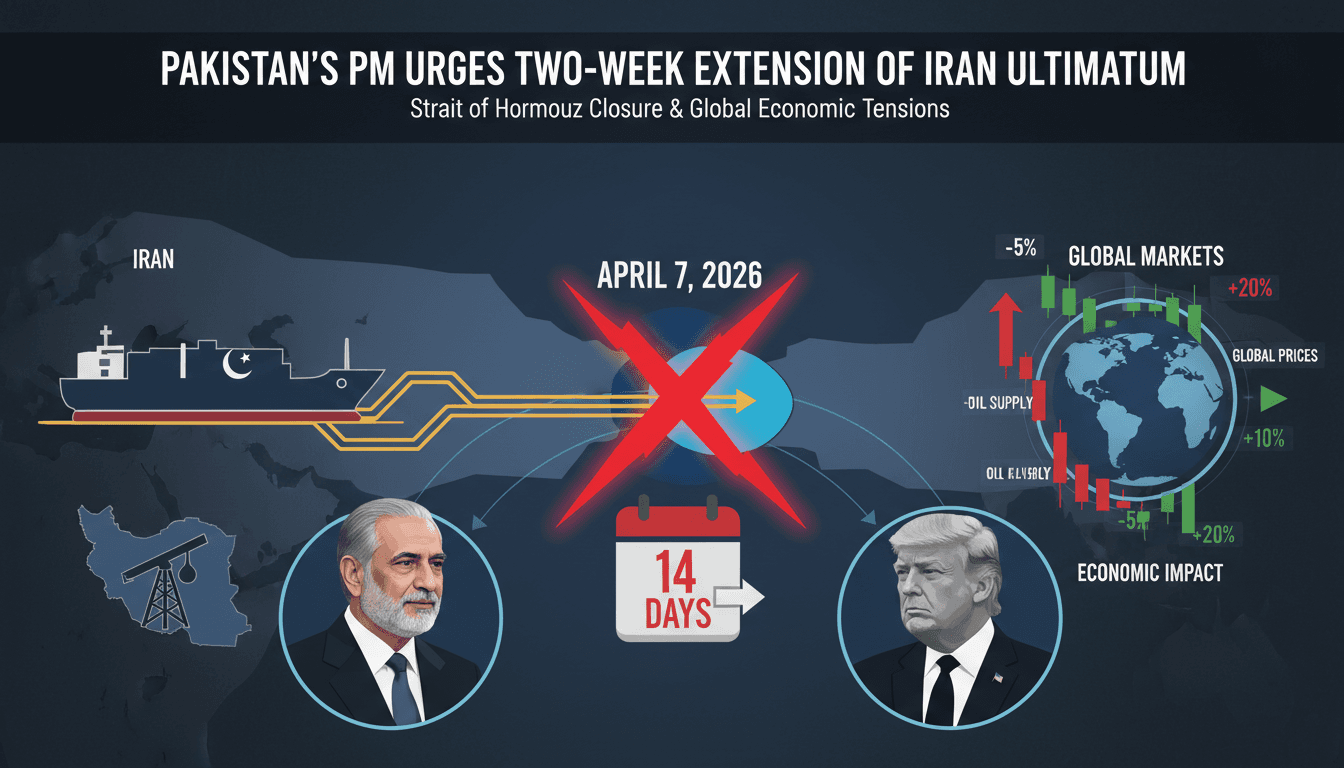
- Politics· MENA
UN Investigation Links Deaths of Indonesian Peacekeepers to Israeli and Hezbollah Actions in Lebanon
Three Indonesian UNIFIL peacekeepers were killed in southern Lebanon during the ongoing Israel-Hezbollah conflict. Preliminary evidence from a UN investigation attributes one death to Israeli tank fire and two others to a Hezbollah IED. The long-term implication may involve increased scrutiny and potential accountability measures for both Israel and Hezbollah amid rising tensions in the region.
3 sourcesApr 8Low
- Politics· MENA
GCC Secretary-General Criticizes UN Security Council for Vetoing Resolution on Iranian Threats
On April 7, 2026, the UN Security Council failed to adopt a resolution demanding Iran cease its attacks on commercial vessels in the Strait of Hormuz due to vetoes from Russia and China. This decision comes amid escalating Iranian threats to maritime navigation, which have intensified following recent US-Israeli military actions against Iran. The long-term implication is a potential increase in regional instability and further economic disruptions, particularly affecting global oil supply routes critical for the GCC states and beyond.
4 sourcesApr 8Low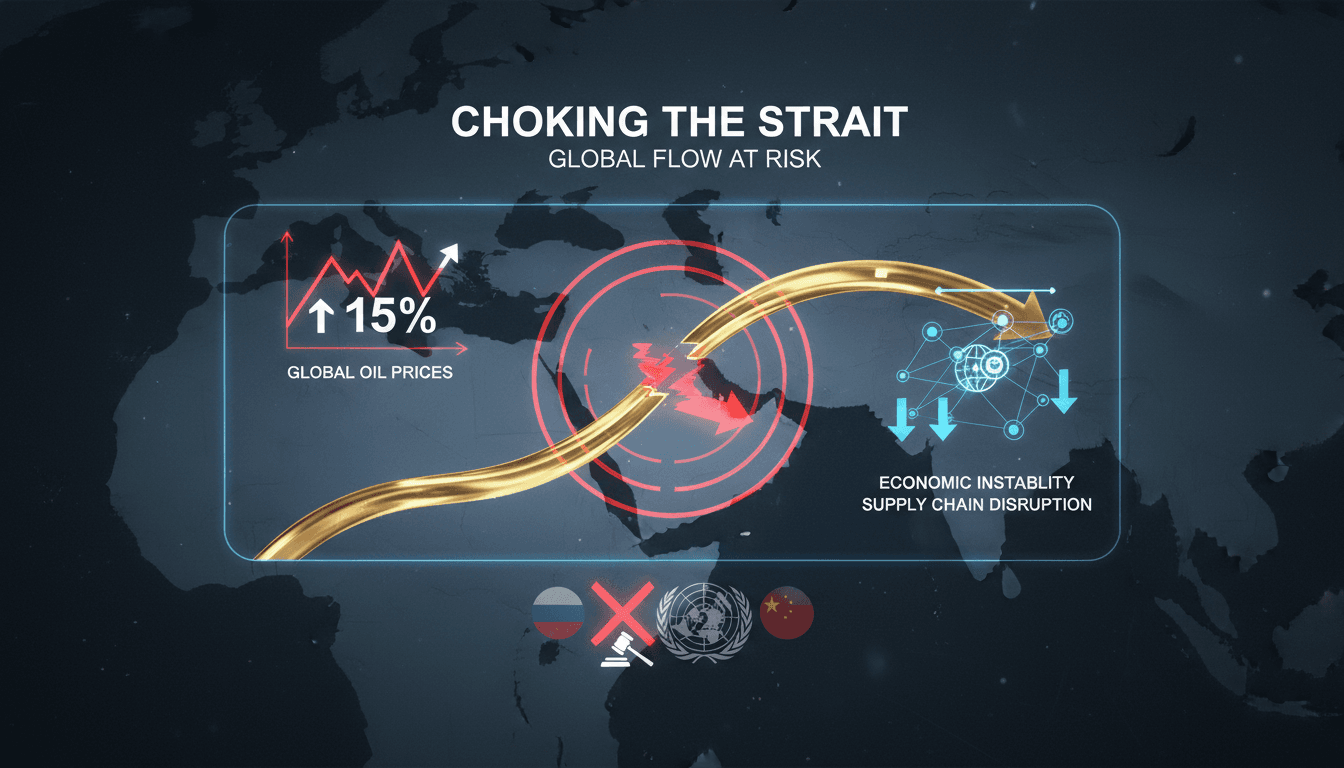
- Politics· MENA
Trump Issues 48-Hour Ultimatum to Iran Over Strait of Hormuz Amid Ongoing Conflict
On April 6, 2026, US President Donald Trump issued a 48-hour ultimatum to Iran, demanding the reopening of the Strait of Hormuz or face severe consequences. This escalation follows a month of intense conflict between the US-Israel alliance and Iran, triggered by Iranian attacks on Gulf energy infrastructure. The long-term implication may involve a precarious ceasefire and further negotiations over regional security and energy supply stability.
3 sourcesApr 8High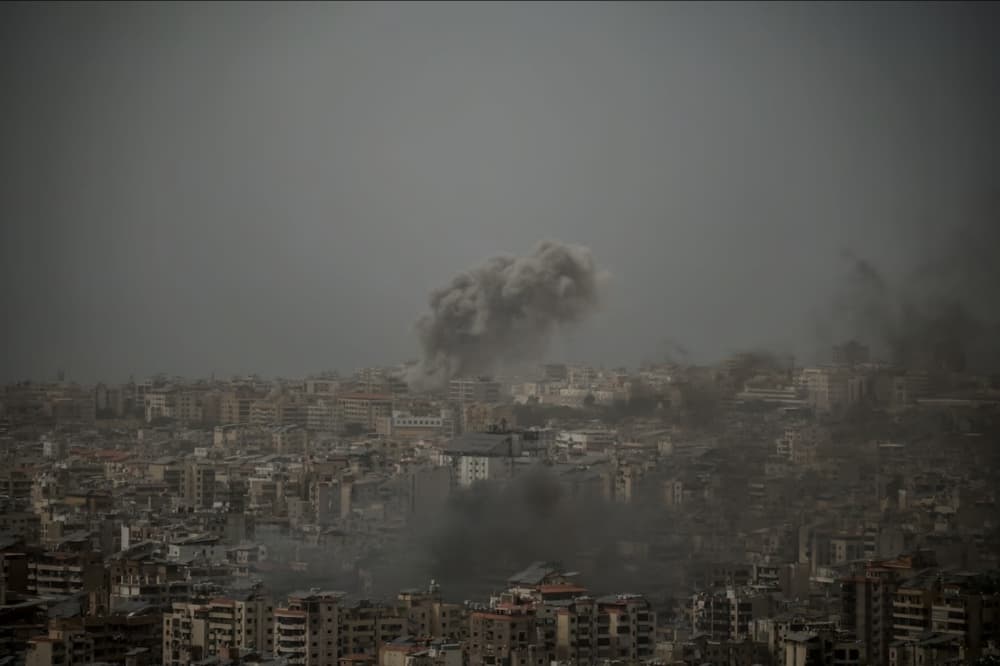
- Politics· MENA
UAE Condemns Attack on Kuwaiti Consulate in Basra Amid Regional Tensions
On April 7, 2026, protesters stormed and vandalized the Kuwaiti Consulate General in Basra, Iraq, following a deadly rocket attack from Kuwaiti territory that killed three individuals. The incident is a direct response to escalating regional tensions linked to U.S. military actions against pro-Iranian militias. In the long term, this could lead to increased diplomatic strain in the Gulf region and calls for stronger protections for diplomatic missions.
4 sourcesApr 8Low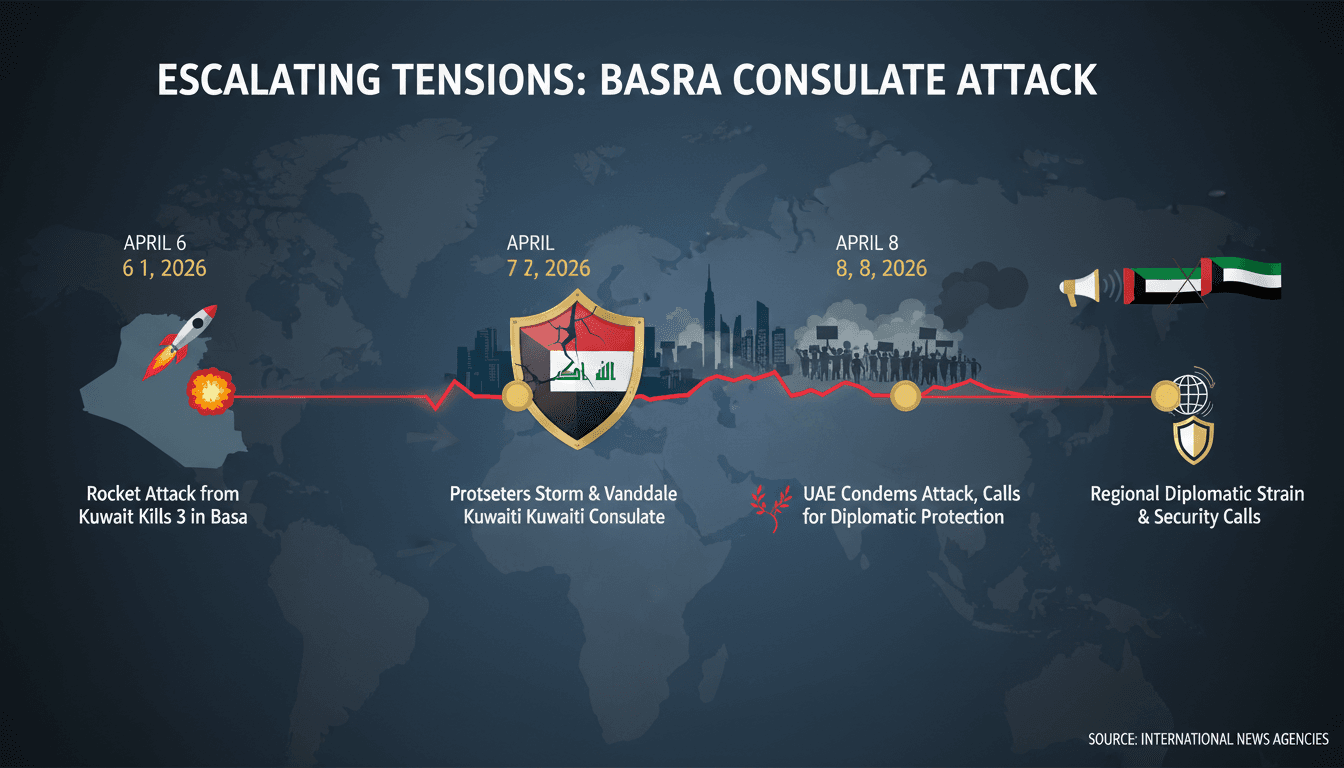
- Politics· MENA
Trump Issues Annihilation Ultimatum to Iran Over Strait of Hormuz Closure
On April 7, 2026, U.S. President Donald Trump threatened the annihilation of Iran's civilization if the Strait of Hormuz was not reopened by a specified deadline. This escalation follows Iran's closure of the vital shipping route on March 4, which has severely disrupted global oil trade and heightened tensions in the region. The long-term implication may involve intensified military actions and a precarious diplomatic landscape as peace talks are scheduled to address the ongoing conflict.
4 sourcesApr 8High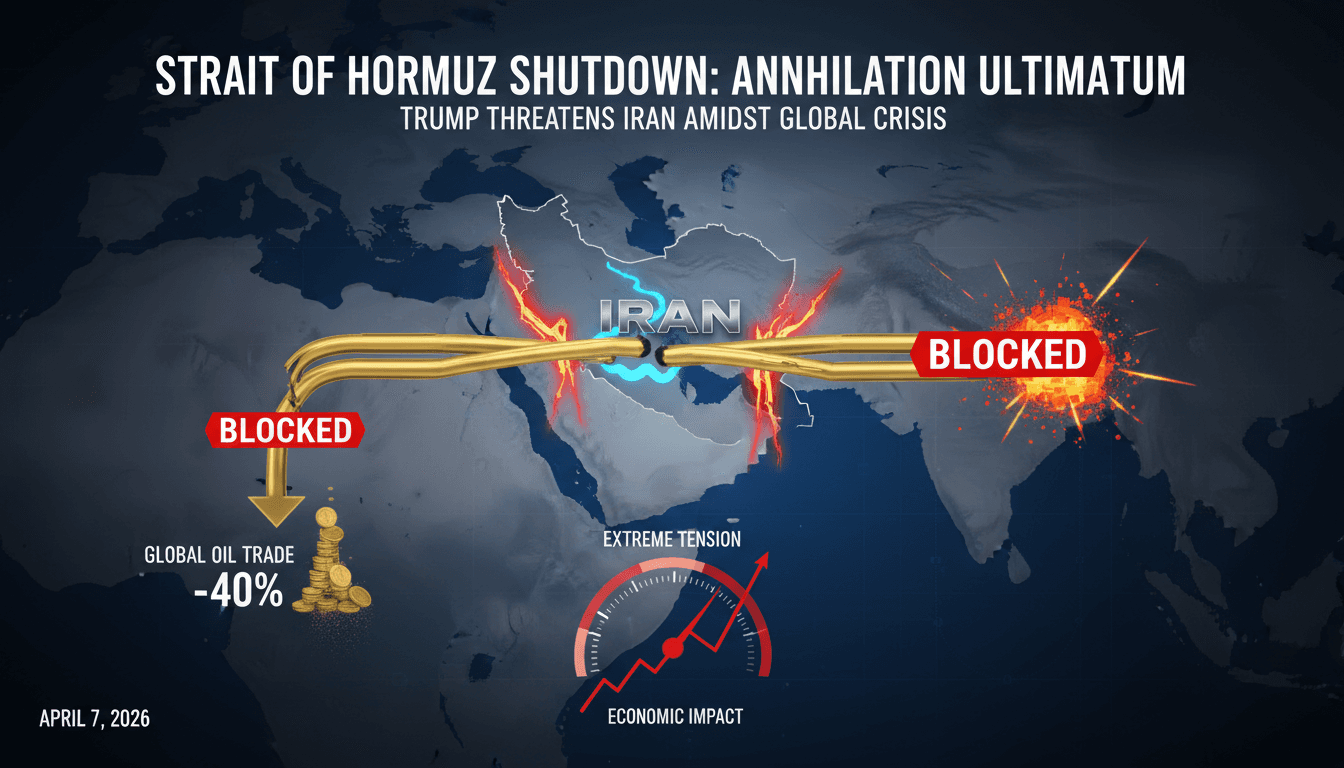
- Politics· MENA
Gulf States Condemn UN Security Council Veto on Strait of Hormuz Resolution
On April 7, 2026, the UN Security Council rejected a resolution drafted by Bahrain to reopen the Strait of Hormuz following vetoes from Russia and China. This decision comes amid ongoing Iranian closures of the strait in retaliation for U.S. and Israeli military actions, significantly impacting global oil shipments. The long-term implication is a potential escalation of regional tensions and further economic instability for Gulf states reliant on the strait for energy exports.
3 sourcesApr 8High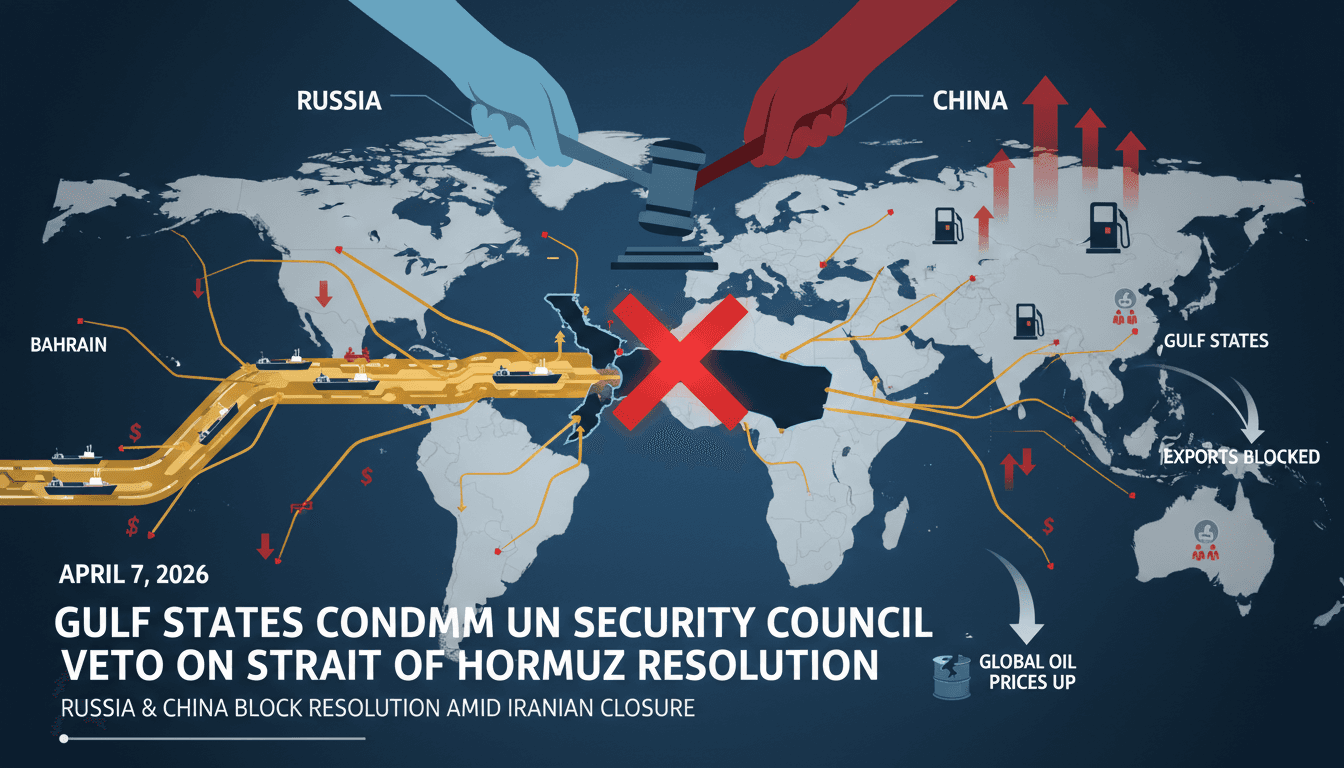
- Politics· MENA
Saudi Arabia Intercepts Five Ballistic Missiles Targeting Eastern Province
Saudi Arabian air defenses successfully intercepted and destroyed five ballistic missiles aimed at the Eastern Province on April 7-8, 2026. This escalation is attributed to ongoing regional hostilities, particularly attacks from Iran-backed Houthi militants from Yemen. The long-term implication may involve increased volatility in regional oil markets and heightened military readiness in response to persistent threats to energy infrastructure.
5 sourcesApr 8Low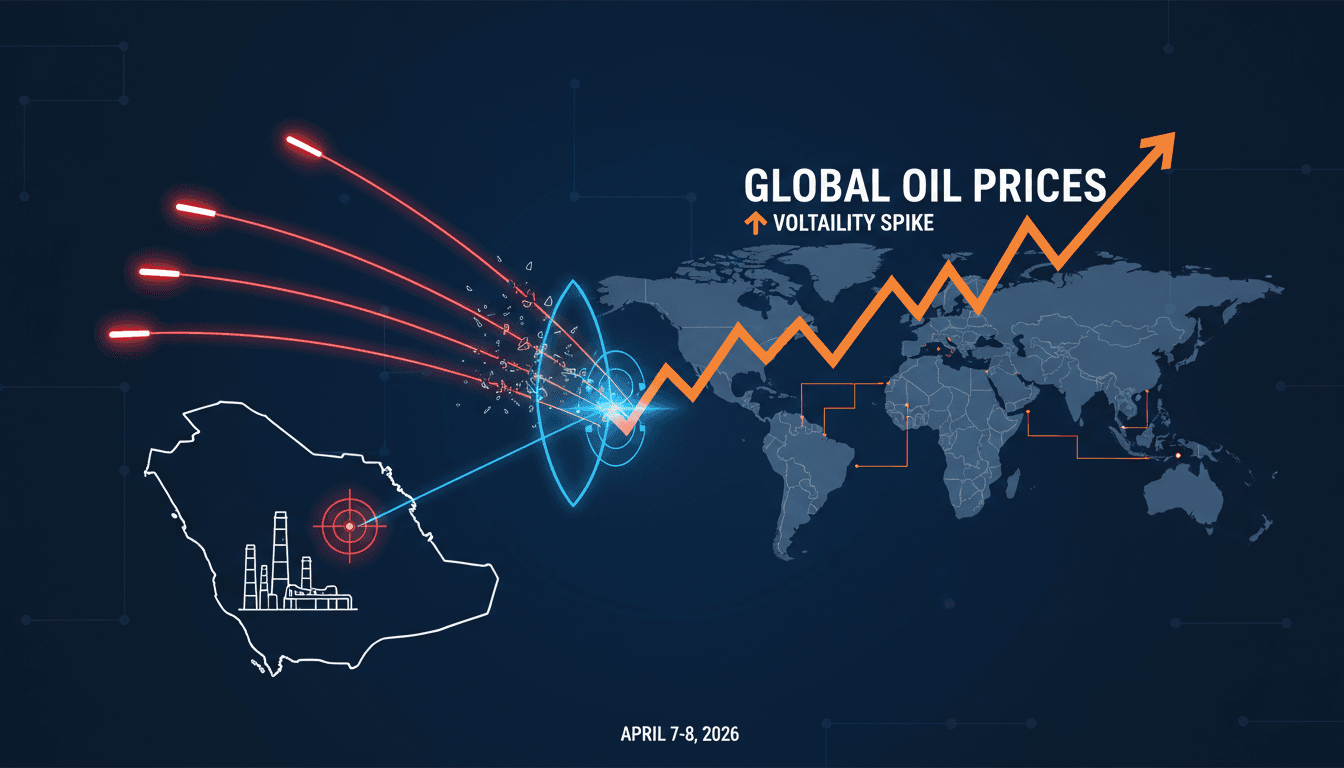
- World· MENA
Lebanon's Death Toll from Israeli Attacks Reaches 1,530 Amid Ongoing Conflict
On April 7, 2026, the Lebanese Ministry of Public Health reported that the death toll from Israeli military attacks since March 2, 2026, has risen to 1,530. This escalation is a direct result of Hezbollah's initial rocket fire into northern Israel, which triggered a series of retaliatory airstrikes and ground operations by Israel. The long-term implication is a deepening humanitarian crisis in Lebanon, with over 1.2 million people displaced and ongoing international calls for restraint and diplomatic intervention.
3 sourcesApr 8Low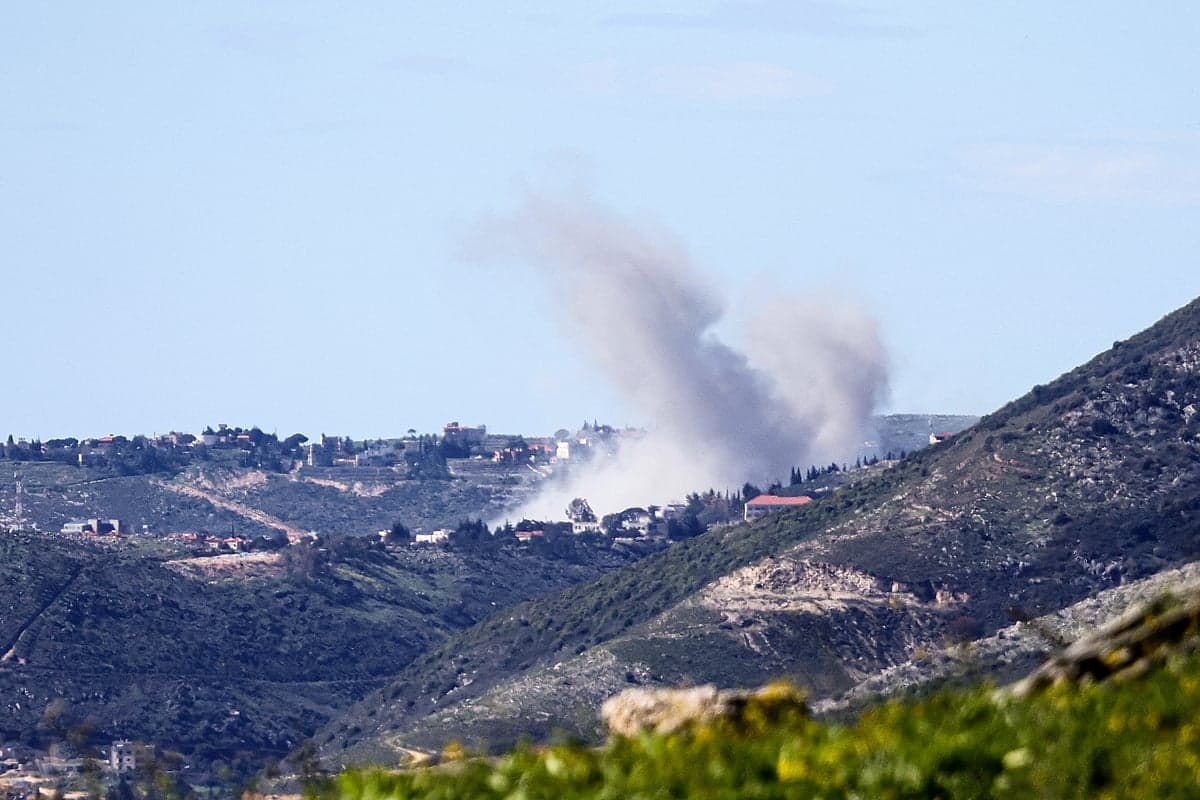
- Politics· MENA
Trump Announces Two-Week Suspension of Attacks on Iran Conditional on Strait of Hormuz Reopening
On April 7, 2026, U.S. President Donald Trump declared a conditional two-week suspension of military attacks on Iran, contingent upon the reopening of the Strait of Hormuz. This decision follows Iranian proposals for negotiations mediated by Pakistan, aimed at de-escalating ongoing military tensions in the region. The long-term implication may involve a shift towards diplomatic engagement, impacting global oil markets and regional security dynamics.
6 sourcesApr 8Very High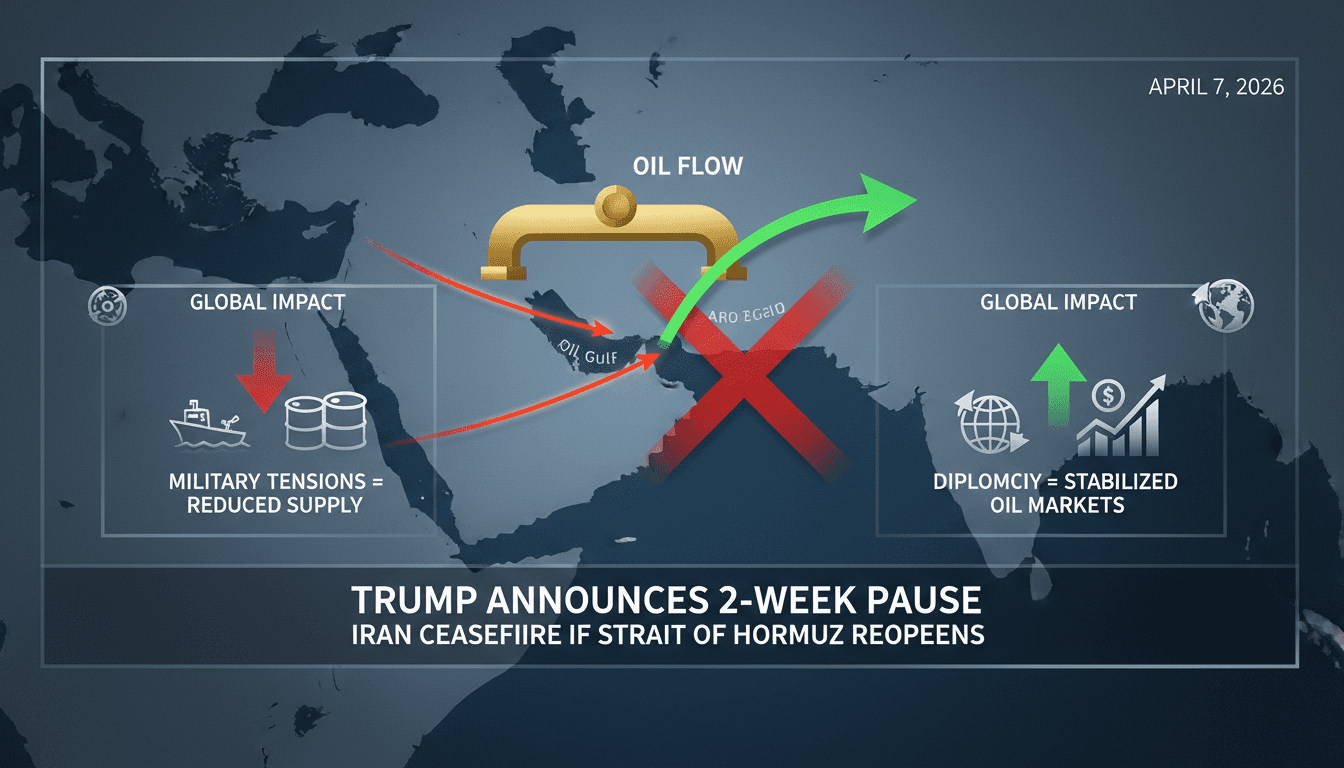
- Politics· MENA
Israel Agrees to Temporary Ceasefire with Iran in US-Brokered Truce
On April 7, 2026, a senior White House official confirmed that Israel has agreed to a temporary ceasefire with Iran as part of a two-week truce brokered by the United States. This agreement comes amid escalating conflicts in the region, particularly following Iran's closure of the Strait of Hormuz, which prompted US and Israeli military actions. The long-term implication is a potential shift towards diplomatic negotiations in the Middle East, with talks scheduled to take place in Islamabad, Pakistan.
3 sourcesApr 8High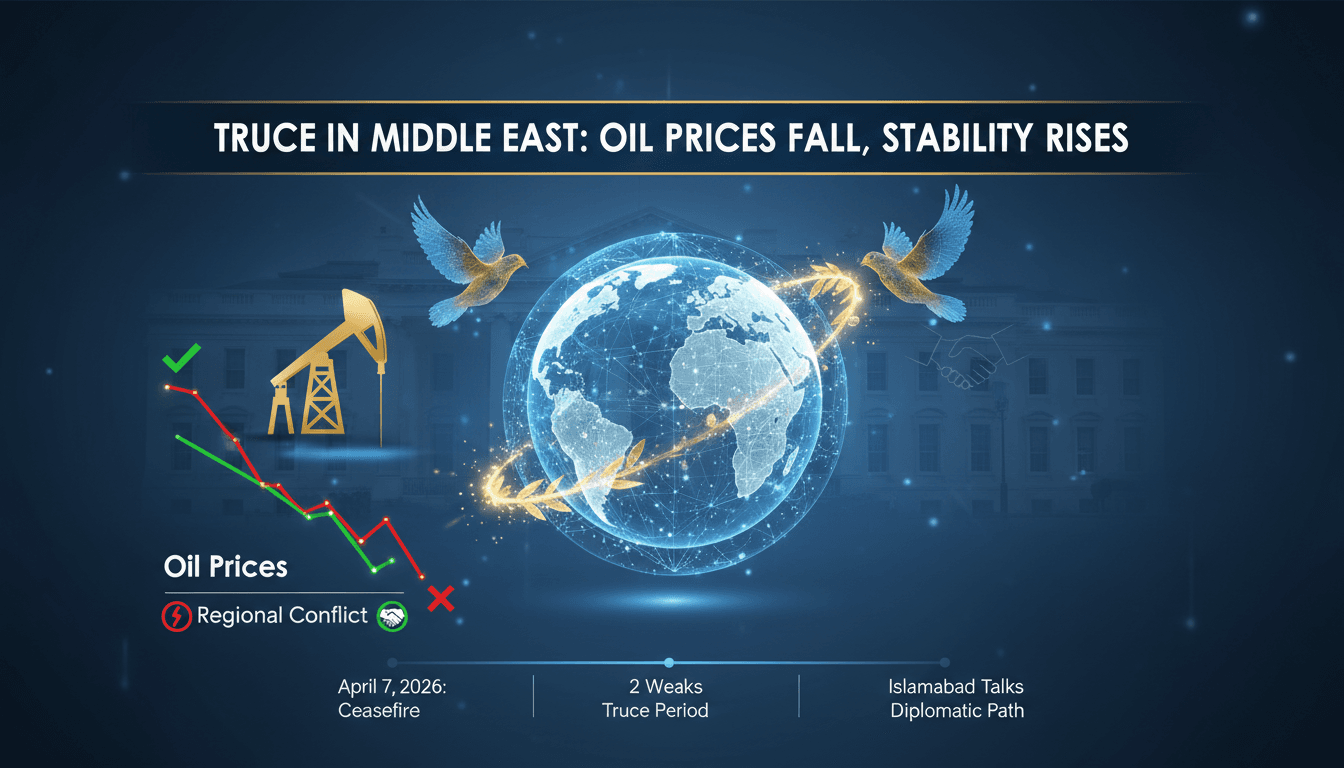
- Politics· MENA
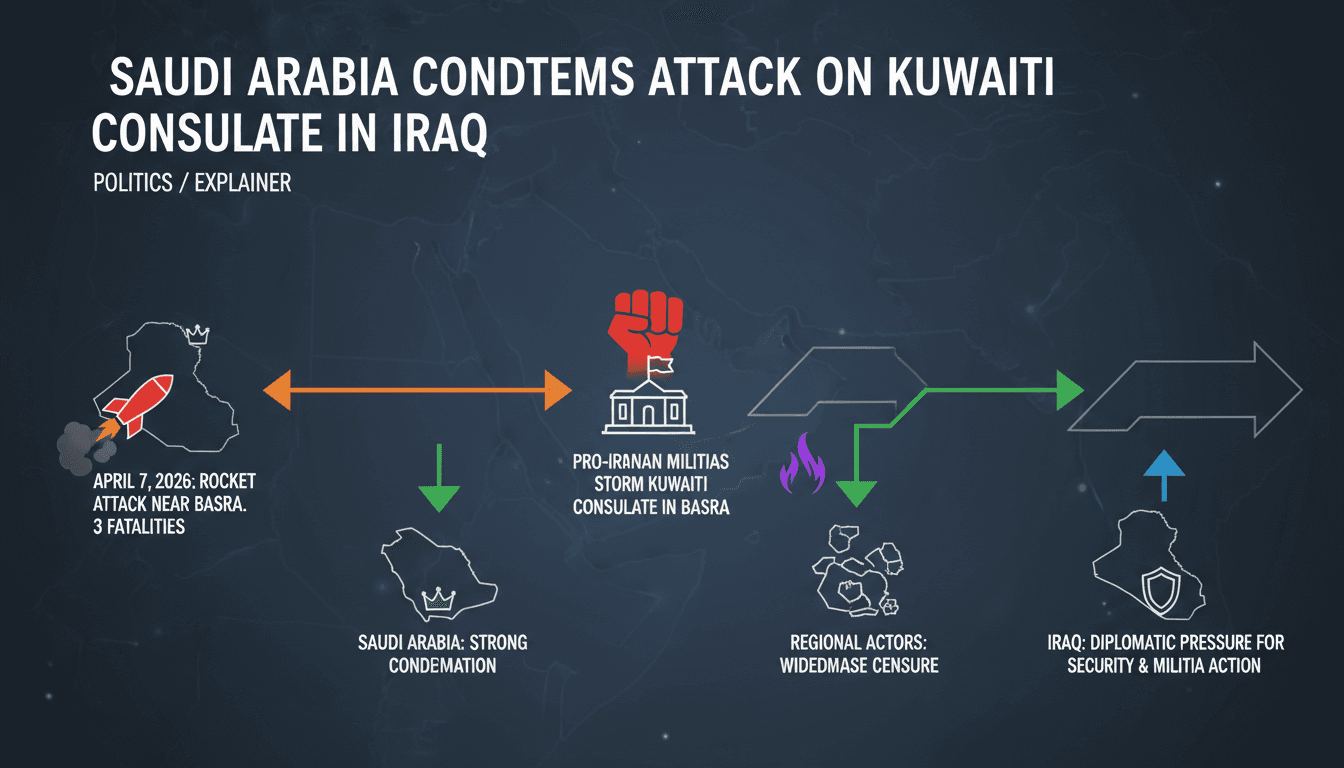
Saudi Arabia Condemns Attack on Kuwaiti Consulate in Iraq
On April 7, 2026, pro-Iranian militias stormed the General Consulate of Kuwait in Basra, Iraq, leading to widespread condemnation from regional actors. This incident was triggered by a preceding rocket attack near Basra that reportedly resulted in three fatalities, escalating tensions in the region. The long-term implication may involve increased diplomatic pressure on Iraq to enhance security for foreign missions and address militia activities within its borders.
3 sourcesApr 8Low