Bio
Andre is co-founder at A47 News. He is responsible for editorial standards and news curation, and shares commentary on AI, general technology, and global politics.
Editorial Responsibility
As Editor, I am responsible for all editorial standards, news sourcing, research, and content production.
Previous experience · 15+ years
- · Co-founder at Tiki
- · Operations Director at Rocket Internet
Education
BA Economics, University of Waikato
Areas of expertise
Categories overseen
Stories from Andre Teow’s desk
15619 stories- Politics· MENA
Japanese Journalist Shinnosuke Kawashima Released on Bail in Iran Amid Tensions
Shinnosuke Kawashima, the Tehran bureau chief for NHK, has been released on bail after being detained since January 20, but is subject to an exit ban pending trial on security charges. This release comes as Iran faces heightened tensions due to anti-government protests and military actions involving the U.S. and Israel. The situation may further strain Japan-Iran relations and impact regional stability as Japan calls for de-escalation and the full release of its nationals.
3 sourcesApr 7Moderate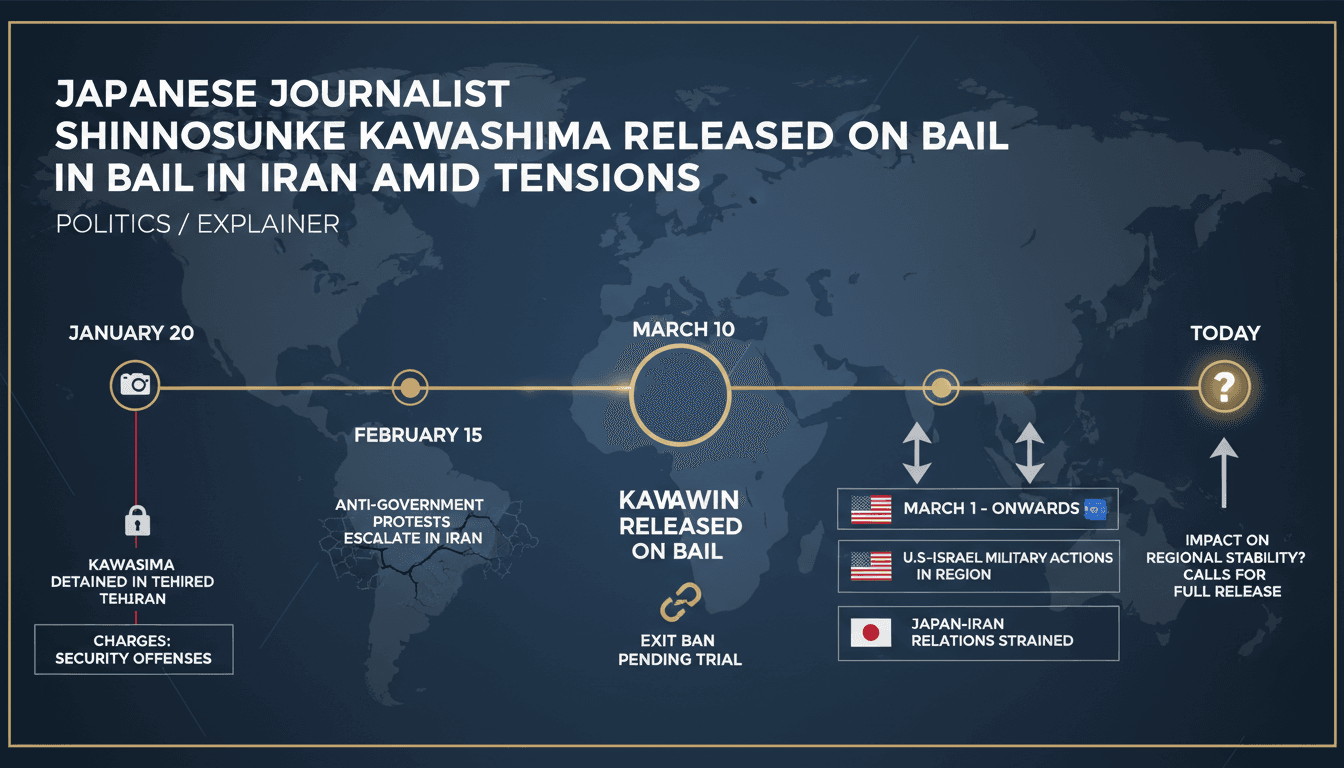
- Politics· UAE
UAE Diplomatic Adviser Accuses Iran of Aggression Against Gulf States Amid Ongoing Conflict
Anwar Gargash, the UAE's diplomatic adviser, has condemned Iran for launching missile and drone attacks on Gulf neighbors despite the UAE's de-escalation efforts. This escalation follows the onset of the US-Israel-Iran war, which has seen Iran retaliate against Gulf states after being targeted by coordinated airstrikes. The long-term implication may involve heightened regional tensions and a potential shift in Gulf states' security alliances, particularly with the US and Israel.
2 sourcesApr 7Low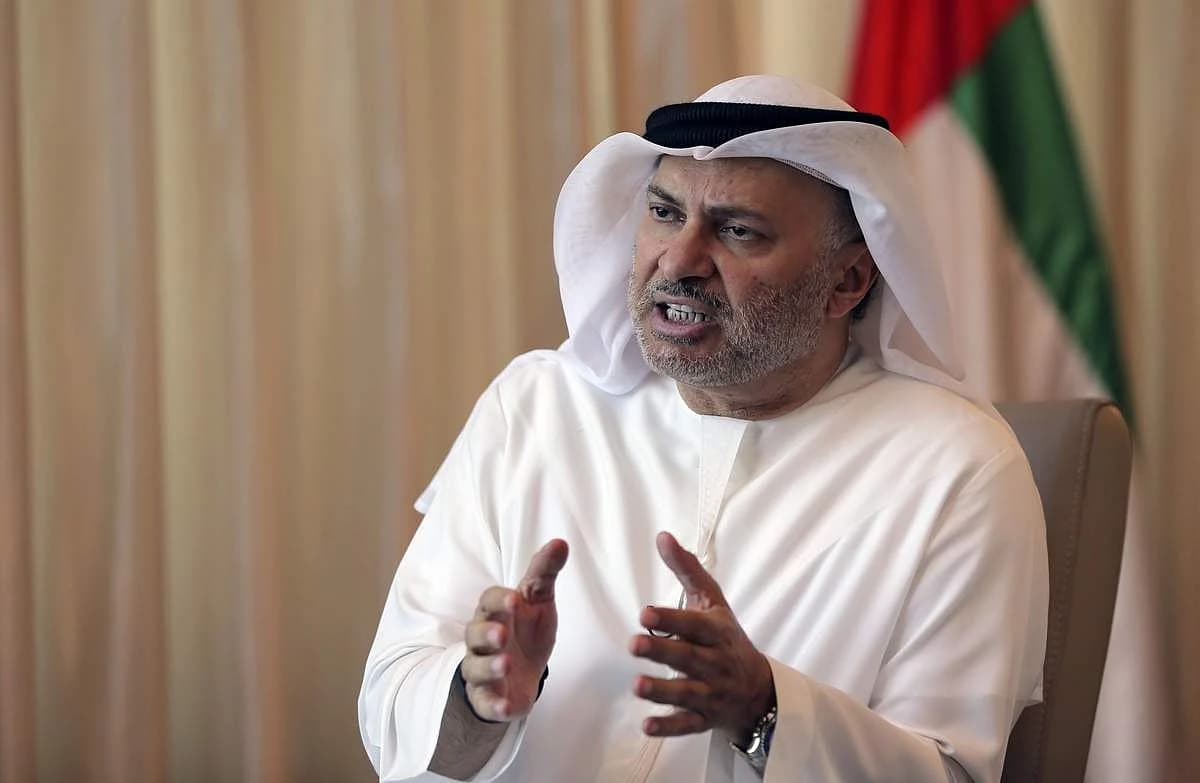
- World· World
Drone strike in Russia kills three civilians amid ongoing Ukraine conflict
On the night of 6–7 April 2026, a drone strike in Aleksandrovsky District, Russia, resulted in the deaths of three civilians, including a child. This incident is attributed to escalating drone warfare between Ukrainian forces and Russia, coinciding with a proposed ceasefire by Ukrainian President Zelenskyy. The long-term implication may involve increased international scrutiny and potential diplomatic efforts to address civilian casualties in the conflict.
2 sourcesApr 7Low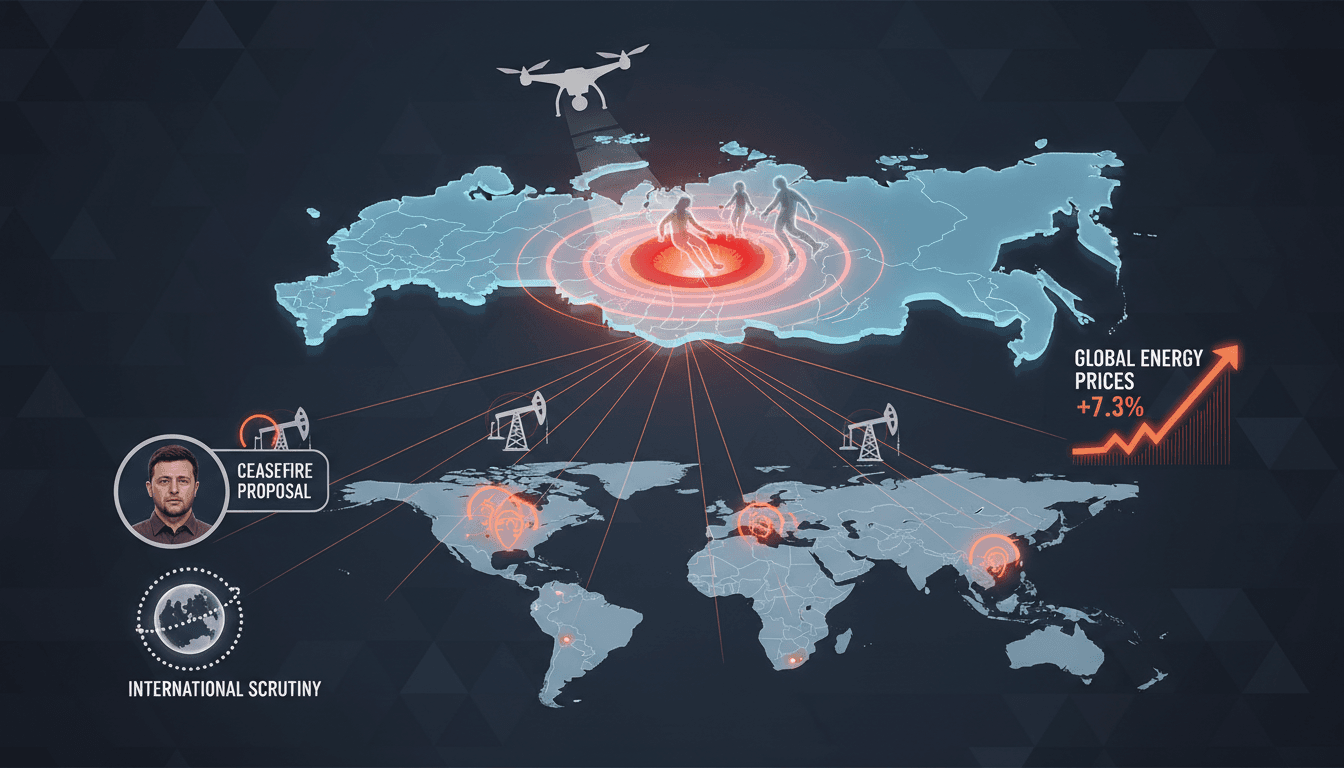
- World· MENA
Destruction of Rafi Nia Synagogue in Tehran Reported Amid US-Israeli Airstrikes
On April 7, 2026, Iranian sources reported the complete destruction of the Rafi Nia Jewish Synagogue in Tehran due to a US-Israeli airstrike. This incident is part of a broader series of strikes targeting Iranian infrastructure, coinciding with escalating tensions and demands from US President Donald Trump regarding the Strait of Hormuz. The long-term implications may include intensified military actions and further destabilization in the region as Iran rejects ceasefire proposals and mobilizes public resistance.
2 sourcesApr 7Low
- Politics· World
Trump Issues Ultimatum to Iran Over Strait of Hormuz Amid Ongoing Conflict
On April 7, 2026, U.S. President Donald Trump declared he was 'not at all' worried about possible war crimes as his deadline for Iran to reopen the Strait of Hormuz nears. This escalation follows six weeks of U.S.-Israeli strikes on Iranian targets, prompting Iran to reject a ceasefire and continue missile exchanges. The long-term implication could lead to further destabilization in the region and increased global oil prices, impacting international markets and security dynamics.
2 sourcesApr 7Very High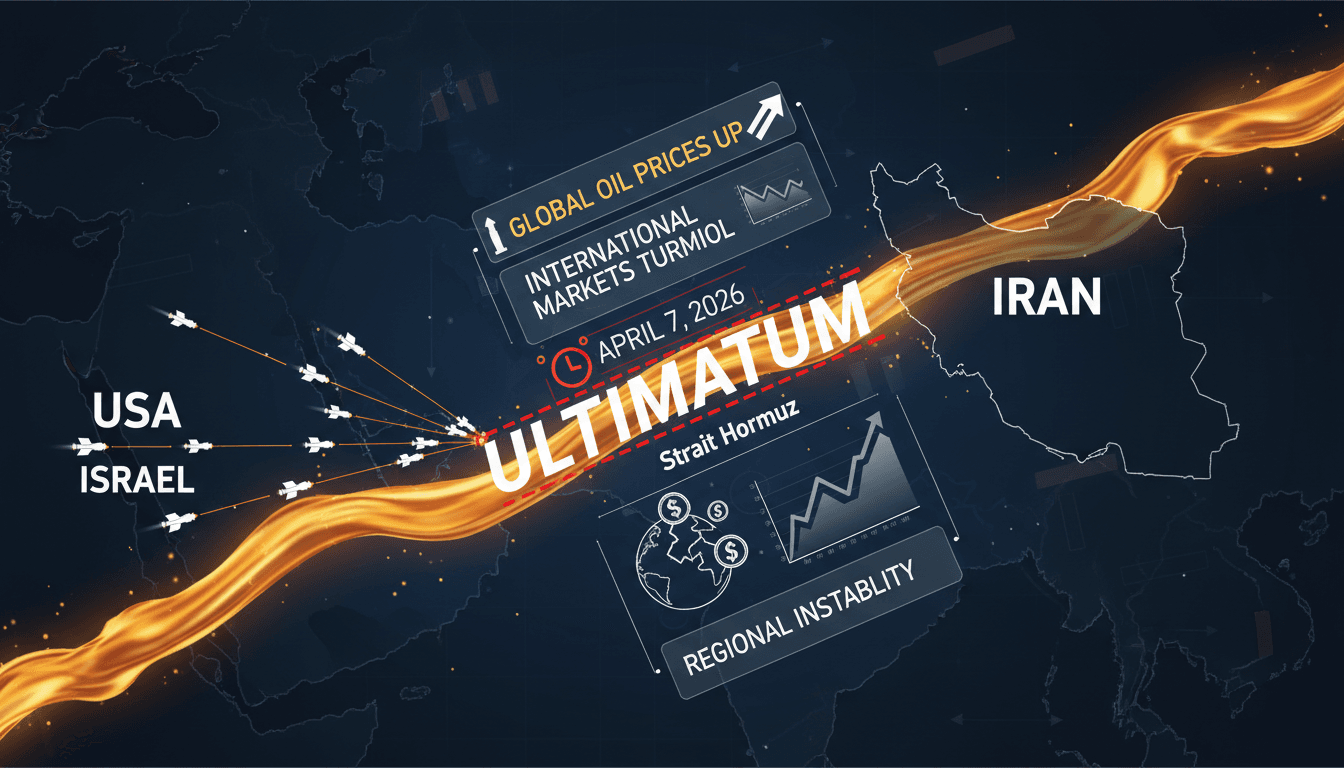
- World· MENA
Israel Issues Warning of Strikes on Iran's Railway Network Amid Escalating Conflict
Israel's military has threatened to target Iran's entire railway network, urging civilians to avoid railways until 21:00 local time, as tensions escalate following US-Israeli airstrikes on Iranian infrastructure. This warning comes as US President Donald Trump sets a deadline for Iran to reopen the Strait of Hormuz, dismissing concerns over potential war crimes. The ongoing conflict is likely to further destabilize the region and impact global oil supply chains, with oil prices already surging above $115 per barrel.
2 sourcesApr 7High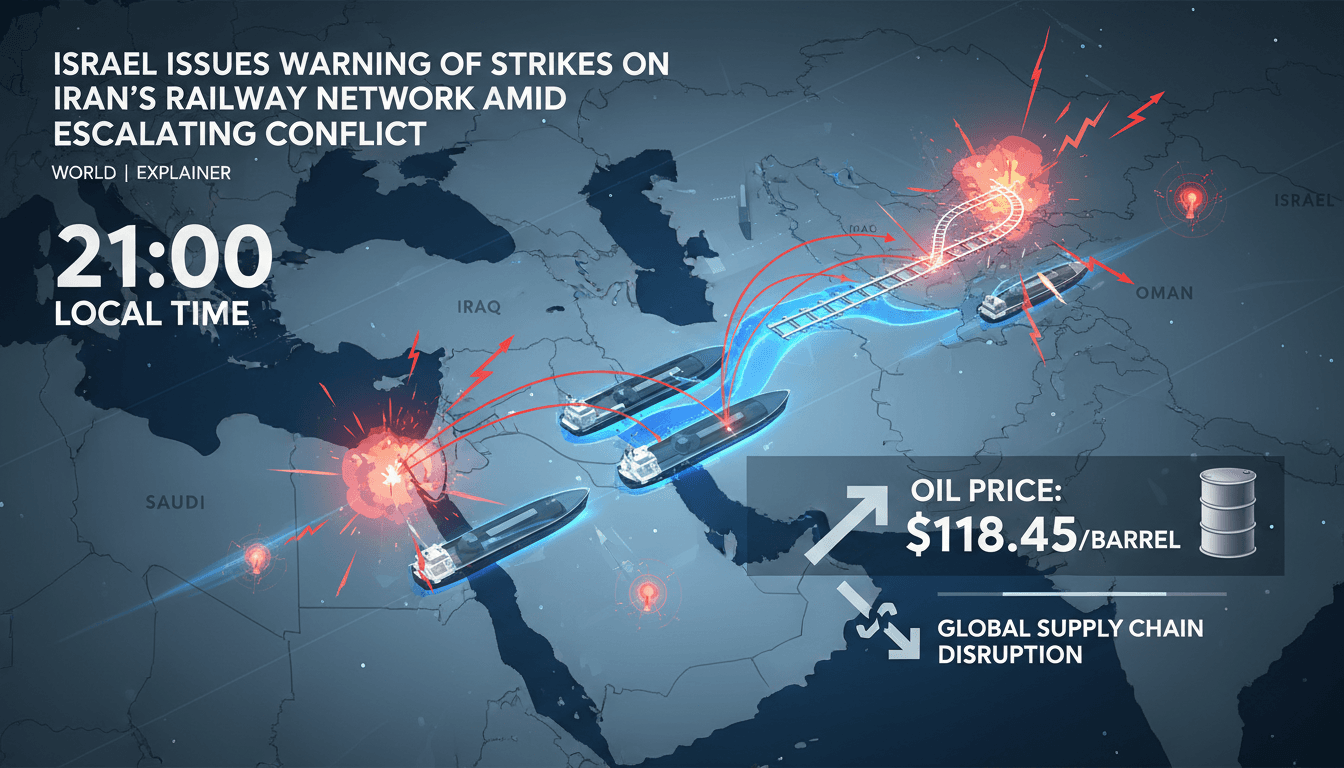
- World· MENA
US Issues Final Ultimatum to Iran for Strait of Hormuz Reopening
On April 7, 2026, the United States issued a final ultimatum to Iran demanding the reopening of the Strait of Hormuz by 8:00 p.m. EDT, threatening severe military action if unmet. This escalation follows Iran's rejection of a US ceasefire proposal and a series of mutual threats amid an ongoing US-Israel-Iran war. The long-term implication could be a significant disruption in global oil supplies and heightened geopolitical tensions in the region.
5 sourcesApr 7Very High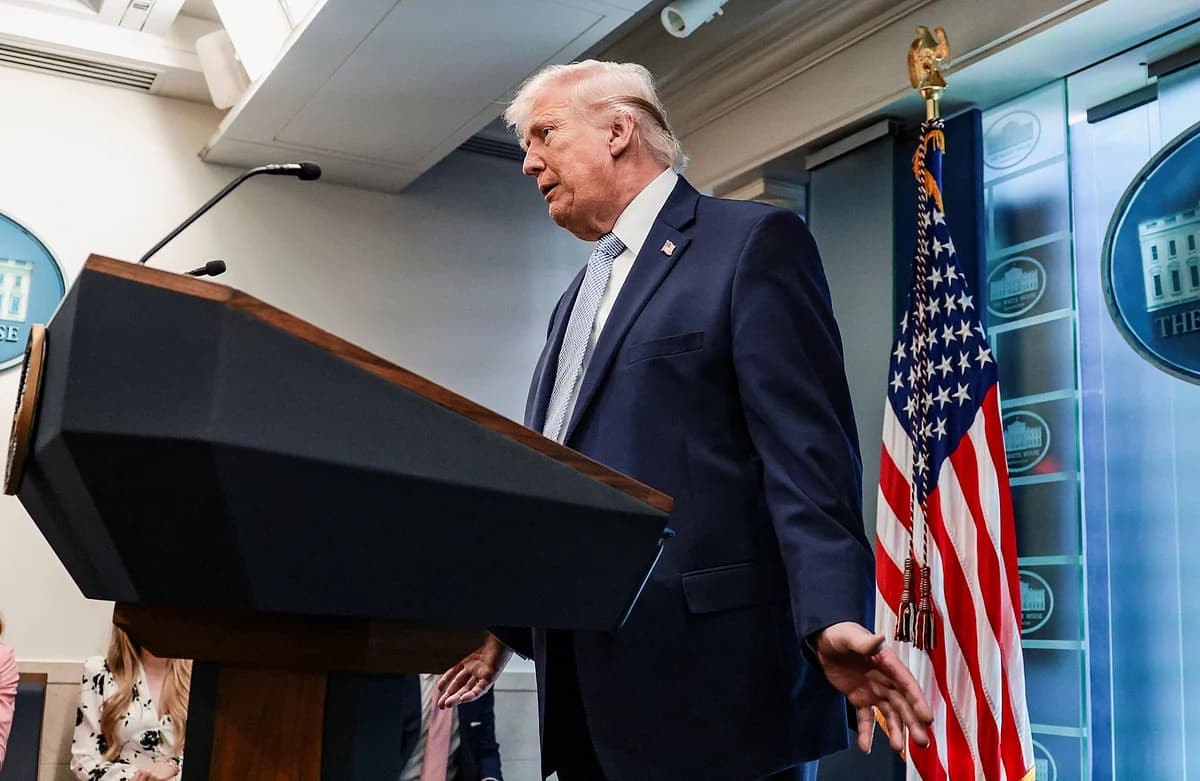
- Politics· World
Trump issues ultimatum to Iran over Strait of Hormuz with threat of military strikes
U.S. President Donald Trump has threatened military strikes on Iran's power plants and bridges unless the country reopens the Strait of Hormuz by April 7, 2026. This escalation follows the ongoing U.S.-Iran war that began on February 28, 2026, amid rising tensions over nuclear capabilities and regional security. The situation could lead to significant disruptions in global oil transit and further military engagement in the region.
2 sourcesApr 7Very High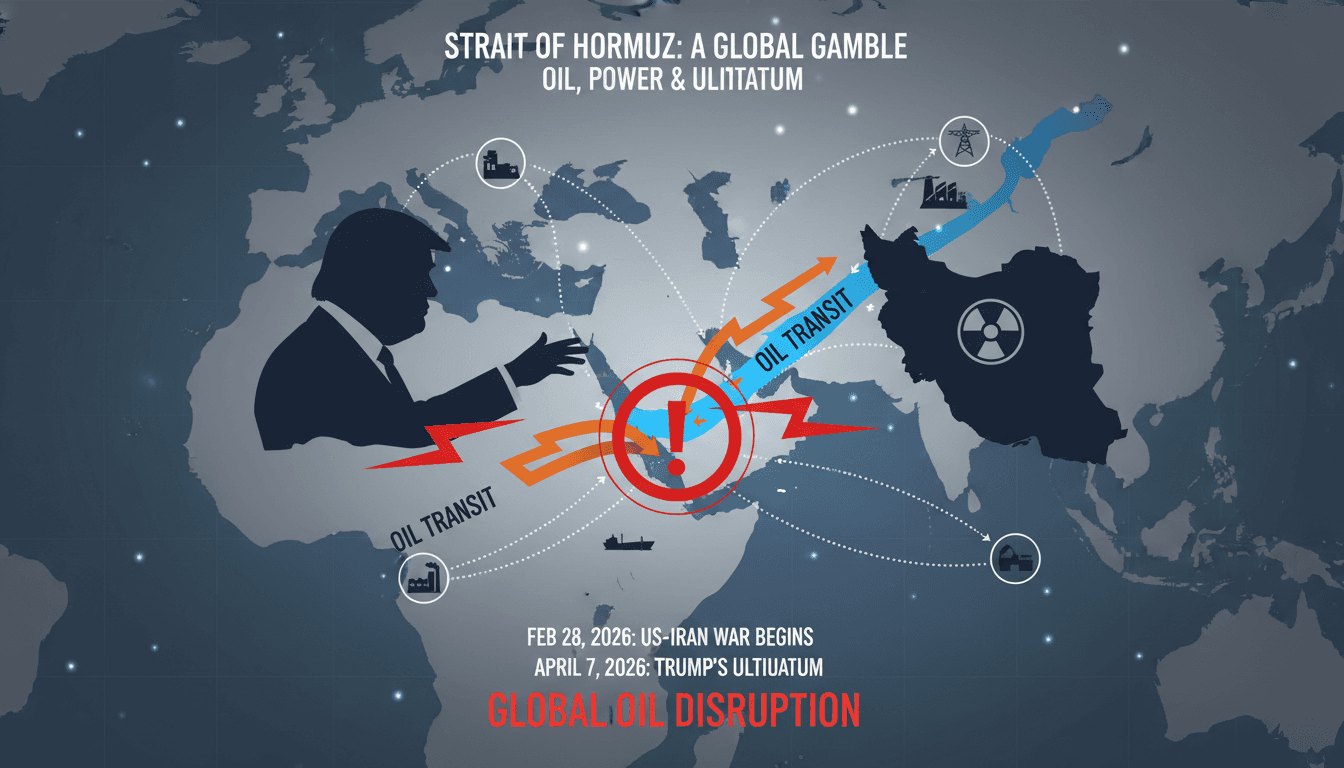
- Politics· MENA
Iran Rejects U.S. Ceasefire Proposal Amid Escalating Military Conflict
Iran has rejected a U.S.-brokered ceasefire proposal and refused to reopen the Strait of Hormuz as tensions escalate with Israel and the U.S. The immediate trigger for this defiance is President Trump's ultimatum for a ceasefire and reopening by midnight April 8, 2026, which Iran views as a threat. This standoff is likely to exacerbate regional instability and could lead to further military actions affecting global oil supply routes.
2 sourcesApr 7Very High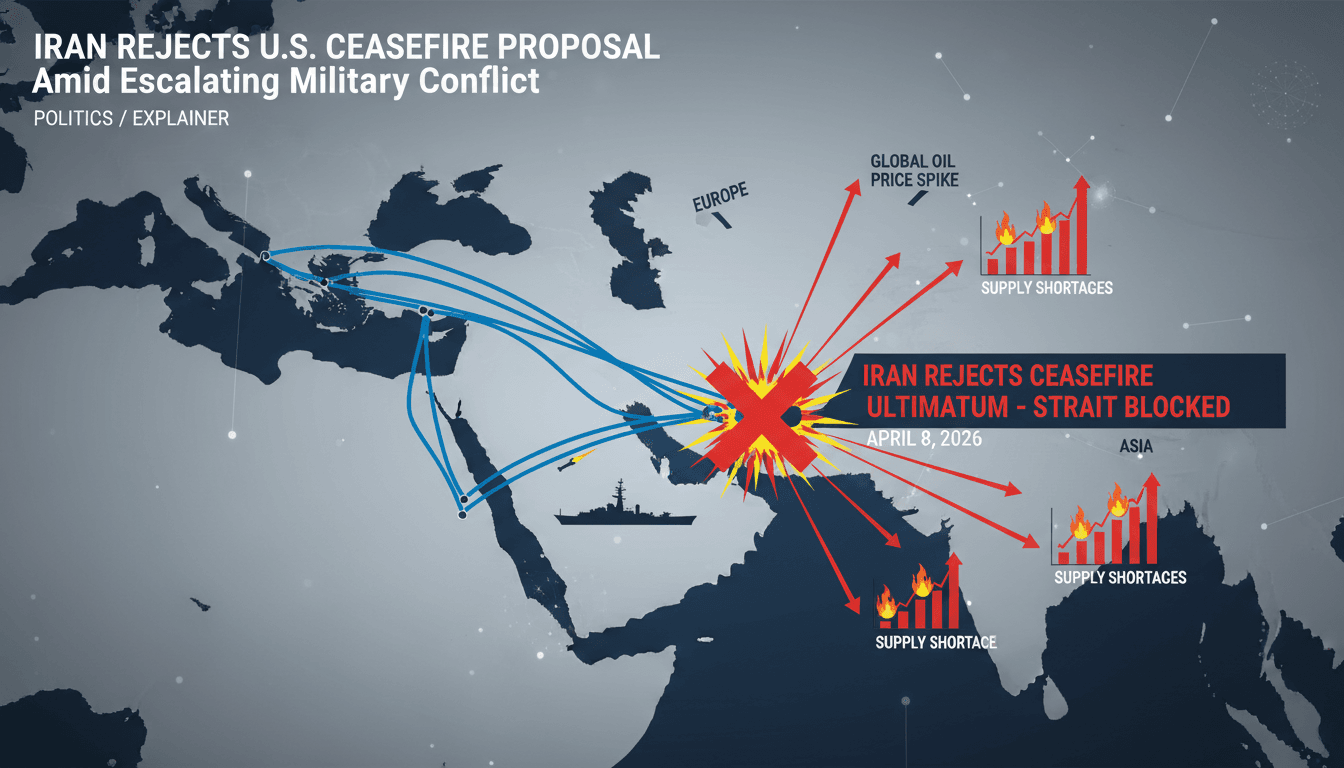
- World· MENA
Israeli Airstrikes Target Iranian Infrastructure in Tehran and Karaj Amid Ongoing Conflict
On April 7, 2026, Israeli airstrikes caused explosions in Tehran and Karaj, targeting Iranian regime infrastructure. This escalation is part of the broader US-Israeli campaign against Iran that began on February 28, 2026, following the assassination of Iranian leaders and ongoing military operations. The long-term implications include further destabilization in the region and potential disruptions to global energy supplies as the conflict escalates.
2 sourcesApr 7Moderate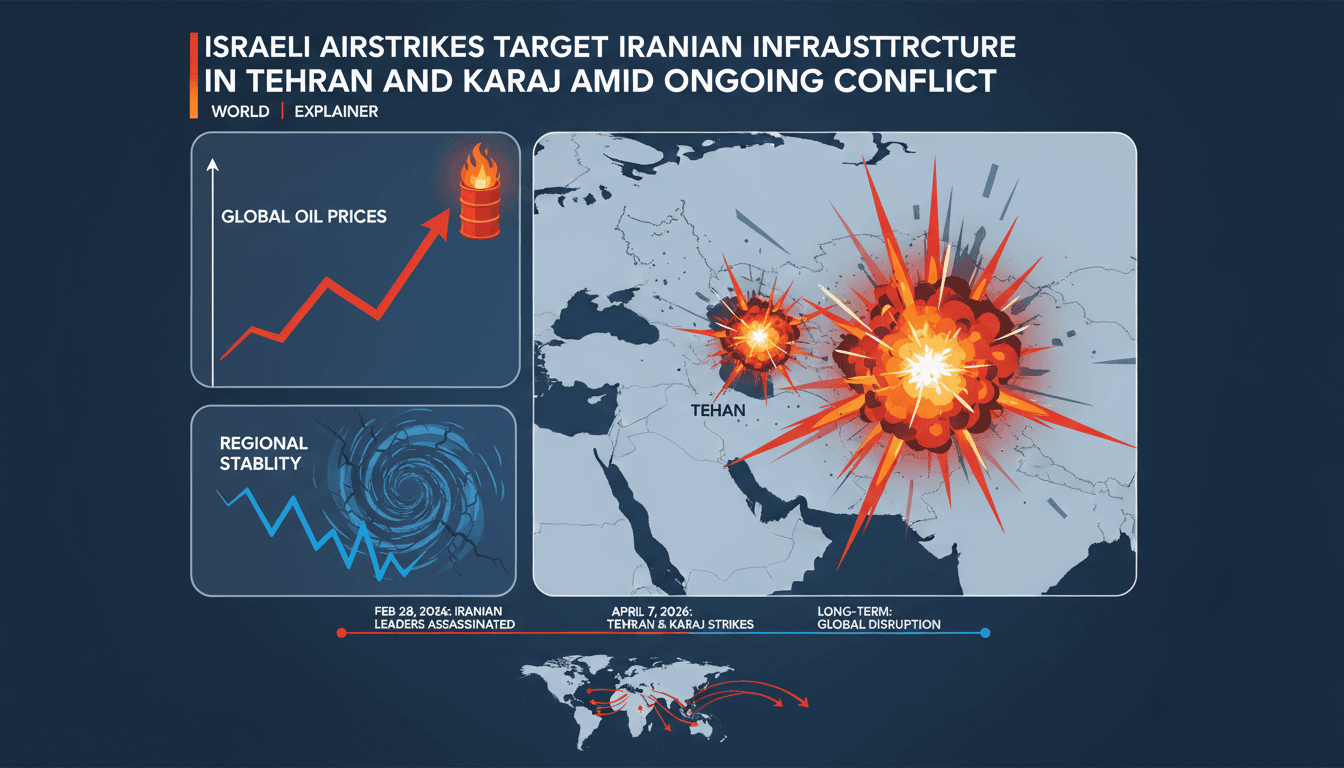
- Politics· MENA
Trump Dismisses War Crimes Concerns as US-Iran Conflict Escalates
On April 7, 2026, US President Donald Trump expressed indifference towards potential war crimes as the deadline for Iran to reopen the Strait of Hormuz approaches. This statement follows intensified military actions, including recent US-Israeli strikes that resulted in over 25 Iranian casualties and Iran's rejection of a ceasefire. The ongoing conflict is likely to further destabilize global oil markets and escalate tensions in the Middle East.
2 sourcesApr 7Very High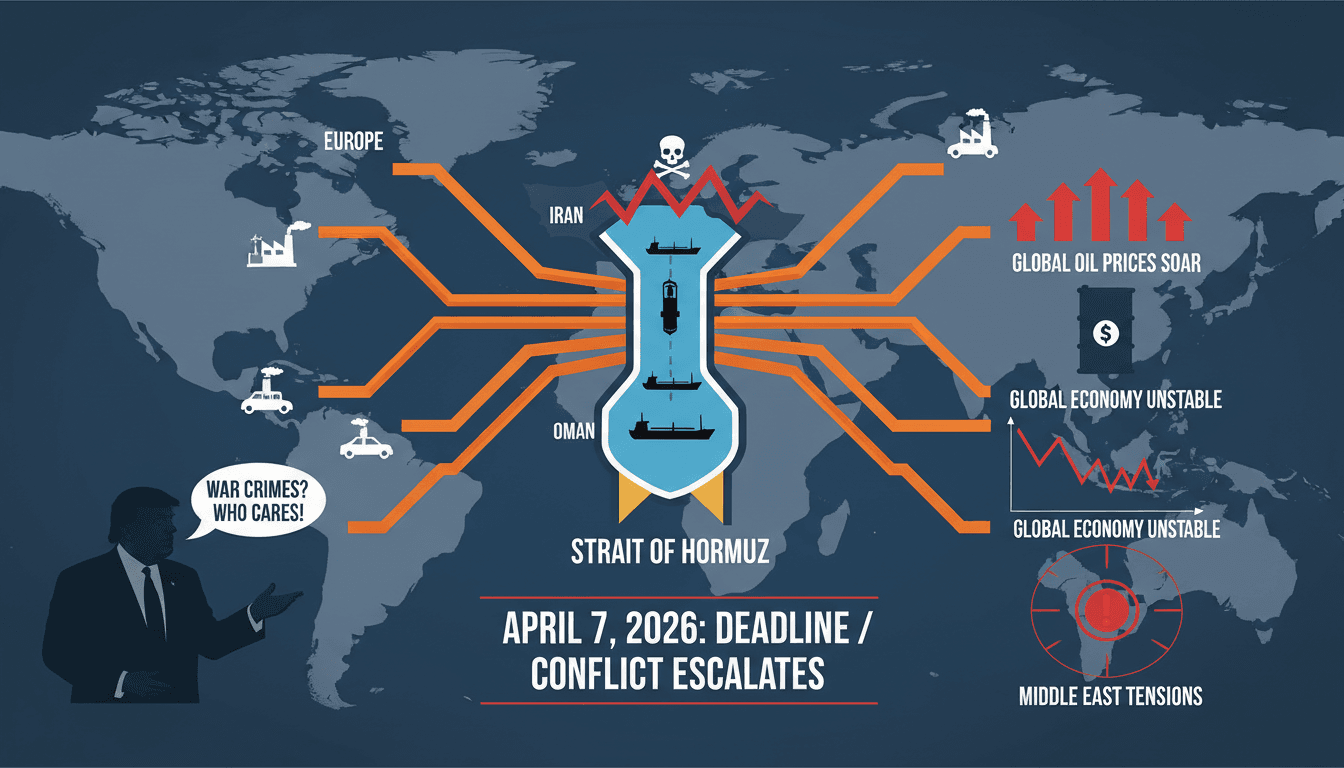
- Tech· World
NASA's Artemis II mission honors Apollo legacy with historical mementos during lunar flyby
NASA's Artemis II mission successfully completed a lunar flyby on April 6, 2026, carrying historical mementos including a U.S. flag from the canceled Apollo 18 mission. This event marks a significant moment in the renewed commitment to lunar exploration, coinciding with the ongoing Artemis program aimed at establishing a sustainable presence on the Moon. The long-term implication is the potential for increased international collaboration in space exploration and the preparation for future Mars missions.
8 sourcesApr 7Low
- World· World
U.S. F-15E Strike Eagle downed by Iranian missile during military operations
On April 3, 2026, a U.S. Air Force F-15E Strike Eagle fighter jet was downed over southern Iran by an Iranian shoulder-fired missile during ongoing U.S.-Israeli military operations. This incident is occurring amid heightened tensions and extensive military actions against Iran, including U.S. strikes on over 13,000 Iranian targets. The long-term implication may involve escalated military engagements and further disruptions in the Strait of Hormuz, impacting global oil markets and geopolitical stability.
2 sourcesApr 7Very High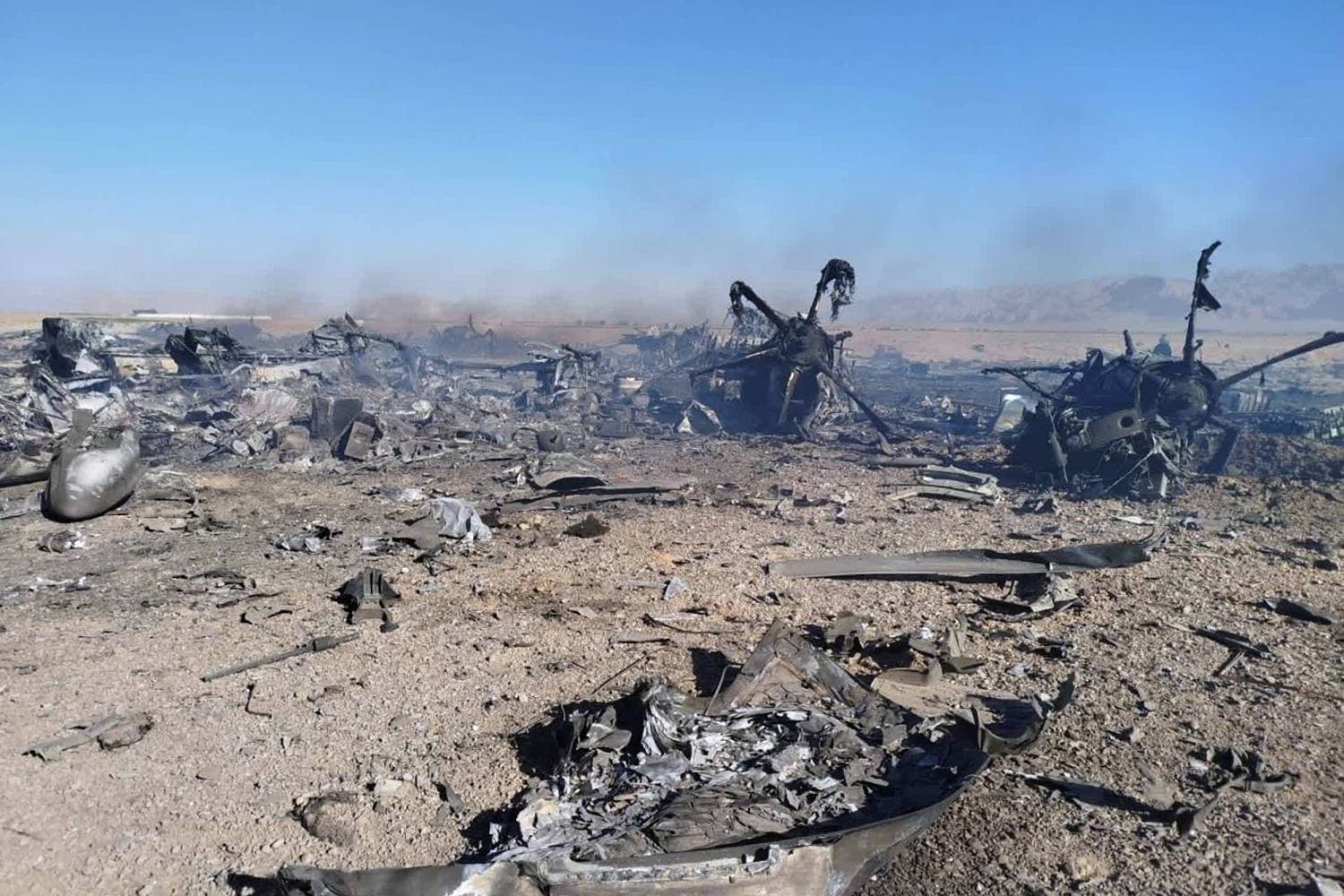
- Politics· World
Trump Issues Ultimatum to Iran Over Strait of Hormuz Access
On April 6, 2026, U.S. President Donald Trump threatened to destroy Iran's bridges and power plants unless a deal is reached to reopen the Strait of Hormuz by April 8. This ultimatum follows a 38-day conflict initiated by U.S.-Israeli airstrikes and Iran's subsequent closure of the strait, which is critical for global oil transit. The situation is likely to escalate further, impacting regional stability and international oil markets if the deadline is not met.
6 sourcesApr 7Very High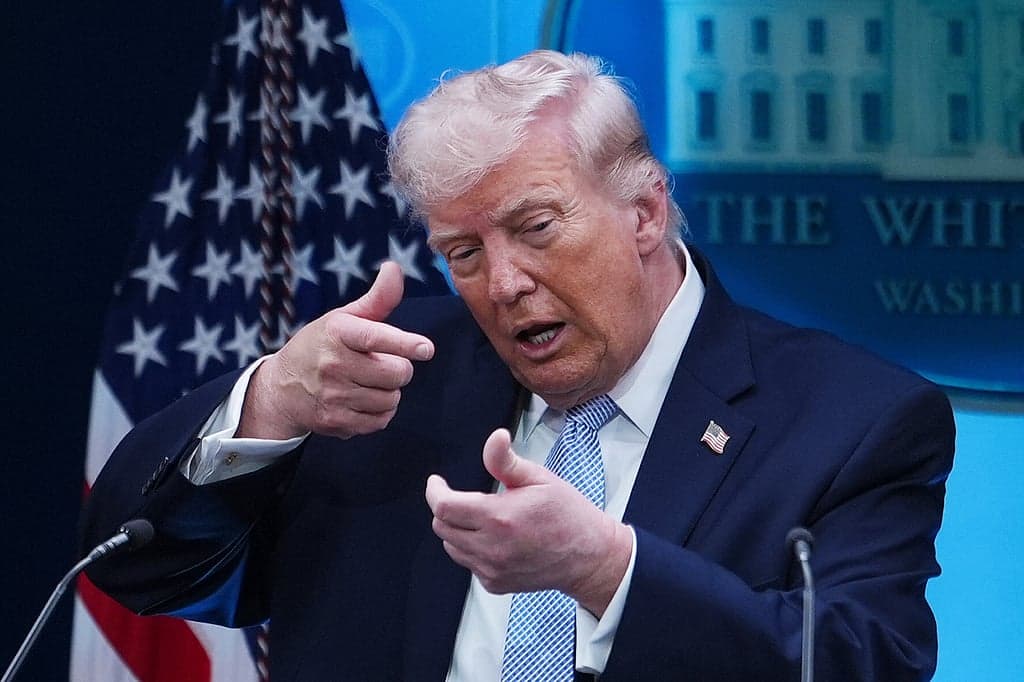
- Politics· MENA
Iranian strikes on Kuwaiti and Bahraini energy infrastructure escalate regional tensions
Iran launched drone and missile strikes on energy facilities in Kuwait and Bahrain on April 5, 2026, causing significant material damage but no casualties. This escalation is a response to perceived support for US and Israeli operations against Iranian assets, part of a broader conflict that has intensified since March. The long-term implication may involve increased military readiness among Gulf states and potential disruptions in regional energy supplies.
3 sourcesApr 7High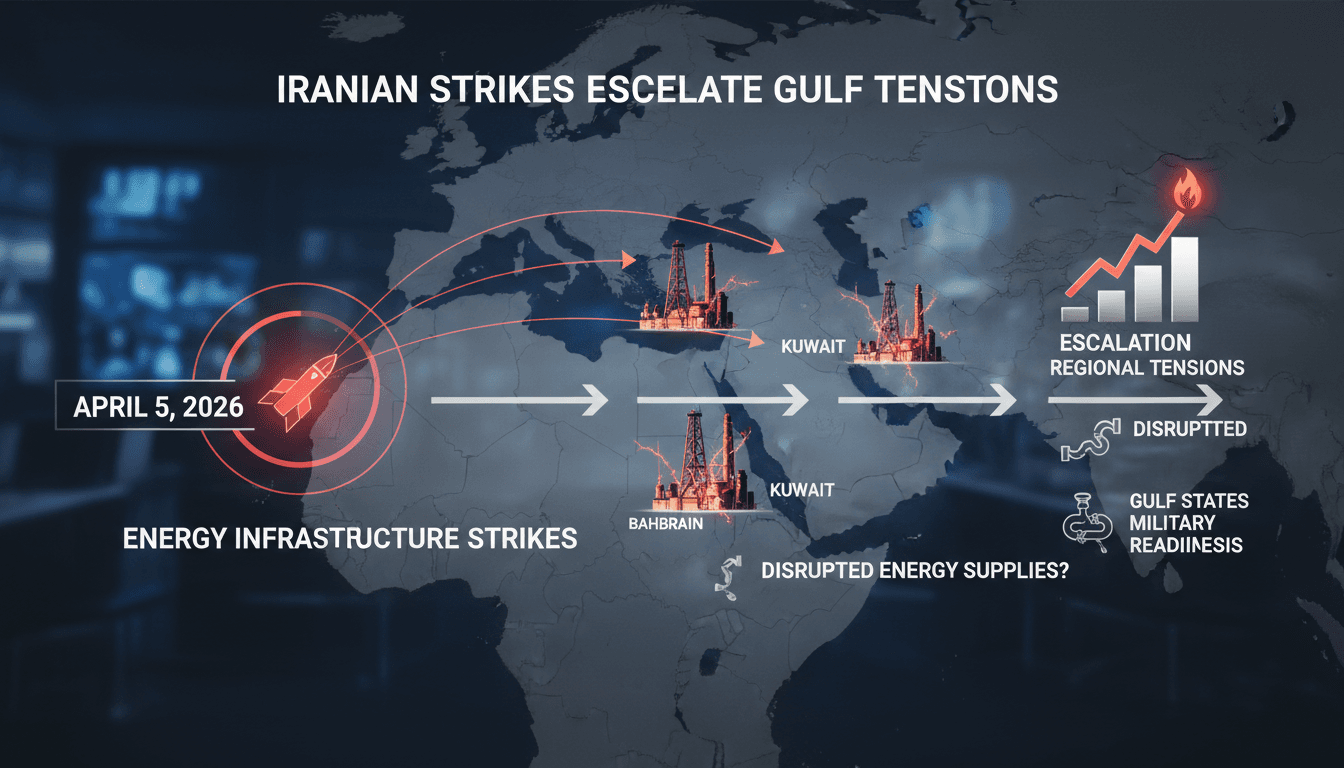
- World· World
Mediators Propose 45-Day Ceasefire Between US and Iran Amid Ongoing Conflict
Mediators from Pakistan, Egypt, and Turkey have initiated negotiations for a 45-day ceasefire between the United States and Iran as the conflict enters its 37th day. This push comes in response to President Trump's ultimatum for the reopening of the Strait of Hormuz and Iran's rejection of temporary truces without guarantees. If successful, this ceasefire could pave the way for a more permanent resolution to the ongoing hostilities and address critical issues such as Iran's uranium stockpile management.
3 sourcesApr 7High
- Politics· MENA
Saudi Arabia Condemns Assaults on UAE Embassy in Damascus
On April 3, 2026, protesters attacked the UAE embassy and mission head residence in Damascus during a pro-Palestinian rally. The violence was triggered by demands for the release of Issam al-Buwaydhani, a Syrian military figure detained by UAE authorities since April 2025. This incident may strain UAE-Syria diplomatic relations and provoke further regional tensions among Gulf states regarding the treatment of diplomats.
8 sourcesApr 7Low
- Politics· MENA
Singapore Condemns Iranian Attacks on GCC States in Call with Saudi Interior Minister
On April 5, 2026, Saudi Minister of Interior Prince Abdulaziz bin Saud bin Naif received a call from Singapore's Minister for Home Affairs K. Shanmugam regarding Iranian attacks on Saudi Arabia and GCC states. This conversation was triggered by ongoing Iranian missile and drone assaults following U.S. and Israeli strikes on Iran, which have escalated regional tensions. The long-term implication is a potential shift towards increased international cooperation and military readiness among GCC states and their allies to counter Iranian aggression.
4 sourcesApr 7Low
- Politics· MENA
Syrian authorities arrest two suspects linked to attack on UAE embassy in Damascus
On April 5, 2026, Syrian internal security forces arrested two individuals for their involvement in an assault on the UAE embassy during a pro-Palestinian protest. The immediate trigger for the attack was escalating tensions surrounding the UAE's diplomatic relations and the detention of a former militant leader. This incident may lead to increased security measures around diplomatic missions in Syria and a potential reevaluation of protest regulations by the Syrian government.
4 sourcesApr 7Low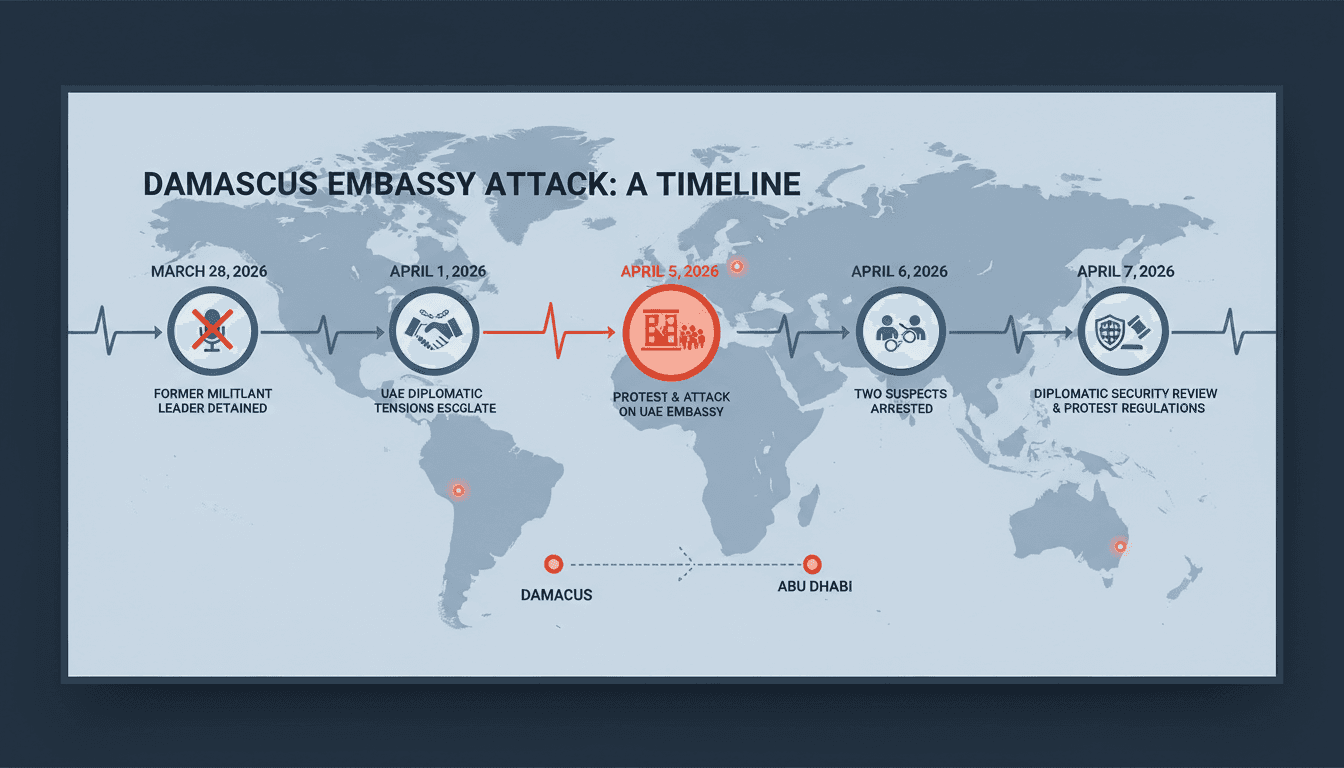
- Politics· UAE
Iranian Drone Strike Targets Du Telecommunications Building in Fujairah
On April 6, 2026, an Iranian drone struck a Du telecommunications building in Fujairah, UAE, with no reported injuries. This attack is part of a pattern of escalating tensions linked to the ongoing US-Israel military operations against Iran. The incident raises concerns over regional security and the potential for further retaliatory actions by Iran against UAE infrastructure.
3 sourcesApr 7High