Bio
Andre is co-founder at A47 News. He is responsible for editorial standards and news curation, and shares commentary on AI, general technology, and global politics.
Editorial Responsibility
As Editor, I am responsible for all editorial standards, news sourcing, research, and content production.
Previous experience · 15+ years
- · Co-founder at Tiki
- · Operations Director at Rocket Internet
Education
BA Economics, University of Waikato
Areas of expertise
Categories overseen
Stories from Andre Teow’s desk
15623 stories- Politics· World
Iranian Forces Shoot Down U.S. F-15E Fighter Jet Amid Escalating Conflict
On April 3, 2026, Iranian forces shot down a U.S. Air Force F-15E Strike Eagle fighter jet over southwestern Iran. This incident occurred shortly after President Trump claimed Iran's air defenses were completely destroyed, highlighting a significant miscalculation in U.S. intelligence and military assessment. The long-term implication may involve intensified military operations and a reevaluation of U.S. strategy in the region as the conflict escalates further.
4 sourcesApr 5Very High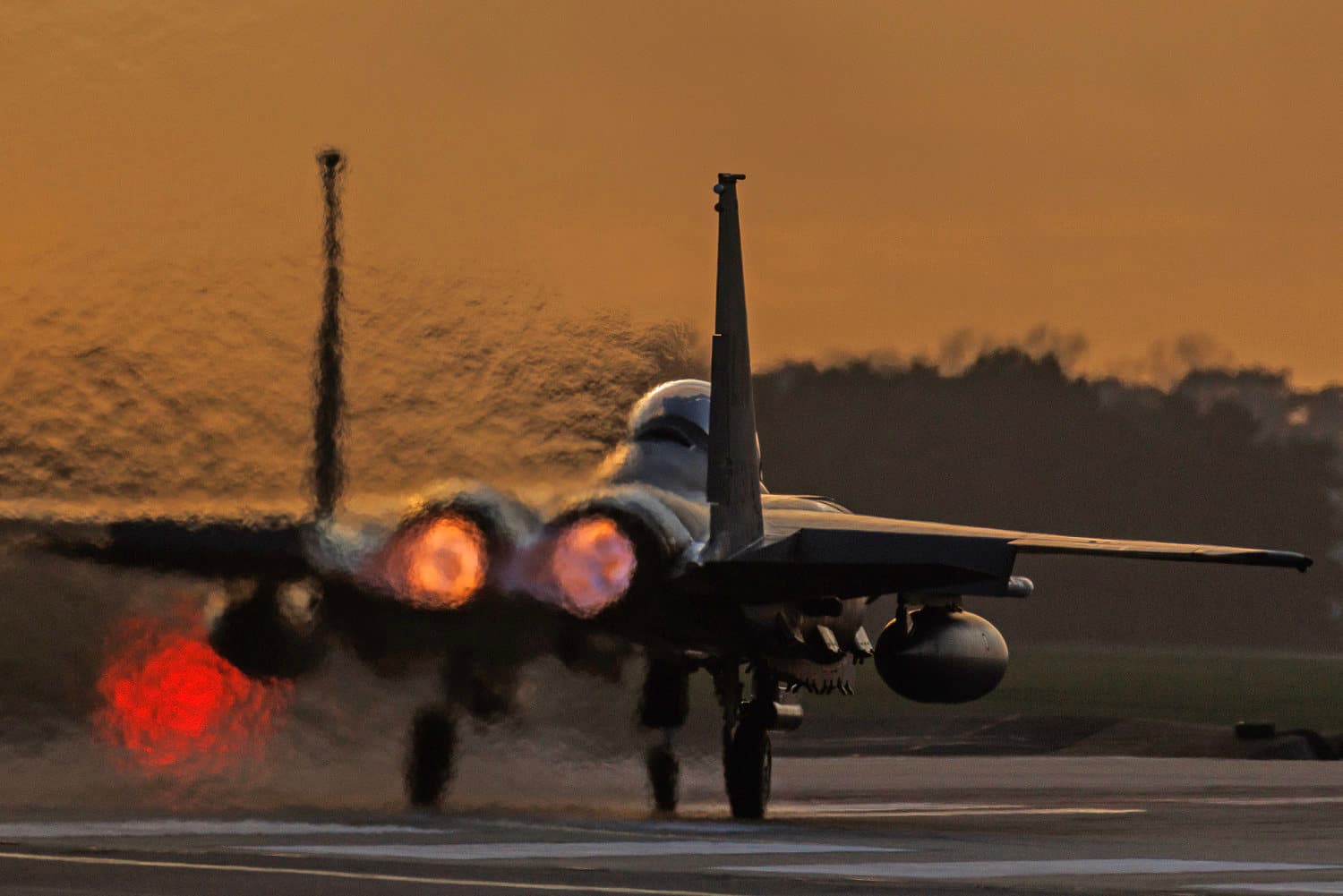
- Politics· World
Trump Administration Seeks Stay on Injunction Halting White House Ballroom Construction
The Trump administration filed an emergency motion to the D.C. Circuit Court to lift a preliminary injunction that halted construction of a new White House ballroom. This legal action follows a ruling by Judge Richard Leon that cited national security risks due to an unfinished excavation site. If successful, the administration's move could lead to the resumption of a controversial $400 million project funded by private donations, which has faced significant opposition from preservation groups.
3 sourcesApr 5Low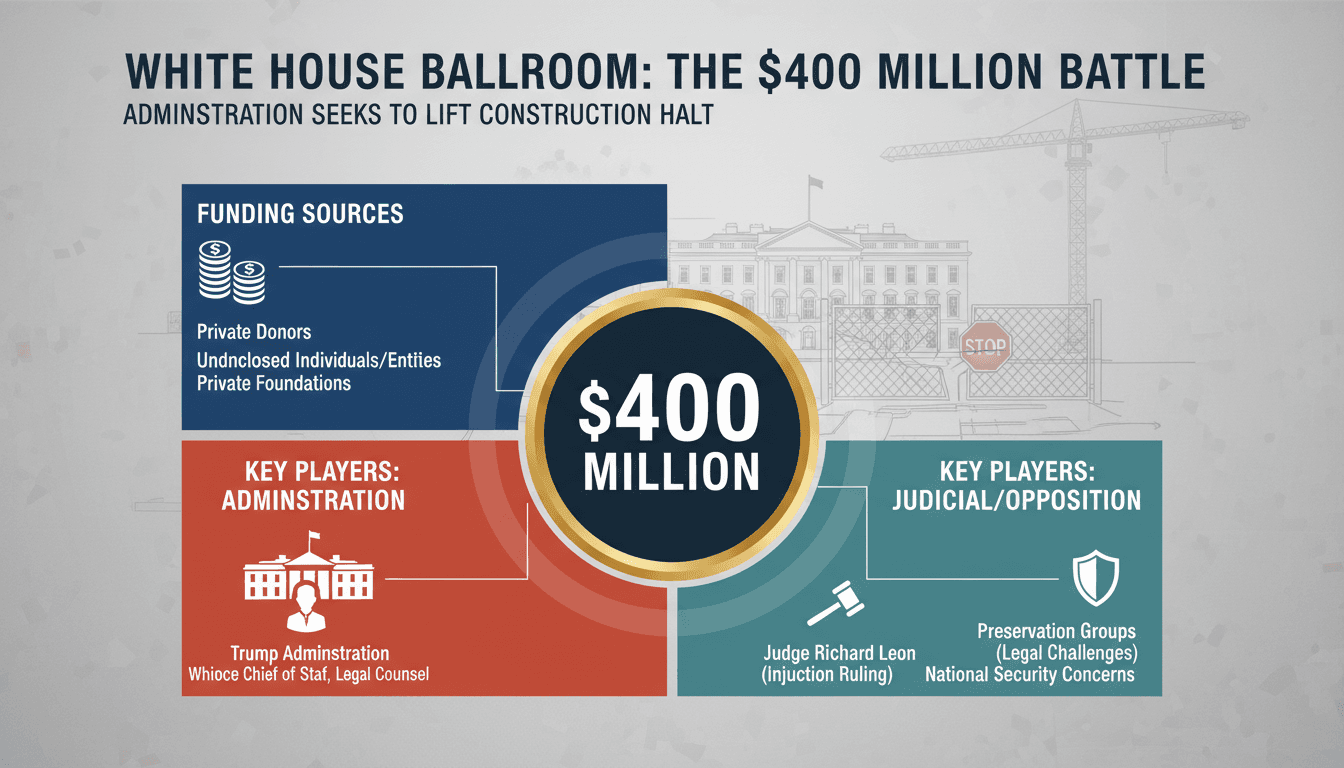
- Politics· World
U.S. Arrests Relatives of Qasem Soleimani Following Green Card Revocation
On April 4, 2026, U.S. federal agents arrested Hamideh Soleimani Afshar and her daughter Sarinasadat Hosseiny in Los Angeles after their permanent residency was revoked. This action was triggered by allegations of their support for the Iranian regime and fraudulent asylum claims, coinciding with heightened U.S.-Iran tensions during an ongoing military campaign. The long-term implication may involve increased scrutiny and enforcement against Iranian nationals in the U.S., potentially affecting diplomatic relations and immigration policies.
4 sourcesApr 5Very High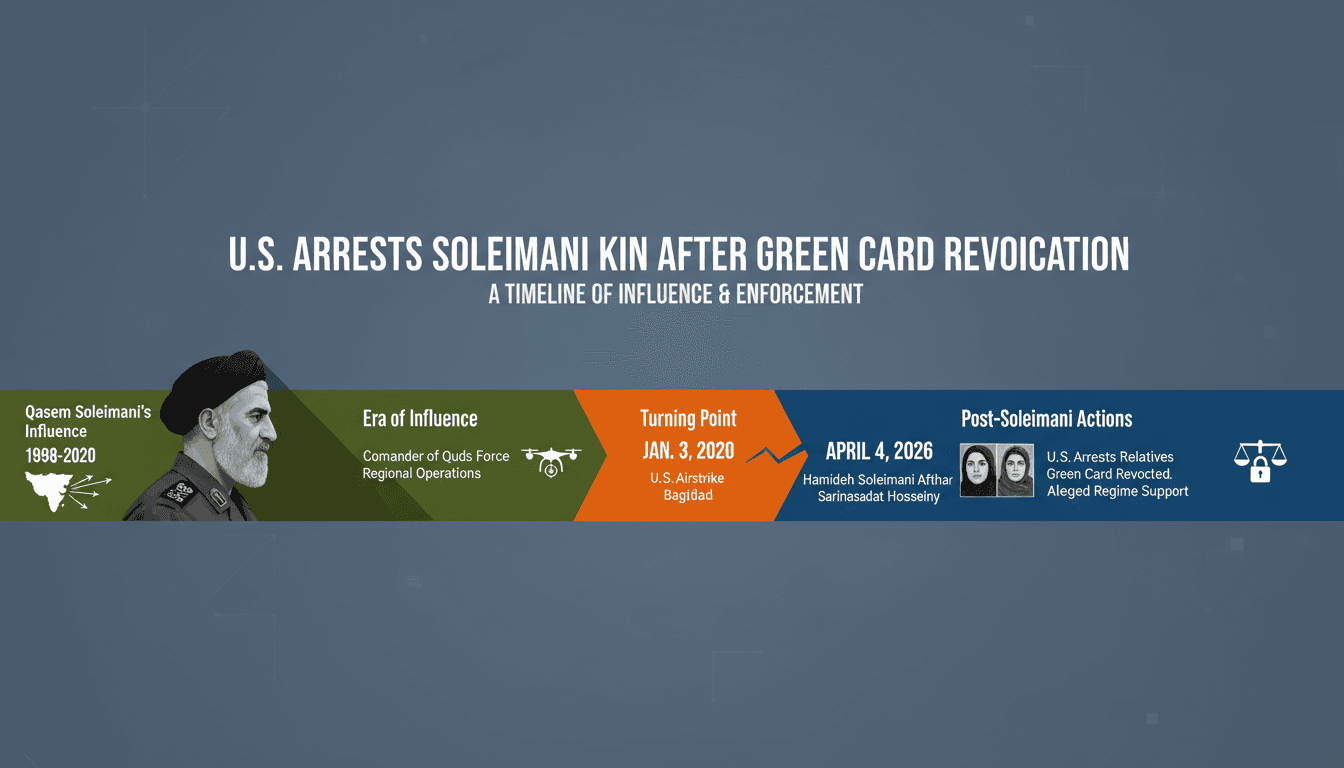
- Politics· MENA
Trump Announces Intensified Military Strikes on Iran Amid Ongoing Conflict
On April 3, 2026, President Donald Trump declared plans for intensified military strikes against Iran during the ongoing US–Israel war, marking day 34 of the conflict. This escalation follows Iranian missile and drone attacks on US and Israeli assets, alongside significant disruptions in the Strait of Hormuz affecting global oil prices. The long-term implications may include further destabilization in the Middle East and increased international calls for diplomatic resolutions to prevent broader conflict.
3 sourcesApr 4Very High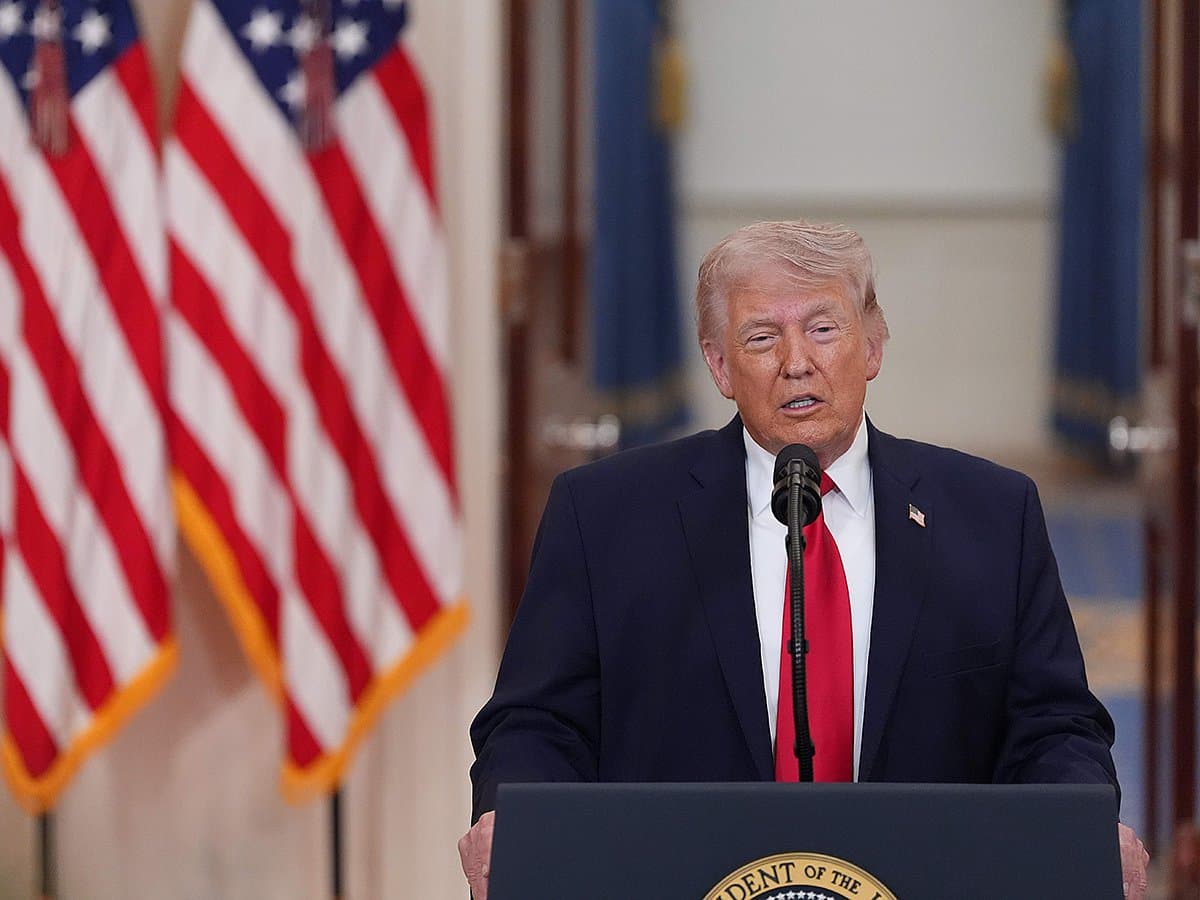
- World· World
Trump Escalates Military Operations Against Iran Leading to Surge in Oil Prices
On April 2, 2026, President Donald Trump announced the continuation and escalation of military operations against Iran for the upcoming weeks. This declaration follows a series of US-Israeli strikes that have intensified the ongoing conflict, raising concerns about disruptions to oil supplies through the Strait of Hormuz. The long-term implication is a potential spike in global oil prices, with forecasts suggesting Brent could reach $120-150 per barrel if the conflict persists.
3 sourcesApr 4High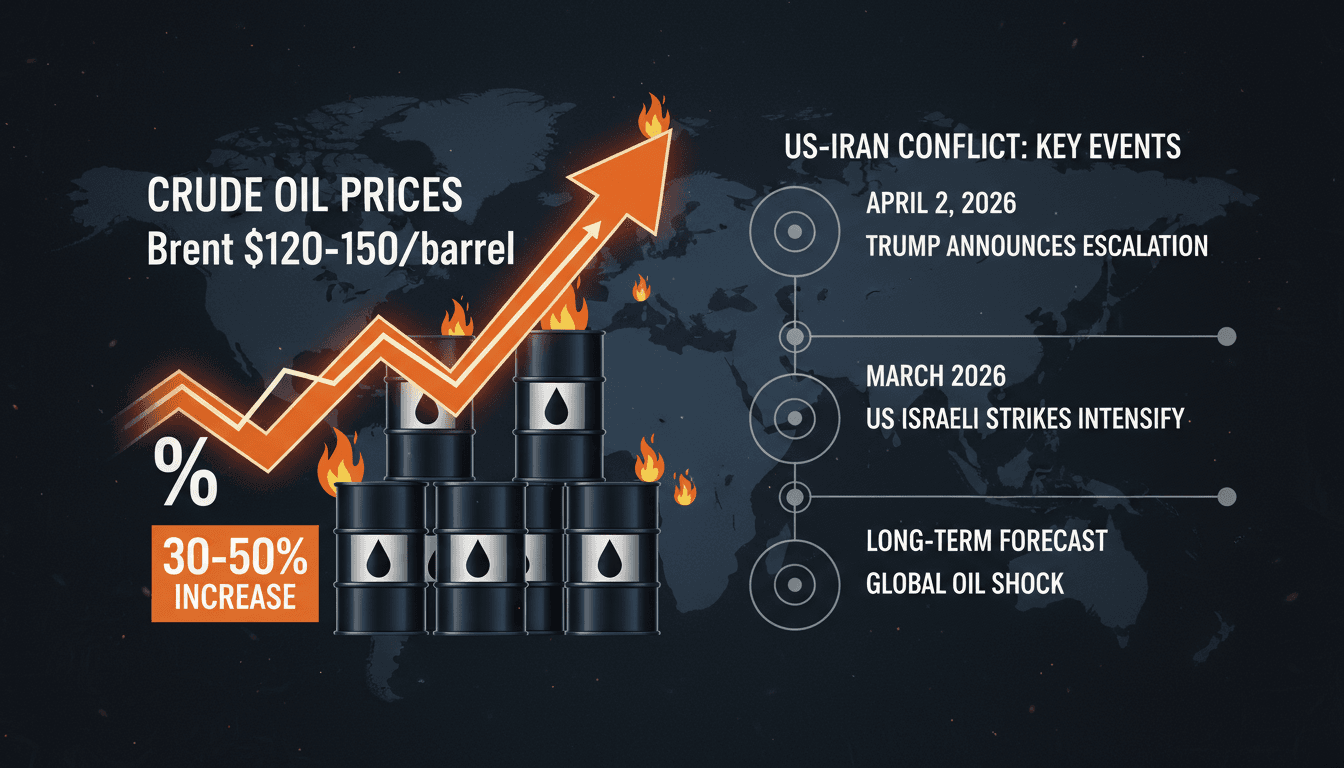
- Politics· MENA
Saudi and Russian Foreign Ministers Discuss Gulf Crisis Amid Escalating Iran Conflict
On April 2, 2026, Saudi Foreign Minister Prince Faisal bin Farhan Al Saud spoke with Russian Foreign Minister Sergey Lavrov regarding the deteriorating military-political situation in the Gulf region. This conversation was triggered by ongoing U.S. and Israeli strikes on Iran and Iran's subsequent blockade of the Strait of Hormuz, which has significant implications for global oil supplies. The long-term horizon suggests increased diplomatic efforts among global powers to stabilize the region and mitigate the impact on energy markets.
3 sourcesApr 4Low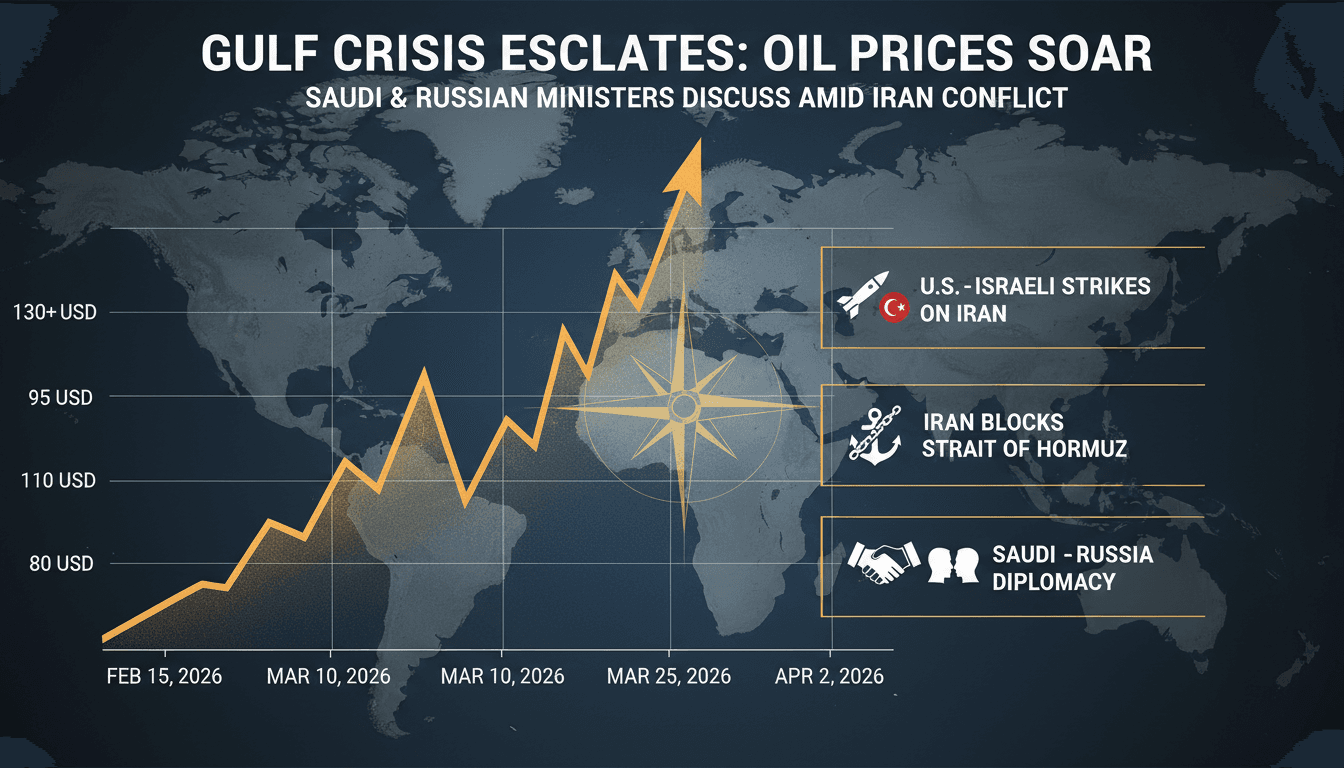
- World· World
Over 40 Nations Consider Sanctions Against Iran Amid Strait of Hormuz Crisis
A virtual summit of over 40 countries was convened on April 2, 2026, to discuss potential sanctions against Iran due to its continued closure of the Strait of Hormuz. This meeting was triggered by Iran's naval actions that have disrupted 20% of global oil and gas shipments, raising significant concerns over energy security. The long-term implication includes a coordinated international response that may lead to increased diplomatic and economic pressures on Iran to reopen the vital shipping route.
3 sourcesApr 4Moderate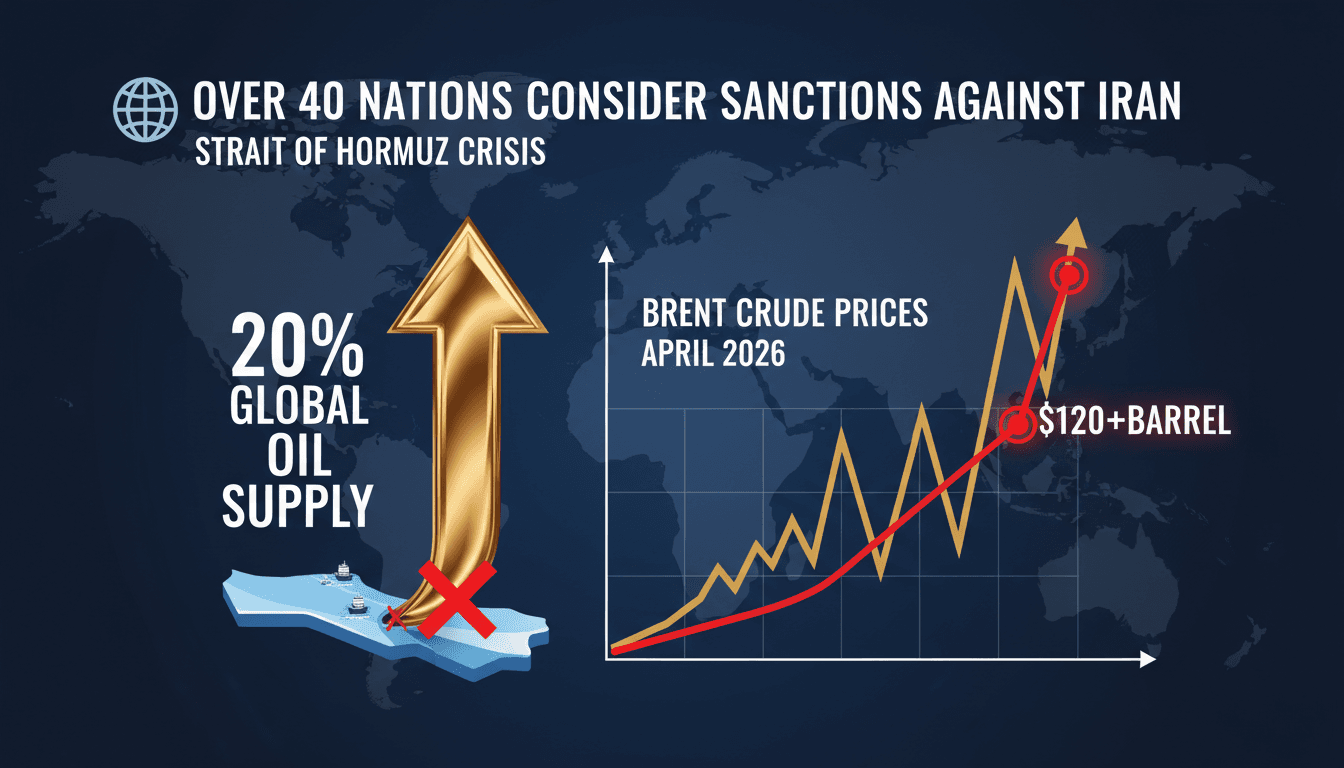
- Politics· MENA
Arab and Islamic Nations Condemn Israeli Death Penalty Law for Palestinians
On April 2, 2026, foreign ministers from Saudi Arabia and seven other Arab and Islamic nations issued a joint statement condemning the Israeli Knesset's recent law permitting the death penalty for Palestinians in the West Bank. This condemnation follows the law's enactment on March 30, which has escalated tensions amid ongoing violence and discrimination against Palestinians. The long-term implication may involve increased regional instability and calls for international accountability regarding Israel's policies towards Palestinians.
4 sourcesApr 4Low
- Politics· MENA
Putin and Saudi Crown Prince Discuss Regional Military Escalation Amid Ongoing Tensions
On April 2, 2026, Saudi Crown Prince Mohammed bin Salman received a telephone call from Russian President Vladimir Putin regarding escalating military tensions in the Middle East. The conversation was triggered by recent threats to maritime navigation and global economic stability, particularly concerning oil shipping routes. This dialogue suggests a potential for increased diplomatic coordination between Russia and Saudi Arabia to address regional security challenges and stabilize oil markets in the long term.
5 sourcesApr 4Moderate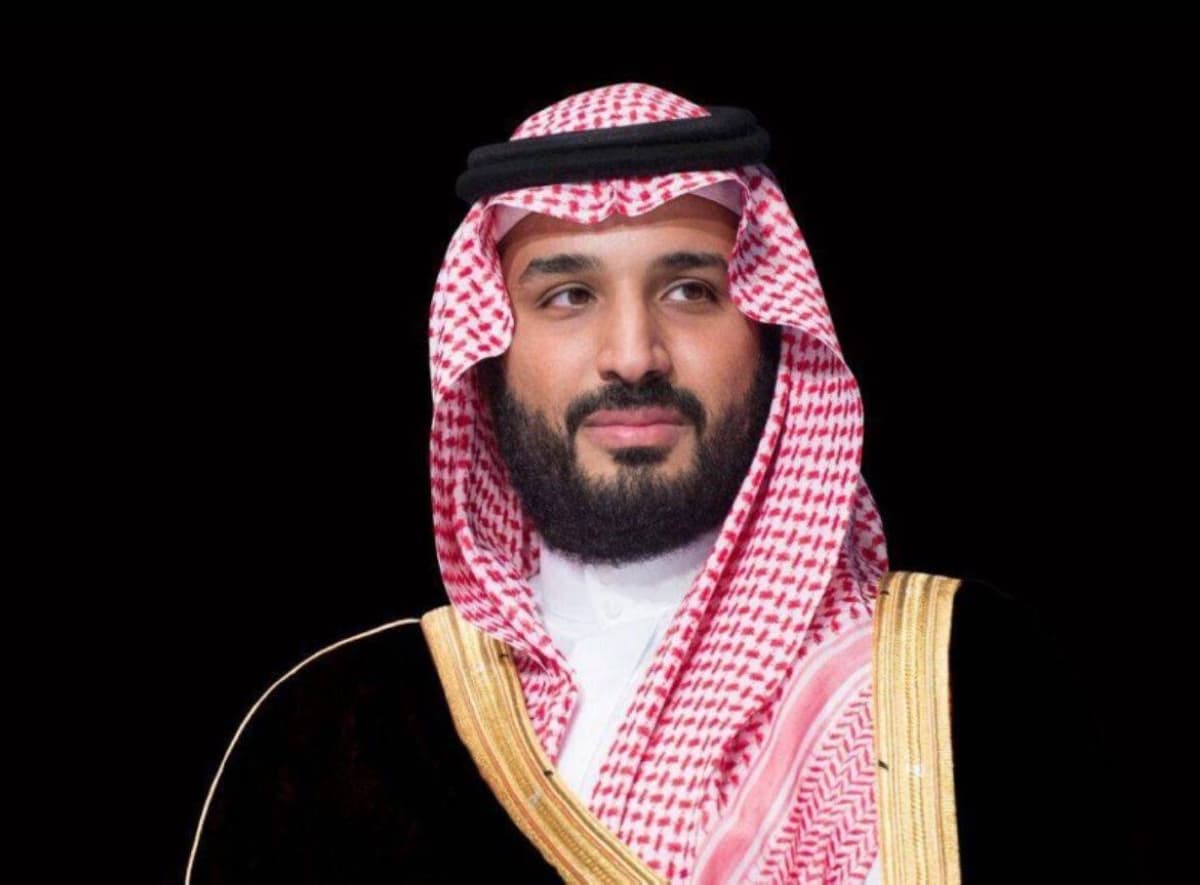
- Politics· World
UK Hosts Virtual Summit of 40 Nations to Demand Reopening of Strait of Hormuz
On 2 April 2026, British Foreign Secretary Yvette Cooper convened a virtual summit of foreign ministers from about 40 countries to demand the immediate and unconditional reopening of the Strait of Hormuz. This demand arises from Iran's blockade of the strait, which has severely disrupted global shipping and elevated energy prices amid the ongoing US-Iran war. The long-term implication includes potential military coordination among nations to secure passage and mitigate further economic fallout from the blockade.
3 sourcesApr 4Moderate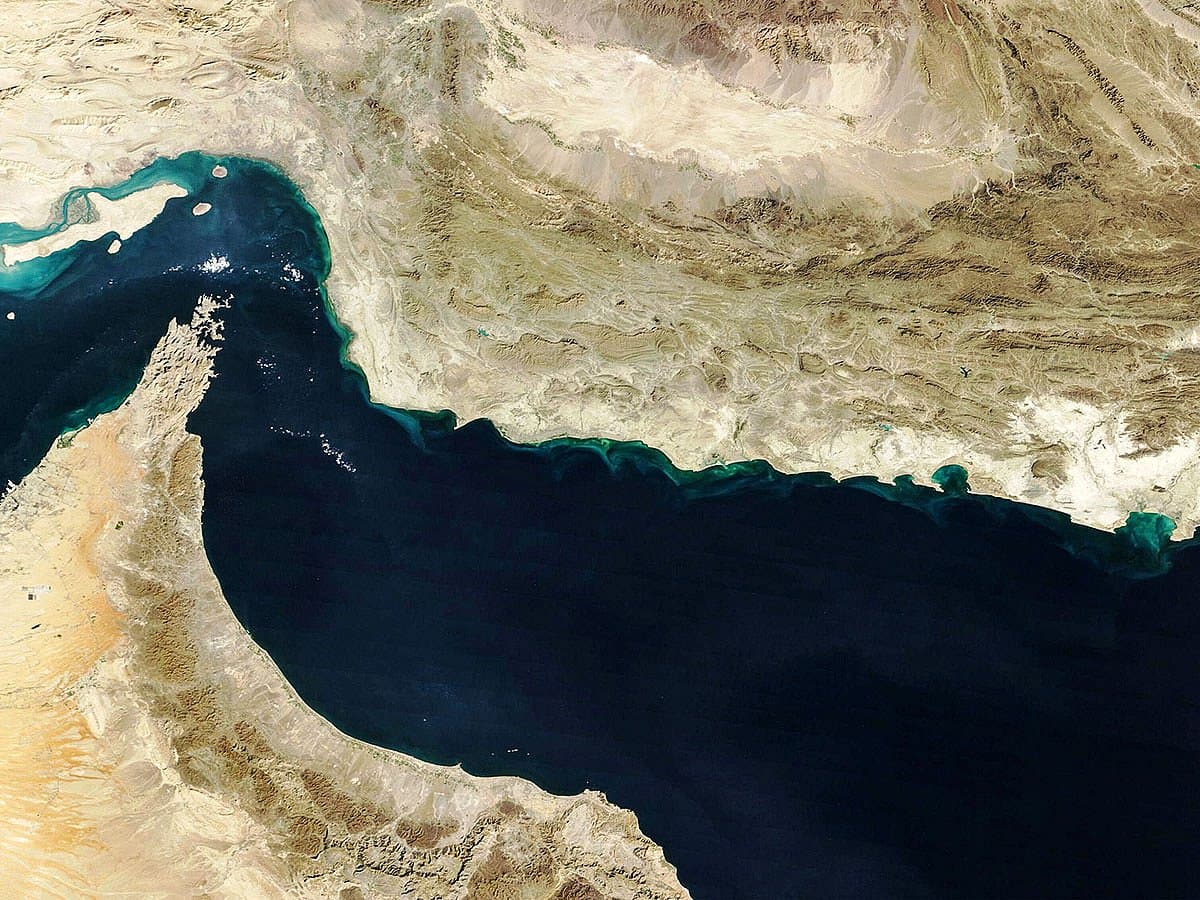
- World· MENA
UN Security Council Delays Vote on Bahrain's Resolution for Strait of Hormuz Defense
The United Nations Security Council postponed a vote on a Bahrain-drafted resolution to authorize defensive force for protecting shipping in the Strait of Hormuz. This delay is due to a combination of a UN holiday and disagreements among permanent members, occurring amidst Iran's blockade of the waterway following US-Israeli military actions. The long-term implication may involve increased tensions and potential military escalations in the region, affecting global energy supplies and international relations.
4 sourcesApr 4Low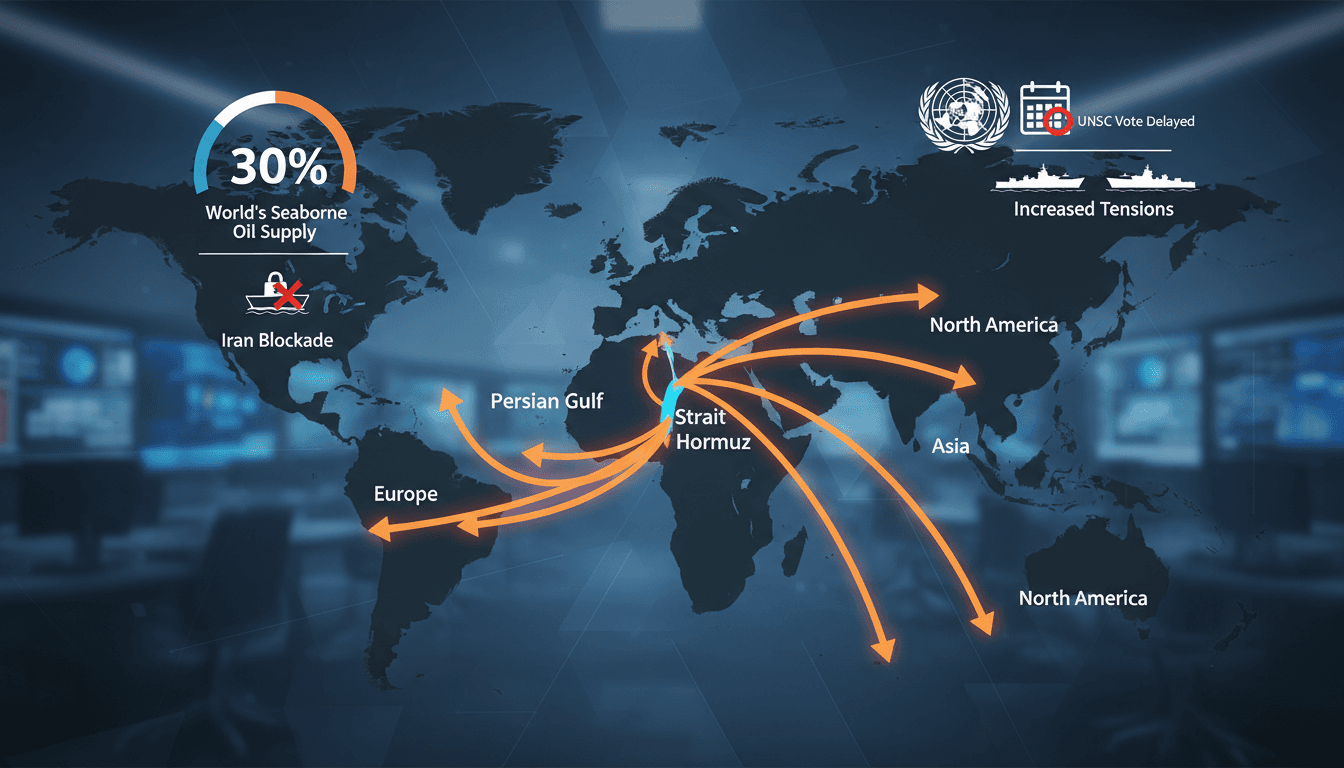
- Politics· UAE
UAE Air Defences Intercept Major Iranian Missile and Drone Attack
On April 3, 2026, UAE air defences engaged 18 ballistic missiles, 4 cruise missiles, and 47 UAVs launched from Iran. This escalation is a direct response to ongoing Iranian attacks on Gulf states amid the 2026 US-Israel-Iran conflict. The long-term implication is a heightened state of military readiness in the region, with potential impacts on regional security dynamics and international relations.
3 sourcesApr 4Moderate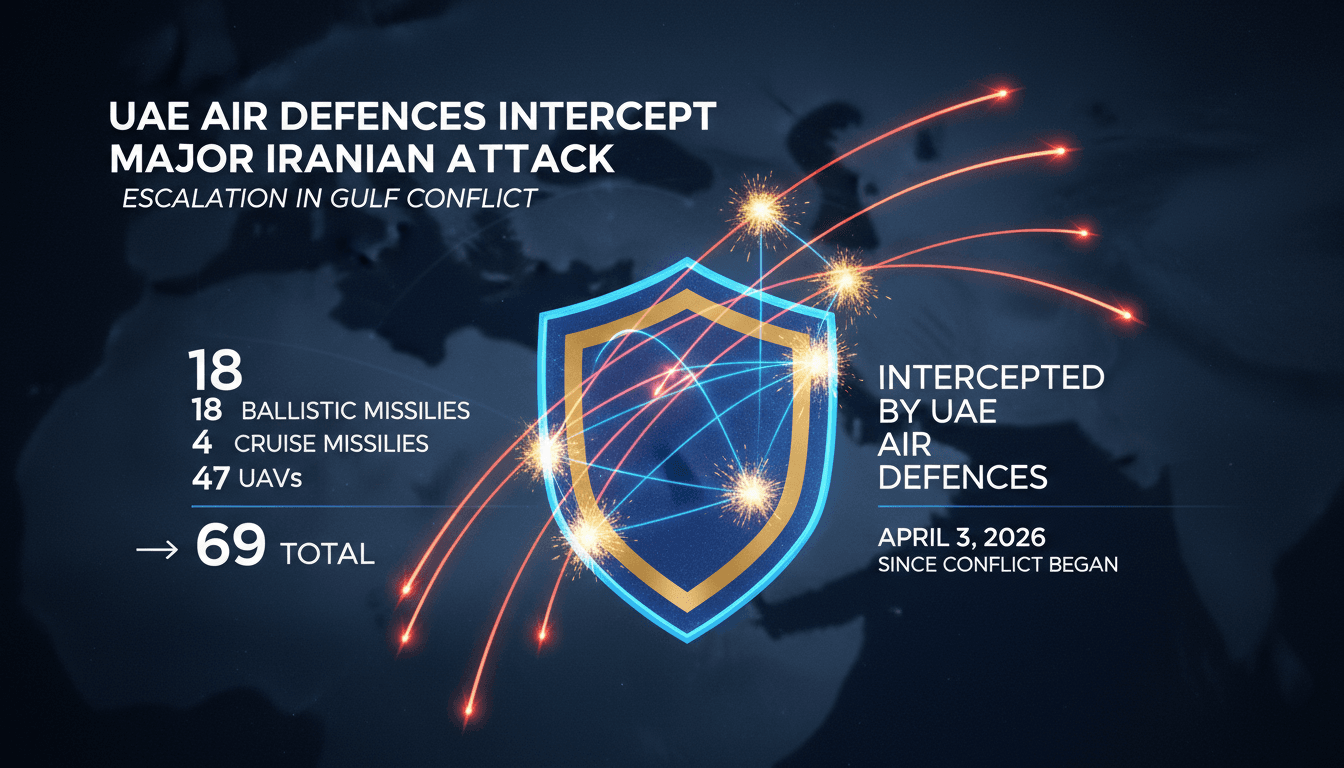
- Politics· MENA
Trump Threatens Military Strikes on Iran to Accelerate War Resolution
On April 3, 2026, U.S. President Donald Trump threatened strikes on Iranian bridges and power plants to pressure Iran's leadership into rapidly concluding an agreement to end the five-week-old war. This escalation follows a recent U.S. airstrike that destroyed a key bridge in Iran, amid ongoing Iranian retaliation against Gulf refineries and disruptions in the Strait of Hormuz. The long-term implication may involve increased military engagement and heightened geopolitical tensions in the region, affecting global oil markets and security dynamics.
6 sourcesApr 4Very High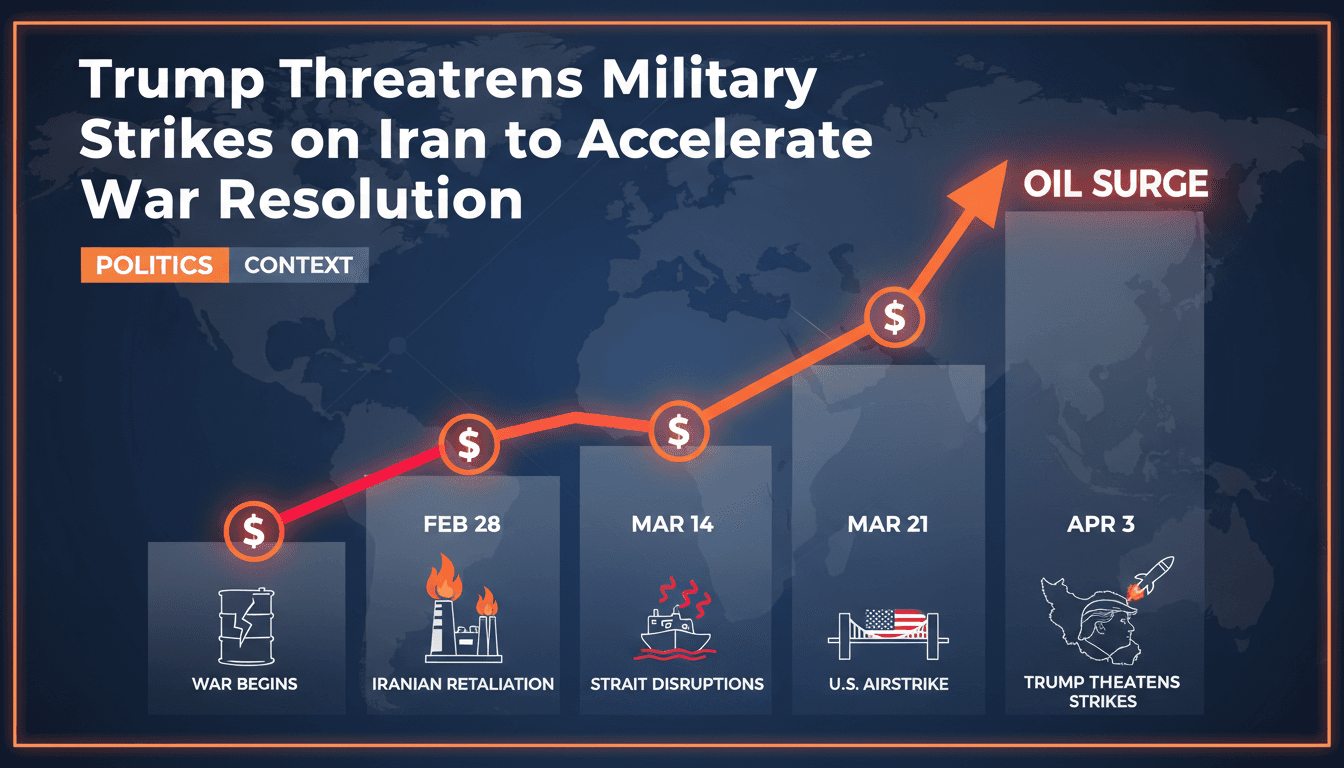
- Politics· World
Trump Claims Military Capability to Reopen Strait of Hormuz Amid Ongoing U.S.-Iran Conflict
On April 3, 2026, U.S. President Donald Trump asserted that American forces could easily reopen the Strait of Hormuz and seize Iranian oil reserves. This statement follows six weeks of escalating military actions by the U.S. and Israel against Iran, which has retaliated by closing the Strait, a critical global oil transit route. The long-term implication could be a significant shift in energy markets and geopolitical tensions as the U.S. seeks to assert control over oil supplies amidst rising prices and international pressure.
3 sourcesApr 4Low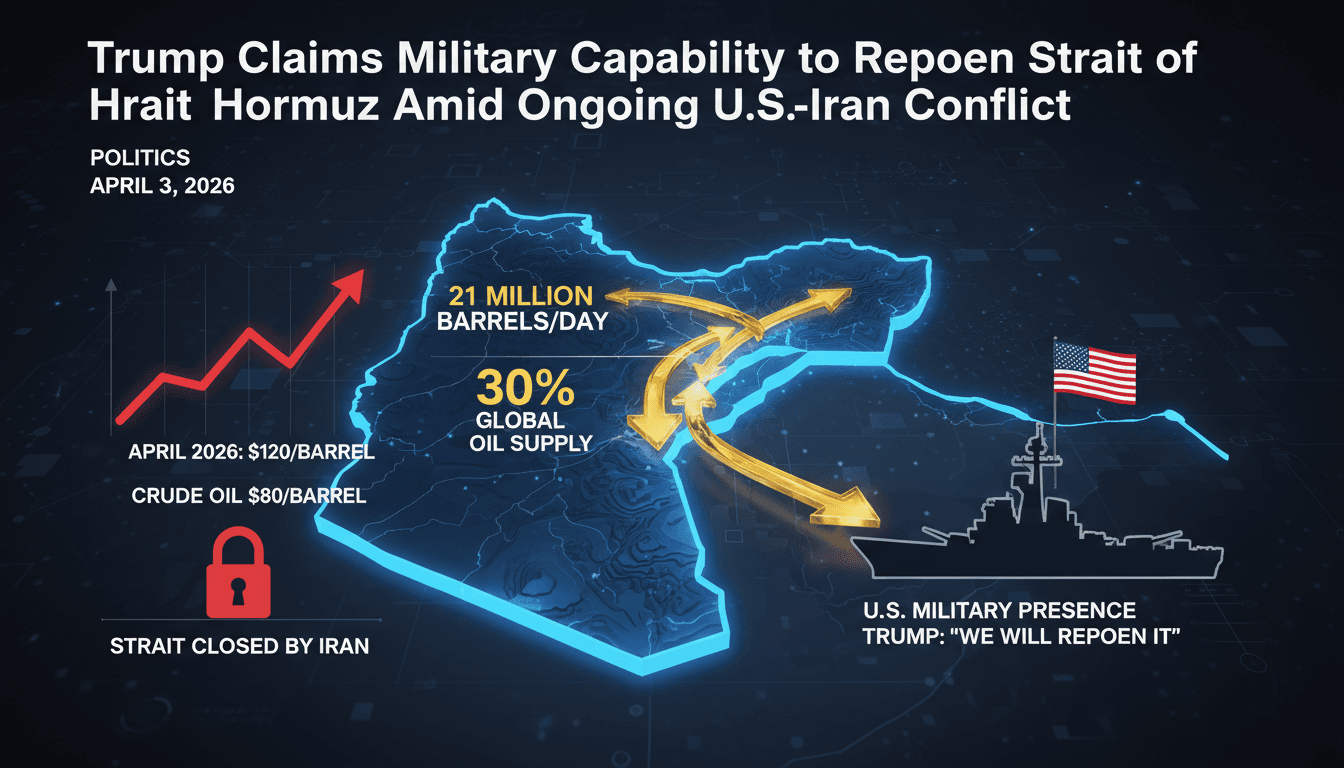
- Politics· MENA
UN Security Council Delays Vote on Bahrain's Hormuz Resolution Amid Global Tensions
The United Nations Security Council has postponed its vote on Bahrain's draft resolution aimed at authorizing defensive measures in the Strait of Hormuz. This delay comes as divisions among member states, particularly opposition from Russia and China, complicate the resolution's passage during an ongoing U.S.-Iran conflict. The long-term implication may involve increased geopolitical instability and potential military escalations in the region, affecting global energy markets and security dynamics.
3 sourcesApr 4Low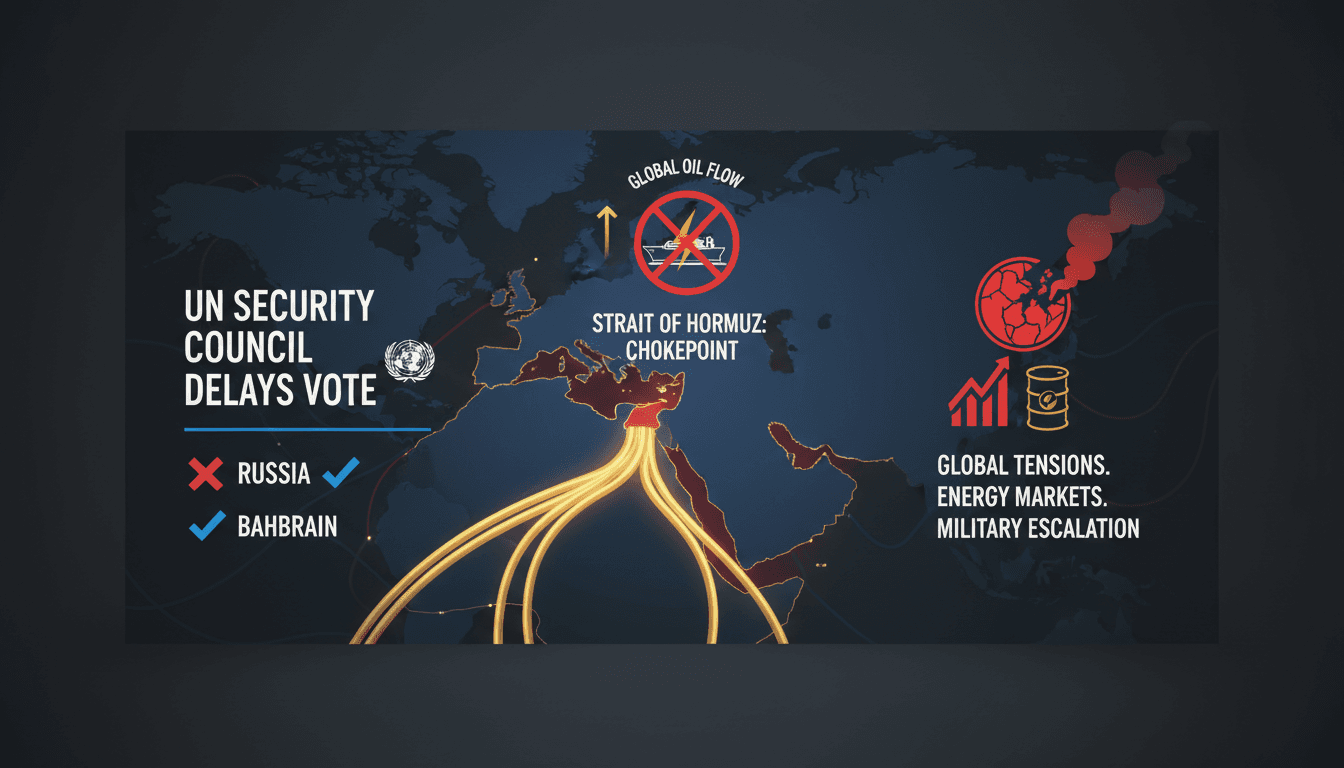
- Politics· MENA
Saudi Crown Prince Meets Italian Prime Minister Amid Ongoing US-Israel-Iran Conflict
Saudi Crown Prince Mohammed bin Salman held a diplomatic meeting with Italian Prime Minister Giorgia Meloni in Jeddah on April 3, 2026. This meeting is significant as it marks the first visit by an EU or NATO leader to the region since the onset of the US-Israel war on Iran, highlighting Italy's urgent need to secure energy supplies amidst regional instability. The long-term implication may involve strengthened Saudi-Italian ties and increased European engagement in Middle Eastern energy security strategies.
4 sourcesApr 4Low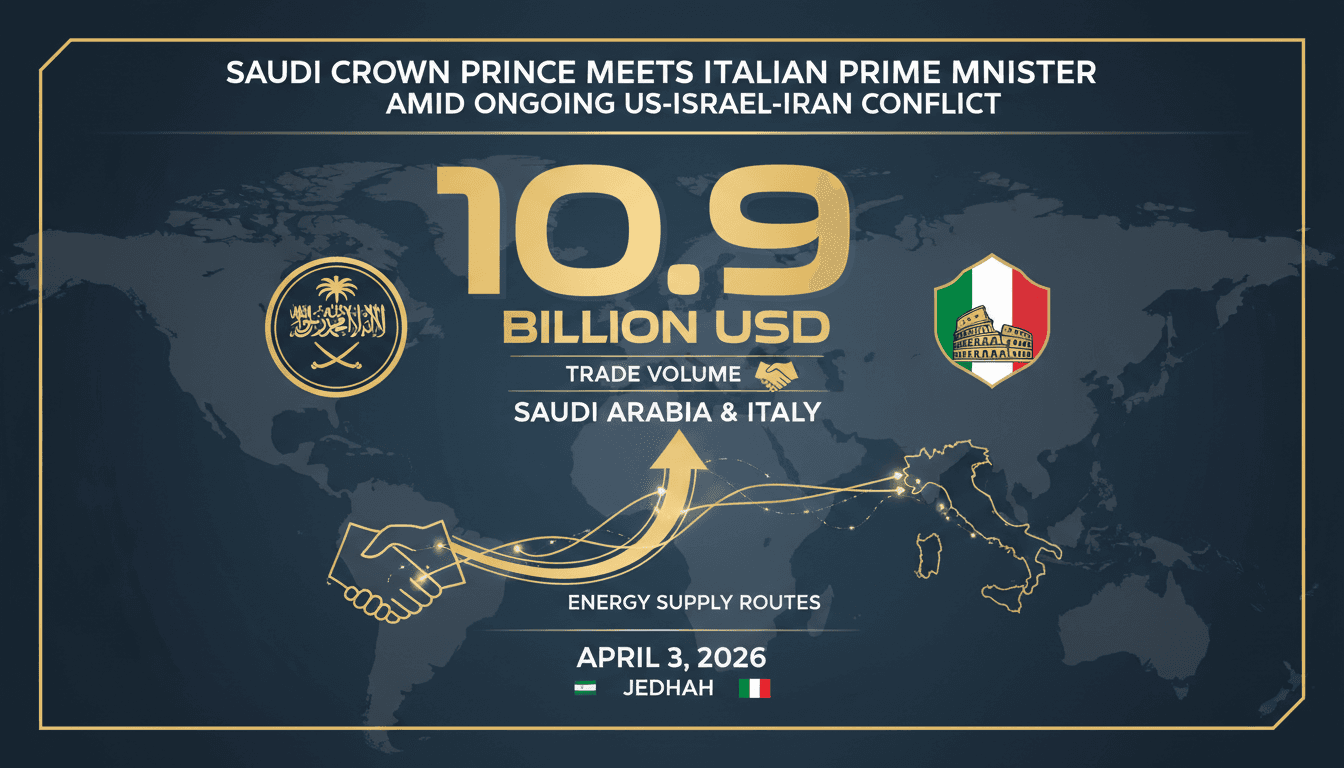
- Politics· MENA
U.S. Special Forces Rescue F-15E Crew Member After Shootdown in Iran
U.S. Special Forces successfully rescued one crew member of an F-15E fighter jet shot down by Iranian Revolutionary Guard forces in southwestern Iran. The operation is a direct response to escalating tensions in the ongoing U.S.-Israel war against Iran, which has seen increased military actions and retaliations. This incident is likely to further complicate diplomatic negotiations and heighten military engagement in the region.
3 sourcesApr 4High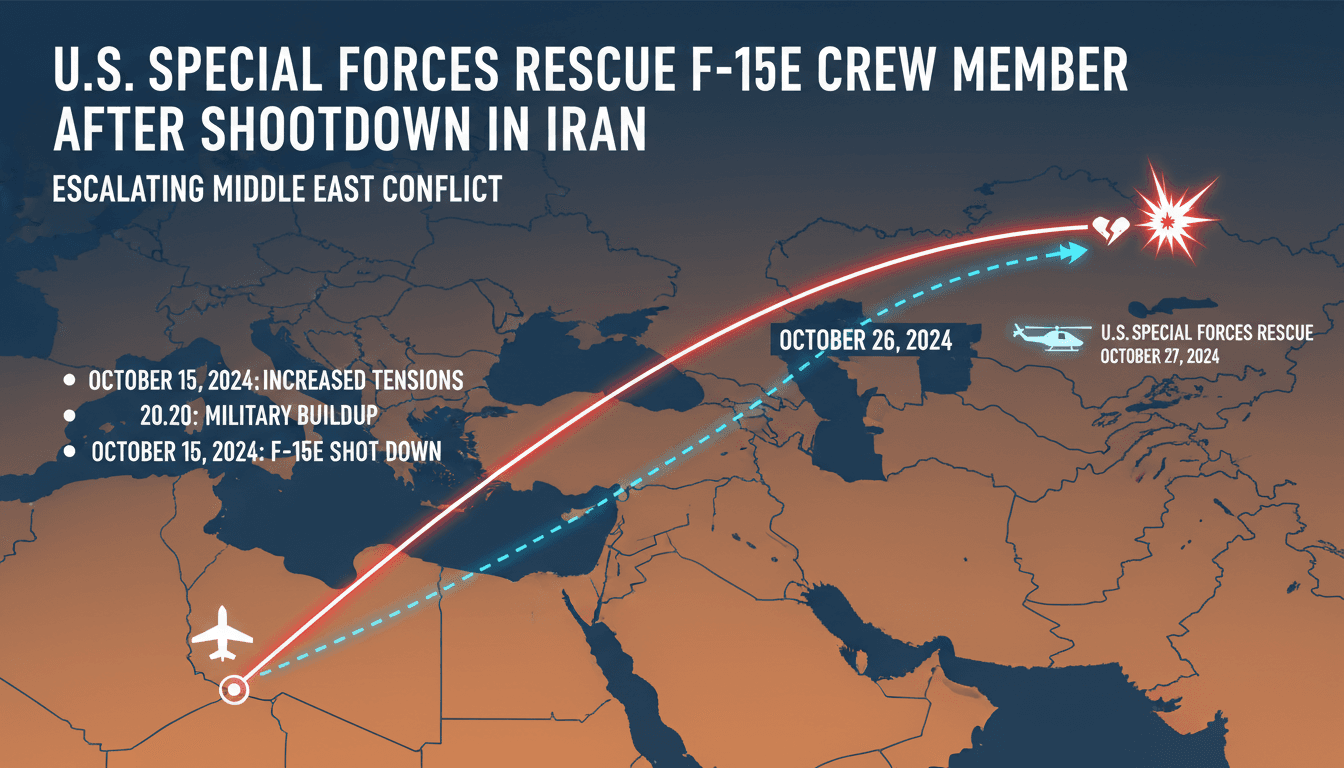
- Politics· World
White House Proposes $1.5 Trillion Defense Budget Amid U.S.-Iran Conflict
On April 3, 2026, the White House submitted a fiscal year 2027 budget proposal requesting approximately $1.5 trillion for national defense, marking a significant increase from previous levels. This proposal is driven by ongoing war costs estimated at $1 billion per day and the need to replenish munitions amid the escalating U.S.-Israel conflict with Iran. The long-term implication may include a shift in U.S. fiscal priorities, potentially leading to increased military spending at the expense of domestic programs and social services.
3 sourcesApr 4Very High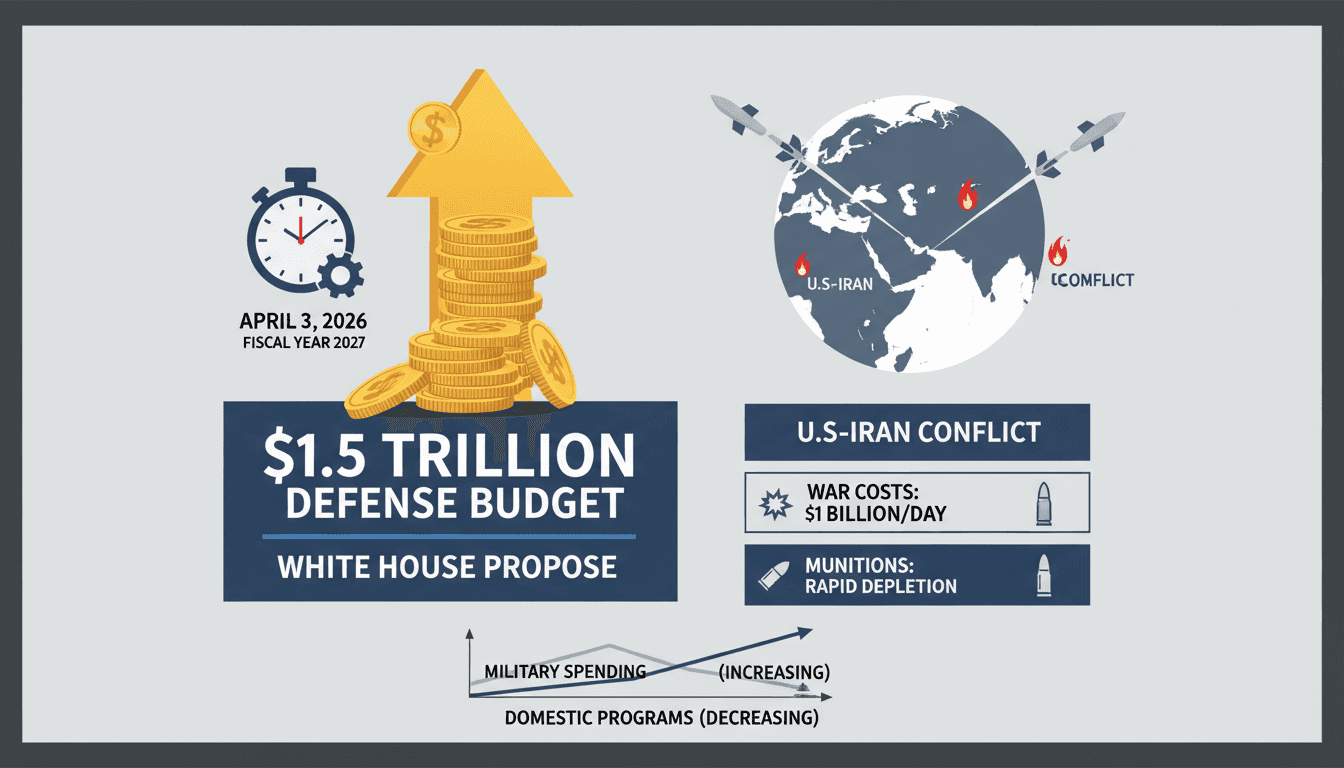
- Politics· MENA
Bahrain intercepts Iranian drone over Sitra residential area
On April 4, 2026, Bahraini air defenses intercepted an Iranian drone over the Sitra residential area, resulting in minor injuries to four citizens and damage to several homes from falling shrapnel. The incident is attributed to Iranian aggression amid ongoing retaliatory operations against Gulf states following military actions by Israel and the United States. This escalation may lead to increased military vigilance and further regional tensions as Gulf states respond to perceived threats from Iran.
3 sourcesApr 4Low
- Politics· World
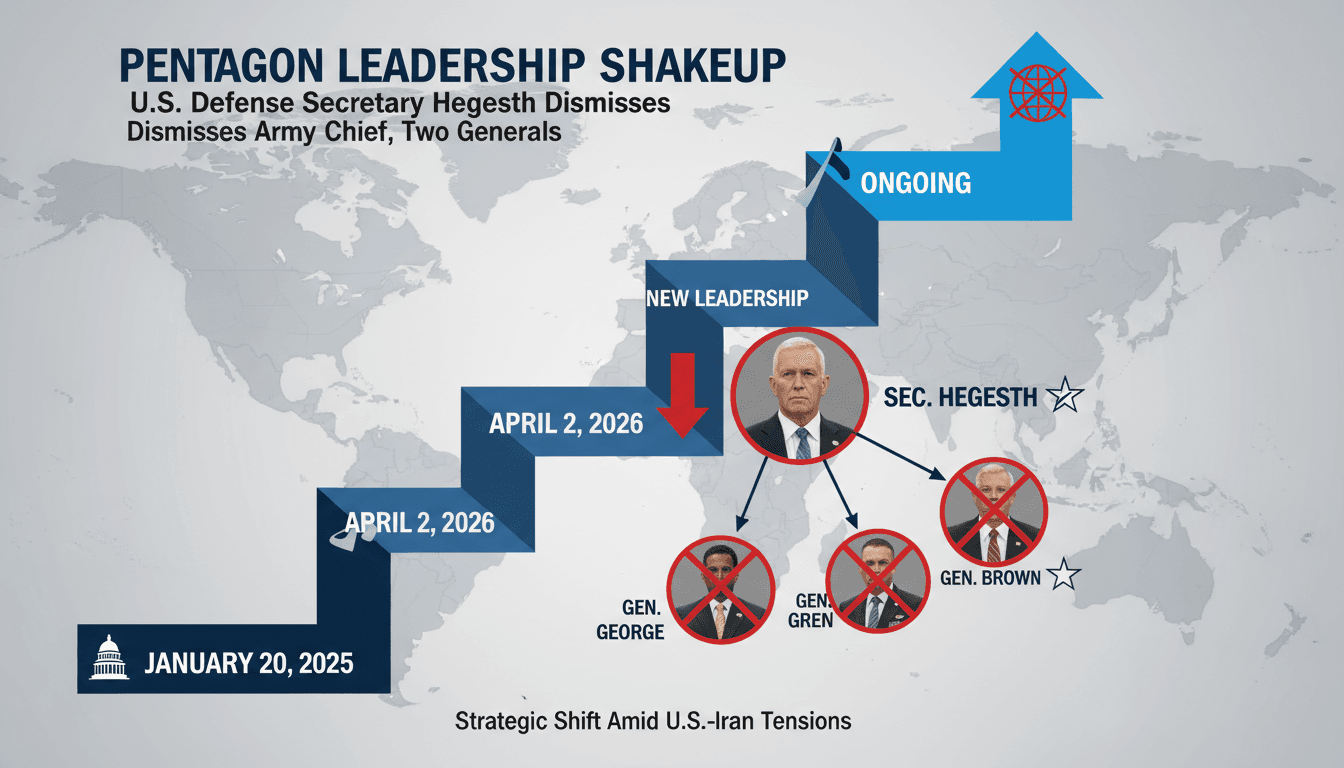
U.S. Defense Secretary Hegseth Dismisses Army Chief and Two Generals in Pentagon Leadership Shakeup
On April 2, 2026, U.S. Defense Secretary Pete Hegseth ordered the immediate retirement of Army Chief of Staff General Randy George and the dismissal of two other generals as part of a broader leadership purge. This action is motivated by ongoing U.S.-Iran tensions and Hegseth's intent to replace prior-administration appointees with officers aligned to the Trump administration's military strategies. The long-term implication may involve significant shifts in U.S. military policy and operational readiness amid escalating regional conflicts.
4 sourcesApr 4High